Category: Business

The most important business news, explained in a young, easy to understand way. News that affects young career professionals.

  • Russian oil imports expected to reduce fuel prices slowly, says Musadik Malik

    Russian oil imports expected to reduce fuel prices slowly, says Musadik Malik

    At the Pakistan Energy Conference 2023, Minister of State for Petroleum, Musadik Malik, reassured the nation that the arrival of cheap oil from Russia would eventually lead to a decline in fuel prices. However, he cautioned that an immediate decrease should not be expected until a continuous supply of oil from Moscow is established.

    Minister Malik said that the import of Russian oil was not merely a promise or rhetoric. He confirmed that ships carrying the much-anticipated oil had already reached Oman and would commence supply to Pakistan within a week. While acknowledging that a single shipment would not significantly impact fuel costs, Malik expressed confidence that once a persistent supply was established, the price of fuel would gradually decrease.

    The government’s ambitious objective is to fulfill one-third of Pakistan’s crude oil requirements with affordable oil sources, including imports from Russia. The aim is to address the chronic energy shortages that Pakistan, the world’s fifth most populous country, has been grappling with. Currently, Pakistan imports 84 per cent of its petroleum products, primarily from Gulf Arab allies Saudi Arabia and the United Arab Emirates.

    The import of cheap Russian oil represents one of Pakistan’s strategies to alleviate its energy crisis, as global efforts are underway to restrict Russia’s oil exports due to its invasion of Ukraine. During a visit to the United States earlier this month, Minister Malik confirmed that Pakistan had placed its first order for Russian oil, which is expected to arrive within a month. Upon evaluating the impact of this initial shipment, Pakistan will decide on the extent of future imports.

    When asked about the possibility of pursuing more Russian imports, Malik responded that Pakistan would prioritise cheaper energy sources to meet its energy requirements. The minister further emphasised that the government’s objective was to ensure a sustainable and affordable supply of low-cost energy, highlighting accessibility, sustainability, and affordability as the key pillars of this vision.

    In addition to the import of Russian oil, Malik mentioned the Iran-Pakistan Gas Pipeline project as another avenue to address the country’s energy needs. The government has conveyed to Iran its intention to access energy through the pipeline while remaining responsible and avoiding potential sanctions. Talks are underway with both sanctioning countries and Iran to find a creative solution to this matter.

    With Pakistan eagerly awaiting the arrival of cheap Russian oil, the government remains committed to securing a sustainable and affordable energy supply to meet the needs of its citizens. The gradual decline in fuel prices is expected to provide much-needed relief to the nation, addressing its chronic energy shortages and boosting economic growth in the process.
  • IMF’s conditions for agreement: Pakistan must arrange foreign loans and restore foreign exchange market

    IMF’s conditions for agreement: Pakistan must arrange foreign loans and restore foreign exchange market

    In a recent development, the International Monetary Fund (IMF) has urged Pakistan to address its political disputes in accordance with the constitution. This statement came after Prime Minister Shehbaz Sharif reached out to IMF Managing Director Kristalina Georgieva in a last-ditch effort to revive the derailed $6.5 billion bailout package and avoid default.

    Following the conversation between Shehbaz and Georgieva, IMF Mission Chief to Pakistan Nathan Porter made an unusual statement, expanding the IMF’s focus to the political arena.

    While the IMF typically refrains from commenting on domestic politics, Porter emphasised the importance of finding a peaceful way forward in line with the constitution and the rule of law. This statement comes in the midst of an ongoing crackdown against PTI workers, abductions of individuals, and other political issues.

    Responding to questions from The Express Tribune, Porter outlined the conditions Pakistan must fulfill to reach an agreement with the IMF. These conditions include arranging foreign loans, approving a new budget in line with the IMF framework, and restoring proper functioning to the foreign exchange market.

    Prime Minister Shehbaz sees the IMF as the last resort to avoid default and thus decided to intervene. Following the conversation with the IMF chief, he instructed the finance ministry to share details of the next budget with the IMF.

    Meanwhile, Finance Minister Ishaq Dar criticised the IMF again, stating that it would be biased and shameful if the 9th review did not take place. However, a top finance ministry official confirmed that the prime minister had contacted the IMF managing director to break the deadlock.

    Time is running out for Pakistan, as there is only one month left before the program expires. Pakistani authorities still believe that the IMF can shorten the review completion period by calling a board meeting within two weeks of announcing the staff-level agreement.

    Porter emphasised that sustaining strong policies, obtaining sufficient financing from partners, and engaging in ongoing reforms are crucial for Pakistan to maintain macroeconomic stability. He also stressed the importance of strengthening domestic revenue mobilization, eliminating state-owned enterprise losses, reducing inefficiencies, and allowing for increased social and development spending.

    While Pakistan claims to have fulfilled all the conditions agreed upon in February, the sources indicate that Pakistan is currently not meeting all three conditions set by the IMF. The value of the rupee in the open market is significantly different from its value in the interbank market, and the new budget is not aligned with the IMF’s requirements.

    To bridge the financing gap until June this year, the IMF had asked Pakistan to arrange $6 billion in fresh loans. So far, Pakistan has obtained assurances for $3 billion from Saudi Arabia and the United Arab Emirates. The government is ready to share the details of the budget and the foreign exchange policy with the IMF.

    The $6.5 billion bailout package has been derailed since November last year and is set to expire on June 30. Of the total amount, the IMF has not disbursed $2.6 billion, including a $1.2 billion tranche linked to the completion of the 9th review. Pakistan’s foreign exchange reserves stand at $4.1 billion, which is not sufficient to cover the upcoming $25 billion in repayments.

    There are still differences of opinion regarding the current account deficit for this fiscal year. The government’s revised estimate of around $4 billion to $4.5 billion has not yet been accepted by the IMF.

    Initial reports suggest that the government intends to announce an expansionary budget of around Rs14.6 trillion with a deficit of around 7.4 per cent of the gross domestic product (GDP). However, this budget would need to be adjusted to align with the IMF’s requirements.

    The IMF’s Fiscal Monitor report projected a budget deficit as high as 8.3 per cent of the GDP for the next fiscal year, significantly higher than the government’s proposal. The finance ministry had initially proposed an overall budget deficit of around 6.9 per cent of the GDP or Rs7.3 trillion.

  • PIA’s Boeing 777 seized once again in Malaysia due to unpaid lease dues

    PIA’s Boeing 777 seized once again in Malaysia due to unpaid lease dues

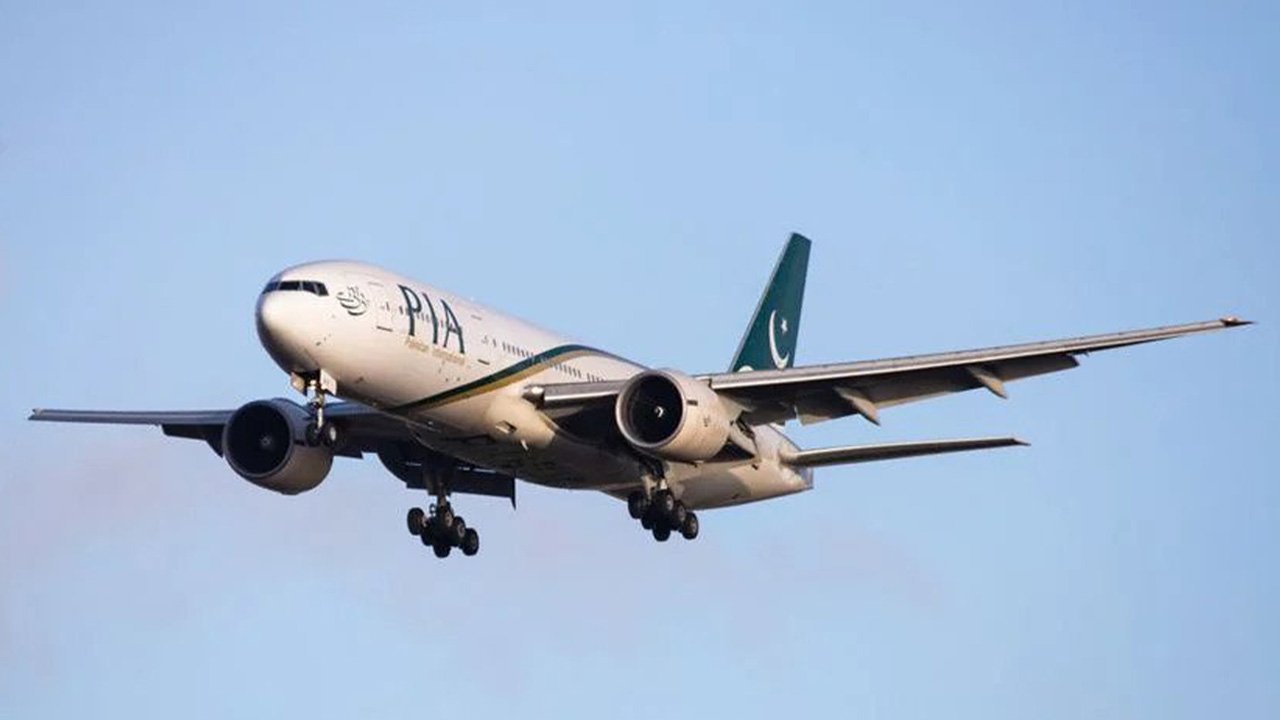
    Pakistan International Airlines (PIA) faced another setback as one of its Boeing 777 aircraft was once again seized at the Kuala Lumpur International Airport over an ongoing lease dispute. The incident marks the second time this specific aircraft has been halted in Malaysia due to payment issues.

    The aircraft, bearing the registration number BMH, was acquired by PIA on lease from Malaysia. However, the lease dispute resurfaced, and the airline was unable to settle outstanding dues amounting to $4 million. Subsequently, a local court ordered the seizure of the PIA plane upon receiving the company’s request.

    According to ARY News, this is not the first instance in which the national carrier of Pakistan has encountered such a predicament in Malaysia. In 2021, the same Boeing 777 was seized by authorities at the Kuala Lumpur airport due to non-payment of dues. The situation was resolved after diplomatic assurances were given, leading to the release of the aircraft.

    Following the recent seizure, the PIA plane was eventually released and safely returned to Pakistan on January 27, accompanied by 173 passengers and crew members. However, the lease dispute appears to have persisted, resulting in the aircraft being seized once again in Malaysia.

    The ongoing lease dispute poses significant challenges for Pakistan International Airlines, as it impacts their operations and raises concerns about the financial stability of the airline. PIA authorities have yet to comment on the recent seizure and the steps they plan to take to resolve the dispute.

    The incident highlights the importance of maintaining robust lease agreements and ensuring timely payment of dues to avoid disruptions in international aviation operations. Both PIA and Malaysia will likely engage in further negotiations to find a resolution to the long-standing lease dispute and prevent any future incidents that could tarnish the airline’s reputation.

    As of now, travelers and stakeholders eagerly await updates from Pakistan International Airlines regarding the situation and hope for a swift resolution to the lease dispute, allowing the airline to resume its operations smoothly.

  • Govt expected to reduce petrol price by Rs10 per litre in a pre-budget relief move

    Ahead of the much-anticipated federal budget for 2023-24, set to be announced on June 9, the government is planning to alleviate the burden of inflation by reducing the prices of petroleum products, according to industry officials.

    Starting from June 1, it is expected that the price of petrol will decrease by Rs10 per litre due to a decline in the ex-refinery price. Industry insiders have revealed that the ex-refinery price of petrol is projected to decrease by Rs10-12 over the next two weeks. However, due to exchange rate adjustments, the government will likely pass on relief of up to Rs10 per litre to consumers.

    Furthermore, industry officials have indicated that the ex-refinery price of diesel is showing a decline of Rs4-5 per litre in the next review. The government may incorporate this decrease during the upcoming fortnightly review, offering relief to diesel consumers.

    According to The News, in the previous price review, the government implemented a substantial reduction of Rs30 in the price of diesel. This resulted in a decrease from Rs288 to Rs258 per litre. Similarly, the price of petrol was slashed by Rs12, dropping from Rs282 to Rs270 per litre.

    These measures are aimed at mitigating the impact of rising prices on the general public and easing the financial burden faced by individuals as the government prepares to present the federal budget for the upcoming fiscal year.

  • Govt to unveil ‘business-friendly’ budget, prioritising masses and economic progress

    Govt to unveil ‘business-friendly’ budget, prioritising masses and economic progress

    In a bid to support the masses and drive economic progress and development, the government is expected to present a “business-friendly” budget for the upcoming financial year 2023-24, announced Finance Minister Ishaq Dar on Monday.

    Minister Dar shared these intentions during a meeting with a delegation from the Association of Builders and Developers of Pakistan, who sought to address the challenges faced by the construction industry and present their proposals for the forthcoming federal budget.

    The delegation, comprised of prominent members from the construction sector, engaged in a productive discussion with the finance minister, apprising him of the industry’s hurdles and sharing their ideas to contribute to the upcoming budget.

    Recognising the significance of the construction industry for economic growth, the association pledged its support to the government’s efforts in overcoming economic challenges and boosting business activities within the country.

    Finance Minister Ishaq Dar expressed his appreciation for the proposals put forth by the delegation, acknowledging their importance in formulating effective economic policies. He assured the group that the government is actively taking concrete steps to address the existing economic challenges and fortify the nation’s economy.

    Dar’s remarks underscored the government’s commitment to fostering a favourable business environment and promoting sustainable growth.

    The delegation extended their gratitude to the finance minister for considering their budget proposals, recognising the significance of collaboration between the private sector and the government in driving economic prosperity.

    As the government prepares to present the budget for the financial year 2023-24, expectations are high for the inclusion of measures that will support businesses, stimulate economic activity, and create opportunities for the masses.

  • Gold price declines by Rs1,700 to Rs234,500 per tola amidst weakening rupee

    Gold price declines by Rs1,700 to Rs234,500 per tola amidst weakening rupee

    The price of gold in Pakistan continued its downward trend on Monday, having lost a cumulative sum of Rs1,100 per tola throughout the previous week. The All Pakistan Sarafa Gems and Jewellers Association (APSGJA) provided data indicating that the rate of 24-carat gold declined by Rs1,700 per tola and Rs1,457 per 10 grammes, reaching Rs234,500 and Rs201,046 respectively.

    On the international front, the price settled at $1,945 per ounce after a decrease of $1. The safe-haven bullion traded within a narrow range in the global market due to an agreement reached by US Democrats and Republicans to raise the federal debt ceiling, thereby averting a potential US default, which would have been unprecedented.

    Moreover, recent data suggested that the US Federal Reserve would raise interest rates for the 11th consecutive time in June. Consequently, the value of the US dollar surged, negatively impacting the gold price.

    These factors, coupled with ongoing political and economic uncertainty, high inflation, and currency depreciation, contributed to the volatility of the gold rate in Pakistan. As a result, individuals turned to purchasing the precious metal as a safe investment and a hedge.

    In the interbank market, the Pakistani rupee experienced a decrease of Re0.27 or 0.09 per cent against the US dollar on Monday, closing at Rs285.42, according to data from the State Bank of Pakistan.

    Furthermore, data shared by the jewellers’ association revealed a decline in the price of silver, which had remained relatively stable in the previous week. The rate of silver fell by Rs50 per tola and Rs42.87 per 10 grammes, reaching Rs2,850 and Rs2,443.41 respectively.

  • Pakistan set to share budget details with IMF, aiming to unlock stalled programme

    Pakistan set to share budget details with IMF, aiming to unlock stalled programme

    Finance Minister Ishaq Dar announced on Sunday that Pakistan intends to provide the International Monetary Fund (IMF) with comprehensive details of its upcoming budget, with the aim of facilitating the release of delayed funds. During an interview, Dar confirmed that the IMF has requested further information regarding the budget, and Pakistan is prepared to comply with this requirement.

    Pakistan’s receipt of $1.1 billion in funding from the IMF, as part of a $6.5 billion rescue package established in 2019, has encountered delays since November. In February, both the IMF and Pakistan engaged in two weeks of discussions in Islamabad, aiming to conclude the 9th review. However, the funds have not yet been disbursed by the IMF, which is crucial for Pakistan to access additional bilateral and multilateral financing.

    Expressing his concerns, Dar emphasised his desire for the IMF to release the funds prior to the budget’s scheduled presentation in early June. He asserted that combining the 9th and 10th reviews would be unjust, and therefore advocated for a separate assessment of the current situation.

    In summary, Pakistan’s Finance Minister Ishaq Dar has underscored the country’s commitment to fulfilling the IMF’s request for detailed budget information. This step is intended to overcome the impasse in the release of funds, which are vital for Pakistan to access other forms of financial assistance. Minister Dar has further urged the IMF to release the funds prior to the budget presentation, highlighting the unfairness of merging two distinct reviews.

  • Budget 2023-24: FBR considers decreasing duty on mobile phones

    Budget 2023-24: FBR considers decreasing duty on mobile phones

    The Federal Board of Revenue (FBR) is considering options to decrease the duty on mobile phones in the forthcoming federal budget for the fiscal year 2023-24. The budget is expected to be disclosed on June 9. The FBR is taking into account the suggestions put forward by mobile phone traders.

    Previously, the government was obligated to raise the duty on mobile phones by 100 per cent to 150 per cent, resulting in a deposit of only Rs5 billion to Rs10 billion in the national exchequer, instead of the anticipated Rs85 billion.

    According to The News, the number of mobile phone users in Pakistan has surpassed 186.9 million. To address the financial crisis of the current fiscal year, the new budget is contemplating a significant reduction in the rates of duties on cellular phones. Currently, the duties on small and big mobile phones stand at approximately 100 per cent to 150 per cent.

    The mobile industry is teetering on the verge of collapse due to the increased taxes. This not only affects traders but also poses difficulties for millions of people who rely on earning a livelihood through this sector.

    It has been reported that a delegation from the Mobile Phones Traders Association has submitted recommendations to Finance Minister Ishaq Dar and other senior officials. The delegation has assured that efforts will be made to incorporate these recommendations into the budget. The proposals and recommendations are currently under review for potential inclusion in the new budget.

    It has come to light that a 75 per cent duty is imposed on cellular phones in Pakistan, in contrast to other countries in the region such as Singapore, Bangladesh, and Turkey, where the duty is not as high. Consequently, people have been using smartphones without paying duties in collusion with the FBR.

    The additional 100 per cent to 150 per cent duty on cell phones has made them unaffordable for the poor, laborers, daily wage earners, students, professionals, the legal community, and civil society.

    Munir Beg Mirza, the General Secretary of the All Pakistan Mobile Phones Traders Association, stated that the ban on importing used mobile phones has led to an increase in smuggling to favor a few companies. Additionally, people are illegally using smartphones without paying substantial taxes, thus causing a loss to the national treasury.

    He further noted that if an appropriate duty is imposed in the new financial year, not only will every consumer pay tax, but the government will also receive Rs100 billion instead of Rs5 billion in revenue from phones.

  • Major boost for Pakistan’s port infrastructure: Gulf countries to invest $500 million

    Major boost for Pakistan’s port infrastructure: Gulf countries to invest $500 million

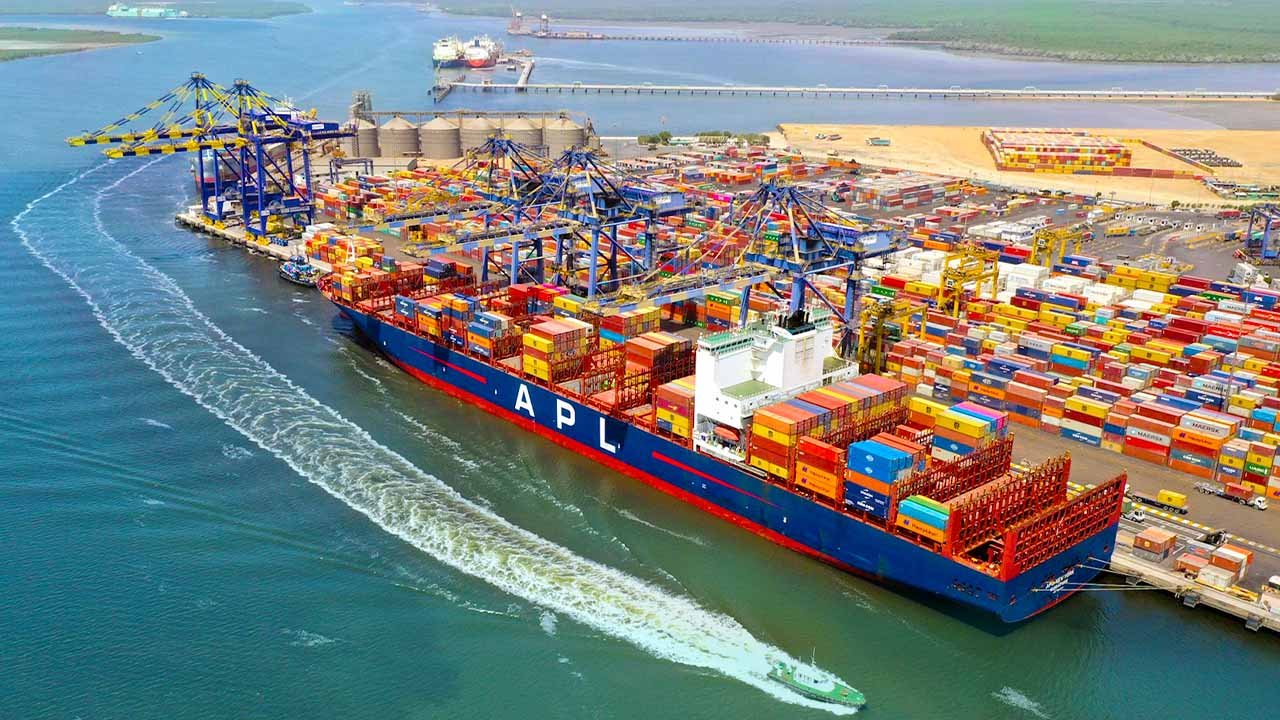
    Maritime Affairs Minister Faisal Sabzwari revealed that a comprehensive agreement to secure a noteworthy investment of $500 million from Gulf countries is currently in the final stages of preparation. To facilitate this endeavor, an intergovernmental agreement policy will be presented to the law ministry on Monday.

    Its potential approval will lay the groundwork for direct foreign investment, in accordance with the conditions outlined by the International Monetary Fund (IMF).

    During an address to members of the Korangi Association of Trade and Industry (KATI), Minister Sabzwari informed them that Pakistan and the United Arab Emirates (UAE) are collaboratively operating under a government-to-government (G2G) agreement. This partnership is focused on three key projects, including the establishment of bulk terminals.

    As outlined in a press release by KATI, Mr Sabzwari revealed plans to develop industrial parks spanning 1,250 acres within Port Qasim. These parks will provide a range of facilities designed to attract foreign investors.

    Mr Sabzwari acknowledged that there have been no tariff increases at the port, although the implementation of digitalization is still pending. Additionally, limitations on leases have been imposed. He added that terminal charges have recently been adjusted from 60 cents to 80 cents, resulting in a modest 1.5 per cent increase in production costs for industrialists.

    Furthermore, the minister highlighted the successful consultations conducted with various stakeholders, including container operators, to mitigate demurrage charges and penalties at the port. As a result, Karachi Port has eradicated all penalties associated with these charges.

    According to Dawn, the minister also announced the acquisition of a maritime vessel for transporting edible oil, thus expanding the fleet at Karachi port. In addition to this development, approval has been granted for the construction of a beach wall at Karachi Fish Harbour, aimed at promoting tourism and recreational activities. Furthermore, plans have been set in motion to establish a laboratory dedicated to marine fisheries.

    Previously, KATI President Faraz-ur-Rehman stressed the importance of regulating shipping companies and proposed the implementation of a system for demurrage charges and penalties based on the value of containers. He suggested that this system should be made accessible online, similar to the shipping booking system WeBoC.

    Zubair Chayya, Deputy Patron-in-Chief of KATI, expressed that Pakistan, with its extensive 1,400-kilometre-long coastline and abundant marine resources, including highly sought-after fish species, should prioritize utilizing the coastal region for tourism, thereby reaping substantial economic benefits.

  • Honda Pakistan reports 90% drop in profits, reflecting struggling state of auto industry

    Honda Pakistan reports 90% drop in profits, reflecting struggling state of auto industry

    Honda Atlas Cars Pakistan Limited (HACPL), one of the leading car manufacturers in the country, reported a significant decline of 90 per cent in its annual net profit due to rising expenses, reflecting the struggling state of the auto industry and the country’s economy.

    The company’s net profit for the fiscal year ending on March 31 was reported to be Rs260.141 million, a sharp decrease from Rs2.509 billion in the previous year.

    Consequently, the company did not distribute any dividends for that period. Earnings per share also witnessed a decline, coming in at Rs1.82/share compared to Rs17.58/share in the previous year.

    Honda Atlas Cars stated that its revenue for the year dropped to Rs95.087 billion, down from Rs108.047 billion the previous year. The cost of sales remained relatively stable at Rs87.926 billion compared to Rs102.515 billion during the same period last year. On the other hand, the company’s other income increased to Rs2.321 billion, compared to Rs2.004 billion in the previous year.

    However, the company experienced a surge in other expenses, which rose to Rs4.929 billion from Rs984.045 million, adversely impacting profit margins.

    Arif Habib Ltd, a brokerage firm, attributed the significant decline in profit to lower volumetric sales and increased finance costs, which rose by 6.5 times on a year-on-year basis. The auto industry, which heavily relies on imports, has been severely affected by the country’s economic conditions.

    Honda was among the manufacturers that had announced plant closures. However, on May 16, it was reported that Honda Atlas Cars planned to resume production activities after a months-long halt. The decision was made following an improvement in the accessibility of trade finance facilities for the supply chain.

    The government of Pakistan, facing low foreign exchange reserves, implemented stringent measures, including restrictions on letters of credit (LCs) for the import of completely knocked down (CKD) units and raw materials used by the auto industry.

    According to Geo, Honda stated that with the company’s consistent efforts and the slight improvement in trade finance accessibility, they are now preparing to gradually resume production in the coming weeks.

    Since March 9, the company had suspended its production activities. The auto industry has encountered significant setbacks due to non-production days, reduced consumer affordability resulting from higher interest rates and vehicle prices, currency devaluation, and escalating petrol prices. These plant shutdowns have also led to layoffs in the industry.