Category: Business

The most important business news, explained in a young, easy to understand way. News that affects young career professionals.

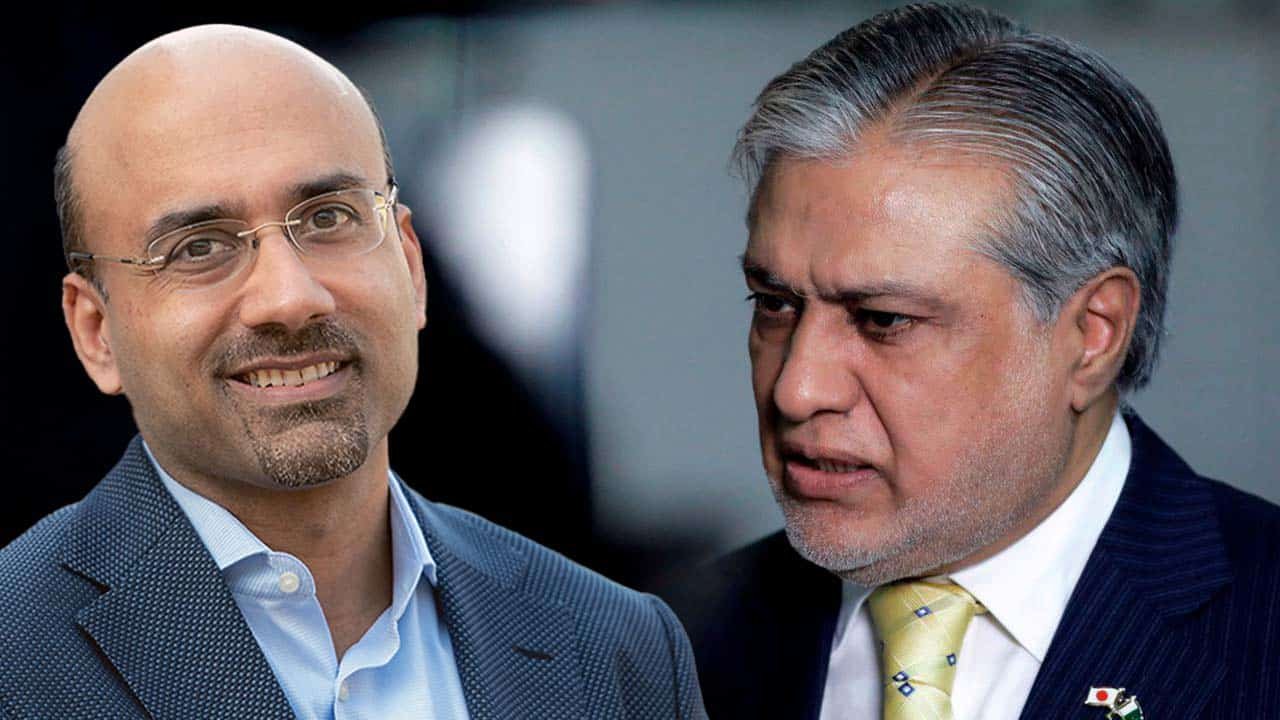
  • Finance Ministry hits out at Atif Mian’s ‘nonsensical’ label for Pakistan’s economic policies

    Finance Ministry hits out at Atif Mian’s ‘nonsensical’ label for Pakistan’s economic policies

    The Ministry of Finance strongly responded on Saturday to recent remarks made by Pakistani-American economist Atif Mian, criticising his lack of practical understanding of economics.

    Mian had labelled the government’s economic policies as ‘nonsensical’ and suggested that Pakistan should take decisive actions to restructure its economy, citing Ghana and Sri Lanka as examples. In response, the Ministry of Finance dismissed Mian’s comments as a veiled suggestion of default and argued that his critique was purely theoretical, lacking practical insight into economics.

    The ministry refuted Mian’s comparison of Ghana and Sri Lanka, pointing out that Pakistan’s economy and population are significantly larger, making the analogy misplaced.

    Regarding Pakistan’s debt structure, the ministry clarified that less than 10 per cent of the debt consists of commercial bonds/sukuks, with the next maturity due in April 2024. The majority of the debt is owed to multilateral and bilateral creditors, who have not indicated any risk of default.

    The ministry expressed disappointment that Mian overlooked the significant reforms undertaken by Pakistan in the past nine months. These reforms included market exchange rate adjustments, interest rate modifications, mid-year taxation to improve the fiscal position, levies on petroleum products, and non-monetisation of the fiscal deficit. These actions were implemented under an unprecedented IMF programme.

    Despite the delay in reaching a staff level agreement with the IMF, the ministry assured that Pakistan’s economy would continue on the path of reform towards stability and sustainable growth.

    The ministry dismissed Mian’s unwarranted comments on nominal exchange rates, stating that Pakistan’s real exchange rate is estimated to be 15 per cent undervalued, reflecting improving fundamentals.

    In terms of petroleum prices, the ministry highlighted that historically, Pakistan has sold petroleum products at significantly lower prices compared to regional countries. Imposing additional taxes on consumers, especially given the recent price hikes and rising inflation, would be unwise.

    The ministry attributed Pakistan’s current economic crisis to international shocks, including the COVID-19 pandemic, the Ukraine war, and devastating floods. It emphasised that the present government has successfully overcome the challenges inherited from an overheated economy and breached IMF conditionality. The current account deficit has been significantly reduced, indicating progress in balancing payments.

    Lastly, the ministry pointed out that Mian failed to consider the unprecedented political challenges faced by Pakistan. It concluded by expressing optimism that with the likelihood of political stability emerging soon, a major economic turnaround is expected.

    Overall, the Ministry of Finance strongly rebutted Mian’s criticism, emphasising the government’s commitment to reforms and the resilience of Pakistan’s economy.

  • World Bank commits $213 million for Balochistan’s flood recovery and climate resilience

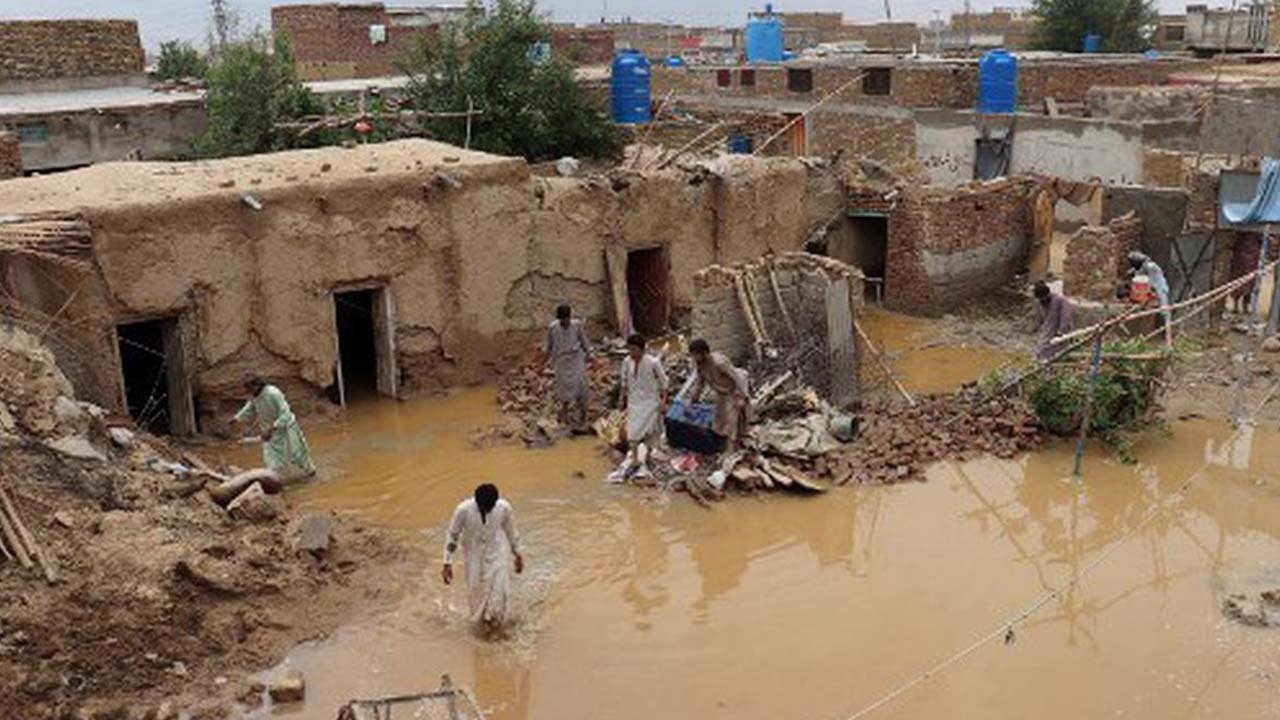
    World Bank commits $213 million for Balochistan’s flood recovery and climate resilience

    The Board of Executive Directors of the World Bank has granted $213 million in funding to Balochistan for the purpose of improving livelihoods, essential services, and risk protection in communities that were affected by the devastating floods in 2022.

    This financial assistance is part of a larger program established in collaboration with the government to address the aftermath of the floods and build a climate-resilient Pakistan.

    Najy Benhassine, the World Bank Country Director for Pakistan, expressed the organization’s commitment to closely cooperate with the Government of Balochistan in supporting the affected communities. The World Bank aims to provide livelihood support and rehabilitate irrigation and flood protection infrastructure.

    These efforts will not only restore the livelihoods of the affected population but also enhance their resilience to potential future climate-related disasters and natural hazards. The project aligns with the comprehensive package of post-flood rehabilitation and resilient reconstruction program agreed upon with the authorities.

    The floods of the previous year were a result of record monsoon rains in the southern and southwestern regions of Pakistan, compounded by glacial melt in the northern areas. The calamity affected nearly 33 million people in the country, which has a population of 220 million. Tragically, the floods claimed over 1,700 lives and caused substantial damage to homes, crops, bridges, roads, and livestock.

    The Integrated Flood Resilience and Adaptation Project (IFRAP) outlined by the World Bank will provide housing reconstruction grants to approximately 35,100 homeowners. It will also focus on restoring essential services by rehabilitating damaged community infrastructure and facilities, such as water supply systems, irrigation networks, roads, and community facilities.

    Balochistan, with its geographical location, socioeconomic background, and vulnerability to climate change, faces significant risks from natural disasters. Yoro Sidibe, a Senior Water Specialist at the World Bank, emphasized that the project aims to provide economic opportunities to the affected communities while ensuring social inclusion and participation. Additionally, it will enhance institutional capacity for preparedness and response to future disasters.

    The World Bank expects that the Integrated Flood Resilience and Adaptation Project will benefit approximately 2.7 million people in selected communities across Balochistan’s calamity-declared districts. The project’s objectives include the restoration of degraded watersheds and the strengthening of institutional capacity at both the provincial and local levels.

  • Pakistan to receive $10 billion investment in refinery sector soon

    Pakistan to receive $10 billion investment in refinery sector soon

    Minister of State for Petroleum, Musadik Malik, announced that Pakistan will soon receive a $10 billion investment in its refinery sector. The investment, to be inaugurated by Prime Minister Shehbaz Sharif, holds significant details that cannot be disclosed at this time, according to Malik’s statement at a ceremony.

    This development follows the approval of a new refinery policy by the current government, which aims to incentivise greenfield investment.

    Malik emphasised the need for sustained GDP growth of 5 per cent in Pakistan’s growing population. To achieve this, he stated that an annual energy sector growth rate of 7.5-10 per cent is necessary. As part of this plan, the government aims to establish a comprehensive energy agreement with Central Asian countries and Russia, which will be made public by the end of the year.

    Additionally, Pakistan intends to leverage its historical ties with the Gulf Cooperation Council (GCC) countries for trade and commerce, including meeting energy needs such as LNG and petroleum products.

    The government also plans to open energy corridors with Central Asia and the GCC countries. Malik highlighted the significance of purchasing crude oil from Russia, stating that it will have a transformative impact on Pakistan, leading to industrial proliferation. The goal is to establish small industrial areas in rural regions to promote value addition.

    Malik underscored that Pakistan possesses the necessary infrastructure, labour force, and technology to present itself as an attractive investment destination. He emphasised the government’s efforts to enhance border enforcement to curb oil smuggling from Iran, expressing confidence that the flow of smuggled oil will reduce in the coming days.

    In an off-camera meeting with media persons, the minister revealed that vessels carrying 100,000 tonnes of discounted Russian oil will arrive at Pakistan’s ports in the first week of June as part of the government’s energy security plan. The oil will be transported from Oman port to Pakistan in smaller vessels within seven to ten days. Malik assured that although transportation costs may increase slightly, the impact will be minimal.

  • Shipment of discounted Russian oil en route to Pakistan: 100,000 tons set to arrive next month

    Shipment of discounted Russian oil en route to Pakistan: 100,000 tons set to arrive next month

    The government’s energy security plan will soon see the arrival of vessels carrying 100,000 tons of discounted Russian oil at Pakistan ports in early June.

    Musadik Malik, the State Minister for Energy, made this announcement during a private meeting with members of the media, where he discussed the new refinery policy. The policy aims to encourage investments in new refineries for shallow, deep conversion, and ultra-deep conversion projects, with incentives lasting up to 20 years.

    Minister Malik revealed that the Russian cargo, consisting of 100,000 tons of Urals oil, would arrive at the Oman port on May 26-27. From there, the oil will be transported to Pakistan in smaller vessels, a journey expected to take between seven to ten days. Although the transportation cost will increase slightly, the minister assured that the impact would be minimal.

    While he did not disclose the discounted price or the payment method for the Russian oil, Minister Malik hinted that the payment was made through the banking channel. The heavy Urals oil will then undergo refining at Parco, where it will be mixed with light Arabian oil to lower the overall price.

    Highlighting the significance of the new refinery policy, Minister Malik emphasised that energy sector growth is crucial for economic development. He explained that a one per cent increase in the country’s GDP requires a corresponding growth rate of 1.5 to two per cent in the energy sector. Similarly, achieving a five per cent GDP growth necessitates a seven to ten per cent growth in the energy sector. Such growth is only possible with investments in refineries, as well as oil and gas exploration and production.

    Under the new refinery policy, refineries with a capacity of 300,000 tons or more will receive incentives for 20 years, while those below 300,000 tons will receive incentives for 10 years. However, it will be mandatory for these refineries to achieve financial closure within five years.

    Additionally, import duty on equipment used in the larger refineries will be set at 7.5 per cent for both petrol and diesel for the duration of 20 years. The same incentives will apply for 10 years to refineries below the 300,000-ton capacity. These refineries will also benefit from special economic zone (SEZ) laws.

    Minister Malik projected that by 2030, the country’s petrol and diesel consumption would increase from 20 million to 33 million. Currently, local refineries produce around 10 to 11 million, with the rest being imported. He noted that the global premium on diesel is approximately $18 due to high demand.

    The new refinery policy has garnered interest from multiple foreign countries and private companies, with a positive response received during a road show conducted in the United States to promote greenfield investment.

    The minister reiterated the government’s commitment to implementing a comprehensive plan for the country’s energy security before the end of its constitutional tenure. Negotiations for the Turkmenistan-Afghanistan-Pakistan-India (TAPI) pipeline project have resumed, while the Iran-Pakistan (IP) project has been delayed due to US sanctions. The LPG Air Mix policy and the brownfield policy are expected to be approved soon.

  • Proposed increase in advance tax on vehicle registration to impact expensive car buyers

    Proposed increase in advance tax on vehicle registration to impact expensive car buyers

    With the upcoming budget just days away, the Federal Board of Revenue (FBR) is deliberating on measures to increase the advance tax on motor vehicle registration, particularly targeting non-filers. The proposed plan suggests raising the tax rate by 10 to 35 per cent based on the value of vehicles.

    Currently, the advance tax is determined by engine capacity, but significant changes are being considered for the forthcoming budget, set to be revealed in the first week of June. The Resource and Revenue Mobilisation Commission (RRMC) has recommended imposing the advance tax based on the value of the vehicle.

    As per the proposed rates, the RRMC has advised the government to impose a 2 per cent advance tax on the corporate sector and 3 per cent on the non-corporate sector for individuals listed in the active taxpayers list (ATL) for the past three years. These rates would apply to motor vehicles valued up to Rs10 million.

    For individuals, the proposed tax rate stands at 10 per cent. As for motor vehicles valued between Rs10 million and Rs30 million, the recommended tax rates are 4 per cent and 5 per cent for the corporate and non-corporate sectors, respectively, provided they are part of the ATL for the past three years.

    Moving up the value scale, vehicles valued between Rs30 million and Rs100 million would face tax rates of 6-7 per cent for the corporate and non-corporate sectors. The proposed tax rate for individuals would be increased significantly to 30 per cent.

    For vehicles valued up to Rs100 million, the proposed tax rates are 8 per cent and 10 per cent for the corporate and non-corporate sectors, respectively, for individuals present in the ATL for the past three years. Individuals falling under this category would face a tax rate of 35 per cent.

    The RRMC has also recommended subjecting the transport sector to a minimum tax regime of 3 per cent of the gross turnover, applicable to transport services provided to withholding agents. Additionally, a tax rate of 3.5 per cent would be levied on the gross amount received for the provision of carriage services by transport contractors, while oil tanker contractors would face a tax rate of 2.5 per cent.

    These proposed changes in the tax structure aim to generate increased revenue for the government and incentivize compliance with tax regulations. By targeting motor vehicle registration, the FBR hopes to enhance revenue collection and promote a fair tax system.

    It is essential to note that these proposed changes are subject to approval and implementation during the budget announcement. The FBR and RRMC are carefully evaluating the potential impact of these adjustments on various sectors and taxpayers, striving to strike a balance between revenue generation and taxpayer convenience.

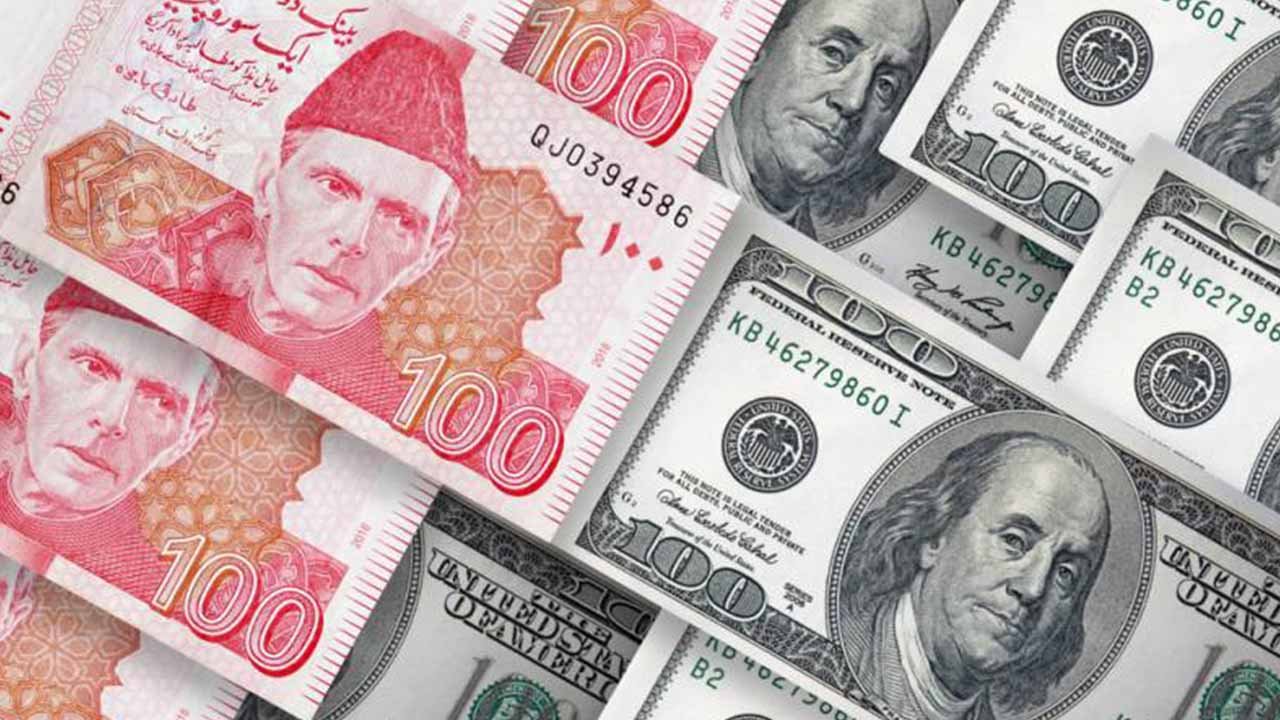
  • Pakistani rupee sinks to record low of Rs308 against US dollar in open market

    Pakistani rupee sinks to record low of Rs308 against US dollar in open market

    On Tuesday, the Pakistani currency experienced a significant decline, reaching a new record low of Rs308 against the US dollar in the open market. This marked a 1 per cent decrease, or Rs3, from the previous day’s closing rate, as reported by the Exchange Companies Association of Pakistan.

    Consequently, the disparity between the exchange rates in the open market and the inter-bank market widened considerably, reaching a historic high of Rs21 to a dollar. Just a couple of months ago, this difference was in the range of Rs1-3.

    In inter-bank transactions, the central bank stated that the rupee continued its downward trend for the fifth consecutive working day, dropping by 0.21 per cent, or Rs0.59, to a 12-day low at Rs287.15 against the US dollar.

    There has been speculation in the market that the rupee is facing mounting pressure due to the expanding gap between the demand and supply of the US dollar in the currency market.

    In the meantime, Pakistan’s foreign exchange reserves have been consistently depleting and have now reached a critically low level of $4.3 billion. This is concerning because the country requires a comparatively large amount of foreign currency to cover import expenses and repay foreign debt.

    By the end of June 2023, Pakistan has to repay $3.7 billion in foreign debt. Additionally, it needs another $3.7 billion each month to ensure smooth importation of essential goods.

    Currency dealers in the open market have revealed that commercial banks are purchasing dollars in the informal market (kerb market) to settle international payments made through their clients’ credit cards. Furthermore, individuals are acquiring Saudi riyals and US dollars to cover expenses during the Hajj and Umrah pilgrimages.

    Experts strongly emphasize that the government must persuade the International Monetary Fund (IMF) to resume its $6.7 billion loan programme. Additionally, they urge friendly countries to provide fresh financing, which will help mitigate the risk of defaulting on external debt obligations.

    The resumption of the IMF programme will not only assist Pakistan in averting an imminent default but will also enable the country to attract financing from other global lenders and friendly nations. This new financing will bolster the foreign exchange reserves and aid in the reopening of the partially closed economy.

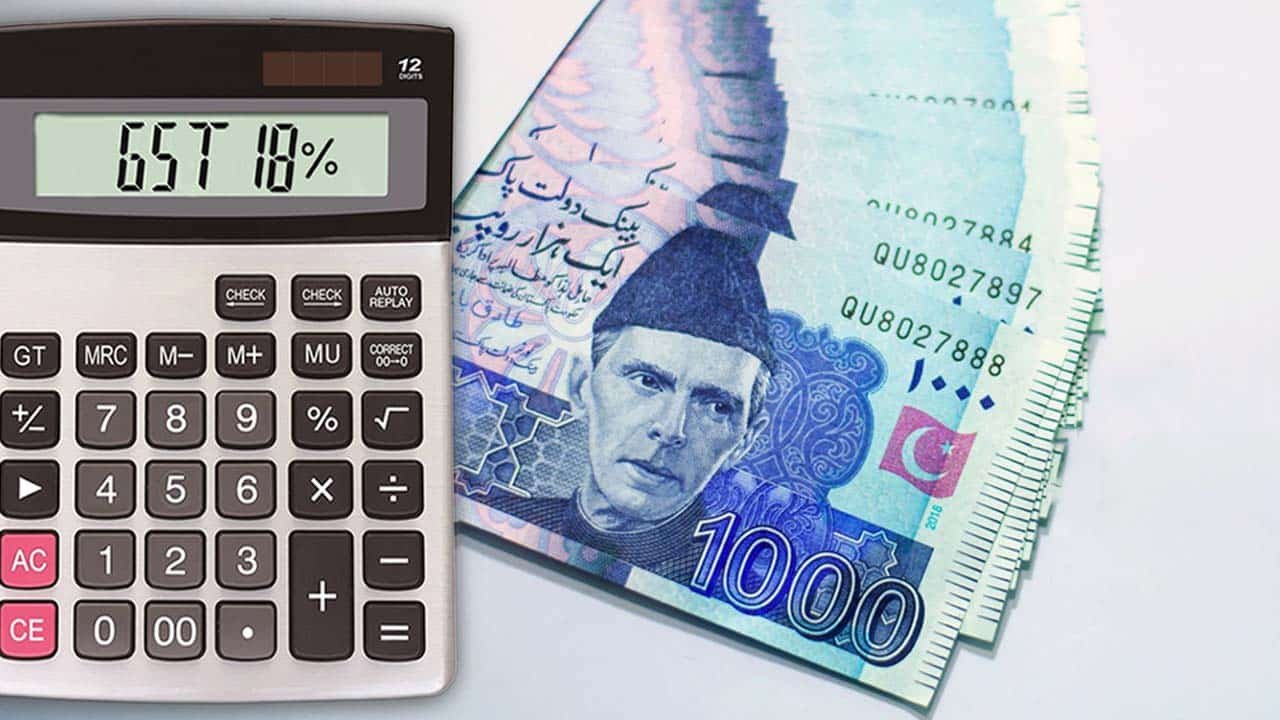
  • Govt to maintain 18% GST rate in upcoming budget 2023-24

    Govt to maintain 18% GST rate in upcoming budget 2023-24

    In the forthcoming budget for 2023-24, it is anticipated that the government will maintain the current standard rate of General Sales Tax (GST) at 18 per cent. Additionally, efforts are being made by the government to increase the rates of withholding taxes, where applicable, with the aim of augmenting tax revenues.

    Another aspect being considered is the implementation of amendments for retailers, with the objective of including a larger number of businesses within the tax bracket. It is worth noting that previous schemes designed to entice retailers into the tax system have proved unsuccessful over the past few decades.

    According to The News, various proposals are currently being deliberated upon for the imposition of Minimum Asset Tax (MAT) on both movable and immovable assets. However, the Federal Board of Revenue (FBR) has been advised to seek constitutional validation for these proposed taxation measures in order to avoid potential legal disputes.

    Moreover, the government is exploring options to enhance documentation within the property sector, as part of its ambitious goal to achieve a tax collection target ranging between Rs9 and Rs9.2 trillion for the upcoming budget.

    These proposals were thoroughly discussed in a meeting chaired by Finance Minister Senator Ishaq Dar, which focused on budgetary considerations within the Finance Division. Present at the meeting were State Minister for Finance Dr Ayesha Ghous Pasha, Special Assistant to the Prime Minister (SAPM) on Finance Tariq Bajwa, SAPM on Revenue Tariq Mehmood Pasha, Chairman of the Reforms and Resource Mobilization Commission (RRMC) Ashfaq Yousuf Tola, the finance secretary, FBR chairman, and other senior officials from the Finance Division and FBR.

    During the meeting, FBR Chairman Asim Ahmad provided a comprehensive presentation on the budgetary proposals for the Federal Budget 2023-24.

  • Crisis on wheels: Pakistan’s automotive industry grapples with mass layoffs and 70% sales drop

    Crisis on wheels: Pakistan’s automotive industry grapples with mass layoffs and 70% sales drop

    The automotive industry in Pakistan is facing a severe setback as thousands of workers were laid off due to a decline in vehicle and spare parts sales. The government’s ban on raw material imports, coupled with the depreciation of the rupee and soaring inflation, has caused a significant strain on the industry. With foreign exchange reserves dwindling and the local currency hitting historic lows against the US dollar, the economic crisis has reached unprecedented levels.

    Pakistan finds itself in the midst of its most formidable economic crisis to date, as the State Bank of Pakistan’s foreign exchange reserves have plummeted to a mere $4 billion. This amount is barely sufficient to cover three weeks of imports, raising concerns about the country’s economic stability. The ban on raw material imports, implemented to prevent the outflow of US dollars, has caused a sharp decline in industrial output and triggered widespread layoffs and unemployment.

    Dollar crunch and inflation

    In the midst of the worsening dollar crunch, commercial banks have also halted the opening of letters of credit (LCs), leaving importers in a state of uncertainty regarding the provision of the necessary funds for already placed orders. This further exacerbates the challenges faced by the automotive industry, hindering its ability to procure essential raw materials and sustain production.

    The country is grappling with soaring inflation rates, which surpassed 36 per cent in April, the highest recorded since 1964. As a result, consumer purchasing power has diminished significantly, leading to a sharp decline in vehicle sales. Munir Karim Bana, Chairman of the Pakistan Association of Automotive Parts and Accessories Manufacturers (PAAPAM), laments the dire situation, stating that thousands of workers have been laid off, and production has ground to a halt. The closure of auto manufacturing plants has further exacerbated the industry’s challenges.

    Auto parts manufacturers are grappling with demurrage charges as raw materials worth billions of rupees remain stuck at the Karachi port. PAAPAM, responsible for supplying approximately 90 per cent of local vehicle parts, is bearing the burden of these charges. Furthermore, with production units closed, income streams have dried up, exacerbating the financial strain on the industry.

    Rana Ihsan Afzal, the coordinator to Prime Minister Shehbaz Sharif on commerce and industry, acknowledges that the automotive industry’s full efficiency may not be restored until the revival of the IMF bailout program. As a sector heavily reliant on imports and foreign currency, the automotive industry is particularly vulnerable to the country’s economic challenges. The delay in the staff-level agreement on the ninth review of the IMF bailout deal signed in 2019 has further hampered the industry’s prospects.

    Revival prospects and government assurance

    Amid the decline in sales and mass layoffs, the coordinator to the Prime Minister expressed his concern but assured that the government is tirelessly working to revive the economy. The coordinator acknowledges the temporary phase that necessitates import restrictions on the automotive industry to protect foreign exchange reserves. However, he remains optimistic that once reserves are replenished, the industry will experience a significant upturn.

    Pakistan’s automotive industry is facing a dire crisis, with plummeting sales, layoffs, and manufacturing plant closures. The ban on raw material imports, along with the economic challenges of soaring inflation and dwindling foreign exchange reserves, has pushed the industry to the brink. Despite the difficulties, the government is committed to revitalizing the sector and assuaging the concerns of manufacturers.

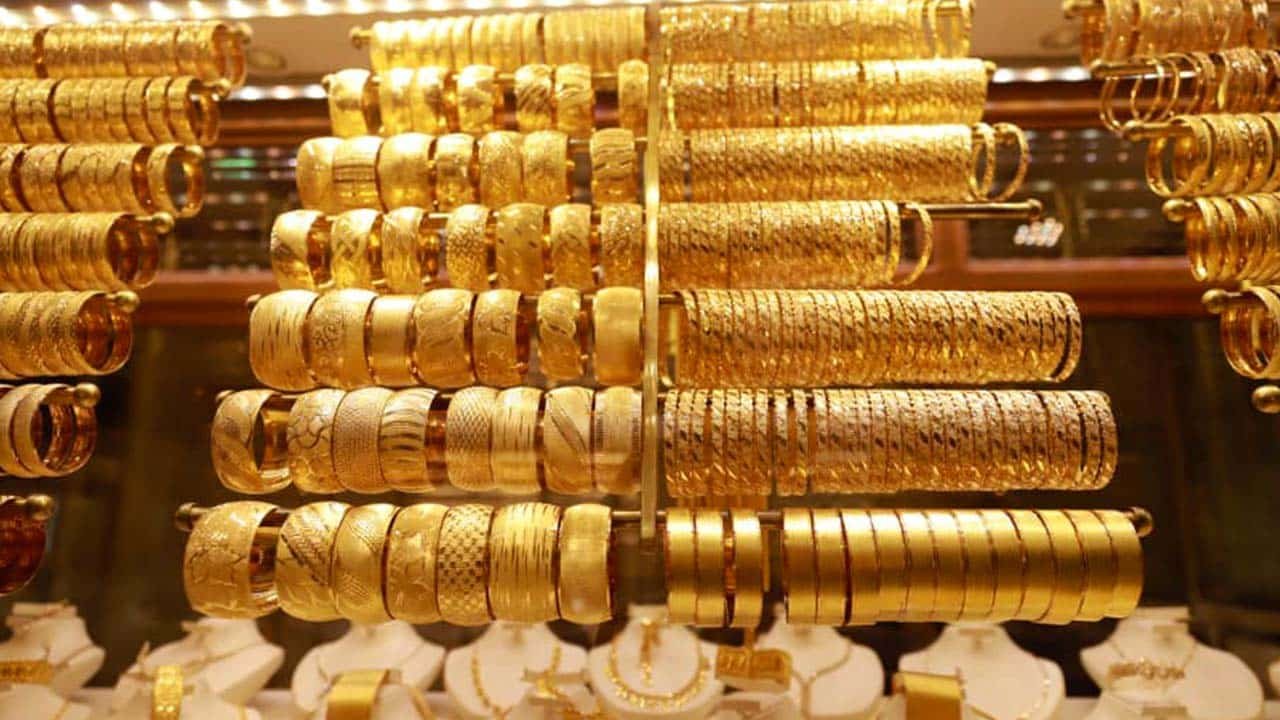
  • Gold price in Pakistan is currently Rs5,000 higher than global market rate

    Gold price in Pakistan is currently Rs5,000 higher than global market rate

    The price of gold continued to increase in Pakistan on Monday, following the gains of last week. According to the All Pakistan Sarafa Gems and Jewellers Association, the rate of 24-carat gold rose by Rs2,000 per tola and Rs1,714 per 10 grammes, settling at Rs237,300 and Rs203,446, respectively.

    In the international market, the gold rate declined by $5, reaching $1,972 per ounce. Throughout last week, the rate of gold experienced fluctuations in both the domestic and international markets, amidst uncertainty surrounding the raising of the US debt limit.

    If the US debt limit, which is currently capped at $31.4 trillion, is not raised, it could trigger the first-ever US default.

    According to Geo, recent volatility in the domestic gold market can be attributed to various factors, including economic and political turmoil, high inflation, and currency depreciation. In such times, people tend to prefer buying yellow metal as a safe investment and a hedge.

    On May 10, the safe-haven bullion reached an all-time high of Rs240,000 per tola, driven by increased political uncertainty following the arrest of Imran Khan, the Chairman of Pakistan Tehreek-e-Insaf (PTI). However, it subsequently dropped in line with the decline in the international rate.

    Pakistan’s gold price peaks above global market levels

    The jewellers’ body also highlighted that local gold in Pakistan is currently overpriced by Rs5,000 per tola compared to the Dubai bullion market. Consequently, the Pakistani gold market is presently more expensive than the world market.

    Data shared by the association revealed a significant jump in the price of silver, with an increase of Rs50 per tola and Rs42.87 per 10 grammes, settling at Rs2,900 and Rs2,486.28, respectively.

  • Meta slapped with record-breaking $1.3 billion fine for EU-US data transfer breach

    Meta slapped with record-breaking $1.3 billion fine for EU-US data transfer breach

    Meta has received a record-breaking fine of 1.2 billion euros ($1.3 billion) from European privacy regulators due to the transfer of European Union (EU) user data to the United States (US).

    The decision stems from a case initiated by Austrian privacy activist Max Schrems, who argued that the existing framework for transferring EU citizen data to the US did not adequately protect Europeans from US surveillance.

    There have been several legal disputes surrounding mechanisms for transferring personal data between the US and the EU. The most recent arrangement, known as Privacy Shield, was invalidated by the European Court of Justice in 2020, which is the highest court in the EU.

    The Irish Data Protection Commission, responsible for overseeing Meta’s operations in the EU, accused the company of violating the General Data Protection Regulation (GDPR) of the EU. Despite the 2020 ruling by the European court, Meta continued to transfer the personal data of EU citizens to the US. GDPR is a significant data protection regulation that governs companies operating within the EU, and it has been in effect since 2018.

    Meta utilized a mechanism called standard contractual clauses to facilitate the transfer of personal data between the EU and the US. This method had not been blocked by any EU court. However, the Irish data regulator stated that these clauses, along with other measures implemented by Meta in conjunction with the European Commission, did not adequately address the risks to the fundamental rights and freedoms of data subjects as highlighted by the European Court of Justice.

    The Irish Data Protection Commission also instructed Meta to halt any future transfer of personal data to the US within a five-month period following the decision.

    The 1.2 billion euro fine imposed on Meta is the largest ever penalty issued for breaching GDPR. Previously, the highest fine of 746 million euros had been levied against e-commerce giant Amazon for GDPR violations in 2021.

    Meta has announced its intention to appeal the decision and the fine. In a blog post on Monday, Meta’s President of Global Affairs, Nick Clegg, and Chief Legal Officer, Jennifer Newstead, stated that they would seek a stay from the courts to pause the implementation deadlines due to the potential harm caused by the orders, particularly to the millions of Facebook users.

    This case involving Meta has once again brought attention to the efforts of the EU and Washington to establish a new data transfer mechanism. Although the US and EU reached a preliminary agreement on a new framework for cross-border data transfers last year, it has not yet come into effect.

    Meta is hopeful that the EU-US data privacy agreement will be established before the Irish regulator’s deadlines take effect. If the new framework is implemented within the expiration of the implementation deadlines, Meta’s services can continue without disruption or impact on users, as stated by Clegg and Newstead.