Category: Business

The most important business news, explained in a young, easy to understand way. News that affects young career professionals.

  • Smuggled phones flood AJK and GB as device identification system remains unimplemented

    Smuggled phones flood AJK and GB as device identification system remains unimplemented

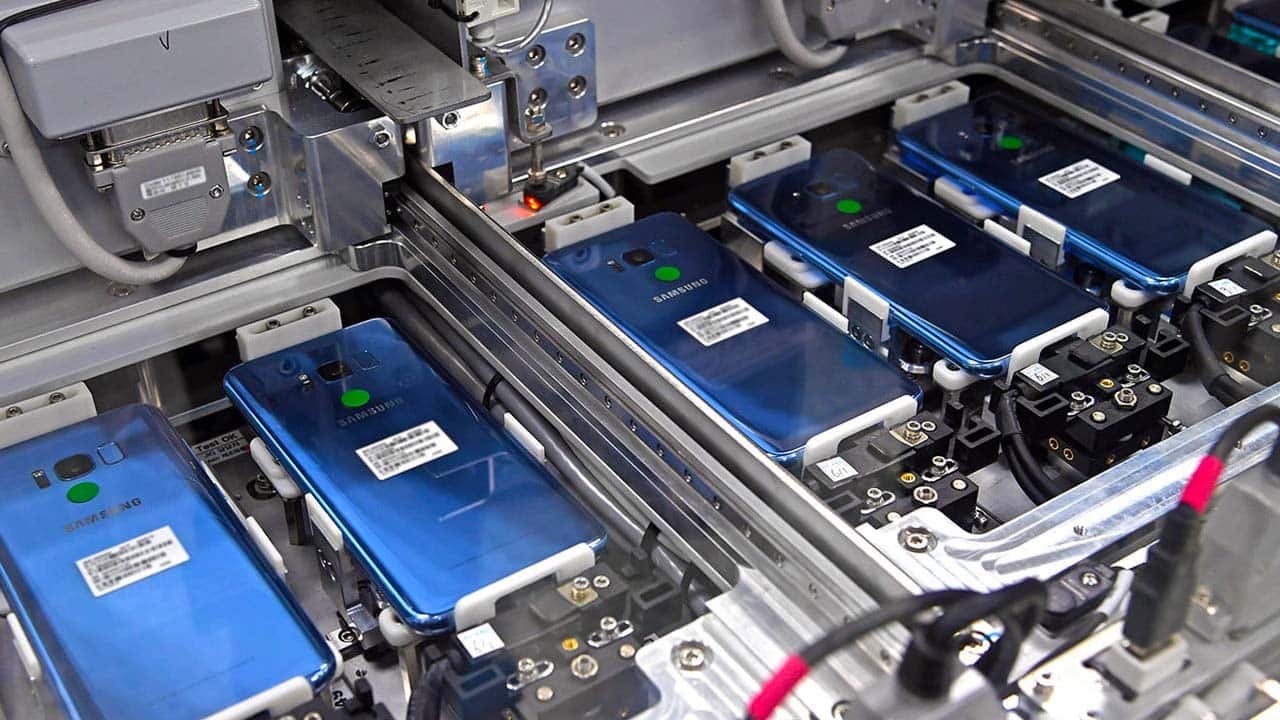
    According to a source in the Federal Board of Revenue (FBR), the non-implementation of the Device Identification, Registration and Blocking System (DIRBS) has led to an increase in the use of smuggled mobile phones in the Azad Jammu & Kashmir and Gilgit-Baltistan region. Unlike the rest of the country, the Special Communications Organisation (SCOM) is the main mobile phone operator in this region, and the DIRBS does not apply to its connections.

    The purpose of the DIRBS is to identify non-compliant devices operating on local mobile networks and eventually block them while registering compliant ones. Despite a halt in local manufacturing and import of mobile phones, around 100,000 mobile phones are being smuggled into the region every month.

    Industry experts have confirmed that non-duty paid mobile phones smuggled from Dubai have made their way to the region. Zeeshan Mianoor, Deputy Vice Chairman of Pakistan Mobile Phone Manufacturers Association, stated that the monthly sales of local mobile sets were around 2 million devices, with around 8-10% of them sold in the AJK and GB region.

    According to Dawn, Muhammad Ishaq Jalal, a Skardu-based journalist, explained that unregistered phones do not work in mainland Pakistan, but they operate on SCOM, and the same connection works in mainland Pakistan on the Ufone network due to the agreement between SCOM and Ufone. Jalal also noted that expensive, used smartphones are available at reasonable prices in the GB region because many of them are blocked in mainland Pakistan either because they were not registered with PTA or stolen, and their IMEI has been blocked.

    The spokesperson of the Pakistan Telecommunication Authority (PTA) stated that both the PTA and the Ministry of IT and Telecom have requested the Cabinet Division to ensure the implementation of DIRBS on SCOM. The spokesperson added that the system would be extended to the SCOM connections once the Cabinet Division approves the request. The DIRBS was introduced to protect local mobile device manufacturing by imposing duties on imports of mobile phones, as well as those brought by travellers coming from abroad. However, this system also helped to reduce mobile phone smuggling.
  • PSX asks companies to explain significant changes in share prices

    PSX asks companies to explain significant changes in share prices

    The compliance department of the Pakistan Stock Exchange (PSX) has contacted five listed companies seeking clarification on a “substantial” change in their share prices between March 16 and April 13. One of the companies contacted is Pakistan Services Ltd (PSEL), which owns and manages the chain of Pearl Continental hotels in Pakistan. PSEL has a free-float of 60 per cent, with the company’s sponsors controlling only 40 per cent of the shareholding while the rest is available to the public for trading.

    PSX Head of Listed Companies Compliance, Hafiz Maqsood Munshi, sent a letter to PSEL on April 20 stating that “The PSX has observed that the price in the shares of PSEL has decreased substantially during the period from March 16 and April 13”. According to the prevailing Securities Act, listed companies are required to promptly disclose any unusual movement in the price or volume of its traded securities to the general public. If the company observes any such matter or development, it must share the details with the public. Otherwise, the company should issue a statement of the fact that it’s not aware of any such matter or development.

    The share price of PSEL was Rs1,720.50 at the close of the March 15 session, dropping to Rs800.10 apiece by the end of the April 13 session, showing a decrease of 53.5 per cent in less than a month. The PSX has directed PSEL to provide, “at the earliest”, the reason or any material information that may have resulted in the substantial decrease in its price during the period under consideration.

    Capital market regulators across the world keep an eye on any sudden share price movements to protect small investors from fraud. Listed companies are required to share any new development that may have a material impact on its stock price with the public immediately. This regulatory requirement is aimed at preventing insider trading, which involves buying and selling of shares by someone with non-public but material information about the stock undergoing a sharp change in its price or trading volume.

    The PSX also contacted Tandlianwala Sugar Mills Ltd (TSML), a producer and seller of white crystalline sugar and ethanol with a free-float of only 5 per cent, to explain the substantial increase in its share price between March 16 and April 13. TSML had no trading on March 15 or 16, with a closing price of Rs67.03 apiece on March 17. Its share price rose 50.3 per cent to Rs100.79 a share by the end of April 13.

    According to Dawn, the PSX compliance department contacted Towellers Ltd, a manufacturer and exporter of textile make-ups, garments and towels, which saw its share price rise from Rs183 on March 15 to Rs291.16 on April 13, up 59.1 per cent in the period under review. The PSX asked Khairpur Sugar Mills Ltd, a seller of sugar and by-products with just 5 per cent of free-float, to explain why its share price rose from Rs46.22 on March 15 to Rs72 on April 13, reflecting an increase of 55.7 per cent in about a month.

    Lastly, the stock exchange sought an explanation for the substantial share price increase from Metropolitan Steel Corporation Ltd, which makes ribbed bars, wire rods, bailing hoops, wires, transmission towers and cold profiles. The steel maker’s share had no trading on March 15, with a closing rate of Rs22.19 on March 16. Its closing rate on April 12 was Rs35 apiece, which shows the increase in the stock rate was 57.7 per cent over the period under review. The shares of the company were not traded on April 13.

  • Supply of free flour for underprivileged cannot be questioned, says Lahore High Court

    Supply of free flour for underprivileged cannot be questioned, says Lahore High Court

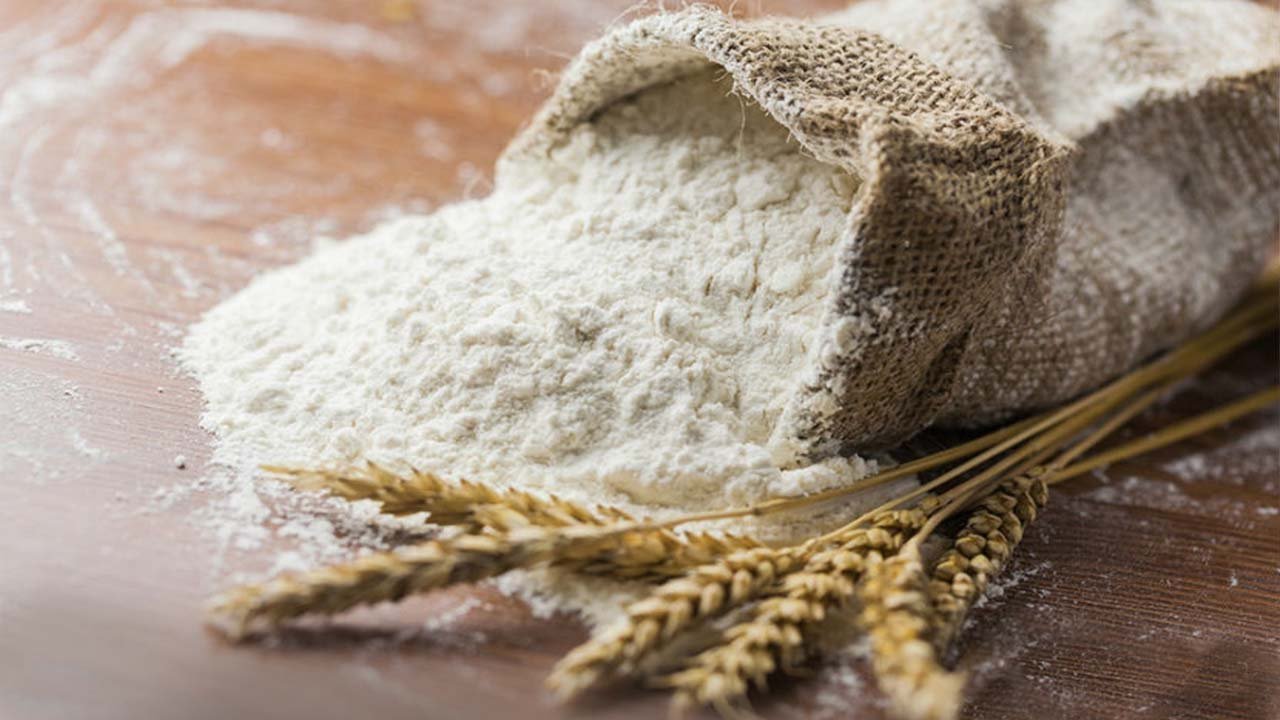
    Lahore High Court has ruled that the government is responsible for providing free flour to those living below the poverty line and unable to purchase it themselves, and therefore the supply of free flour cannot be challenged in court. The court also stated that the supply of free flour under the government’s “Ramzan package” is a policy decision that cannot be interfered with by the court. This ruling came in response to a petition filed by a bar member challenging the government’s fixation of the wheat price at Rs3,900 per 40 kg.

    LHC dismissed the petition, stating that the government has the authority to fix prices and take necessary measures to cater to the needs of the people. The court also observed that the fixation of prices of commodities such as wheat by the government falls within the policy-making domain of the government and that this function must be performed keeping in mind various factors such as the availability of stocks and demand and supply.

    The court further noted that the government’s power to fix prices cannot be ordinarily interfered with by the court in its constitutional jurisdiction and that in the absence of any law or policy, the court cannot issue directions to respondents to provide flour or wheat to consumers at subsidised rates. The court also stated that the government’s purchase and sale of wheat, provision of wheat to flour mills, subsidised value, and framing of policy to provide flour at a particular rate or free of cost to deserving people of the society are all within the policy-making domain of the government.

    The court held that the government’s fixation of the wheat price was within its jurisdiction and powers, and that the government’s decision to fix the price was made after considering various factors, including regulating market forces. According to Brecorder, the court observed that the government’s power to fix prices cannot be challenged by petitioners who do not have access to the relevant data or the capability to determine various aspects of the price-fixing criteria.

    In conclusion, the court ruled that the government has the authority to fix the price of wheat and that the supply of free flour to those in need is a policy decision that cannot be challenged in court. The court also noted that the fixation of prices of commodities falls within the policy-making domain of the government and must be performed in consideration of various factors and that the court cannot interfere with the government’s power to fix prices in its constitutional jurisdiction.

  • Rising petrol prices and rupee devaluation push inflation to 47.23% in Pakistan ahead of Eid

    Rising petrol prices and rupee devaluation push inflation to 47.23% in Pakistan ahead of Eid

    According to data released by the Pakistan Bureau of Statistics (PBS), a steep increase in the prices of essential food items such as chicken and petrol has pushed weekly inflation to 47.23 per cent year-on-year for the week ending on April 19. Inflation has risen 0.51 per cent week-on-week, compared to a 0.60 per cent decrease in the previous week.

    The rising inflation has been attributed to the increase in sensitive price indicators such as LPG, potatoes, petrol, tea, gur, matchbox, bread, chicken, bananas, broken basmati rice, and rice irri-6/9. However, a major decrease was observed in the prices of tomatoes, onions, garlic, sugar, wheat flour, mustard oil, cigarettes, and pulse gram.

    For the week under review, the SPI (Sensitive Price Index) was recorded at 251.83 points, against 250.56 points registered last week and 171.05 points recorded during the week ended April 21, 2022. Fahad Rauf, head of research at Ismail Iqbal Securities, said that SPI experienced an increase mainly driven by a 4 per cent and 2 per cent increase in the prices of petrol and chicken, respectively.

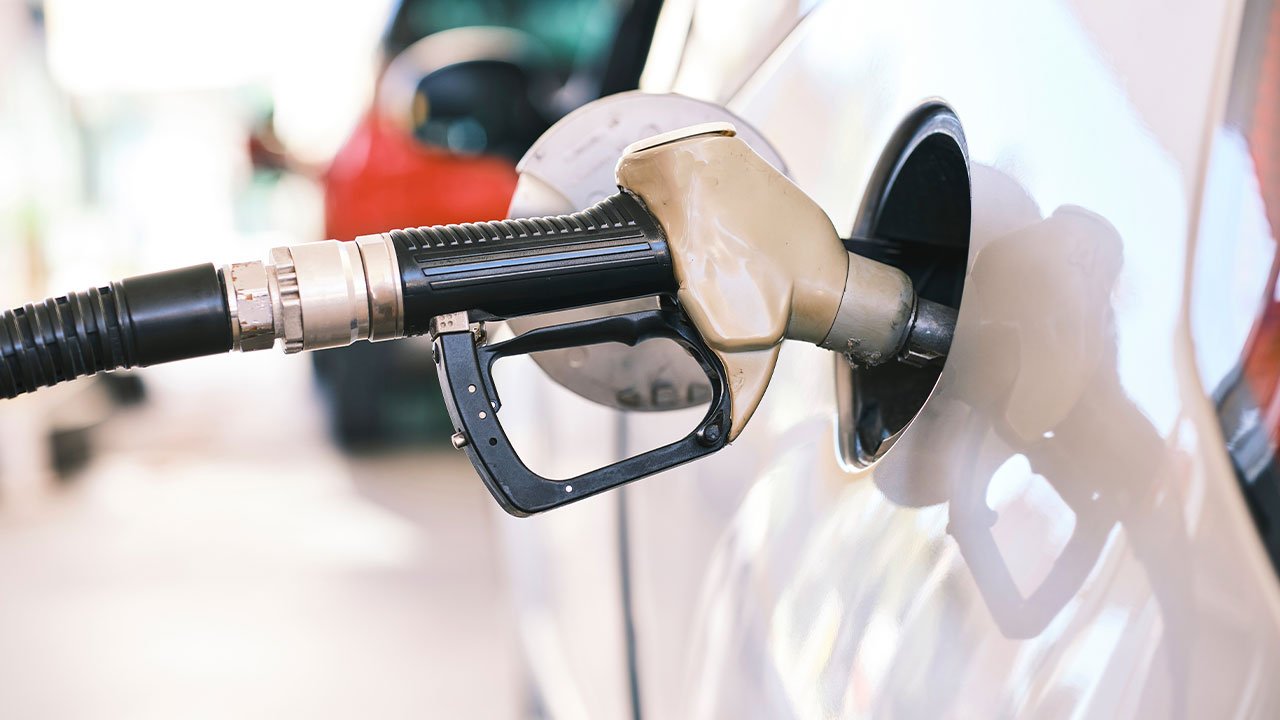
    During the week, the government raised petrol prices by Rs10 per litre, bringing the new price to Rs282 per litre, due to the impact of rising international oil prices and rupee devaluation. Chicken prices have also risen mainly due to increased seasonal demand in Ramadan and the arrival of Eid.

    Prices of commodities have risen significantly over the last year on account of devaluation as well as the massive floods that devastated food crops across most of the fertile plains of the country. Different weights are assigned to various commodities in the SPI basket, and prices of commodities have risen on a year-on-year basis. The PBS compiles the SPI by collecting prices of 51 essential items from 50 markets in 17 cities of the country.

    During the week under review, out of 51 items, prices of 29 (56.86 per cent) items increased, eight (15.69 per cent) items decreased, and prices of 14 (27.45 per cent) items remained unchanged. The PBS data attributed the year-on-year rise in SPI to the jump in the prices of goods such as cigarettes, wheat flour, gas charges for Q1, tea, diesel, potatoes, bananas, eggs, petrol, broken basmati rice, rice irri-6/9, pulse moong, and plain bread. However, a decrease was observed in the prices of tomatoes and chilli powder.

  • Inflation hits Pakistanis hard as they prepare for Eid-ul-Fitr festivities

    Inflation hits Pakistanis hard as they prepare for Eid-ul-Fitr festivities

    Eid-ul-Fitr is an important religious holiday celebrated by Muslims around the world, marking the end of the holy month of Ramadan.

    During Ramadan, Muslims fast from dawn until sunset and abstain from food, drink, and vices like gossip and lying. It is a period of self-reflection and a reminder to be charitable to the less fortunate.

    Observed first day of Shawwal, the tenth month of the Islamic calendar, Eid-ul-Fitr is a time for Muslims to come together with family and friends to offer prayers, exchange gifts, and share meals. It is also a way for Muslims to show their gratitude to Allah for giving them the strength to fast and to seek forgiveness for any sins committed during the year.

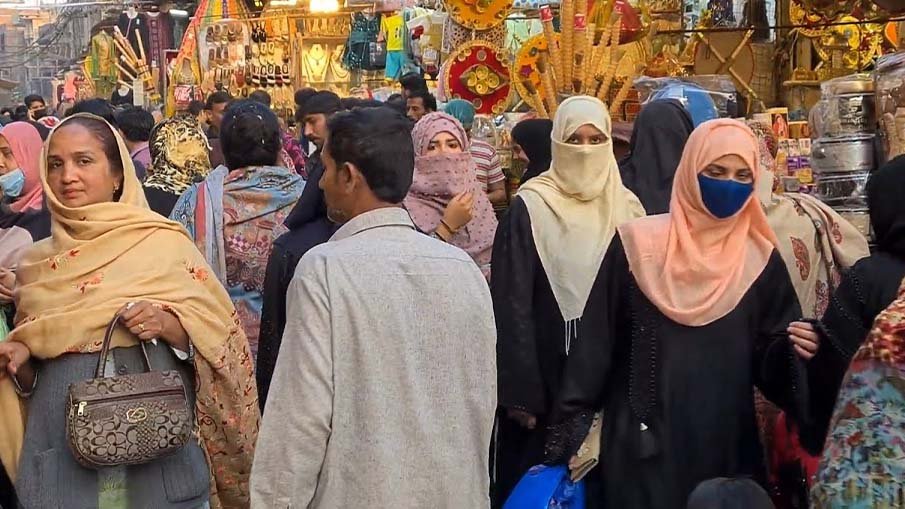
    However, in Pakistan, small shops and businesses are struggling to make ends meet during this year’s Eid-ul-Fitr celebrations. The high levels of inflation, which have hit their highest levels in decades, have left many businesses unable to make enough money to cover their monthly expenses, including rent and utility bills.

    For many small shops and businesses in Pakistan, the last days of Ramadan or before Eid-ul-Fitr used to be a guaranteed earner—a big-spending week that could match the take from the rest of the year. However, this year, many worry they will not even make enough to pay for their monthly expenses.

    A tailor in Canal Bank, Lahore, stated that each year, he was fully booked and had so many orders that he couldn’t take orders after the middle of the month of Ramzan. However, this year, he said, “For the first time, we are accepting orders in the last week of Ramzan as there is not much work.”

    Tailors in Lahore who used to charge Rs1,500 are now charging Rs2,500 or Rs2,200. Even well-known brands or shops are charging more, which is leaving consumers with no option but to go for cheap ready-made clothes or clothes that are available on sale.

    The South Asian country of more than 220 million people saw year-on-year inflation hit 35.4 per cent in March. Food prices surged more than 47 per cent in 12 months, with transport costs rising by 55 per cent.

    Pakistan is deeply in debt and needs to introduce tough reforms to unlock a tranche of a $6.5 billion bailout from the International Monetary Fund in order to avoid default. The economy has been wrecked by years of financial mismanagement and political instability—a situation exacerbated by a global energy crisis and devastating floods that left a third of the country under water last year.

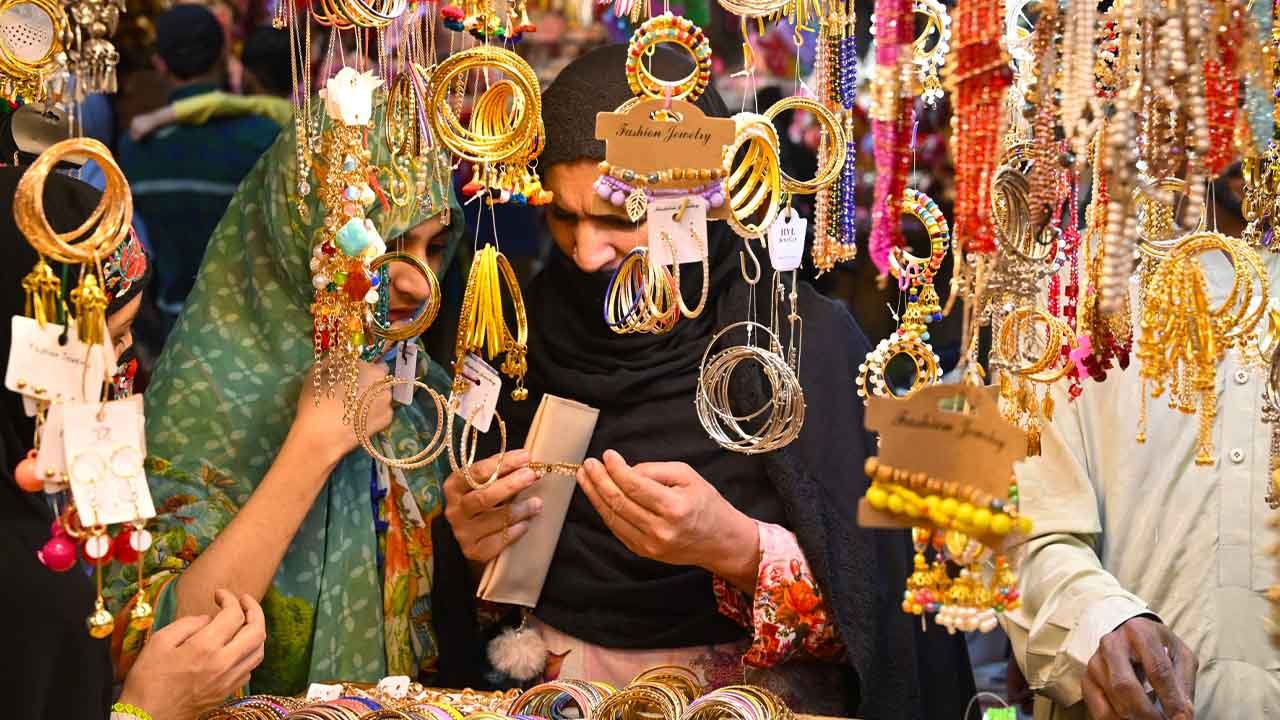
    An artificial jewelry shop owner in Anarkali, Lahore, Zaryab, said, “There is a significant difference between last year’s sales and this year’s. People come to our stall, see 3-4 necklaces or bangles, ask the price, and then leave.”

    The high inflation has significantly reduced the purchasing power of Pakistanis, and people are mostly focusing on fulfilling their essential needs. Noman Khan, an electrical engineer at ACE Pakistan, stated that this Eid, he has not been able to buy clothes for himself as he had to buy clothes for his two kids and wife. He added that “From artificial jewelry to kids’ clothes, everything is so expensive this year that I have no option but to wear old clothes. Although, I made sure that my kids and wife at least get what they want to wear this Eid.”

    In conclusion, the struggle for small businesses in Pakistan during Eid-ul-Fitr celebrations is a stark reminder of the country’s economic challenges. While many Pakistanis are still managing to celebrate the holiday, the high levels of inflation have made it difficult for many to enjoy the festivities.

  • Pakistan places first order for discounted Russian crude oil

    Pakistan places first order for discounted Russian crude oil

    Pakistan has placed its first order for discounted Russian crude oil under a new deal negotiated between Pakistan and Russia, following months of discussions.

    State Minister for Petroleum, Musadik Malik, confirmed that one cargo will dock at Karachi port in May.

    Pakistan will only purchase crude oil, not refined oil, and imports are expected to reach 100,000 barrels per day if the initial transaction goes smoothly. Pakistan’s Refinery Limited (PRL) will initially refine the Russian crude, with other refineries to be included after a trial run.

    A delegation from Russia arrived in Pakistan earlier this month to discuss the payment mode. During these talks, the Russian side requested that the deal with Moscow be kept secret as they do not want the disclosure to other Russian crude buyer countries.

    Consequently, Pakistan’s top officials decided not to disclose the mode of payment and the exact discount. Russian Energy Minister Nikolay Shulginov led a delegation to Islamabad in January to hold talks on the deal, after which he said oil exports to Pakistan could begin after March.

  • Proposed cross-fuel subsidy plan fails to impress IMF, causing delays in bailout program

    Proposed cross-fuel subsidy plan fails to impress IMF, causing delays in bailout program

    In a bid to fulfil promises made to the International Monetary Fund (IMF), the Ministry of Finance is prepared to strongly oppose a draft summary proposed by the Ministry of Petroleum on the provision of cross-fuel subsidy.

    The proposed subsidy would involve increasing petroleum product prices by Rs75 per litre for all vehicles with engines of 1,000cc or more, in order to subsidize petrol for vehicles of 800cc and motorbikes. The draft summary was circulated among different ministries for comments before the upcoming Economic Coordination Committee meeting.

    An official from the finance ministry stated that the petrol scheme was still at the draft stage, and the ministry was preparing its comments and consulting with the IMF. The official recalled that a similar scheme had been proposed during the Pakistan Tehreek-e-Insaf (PTI) government but could not be implemented.

    Former finance minister Miftah Ismail had also allocated Rs48 billion on account of the Sasta Petrol Scheme in the last budget, but these resources were diverted towards flood-affected areas. The official added that such a scheme could not be implemented transparently in Pakistan, and the ministry would send its official comments soon.

    In March, Prime Minister Shehbaz Sharif announced the government’s plans for fuel pricing. While economists warned the decision could hinder a crucial IMF payout needed to prevent economic collapse, the government said that it was a scheme, not a subsidy.

    The IMF officials were quick to share that the Pakistani government did not consult the global lender on its petrol subsidy for low-income groups before the announcement. The Fund has asked the Pakistani authorities to provide more details about the petrol relief package causing more delay in the signing of the staff-level agreement.

    Pakistan has been trying to convince the Washington-based lender to release the next tranche of the bailout programme since the IMF funding stalled in November, hit by snags over fiscal policy adjustments after officials of the lender visited Islamabad in February for talks. They formed part of a ninth review exercise on a bailout package of $6.5 billion agreed upon in 2019 whose resumption is critical for Pakistan to avoid risking default on external payment obligations.

  • IMF loan delay continues to impact Pakistani rupee

    IMF loan delay continues to impact Pakistani rupee

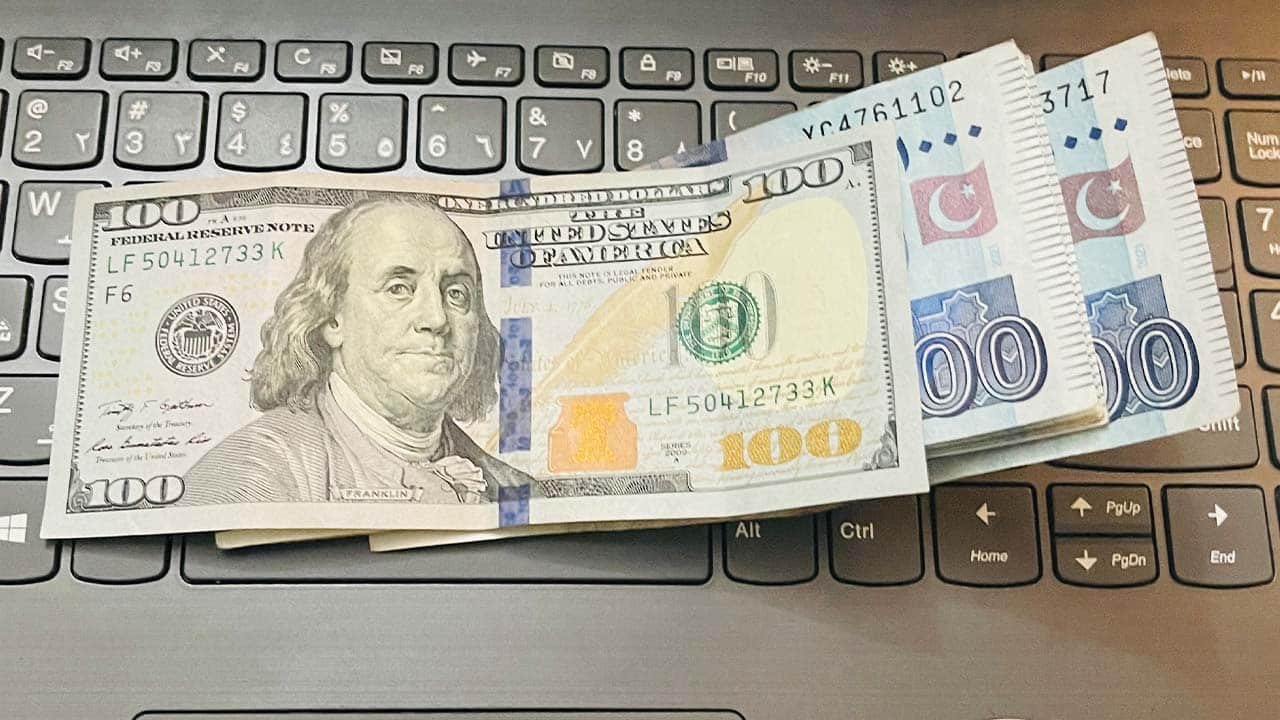
    During trading on Wednesday, the Pakistani rupee experienced a slight decrease against the US dollar, with a depreciation of almost 0.06 per cent in the inter-bank market. At around 12:45 pm, the currency was being traded at Rs284.06, which is a decline of Re0.16.

    This comes after the rupee had previously regained some ground against the US dollar on Tuesday, settling at Rs283.9 in the inter-bank market. The International Monetary Fund (IMF) Extended Fund Facility (EFF) has been stalled since last year, and market participants are waiting for its resumption.

    Experts have suggested that the reduced demand for US dollars can be attributed to the increase in inflows from workers’ remittances and a decline in import payments. Globally, the dollar saw some stability on Wednesday after being influenced by bond market volatility. Investors closely monitored US economic indicators, Federal Reserve commentary, and corporate earnings for indications about the path for interest rates.

    The dollar index, which measures the greenback against six major peers, rose by 0.11 per cent to 101.83 in Asian trading, following a 0.36 per cent decline on Tuesday that reversed the 0.54 per cent increase from the previous session.

    Oil prices, which serve as a significant indicator of currency parity, declined on Wednesday as the market considered potential interest rate hikes from the Federal Reserve. Such hikes could slow growth and dampen oil consumption, offsetting the impact of falling US inventories and strong Chinese economic data.

  • Dubai airport smashes pre-pandemic records with 16,713 flights in March

    Dubai airport smashes pre-pandemic records with 16,713 flights in March

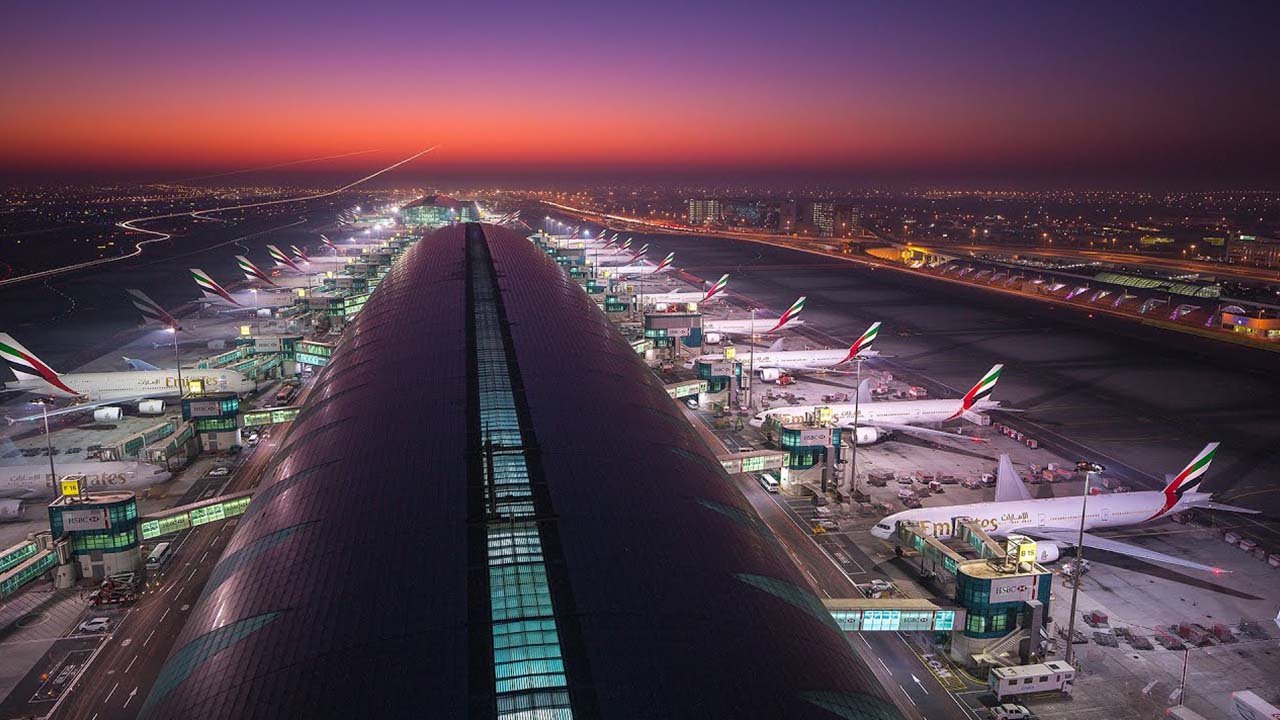
    The Dubai International Airport has achieved a remarkable milestone by exceeding pre-pandemic levels in March, recording an impressive 16,713 flights. This marks a 23.7 per cent growth compared to March 2022, with an additional 248 flights added as compared to March 2019. The airport has seen a steady increase in flight movements, with a total of 48,418 flights in the first quarter of 2023.

    In a broader context, the main local airports in the UAE, including Dubai, Abu Dhabi, and Sharjah, have recorded an overall increase of 29.36 per cent in the first quarter of this year compared to the same period last year.

    The country’s national carriers, such as Emirates, Etihad Airways, Fly Dubai, Air Arabia, and Air Arabia Abu Dhabi, have accounted for approximately 74 per cent of the total number of flights through the airports in the region.

    This remarkable increase in flights can be attributed to the expansion of national carriers and the growing attraction of international airlines to operate from the UAE’s airports. The impressive surge in air traffic is a testament to the UAE’s status as a global aviation hub, continuing to attract a diverse range of airlines and passengers from around the world.

  • Pakistan shares plan with IMF to bridge $3 billion financing gap

    Pakistan shares plan with IMF to bridge $3 billion financing gap

    The coalition government of Pakistan has revealed its plan to the International Monetary Fund (IMF) for obtaining an additional $3 billion to fill the financing gap as it tries to persuade the lender to release the next loan tranche.

    In order to conclude talks with Pakistan regarding its delayed bailout, the IMF required “necessary” financing guarantees as soon as possible. Pakistan was asked to raise $6 billion in external financing, which is required by the country until June to avoid a potential default.

    This figure was determined on the assumption that the current account deficit would remain at around $7 billion in the current fiscal year. The IMF welcomed the recent announcement of financial support from key bilateral partners, but this support is inadequate for Pakistan’s requirements.

    Islamabad informed the IMF about its plan to secure a $450 million second Resilient Institutions for Sustainable Economy (RISE-II) budget support loan, as well as its plans to obtain $1 billion from the Asian Infrastructure Investment Bank (AIIB) and other commercial banks, and to materialise pledges made at the Geneva moot. According to sources, once the staff-level agreement is signed with the IMF, it will become easier for Pakistan to obtain financing.

    Pakistan’s foreign exchange reserves have fallen to cover barely a month of imports following the stall in IMF funding in November, which was later complicated by snags over fiscal policy adjustments after officials from the lender visited Islamabad for talks in February. The fiscal policy adjustments were part of the ninth review exercise on a bailout package agreed upon in 2019, whose resumption is crucial for Pakistan to avoid the risk of defaulting on external payment obligations.

    Pakistan will receive another disbursement of more than $1 billion from the IMF programme before it ends in June, which will unlock other bilateral and multilateral financings for the country, helping to ease its financial difficulties.

    Programme loans from other multilateral agencies await completion of the IMF review, as reported by central bank governor Jameel Ahmad during the spring meetings of the lender and the World Bank in Washington.