Category: Business

The most important business news, explained in a young, easy to understand way. News that affects young career professionals.

  • Alarming decline in Pakistan’s manufacturing sector, latest data reveals

    Alarming decline in Pakistan’s manufacturing sector, latest data reveals

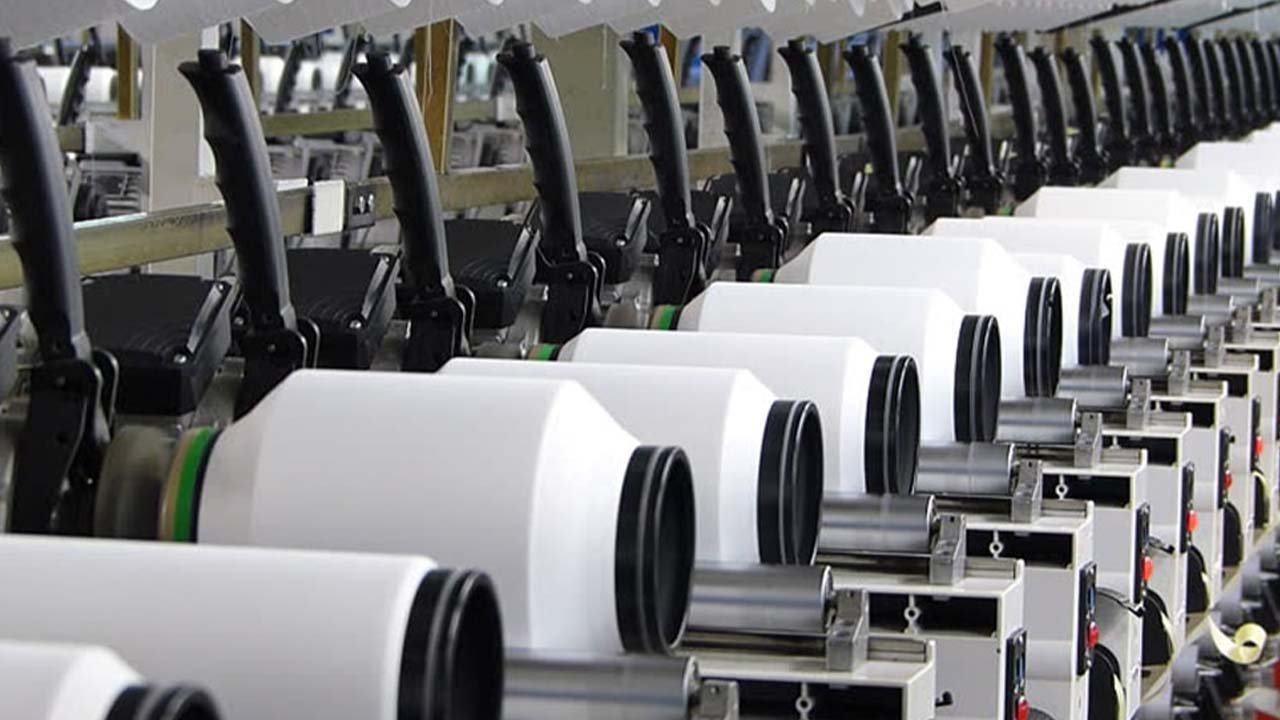
    The manufacturing industry in Pakistan, which is responsible for about 20 per cent of the country’s economic growth, has experienced its eighth consecutive month of decline. This is a major cause for concern as it could have negative impacts on the overall economy.

    In February, the rate of decline was particularly severe, with a contraction of 11.59 per cent compared to the same period in the previous year, according to data from the Pakistan Bureau of Statistics.

    This decline will impact Pakistan’s overall economic growth, with the gross domestic product (GDP) also expected to suffer a significant blow this fiscal year.

    The negative growth of the sector is due to both domestic and global factors, including high energy costs, rupee devaluation, and the government’s tightening of monetary and fiscal policies. Industrial output fell by 5.56 per cent in the first eight months (July-February) of the ongoing fiscal year, compared to the same period last year.

    The global economic slowdown has further worsened the situation, with many businesses scaling back operations or reducing operating hours, while others have shut down their plants. The LSM sector has witnessed a decline in production from August 2022 to February 2023.

    All major and small sectors’ output contracted in February, including textile, food, coke and petroleum products, chemicals, automobile, pharmaceuticals, cement, fertilisers, iron and steel, furniture, leather products, electrical equipment, and non-metallic mineral products.

    To combat soaring inflation, the State Bank of Pakistan (SBP) also raised the discount rate to 21 per cent, hindering industrial activities by making bank financing more expensive.
  • Apple CEO Tim Cook to meet India’s PM Modi during store opening

    Apple CEO Tim Cook to meet India’s PM Modi during store opening

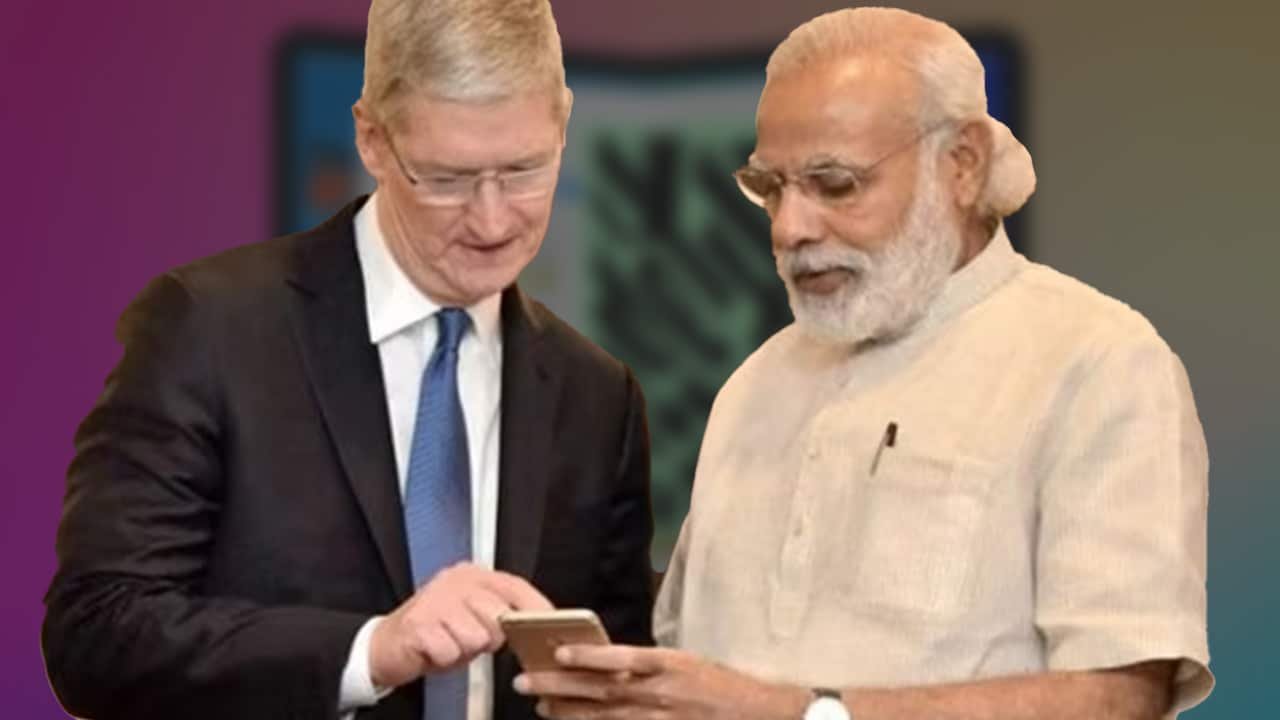
    Tim Cook, the CEO of Apple, is scheduled to meet India’s Prime Minister, Narendra Modi, and the country’s deputy IT minister as part of his visit to inaugurate the tech giant’s first retail store in India.

    Cook’s visit to Mumbai and New Delhi to open the first official company-owned outlets in the country highlights Apple’s growing interest in India, despite only having a 3 per cent market share.

    The company has been expanding iPhone assembly through contract manufacturers and increasing its exports. Cook will meet Modi on Wednesday in New Delhi, and he is also expected to meet India’s deputy IT minister, Rajeev Chandrasekhar.

    Apple and the IT ministry did not immediately respond to requests for comment, while Modi’s office declined to comment. Cook’s meetings with Indian officials come as Apple focuses more on India, which is the world’s second-largest smartphone market.

    According to data from the India Cellular and Electronics Association, iPhones accounted for more than 50 per cent of the $9 billion worth of smartphones exported from India between April 2022 and February 2023.

    On Monday, Apple opened its first store in Mumbai, but only for a private event where bloggers and tech analysts reviewed the store layout and design. The Mumbai store is located in the Reliance Jio World Drive mall, which is home to luxury clothing and jewellery brands like Michael Kors, Kate Spade, and Swarovski. It is 20,800 square feet, far larger than the planned Delhi outlet, according to local registration documents.

    Apple has sold its products in India through resellers or e-commerce websites such as Amazon. The Mumbai store will open to the public from Tuesday, while a second store will be inaugurated inside a New Delhi mall on Thursday.

    In India, iPhones are assembled by three of Apple’s contract manufacturers – Foxconn, Wistron Corp, and Pegatron Corp. Apple plans to assemble iPads and AirPods in India as well.

  • Affordable bus service between Islamabad and China to start soon

    Affordable bus service between Islamabad and China to start soon

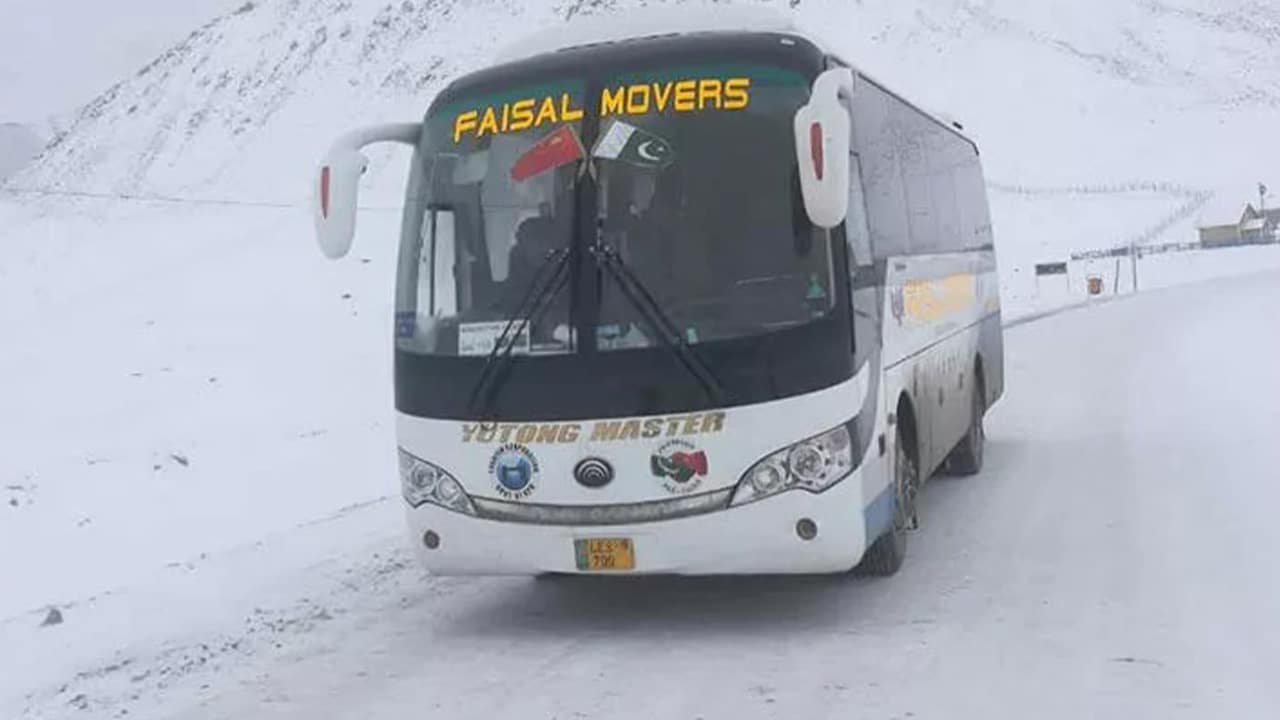
    A bus company in Pakistan has announced its decision to launch a private bus service between Islamabad and Tashkurgan, a city in China, following Eid-ul-Fitr.

    According to a spokesperson for the company who spoke to Gwadar Pro, the service will commence on 13th May 2023, with the first phase involving the deployment of a mini-Utong bus capable of accommodating 28 passengers.

    The journey, including the immigration process, is expected to take approximately 38 hours, with passengers staying overnight at the Sost border. The fare for the journey is estimated at Rs60,000.

    To travel, individuals must have an original passport and copy, a valid original visa with its copy, and an invitation to China (visa category).

    The service is available to all, including tourists and those travelling for business and official purposes. Given the service’s popularity, the company plans to expand it to cater to the needs of the people of both countries.

  • Transporters overcharge passengers after fresh increase in fuel prices

    Transporters overcharge passengers after fresh increase in fuel prices

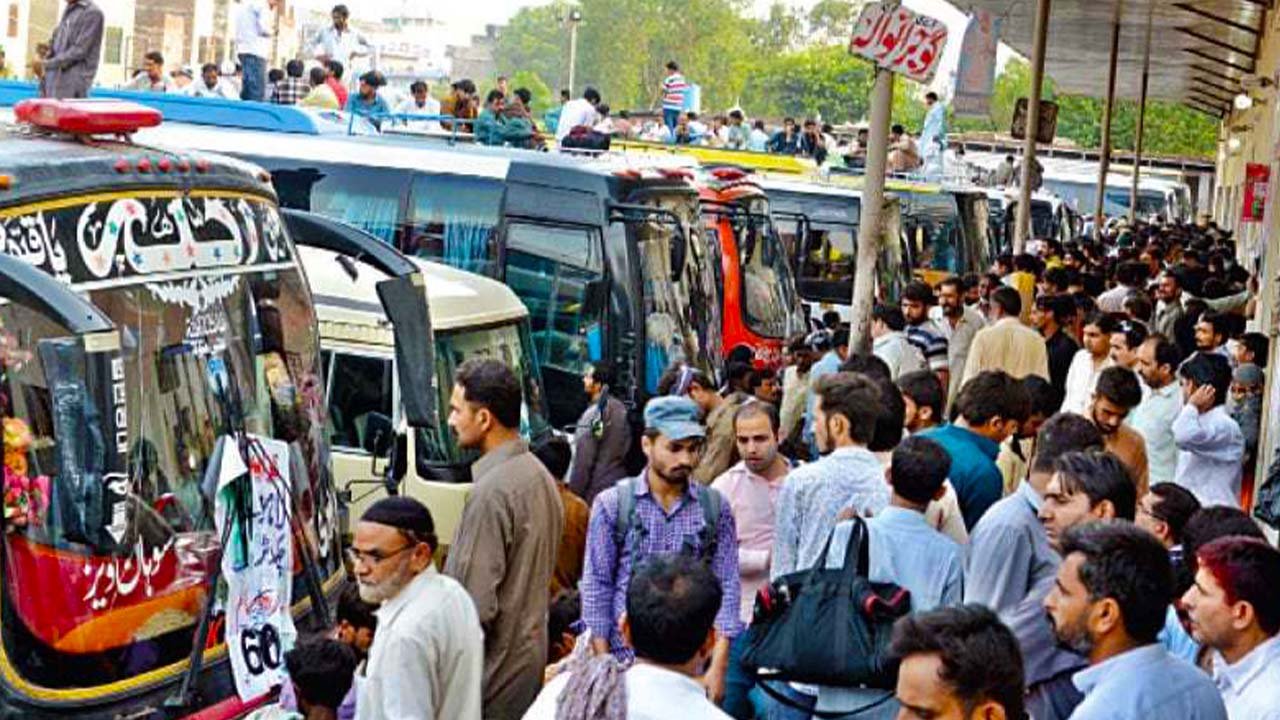
    The recent hike in petroleum prices has been met with public outcry, with many stating that the significant increase in petrol prices has severely impacted the common man, as transporters have raised fares just ahead of Eid-ul-Fitr. This rise in oil product prices is also expected to have repercussions on the cost of daily commodities, particularly kitchen items.

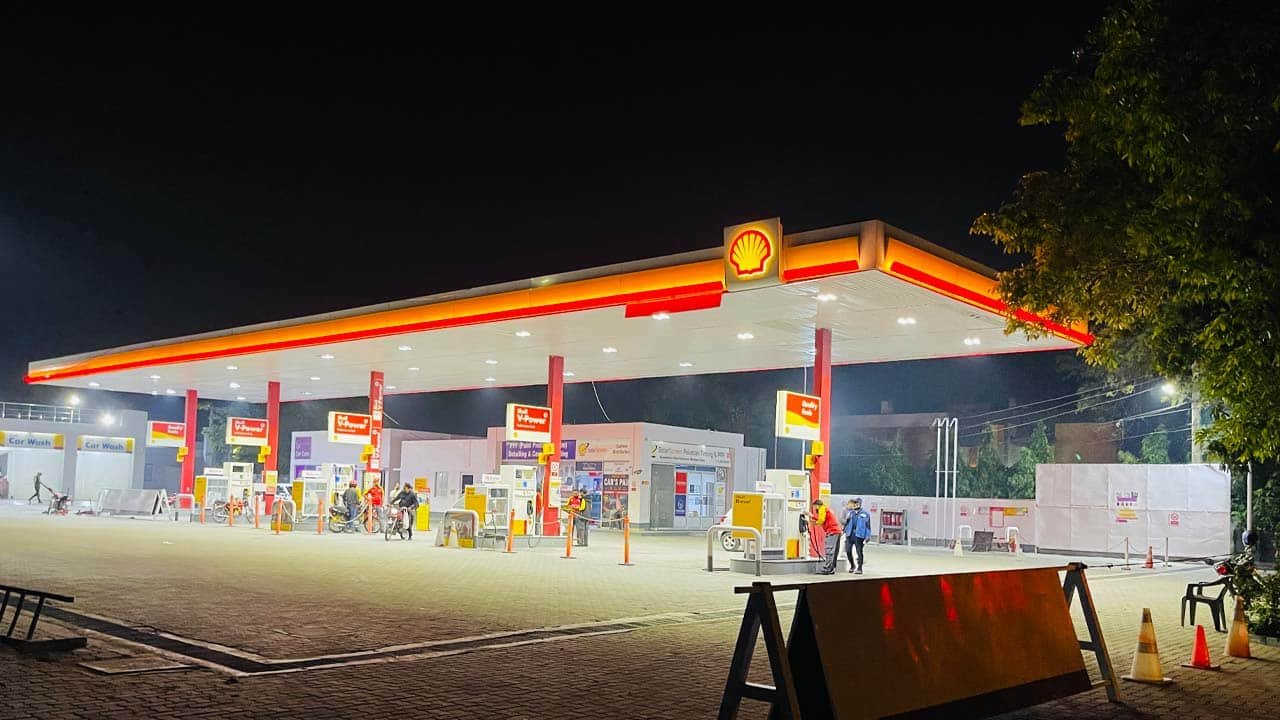
    The Statistical Department of Pakistan has reported that people were already facing 44.6 per cent inflation, and the weekly report showed that this figure was expected to increase further with the recent hike in petroleum prices. The price of petrol has been raised to Rs282 per litre, while high-speed diesel and light diesel oil rates will remain stable at Rs293 per litre and Rs174.68 per litre, respectively. However, kerosene oil has seen an increase of Rs5.78 per litre, with its price now standing at Rs186.07 per litre.

    Long route transporters have increased fares by 10 to 20 per cent per ticket, while freight services charges have risen by 30 per cent. Over 70 per cent of people have started to travel to their native towns to celebrate Eid-ul-Fitr with their families, and they have protested against the sitting government for the fresh increase in petroleum prices. The business community has also warned of a new wave of inflation, and the Pakistan Oil Tankers Association and All Pakistan Truck and Trailer Association have rejected the hike in petroleum product prices.

    Local transporters have also increased fares without permission, claiming that there is no government in the country. However, the District Regional Transport Authority (DRTA) Secretary has stated that they have started a crackdown against transporters who are overcharging passengers. The senior representatives of the trader’s community have also rejected the present hike in petroleum prices and have advised political parties to work together to boost the country’s economy.

    The All Pakistan Clerks Association (APCA) has stated that they are facing difficulties due to the government’s wrong policies and have decided to start a revolution after Eid-ul-Fitr against the wrong government policies. Wagon owners and drivers have protested at the termination points of their routes, while public transport operators in the Rawalpindi division will be meeting to discuss the situation. In summary, transporters, traders, and the general public have strongly reacted to the recent increase in fuel prices.

  • Pakistan sees increase in LPG prices following petrol price hike

    Pakistan sees increase in LPG prices following petrol price hike

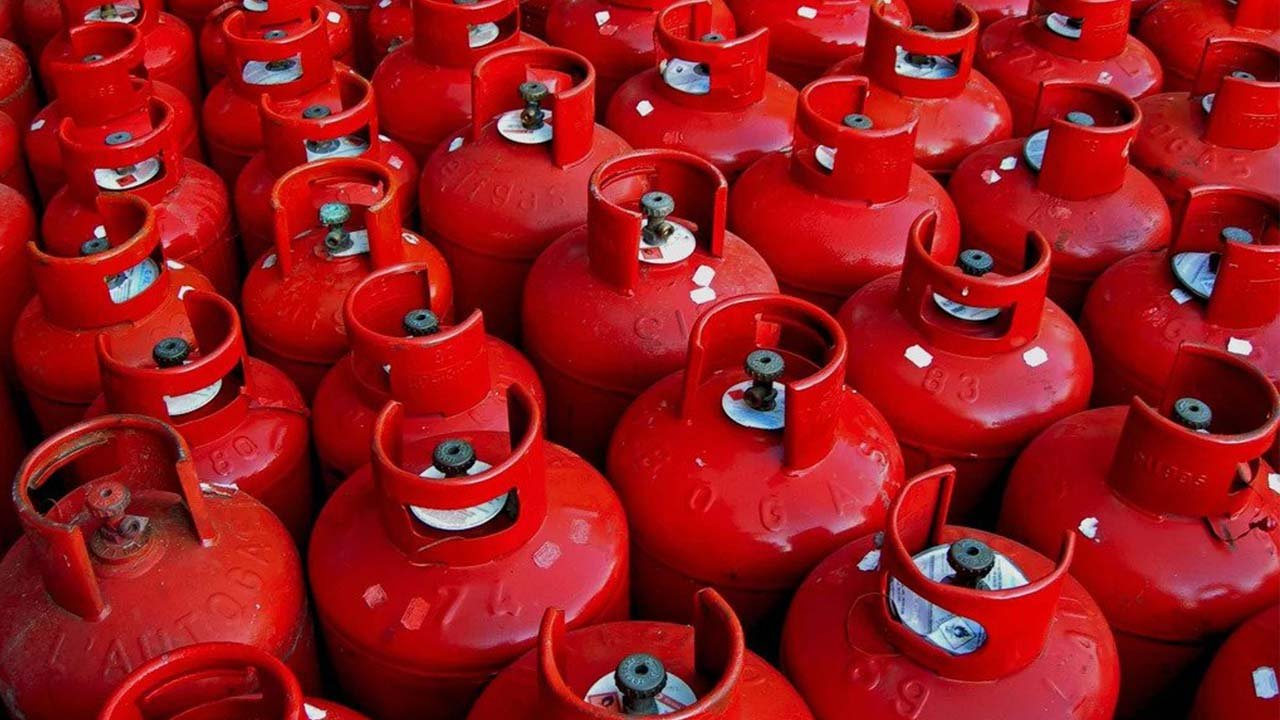
    The Oil and Gas Regulatory Authority (OGRA) has announced an increase in the price of Liquefied Petroleum Gas (LPG) in Pakistan, following the recent hike in petrol prices. As per the notification, the price of LPG has been increased by Rs10 per kilogramme, with the new price per kilogramme set at Rs229.

    Moreover, the price of domestic and commercial cylinders of LPG has also been raised. The price of a domestic cylinder has been increased by Rs120, whereas a commercial cylinder will now cost Rs450 more than the previous rate.

    In addition, the federal government recently increased the petrol price by Rs10 per litre for the next two weeks. During a televised speech, the finance minister explained that the hike was due to the rise in international petroleum prices and exchange rate fluctuations.

    As a result, the new petrol price has been fixed at Rs282 per litre, while the rates for high-speed diesel (HSD) and light diesel oil have remained unchanged at Rs293 per litre and Rs174.68 per litre, respectively.

    Furthermore, the government has also raised the price of kerosene oil by Rs5.78 per litre, pushing it up from Rs180.28 per litre to Rs186.07 per litre.

  • Pakistan to receive $2 billion deposit from Saudi Arabia in State Bank within next few days

    Pakistan to receive $2 billion deposit from Saudi Arabia in State Bank within next few days

    Muhammad Jawad Sohrab Malik, the Special Assistant to the Prime Minister, had a meeting with Nawaf bin Said Al-Malki, the Ambassador of the Kingdom of Saudi Arabia to Pakistan, in Islamabad. The objective of the meeting was to discuss the ways to enhance bilateral collaboration between the two countries.

    During the meeting, Jawad expressed gratitude for Saudi Arabia’s consistent support for Pakistan. He thanked the ambassador for confirming that the $2 billion pledged by the Kingdom would be deposited within the next seven working days in the SBP account. Both parties showed a commitment to strengthening bilateral ties between Pakistan and Saudi Arabia.

    The SAPM highlighted the significance of Saudi Arabia’s assistance and stated that the $2 billion loan would help Pakistan overcome the current financial crisis. He further explained that this would pave the way for securing similar assurances not only from the IMF but also from other friendly countries such as the United Arab Emirates, Qatar, and others, which would lead to the much-awaited staff-level agreement (SLA) with the IMF and unlock multilateral disbursements.

    Nawaf bin Said Al-Malki emphasized the Kingdom’s commitment to building long-term, sustainable investment transactions between Saudi Arabia and Pakistan. He reiterated Saudi Crown Prince Mohammed bin Salman’s pledge to increase Saudi Arabian investments in Pakistan’s energy and IT sectors to $10 billion within the next few years.

    The Saudi envoy expressed keen interest on behalf of the Saudi government in recruiting more manpower from Pakistan during the current and next year for various sectors of the kingdom. He stated that the Saudi labor market is continuing to expand, mainly due to the launch of several mega projects under Saudi Vision 2030.

    While highlighting the diverse business landscape in Pakistan, the SAPM expressed that Pakistan has a lot to offer in both the goods and services sectors. He commended the Kingdom’s commitment to providing enhanced employment opportunities for the Pakistani workforce in its future development ventures, as well as the valuable contributions of Saudi FDI in boosting the country’s economic outlook.

    During the meeting, both dignitaries engaged in fruitful discussions on the further strengthening of bilateral business relations, recruitment of more workforce from Pakistan, and enhancing FDI in potential sectors of the economy. Both the Saudi Ambassador and SAPM Jawad Sohrab Malik expressed confidence that their discussions would pave the way for a new era of deeper and more meaningful collaboration between Pakistan and Saudi Arabia.

  • IMF seeks further assurances from Pakistan despite Saudi Arabia and UAE confirmation

    IMF seeks further assurances from Pakistan despite Saudi Arabia and UAE confirmation

    The International Monetary Fund (IMF) is seeking further assurances from Pakistan, despite confirmation of financial assistance from Saudi Arabia and the United Arab Emirates (UAE), to ensure that Pakistan has met the condition of arranging $6 billion financing in order to reach a staff-level agreement.

    Nathan Porter, the IMF’s Mission Chief to Pakistan, welcomed the announcement of financial assistance from the two “key” friendly countries, stating that the IMF supports the efforts of the Pakistani authorities. A Pakistani delegation is currently in Washington attending the Spring meetings of the IMF to discuss the revival of the loan programme. Pakistan’s Finance Minister Ishaq Dar was unable to attend due to domestic issues.

    Pakistan had been asked to arrange $6 billion in external financing, which it needed from now until June to avoid default. Saudi Arabia has pledged $2 billion, while the UAE has committed $1 billion, thus reducing the now-required amount to $3 billion. Pakistan’s foreign exchange reserves have fallen to cover barely a month of imports after the IMF funding stalled in November, hit by snags over fiscal policy adjustments after officials of the lender visited Islamabad in February for talks. The IMF programme will disburse another tranche of over $1 billion to Pakistan before it concludes in June.

    IMF’s Director of the Middle East and Central Asia Department, Jihad Azour, during a press conference, briefed the media about the current status of the $6.5 billion programme with Pakistan, saying that Pakistan is at a critical juncture and decisive actions are required to stabilise the economy. Azour emphasized the need for Pakistan to address inflation, reduce the constraints on trade and export, and maintain macroeconomic stability. He also stated that financing is required, and the financing needs are about what is currently in the programme, and the IMF is working with the authorities and bilateral supporters of Pakistan to ensure that the financing needs for the programme and beyond are assured.

    Central bank governor Jameel Ahmad told investors in Washington at the spring meetings of the lender and the World Bank that programme loans from other multilateral agencies await completion of the IMF review. Pakistan is at a critical juncture, and decisive actions are required to stabilise the economy.

  • Govt expected to increase petrol price by up to Rs14 per litre for the next fortnight

    Govt expected to increase petrol price by up to Rs14 per litre for the next fortnight

    Petroleum prices are expected to jump by approximately Rs10-14 per litre for the upcoming two weeks. Credible industry sources suggest that the government may contemplate increasing the prices of petroleum products in response to the increasing oil prices in the global markets.

    If the government considers compensating for exchange rate losses, as opposed to the previous review where the authorities did not transfer the impact of rupee devaluation to the public, the hike in prices could increase to as much as Rs14 per litre.

    The ex-depot price of petrol in the country is currently Rs272 per litre, and according to the workings of the oil sector, it is expected to reach Rs286.77 per litre in the next review if the government passes on the impact of global oil prices and exchange rate losses. However, even if the government does not adjust for exchange losses, petrol prices are still likely to increase due to higher global oil prices. The anticipated increase in the price of petrol is based on the current rate of taxes, with the government levying an Rs50 per litre charge on petrol and zero general sales tax.

    The expected rise in petrol prices is based on the Rs5 per litre exchange loss adjustment of Pakistan State Oil (PSO), which the government did not include in the past to keep petrol prices low. The prices of petroleum products would have been higher following the massive depreciation of the rupee against the dollar in the last two and a half months when, under International Monetary Fund (IMF) conditions, the market-based exchange rate was allowed.

    On the other hand, the price of high-speed diesel (HSD) is expected to remain unchanged in the next review of prices, as the current ex-depot price of HSD is the same as the expected price for the next fortnightly period. The anticipated unchanged price of HSD is based on the Rs17.50 exchange loss adjustment of PSO, which was pending when the dollar price increased massively in the last few weeks. Sources suggest that if the government does not adjust for exchange rate losses, the diesel price may decrease by Rs15 per litre.

    The government raised the petroleum levy on HSD to Rs50 per litre under IMF conditions in the last review of prices and charged no GST on it. According to sources, while the oil sector’s workings reflect a rise in petrol prices and no change in HSD, it is up to the government to decide. In the current scenario, the government has no option but to increase the price of petrol, as its financial space is already squeezed. Additionally, the government is making desperate efforts to revive the IMF program to shore up forex reserves.

  • ECC approves interest-free loan scheme for electric bikes and rickshaws to empower youth

    ECC approves interest-free loan scheme for electric bikes and rickshaws to empower youth

    On Thursday, the Economic Coordination Committee (ECC) of the cabinet approved a loan scheme with 0 per cent markup for environment-friendly electric bikes (e-bikes) and electric rickshaws (e-rikshaws) in a bid to facilitate youth and promote self-sufficiency.

    The approval was given during a meeting chaired by Finance Minister Senator Ishaq Dar, where various financial proposals of ministries and divisions, including the loan scheme, were approved.

    The Ministry of Industries and Production submitted a summary on the financing facility for e-bikes and e-rikshaws, presenting details on viability, demand, and incentives to make them affordable. In order to create a sustainable demand for these vehicles, the ECC approved the Prime Minister’s Youth Business & Agriculture Loan Scheme (PMYB&ALS) model for two and three-wheelers.

    Under this scheme, interest-free loans worth Rs0.5 million will be provided to youth for a period of three years. The Ministry of Industries and Production will work out the modalities of the scheme in coordination with PMYB&ALS.

    During the meeting, the Ministry of National Food Security and Research tabled a summary on the price of sugar during the month of Ramadan and briefed the attendees on the outcome of the Sugar Advisory Board’s meeting with the Pakistan Sugar Mills Association (PSMA) regarding the retail price of sugar.

    The ECC endorsed the decision that PSMA Punjab Zone will provide 20,000 metric tonnes of sugar at a retail price of Rs95 per kg during the holy month of Ramadan for sale to the general public through the government of Punjab at the district level. The ECC also directed to make similar arrangements with other provincial PSMA for the provision of sugar in other provinces/areas.

  • IMF receives assurance of $1 billion from UAE to support Pakistan’s economy

    IMF receives assurance of $1 billion from UAE to support Pakistan’s economy

    In a significant development towards reviving the stalled bailout programme, the authorities in the United Arab Emirates (UAE) have pledged to provide $1 billion in bilateral support to Pakistan, according to Finance Minister Ishaq Dar.

    Dar tweeted, “UAE authorities have confirmed to the IMF for their bilateral support of $1 billion to Pakistan.” He also stated that the State Bank of Pakistan is currently in the process of completing the necessary documentation to receive the deposit from the UAE authorities.

    Pakistan was required to provide assurance that its balance of payments deficit is fully financed for the remaining period of the IMF programme, which has been stalled since November last year. Last month, the IMF’s Director of Strategic Communications, Julie Kozack, emphasised that “timely financial assistance from external partners will be critical to support the authorities’ policy efforts and ensure the successful completion of the review [with Pakistan].” She added, “Ensuring that there is sufficient financing to support the authorities is the paramount priority. A Staff Level Agreement (SLA) will follow once the few remaining points are closed.”

    Earlier this month, Saudi Arabia also pledged to provide a $2 billion loan to Pakistan, according to Pakistan’s Minister of State for Finance Aisha Ghaus Pasha. The country’s economic situation has been further exacerbated by months of political and economic turmoil, crippling floods last year and record inflation. Pakistan has been grappling with a debt crisis and foreign exchange reserves have fallen to less than four weeks of imports.

    In an effort to ease the situation, China has agreed to refinance $2 billion, of which $1.7 billion has already been credited to Pakistan’s central bank. China also rolled over a $2 billion loan last month, providing relief during Pakistan’s acute balance of payments crisis. However, talks with the IMF for a delayed $1.1 billion loan tranche, part of the bailout agreed in 2019, have been ongoing.