Category: Business

The most important business news, explained in a young, easy to understand way. News that affects young career professionals.

  • Pakistan’s sustainable policy framework crucial to avoid default risk, says IMF

    Pakistan’s sustainable policy framework crucial to avoid default risk, says IMF

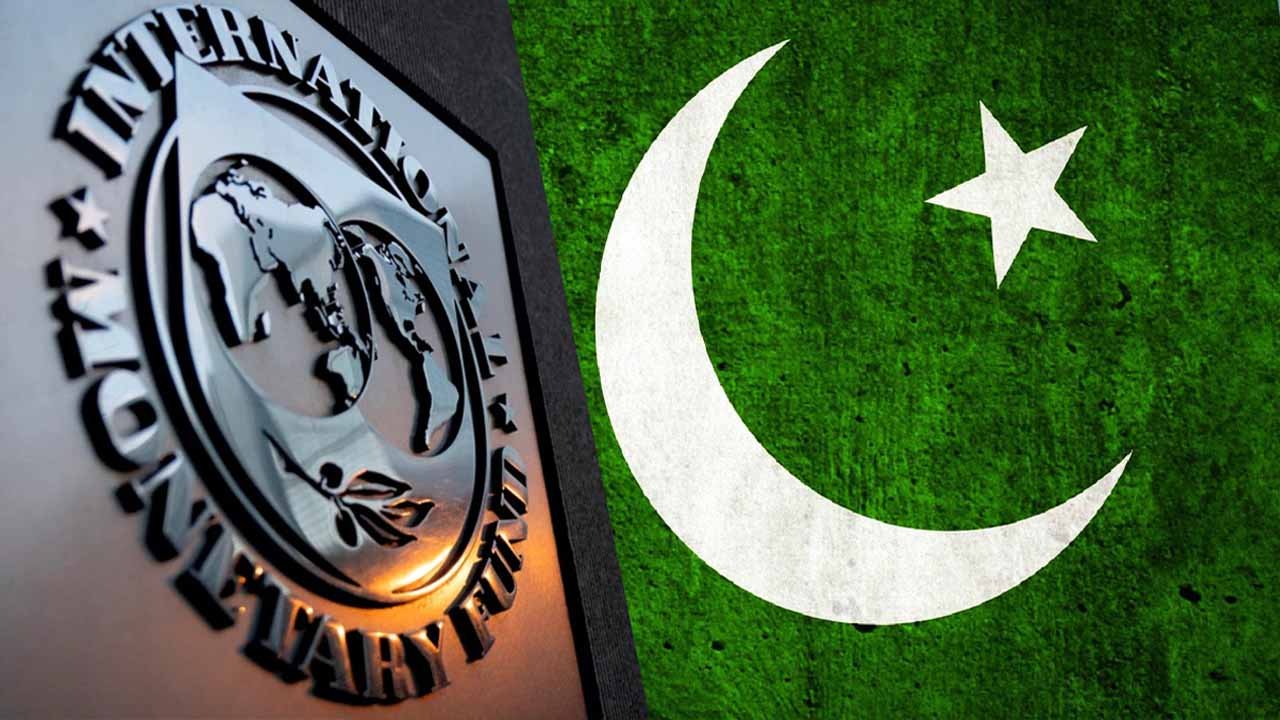
    Whilst serving as Finance Minister, Ishaq Dar has repeatedly assured the public that Pakistan has not defaulted and will not do so in the future. Kristalina Georgieva, Managing Director of the International Monetary Fund (IMF), has endorsed Dar’s views and stated that Pakistan has not yet reached the level of default.

    Speaking at a news conference during the spring meeting of Breton Wood Institutions at the Fund’s headquarters in Washington, Georgieva said that the Fund was seeking confirmation from international partners to meet Pakistan’s financing gap requirements. Responding to a question about Pakistan’s looming default risk, she stated that the country had not yet reached that level, but required a sustainable policy framework to avert such risks.

    Georgieva emphasized that the lender has been working closely with the authorities in Pakistan, within the context of the current programme, to ensure that the country has the policy framework in place to prevent reaching the point of unsustainable debt. Pakistan has less than a month’s worth of foreign exchange reserves and is awaiting a $1.1 billion bailout package from the IMF that has been delayed since November due to issues related to fiscal policy adjustments.

    Georgieva expressed hope that, with the goodwill of all parties involved and the implementation of what has already been agreed upon by the Pakistan authorities, the current programme can be completed successfully. Islamabad is required to provide assurance that its balance of payments deficit is fully financed for the fiscal year ending in June in order to unlock the next tranche of IMF funding.

    During the IMF-World Bank spring meetings, Dar attended via Zoom from Islamabad with IMF Deputy Managing Director Antoinette Moniso Sayeh. Sources report that Sayeh stated that Pakistan has yet to meet its external financing gap of $6 billion, of which $3 billion would need to be financed before striking a staff-level agreement.

    At this point, the State Bank of Pakistan’s Jameel Ahmed, who is presently in Washington, reportedly told participants that the United Arab Emirates (UAE) had shared a draft agreement for the provision of an additional $1 billion deposit to meet the requirement for signing the staff-level agreement. A top official expressed hope that the UAE deposit would be confirmed shortly and suggested that it may be confirmed as early as next week.

    Regarding the cross-fuel subsidy, the IMF was informed that it was only an idea floated by a relevant ministry and would be implemented only after an agreement on the salient features of the scheme. The Pakistani authorities agreed with the IMF that the scheme appeared good on paper but its transparent implementation would be challenging.


  • Pak Suzuki extends shutdown of motorcycle plant due to lack of raw materials

    The Pak Suzuki Motor Company (PSMC) has confirmed that it will keep its motorcycle plant closed until April 28 due to ongoing import restrictions that have impacted the auto sector, resulting in low inventory levels. A notice to the Pakistan Stock Exchange (PSX) stated that “the management of the company has decided to extend the shutdown period of its motorcycle plant till April 28, 2023.”

    The company had already shut down its motorcycle plant from April 4 to April 15 due to a lack of raw materials, while the automobile plant was shut from April 7 to April 14. PSMC assembles, manufactures, and markets Suzuki cars, pickups, vans, 4x4s, motorcycles and spare parts. The Suzuki brand originates from Japan.

    Pakistan’s auto sector is facing several crises, with other listed companies such as Indus Motor Company Limited and Honda Atlas Cars halting production in recent months due to economic difficulties. Honda Atlas Cars Pakistan extended the shutdown of its plant by another 15 days. Similarly, other automakers, including Indus Motor Company Limited, have announced temporary production shutdowns. According to the Pakistan Automotive Manufacturers Association (PAMA), Pakistan’s auto industry reported a 66 per cent decline in car sales in March 2023 compared to March 2022.

    JS Research analyst Wasil Zaman has predicted a cumulative volume decline of over 50 per cent year-on-year in fiscal year 2023, extending to the first half of fiscal year 2024. Zaman stated that “with foreign exchange reserves at critically low levels leaving little room for improvement on the supply side for auto manufacturers.”

  • Pakistan moves closer to finalising oil deal with Russia as team arrives in Karachi

    Pakistan has taken a step forward in its efforts to secure a loan deal with Russia, as a delegation has arrived in Karachi to finalise a crude oil deal with Pakistan State Oil (PSO). However, the Energy Ministry has not yet revealed the payment method or the discount rate for the crude oil prices, keeping it confidential for now.

    Technical teams from the Operational Services Centre held talks with the PSO team last month, but progress was not made on the constitution of a Special Purpose Vehicle responsible for importing crude and making payments. The Russian delegation is now in Pakistan to finalise the government-to-government agreement, including the mode of payment. Pakistan wants to pay in rupee, while Russia is asking for payment in China’s Yuan or Ruble. Once the deal is done, Pakistan will place an order with Russia for crude oil purchase.

    According to sources, the Russian ship will arrive in mid-May, and the current Brent price in the international market is $85.16 per barrel, while Russian oil is available at $47-48 per barrel. The State Bank of Pakistan (SBP) is asking local banks to open letters of credit for importing Russian oil, but they are hesitant to do so mainly because of the G7 countries’ regulations of following the price cap of $60 per barrel or below it and making payments under Society for Worldwide Interbank Financial Telecommunications (SWIFT) arrangement.

    PSO has never imported crude oil before, and refineries have been importing crude under long-term agreements from ADNOC and Saudi Aramco. However, in the case of Russian crude, refineries will not be involved in the import, but it will be an SPV with representatives from PSO and PSC. Pakistan may get Russian crude price with a discount close to $50 per barrel, $10 per barrel below the cap price imposed by G7 countries on Russian oil in the wake of the war on Ukraine.

    One of the top officials in the coalition government suggests that the decision to import Russian crude under the government-to-government agreement at a 30 per cent discount may not provide the required relief as shipping and refining costs will erode the maximum discount. Additionally, Pakistan refineries will only be able to extract 10 per cent MS out of Ural crude and 50 per cent furnace oil.

    The government needs to conduct a commercial analysis to determine if importing Russian oil will benefit Pakistan’s economy and to what extent. Industrial sources suggest that the government should evaluate the economic benefits of importing Russian oil carefully.

  • Pakistan’s auto sector records 98% sales growth in March despite high prices

    Pakistan’s auto sector records 98% sales growth in March despite high prices

    Despite high car prices, Pakistan’s auto sector has seen a growth of 98 per cent in March, selling about 7,201 units compared to 3,642 units sold in the previous month. The increase has provided a ray of hope to the auto sector, which has picked up some pace after several months.

    However, car sales, including sales of non-Pakistan Automotive Manufacturers Association (PAMA) vehicles, plunged 68 per cent in March compared to the same month last year, due to non-production days and a decline in purchasing power.

    The monthly growth is due to better volumetric sales of Pak Suzuki Motor Company (PSMC) and Indus Motors, which increased by 475 per cent and 6 per cent respectively on a month-on-month basis. Arif Habib Limited also stated that due to rising inflationary pressure, consumers have switched to affordable vehicles of below 1000cc, which increased by 423 per cent.

    Despite the recent growth, fears of a slowdown still exist due to measures taken by the State Bank of Pakistan (SBP) to curb imports, resulting in production limitations as auto assemblers require prior permission to import completely knocked-down (CKD) units and raw materials.

    Sales of all other variants of cars, jeeps, tractors, pick-ups, three-wheelers and two-wheelers have also witnessed a year-on-year decline in March 2023, according to data released by PAMA a day earlier.

    In the first nine months of fiscal year 2022-23, 85,776 units were sold, down 50 per cent from 172,612 units sold during the same period in FY22. Sales of 1300cc and above cars were recorded at 2,913 units, down 67 per cent compared to the same month of the previous year’s sales of 9,280 units. In March 2023, 1,000cc cars recorded sales of 964 units, including 475 units of Suzuki Cultus and 489 units of Suzuki WagonR, against 2,410 units in the same month last year.

    Further breakdown of the data reveals that below 1000cc vehicles recorded a sale of 3,324 units, lower by 70 per cent than 11,109 units sold last year. Suzuki’s new Alto sold 2,542 units in March 2023 compared to 9,814 units in March 2022.

    Buses and trucks saw a decrease to 308 units in March from 565 units in the same month last year, while sales of jeeps and pick-ups decreased to 2,150 units from 4,403 units sold during the same period last year. Sales of tractors dropped to 2,984 units from 5,651 units in March 2022, while sales of rickshaws and motorbikes also decreased to 84,307 units in March against 151,010 units in the same period last year.

    PSMC recorded a jump of 475 per cent on a monthly basis to 5,628 units primarily due to the availability of CKD parts amid an easing of LC issues, while Indus Motors reported an increase of 6 per cent month-on-month to 1,912 units in March. However, Honda Car (HCAR) sales declined by 49 per cent month-on-month to 835 units in March due to the closure of the plant for 23 days on account of CKD issues.

    Hyundai sales were down 34 per cent month-on-month, with Tucson down 46 per cent month-on-month to 380 units and Sonata down 40 per cent month-on-month to 118 units in the period under review.

  • Pakistan to receive written guarantee from UAE for $1 billion loan

    Pakistan to receive written guarantee from UAE for $1 billion loan

    Pakistan is making progress towards securing a loan from the International Monetary Fund (IMF) with a $1 billion financing pledge from the United Arab Emirates (UAE) expected this week. Sources suggest that the UAE will provide written confirmation of the financing to the IMF through the Finance Secretary during the current annual meeting in Washington.

    To secure external financing for this fiscal year, the IMF has asked Pakistan to seek assurances from friendly countries and multilateral partners for funding its balance of payment gap. In addition to Saudi Arabia’s $2 billion pledge, the agreement with the IMF is also contingent on the UAE’s $1 billion commitment.

    According to sources within the Ministry of Finance, the UAE has finalised the agreement, and as soon as Pakistan receives a written guarantee from the Gulf state, the IMF will also be informed. This development follows requests from Pakistan’s Prime Minister and Finance Minister to UAE officials to complete the necessary prerequisites for the Fund.

    Pakistan is currently facing one of the most severe economic crises in its history, with consumer prices at a record high and interest rates raised to an all-time high. Due to a dollar shortage, the IMF has revised its growth forecast for Pakistan to 0.5% from the earlier estimate of 2%, causing supply chain disruptions and companies to halt production.

    The IMF is also assessing the coalition government’s proposed fuel discount for lower-income groups, which is planned to be financed by raising fuel prices for wealthier motorists. The finance minister has assured that the IMF has received all the required information.

    The finance minister had cancelled his scheduled in-person meetings with IMF officials in Washington but has repeatedly claimed that the staff-level agreement with the lender would be reached soon. Islamabad has been hosting an IMF mission since January to negotiate policy measures and secure $1.1 billion in funding for the cash-strapped economy, which is on the verge of collapse.

    The funds are part of a $6.5 billion bailout package approved by the IMF in 2019, which analysts argue is crucial for Pakistan to avoid defaulting on external payment obligations. The deal will also unlock other financing options to shore up Pakistan’s foreign exchange reserves, which have fallen to four weeks’ worth of import cover and help resolve the balance of payment crisis.

  • Govt announces relief for employees with early salary and pension release ahead of Eid-ul-Fitr

    Govt announces relief for employees with early salary and pension release ahead of Eid-ul-Fitr

    To ease the burden of inflation on the public, the federal government has decided to release salaries to employees of public sector departments before Eid-ul-Fitr. This decision was made after consultations between Prime Minister Shehbaz Sharif and Finance Minister Ishaq Dar.

    Pakistan is currently facing historic levels of inflation which resulted in many individuals being unable to afford basic necessities. In addition, the country is struggling to secure external financing, with the threat of default looming over it.

    Information Minister Marriyum Aurangzeb has confirmed that the government will also be releasing monthly pensions before the festival. As a result of this decision, Finance Secretary Hamed Yaqoob Sheikh has been directed to make the necessary arrangements.

    In a similar move, the Government of Sindh had previously announced the early release of salaries for Muslim government employees ahead of Eid-ul-Fitr. According to a notification from the finance department, full pay and allowances will be paid in advance to all Muslim employees and pensioners of the Provincial Government of Sindh, including work-charged and contingent paid establishment.

    The salaries and pensions will be released on April 17, instead of May 2, as Eid is expected to fall on either April 21 or April 22, according to Geo.

  • FBR report exposes $7.19 million illegal smartphone imports

    FBR report exposes $7.19 million illegal smartphone imports

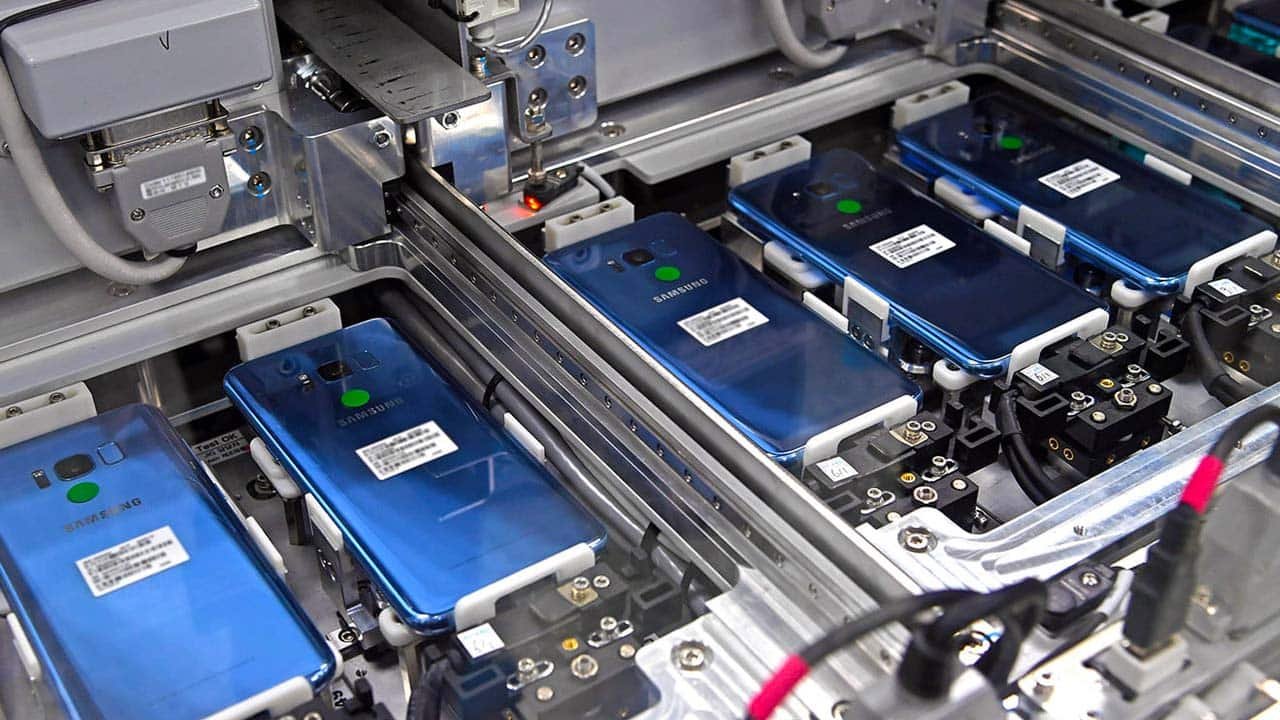
    According to an official report from the Federal Board of Revenue (FBR), mobile phones worth $7.19 million have been imported into Pakistan illegally without opening letters of credit (LCs) or using the banking channel.

    The report also states that despite an unannounced ban by the State Bank of Pakistan (SBP) on the import of mobile phones and their accessories, 52 Goods Declarations (GDs) worth $8.65m were cleared between December 2022 and February 2023.

    The mobile phones were imported in Completely Build Up (CBU) condition and only $1.46m was paid legally out of Pakistan through the banking channel. The remaining $7.19m was illegally transferred out of Pakistan. The FBR report does not provide details about the mode of payment made to suppliers in Dubai for the import of these mobile phones.

    The Pakistan Telecommunication Authority (PTA) has stated that manufacturers imported over 190,000 mobile phones in CBU condition under a facility allowed to them. However, despite restrictions set by the banking sector on imports, some companies are still reportedly importing mobile phones under their manufacturing license.

    The import of smartphones has increased, especially after at least 30 manufacturing units in Pakistan halted production due to import restrictions.

  • Punjab Transport Department increases non-AC bus fares by over 250%

    Punjab Transport Department increases non-AC bus fares by over 250%

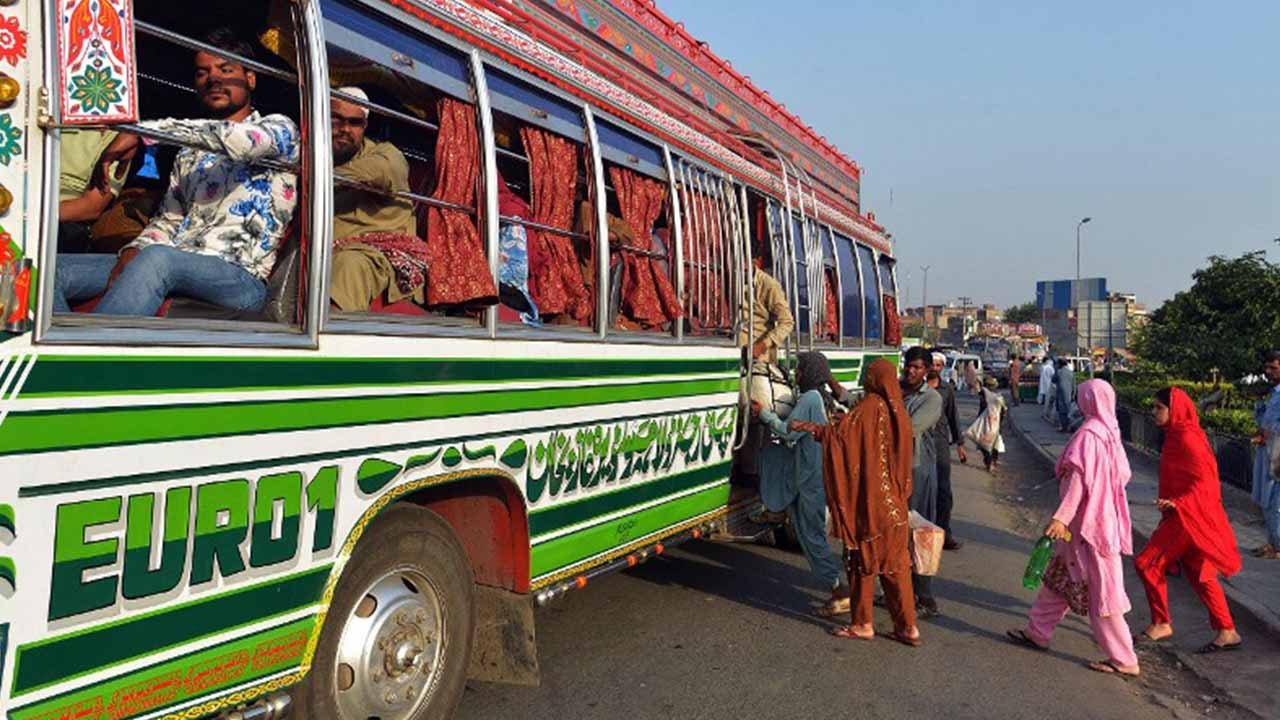
    The Punjab Transport Department (PTD) has announced that it will increase the fares of non-AC buses in response to the rising prices of diesel and petrol.

    This decision will place an additional burden on the poor, as fares will increase by more than 250 per cent. The new fares for both inter and intra-city non-AC bus services will be implemented from April 25th.

    The fare for non-AC bus services operating between different cities will increase by 233 per cent to 267 per cent. Additionally, an increase of up to 267 per cent in the fares of non-AC buses and wagons has also been approved.

    Under the new policy, passengers travelling one to four km will see an increase from Rs14 to Rs47, a difference of Rs33.

    This fare hike will also make it more expensive for passengers to return to their cities from native towns, particularly after Eid-ul-Fitr.