On Monday, the 2023 spring meetings of the World Bank Group and the International Monetary Fund (IMF) commence in the US capital to examine the “uncertainties and risks weighing heavily” on the global economy. The meetings, which run from April 10 to 16, will take place at the IMF and World Bank headquarters and will focus on the impact of climate change, which is endangering lives and livelihoods worldwide.
Finance ministers and central bank governors from around the world will attend the meetings to reconnect with international financial leaders, and some may hold one-on-one meetings with officials from the US Treasury and State Department. Pakistan will be represented at the meetings by the secretaries of finance and economic affairs, as well as the State Bank governor, in place of Finance Minister Ishaq Dar.
An official statement outlining the issues to be discussed at the meetings indicated that “stubborn inflation, the cost-of-living crisis, and slower growth effects” are causing harm to the poor and most vulnerable. The statement further highlighted that record-high debt is impeding the progress of developing countries, and that the consequences of climate change are threatening lives and livelihoods globally. According to Dawn, experts are urging the World Bank and the IMF to create a comprehensive strategy to address the challenges that developing nations are facing.
A picture on the UN Foundation’s website illustrates the widespread devastation caused by last year’s floods in Pakistan, prompting international financial institutions to devise a new mechanism to “assist communities affected by (climate change) catastrophes.” The caption beneath the photo emphasised that “many lives were lost, and millions lost their homes, with one-third of the country submerged.”
According to a World Bank study released shortly after the floods, “Pakistan urgently requires substantial investment in climate resilience to safeguard its economy and reduce poverty.”
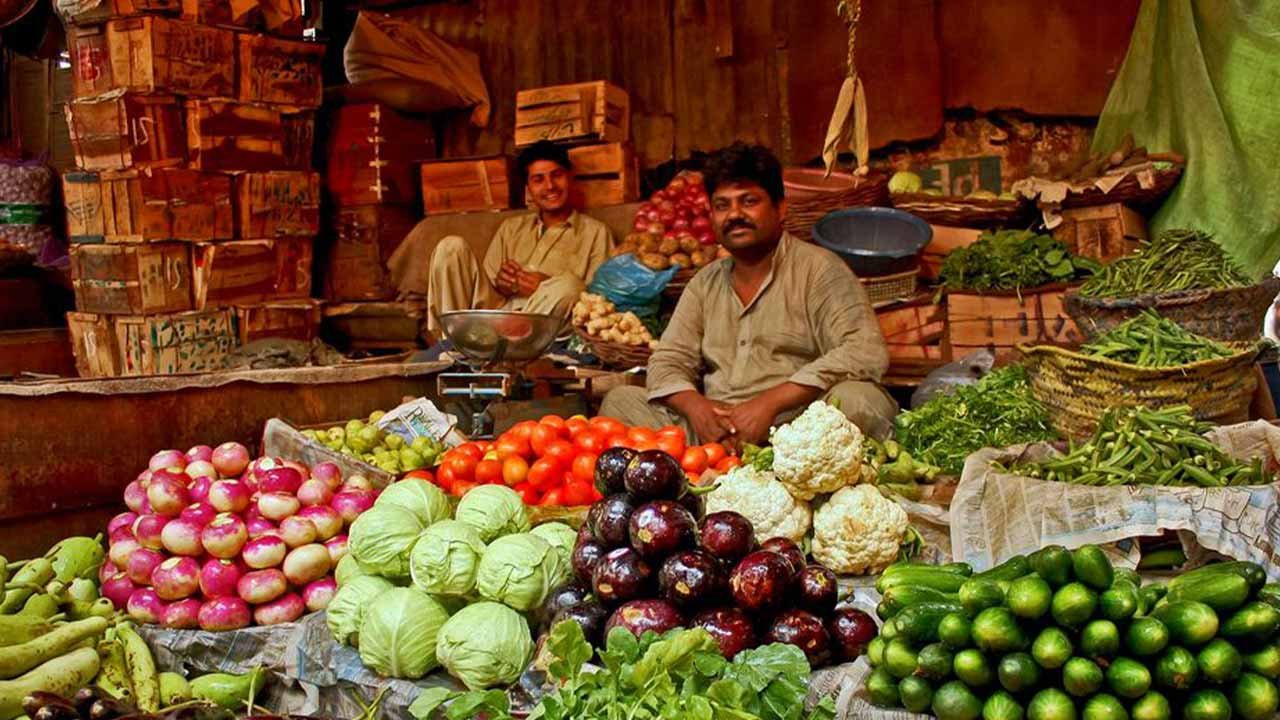
The Pakistan Bureau of Statistics (PBS) has reported that for the week ending on April 6, 2023, the Sensitive Price Indicator (SPI) based inflation has increased by 0.92 per cent. This rise is mainly due to an increase in the prices of food items such as chicken (15.87 per cent), sugar (13.48 per cent), potatoes (5.11 per cent), bananas (4.95 per cent), wheat flour (3.10 per cent), gur (2.12 per cent), eggs (1.26 per cent), fresh milk (1.24 per cent), and non-food item long cloth (1.95 per cent).
The year-on-year trend indicates an increase of 44.49 per cent, which is primarily due to a surge in the prices of cigarettes (165.88 per cent), wheat flour (131.72 per cent), gas charges for q1 (108.38 per cent), diesel (102.84 per cent), eggs (98.34 per cent), Lipton tea (97.63 per cent), broken basmati rice (84.92 per cent), bananas (82.23 per cent), petrol (81.17 per cent), irri-6/9 rice (80.61 per cent), moong (68.14 per cent), potatoes (65.95 per cent), maash (56.70 per cent), and onions (55.75 per cent). However, a decrease in prices has been observed for tomatoes (50.39 per cent) and powdered chillies (6.48 per cent).
The SPI for the week under review has been recorded at 252.06 points compared to 249.75 points in the previous week, as per the latest data released by PBS on Friday. During the week, out of 51 items, prices of 27 (52.94 per cent) items increased, seven (13.73 per cent) items decreased, and 17 (33.33 per cent) items remained stable.
The average prices of commodities that have increased during the week over the previous week include chicken (15.87 per cent), sugar (13.48 per cent), potatoes (5.11 per cent), bananas (4.95 per cent), wheat flour (3.10 per cent), gur (2.12 per cent), long cloth 57” Gul Ahmed/Al Karam (1.95 per cent), eggs (1.26 per cent), fresh milk (1.24 per cent), irri-6/9 rice (0.80 per cent), shirting (0.75 per cent), beef with bone (0.71 per cent), broken basmati rice (0.69 per cent), curd (0.60 per cent), toilet soap Lifebuoy (0.56 per cent), lawn printed Gul Ahmed/Al Karam (0.55 per cent), prepared tea (0.44 per cent), powdered salt (0.39 per cent), Georgette (0.36 per cent), Sufi washing soap (0.31 per cent), mutton (0.18 per cent), moong (0.16 per cent), masoor (0.15 per cent), maash (0.09 per cent), cooked beef (0.04 per cent), cooking oil Dalda or other similar brand (sn), 5 litre tin each (0.04 per cent), and cooked daal (0.02 per cent).
The commodities that have recorded a decrease in their average prices are tomatoes (14.96 per cent), onions (12.66 per cent), LPG (3.73 per cent), pulse gram (1.20 per cent), vegetable ghee Dalda/Habib 2.5 kg tin each (0.71 per cent), garlic (0.16 per cent), and mustard oil (0.03 per cent).
Commodity
Year-on-Year Change
Week-on-Week Change
Cigarettes
165.88 per cent
N/A
Wheat flour
131.72 per cent
3.10 per cent
Gas charges for q1
108.38 per cent
N/A
Diesel
102.84 per cent
N/A
Eggs
98.34 per cent
1.26 per cent
Lipton tea
97.63 per cent
N/A
Broken basmati rice
84.92 per cent
0.69 per cent
Bananas
82.23 per cent
4.95 per cent
Petrol
81.17 per cent
N/A
Irri-6/9 rice
80.61 per cent
0.80 per cent
Moong
68.14 per cent
0.16 per cent
Potatoes
65.95 per cent
5.11 per cent
Maash
56.70 per cent
0.09 per cent
Onions
55.75 per cent
12.66 per cent
Tomatoes
-50.39 per cent
-14.96 per cent
Powdered chillies
-6.48 per cent
N/A
Chicken
N/A
15.87 per cent
Sugar
N/A
13.48 per cent
Gur
N/A
2.12 per cent
Long cloth 57” Gul Ahmed/Al Karam
N/A
1.95 per cent
Fresh milk
N/A
1.24 per cent
Shirting
N/A
0.75 per cent
Beef with bone
N/A
0.71 per cent
Curd
N/A
0.60 per cent
Toilet soap Lifebuoy
N/A
0.56 per cent
Lawn printed Gul Ahmed/Al Karam
N/A
0.55 per cent
Prepared tea
N/A
0.44 per cent
Powdered salt
N/A
0.39 per cent
Georgette
N/A
0.36 per cent
Sufi washing soap
N/A
0.31 per cent
Mutton
N/A
0.18 per cent
Masoor
N/A
0.15 per cent
Cooked beef
N/A
0.04 per cent
Cooking oil Dalda or other similar brand (sn), 5 litre tin each
In response to increasing policy rates, the Pakistani government has announced significant raises in profit rates for all national savings schemes (NSS) from April 10, 2023. This decision follows the State Bank of Pakistan’s (SBP) considerable increase in the policy rate to a record 21 per cent in its recent Monetary Policy Committee meeting to combat inflation.
The Finance Division announced on Friday, through a notification issued under Rule-II of the Pensioners’ Benefit Accounts Rules, 2003, that the rate of profit on deposits made in Pensioners’ Benefit Accounts and Behbood Savings Certificates will be 16.56 per cent per annum from April 10, 2023, until further notice.
Additionally, the rate of profit on deposits made in Shuhada’s Family Welfare Account will be 16.56 per cent per annum from April 10, 2023, until further notice.
The Central Directorate of National Savings (CDNS) has also increased the profit rate on Defence Saving Certificates from 9.29 per cent to 14.87 per cent. The profit rate on Regular Income Certificates has been raised to 12.84 per cent of the total investment.
Similarly, the profit margin on the three-year Special Saving Certificates and Special Savings Account has been increased to 17 per cent for the first five profits and to 17.8 per cent for the sixth profit. Furthermore, the return on Saving Accounts (running accounts) has been raised to 18.5 per cent. However, it’s worth noting that there will be a deduction of Withholding Tax and Zakat as per the rules.
On Friday, the Saudi Fund for Development (SFD) signed a loan agreement worth $240 million to support Pakistan’s energy transition through the Mohmand Multipurpose Dam Project.
The project, which is co-financed by the SFD, OPEC, the Islamic Development Bank, and the Kuwait Fund for Arab Economic Development, is expected to contribute to Pakistan’s energy security, increase sustainable water supply for agriculture and human consumption, and improve resilience to floods.
The agreement was signed by the SFD CEO, Mr Sultan Abdulrahman Al-Marshad, and the Federal Secretary for the Ministry of Economic Affairs, Dr Kazim Niaz. According to a statement from the Ministry of Economic Affairs, the loan aims to promote sustainable development in Pakistan and achieve the Sustainable Development Goals (SDGs).
The statement further highlighted that the Mohmand Multipurpose Dam Project will be of great assistance to the people of Khyber Pakhtunkhwa (KP), where almost 80 per cent of the population resides in rural areas. The project will enhance water and food security, improve the standard of living for people, and boost the region’s socioeconomic development by creating employment opportunities and reducing poverty levels.
The project will also generate 800 MW of electricity production capacity by using renewable energy sources, contributing to Pakistan’s energy security. Additionally, the storage of 1.6 million meter cube of water will support sustainable agricultural practices, enable irrigation of 6,773 hectares of new land, and increase the total cropping area from 1,517 hectares to 9,227 hectares in the province, facilitating agricultural activities.
During the agreement-signing ceremony, the SFD CEO emphasised the strong developmental ties between Saudi Arabia and Pakistan and highlighted the significance of joint cooperation between development funds.
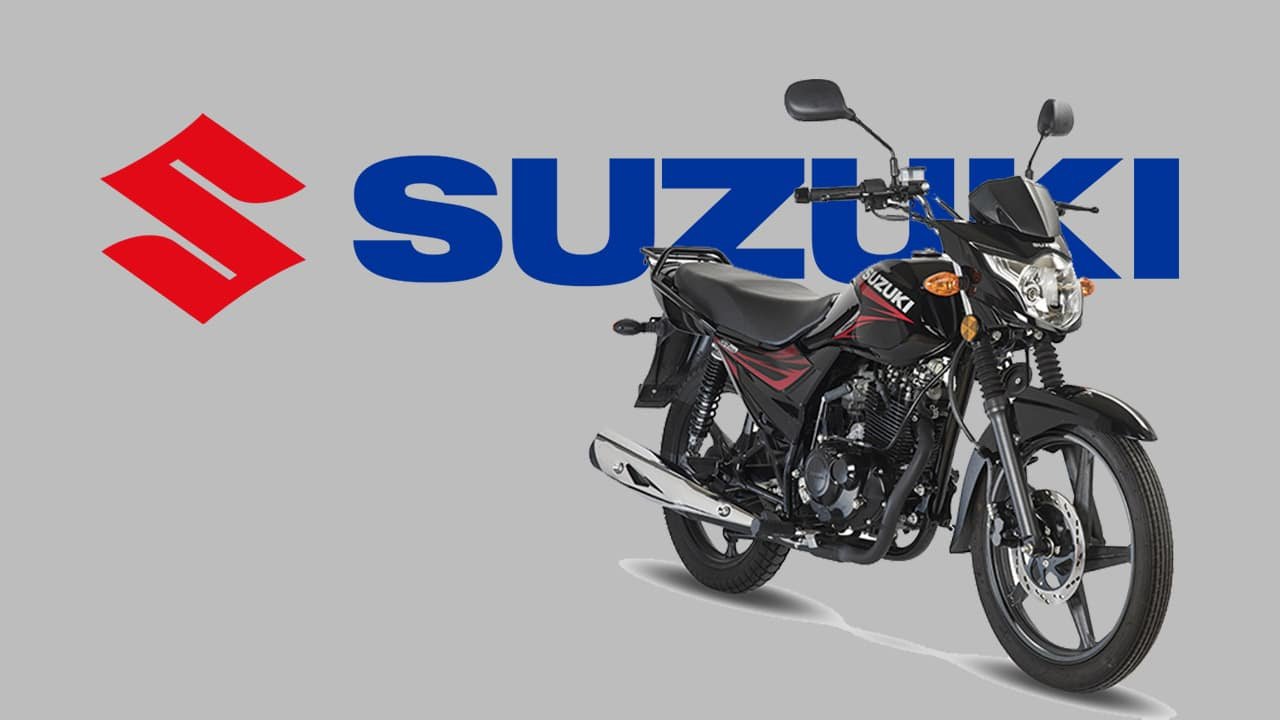
Pak Suzuki, in its latest round of price hikes, has increased the rates of its bikes including the GR150 and other models. This marks the third price hike for the company’s bikes in just four months.
Starting from April 7, 2023, the new prices will be implemented.
The GR150, which is one of the popular models from Suzuki, now costs over five lacs, which is an astonishing price for a bike. The company claims that the hike is necessary to cover the increasing costs of production and other related expenses.
The Suzuki GD 110S, which was previously priced at Rs290,000, has now been given a price tag of Rs322,000 after the hike of Rs32,000. Similarly, the Suzuki GS 150 has undergone a transformation from its previous cost of Rs315,000 to a new price of Rs350,000, thanks to the increase of Rs35,000. The GSX 125, on the other hand, has seen an increase of Rs47,000, taking its previous cost of Rs422,000 to a new high of Rs469,000. Finally, the Suzuki GR150, known for its style and performance, has gone from Rs451,000 to Rs501,000 after a price hike of Rs50,000.
This increase in prices will undoubtedly affect customers, especially those who rely on these bikes as their primary mode of transportation. It is hoped that the company will take steps to ease the burden on its customers and provide affordable bikes that meet their needs.
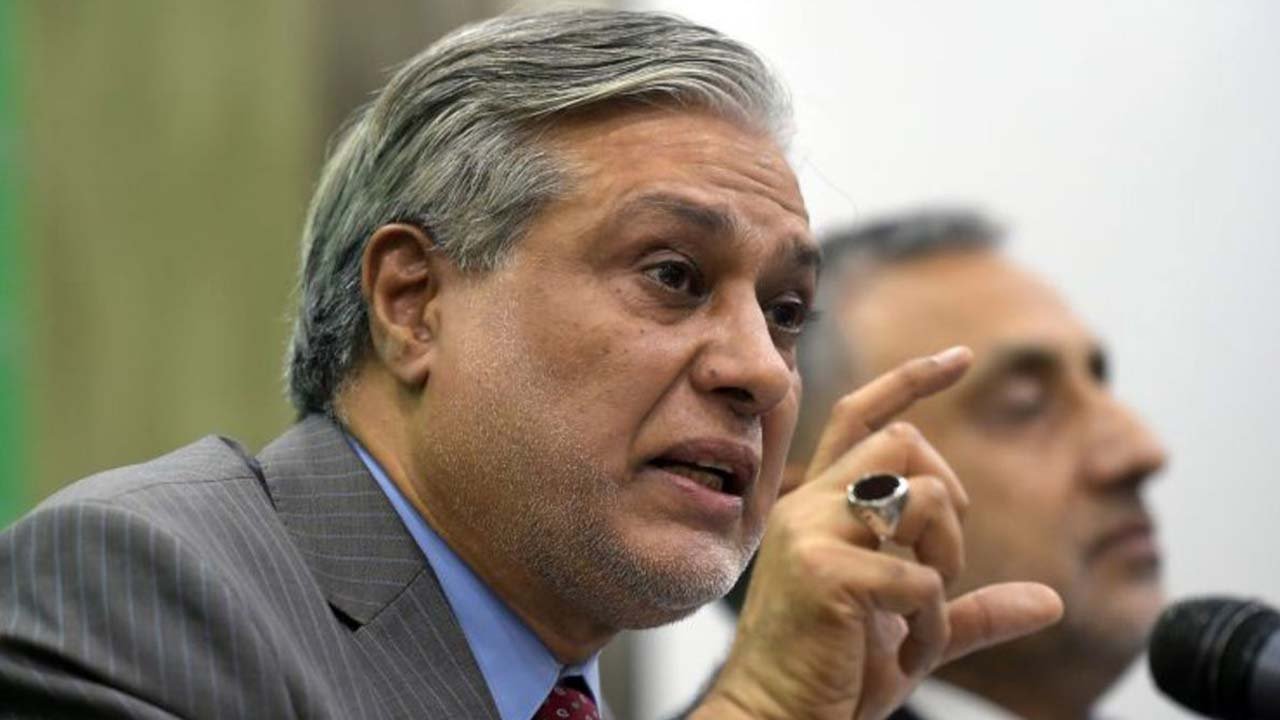
Finance Minister, Ishaq Dar, has cancelled his scheduled trip to the United States next week to meet with the International Monetary Fund (IMF) and World Bank. The reason cited for the pull-out is the “domestic state of affairs” in the country, as the deepening political uncertainty has made it difficult for Dar to attend the World Bank-IMF spring meetings that were supposed to take place in Washington from April 10 to 16.
Dar’s original plan was to address concerns about the government’s continuity, future economic plans, and bridging the trust deficit with multilateral lenders. However, with his withdrawal, the Minister of Economic Affairs, Sardar Ayaz Sadiq, will also not travel to the United States. The government will now be represented by Finance Secretary Hamed Yaqoob Sheikh and Economic Affairs Secretary Kazim Niaz at the WB-IMF spring meetings.
The decision by the finance minister to withdraw may also result in the cancellation of meetings with his Saudi Arabian counterpart and the UK state minister for development. Dar was supposed to begin his trip on Monday with a meeting with Nathan Porter, the IMF’s Mission Chief in Pakistan, which was critical as Pakistan and the IMF were no longer actively negotiating following the government’s decision to announce petrol subsidies.
Besides the IMF and WB, Dar was scheduled to meet with representatives from the three international credit rating agencies that had downgraded Pakistan. The finance ministry had also scheduled meetings with foreign commercial banks to persuade them to release loans.
However, the Pakistan delegation may still get to meet with IMF’s deputy managing director Antoinette Sayeh, who follows Pakistan closely. It is uncertain whether a meeting with Managing Director Kristalina Georgieva would take place or not. Some reports have cited diplomatic protocol issues that prevent low-ranking dignitaries from meeting presidents/directors/leaders of various multilateral institutions and finance ministers from various countries.
On Thursday, US Ambassador to Pakistan Donald Blome reassured Finance Minister Ishaq Dar that Washington would continue to assist Islamabad in unlocking a long-stalled International Monetary Fund (IMF) bailout. This bailout is intended to help the liquidity-challenged country’s economy avoid imminent default. The assurance was given during a meeting between the finance minister and the ambassador in the federal capital.
According to details, the envoy was briefed on the progress of the Washington-based lender’s programme. During the meeting, FinMin Dar requested the US ambassador’s assistance in unlocking the bailout programme. He also informed him about a $2 billion commitment from Saudi Arabia and ongoing talks with the United Arab Emirates for financing $1 billion. The minister expressed the need for additional resources and financing, to which Blome promised cooperation from the United States.
According to an official statement from the Ministry of Finance, Dar briefed the envoy on the country’s economic outlook and the challenges faced by the nation. He also shared the government’s pragmatic policy decisions aimed at stabilising and growing the economy.
The statement noted that Blome expressed confidence in the government’s policies and programmes, supporting them for the economic sustainability of the country and the socio-economic upliftment of the masses. He extended his support to promote bilateral economic, investment, and trade relations between both countries.
The two sides discussed matters of common interest and showed an interest in enhancing the existing bilateral relations between both countries. They also talked about various economic avenues through which both countries can strengthen their ties. This meeting with Blome took place days after FinMin Dar met with UAE’s ambassador to Pakistan, Hamad Obaid Ibrahim Salim Al-Zaabi, to discuss economic relations.
Since early February, Islamabad has been hosting an IMF mission to negotiate a series of policy measures aimed at securing $1.1 billion in funding for the cash-strapped economy, which is on the verge of collapse.
The IMF has requested Pakistan to secure assurances on external financing from friendly countries and multilateral partners to fund its balance of payment gap for this fiscal year, ending in June. The funds are part of a $6.5 billion bailout package the IMF approved in 2019, which analysts say is critical for Pakistan to avert defaulting on external payment obligations.
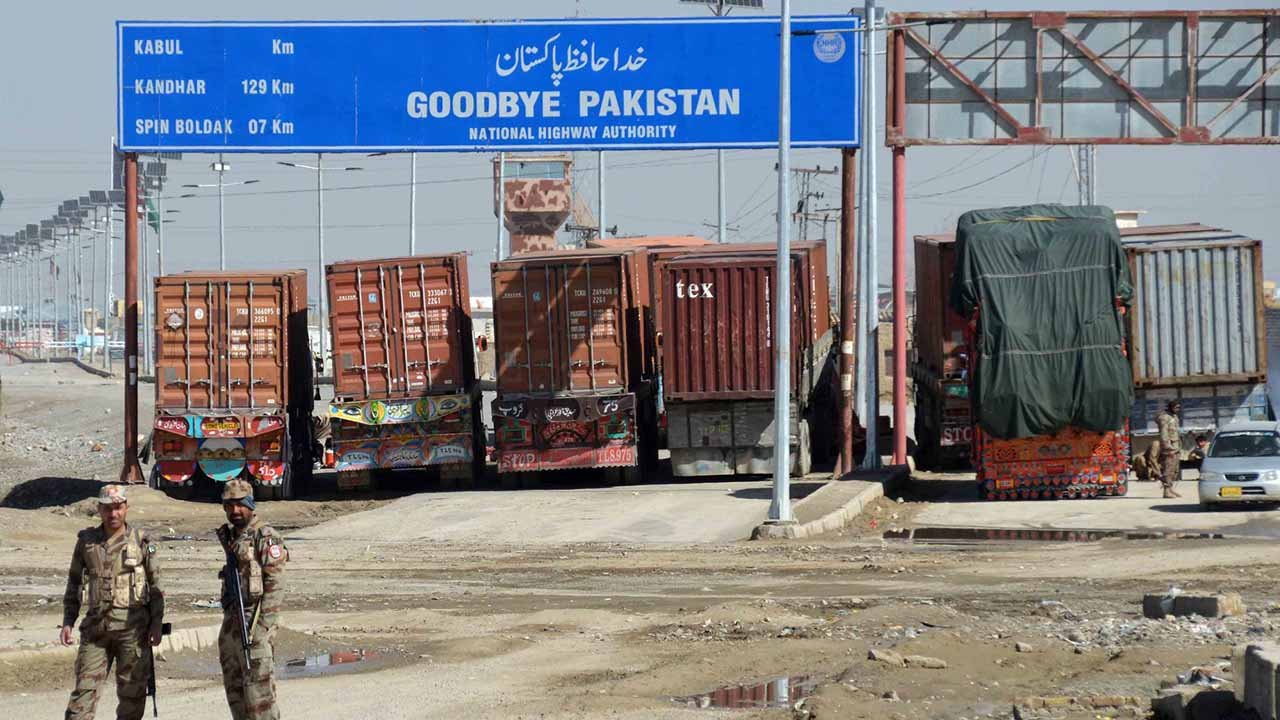
According to a report by the State Bank of Pakistan (SBP), Pakistan’s export of goods and services to Afghanistan has increased by 17.02 per cent during the first eight months of the current fiscal year (2022-23) compared to the corresponding period of the previous year.
From July-February (2022-23), overall exports to Afghanistan reached US $346.522 million, while during the same period last year, exports were recorded at US $296.109 million, showing a growth of 17.02 per cent.
Furthermore, the year-to-year basis also showed an increase of 60.49 per cent in exports to Afghanistan, rising from US $38.222 million in February 2022 to US $61.345 million in February 2023. Meanwhile, on a month-on-month basis, exports to Afghanistan also rose by 82.58 per cent during February 2023, reaching US $61.345 million, compared to US $33.598 million in January 2022.
In contrast, Pakistan’s exports to other countries decreased by 9.65 per cent during the eight months, dropping from US $20.632 billion to US $18.639 billion, according to SBP data.
The imports from Afghanistan into Pakistan during the period under review were recorded at US $13.540 million, which was a significant decrease of 88.65 per cent compared to last year’s US $119.328 million in July-February (2021-22).
Year-on-year, imports from Afghanistan also dropped by 98.89 per cent, from US $13.723 million in February 2022 to US $0.151 million in February 2023. However, on a month-on-month basis, imports from Afghanistan increased by 11.02 per cent during February 2023, reaching US $0.136 million, compared to US $0.122 million in January 2022.
Overall, the imports into Pakistan also witnessed a decrease of 21.02 per cent, from US $47.336 billion to US $37.388 billion, according to SBP data. Based on the trade figures, the trade of goods and services with Afghanistan witnessed an 88.35 per cent increase in surplus during the period under review compared to the previous year, with a recorded surplus of US $332.982 million against US $176.781 million during the last year.
The International Monetary Fund (IMF) has informed Pakistan that Saudi Arabia has confirmed $2 billion in additional deposits, which has rekindled hopes of an early agreement signing. Since January, Islamabad has been negotiating with the IMF for the release of $1.1 billion from a $6.5 billion bailout package that was agreed upon in 2019.
To unlock the funding, the Pakistani government has cut back on subsidies, removed an artificial cap on the exchange rate, added taxes, and raised fuel prices. However, assurances from friendly nations for additional funds have delayed the agreement.
The lender has informed Pakistani authorities of the development and the Fund staff is reportedly satisfied with the latest confirmation. The report states that the Saudi authorities are set to make a public announcement, possibly during the upcoming visit of Prime Minister Shehbaz Sharif to the kingdom.
The Saudi envoy in Pakistan had also hinted in a recent interview that his country had always supported Pakistan in critical situations and that good news would be shared soon. The sources have stated that all eyes are focused on the UAE for getting confirmation on another $1 billion deposit from them, which may pave the way for striking the staff-level agreement (SLA) with the IMF.
Finance Minister Ishaq Dar is expected to visit UAE on his way to the US where he will hold talks on the release of funds. However, there is still another stumbling block in the way of signing the SLA with the IMF. The Ministry of Petroleum, in consultation with the PM Office, had announced an unplanned cross-fuel subsidy for owners of motorcycles and cars up to 800cc, which needs to be scrapped at this stage.
The government has not yet withdrawn the proposed cross-fuel subsidy, which cannot be implemented in a half-baked manner. Such schemes were considered in the past during the tenure of former finance minister Shaukat Tarin and even during the era of the PDM-led government when Miftah Ismail had the charge of the Ministry of Finance.
Even Miftah Ismail had allocated Rs48 billion on the eve of the last budget in the name of Sasta Petrol, but it could not be implemented because such schemes could not be designed properly. The announcement of a half-baked cross-fuel subsidy had provided an excuse to the IMF for delaying the SLA signing, as they were still raising questions for getting more details to ascertain how the scheme was going to be implemented in a transparent manner.
On Wednesday, Pak Suzuki Motor Company (PSMC) made an announcement that has stirred up the automobile industry – a decision to increase the prices of their diverse range of car models by a substantial amount, up to Rs235,000. The automaker released a notification detailing the revised retail sales prices which will take effect from April 6th.
As the premier assembler, manufacturer, and marketer of Suzuki cars, pickups, vans, 4x4s, motorcycles, and their spare parts in the local market, PSMC’s pricing strategy has a significant impact on the consumer market. This decision will undoubtedly spark discussions and debates, as car enthusiasts and industry experts alike try to make sense of its implications.
The latest notification from the automobile giant has set tongues wagging as it brings about changes that may impact the pricing of their products. As per the announcement, the revised retail prices of their vehicles are inclusive of federal excise duty and sales tax, but advance income tax is not included.
Here are the latest prices of all Suzuki cars effective April 6, 2023:
Model
Old prices
New prices
Increase
Alto VX
2,144,000
2,251,000
+107,000
Alto VXR
2,487,000
2,612,000
+125,000
Alto VXR AGS
2,665,000
2,799,000
+134,000
Alto AGS
2,795,000
2,935,000
+140,000
Wagon R VXR
3,062,000
3,214,000
+152,000
Wagon R VXL
3,248,000
3,412,000
+152,000
Wagon R AGS
3,563,000
3,741,000
+178,000
Cultus VXR
3,540,000
3,718,000
+178,000
Cultus VXL
3,889,000
4,084,000
+195,000
Cultus AGS
4,157,000
4,366,000
+209,000
Swift GL MT
4,052,000
4,256,000
+204,000
Swift GL CVT
4,355,000
4,574,000
+219,000
Swift GLX CVT
4,725,000
4,960,000
+235,000
Ravi
1,768,000
1,856,000
+88,000
Ravi w/o Deck
1,848,000
1,940,000
+ 92,000
Bolan Van
1,848,000
1,940,000
+92,000
Bolan Cargo
1,852,000
1,944,000
+92,000
It’s worth noting that the prices are subject to change without prior notice, which might cause some concern among potential buyers. Additionally, the company made it clear that any government taxes and levies applicable at the time of delivery will be the responsibility of the customers.
With this new development, the automobile industry is bracing for a potentially significant shift in pricing, and it remains to be seen how it will affect the purchasing behavior of consumers.