Category: Business

The most important business news, explained in a young, easy to understand way. News that affects young career professionals.

  • Stampede for ration kills 11 in Karachi including three children

    Stampede for ration kills 11 in Karachi including three children

    A stampede at a private charity food ration distribution site in Karachi’s SITE industrial area on Friday left at least 11 people dead, including three children.

    Eyewitnesses and rescue workers reported that several people fell into a nullah at the location during the stampede. Reports suggest that some of the victims were electrocuted as an electricity power-line had fallen into the nullah.

    Several people, including women and children, also fell unconscious during the incident.

    The Abbasi Shaheed Hospital received nine bodies and six injured victims, while the Civil Hospital received two dead bodies, bringing the death toll to 11.

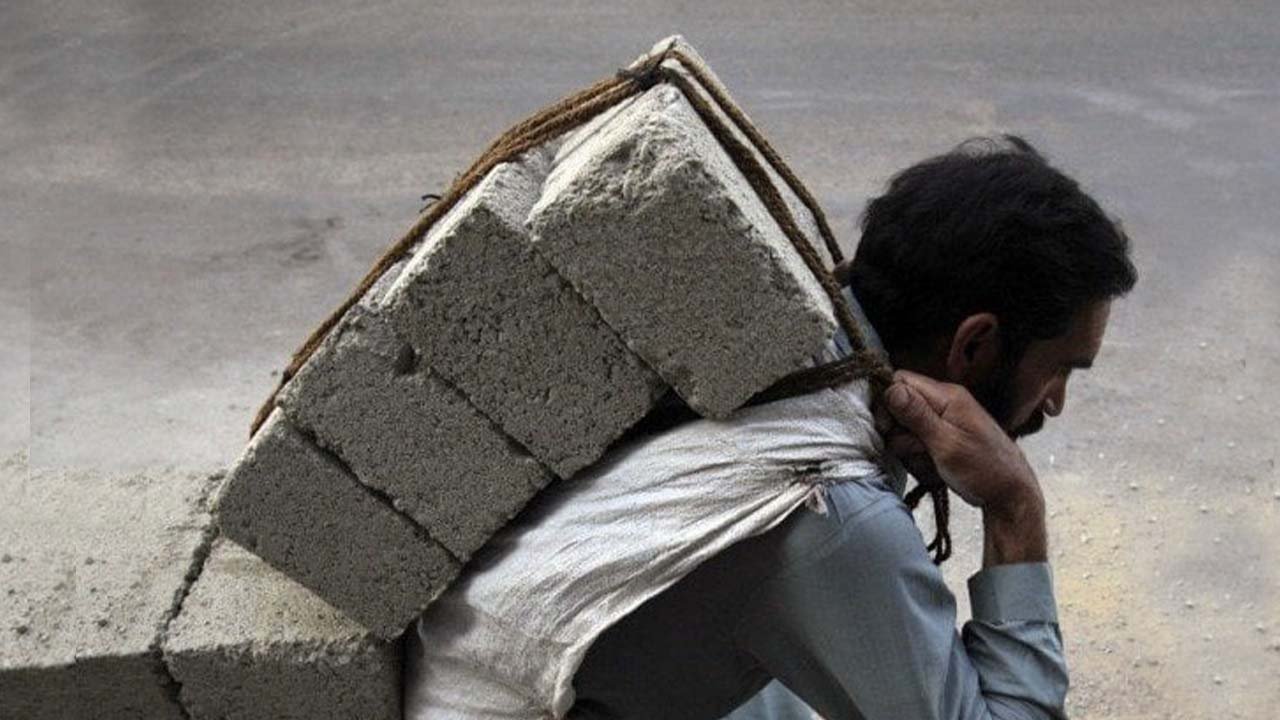
    The incident is one of several recent deadly stampedes at free food and flour distribution sites across the country as the population struggles with rising inflation.

    The government launched the flour distribution programme to reach millions of families in need during the holy month of Ramzan that began last week.

    Sindh Chief Minister Murad Ali Shah has ordered an inquiry into the incident and expressed sorrow over the loss of lives.

    Leader of the Opposition in the Sindh Assembly Khurram Sher Zaman demanded a transparent inquiry and action against those responsible for the incident, blaming the government for the people’s carelessness.


  • About 830,000 Pakistanis left the country in 2022 in search of better jobs

    About 830,000 Pakistanis left the country in 2022 in search of better jobs

    The Bureau of Immigration and Overseas Employment (BE&OE) has reported a historic surge in emigrants seeking overseas employment in 2022, with a staggering 829,549 individuals registering for job opportunities abroad. Syed Agha Rafiullah, Parliamentary Secretary for Overseas Pakistanis and Human Resource Development (OPHRD), presented this data to the National Assembly on Wednesday, shedding light on the nation’s growing interest in international job markets.

    Rafiullah went on to explain that although 12.45 million Pakistani workers had registered for overseas employment opportunities since 1971, the COVID-19 pandemic had significantly impacted emigration numbers in 2020 and 2021. Only 224,705 and 286,648 Pakistani emigrants had been recorded in those years, respectively.

    To combat this decline, the government is actively pursuing a diversification strategy, seeking new international employment markets for its workforce. In this regard, the government has already established statements of intent on migration and mobility with Greece and the United Kingdom, and is hopeful of signing a similar agreement with Germany soon.

    Moreover, the ministry is currently in talks with 12 nations, including Denmark, Belgium, Germany, Greece, Italy, Iran, Lebanon, Kuwait, Libya, Romania, Portugal, and Uzbekistan, to sign memorandums of understanding (MoUs) on personnel export. In addition, 24 social welfare attachés have been deployed to 16 countries to explore new opportunities for Pakistani labor.

    The government is committed to providing Pakistani emigrants with the necessary training in line with the host country’s labor market requirements, as determined by the host country’s Labour Market Analysis (LMA). These measures reflect the government’s proactive approach in promoting overseas employment and ensuring its workforce’s sustainable livelihood.

  • Jinnah, Allama Iqbal, and Islamabad airports to be outsourced by govt

    Jinnah, Allama Iqbal, and Islamabad airports to be outsourced by govt

    The government has approved a draft to outsource three of its major airports in a bid to boost its dwindling foreign exchange reserves.

    The Economic Coordination Committee (ECC) of the government considered a summary presented by the Ministry of Aviation regarding the engagement of the International Finance Corporation (IFC), which is part of the World Bank Group, as a transaction advisor for the outsourcing process.

    The airports that will be outsourced are the Jinnah International Airport Karachi, Allama Iqbal International Airport Lahore, and Islamabad International Airport.

    The committee, headed by Finance Minister Ishaq Dar, initiated the outsourcing process under the Public-Private Partnership Act-2017 to engage private investors/airport operators to run the airports, develop associated land assets, and enhance commercial activities. The committee also approved the draft Transaction Advisory Agreement (TASA) reached with the IFC by the Pakistan Civil Aviation Authority (PCAA) for the outsourcing of the airports after a detailed discussion.

    The details of the partnership or any agreement have not been made official. According to officials, Pakistan has been in talks with Qatar to jointly run terminals at the three airports.

    Prime Minister visited Doha last year to seek Qatari investment in the country’s energy and aviation sectors, and the Qatar Investment Authority pledged $3 billion to Pakistan.

    Pakistan’s national flag carrier is struggling with accumulated losses of nearly Rs400 billion Pakistani rupees, and the government hopes that outsourcing the airports will help attract direct foreign investment and provide world-class facilities to passengers.

  • Relief for workers as Punjab govt raises minimum wage to Rs32,000 per month

    Relief for workers as Punjab govt raises minimum wage to Rs32,000 per month

    The Punjab government has announced an increase in the minimum wage for unskilled workers from Rs25,000 to Rs32,000 per month, providing some relief to workers during a period of skyrocketing inflation.

    This increase of Rs7,000 was made official through a notification issued by the interim government on Thursday. It is worth noting that in April of last year, Prime Minister (PM) Shehbaz Sharif announced a minimum wage increase for government employees to Rs25,000 and a 10 per cent increase in civil and military pensions for retired employees.

    Following this announcement, the Punjab government set the minimum wage at Rs25,000. On January 31, 2023, Asif Ali Zardari, the former president and Pakistan Peoples Party (PPP) Co-chairperson, proposed to the coalition government that the minimum wage should be raised to Rs35,000.

    Zardari emphasised that the government should take responsibility for providing relief to workers and take far-reaching measures to address the problems faced by the masses.

  • Petrol, diesel prices expected to decrease following decline in global crude oil prices

    Petrol, diesel prices expected to decrease following decline in global crude oil prices

    Petroleum product prices in Pakistan are expected to reduce from April 1st following a decline in international crude oil prices. The oil marketing companies (OMCs) estimated that the price of diesel could go down by Rs15-20 per litre, while the price of petrol is expected to decline by Rs4-5 per litre.

    However, industry sources suggest that the Finance Division may keep the prices unchanged.

    In its last fortnight review, the federal government had increased the price of petrol to Rs272 per litre, attributing the hike to the depreciation of the Pakistani rupee against the US dollar and an increase in the prices registered by Platts Singapore.

    The government raised the price of MS (petrol) by Rs5 per litre and hi-speed diesel by Rs13 per litre. The price of kerosene oil saw an increase of Rs2.56 by reducing the government’s dues, while the price of light diesel oil remained constant by adjusting the government dues.

    The new prices came into effect on March 16 and will remain in place until March 31. The Finance Division is expected to announce the new rates late on March 31, which will remain in place for the next 15 days.

  • Pakistan’s petrol relief proposal fails to convince IMF, causing further delays

    Pakistan’s petrol relief proposal fails to convince IMF, causing further delays

    The International Monetary Fund (IMF) has asked Pakistani authorities to provide additional information about a petrol relief package, which has caused further delays in the signing of a staff-level agreement.

    The petroleum ministry’s cross-fuel subsidy proposal was initially rejected by the Fund, which argued that more details are needed to verify its sustainability.

    The Ministry of Finance has distanced itself from the plan, which was announced without the IMF review mission’s knowledge, and has advised the Ministry of Petroleum to withdraw the proposal and work with the Ministry of Finance to iron out the policy details before approaching the IMF for the next review.

    According to The News, Minister of State for Finance, Dr Aisha Ghaus Pasha, has reportedly called the petrol subsidy plan “not workable” and clarified that there is no suggestion of subsidies on petroleum products. The Petroleum Division had suggested cross-subsidies on petroleum products, which is not feasible, she said.

    The talks with the IMF are ongoing, with the only remaining issue being the lender’s confirmation of external financing from bilateral countries, including Saudi Arabia and the UAE, which is currently underway.

    Pasha indicated that financial assistance is expected from bilateral friends soon, which will help finalize the staff-level agreement with the IMF.

  • Pakistan received over $48 billion in bailout loans from China between 2008-2021

    Pakistan received over $48 billion in bailout loans from China between 2008-2021

    A study published on Tuesday revealed that China has spent $240 billion rescuing 22 developing countries between 2008 and 2021. This amount has increased in recent years as more countries struggled to repay loans taken for the building of “Belt & Road” infrastructure.

    The researchers, from the World Bank, Harvard Kennedy School, AidData, and the Kiel Institute for the World Economy, found that almost 80 per cent of the rescue lending was made between 2016 and 2021, primarily to middle-income countries such as Pakistan, Argentina, and Mongolia. However, lending has decreased since 2016 as many projects failed to generate expected financial dividends.

    The report also highlighted that Beijing’s ultimate objective was to rescue its banks, which is why it engaged in the risky business of international bailout lending. Chinese loans to countries in debt distress increased from less than 5 per cent of its overseas lending portfolio in 2010 to 60 per cent in 2022.

    Argentina received the highest amount of bailout money with $111.8 billion, followed by Pakistan with $48.5 billion and Egypt with $15.6 billion, while nine countries received less than $1 billion.

    According to Reuters, the People’s Bank of China (PBOC) swap lines accounted for $170 billion of the rescue financing, including in Suriname, Sri Lanka, and Egypt. Bridge loans or balance of payments, supported by Chinese state-owned banks, amounted to $70 billion. Rollovers of both types of loans totaled $140 billion. However, the study criticized some central banks for potentially using the PBOC swap lines to artificially pump up their foreign exchange reserve figures.

    China is currently negotiating debt restructurings with several countries, including Zambia, Ghana, and Sri Lanka. However, it has been criticized for holding up the processes. In response, it has called on the World Bank and International Monetary Fund to offer debt relief as well.

  • EU removes Pakistan from its high-risk third countries list

    EU removes Pakistan from its high-risk third countries list

    The European Union (EU) has officially removed Pakistan from its “List of High-Risk Third Countries” due to the country’s successful implementation of measures to address the strategic deficiencies in their Anti Money Laundering/Countering the Financing of Terrorism (AML/CFT) regime. This means that Pakistani businesses and individuals will no longer be subjected to “Enhanced Customer Due Diligence” by the EU’s legal and economic operators.

    According to the delegated regulation, Pakistan has remedied the strategic deficiencies in its AML/CFT regime and no longer poses a significant AML/CFT threat to the international financial system. This decision has led to the removal of Pakistan from the list of nations with strategic deficiencies in their respective AML/CFT frameworks, and they do not pose a significant threat to the financial system of the European Union.

    As a result of this decision, the “Obligated Entities” in EU member states would no longer be required to apply “Enhanced Customer Due Diligence” while dealing with individuals and legal entities established in Pakistan. The “Obligated Entities” include credit institutions, financial institutions, natural or legal persons acting in the exercise of their professional activities, auditors, external accountants, tax advisors, notaries, and other independent legal professionals.

    Pakistan was initially included in the “List of High-Risk Countries” on October 22, 2018, by the EU. However, the decision to remove Pakistan from the list will add to the comfort level of European economic operators and is likely to ease the cost and time of legal and financial transactions by Pakistani entities and individuals in the region. The UK had previously removed Pakistan from its high-risk list in November 2022.

  • Pakistan awaits financial support confirmation from Saudi Arabia and UAE to sign IMF agreement

    Pakistan awaits financial support confirmation from Saudi Arabia and UAE to sign IMF agreement

    The signing of the staff-level agreement (SLA) between Pakistan and the International Monetary Fund (IMF) is dependent on confirmation of financial support from the Kingdom of Saudi Arabia (KSA) and the United Arab Emirates (UAE). Once support confirmation is received from KSA and UAE, the SLA will be signed with the IMF.

    Finance Minister Ishaq Dar reportedly informed diplomats in Islamabad at an Iftar dinner on Sunday that the issues with the IMF will be settled soon. However, it has been 46 days since the IMF and Pakistan concluded review talks in Islamabad on February 9, and the staff-level agreement is yet to be secured.

    There have also been dissenting views within the Finance Ministry on the issue of cross-fuel subsidy. While some bureaucrats from the ministry have opposed the scheme, the government went public with it, which has caused concern.

    Officials who spoke on the condition of anonymity told The News, that such schemes would jeopardize the revival of the IMF program, and it remains to be seen how the ministry will satisfy the global lender on the subsidy. The status of the 10th and 11th reviews, which were due on February 3 and May 3, respectively, is also unknown at this time, even if the IMF program is revived.

    The situation highlights the importance of financial support from KSA and UAE to Pakistan, as well as the potential impact of domestic policy decisions on the country’s relationship with the IMF. Despite Finance Minister Dar’s assurances, it is unclear when the SLA will be signed, and how the subsidy issue will be resolved.

    As the reviews remain in question, the situation underscores the need for Pakistan to address economic challenges and seek support from its allies to maintain its financial stability.

  • Citizens launch fruit boycott campaign to protest against skyrocketing prices

    Citizens launch fruit boycott campaign to protest against skyrocketing prices

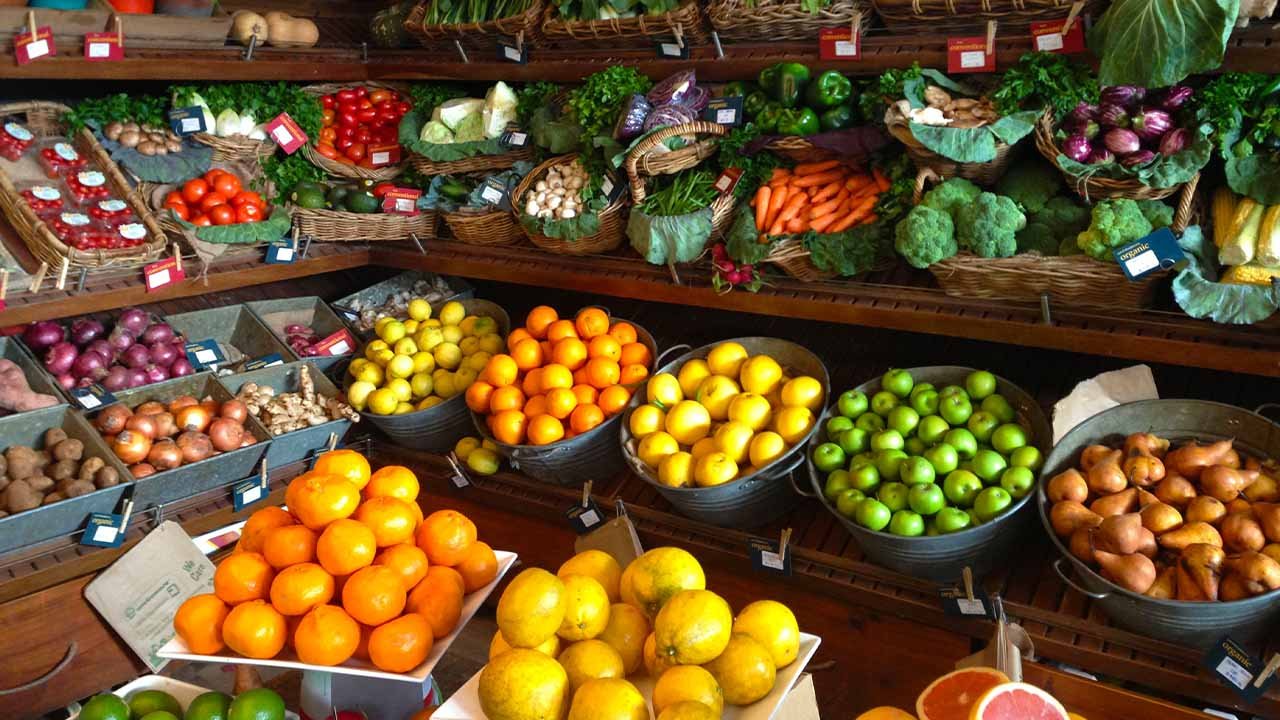
    Residents of Rawalpindi and Islamabad have launched the “Fruit Boycott Campaign” due to the increasing prices of fruits throughout the country. The campaign, initiated through social media by concerned citizens, appealed to the public to protest against the inflated prices of fruits.

    Citizens alleged that the inflation of fruits was due to the government officials’ failure to control profiteers and hoarders, and accused officials of having an underhand deal with them to loot the public.

    The campaign aimed at boycotting the purchase of fruits for two days initially, but citizens from all cities participated actively in making the campaign successful.

    According to The News, the campaign was successful, with a significant number of people participating and refusing to buy fruits for four days.

    However, the district administrations of Islamabad and Rawalpindi did not intervene in the situation, despite citizens submitting several complaints about the price hike.

    Sources claimed that profiteers and hoarders had hoarded all kinds of fruits to reap extra profits.