Category: Business

The most important business news, explained in a young, easy to understand way. News that affects young career professionals.

  • Govt announces Rs5 billion Ramzan Relief Package for poor

    The government of Pakistan has unveiled a Ramzan Relief Package worth Rs5 billion to aid the poor during the holy month of Ramzan. Syed Murtaza Mahmud, Minister for Industries and Production, announced the package during a press conference, stating that the federal government’s first priority is to alleviate hardship and inflation for citizens.

    The package went into effect on March 21 and will run until the end of the holy month. In addition to the five basic food items already being provided at subsidized rates through the Utility Stores Corporation, the Prime Minister has expanded the relief package to include 19 subsidized items such as flour, sugar, ghee, cooking oil, tea, dates, besan, dal mash, dal mong, milk, drinks, and spices.

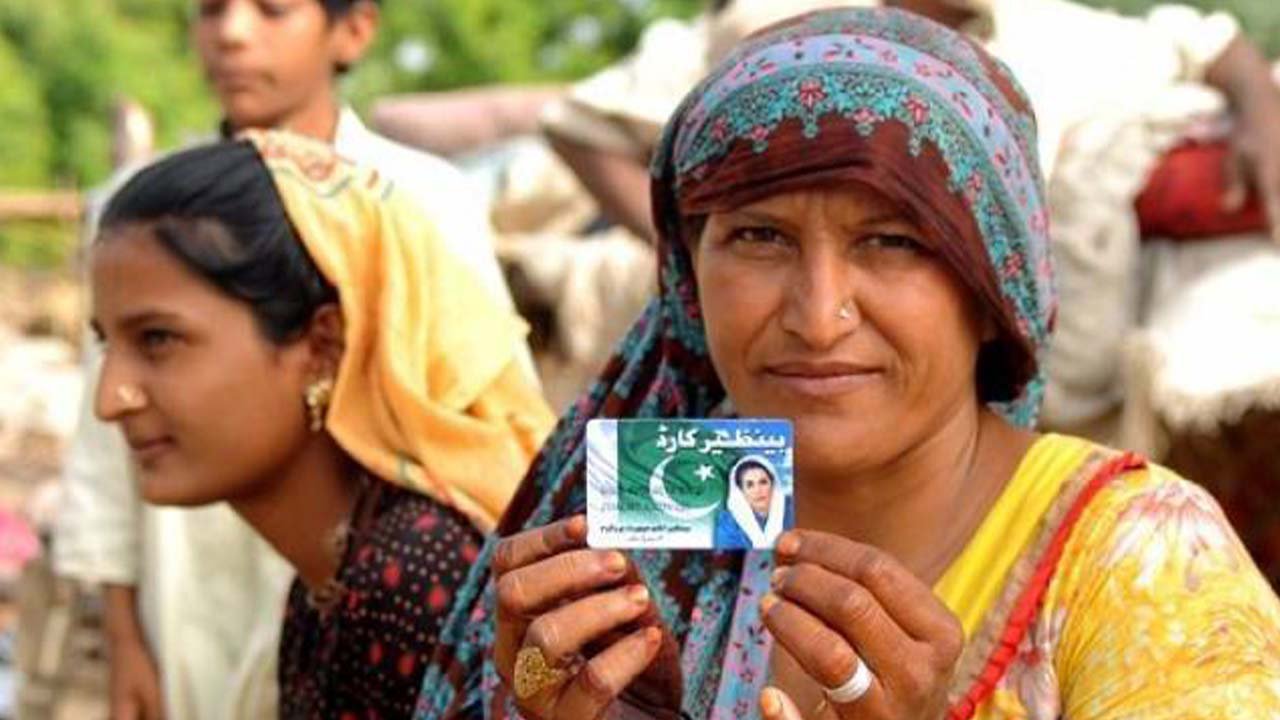
    The USC official also outlined two types of subsidies: targeted and general. Targeted subsidy is exclusively for users registered under the Benazir Income Support Program (BISP), while general subsidy is accessible to the entire country.

    For example, targeted subsidy flour is priced at Rs400 per 10 kg bag, sugar at Rs70 per kg and ghee at Rs300 per kg, while under general subsidy, a 10 kg bag of flour is available at Rs648, sugar at Rs91 per kg, and ghee at Rs490 per kg. The USC also provides a subsidy of Rs20 on white gram, super basmati rice, sella rice, and broken rice, Rs50 per kg on gram flour, and a 10% discount on spices. Tea, dates, milk, and beverages will also receive subsidies.

    The Prime Minister has also launched a free flour package in collaboration with the distribution points and utility stores established in different areas of Islamabad. Each registered household under BISP will receive one bag of 10 kg as a gift for the first time, and the remaining two bags will be received after 7 days.

    During the entire month of Ramzan, every registered household will receive three bags of flour (10 kg per bag) free of charge. To check eligibility, citizens can SMS their National Identity Card to 8171 or visit the BISP offices. It should be noted that apart from flour, sugar, and ghee, other subsidized items will be provided at the same rate for both general and targeted subsidy users.
  • Pakistan did not consult IMF regarding discounted petrol for low-income people: Esther Perez

    Pakistan did not consult IMF regarding discounted petrol for low-income people: Esther Perez

    According to the International Monetary Fund (IMF), Pakistan’s government did not seek advice from the multilateral lender regarding the discounted petrol for the low-income group.

    The government’s plan to increase fuel costs for more affluent drivers to pay for a subsidy for those with lower incomes, according to Esther Perez, the IMF’s resident representative for Pakistan, was not discussed with the international lender.

    “Fund staff are seeking greater details on the scheme in terms of its operation, cost, targeting, protections against fraud and abuse, and offsetting measures, and will carefully discuss these elements with the authorities,” said Perez.

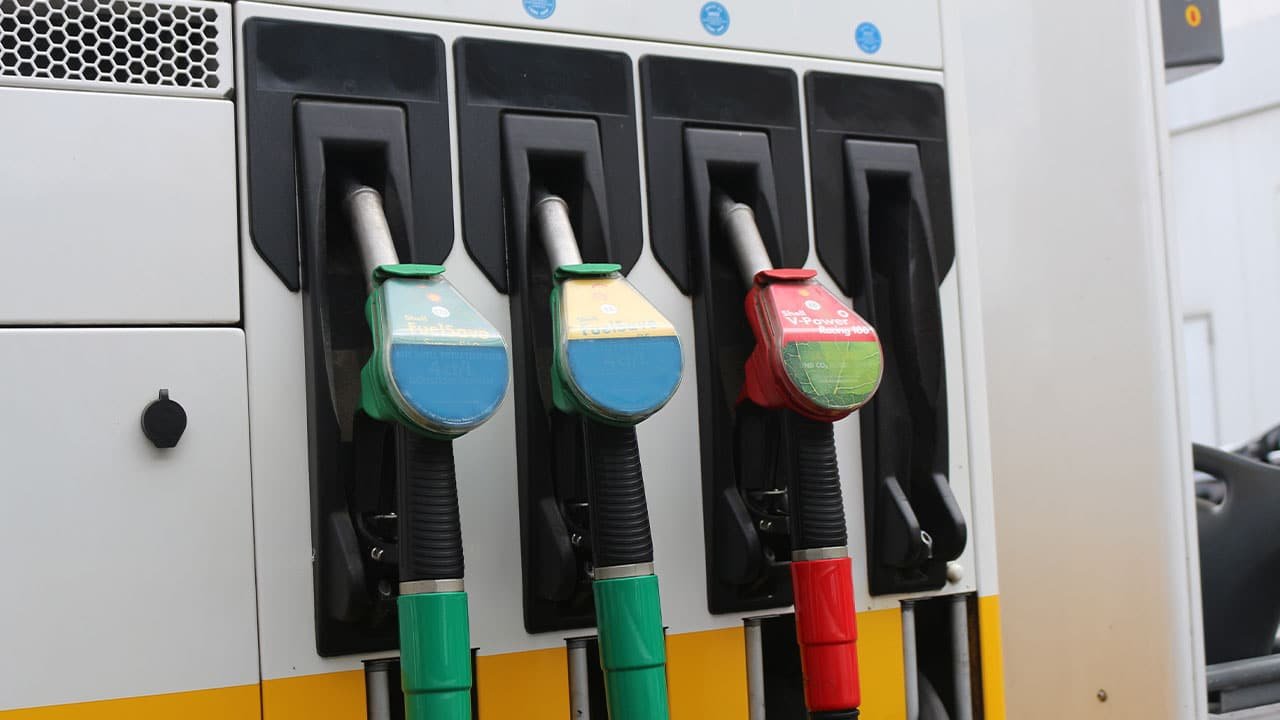
    Earlier, the federal government announced that it would reduce the price of petrol up to Rs100 for motorcycle riders and owners of vehicles up to 800 cc in order to lessen the impact of rising petrol costs on people who are already suffering from inflation. According to Malik, Prime Minister Shehbaz Sharif has ordered that low-income individuals receive petrol subsidies of up to Rs100 per liter instead of Rs50.

    Under a comprehensive strategy, cheap petrol will be offered to motorcyclists and owners of vehicles up to 800 cc, while owners of vehicles beyond 800 cc will be charged full price. The minister made it clear that this is not a subsidy but a cross-subsidy.

    According to Malik, “the owners of big vehicles will pay more for petrol.” The rich will pay Rs100 more for petrol, while the poor will pay Rs100 less. 210 million people are poor in a population of 220 million, and we stand with poor Pakistanis.”

    He said the decision to provide fuel at lesser rates will be implemented within six weeks.

  • 1.5% transaction fee for debit and credit cards abolished by SBP

    1.5% transaction fee for debit and credit cards abolished by SBP

    The mandatory minimum fee of 1.5 per cent that banks were required to charge merchants on financial transactions made with debit and credit cards has been eliminated by the State Bank of Pakistan (SBP), and financial institutions are now permitted to charge even less than that amount to encourage the use of digital banking.

    According to a notification released on Friday, the central bank has kept the fee’s upper ceiling at 2.5 per cent.

    Also, the SBP mandated that all online merchants and payment recipients in Pakistan begin taking card payments no later than June 30, 2023.

    Before, petrol outlets stopped taking payments made with debit and credit cards and asked that the 1.5 per cent fee be eliminated.

    The elimination of the minimal fee has long been demanded.

    Eliminating the minimal fee is a good thing for digital transactions, according to experts. The State Bank’s plan to boost the use of digital cards includes this, as this decision would also improve the documentation of the economy and help decrease cash-based transactions.

    Across the nation, there are about 45 million debit and credit cards. Nonetheless, the majority of cardholders use their cards to make ATM withdrawals. Just 5–10 per cent of POS users utilise cards.

  • Pakistan earned $1,523 million by providing IT services to various countries: report

    Pakistan earned $1,523 million by providing IT services to various countries: report

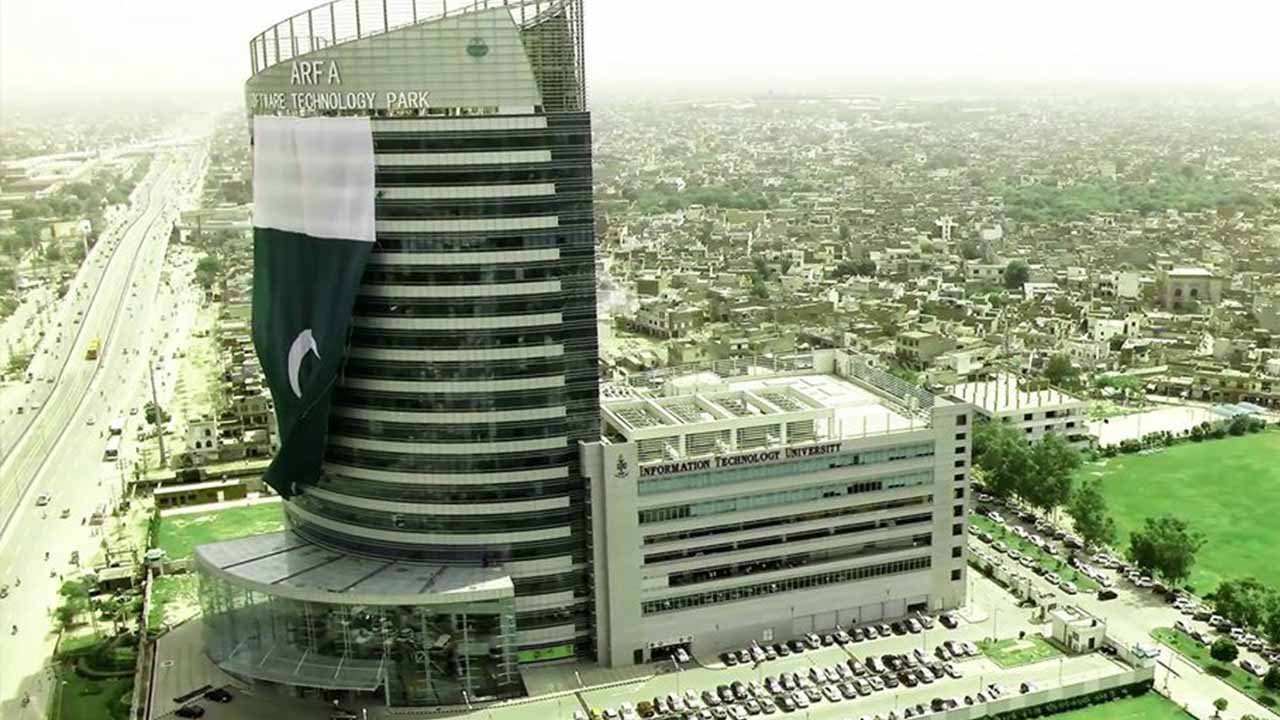
    Pakistan has earned US$1,523.280 million by providing different Information Technology (IT) services to various countries during the first seven months of the current fiscal year 2022-23, according to the Pakistan Bureau of Statistics (PBS).

    This represents a growth of 2.38 per cent as compared to US$1,487.865 million earned during the same months of the fiscal year 2021-22.

    During July-January (2022-23), the export of computer services climbed by 2.87 per cent as it increased from US$1,191.575 million last fiscal year to US$1,225.730 million this year.

    The exports of software consultancy services saw an increase of 5.57 per cent, from US$430.309 million to US$454.283 million while the exports of hardware consultancy services also rose by 158.07 per cent from US$1.357 million to US$3.502 million.

    According to APP, the export and import of computer software-related services surged by 11.89 per cent, from US$312.484 million to US$349.635 million whereas the exports of repair and maintenance services increased to US$1.594 million from US$0.770 million.

    The export of telecommunication services also witnessed an increase of 0.60 per cent as these went up from US$293.180 million to US$294.950 million during the months under review, the data revealed.

    Among the telecommunication services, the export of call centre services rose by 2.30 per cent during the period as its exports increased from US$118.669 million to US$121.398 million whereas the export of other telecommunication services decreased by 0.55 per cent, from US$174.511 million to US$173.552 million during the period under review, the PBS data revealed.

    Moreover, the exports of other computer services witnessed a decline of 6.70 per cent going down from US$446.655 million to US$416.716 million.

    Meanwhile, the export of information services during the period under review declined by 16.40 per cent going down from US$3.110 million to US$2.600 million.

  • Govt to cut per litre petrol price for low-income people by Rs100: Musadik Malik

    Govt to cut per litre petrol price for low-income people by Rs100: Musadik Malik

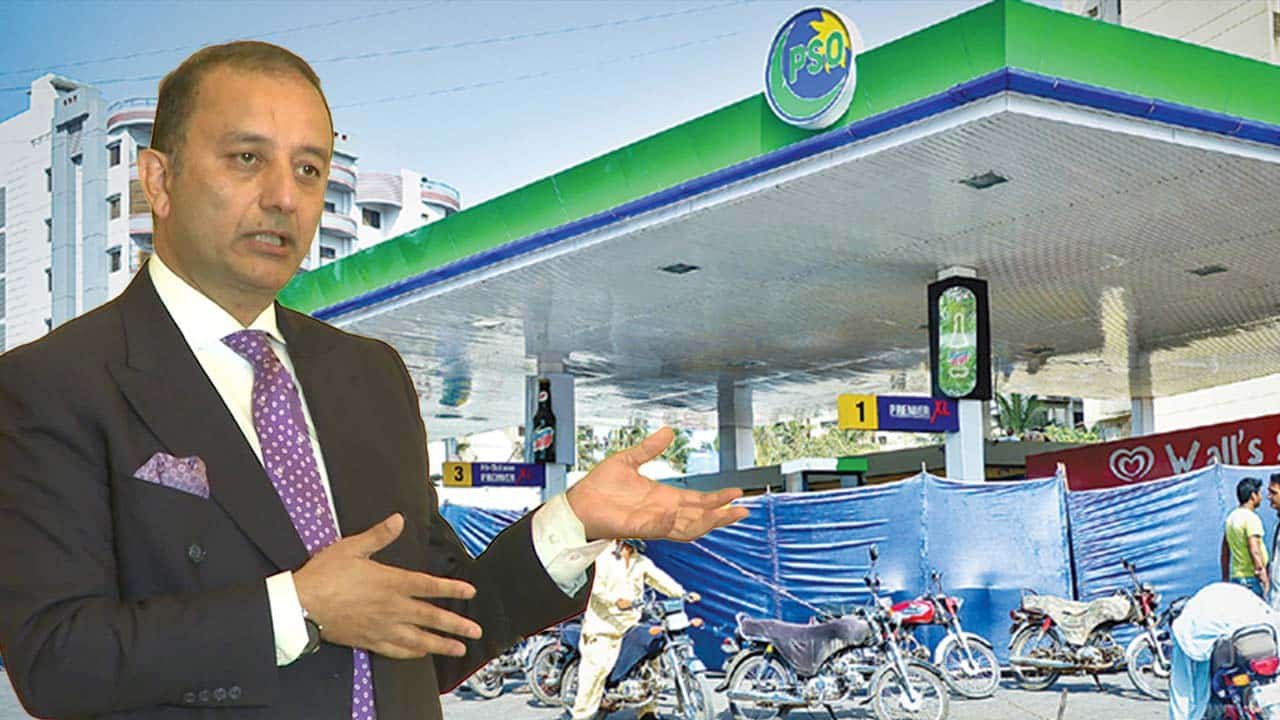
    The State Minister for Petroleum, Musadik Malik, announced on Monday a significant reduction of Rs100 in the price of petrol for low-income people.

    The minister stated during a news conference held in Islamabad that the wealthy will pay Rs100 more for petroleum products while the underprivileged will receive the same amount in relief.

    The specifics of this execution strategy will probably be made public by the administration within the upcoming week.

    In addition, the government would provide low-income groups with gas subsidies.

    Prior to this, Prime Minister (PM) Shehbaz Sharif stated that low-income individuals would pay Rs50 less for petrol. However, Musadik Malik declared on Monday that the Prime Minister had now ordered to provide a Rs100 discount on petrol to low-income citizens instead of a Rs50 discount.

    While chairing a review meeting on Sunday, PM Shehbaz said that the petroleum relief would be given to low-income consumers who have motorcycles, rickshaws, and other small vehicles (less than 800cc).

    He said the program of petroleum subsidies would be started soon, and a comprehensive strategy would be formed with the cooperation of relevant departments for effective implementation of the subsidy program.

    He said motorcycles, rickshaws, and small cars were used by low-income people, and the petroleum subsidy would give relief to the poor.

    The government was making efforts to provide all possible help to the poor people despite its economic difficulties, he added.

  • Female bank manager resigns after stealing Rs20 million from customer’s account

    Female bank manager resigns after stealing Rs20 million from customer’s account

    A recent case of embezzlement has come to light where a woman, who was the branch manager of a private bank in Islamabad, has resigned from her position following allegations of theft of an amount of Rs20 million from a customer.

    The incident prompted the Federal Investigation Agency (FIA) to take immediate action by registering a case against the accused under Section 420.

    According to the First Information Report (FIR), the accused manager allegedly committed the crime by fraudulently withdrawing Rs20 million from the customer’s account without their knowledge.

    The customer only became aware of the transaction after receiving a notification of the significant deduction from their account. The manager, in a bid to cover her tracks, presented a fake bank statement to the customer, assuring them that there was nothing to worry about.

    According to 24 News, the FIA has taken a serious note of the matter and has included several sections, including 409, 419, 468, 471, and 489F, in the FIR to ensure that justice is served. The accused will be thoroughly investigated, and all evidence will be scrutinized to bring the perpetrator to justice.

    This incident highlights the need for caution and vigilance when it comes to financial transactions. Even trusted officials can abuse their power for personal gain, and it is crucial to remain alert and report any suspicious activity.

  • Pakistan’s nuclear program not linked to loan negotiations, says IMF representative

    Pakistan’s nuclear program not linked to loan negotiations, says IMF representative

    The International Monetary Fund (IMF) has refuted allegations that it imposed any conditions on the revival of a loan program that had been suspended for several months despite ongoing discussions between the two parties.

    Pakistan has been in discussions with the IMF since early February to negotiate the terms of the deal, which includes the adoption of policies aimed at addressing its fiscal deficit ahead of the annual budget in June. The funds are part of a $6.5 billion bailout package that the IMF approved in 2019, and which experts believe is critical for Pakistan to avoid defaulting on its external debt obligations.

    The delay in reaching a staff-level agreement with the IMF had prompted veteran politicians, Senator Raza Rabbani and former foreign minister Shah Mahmood Qureshi, to express concerns about whether the delay was due to the country’s strategic assets, including its nuclear and missile programs. They have called on the government to clarify this issue.

    In response, IMF resident representative in Islamabad, Esther Perez Ruiz, released a statement on Sunday denying any involvement in Pakistan’s nuclear program, stating that there was “absolutely no truth” to the rumors that program discussions with the authorities may have covered the issue.

    Ruiz further clarified that the discussions had focused exclusively on economic policies aimed at resolving Pakistan’s economic and balance of payments problems, in line with the Fund’s mandate for promoting macroeconomic and financial stability.

  • Govt announces Rs50 per litre petrol subsidy for low-income individuals

    Govt announces Rs50 per litre petrol subsidy for low-income individuals

    The government has announced a relief package for low-income individuals in the form of a petroleum subsidy worth Rs50 per litre. This announcement was made during a meeting chaired by Prime Minister (PM) Muhammad Shehbaz Sharif on Sunday.

    The Prime Minister directed that consumers using small vehicles such as motorcycles, rickshaws, and 800-CC vehicles will be included in the subsidy scheme. He also instructed relevant authorities to finalise the scheme as soon as possible to ensure its effective implementation.

    The Prime Minister emphasized that this subsidy will provide much-needed relief to low-income individuals, as they are the primary users of small vehicles. Despite the severe economic difficulties faced by the country, the government is committed to assisting the poor in every way possible.

    During the meeting, Minister of State for Petroleum Musadik Malik briefed participants on the strategy for implementing the subsidy to low-income individuals.

  • Gold price increases to Rs208,300 per tola as investors adopt cautious approach amid uncertainties

    Gold price increases to Rs208,300 per tola as investors adopt cautious approach amid uncertainties

    The price of gold in Pakistan soared by 2 per cent on Saturday, according to data from the All-Pakistan Sarafa Gems and Jewellers Association. The political unrest in the country has left investors uncertain about the economy, prompting them to seek safe-haven assets such as gold.

    The price of gold (24 carats) increased by Rs4,100 per tola and Rs3,516 per 10 grammes, reaching Rs208,300 and Rs178,584, respectively. In the week ending March 18, gold gained Rs9,600 per tola, or 4.8 per cent, as it rose during all six trading sessions, despite the little appreciation of the Pakistani rupee against the US dollar.

    The precious metal is expected to remain attractive to investors as they adopt a cautious approach.

    The price of silver also rose by Rs100 per tola and Rs85.73 per 10 grammes to settle at Rs2,250 per tola and Rs1,929 per 10 grammes, respectively. Meanwhile, in the international market, gold prices surged by over 2 per cent due to banking crises shaking global markets, putting bullion on track for its biggest weekly rise in three years. The price per ounce settled at $1,989 after an increase of $53. This rise in gold prices was also driven by bets for a less aggressive Federal Reserve in its fight against inflation.

    Gold is currently Rs11,500 per tola “undercost” in Pakistan compared to the Dubai market, making it cheaper for investors to buy. According to experts, gold is surging on fears that more bad banking news could appear over the weekend and hopes that the FED will pause its rate hikes next week.

    With political and economic uncertainties looming in Pakistan, gold is likely to shine as investors seek a low-risk profile.

  • Pakistan’s proposal to increase number of beneficiaries for BISP rejected by IMF

    Pakistan’s proposal to increase number of beneficiaries for BISP rejected by IMF

    The International Monetary Fund (IMF) rejected the Pakistani government’s proposal to increase the number of beneficiaries of the Benazir Income Support Programme (BISP) and expand its scope to cover 20-30 per cent of the population living in poverty.

    The proposal aimed to provide quarterly stipends to those below the poverty line. While the IMF approved an increase in the BISP allocation by Rs40 billion, increasing it from Rs360 billion to Rs400 billion for the current fiscal year for 8.9 million beneficiaries, the proposal to expand coverage could not be implemented due to a shortage of budgetary resources.

    According to sources, the IMF refused to increase the Proxy Mean Test (PMT) ceiling for enhancing coverage and providing monthly stipends to around 30 per cent of the population living below the poverty line, citing a lack of budgetary resources. The Finance Ministry official stated that there was no disagreement, and the government has been providing a quarterly stipend of Rs7,000 to 8.9 million beneficiaries.

    The IMF staff suggested increasing tax revenues and abolishing un-targeted subsidies but did not initially oppose the idea of expanding coverage. The IMF high-ups recommended using the National Socio-Economic Registry (NSER) of the BISP to provide targeted subsidies on electricity, gas, and provision of POL for motorcycles and small vehicles.

    According to Geo, different proposals to start a targeted subsidy mechanism were discussed but ultimately dropped due to various reasons. The weekly Sensitive Price Index (SPI) touched 45.64 per cent on a weekly basis, and Consumer Price Index (CPI) crossed 31.5 per cent on a monthly basis in February 2023. Both the CPI and SPI are expected to rise further in the weeks and months ahead of the current fiscal year.

    To protect vulnerable segments from falling below the poverty line, there is no other option but to implement a targeted subsidy mechanism over the short and medium-term period. Pakistan and the IMF will need to place a target subsidy mechanism, given the possibility of a new IMF program after the expiration of the current one under the Extended Fund Facility in June 2023.