Category: Business

The most important business news, explained in a young, easy to understand way. News that affects young career professionals.

  • Short-term inflation skyrockets to record 45.64% in Pakistan: What’s causing the surge?

    Short-term inflation skyrockets to record 45.64% in Pakistan: What’s causing the surge?

    The Pakistan Bureau of Statistics (PBS) has released data revealing that short-term inflation based on the Sensitive Price Index (SPI) rose to a record 45.64 per cent for the combined income group on a year-on-year basis for the week ending March 16.

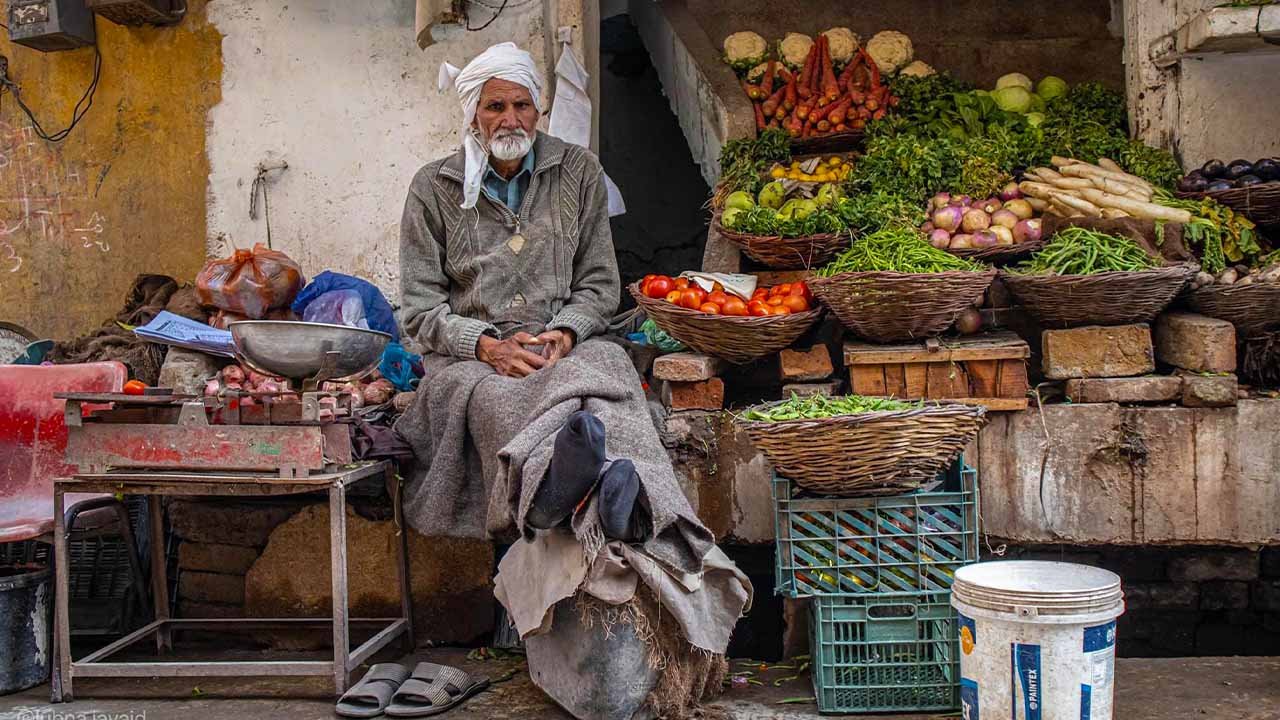
    This increase was driven by the consistent rise in the prices of essential commodities. However, on a week-on-week basis, short-term inflation increased by 0.96 per cent due to the rising cost of tomatoes, potatoes, cooking oil and fruits.

    The SPI is expected to intensify further as the full impact of depreciation, an increase in petroleum products, a hike in general sales tax and higher energy costs has yet to be reflected in official data. Commodity prices are likely to increase rapidly with a spike in demand. The year-on-year SPI surged to 45.5 per cent during the week ending September 1, 2022, and stayed above 40 per cent for the first time since August 18 last year when the reading was 42.31 per cent.

    Of the 51 items in the SPI basket, prices of 28 items soared, while those of 11 items decreased, and rates of 12 items remained unchanged. During the week under review, the prices of onions, cigarettes, gas charges for Q1, diesel, tea Lipton, petrol, rice irri-6/9, rice basmati broken, bananas, eggs, pulse moong, wheat flour and bread increased the most over the same week a year ago.

    On a week-on-week basis, the biggest change was observed in the prices of tomatoes, tea Lipton, potatoes, bananas, sugar, wheat flour, cooking oil 5 litre, vegetable ghee 2.5 Kg, lawn, diesel, shirting, and petrol. Products whose prices saw the highest decline over the previous week were onions, chicken, garlic, pulse masoor, eggs, LPG, vegetable ghee 1 Kg, pulse gram, pulse mash, pulse moong, and mustard oil.

    The government has been taking strict measures, such as hikes in fuel and power tariffs, withdrawal of subsidies, market-based exchange rate, and higher taxation, under the International Monetary Fund (IMF) programme to generate revenue for bridging the fiscal deficit, which may result in slow economic growth and higher inflation in the coming months. The increase in the policy rate to 20 per cent, general sales tax rate from 17 per cent to 18 per cent on most items, and to 25 per cent on more than 800 imported food and non-food items will further increase the retail prices of consumer goods.
  • National Refinery halts fuel supply to Pakistan State Oil over unpaid dues

    The National Refinery Limited (NRL) has decided to suspend the supply of fuel to Pakistan State Oil (PSO) due to the state-owned oil marketing company’s failure to make payments to the refinery.

    PSO has encountered a severe financial crisis, leading to outstanding payments owed to various sectors as a result of the supply of petroleum products.

    The amount owed to NRL by PSO is currently Rs3.469 billion. NRL has conveyed its decision to stop the supply of fuel to PSO in writing, according to a report by a national daily.

    Notably, PSO has recently stopped making payments to refineries, including those that supply diesel, gasoline, aviation fuel, furnace oil, and other petroleum products to the state-owned company.

    As per the company’s receivables, Sui Northern Gas Pipelines Limited (SNGPL) is the largest defaulter of PSO, with an outstanding amount of Rs492.102 billion as of March 8, 2023. In response, the Economic Coordination Committee of the cabinet has authorized a sovereign guarantee of Rs50 billion in favor of SNGPL for commercial borrowing on an immediate basis to meet PSO’s liquidity requirement.

    The power sector remains a significant source of difficulty for the state-owned oil marketing company, with outstanding payments of Rs178 billion, followed by Pakistan International Airlines (PIA) and the government of Pakistan, both of which owe PSO Rs92.5 billion. The total receivables, which have risen to Rs762.653 billion, include the most critical payment of Rs124.666 billion in late payment surcharge (LPS).

  • SBP issues commemorative coin of Rs50 to celebrate golden jubilee of Senate of Pakistan

    SBP issues commemorative coin of Rs50 to celebrate golden jubilee of Senate of Pakistan

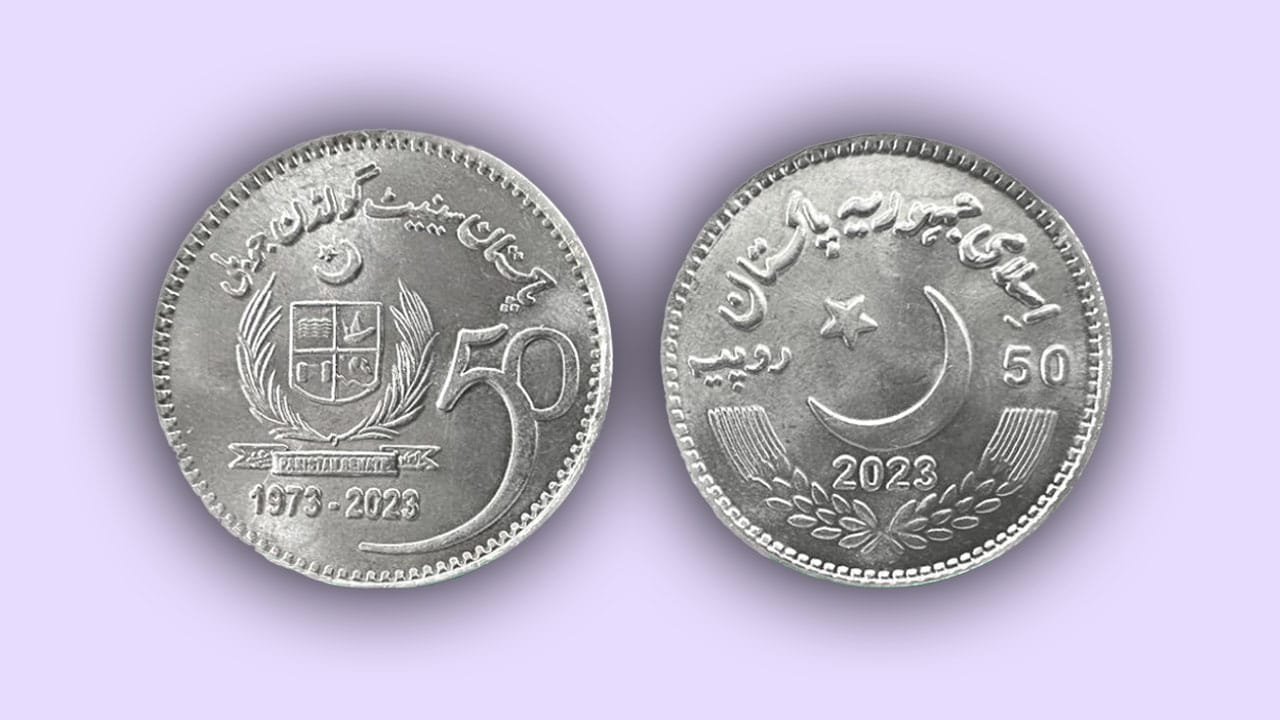
    The Federal Government of Pakistan has authorised the State Bank of Pakistan (SBP) to issue a commemorative coin of Rs50 to celebrate the Golden Jubilee of the Senate of Pakistan in 2023.

    The coin, which has a round shape milled with a dimension of 30.0 mm, weight of 13.5 grammes, and Cupro-Nickel metal contents (Copper 75 per cent & Nickel 25  per cent), shall be issued through the exchange counters of all field offices of SBP Banking Services Corporation starting from March 17, 2023.

    The Senate of Pakistan, also known as Aiwan-e-Bala Pakistan and constitutionally referred to as the House of the Federation, is the upper legislative chamber of the bicameral parliament of Pakistan. As a permanent House with equal representatives from all provinces of the country, the Senate symbolizes continuity in national affairs.

    The issuance of the commemorative coin is a fitting tribute to the Golden Jubilee of the Senate of Pakistan and underscores the significance of this occasion. It is expected to serve as a lasting reminder of the Senate’s contribution to Pakistan’s democratic process and its role in shaping the country’s political landscape.

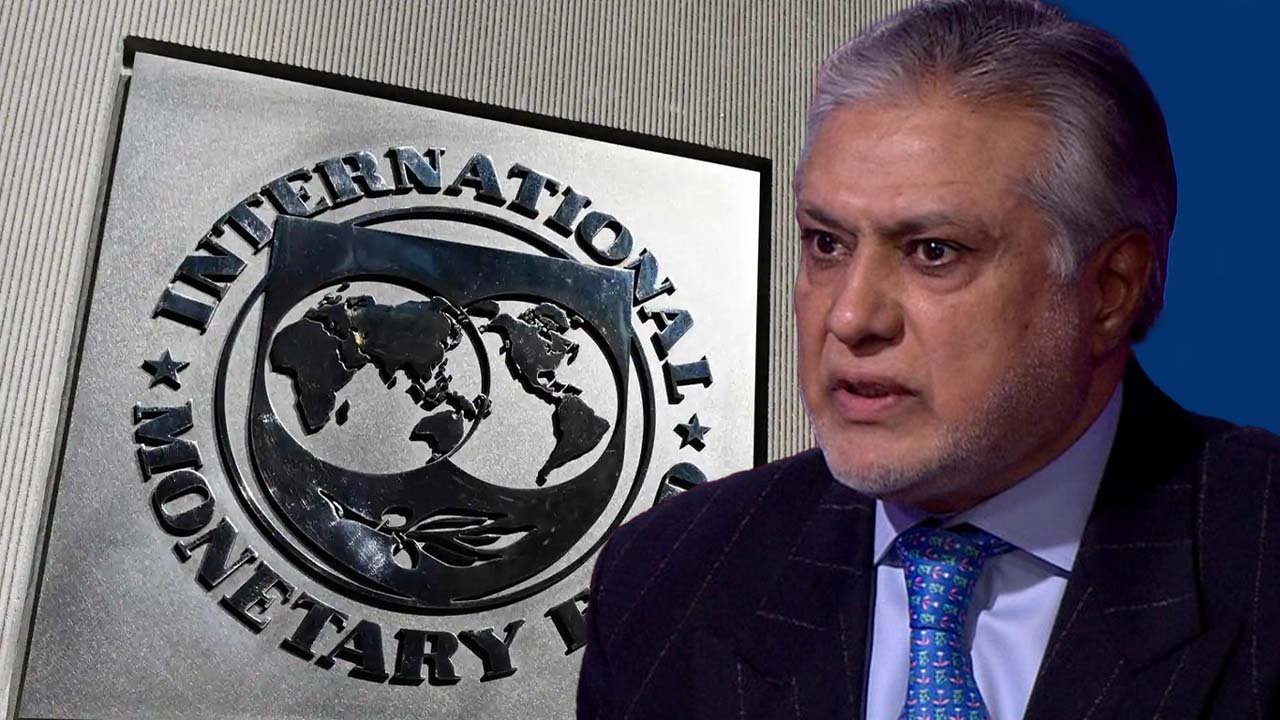
  • Dar says assurance of funding from friendly countries is the final hurdle in securing IMF deal

    Dar says assurance of funding from friendly countries is the final hurdle in securing IMF deal

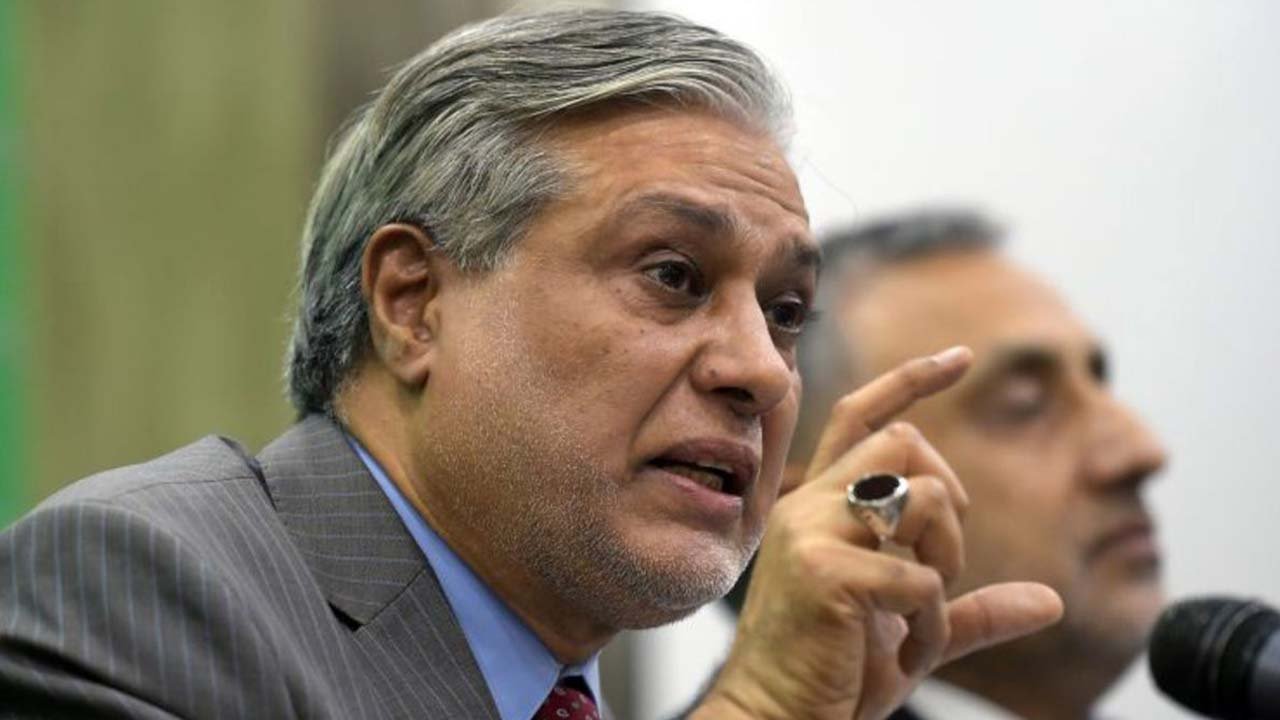
    On Thursday, Finance Minister Ishaq Dar announced that the assurance of funding from “friendly countries” was the final obstacle to securing an IMF deal that would provide critical support to Pakistan’s struggling economy and prevent an economic crisis.

    During a session of the country’s upper house of parliament, Dar revealed that several countries had previously made commitments to support Pakistan during IMF reviews, and the IMF was now requesting that these commitments be fulfilled.

    The delay in securing the deal, which involves a $1.1 billion bailout package from the IMF, has been ongoing since November due to issues surrounding fiscal policy adjustments. The package is part of a larger $6.5 billion bailout approved by the IMF in 2019, which is crucial for Pakistan to avoid defaulting on external payment obligations.

    The deal would also allow Pakistan to access other financing avenues to bolster its foreign exchange reserves, which currently only cover four weeks’ worth of imports.

    The IMF has asked Pakistan to secure assurance of up to $7 billion to cover this year’s balance of payments gap, while Dar believes that $5 billion would suffice.

    An IMF mission has been present in Islamabad since February to negotiate a set of policy measures for Pakistan’s struggling economy, ahead of the annual budget due in June.

    Prime Minister Shehbaz Sharif stated that all of the IMF’s conditions had been met, and expressed hope that a staff level agreement would be reached soon.

  • Pakistan’s nuclear and missile programmes will not be compromised for IMF deal, says Finance Minister

    Pakistan’s nuclear and missile programmes will not be compromised for IMF deal, says Finance Minister

    During a session of the Senate on Thursday, Pakistan’s Finance Minister Ishaq Dar stated unequivocally that there would be no compromise on the country’s nuclear and missile programs. The assurance came in response to questions posed by PPP Senator Raza Rabbani, who had raised concerns about the delay in Pakistan’s agreement with the International Monetary Fund (IMF). Rabbani had suggested that the delay might be due to pressure being exerted on Pakistan’s nuclear program.

    In response to Rabbani’s questions, Dar stated that the delay was not due to any action by the current government, but rather to the fact that the IMF had requested that certain friendly countries fulfill commitments they had made to support Pakistan. According to Geo, Dar promised that once the staff-level agreement and the Extended Fund Facility program were finalized, the details would be posted on the finance ministry’s website.

    Dar also expressed his belief that Pakistan’s nuclear program was a matter of national security and emphasized that no one had the right to tell Pakistan what range of missiles or nuclear weapons it could have. He argued that the country’s nuclear and missile programs were essential for deterrence and for guarding Pakistan’s national interests.

    The delay in the IMF agreement has been a cause for concern, as it is seen as critical to taming a balance-of-payments crisis. The agreement, which was approved by the IMF in 2019 and is worth $6.5 billion, includes $1.1 billion that would be released once the agreement is signed. Dar had previously blamed the delay on the previous government, which he said had failed to meet commitments and created a trust deficit. Despite the delay, Dar stated that Pakistan was “very close” to signing the agreement.

  • Pakistan faces second-highest food price inflation in South Asia: World Bank report

    Pakistan faces second-highest food price inflation in South Asia: World Bank report

    According to the World Bank’s “Food Security Update,” the consumer price inflation for food items in Pakistan in February 2023 on a year-on-year basis was 45.1 per cent, which is the highest in South Asia after Sri Lanka, which experienced 54.4 per cent inflation.

    The report further states that domestic grain and wheat flour prices remained volatile across South Asia at the beginning of 2023, and were well above their year-earlier levels. Specifically, in Pakistan, wheat flour prices in January 2023 reached record highs and were 20 to 140 per cent higher year on year.

    The high prices of food items have been attributed to several factors, including generally stagnant production since 2018, stock losses and disrupted trade flows due to the 2022 floods, high agricultural input and transportation costs, and high headline inflation, according to the Food and Agriculture Organization of the United Nations (FAO).

    The report noted that India, Bangladesh, and Nepal experienced year-on-year consumer price inflation for food prices of 6.2 per cent, 7.8 per cent, and 5.6 per cent, respectively, in January 2023. Rice production increased in 2022 in several countries, including India, despite reductions in Pakistan and Tanzania, according to the report.

    The US Department of Agriculture predicts a 4.5 per cent contraction in rice shipments due to a decrease in exports from Pakistan, Thailand, the United States, and Vietnam, which will more than offset an increase from India. Moreover, domestic food price inflation remains high around the world.

    According to Brecorder, the latest month between October 2022 and February 2023, for which food price inflation data are available, shows high inflation in almost all low- and middle-income countries, with inflation levels above 5 per cent in 94.1 per cent of low-income countries, 86 per cent of lower-middle-income countries, and 87 per cent of upper-middle-income countries, with many experiencing double-digit inflation.

    Furthermore, about 87.3 per cent of high-income countries are experiencing high food price inflation, and the countries affected most are in Africa, North America, Latin America, South Asia, Europe, and Central Asia, according to the report.

  • Chinese bank to provide Pakistan with another $500 million loan soon

    Chinese bank to provide Pakistan with another $500 million loan soon

    A Chinese bank has committed to provide Pakistan with another refinanced $500 million loan within the next few days. This brings the total of commercial loans to $1.7 billion out of the committed amount of $2 billion.

    Pakistani authorities are currently seeking 100 per cent confirmation from friendly donor countries and multilateral creditors before moving towards an agreement with the International Monetary Fund (IMF). The IMF has set an unwritten condition that Pakistan must secure refinancing of commercial loans and a rollover on deposits from China during the program period, which is set to expire in June 2023.

    A top official from the Finance Division confirmed that another $500 million commercial loan from a Chinese bank is on its way and will be completed soon. Chinese banks have already provided refinancing of $1.2 billion in commercial loans in the past few weeks, and Beijing has given assurance on another $500 million in loan refinancing in the next few days. Pakistan has also requested a rollover on the Chinese SAFE deposit of $2 billion within the ongoing month.

    All these factors are prerequisites for moving towards the signing of a staff-level agreement between the IMF and Pakistan. The Pakistani authorities are waiting for confirmation from Saudi Arabia, UAE, and Qatar, as well as from the World Bank and the Asian Infrastructure Investment Bank, to fulfill the external financing needs of $6 billion until the end of June 2023. The guarantees for securing external financing are crucial for the sustainability of the IMF program.

    Brent crude and WTI are both down in the international market, which is good news for Pakistan’s economy. However, the IMF has secretly launched “Inclusive growth in the MENA region” at NUST. The IMF high-ups argued that state-owned enterprises (SOEs) possessing a major footprint resulted in the crowding out of the private sector. Pakistan’s budget makers have also assured the IMF that they will prepare gender-based budgeting in the next financial year.

    To meet the IMF’s demands, the CPI-based and SPI-based inflations have risen to unprecedented levels of 31.5 per cent every month and 42.3 per cent every week. The development budget of the federal government, known as the Public Sector Development Program (PSDP), has been slashed by 50 per cent for the current fiscal year in line with the Fund’s demand to curtail the budget deficit target.

  • Govt hikes petrol price by Rs5 to Rs272 per litre to match global market changes

    Govt hikes petrol price by Rs5 to Rs272 per litre to match global market changes

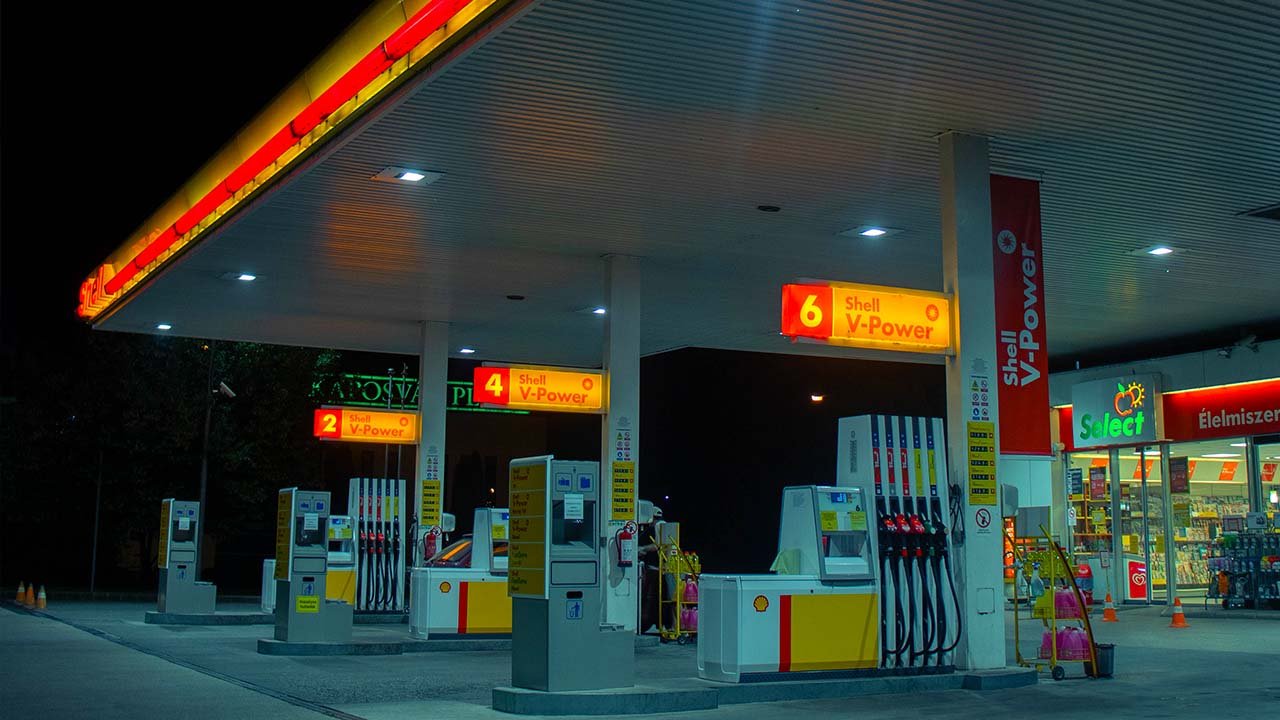
    As per a press release from the Finance Division, the government has decided to raise the price of petrol by Rs5 per litre to Rs272 per litre for the next two weeks, effective from March 16 (Thursday).

    The statement noted that the increase was due to the rise in Platts Singapore prices over the past two weeks and the depreciation of the Pak Rupee, resulting in a hike in petroleum, oil, and lubricant (POL) products in Pakistan.

    The notification further disclosed that the price of high-speed diesel has been increased by Rs13 per litre to Rs293 per litre, and kerosene has been raised by Rs2.56 per litre to Rs190.29 per litre by reducing government dues on them. However, the price of light diesel oil has been kept constant at Rs184.68 per litre by adjusting government dues.

    It’s worth mentioning that Finance Minister Ishaq Dar had previously announced a reduction in petrol prices by Rs5 per litre on February 28.

  • PM Shehbaz expresses concern over IMF conditions burdening people

    PM Shehbaz expresses concern over IMF conditions burdening people

    The Prime Minister, Shehbaz Sharif, has shown worry that the terms set by the International Monetary Fund (IMF) will result in an increased burden on the citizens.

    During an appearance on the Geo News program Capital Talk, the Prime Minister attributed the stringent conditions to the previous government, alleging that they had breached their commitments to the IMF.

    Consequently, the IMF is insisting that Pakistan fulfills all of the conditions regardless of the cost, according to the Prime Minister. He acknowledged that many people in Pakistan are having trouble putting food on the table, purchasing medication, and paying for their children’s education.

    The Prime Minister claimed that former Prime Minister Imran Khan almost defaulted on Pakistan and damaged the country’s relations with numerous friendly countries. However, he stated that his government had provided relief to underprivileged individuals through the Benazir Income Support Program.

    He further stated that inflation was caused by the increased cost of imported goods as commodity prices rose due to the Russia-Ukraine conflict. In Pakistan, inflation is expected to reach its highest level in nearly 50 years.

    Additionally, Pakistan is struggling to obtain funding from friendly nations, resulting in a delay in the IMF bailout. The IMF Managing Director, Kristalina Georgieva, recently urged Pakistan to increase tax revenues and distribute subsidies only to those who truly require them. She emphasized that the IMF is dedicated to protecting the impoverished people of Pakistan.