Category: Business

The most important business news, explained in a young, easy to understand way. News that affects young career professionals.

  • Pakistan’s textile industry struggles as exports fall by 28% in February

    Pakistan’s textile industry struggles as exports fall by 28% in February

    On Monday, the All Pakistan Textile Mills Association (APTMA) released provisional data indicating that Pakistan’s textile sector exports declined significantly by 28 per cent, totaling $1.2 billion in February 2023, compared to $1.67 billion in the same month the previous year.

    Additionally, APTMA reported that textile exports for the first eight months of FY23 decreased by 11 per cent to $11.24 billion, down from $12.60 billion in 8MFY22. These declines are alarming for Pakistan, whose economy is already struggling with depleting foreign exchange reserves.

    The country’s central bank has only $3.81 billion in reserves, which is barely enough to cover a month of imports.

    Industrialists in Pakistan have expressed concern about the ongoing slump in the textile sector. Data released by the Pakistan Cotton Ginner’s Association (PCGA) on Friday revealed that cotton arrival in Pakistan also decreased by 34.5 per cent year-on-year.

    Last month, APTMA urged the federal government to implement a uniform gas price of $7 per MMBtu for the export industry throughout the country to ensure a level playing field.

    APTMA also warned that the government’s decision to suspend the regionally competitive energy tariff (RCET) of electricity for Export Oriented Units (EOUs) would harm the textile industry, particularly in Punjab.

    In December, APTMA wrote a letter to Prime Minister Shehbaz Sharif, warning that the country’s textile exports could fall below $1 billion a month from 2023 onwards, highlighting a range of issues affecting the sector, which is currently operating at less than 50 per cent capacity utilization.
  • Pakistani rupee gains against US dollar amidst hopes for IMF deal

    Pakistani rupee gains against US dollar amidst hopes for IMF deal

    Pakistani rupee on Monday gained against the US dollar due to two key developments: the country secured $500 million from the Industrial and Commercial Bank of China and there was optimism around a potential deal with the International Monetary Fund (IMF).

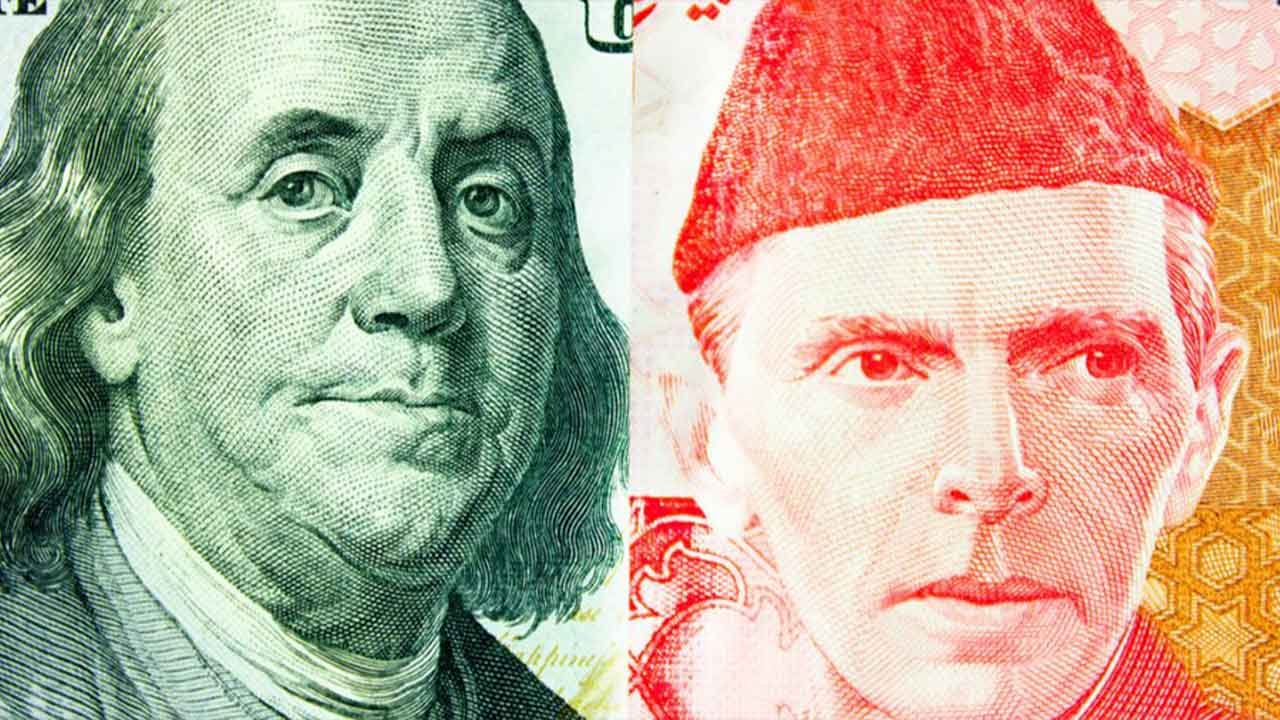
    During intraday trading, the local currency witnessed an increase of Rs3.46 against the greenback in the interbank market, with the exchange rate at around 11:45 pm being Rs275.

    However, last week the rupee made even greater gains against the US dollar. The State Bank of Pakistan reported a 2.38 per cent appreciation, equivalent to Rs6.63, in the interbank market, with the local unit closing at Rs278.46 on Friday.

    According to the General Secretary of the Exchange Companies Association of Pakistan (ECAP), Zafar Paracha, the hype around the earlier dollar appreciation was caused by the country’s financial institutions and international players manipulating rates.

    Paracha noted that the destabilized currency damages Pakistan’s image and discourages foreign direct investment and local investors. He anticipated that with the IMF agreement and inflows from friendly countries, the dollar should remain in the range of Rs260 to Rs265.

    He also highlighted that Pakistan’s political condition has been impacting the dollar rates, which is a new phenomenon. He mentioned that increasing Pakistan’s tax base, not tax rates, is crucial, and the government should reduce expenditures and subsidies given to elites.

    According to Geo, there is hope for a deal with the IMF, with a government official expressing optimism about striking a deal, and another official expecting to reach a staff-level agreement with the IMF in the coming days, although the Fund has not provided a timeframe for finalizing the agreement.

  • Basic necessity becomes luxury in Quetta: Flour shortage drives prices up to Rs2,800 per 20kg bag

    Basic necessity becomes luxury in Quetta: Flour shortage drives prices up to Rs2,800 per 20kg bag

    In Balochistan’s capital of Quetta, a shortage of flour has led to skyrocketing prices for 20kg bags of the commodity. According to reports, profiteers are taking advantage of the situation and selling flour bags for between Rs2,640 to Rs2,800 in Quetta and surrounding areas.

    The residents of Quetta are frustrated that they are unable to obtain flour at the government’s fixed rate and are instead forced to pay an excessive price. They are calling on the provincial government to take action against the profiteers and ensure the availability of flour.

    According to ARY News, the President of Flour Mills Association Balochistan, Nasir Agha, has also weighed in on the crisis. He stated that the supply of wheat to the mills has been suspended for the last ten days, and he blamed the incompetence of the Balochistan food department for the current situation.

    With prices for flour continuing to rise, it remains to be seen how the provincial government will respond to the demands of the residents and the Flour Mills Association.

  • Customers express frustration over inability to pay for Netflix with Islamic Cards while being charged Sood for late payments

    Customers express frustration over inability to pay for Netflix with Islamic Cards while being charged Sood for late payments

    A Faysal Bank customer expressed his discontent with the bank on Facebook after his credit card was converted into a shariah-compliant card called “Noor Islamic Card”. The customer complained that he is unable to make transactions with Netflix or use the card for any “unislamic” purposes.

    He posted on Facebook, saying, “Just converted my Faysal Bank Credit into Noor Islamic Card. Now I can’t use the card on Netflix, bcoz they have become Islamic, and they cannot allow their customers to use their card on any unislamic things.”

    Other users also commented on the post, with one user pointing out that the bank still charges interest, which they refer to as Musawah payment, if a bill is not paid on time. Another user claimed that their conventional credit card was converted into a Noor Islamic Card without their consent and the bank’s response to their complaint was unsatisfactory.

    Many users expressed their frustration with the bank’s service, with some even stating that they would be closing their Faysal Islamic Card account due to the Netflix payment issue. One user also pointed out that Meezan Bank has the same policy regarding Netflix transactions.

    Another user shared their experience, stating that their Faysal Bank card did not work when they tried to buy movie tickets and food at the bank’s food court on the same day that their card was converted from a conventional card to an Islamic one. It was only then that they realized that their card had been converted.

    The conversion of conventional credit cards into shariah-compliant cards is a growing trend in Pakistan’s banking sector. While this is seen as a positive move by some customers, others are skeptical of the benefits and limitations of shariah compliant cards.

  • Weekly inflation in Pakistan jumps to 41.07% due to edible oil, sugar prices

    Weekly inflation in Pakistan jumps to 41.07% due to edible oil, sugar prices

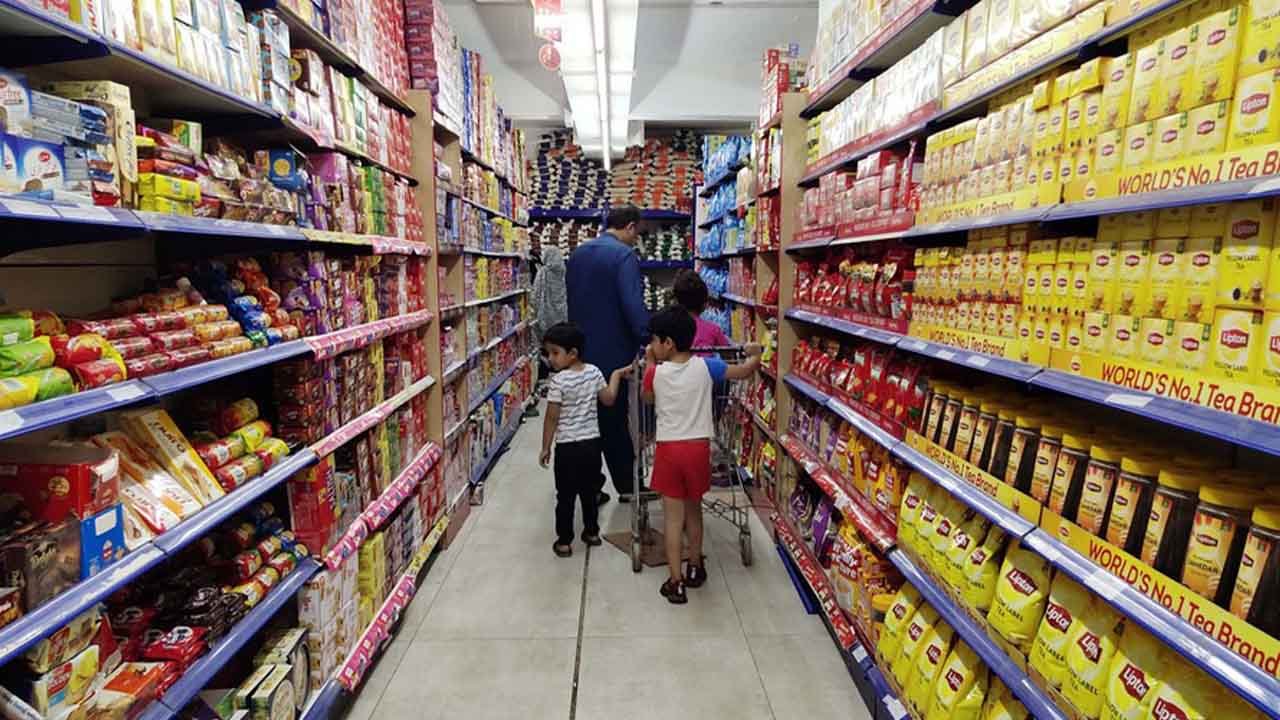
    According to data provided by the Pakistan Bureau of Statistics (PBS) on Friday, edible oil, sugar, and vegetables helped drive the weekly inflation up to 41.07 percent on an annual basis.

    Sensitive Price Index (SPI) measurements of short-term inflation were still on the high side and would go up much more once customers start to feel the full effects of increased electricity tariffs.

    The cost of bananas, chicken, sugar, cooking oil, gas, and cigarettes increased for the week ending March 2, despite a 0.30 percent weekly decline in inflation.

    Of the 51 items, 32 saw price increases, nine saw price decreases, and 10 witnessed no change in price.

    The items whose prices rose the greatest during the reviewed week in comparison to the same week last year were: onions (311.17 per cent), cigarettes (165.86 per cent), gas charges for Q1 (108.38 per cent), diesel (93.82 per cent), petrol (77.89 per cent), eggs (77.83 per cent), rice irri-6/9 (76.96 per cent), rice basmati broken (75.55 per cent), pulse moong (73.30 per cent), bananas (72.66 per cent), chicken (64.70 per cent) and tea Lipton (64.53 per cent).

    Moreover, the highest year-on-year fall was recorded in the prices of tomatoes (56.29 per cent), chillies powdered (7.42 per cent).

    The prices of bananas (7.34 per cent), long cloth (3.44 per cent), energy saver (3.33 per cent), 1Kg vegetable ghee (2.48 per cent), gur (2.03 per cent), cooked daal (1.87 per cent), Lipton tea (1.79 per cent), match box (1.66 per cent), lawn printed (1.52 per cent), 5-litre cooking oil (1.45 per cent), and sugar (1.07 per cent) experienced the biggest week-on-week increase.

    On the other hand, the prices of onions (13.24 per cent), eggs (6.11 per cent), garlic (4.24 per cent), chicken (2.00 per cent), tomatoes (0.59 per cent), gram pulse (0.38 per cent), and potatoes (0.33 per cent) decreased compared to the previous week. However, LPG (1.84 per cent) and petrol (1.80 per cent) saw an increase in prices.

    The government, under the IMF’s conditions, has been implementing strict measures to cool the economy and curb inflation. The policy rate increase and the general sales tax increase from 17 per cent to 18 per cent are expected to further increase the retail price of consumer goods.

    To generate revenue and bridge the fiscal deficit, the government has already taken several measures, including adopting a market-based exchange rate, increasing fuel and power tariffs, withdrawing subsidies, and imposing more taxes.

    As a result of these measures, the government has revised its annual inflation rate projection from 26 per cent to 31 per cent.

  • Ishaq Dar denies reports of financial emergency amidst economic turmoil

    Ishaq Dar denies reports of financial emergency amidst economic turmoil

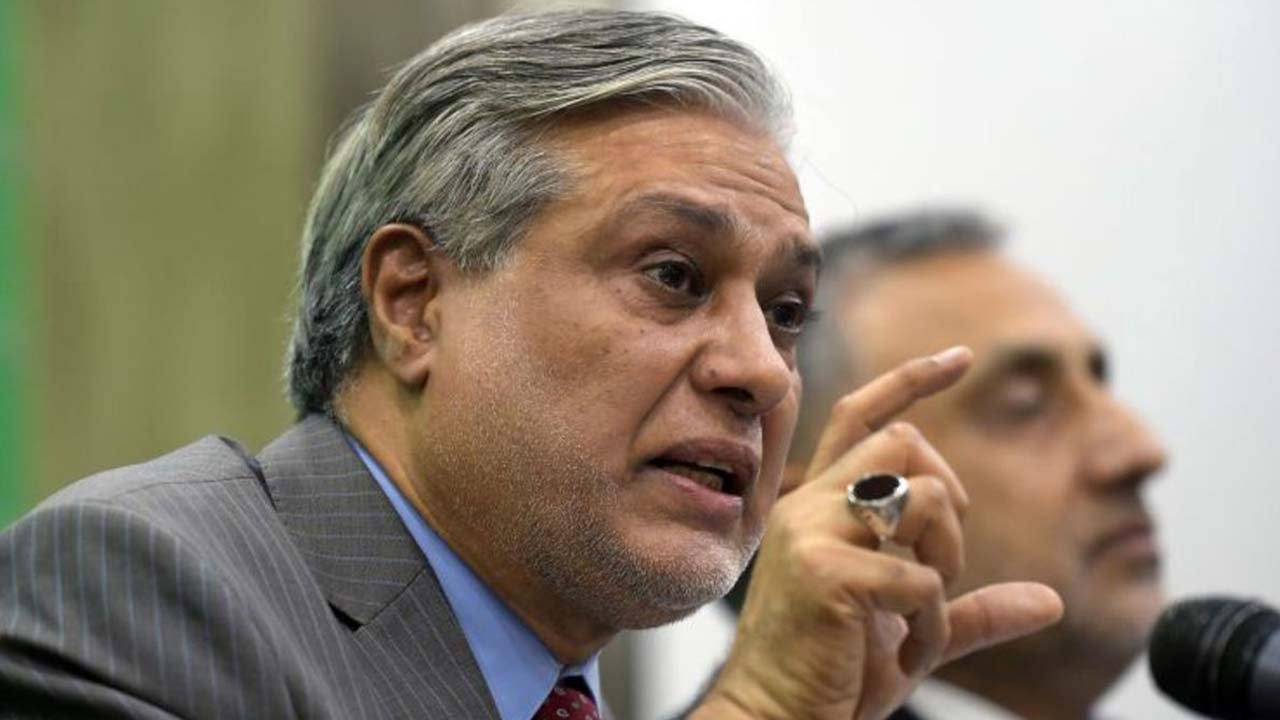
    On Friday, Federal Minister for Finance and Revenue Ishaq Dar denied reports suggesting Pakistan should impose a financial emergency, amidst constant criticism over the current economic turmoil. He berated Imran Khan-led Pakistan Tehreek-e-Insaf (PTI) for spreading “fake news” about Pakistan heading towards default. Dar blamed the previous PTI government for pushing the nation of 220 million people on the brink of default, claiming that it was the coalition government that saved the country by prioritising the state over politics.

    Dar recalled that when the Pakistan Democratic Movement (PDM) ousted Khan through a no-confidence motion, the leaders of the coalition government had decided to keep aside all political interests in the wider interest of the state. He stated that the PTI leaders have been calling him out since the rupee plunged to a historic low of Rs285.09 a day earlier while February’s inflation hit nearly a 50-year high of 31.5 per cent.

    Expressing his surprise and concerns over Khan’s continuous criticism of the coalition government, he said: “I am unable to understate whether he (Khan) has a problem in his leg or brain.” Instead of protecting the national interest, PTI’s leadership tried to sabotage the International Monetary Fund (IMF) deal, Dar said. “Khan’s attitude is selfish.”

    According to Geo, Dar reiterated that Pakistan has neither defaulted in the past nor will it default in the future. Referring to Khan’s remarks about default, the finance minister said that the PTI chairman’s statements adversely affect the country’s financial markets. He, however, admitted that the State Bank of Pakistan’s (SBP) reserves fell below $3 billion. It should be noted that the liquid foreign reserves held by the country stand at around $9 billion as of February 24 while the net reserves held by commercial banks stand at around $5.5 billion.

    The finance minister revealed that China has renewed a facility under which Pakistan expected an additional inflow of $500 million in the “next few days”. He highlighted the PDM-led government’s economic achievements, stating that the foreign exchange reserves held by the SBP climbed to $3.8 billion from $2.8 billion recorded last month. He maintained that the government returned $6.5 billion of foreign debt during the current fiscal year.

    Dar drew a comparison between the economic performance of nearly four years of PTI and almost 11 months of PDM-led government. He shared numeric data to prove that Khan and Co. did everything to “destroy the country,” but the numbers show who is sincere with the country. Dar argued that the opposition — the PTI — has not really improved Pakistan’s standing. However, Pakistan will escape the economic quagmire, he said, adding that the country is making repayments to bilateral and multilateral lenders and has made payments beyond its capacity.

  • Atlas Honda announces second price hike within 20 days due to depreciation of Pakistani rupee

    Atlas Honda announces second price hike within 20 days due to depreciation of Pakistani rupee

    Atlas Honda has announced its second price increase in the last 20 days, attributing it to the substantial depreciation of the Pakistani rupee against the US dollar, which had also led to their earlier bike price hike on February 15, 2023.

    According to the company’s notification, Honda bike prices will be as follows:

    Honda CD70

    The Honda CD70 will now cost Rs144,900, an increase of Rs7,000 from the previous price of Rs137,900.

    Honda CD 70 Dream

    The Honda CD 70 Dream will now cost Rs155,500, an increase of Rs8,600 from the previous price of Rs147,500.

    Honda Pridor

    The new price of the Honda Pridor is Rs190,500, an increase of Rs9,000 from the previous price of Rs181,500.

    Honda CG 125

    The Honda CG 125 will now cost Rs214,900, an increase of Rs9,000 from the previous price of Rs205,900.

    Honda CG 125 SE

    The Honda CG 125 SE will now cost Rs255,900, an increase of Rs12,000 from the previous price of Rs243,900.

    Honda CB 125F

    The Honda CB 125F will now cost Rs350,900, an increase of Rs20,000 from the previous price of Rs330,900.

    Honda CB 150F

    The Honda CB 150F will now cost Rs443,900, an increase of Rs25,000 from the previous price of Rs418,900.

    Honda CB 150F SE

    The Honda CB 150F SE will now cost Rs447,900, an increase of Rs25,000 from the previous price of Rs422,900.

    This is the second price hike within the last 20 days, which has further eroded the purchasing power of the middle class that is already struggling due to inflation. With car and bike prices on the rise, the common person is finding it increasingly difficult to afford their daily means of transportation.

  • Pakistani rupee bounces back after steep decline against dollar

    Pakistani rupee bounces back after steep decline against dollar

    During the early hours of trading on Friday, the Pakistani rupee (PKR) saw a significant recovery against the US dollar, with an increase of 4.51 per cent. The inter-bank market quoted the PKR at Rs272.78 by 11:50 am, representing an increase of Rs12.31 against the US dollar.

    This follows a steep decline of 6.66 per cent or nearly Rs19 to settle at an all-time low of Rs285.09 against the US dollar on Thursday.

    On Thursday, the State Bank of Pakistan’s Monetary Policy Committee (MPC) raised the key policy rate by 300 basis points (bps) to 20 per cent, aiming to curb inflation.

    The committee also emphasized the need for energy conservation measures to ease pressure on the external account and meet import requirements. The MPC expects this decision to stabilize inflation expectations and bring it to a medium-term target of 5 per cent-7 per cent by end-FY25.

    Globally, the US dollar eased back from a 2-1/2-month high against the yen on Friday, and weakened toward its first weekly loss since January against major peers. This comes as traders tried to gauge the path for Federal Reserve policy.

    According to Geo, the dollar index, which measures the currency against the yen, euro, and four other major peers, fell 0.11 per cent to 104.85, from its peak of 105.36 earlier this week. The index has decreased by 0.36 per cent since last Friday.

    Meanwhile, oil prices, a critical currency parity indicator, dropped on Friday, but remained poised for a weekly gain due to renewed optimism regarding China’s demand recovery, outweighing concerns over growing crude inventories in the US and tighter monetary policy in Europe.

    This is an intraday update.

  • Rupee depreciation may lead to an increase in petroleum prices, says Musadik Malik

    Rupee depreciation may lead to an increase in petroleum prices, says Musadik Malik

    Dr Musadik Malik, the State Minister for Petroleum, issued a warning on the potential increase of petroleum product prices due to the significant decline in the value of the Pakistani rupee against the US dollar.

    During an appearance on the Geo News program “Capital Talk” on Thursday, Dr Malik stated that the depreciation of the rupee could lead to an upsurge in the prices of petroleum products in the upcoming days. He also shared that the negotiations between Pakistan and Russia on oil imports were progressing well.

    According to Dr Malik, the sudden increase in the US dollar’s price was due to political instability, making it difficult to govern the country in such an uncertain environment. Notably, during the last fortnight’s review, Finance Minister Ishaq Dar announced a reduction in petroleum prices.

    As a result, the government cut the price of petrol by Rs5 per litre, setting it at Rs267 per litre, while the price of diesel remained steady at Rs280 per litre.

    In addition, the price of light diesel oil decreased by Rs12 per litre, bringing it down to Rs184.68 per litre. Furthermore, the cost of kerosene oil was reduced by Rs15 per litre, bringing its price to Rs187.73.