Category: Business

The most important business news, explained in a young, easy to understand way. News that affects young career professionals.

  • Latest gas price hike will hit the rich, not the poor: Petroleum Minister

    Latest gas price hike will hit the rich, not the poor: Petroleum Minister

    Minister of State for Petroleum Dr Musadik Malik stated that the latest hike in gas tariff was implemented without imposing a burden on the low-income segment. In a media briefing, he added that the government separated the poor and rich segments to protect low-income individuals from its impact.

    However, Malik admitted that the low-income segment in Pakistan is facing tough times. He also shared that 60 per cent of the Pakistani public will remain unaffected by the gas price hike, and the low-income segment might even see a decrease in their bills.

    Malik agreed with former finance minister Miftah Ismail that Pakistan is experiencing elite capture. He emphasized that Pakistan is different for the high-income and low-income segments, and the gas tariff has mostly increased for the high-income segment.

    During the speech, Malik criticised the developed countries for fancying development and progress, which he believed have put most of the world’s population – nearly 5 billion – at peripheries.

    According to Dawn, the minister said that the development has not been inclusive and countries like Pakistan were paying the price despite having “zero” contribution in carbon emissions and lately, it became the third most affected country from global warming.

    He made these comments after the government raised gas prices in line with the International Monetary Fund’s recommendation. As a result, the weighted average cost of gas has increased by 43 per cent from Rs620 to Rs885 per million British thermal units.
  • Pakistan impresses IMF with speedy implementation of agreed measures

    Pakistan impresses IMF with speedy implementation of agreed measures

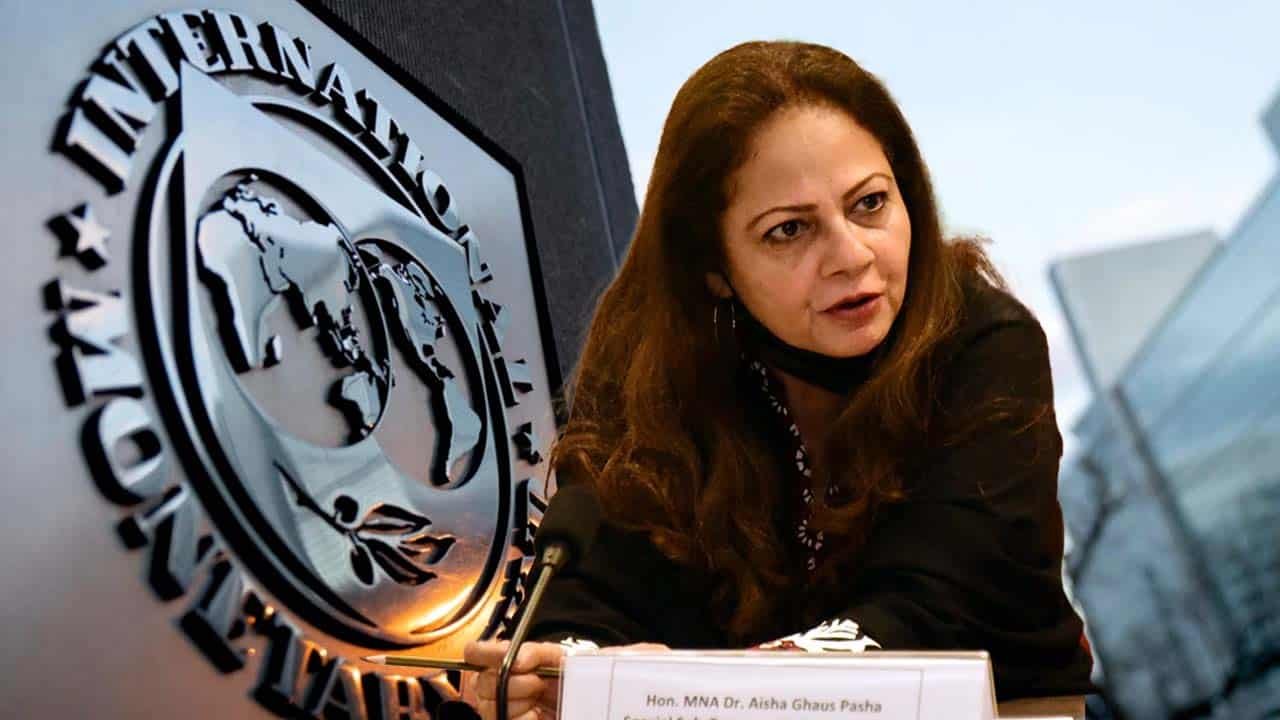
    During a press conference at the Parliament House on Thursday, Aisha Ghaus Pasha, the Minister of State for Finance and Revenue, announced that the International Monetary Fund (IMF) is not only satisfied with the Pakistani government’s measures to generate an additional Rs170 billion in revenue through the supplementary finance bill, but is also surprised by the speedy implementation of the agreed measures.

    The revenue measures, which were agreed upon with the IMF, have already been put in place. Pasha added that the IMF is also engaged with Pakistan’s friendly countries, including Saudi Arabia, the UAE, and China, with respect to the country’s external financing needs and will update the Executive Board accordingly.

    The minister further stated that discussions with friendly countries on external financing are ongoing, and progress is being made. Virtual talks with the IMF are expected to be held late Thursday night to discuss the Memorandum of Economic and Financial Policies (MEFP), and the government has submitted further clarification to the draft of the MEFP. Pasha noted that the finalization of the MEFP would not take a long time.

    Pasha had earlier briefed the Senate Standing Committee on Finance and shared that the culture of giving subsidies in Pakistan is an old one that needs to end.

    Senator Mohsin Aziz suggested that instead of increasing taxes on luxury items, a ban should be imposed on their import to prevent smuggling. Pasha explained that the government had first considered a total ban on luxury item imports, but the WTO, the IMF, and other international agencies were against it.

    While agriculture income tax is a provincial matter, Pasha emphasized that the sector needs to contribute to the economy. She also stated that, as part of the austerity measures, a scheme is under consideration to enforce the manufacturing of electric vehicles, and the government is deliberating on the financing mode to bridge the gap. Overall, the government has worked quickly on implementing prior actions and commitments to the IMF program.

  • Pakistan’s forex reserves increase by 9%, cross $3 billion mark

    Pakistan’s forex reserves increase by 9%, cross $3 billion mark

    After declining for three weeks in a row and losing a cumulative $1,685 million during that period, the foreign exchange reserves held by the State Bank of Pakistan (SBP) have rebounded, according to a statement from the central bank.

    As of February 10, SBP’s foreign currency reserves totaled $3,192.9 million, which is up $276 million from the previous week. This increase represents a gain of over 9 per cent and has broken the streak of declining reserves.

    However, even with this increase, the amount is still only enough to cover one month of imports. Meanwhile, the net forex reserves held by commercial banks are $5,509.3 million, which is $2,316.4 billion more than SBP, bringing the total liquid foreign reserves of the country to $8,702.2 million. The statement did not provide a specific reason for the increase in SBP-held reserves.

    Pakistan’s economy is in dire straits due to a balance-of-payments crisis, political chaos, and deteriorating security. The government has banned all but essential food and medicine imports until it receives a crucial loan tranche from the International Monetary Fund (IMF), which could unlock other sources of funding for the country.

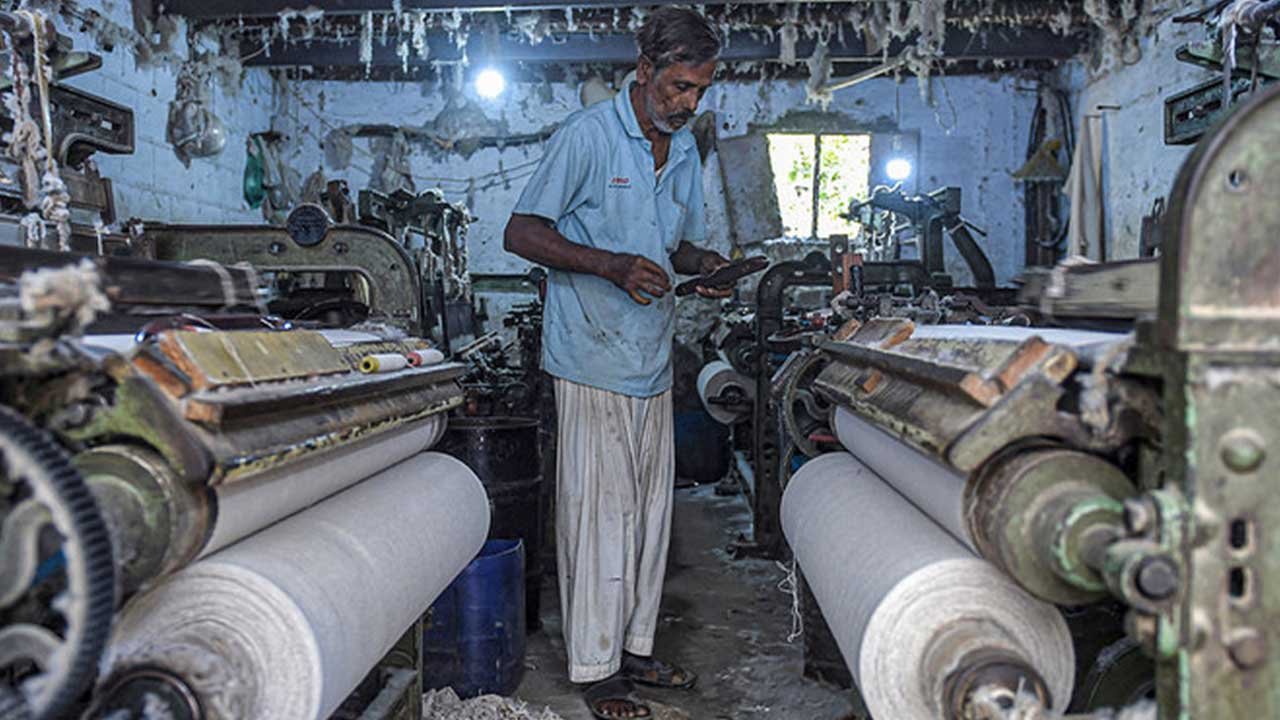
    Inflation has risen sharply, the rupee has declined, and the country is struggling to afford imports, which has caused a severe decline in its industry. Pakistan is no longer issuing letters of credit, except for essential food and medicine, since January, which has led to a backlog of raw material imports that the country can no longer afford.

    According to Geo, the rupee devaluation and the logjam have resulted in a significant decline in manufacturing, including textiles and steel, and building projects.

    While the IMF cash injection alone will not be enough to rescue Pakistan, the government hopes that it will boost confidence and pave the way for other friendly countries like Saudi Arabia, China, and the UAE to offer additional loans.

  • Imported mobiles priced above $500 to become more expensive under proposed GST of 25%

    Imported mobiles priced above $500 to become more expensive under proposed GST of 25%

    The Federal Board of Revenue (FBR) has put forward a proposal to significantly augment the sales tax on imported mobile phones.

    This proposal is part of the Finance (Supplementary) Bill, 2023, which incorporates amendments to the Ninth Schedule of the Sales Tax Act 1990, specifically focusing on mobile phones.

    As per the proposed bill, a sales tax of 25 per cent would be applicable on premium mobile phones that are imported and have a value of more than Rs132,000 ($500).

    The proposed amendment entails an increase in sales tax from 17 per cent to 18 per cent for imported mobile phones with an import value ranging from Rs53,000 ($200) to Rs132,000 ($500).

    It is noteworthy that this range includes two distinct categories within the Ninth Schedule, namely $200-$350 and $350-$500.

    It has been announced that the sales tax rate for imported mobile phones with a value up to $200 will remain unchanged. No proposed changes have been put forward for this import value category.

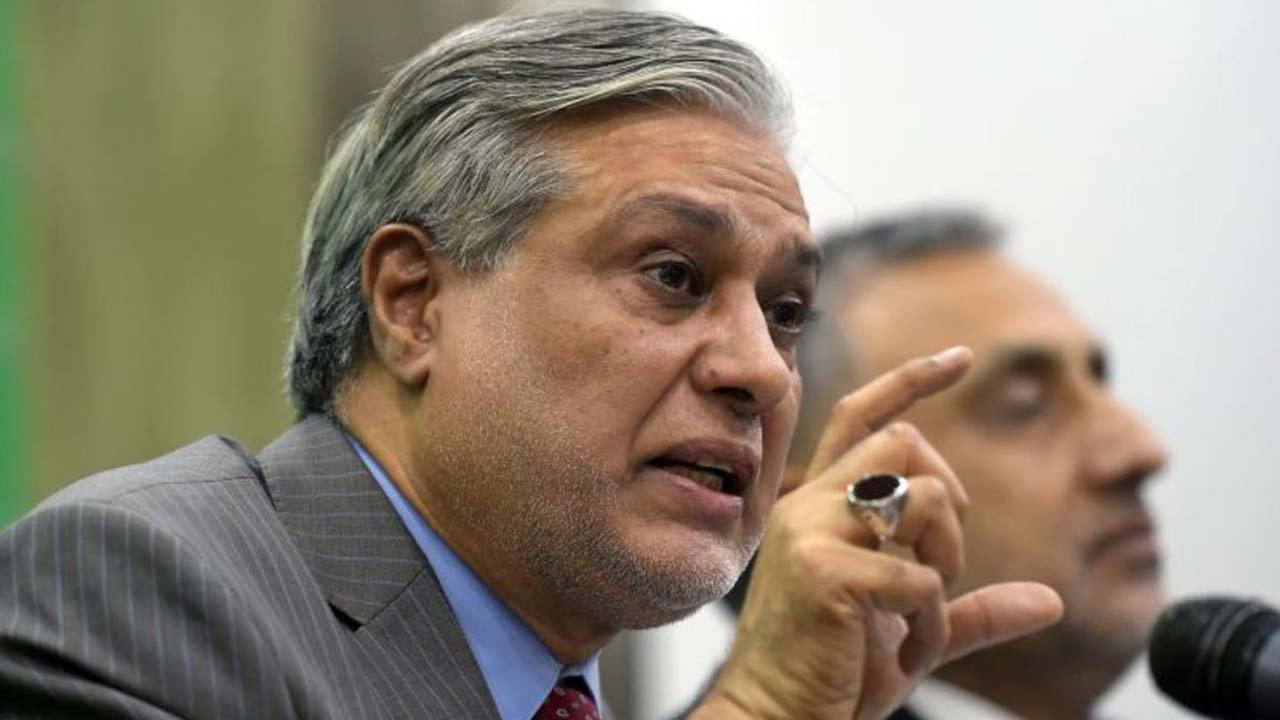
  • Ishaq Dar presents mini-budget in National Assembly to meet IMF conditions

    Ishaq Dar presents mini-budget in National Assembly to meet IMF conditions

    A crucial tax amendment bill to fulfil the conditions of the International Monetary Fund (IMF) to revive a stalled loan programme that the country needs to stave off default was presented in both houses of parliament on Wednesday.

    Finance Minister Ishaq Dar introduced the Finance (Supplementary) Bill 2023 first in the National Assembly and then in the Senate.

    The Pakistani government approved a proposal last night to increase the general sales tax (GST) rate from 17 to 18 per cent and to raise the Federal Excise Duty (FED) on cigarettes. The aim is to generate an additional Rs115 billion out of Rs170 billion, which was agreed upon by Pakistan in accordance with the IMF conditions.

    Through the implementation of the “mini-budget,” led by the Pakistan Democratic Movement (PDM)-led government, the country intends to reduce the budget deficit and enhance its tax collection efforts to meet the conditions set by the IMF, a Washington-based lender.

    The National Assembly will not be referring the bill to the Standing Committee on Finance and Revenue for further review, while the Senate has sent the legislation to the relevant committee. Officials at the Ministry of Finance have stated that they anticipate the bill to be passed by Thursday morning, which will allow for the receipt of funds not only from the IMF but also from other multilateral and bilateral sources.

    Last week, Pakistan and the International Monetary Fund (IMF) were unable to reach an agreement, and the visiting IMF delegation left Islamabad after 10 days of talks. However, negotiations are set to continue. The Pakistani economy, valued at $350 billion, is in dire need of financial assistance as it grapples with a severe economic crisis.

    In an effort to appease the IMF, the government initially intended to implement the fiscal measure via an ordinance. However, President Dr Arif Alvi recommended that the administration obtain the parliament’s approval instead.

    During his address to the lower house, Finance Minister Dar highlighted the unprecedented crises the nation is currently facing due to the “substandard” policies of the Pakistan Tehreek-e-Insaf (PTI) government. In contrast, the country had experienced economic growth during the previous government led by the Pakistan Muslim League-Nawaz (PML-N), during which the Gross Domestic Product (GDP) had increased by $112 billion.

    “The PML-N always tries to take fewer loans. Foreign investment had also increased during PML-N’s tenure. In contrast, during the PTI’s government, the loans hit record highs, and a common man’s income also plunged.”

    According to Geo, the finance minister stated that in addition to the challenges that the current government is confronting as a result of the Pakistan Tehreek-e-Insaf’s (PTI) policies, the country suffered losses exceeding $8 billion due to last year’s floods.

    “But, we should always prefer the state over politics,” he reiterated — the mantra that PDM leaders have time and again propagate as they face an uphill task on the economic front.

    This is a developing story…

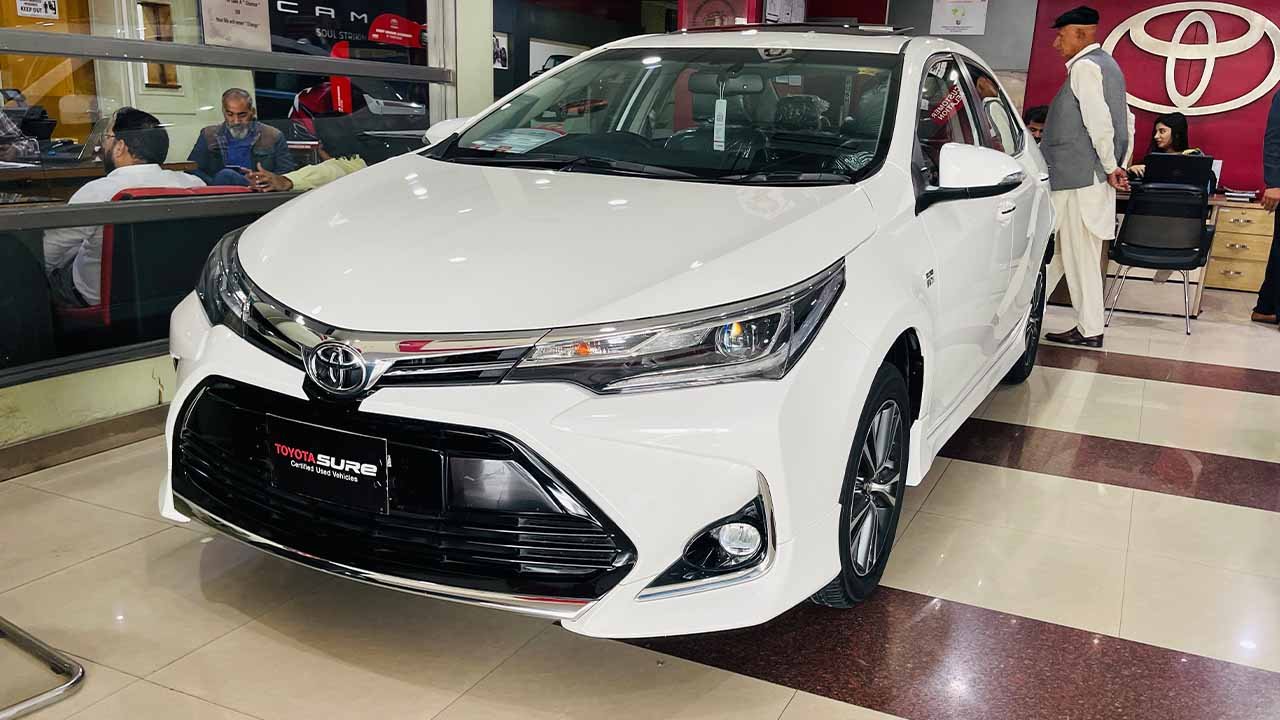
  • ‘Extreme volatile situation of Pakistani rupee’ forces Toyota to announce third price hike of 2023

    ‘Extreme volatile situation of Pakistani rupee’ forces Toyota to announce third price hike of 2023

    Indus Motor Company (IMC), the manufacturer of Toyota vehicles in Pakistan, has increased prices for its CKD vehicles lineup by upto Rs890,000.

    The price hike has been attributed to “economic uncertainties and volatility of Pakistani rupee”, according to a notice sent to dealer principals, CEOs, and sales heads by the company.

    Below are the new prices:

    Variant Old Price (Rs) New Price (Rs) Increase (Rs)
    Yaris GLI MT 1.3 4,079,000 4,279,000 200,000
    Yaris GLI CVT 1.3 4,339,000 4,549,000 210,000
    Yaris ATIV MT 1.3 4,309,000 4,519,000 210,000
    Yaris ATIV CVT 1.3 4,529,000 4,749,000 220,000
    Yaris ATIV X MT 1.5 4,649,000 4,869,000 220,000
    Yaris ATIV X CVT 1.5 4,929,000 5,169,000 220,000
    Corolla Altis X MT 1.6 5,269,000 5,529,000 260,000
    Corolla Altis 1.6 X CVT-i 5,749,000 6,059,000 310,000
    Corolla Altis 1.6 X CVT-i SE 6,319,000 6,659,000 340,000
    Corolla Altis Grande X CVT-11.8 Beige 6,609,000 6,939,000 330,000
    Corolla Altis Grande X CVT-i1.8 Black 6,649,000 6,979,000 330,000
    Revo V AT 2.8 12,239,000 12,859,000 620,000
    Revo V AT Rocco 12,899,000 13,559,000 659,100
    Fortuner 2.7 G Petrol 13,419,000 14,109,000 690,000
    Fortuner 2.7 V Petrol 15,359,000 16,159,000 800,000
    Fortuner 2.8 Sigma 4 Diesel 16,189,000 17,029,000 840,000
    Fortuner Legender Diesel 17,069,000 17,959,000 890,000

    The notice explained that the current volatile situation of Pakistani rupee against the US dollar has adversely affected the manufacturing cost of IMC, making it extremely difficult for the company to hold the current indicative retail selling prices.

    Hence, the company has decided to pass on some impact to the market. The notification stated that the prices are subject to change and prices prevailing at the time of delivery shall continue to be applicable on all orders.

    Any change in government levies and taxes (including federal excise duty, sales tax, and CVT, etc), tariffs, fiscal policies, import policies, etc., will be borne by the customers. This is the third time since January 2023 that the company has raised the prices of its CKD vehicles lineup.

    The first price hike was introduced on January 12, followed by another price increase later last month. The auto industry has been significantly impacted in recent months, with companies shutting down production plants due to the unavailability of imported raw materials and restrictions imposed by the government to curb imports.

  • Petrol, diesel prices expected to increase by more than Rs32 per litre from tomorrow

    Petrol, diesel prices expected to increase by more than Rs32 per litre from tomorrow

    The prices of petroleum products are expected to increase by more than Rs32 per litre from February 16th, due to fluctuations in the US dollar exchange rate. The current price of petroleum, oil and lubricants is set at Rs236.40 per dollar, which equates to Rs271.82 for the next fortnight. It’s worth noting that free-on-board Platt prices have seen a decline when compared to last fortnight’s pricing.

    Official and industrial sources have indicated that the price of Mogas is expected to increase by 12.8 per cent per litre, or by Rs32.07, resulting in a new price of Rs281.87 from the previous price of Rs249.8 per litre. The price of diesel is also set to rise by 12.5 per cent, or by Rs32.84, to reach Rs295.64 per litre, up from the previous price of Rs262.8 per litre.

    Kerosene oil is predicted to increase by 14.8 per cent, or by Rs28.05, bringing the new price to Rs217.88 per litre. Additionally, light diesel oil (LDO) could go up 5.3 per cent, or by Rs9.90, resulting in a new price of Rs196.90 per litre from Rs187 per litre set in the last review.

    According to The News, based on current government taxes and estimated Pakistan State Oil (PSO) incidentals, the prices mentioned above are projected. However, there is a possibility of the government adjusting the exchange rate to over Rs251, which could result in an increase of Rs15 per litre for both Mogas and diesel products. Moreover, the petroleum levy for diesel, currently standing at Rs40, may increase by Rs10 to reach Rs50 from February 16th.

    The government had set a target of earning Rs850 billion by imposing a petroleum levy on petroleum, oil, and lubricants. However, there is an estimated shortfall of Rs250 billion, and the authorities are hoping to collect a revenue of Rs600 billion.

    It’s worth noting that the government had implemented a significant increase of Rs35 per litre from February 1st, 2023, until February 15th. Presently, the government is charging Rs50 per litre as a petroleum levy, and the general sales tax (GST) has not been imposed yet.

    According to an official, the losses incurred by the refineries and oil marketing companies (OMCs) due to the exchange rate will be eliminated in a phased manner, as the government does not wish to burden consumers with the entire exchange rate at once.

    The federal government’s last review of petroleum product prices took place on January 29, 2021.

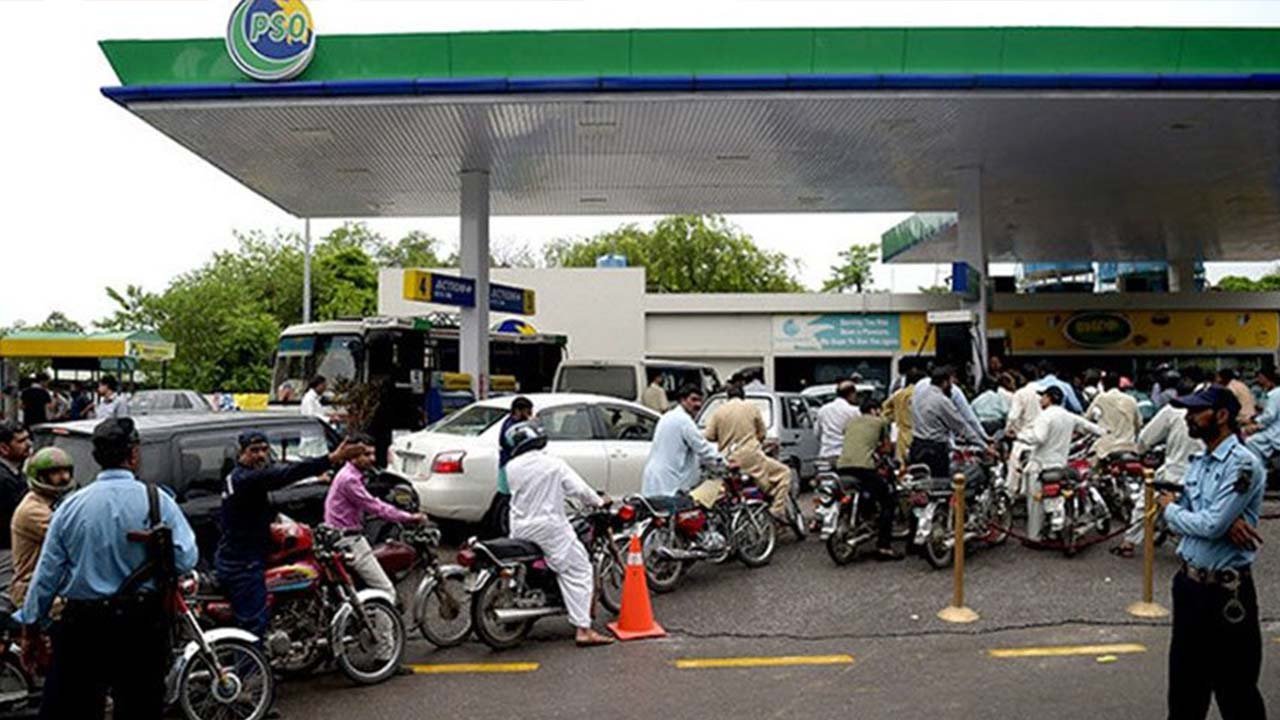
    At present, Pakistan is experiencing a shortage of petrol, with the province of Punjab, which has the largest population, bearing the brunt of the crisis. Petroleum dealers have been blamed for the situation.

    Additionally, it has been alleged that hoarders are stockpiling petrol in anticipation of a price hike scheduled for February 15th (today).

  • 2,000 Pakistani workers secured jobs in Korea through EPS, says Korean ambassador

    2,000 Pakistani workers secured jobs in Korea through EPS, says Korean ambassador

    The Ambassador of the Republic of Korea to Pakistan, Suh Sangpyo, announced on Monday that during the year 2022, approximately 2,000 workers from Pakistan secured employment in Korea through the Employment Permit System (E9).

    As per a news release issued by the embassy, the Ambassador expressed his appreciation for the increasing employment opportunities being provided to Pakistani workers through the Employment Permit System (EPS) in Korea. He also pledged to extend his embassy’s full cooperation to further expand the EPS project in the future.

    The Embassy extended its support to the Employment Permit System (E9) project by donating five units of computer equipment, namely scanners, to the sending country (OEC) free of charge. The scanners can be utilised for multiple purposes, including passport scanning.

  • Car sales in Pakistan drop by 65% due to low purchasing power, supply chain disruptions

    Car sales in Pakistan drop by 65% due to low purchasing power, supply chain disruptions

    According to data from the Pakistan Automotive Manufacturers Association (PAMA), passenger car sales in Pakistan experienced a significant decline of 65 per cent in January 2023 compared to the same period the previous year. This was attributed to a shortage of raw materials, low purchasing power, and price surges.

    With the exception of Suzuki’s Swift, sales of all other variants of cars, trucks, buses, tractors, pick-ups, and three-wheelers, as well as two-wheelers, also dropped in January 2023.

    The seven-month sales data for FY23 showed a 43 per cent drop compared to the same period last year, with passenger car sales decreasing by 65 per cent to 6,021 units. In January 2023, engine-wise sales data showed that sales of 1,300cc and above cars were recorded at 4,207 units, down 55.5 per cent compared to the same period last year. Additionally, 1,000cc cars recorded sales of 1,214 units, a decrease of 55.2 per cent from the same period the previous year.

    In January 2023, sales of passenger cars with engines less than 1,000cc plummeted to 600 units, down 88 per cent from 4,820 units sold in the same period last year.

    Sales of Suzuki’s new Alto were particularly hard hit, dropping to 44 units from 3,864 units last year, as the company was unable to produce any due to raw material shortages. Commercial vehicle sales were also impacted, with buses and trucks declining to 470 units from 778 units in January 2022.

    Despite this, the sale of jeeps and pickups increased to 4,846 units from 3,625 units sold last year, largely due to an increase in sales of Honda BR-V and HR-V. Tractor sales, on the other hand, decreased to 3,406 units from 4,966 units in January 2022.

    Meanwhile, sales of rickshaws and motorcycles dropped to 109,558 units from 153,658 units in the same period last year. According to Topline Securities, Pakistan’s overall car sales, including those of non-PAMA members, stood at around 11,500 units, down 37 per cent from the previous month, primarily due to Pak Suzuki’s inability to produce due to the non-availability of CKD parts.

    In January 2023, the automotive industry in Pakistan experienced a 47 per cent year-on-year drop in sales, contributing to a 39 per cent decline in sales for the first seven months of FY23. According to Sunny Kumar, an analyst for Topline Securities, this is due to rising car prices, costly auto financing, and limited consumer purchasing power.

    Pak Suzuki (PSMC) was hit particularly hard, with sales falling to 2,946 units, the lowest level since April 2020, largely due to a credit letters issue. In contrast, Hyundai sales increased 81 per cent month-on-month, with Tuscon sales up 69 per cent and Sonata sales up 241 per cent in January 2023. In the tractor sector, Millat Tractors and Al-Ghazi Tractors recorded increased sales in January 2023 compared to the previous month.

    However, the industry’s overall sales have dropped by 53 per cent YoY to 14,919 units in 7MFY23, affected by floods, plant shutdowns, higher prices, and low consumer purchasing power.

  • Petrol price likely to rise by Rs20 per litre in upcoming review

    Petrol price likely to rise by Rs20 per litre in upcoming review

    Oil industry sources report that there may be a Rs20 per litre increase in petrol prices at the upcoming review on February 15, 2023. The increase is based on calculations of the international price of petrol, specifically on a free on board (FOB) basis.

    During the previous fortnightly review of fuel prices, the government implemented a substantial increase of Rs35 per litre. Currently, the government imposes a petroleum levy (PL) of Rs50 per litre, while the general sales tax (GST) has not yet been levied.

    Sources suggest that the price of petrol could increase further if the foreign exchange rate is adjusted at the next review. They noted that the exchange rate is currently unfavorable, negating any potential benefits or reductions for local consumers.

    Despite a decrease in international petrol prices, the sharp depreciation of the rupee against the dollar has offset gains, adversely affecting domestic consumers. Additionally, the sources warned that the government may implement a Rs20 per litre adjustment to account for the exchange rate, which could result in an overall increase of up to Rs40 per litre.

    The price of diesel, as reported by sources, has not seen any increase on FOB without exchange rate adjustments. However, they stated that diesel prices could potentially increase in the next review if the exchange rate is adjusted. The government previously adjusted Rs14 per litre on diesel due to the exchange rate, but the recent appreciation of the dollar has effectively negated this adjustment from the last review.

    While global diesel prices have reportedly decreased by five to six dollars per barrel, the depreciation of the rupee prevents the government from passing on the reduction to local consumers.

    The most recent price adjustment of petroleum products was made on January 29, 2021, by the federal government. Following the review, petrol was priced at Rs249.80 per litre, high-speed diesel at Rs262.80 per litre, kerosene oil at Rs189.83 per litre, and light-speed diesel at Rs187 per litre.

    The government implemented an increase in petrol and high-speed diesel prices by Rs35 per litre each, and raised the rates of kerosene oil and light diesel oil by Rs18 per litre each on January 29, 2023.

    Pakistan is currently experiencing a shortage of petrol, with its most populous province, Punjab, being hit the hardest. The crisis has affected major and minor cities, towns, and villages in Punjab, with the shortage being attributed to petroleum dealers.

    Sources previously reported that in addition to a low import of petrol by most Oil Marketing Companies (OMCs), petroleum dealers were also involved in hoarding petrol in anticipation of an expected price increase in mid-February.