Category: Business

The most important business news, explained in a young, easy to understand way. News that affects young career professionals.

  • Punjab Flour Mills Association declares indefinite strike from today, halts flour supply

    Punjab Flour Mills Association declares indefinite strike from today, halts flour supply

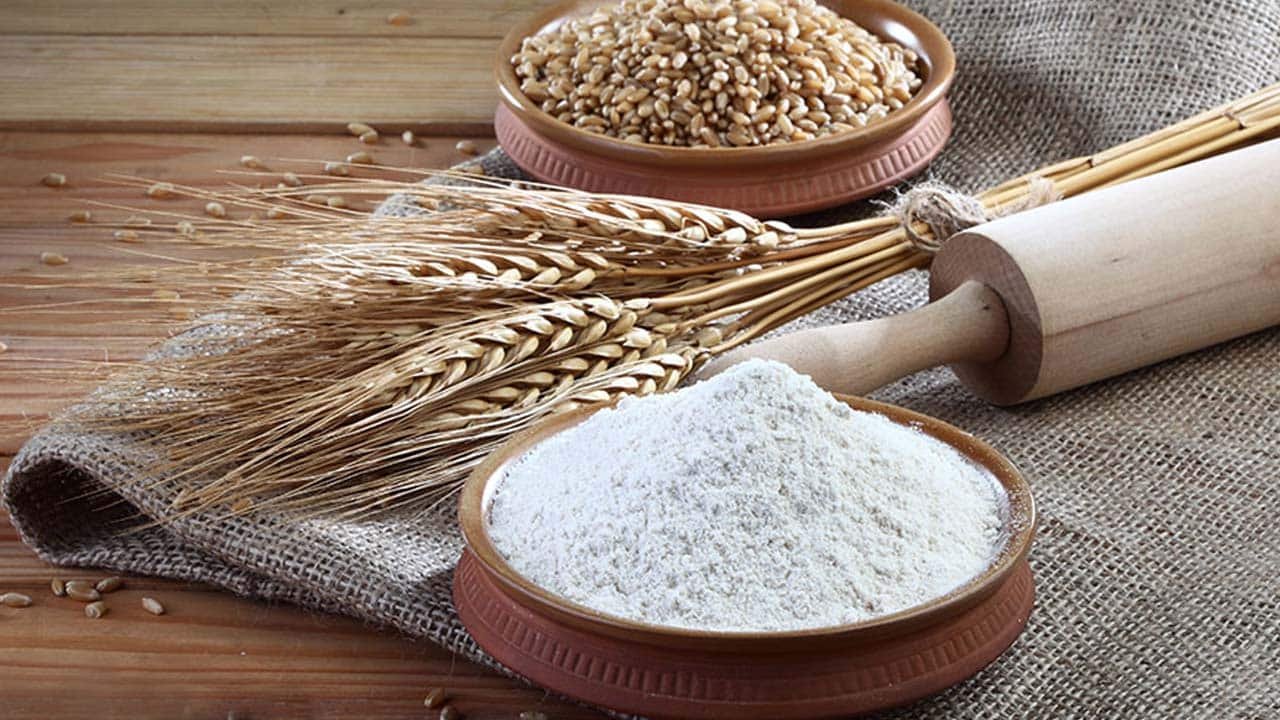
    The Punjab Flour Mills Association has declared an indefinite strike from today, disrupting the supply of flour to the market from February 14th.

    The strike is a response to the suspension of wheat quotas for over 100 flour mills by the Punjab Food Department.

    The ongoing differences between the Flour Mills Association and the Food Department have reached a boiling point following the government’s decision to suspend the quotas.

    The Chairman of the Punjab Flour Mills Association released a statement announcing that the flour mills will no longer receive wheat from the government quota, resulting in the discontinuation of the provision of affordable flour to the market.

    He also requested the Food Department to provide evidence for any alleged malpractice within the association.

    Prior to this development, the open market price of wheat in Punjab experienced a significant decrease of Rs1,200 per maund, due to the increased wheat quota and import. Market dealers report that the price dropped from Rs5,200 per maund to Rs4,000 per maund.

    As a result of a decrease of Rs1,200 per maund, the price of wheat per kilogramme in the open market has fallen to Rs100 from its previous rate of Rs130 per kg, according to ARY News.

  • Weekly inflation in Pakistan soars 35% from last year’s rates

    Weekly inflation in Pakistan soars 35% from last year’s rates

    The Pakistan Bureau of Statistics (PBS) has reported an increase in the Sensitive Price Indicator (SPI) based inflation for the week ending on February 9th, 2023. The SPI recorded a rise of 0.17 per cent due to heightened prices for both food and non-food items.

    The year-on-year trend shows an increase of 34.83 per cent mainly due to an increase in the prices of onions (507.98 per cent), chicken (93.21 per cent), diesel (81.41 per cent), eggs (79.19 per cent), rice basmati broken (68.92 per cent), petrol (68.77 per cent), rice irri-6/9 (68.26 per cent), pulse moong (66.30 per cent), tea Lipton (63.92 per cent), bananas (61.88per cent), pulse gram (56.80 per cent), bread (50.66 per cent), LPG (50.41 per cent), pulse mash (50.25 per cent) and salt powdered (46.46 per cent), while a decrease is observed in the prices of tomatoes (57.76 per cent), chilies powdered (12.43 per cent) and electricity for q1 (12.31 per cent).

    The SPI for the week under review in the above-mentioned group was recorded at 228.17 points against 227.79 points registered in the previous week, according to the latest PBS data released on Friday.

    During the week, out of 51 items, prices of 29 (56.87 per cent) items increased, 05 (9.80 per cent) items decreased and 17 (33.33 per cent) items remained stable.

    The SPI for the consumption group up to Rs. 17,732 decreased by 0.06 per cent while it increase for Rs. 17,732-22,888, Rs. 22,889-29,517, Rs. 29,518-44,175 and above Rs. 44,175 consumption group increase by 0.02 per cent, 0.10 per cent, 0.14 per cent, and 0.22 per cent respectively.

    The items, which recorded an increase in their average prices during the week over the previous include potatoes (7.15 per cent), chicken (6.94 per cent),  bananas (6.53 per cent), vegetable ghee Dalda/Habib or other superior quality 1 kg pouch each (5.67 per cent), rice basmati broken (3.80 per cent), rice irri-6/9 (3.64 per cent), LPG (3.06 per cent), vegetable ghee Dalda/Habib 2.5 kg tin each (2.71 per cent), cooking oil Dalda or other similar brands (sn), and 5 liter tin each (2.60 per cent).

    Other items which recorded an increase are pulse mash (2.42 per cent), cigarettes capstan 20’s packet each (2.25 per cent), garlic (2.20 per cent), pulse moong (2.20 per cent), mustard oil (2.20 per cent), powdered milk Nido 390 gm polybag each (1.88 per cent), pulse gram (1.87 per cent), curd (1.83 per cent), tea prepared (1.77 per cent), milk fresh (1.52 per cent), matchbox (1.47 per cent), Sufi washing soap (1.39 per cent), bread plain (1.25 per cent), pulse masoor (1.23 per cent), energy saver Philips (0.79 per cent), salt powdered (0.65 per cent), firewood whole 40 kg (0.60 per cent), cooked daal (0.52 per cent), gur (0.31 per cent) and cooked beef (0.09 per cent).

    The commodities, which recorded a decrease in their average prices included onions (9.83 per cent), tomatoes (5.40 per cent), eggs (3.40 per cent), wheat flour bag 20 kg (2.71 per cent), and sugar (0.31 per cent).
  • Flour mill owners in Punjab threaten to suspend market supplies on February 14

    Flour mill owners in Punjab threaten to suspend market supplies on February 14

    The owners of flour mills have threatened to go on strike, halting supplies to the markets on February 14th, and are demanding that the Punjab food department immediately meet their demands.

    The Chairman of the Pakistan Flour Mills Association (PFMA) Punjab chapter, Chaudhry Iftikhar Ahmad Mattu, has issued a warning of a planned strike on February 14th if the provincial food department does not address their demands.

    During a press conference, the Chairman of PFMA Punjab Mattu criticised the inappropriate behavior and incorrect policies of the provincial food secretary.

    According to ARY News, the Chairman stated that the wrong policies of the food secretary have impacted the supply of flour, leading to the closure of multiple flour mills. He further announced that the flour mills will stop receiving wheat quota from the government starting from February 13th.

    In addition, Chaudhry Iftikhar Ahmad Mattu announced that the flour mills will cease supplies to the market on February 14th and proceed with a strike, unless their demands are promptly met by the Punjab food department. Meanwhile, the Karachi Dairy and Cattle Farmers Association declared its intention to raise milk prices by Rs20 per litre, effective from February 11th.

    In a statement from the Karachi Dairy and Cattle Farmers Association, the spokesperson attributed the price hike of milk to the increased cost of fuel and fodder. The official rate for milk has been set at Rs180 per litre, however, it is being sold for Rs190 in the city.

    With the increase, the price per litre of milk will rise to Rs210. The Commissioner of Karachi has recently ordered operations to seal dairy shops selling milk at elevated prices.

  • Big power consumers to face increased tariff due to IMF conditions

    Big power consumers to face increased tariff due to IMF conditions

    The Economic Coordination Committee (ECC) of the Cabinet approved the removal of subsidies in electricity tariffs for the export-oriented sector and the Kissan package in order to meet one of the International Monetary Fund’s (IMF) preconditions for reaching a staff-level agreement.

    Federal Minister for Finance and Revenue Senator Ishaq Dar presided over the meeting, where the revenue and fiscal measures were discussed to fulfill the IMF’s demands.

    The recently concluded 10-day IMF mission in Islamabad had energy sector reforms and reducing the circular debt as the main focus of the talks. However, the IMF team left without signing an agreement and requested that Pakistan take corrective measures. The ECC meeting was convened to evaluate the situation and implement necessary steps.

    The government approved a revised Circular Debt Management Plan (CDMP) that includes quarterly tariff adjustments, a deferred fuel price adjustment, and a surcharge of Re1 per unit for large power consumers. The approved tariff hike ranges from Rs7-8 per unit until August 2023, with the consumer base tariff expected to increase from Rs15.28 per unit in June 2022 to Rs23.39 per unit by June 2023.

    According to sources, the IMF had requested the government to raise the base tariff by Rs4.06 per unit, but this request was not approved under the revised CDMP. It is yet to be determined how the IMF’s demand was incorporated into the Memorandum of Economic and Financial Policies (MEFP) that was presented to Pakistan on February 10, 2023.

    If the IMF continues to insist on a higher base tariff, it is estimated that the Pakistani authorities will have to raise the tariff by a range of Rs9 to 11 per unit.

    The government has so far protected electricity users consuming 300 units or less from a planned tariff increase. However, the revised Circular Debt Management Plan (CDMP) does not address the IMF’s demand for a higher base tariff in order to reduce the need for an additional subsidy of Rs335 billion.

    In accordance with IMF directives, the additional subsidy requirement has been reduced from Rs675 billion to Rs335 billion, and the government has indicated that it will be included as part of the circular debt management plan.

  • Yahoo announces major layoffs, 20% of staff to be affected

    Yahoo announces major layoffs, 20% of staff to be affected

    Yahoo announced in a statement on Thursday that they will be cutting more than 20 per cent of their workforce by the end of 2023, starting with the elimination of 1,000 positions this week.

    The company, which was acquired by private equity firm Apollo Global Management in September 2021, had a headcount of around 10,000 employees at the time of acquisition, according to PitchBook data.

    However, recent reports by Axios indicate that the current headcount may be closer to 8,000 employees, with more than 1,600 workers set to lose their jobs in the latest round of cuts.

    The recent layoffs at Yahoo are part of the company’s plan to simplify its advertising unit’s operations. A spokesperson for the company stated that the strategy for the Yahoo for Business segment failed to meet the company’s expectations in all aspects. These layoffs are a step towards rectifying the situation and ensuring the business segment operates more efficiently.

    “Given the new focus of the new Yahoo Advertising group, we will reduce the workforce of the former Yahoo for Business division by nearly 50 per cent by the end of 2023,” a Yahoo spokesperson told CNBC.

    Yahoo announced that it will redirect its focus to its long-standing collaboration with Taboola, a leading digital advertising firm, to enhance its advertising services. The partnership between the two companies has existed for 30 years.

    “These decisions are never easy, but we believe these changes will simplify and strengthen our advertising business for the long run, while enabling Yahoo to deliver better value to our customers and partners,” the Yahoo spokesperson said.

    According to a statement made by a representative of Yahoo to CNBC, the company has announced plans to offer severance packages to its domestic employees who have been impacted by job loss. However, the company has not disclosed the exact amount or specifics of the severance packages being offered.

    Severance packages are typically offered by companies to employees who have been laid off or let go due to a reduction in workforce, restructuring, or other reasons. These packages typically include a combination of financial compensation and benefits, such as continued health insurance, unemployment assistance, and outplacement services.

    The size and value of the severance package will depend on factors such as the employee’s length of service, position, and company policies. In the case of Yahoo, without specific details on the size or value of the severance packages, it is difficult to determine what the employees can expect to receive.

  • Pakistani rupee strengthens by Rs2.82 against dollar, closes at Rs270.51

    Pakistani rupee strengthens by Rs2.82 against dollar, closes at Rs270.51

    The Pakistani rupee (PKR) experienced an upward trend against the US dollar in the inter-bank market on Thursday, appreciating by 1.04 per cent due to expectations surrounding the revival of the International Monetary Fund (IMF) program.

    According to the State Bank of Pakistan (SBP), the currency closed at Rs270.51 against the US dollar, reflecting an increase of Rs2.82. Despite this improvement, the currency has depreciated by 23.7 per cent during the current fiscal year against the US dollar.

    On Wednesday, the PKR also saw significant gains against the US dollar, closing at Rs273.33, reflecting an appreciation of Rs2.95 or 1.08 per cent.

    In a key development, Finance Minister Ishaq Dar said on Thursday negotiations between Pakistan and the IMF are “on track” and “we will announce good news soon”.

    Speaking to the media, Dar said talks between the two sides had entered the final round, progress has been “satisfactory” and he hopes discussions will conclude today.

    The dollar index, which measures the US currency against six rivals, was 0.029 per cent higher on Thursday at 103.460, having dropped nearly 0.3 per cent in the previous session.

    Gold prices, rose for a fourth straight session as the dollar faltered, although bullion’s outlook remained cloudy amid the comments made by Fed officials.

    Meanwhile, oil prices, a key indicator of currency parity, were broadly steady on Thursday as the prospect of higher fuel demand in China as it reopens post-COVID curbs were offset by fears that US crude stocks hitting their highest for months may signal weakening demand in the world’s number one economy.

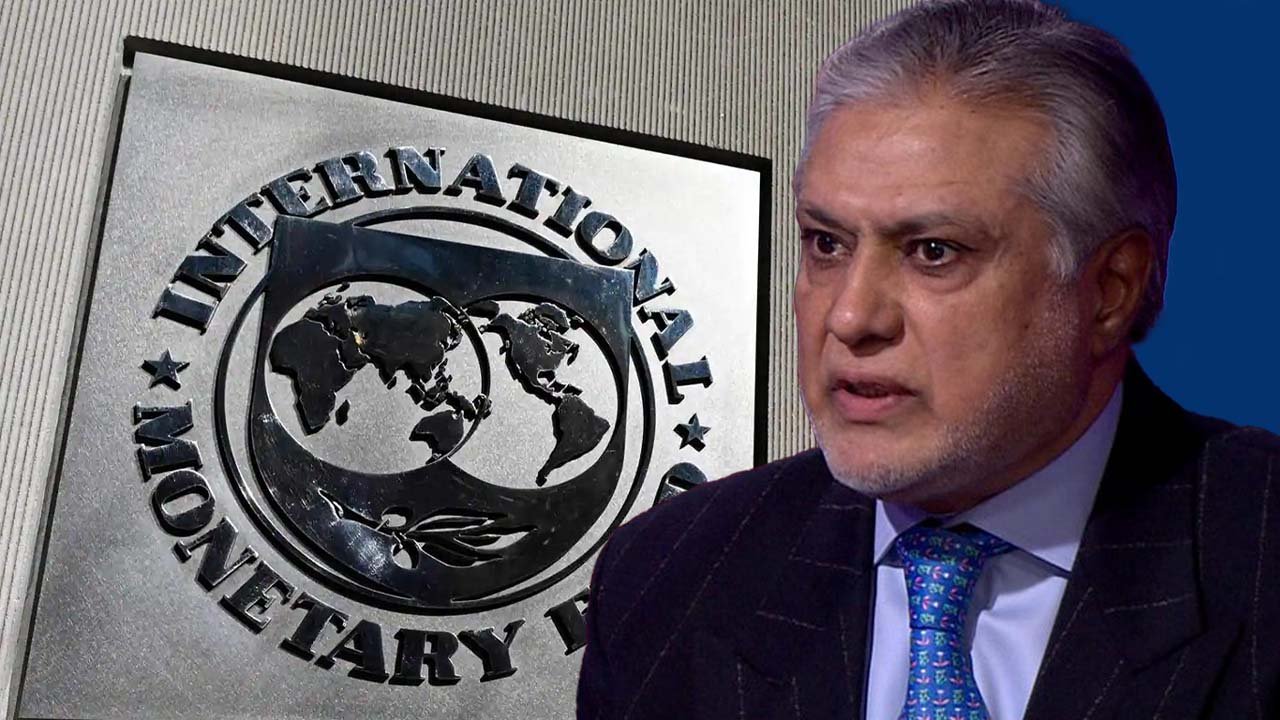
  • Everything is going alright with IMF, says Ishaq Dar

    Everything is going alright with IMF, says Ishaq Dar

    Finance Minister Ishaq Dar said on Thursday that it is expected that the matters between the government and the International Monetary Fund (IMF) regarding the conclusion of the 9th review of the $7 billion loan program will be settled today.

    “Everything is going alright,” replied the finance minister when asked about the status of the discussions with the visiting IMF delegation. “The final round is currently underway. I have daily meetings with the IMF team and will do so again today,” he added.

    “It is expected matters will be settled today,” Dar said. “We will give you the news very soon.”

    A delegation from the IMF, led by Nathan Porter, has arrived in Islamabad for discussions surrounding the completion of the ninth review. The discussions are set to conclude on the same day.

    The successful completion of the review would result in the disbursement of $1.2 billion from the IMF and also unlock additional funding from friendly nations and other multilateral lenders, which is crucial for Pakistan to avoid default.

    Minister of State for Finance and Revenue Aisha Ghaus Pasha informed journalists on Wednesday that the government and the IMF are in close proximity to finalizing the Memorandum of Economic and Financial Policies (MEFP).

    Minister of State for Finance and Revenue Aisha Ghaus Pasha stated that the Memorandum of Economic and Financial Policies (MEFP) would be delivered to Pakistan by the IMF once all issues have been resolved. The Minister noted that significant progress had been made, but added that the IMF was seeking clarification on certain aspects, which the government team is working to address.

    In a written statement, the ministry said the talks with the IMF continued on Wednesday and “focused on fiscal table, financing, etc. There is a broad consensus on the reform actions and measures”.

    Additionally, the mission chief also held a meeting with the finance minister to provide an update on the discussions. “The mission is working on putting it all together and will finalise the MEFP,” stated the finance secretary, who declined to comment on the possibility of extending the scheduled talks in order to reach a staff-level agreement.

    According to Dawn, it is of utmost importance for Pakistan to reach a agreement with the IMF, as the foreign exchange reserves have depleted to a low of $3.09 billion as of January 27th, which is only sufficient to cover 18 days’ worth of imports.

  • Punjab police seizes 1.3 million litres of illegally hoarded petrol in a crackdown

    Punjab police seizes 1.3 million litres of illegally hoarded petrol in a crackdown

    Pursuant to the warning issued by Petroleum Minister Dr Musadik Malik, the Punjab police initiated a crackdown against individuals engaged in the illicit stockpiling of petrol and diesel in several areas of the province, including Sheikhupura, Patoki, and Daska.

    The Inspector General of Punjab issued directives for strict enforcement against such practices and instructed that decisive action be taken against those found to be responsible.

    In accordance with the directives, police teams conducted raids on multiple fuel stations in Sheikhupura and Patoki, resulting in the recovery of over 1.3 million litres of petrol that had been illegally stockpiled by mafias. The contraband was found stored in underground tanks in warehouses, and over a dozen containers filled with gasoline were also seized.

    The District Police Officer, Zahid Marwat, reported that the value of the recovered gasoline exceeds 300 million rupees. He further stated that appropriate legal action, including the filing of charges, will be taken against those found to be responsible for the hoarding of fuel.

    On Wednesday, Minister of State for Petroleum, Musadik Malik, dispelled all rumors of a shortage of petroleum products in the country.

    According to ARY News, during a press conference held in Islamabad, the state minister stated that Pakistan has an ample supply of both diesel and gasoline. He issued a warning to those engaged in hoarding, stating that the government will revoke licenses for those found to be artificially creating a shortage of these products.

    The minister also sought to dispel any notion that the government is responsible for increasing the prices of petroleum products.

  • IMF should protect low-income people in Pakistan’s economic crisis: Human Rights Watch

    IMF should protect low-income people in Pakistan’s economic crisis: Human Rights Watch

    International Monetary Fund (IMF) should collaborate with the government of Pakistan to protect the economically disadvantaged by expanding social protection systems and minimizing reforms that may have adverse effects on the most vulnerable population, according to Human Rights Watch.

    The country is currently grappling with pressing issues such as inflation, poverty, inadequate governance, limited reserves, and high unemployment. Pakistan initiated discussions with the IMF on February 1st to formulate a plan to revive the economy, including securing the ninth tranche of $1.1 billion in loans from the $6.5 billion bailout.

    “Millions of Pakistanis have been pushed into poverty and denied their fundamental social and economic rights,” said Patricia Gossman, associate Asia director at Human Rights Watch.

    In addition, she emphasized that the IMF and the Pakistani government have a duty to manage this crisis in a manner that prioritizes and safeguards the well-being of low-income individuals.

    According to data from the State Bank of Pakistan (SBP), foreign exchange reserves have reached their lowest level at $3.09 billion, a decrease of 16%, sufficient to cover less than three weeks of imports.

    Pakistan is currently experiencing its highest inflation rates since 1975, with the cost of perishable food items rising by over 60% in January. In response to IMF demands, the government of Pakistan recently raised prices of petrol and diesel by Rs35 and removed the cap on the dollar, as it was a crucial condition of the IMF and the dollar should be market-driven.

    The ongoing negotiations with the International Monetary Fund (IMF) are aimed at concluding the ninth review of the IMF’s Extended Fund Facility, designed to support countries facing balance-of-payments challenges.

    The completion of this review would provide the necessary clearance for the IMF’s bailout installment, which would alleviate the severe shortage of foreign exchange and enable access to additional funding sources, including from multilateral and bilateral donors.

  • Daraz Group to reduce 11% workforce in response to challenging market conditions

    Daraz Group to reduce 11% workforce in response to challenging market conditions

    Daraz Group, an e-commerce subsidiary of Alibaba Group, will be reducing its workforce by 11 per cent in response to the challenging market conditions.

    The CEO, Bjarke Mikkelsen, noted the adverse impact of a war in Europe, significant supply chain disruptions, rising inflation, heightened taxes, and the elimination of crucial government subsidies on the company’s operations, which are in Pakistan, Bangladesh, Sri Lanka, and Nepal.

    Daraz, which was founded in Pakistan in 2012 and acquired by Alibaba in 2018, is the largest e-commerce platform in Pakistan and serves over 100,000 SMEs in the country.

    According to Ehsan Saya, Managing Director of Daraz in the country, Pakistan remains the company’s largest market with the largest number of employees across its markets.

    He adds, “almost one-third of the staff in Pakistan is from regional teams which work with teams in Bangladesh, Nepal, Sri Lanka, Myanmar, Singapore, and China.”

    Ehsan Saya confirmed to Reuters that the 11 per cent reduction in the workforce of Daraz Group will also result in an equivalent cut in its workforce in Pakistan. The group did not provide further details regarding the specific number of employees affected and further details on the restructuring.

    In a letter, CEO Bjarke Mikkelsen stated that Daraz has been able to grow its active shopper base from three million in 2018 to over 15 million currently, with an average order growth of nearly 100 per cent until last year. The company reported having access to 500 million customers in 2021 and a workforce of 10,000 employees. In the past two years, Daraz has invested $100 million in Pakistan and Bangladesh.