Category: Business

The most important business news, explained in a young, easy to understand way. News that affects young career professionals.

  • Supreme Court directs FBR to collect 50% super tax from big companies within seven days

    The Supreme Court of Pakistan has ordered organisations earning more than Rs150 million to submit 50 per cent of the super tax imposed on them to the Federal Board of Revenue (FBR) within seven days.

    A two-member bench consisting of Chief Justice of Pakistan Umar Ata Bandial and Justice Athar Minallah heard the plea filed by the FBR against an interim order issued by the Lahore High Court (LHC). The FBR’s counsel, Salman Akram Raja, informed the bench that the LHC had temporarily prohibited the FBR from collecting the tax pending a final decision.

    However, counsel for the respondents argued that the government’s super tax on corporations was unconstitutional. The Supreme Court suspended the interim order of the high court and allowed the FBR to collect 50 per cent of the super tax from these industries within seven days.

    Last year, Prime Minister Shehbaz Sharif announced the implementation of a 10 per cent super tax, also referred to as the “poverty alleviation tax,” on 13 key industries to increase tax collection. The government stated that the “tough decisions” were made to safeguard the economy.

    According to Geo, the sectors subject to the tax included cement, steel, banking, airlines, textile, automobile assembly, sugar mills, beverages, oil and gas, fertilizer, cigarettes, chemicals, and LNG terminals.

  • PM Shehbaz approves hike in gas and electricity tariffs to fulfill IMF demands

    PM Shehbaz approves hike in gas and electricity tariffs to fulfill IMF demands

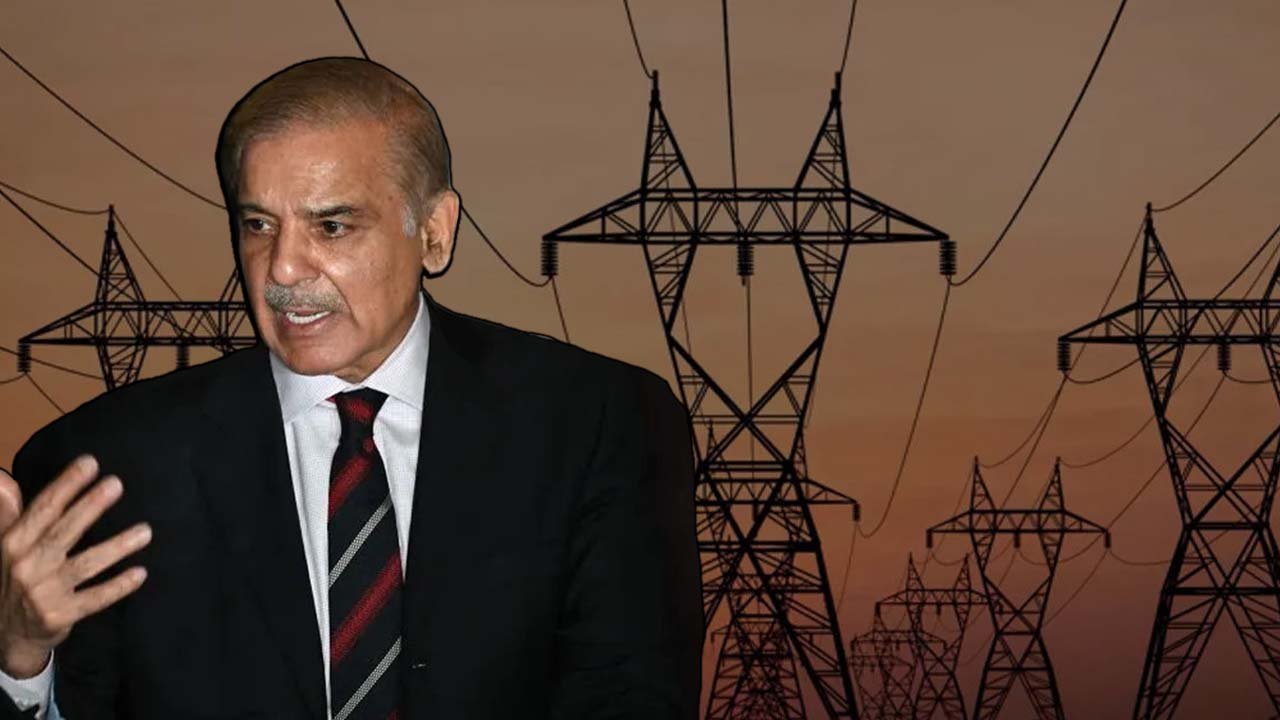
    With only three days remaining to resolve differences, Prime Minister Shehbaz Sharif approved an increase in electricity prices on Monday in an attempt to reach an agreement with the International Monetary Fund (IMF). The annual base tariff is expected to increase by approximately 33 per cent.

    The decision was made during a virtual meeting held at the Prime Minister House after the IMF maintained its stance that Pakistan must fulfill its prior commitments.

    Sources familiar with the discussions indicated that there may be an average increase of Rs7.74 per unit in the base tariffs, but the increase for higher consumption levels will be much higher. Despite this, the Prime Minister still hopes that the Power Division can negotiate with the IMF to reduce the demanded increase.

    With the Prime Minister’s approval, the revised circular debt reduction plan, which includes details of the increase in prices due to quarterly and annual base tariff adjustments, will be shared with the IMF today.

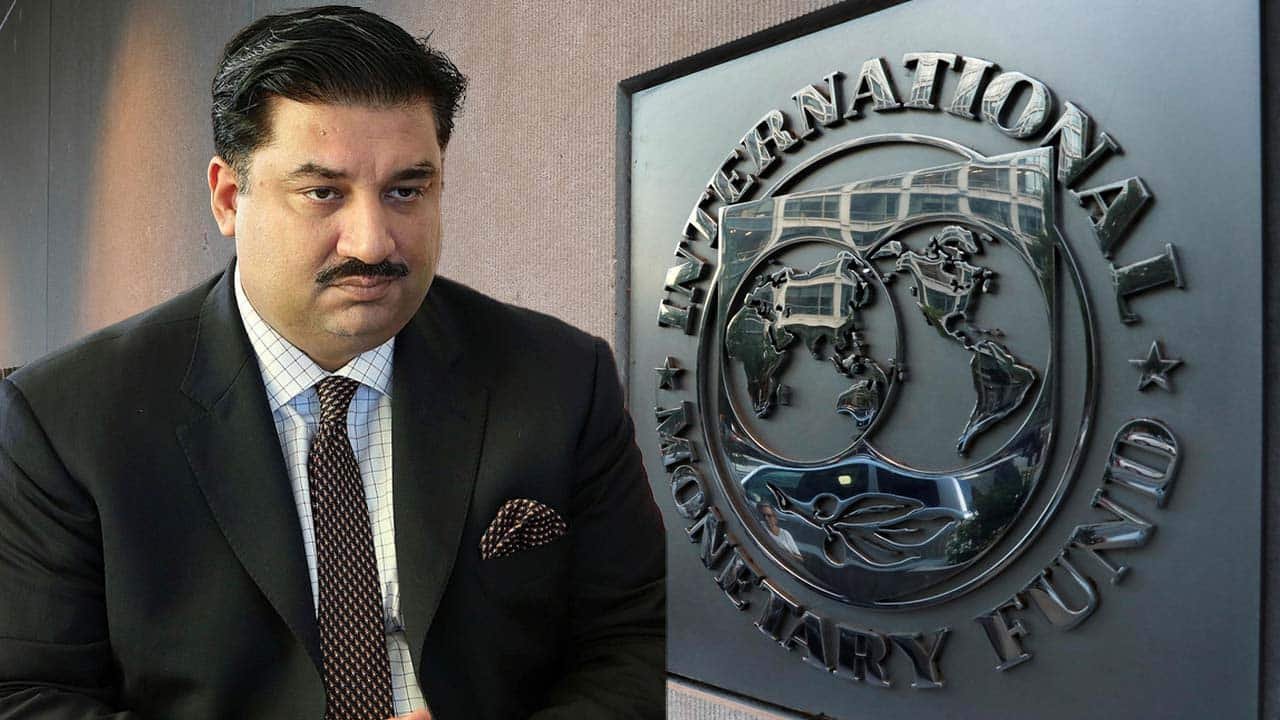
    Power Minister Khurram Dastgir declined to comment on whether the Prime Minister had agreed to increase electricity prices, including the maximum increase for high-end consumers.

    According to sources, the IMF is seeking a 50 per cent increase in prices, while the government is proposing a range of 20 per cent to 33 per cent increase. The discussions began on January 31st and the IMF delegation was in Islamabad until February 9th.

    The IMF has stated that it is in Pakistan at the request of Prime Minister Shehbaz Sharif, with the expectation that the government will implement all of its outstanding actions, including tax increases. If the IMF agrees to the measures proposed by the government, a meeting between Finance Minister Ishaq Dar and IMF Mission Chief Nathan Porter may take place the same day to finalise the measures.

    The sources stated that the Power Division presented several options for increasing tariffs to the Prime Minister, including a Rs4.26 per unit increase in quarterly tariffs and a Rs7.74 per unit average increase in the base tariff.

    The IMF has asked the government of Pakistan to increase electricity prices by over Rs12 per unit to fully cover the additional budget subsidy demand of Rs675 billion. The Power Division believes it can recover Rs43 billion with a lag from July to December 2023, reducing the need for a price hike by the same amount.

    During budget planning, the government allocated only Rs355 billion for power subsidies in the current fiscal year, but the Power Division has requested an additional Rs675 billion in subsidies, bringing the total requirement to over Rs1.03 trillion. In a recent meeting, it was noted that the delayed decision-making has increased the cost of reviving the IMF program.

    The government still hopes the IMF will consider absorbing some of the increase through subsidies, but these subsidies must be supported by additional revenue measures. The IMF also refused the government’s request to exempt up to 300 units for consumers from the price increase, remaining firm on its stance to raise prices for consumers who use 200 units or more per month.

    According to Express Tribune, the Prime Minister has given direction to implement a maximum increase in electricity prices to those with high consumption levels. However, these consumers may struggle to bear the additional cost, which is primarily due to political decisions such as subsidies for exporters and insufficient subsidies in the budget, as well as inefficiencies in the power sector.

  • Pakistan nears finalisation of IMF loan agreement: Power Minister announces positive progress

    Pakistan nears finalisation of IMF loan agreement: Power Minister announces positive progress

    Power Minister of Pakistan, Khurram Dastgir, announced that the country is close to sealing a deal with the International Monetary Fund (IMF) and that the agreement has been achieved on almost all the issues between the two sides.

    With a $350 billion economy, Pakistan is in need of a crucial installment of $1.1 billion from the IMF to avoid default. However, the IMF has identified a significant gap of approximately Rs900 billion, equivalent to 1 per cent of the country’s Gross Domestic Product (GDP), which has been a hindrance in reaching a staff-level agreement.

    Minister Dastgir reassured that the IMF has not demanded the government to cut its defense budget during his appearance on the Geo News program “Capital Talk” on Monday.

    The Minister stated that instead of cutting the defense budget, the IMF has asked the Energy Division to reduce its losses. The Fund has also emphasized the need for the government to reduce line losses in the northern, southern, and western regions of the country. The Minister emphasized that the IMF has made it clear to Pakistan that the country must establish its financial stability by increasing its tax revenues and reducing losses.

    He also mentioned that the international community is not displaying leniency towards Pakistan since the US withdrawal from Afghanistan. The Minister indicated that the country must take the necessary measures to align its financial position and meet the expectations of the IMF and the international community.

  • Petrol pumps to face strict consequences for creating artificial fuel shortage

    Petrol pumps to face strict consequences for creating artificial fuel shortage

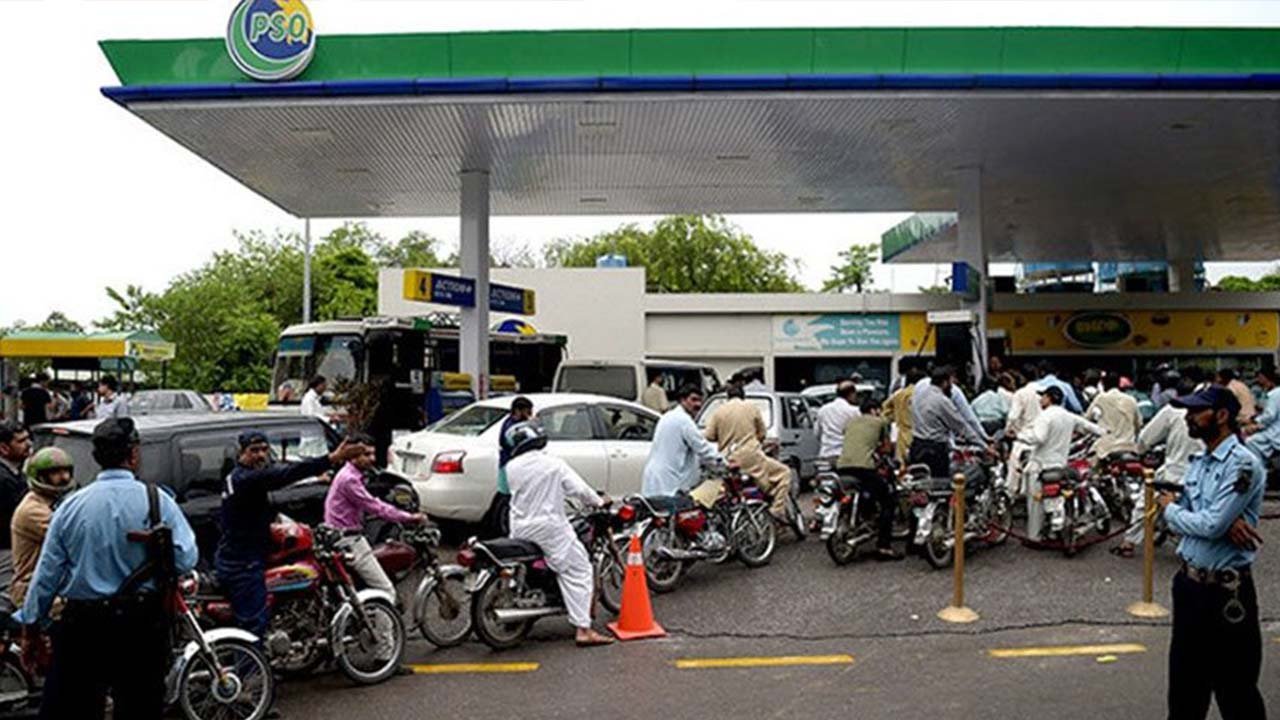
    The inflation crisis in the country has been exacerbated by an artificial fuel shortage in Rawalpindi and Islamabad. Petrol and diesel supplies have been cut off at several pumps for two days.

    Petrol pump owners were only supplying petrol of Rs250 for motorcycles and Rs500 for a car. Dealers and pump owners are causing the shortage in order to make extra profit when fuel prices are announced to increase. During the day, 60 per cent of pumps have ceased supplying fuel, rising to 80 per cent at night until midnight. The dealers and owners are waiting for the government to announce a fuel price hike until midnight.

    In response to the fuel shortage, Rawalpindi’s Deputy Commissioner, Shoaib Ali, has ordered assistant commissioners to take immediate action against petrol pumps for not supplying fuel. Despite previous fines, notices, and applications for FIRs against Oil Marketing Companies, the government has been unable to control the artificial petrol crisis in the twin cities of Rawalpindi and Islamabad and across the country. There is speculation that the government will raise fuel prices by Rs20 to Rs30 per liter, leading to over 60 per cent of dealers and pump owners halting supply for two days to increase profits. Despite having tanks filled with petrol, they have stopped supply.

    Assistant Commissioner Syed Asad Abbas informed The News that the DC has ordered strict action against petrol pump owners for causing an artificial fuel shortage for two days. The AC has begun taking action, including sealing pumps and filing FIRs against them. Residents of Rawalpindi and Islamabad have reported a lack of fuel at several petrol pumps for two days, with long lines of motorists observed at Pakistan State Oil (PSO) pumps while other pumps were not providing fuel.

    Motorists were seen frantically searching for fuel as it was unavailable at many petrol pumps in areas such as Tipu Road, Murree Road, Jhanda Chichi, Kutcherry Chowk, Adiala Road, Pirwadhai, Mall Road Saddar, Rawal Road, Jhelum Road, and others. The long lines of vehicles at petrol pumps also caused traffic congestion throughout the city.

    Petrol pump managers, speaking to The News on the condition of anonymity, confirmed that fuel supply had been cut off, with some blaming unknown reasons for the shortage. They warned that if the supply did not resume, motorists could experience severe fuel shortages in the future. Taxi drivers, who rely on daily earnings to support their families, were particularly affected by the situation and expressed strong criticism of the government for failing to provide basic services to the public.

  • Pakistani traders threaten to launch nationwide protests if new taxes imposed

    Pakistani traders threaten to launch nationwide protests if new taxes imposed

    Traders in Pakistan have threatened to launch a nationwide protest in response to the government’s potential imposition of new taxes to meet the International Monetary Fund’s (IMF) conditions. The Central Organisation of Traders has called for the government to reduce the salaries of army generals, judges, and parliamentarians instead.

    On Saturday, representatives of the Central Organisation of Traders spoke to the media in Islamabad and announced their plan for a protest movement starting on February 13th if the new taxes are introduced. The leaders of the organization warned the government that the current economic situation in the country cannot withstand further taxation of the general public and the trading community.

    They expressed dismay that the state of the economy of a nuclear country was in dire straits and the situation was worsening with each passing day, and said that the public should not suffer because of the “flaws or crimes committed by the leaders of this country.”

    “Our reaction will be severe if more taxes worth billions of rupees were imposed, as being reported in the media,” Kashif Chaudhry, the organisation’s president, said, asking the stakeholders, including the ruling elites, to make “sane decisions” if they want to improve the economy.

    Mr Chaudhry has proposed that the government reduce the expenses of high-level officials such as the President, Prime Minister, legislators, judges, army officers, and bureaucrats. He believes the government should immediately decrease “non-productive expenditures” by half.

    The trader representatives have also made demands of the government. They have called for the creation of both short-term and long-term economic policies and for more consistent income tax collection across all sectors, instead of imposing billions of dollars in new taxes.

    “I assure the government that the business community was ready to contribute to steering the country out of the current economic crises and we traders are ready to pay fixed taxes,” he said.

    Khawaja Salman Siddiqui, the chairman of the organization, criticized Finance Minister Ishaq Dar. According to Siddiqui, Dar was appointed by the PML-N to stabilize the economy and prevent the depreciation of the rupee, but he failed to deliver on his responsibilities.

    Mr Siddiqui said putting an artificial cap on the dollar’s rate led to a wide gap between the interbank and open market rates, and despite the demand to remove the cap, Mr Dar “remained stubborn and did not listen to anybody.”

    Other speakers called for the implementation of the decision of the Federal Shariat Court to make Pakistan’s economy interest-free to “eradicate exploitation in the system.”

    According to Dawn, the speakers also suggested an amnesty program that would allow wealthy individuals to repatriate their foreign wealth. The government could then borrow money from these individuals and provide them with profits instead of taking loans from the International Monetary Fund (IMF) and World Bank with unfavorable conditions.

  • Bugatti sells its last gas-powered hypercar for Rs2.97 billion, sets world auction record

    Bugatti sells its last gas-powered hypercar for Rs2.97 billion, sets world auction record

    At a Wednesday auction in Paris, Bugatti sold its final gas-only supercar for more than $10 million, breaking the previous record for a brand-new vehicle.

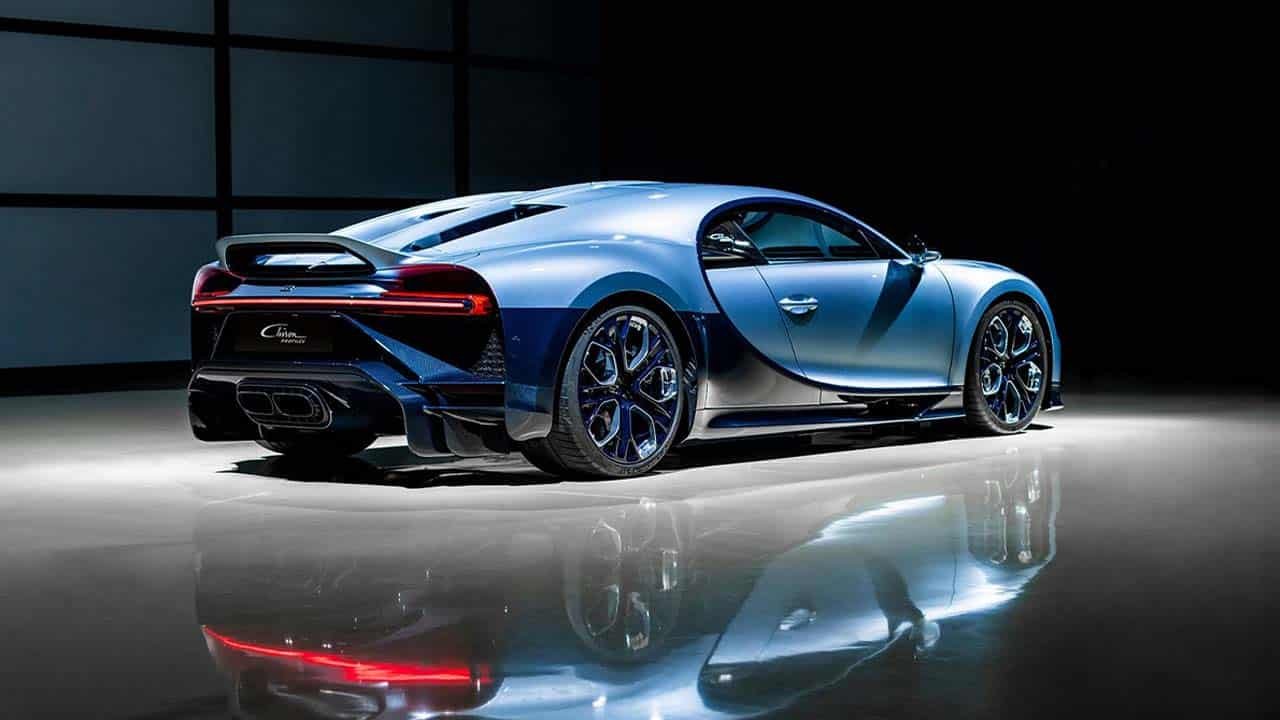
    The one-of-a-kind Bugatti Chiron Profilée, which was originally a unique development vehicle and was never intended for the market, sold at RM Paris collector auto auction for a bid of $9.5 million. The final selling price, after fees to the auction house, was around Rs2.97 billion ($10.7 million).

    The amount paid was significantly higher than the $4.5 million to $6 million that RM Sotheby’s had pegged the car’s value at. According to Hagerty, a business that monitors the market for collector cars, the eight-figure price surpasses past auction sales of new autos.

    Bidding for this gleaming blue supercar went so high because it is unique and, in cases like this, collectors “bid knowing they won’t get a second chance,” said John Wiley, manager of valuation and analytics at Hagerty.

    According to Bugatti, going from zero to 100 kilometers an hour, or 62 miles per hour in only 2.3 seconds, the Profilée is the fastest-accelerating Chiron variant. Shockingly, it’s capable of up 200 kph, or 124 mph, in 5.5 seconds. Able to reach 236 miles an hour, it also has a higher top speed than the Pur Sport, but still not as high as some other Bugatti models that can reach 300 miles an hour.

    The convertible W16 Mistral, unveiled last August, was the French ultra-luxury automaker’s prior announcement that it would be the final gas-powered vehicle it would produce. Only 99 of those cars, each costing at least $5 million, will be produced. According to Mate Rimac, CEO of Bugatti Rimac, the parent business of Bugatti, the next high-performance model from Bugatti will be a plug-in hybrid with a different kind of gas engine.

    However, it turned out that Bugatti only had one additional gasoline-only vehicle to offer for sale. However, this Bugatti was never meant to be put up for sale.

    From late 2020, the Bugatti Chiron Profilée was produced as one of numerous variations of the company’s flagship model, the Chiron. There would only ever be 500 Chirons produced, according to Bugatti. A few variations, including the Chiron Sport, Chiron Pur Sport, and Chiron Super Sport, all with different levels of top speed, acceleration, and cornering aggression, were included in that 500-strong group.

    Incredible performance was provided by the Chiron’s turbocharged 16-cylinder engine, which is capable of producing close to 1,600 horsepower, while the Pur Sport added more forceful steering, suspension, and acceleration. However, other buyers were looking for a hybrid product that offered the capabilities of the Pur Sport but with a more relaxed aesthetic.

    As a response, Bugatti’s engineers and designers began developing a new Chiron model with Pur Sport-like performance but a more ethereal, fluid appearance. In order to draw in more air to cool the massive engine, the Profilée sports a larger grille and broader front air intakes than the standard Chiron. Additionally, the transmission was altered to have shorter gear ratios for faster acceleration and greater engine speeds.

    According to Bugatti, the Profilée is the Chiron model with the fastest acceleration. It can accelerate from 0 to 100 kph, or 62 mph, in only 2.3 seconds, and from 0 to 200 kph, or 124 mph, in just 5.5 seconds. Its top speed of 236 mph is more than the Pur Sport’s but still lower than several other Bugatti models, some of which are theoretically capable of reaching 300 mph.

    The name Profilée refers to a classy teardrop-shaped body style that was employed on some well-known Bugatti automobiles in the 1930s.
  • Pakistan will have to agree to ‘unimaginable’ IMF conditions for bailout: PM Shehbaz

    Pakistan will have to agree to ‘unimaginable’ IMF conditions for bailout: PM Shehbaz

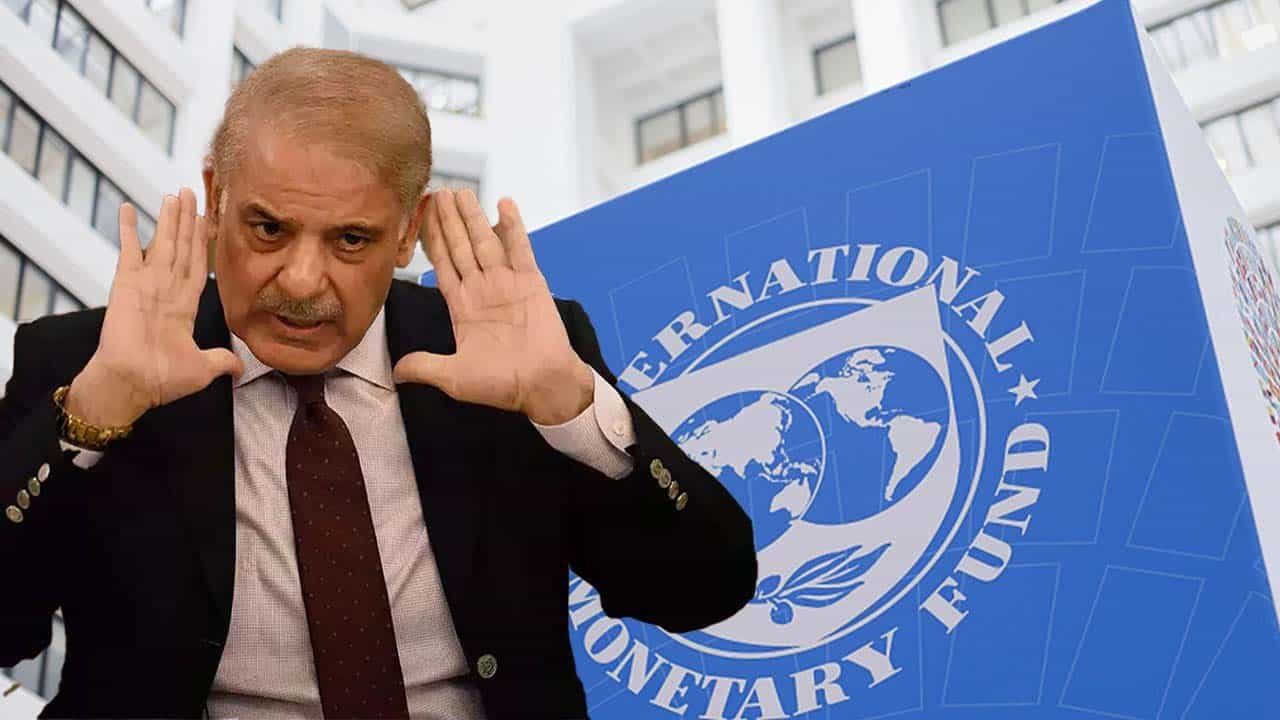
    The government will have to accept “beyond imagination” International Monetary Fund (IMF) bailout requirements, according to Pakistan’s Prime Minister (PM) Shehbaz Sharif, who made the statement on Friday in a meeting of civil and military leaders in the northwestern city of Peshawar.

    In order to avoid backlash before the upcoming elections in October, the administration has refused to implement the tax increases and subsidy reductions that the IMF has required.

    “I will not go into the details but will only say that our economic challenge is unimaginable. The conditions we will have to agree to with the IMF are beyond imagination. But we will have to agree with the conditions,” PM Shehbaz said.

    In the midst of political unrest, a deteriorating security situation, and a balance of payments crisis caused by its high levels of foreign debt, Pakistan’s economy is in terrible circumstances.

    The nation’s central bank announced Thursday that its foreign exchange holdings had decreased once again to $3.1 billion, which analysts said was just enough to cover imports for fewer than three weeks.

    On Wednesday, year-over-year inflation reached a 48-year high, making it difficult for Pakistanis to afford food products.

    With the possibility of national bankruptcy looming and no friendly countries prepared to give less painful bailouts, Islamabad started to submit to pressure ahead of the IMF visit.

    To manage a rogue illicit market in US dollars, the government relaxed regulations on the rupee, which led to the currency falling to historic lows. Additionally, artificially low gasoline costs have increased.

    A backlog of thousands of cargo containers filled with material the countrycannot afford is accumulating at Karachi port as a result of the government no longer providing letters of credit, with the exception of necessary food and medication.

    IMF advises Pakistan to fetch additional revenue

    The IMF has suggested the Pakistani government implement significant, high-quality, and long-lasting tax and non-tax revenue initiatives in order to raise extra funds to close the anticipated Rs. 600 billion fiscal framework shortfall.

    Currently in Pakistan, an IMF delegation led by Mission Chief Nathan Porter is having discussions for the ninth review, which will go through February 9.

    After months of resistance, the government was finally obliged to agree to all the terms laid forth by the Washington-based lender due to the country’s declining foreign exchange reserves and deteriorating economic circumstances.

    Following the conclusion of the negotiations under the $6.5 billion Extended Fund Facility, a staff-level agreement is anticipated.

  • Intraday update: Pakistani rupee drops to historic low of Rs278.67 against US dollar

    Intraday update: Pakistani rupee drops to historic low of Rs278.67 against US dollar

    After Finance Minister Ishaq Dar authorised a proposal for charity groups to help raise almost $2 billion from overseas Pakistanis, the Pakistani rupee (PKR) fell by over 2.5 per cent against the dollar during intraday trade on Friday, falling as low as Rs278 against the dollar.

    The rupee was trading at Rs278.67 versus the dollar in intraday trade on the interbank market around 12:50 pm, according to the Exchange Companies Association of Pakistan (ECAP).

    The local currency fell by Rs7.32 from its previous day’s closing rate of Rs271.35 to the US dollar.

    The PKR has lost Rs7 or more versus the US Dollar during intraday trade for the third time in a week.

    Bloomberg reports that Pakistani rupee and dollar bonds fell after Prime Minister Shehbaz Sharif said that the International Monetary Fund (IMF) is making life difficult for the country in the ongoing loan negotiations.

    According to information gathered by the US publication, USD/PKR increases 1.8 per cent to a record 275.0250. Bonds that are due in April 2024 were priced at 56.94 cents on the dollar, down 0.3 cents.

    Experts claim that the market is responding to news stories about the demands put forward by the IMF. In the coming days, rupee losses will intensify if Pakistan is unable to reach a staff-level agreement with the Fund.

  • First-generation Apple iPhone 2G set to sell for Rs1.36 crore at auction

    First-generation Apple iPhone 2G set to sell for Rs1.36 crore at auction

    Apple fans have the chance to own an original 2007 first-generation iPhone – if they are willing to pay the price.

    According to LCG Auctions, where the item is offered for sale, the original 2007 factory iPhone is likely to fetch an amazing $50,000 or more. It is still sealed and unopened in its factory packaging.

    The iPhone had a 3.5-inch screen, a 2-megapixel camera, and 4 or 8 GB of storage when it was originally manufactured. According to CNN, the initial phone was only offered by AT&T on a 2G network and did not have an app store. Time Magazine awarded it the Invention of the Year for 2007.

    The particular iPhone up for grabs is being consigned by its owner, Karen Green, who was gifted the Apple product when it was first released. In a 2019 appearance on “The Doctor & The Diva,” the proud owner said she was gifted the phone but never opened the package as she was happy with her current device.

    She said she held onto it hoping it would come in handy one day. On the air, her 8 GB phone was appraised at $5,000 by Ph.D. Antiques Appraiser Dr Lori.

  • Gold bounces back by Rs2,200 to Rs207,200 per tola

    Gold bounces back by Rs2,200 to Rs207,200 per tola

    As the international precious metal markets rose Thursday in response to a hawkish US Federal Reserve, investors were also drawn to gold as their available saving choices remained constrained. Pakistan’s gold price likewise maintained its impressive run.

    The price of gold (24 karats) climbed by Rs2,200 per tola and Rs1,887 per 10 grammes to settle at Rs207,200 and Rs177,641, respectively, according to data issued by the All-Pakistan Sarafa Gems and Jewellers Association (APSGJA).

    A stagnant International Monetary Fund (IMF), declining foreign exchange reserves, and a weak rupee have all contributed to the precious metal’s advances over the past two sessions. These factors will increase the price of importing gold.

    However, investors were only buying gold bars, not jewellery, which had lowered goldsmiths’ profit margins and put the labour force at risk of losing jobs as jewellery manufacturers turned to other careers in the absence of work.

    As investors continued to believe that the US Federal Reserve will end its rate-hiking cycle soon after announcing a 25-basis-point hike, gold reached a nine-month high on the international market due to a weak dollar.

    Having earlier in the day reached its highest level since April 2022, spot gold was up $31 at $1,955 per ounce.

    After a year of bigger rate hikes, the US central bank on Wednesday reduced the rate rise to a quarter percentage point. It said that the battle against high inflation had reached a turning point, but that “winning” would still require raising rates and keeping them there at least through 2023.

    Moreover, local silver prices rose by Rs50 per tola and Rs42.88 per 10 grammes to settle at Rs2,300 and Rs1,971.88, respectively.