Category: Business

The most important business news, explained in a young, easy to understand way. News that affects young career professionals.

  • Apple may launch a folding iPad in 2024: Apple analyst

    Apple may launch a folding iPad in 2024: Apple analyst

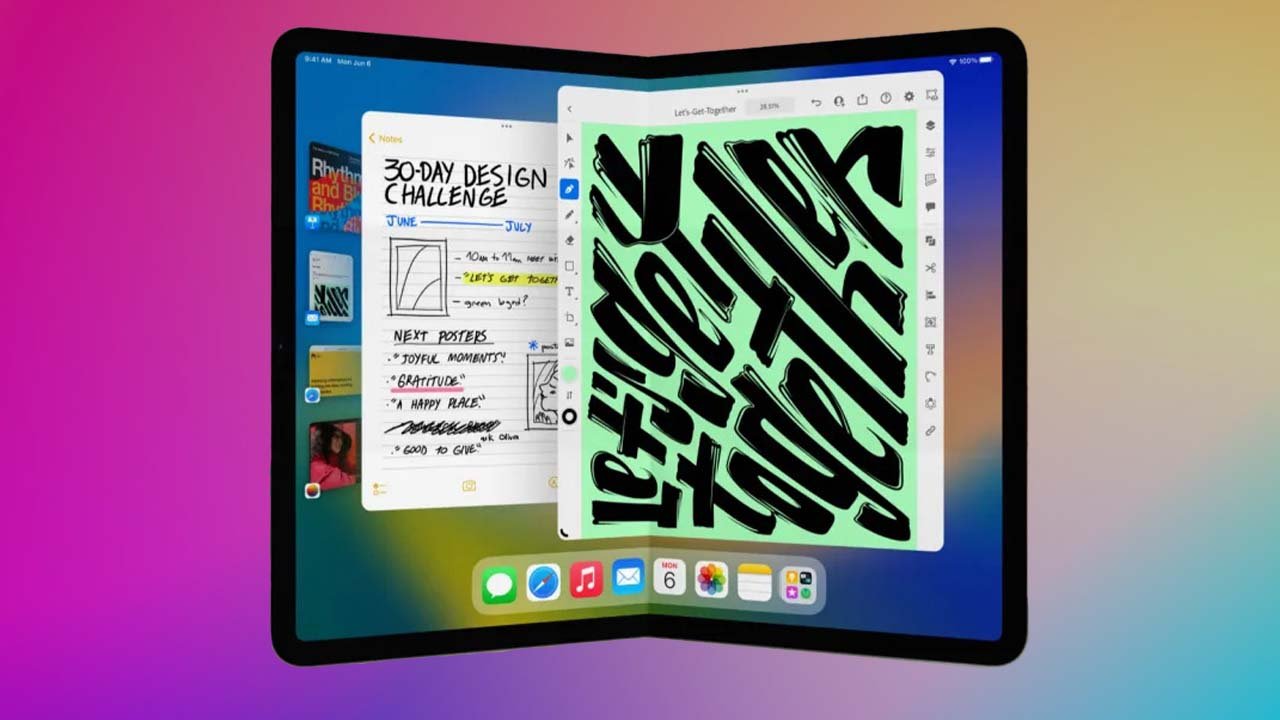
    According to a recent report by analyst Ming-Chi Kuo, Apple is expected to launch a foldable iPad in 2024. According to Kuo, the next iPad will not be released this year, and mass manufacturing of the new iPad Mini will start in Q1 of 2024.

    These iPads will be manufactured by Anjie Technology and will contain a carbon fiber kickstand at their back.

    Apple will “continue benefiting from the growing trends of foldable devices, equipped with kickstands in the future,” said Kuo.

    It’s likely that the kickstand Kuo mentioned will be fixed in the iPad case since foldables can easily stand without the need for a kickstand. On the other hand, the foldable iPad might not be as stable and need a kickstand at its back for support.

    While the tech giant is currently experiencing a 15 per cent decline in tablet shipments, analysts believe that the release of the first foldable iPad will be a big break for the company.

    The bigger displays and OLED panels of the new iPad Pro tablets, which were also introduced, are likely to make them broader for hand usage.

    A foldable tablet can significantly improve portability because it can be difficult to carry usual tablets because they often do not fit in pockets. Apple users will soon be able to carry their iPads with ease thanks to the folding iPad.

  • ‘Insufficient inventory levels’ force Toyota IMC to suspend car production for two weeks

    ‘Insufficient inventory levels’ force Toyota IMC to suspend car production for two weeks

    Due to the continuing economic crisis, Pakistan’s automobile industry is struggling much like all other businesses. In the most recent development, Toyota Indus Motor Company (IMC) has temporarily halted automobile production.

    Non-production days (NPDs) will be observed by the automaker from February 1 to February 14, 2023. Due to limited supply, the corporation will also switch to single-shift manufacturing from February 15, 2023.

    An official notification from Toyota IMC reads:

    The company and its vendors continue to face major hurdles in import of raw materials and receiving clearance of their consignments from commercial banks. This has disrupted the entire supply chain and the vendors are unable to supply raw materials and components to the company. Accordingly, the company has insufficient inventory levels, therefore, the company is unable to continue its production activities.

    Last month, the State Bank of Pakistan decided to withdraw the restrictions placed on imports with effect from January 2, 2023. The SBP said that Authorised Dealers (ADs) may prioritise or facilitate imports under essential imports, energy imports, imports by export-oriented industry, imports for agriculture inputs, deferred payment / self-funded imports and import for export-oriented projects near completion.

    However, import restrictions due to dollar shortage are still hampering many industries including the auto sector.

    The prices of Toyota IMC’s vehicles have already increased twice in a single month. The uncertainty caused by the continued economic decline is now casting doubt on the future of Pakistan’s auto sector.

  • Kia increases car prices by up to Rs1.3 million ‘due to significant devaluation of Pakistani rupee’

    Kia increases car prices by up to Rs1.3 million ‘due to significant devaluation of Pakistani rupee’

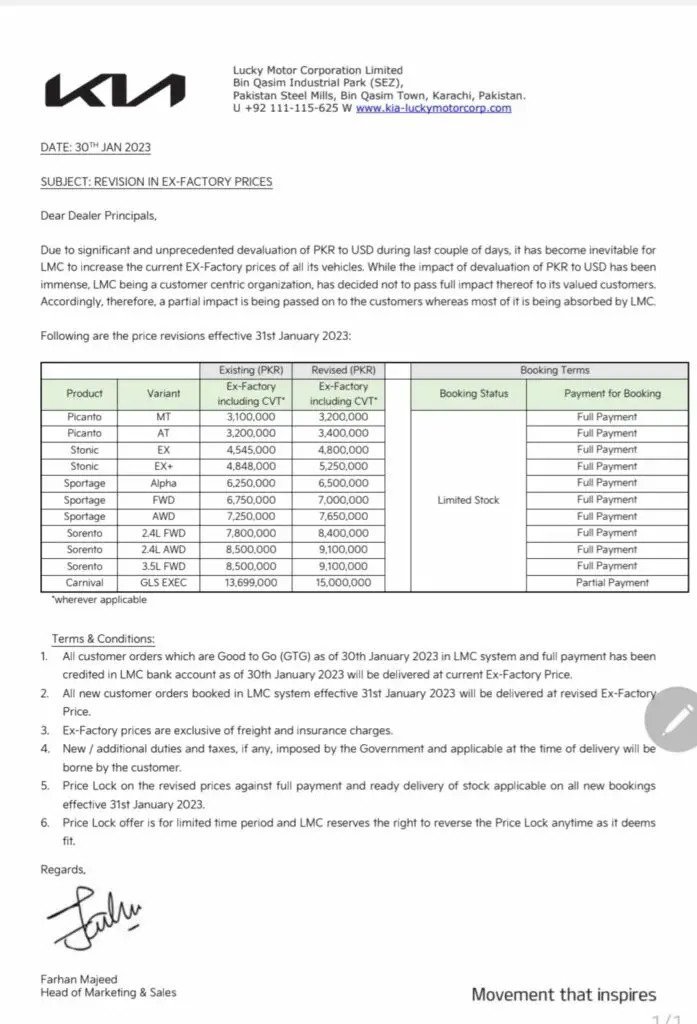
    As the value of the Pakistani rupee (PKR) against the US dollar falls to an all-time low, Kia Lucky Motors Corporation (KLMC) has announced a significant hike in their car prices in Pakistan.

    Details indicate that, depending on the model, the manufacturer has increased the price of the Kia Picanto, Kia Sportage, Kia Stonic, Kia Sorento, and Kia Carnival in Pakistan by up to Rs1.3 million.

    “Due to the significant and unprecedented devaluation of PKR to USD during the last couple of days, it has become inevitable for LMC to increase the current ex-factory prices of all its vehicles,” the company announced in its notification to dealers.

    The new rates will go into effect on January 31, 2023.

    “While the impact of the devaluation of PKR to USD has been immense, LMC, being a customer-centric organization, has decided not to pass the full impact thereof to its valued customers,” it said, adding that only a partial impact is being passed on to the customer and the rest has been absorbed by LMC.

    It is important to note that on January 30, 2023, the interbank market closed with the Pakistan rupee at an all-time record low of Rs269.63 versus the US dollar.

    The price of the Kia Picanto in Pakistan has been increased by a massive Rs100,000 for both variants, bringing the new price of the M/T variant to Rs3,200,000 and the A/T variant to Rs3,400,000, compared to the old prices of Rs3,100,000 and Rs3,400,000, respectively.

    Here are the new prices for all Kia cars:

  • Toyota announces second price hike in less than 20 days due to economic uncertainties

    Toyota announces second price hike in less than 20 days due to economic uncertainties

    Toyota Indus Motor Company (IMC) has announced a second price increase for its vehicles in January 2023, following a significant depreciation of the Pakistani rupee against the US dollar.

    According to the company’s statement, they are facing difficulties in maintaining their current prices due to the economic uncertainties and volatility of the PKR.

    “This situation has made it extremely difficult for IMC to hold on to the current retail selling prices, and therefore, we are compelled to pass on some impact to the market,” the company said in a statement.

    Toyota also stated that the price increase is subject to change and that the prices in effect at the time of delivery will continue to apply to all orders.

    “Any change in government levies and taxes (including FED, Sales Tax, CVT, etc.), tariffs, fiscal policies, import policies, etc., will be on the account of the customer,” the automaker said.

    This latest price increase for Toyota vehicles comes at a time when Pakistan’s economy is already struggling. Moreover, experts believe that this won’t be the only price hike, as the continued volatility of the PKR will pressure other manufacturers and importers as well.

    Here are the new prices of all cars:

    Model Old price (Rs) New price (Rs)
    Yaris GLI MT 1.3 3,819,000 4,079,000
    Yaris GLI CVT 1.3 4,069,000 4,339,000
    Yaris ATIV MT 1.3 4,039,000 4,309,000
    Yaris ATIV CVT 1.3 4,239,000 4,529,000
    Yaris ATIV X MT 1.5 4,339,000 4,649,000
    Yaris ATIV X CVT 1.5 4,609,000 4,929,000
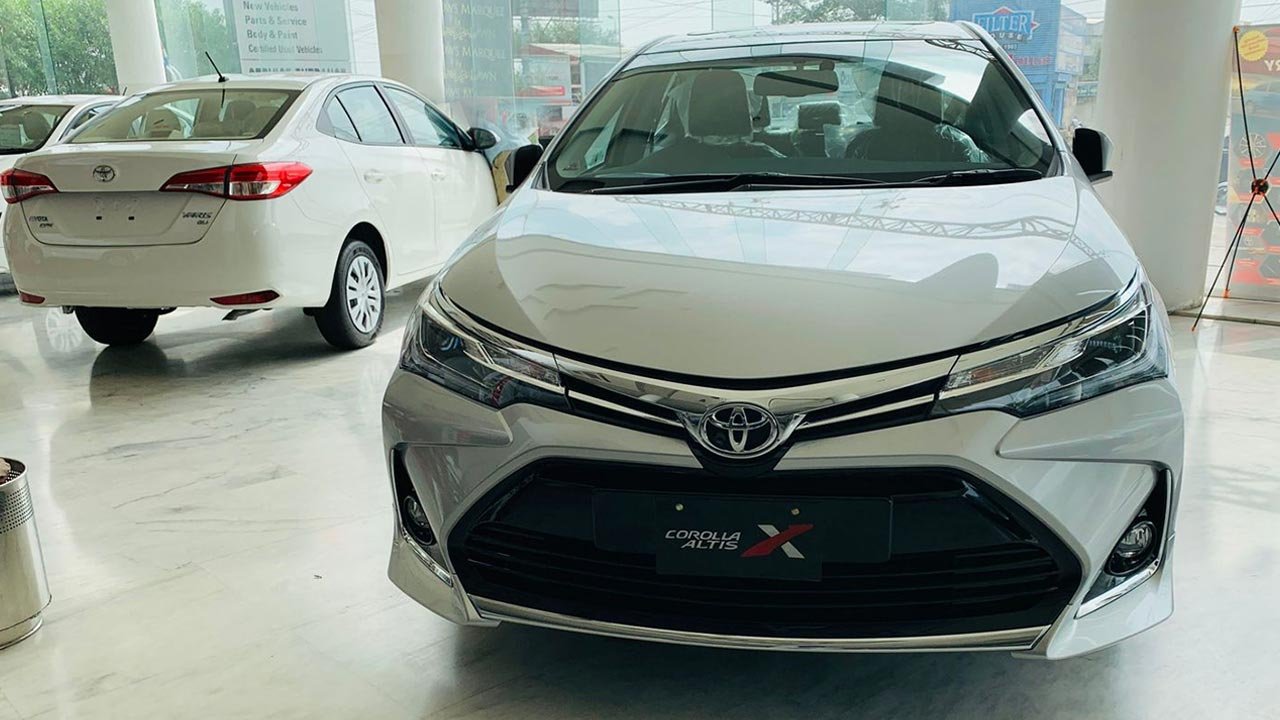
    Corolla Altis X MT 1.6 4,939,000 5,269,000
    Corolla Altis 1.6 X CVT-i 5,369,000 5,749,000
    Corolla Altis 1.6 X CVT-i SE 5,909,000 6,319,000
    Corolla Altis Grande X CVT-11.8 Beige 6,169,000 6,609,000
    Corolla Altis Grande X CVT-i1.8 Black 6,209,000 6,649,000
    Revo V AT 2.8 11,429,000 12,239,000
    Revo V AT Rocco 12,049,000 12,899,000
    Fortuner 2.7 G Petrol 12,509,000 13,419,000
    Fortuner 2.7 V Petrol 14,319,000 15,359,000
    Fortuner 2.8 Sigma 4 Diesel 15,099,000 16,189,000
    Fortuner Legender Diesel 15,909,000 17,069,000
  • Intraday update: Pakistani rupee drops to Rs268.30, losing more than Rs12 versus US dollar

    Intraday update: Pakistani rupee drops to Rs268.30, losing more than Rs12 versus US dollar

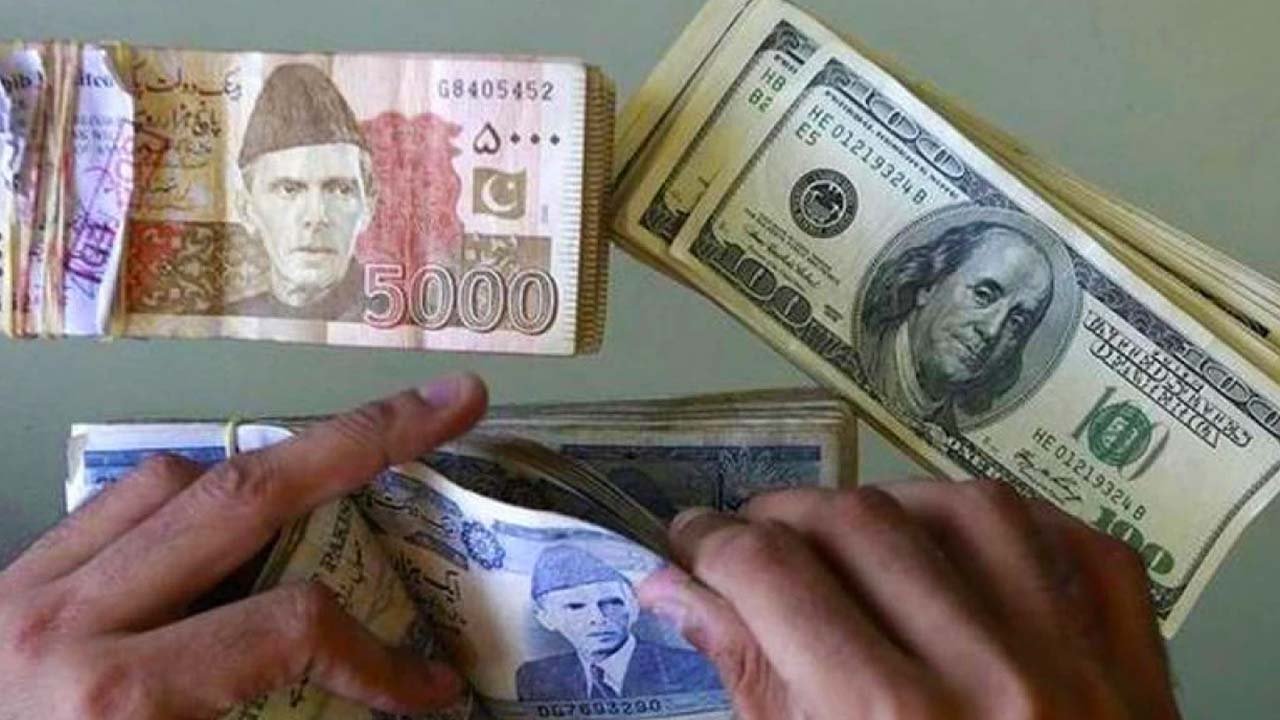
    Pakistani rupee (PKR) continued its downward trend on Friday, with the rupee declining over Rs12 versus the US dollar in the interbank market. The local currency was trading at Rs268.30, compared to yesterday’s close of Rs255.43 in the interbank market.

    The dollar has gained Rs30.41 in the interbank market since Thursday as exchange companies removed the dollar cap, a key demand of the IMF as part of a bailout programme agreed upon in 2018.

    PKR fell to Rs265 against the US dollar in the open market, a decline of Rs3 compared to the day before.

    The removal of the cap on the dollar rate took the currency market by surprise and resulted in extreme volatility. Experts termed it a “much-awaited adjustment” and predicted that it would help in increasing export proceeds and inward remittances through legal banking channels.

    The difference in rates between the interbank and open markets owing to the price cap removal, which had widened to Rs15 in recent months, was almost wiped out.

    The country’s foreign exchange reserves have depleted to a critical level, falling to $3.678 billion in the week ending January 20. This is not enough to finance even three weeks of imports.

    This is a developing story and will be updated after interbank closing.

  • Dar assures US of Pakistan’s commitment to the IMF ‘despite challenging economic conditions’

    Dar assures US of Pakistan’s commitment to the IMF ‘despite challenging economic conditions’

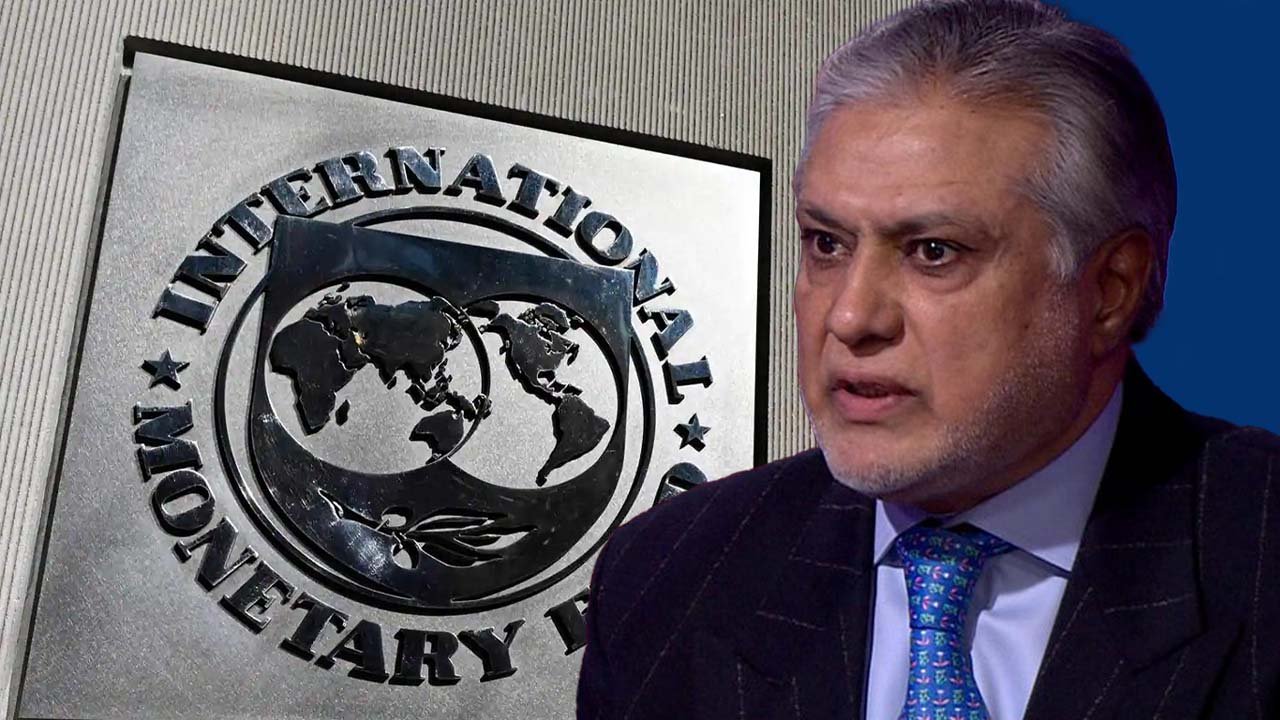
    Pakistan gave the United States reassurance on Wednesday that it was still committed to the International Monetary Fund (IMF) programme as the nation’s reserves fell to barely enough to cover one month’s worth of imports following another $500 million loan repayment.

    According to a formal statement from the Ministry of Finance, Finance Minister Ishaq Dar met Robert Kaproth, Deputy Assistant Secretary of the US Department of the Treasury for Asia.

    The status of the IMF programme was discussed by both parties during the meeting. Dar informed the US official about Pakistan’s efforts to reactivate the IMF programme.

    “Despite challenging economic conditions, the government is focusing on fixing things in the right direction and introducing reforms in all sectors including the energy sector and capital market to achieve economic growth and development,” Dar told Robert.

    Pakistan has been asked by the IMF to maintain a market-based currency rate, remove import restrictions, raise taxes, and raise electricity rates. However, the administration has not yet implemented any of these steps and is holding off until there has been a formal interaction with the international lender.

    According to Express Tribune, the summit was held as foreign exchange reserves were sharply declining, falling to only two weeks’ worth of import coverage, the lowest level in more than nine years.

  • Pak Suzuki increases motorcycle prices by up to Rs25,000

    Pak Suzuki increases motorcycle prices by up to Rs25,000

    Pak Suzuki Motor Company Ltd. (PSMCL) has increased motorcycle prices by Rs20,000-25,000, effective February 1st.

    The new rate for GD110 S, GS150, GSX125, and GR150 is Rs264,000, Rs286,000, Rs384,000, and Rs410,000.

    However, the company’s communication to authorised dealers lacked any explanation for the price increase.

    PSMCL had temporarily ceased taking new bike orders as of January 20 due to supply chain constraints based on imports and unpredictable production capacity in the current economic climate.

    Read more: Latest Suzuki car prices

    Pak Suzuki has been enjoying a smooth journey, recording sales of 20,762 units in FY23 compared to 18,030 at the same time last fiscal year, as sales of all two-wheeler assemblers have remained flat due to rising prices, quality problems, and affordability difficulties.

    The assembler of Hi-Speed motorcycles has also increased the rate by Rs25,000 of 150cc Infinity and 200cc Freedom followed by a Rs2,500-Rs3,500 hike in 70cc-125cc motorcycles.

  • Suzuki Swift GLX now costs more than Rs4.1 million after recent price hike of Rs355,000

    Suzuki Swift GLX now costs more than Rs4.1 million after recent price hike of Rs355,000

    As expected, Pak Suzuki Motor Company (PSMC) has announced a price hike for all cars after Toyota Indus Motor Company (IMC) and Honda Atlas Cars Limited (HACL).

    The revised retail sale prices will come into effect from January 25, 2023, according to PSMC.

    Here are the new prices:

    Model Old Price (Rs) New Price (Rs) Increase (Rs)
    Alto VX 1,699,000 1,859,000 160,000
    Alto VXR  1,976,000 2,156,000 180,000
    Alto VXR AGS  2,120,000 2,310,000 190,000
    Alto AGS 2,223,000 2,423,000 200,000
    Wagon R VXR  2,421,000 2,629,000 208,000
    Wagon R VXL  2,564,000 2,789,000 225,000
    Wagon R AGS  2,802,000 3,059,000 257,000
    Cultus VXR  2,754,000 3,039,000 285,000
    Cultus VXL  3,024,000 3,339,000 315,000
    Cultus AGS  3,234,000 3,569,000 335,000
    Swift GL MT 3,180,000 3,479,000 299,000
    Swift GL CVT 3,420,000 3,742,000 322,000
    Swift GLX CVT 3,760,000 4,115,000 355,000
    Ravi  1,424,000 1,539,000 115,000
    Ravi w/o Deck  1,349,000 1,464,000 115,000
    Bolan Van  1,500,000 1,619,000 119,000
    Bolan Cargo 1,487,000 1,606,000 119,000

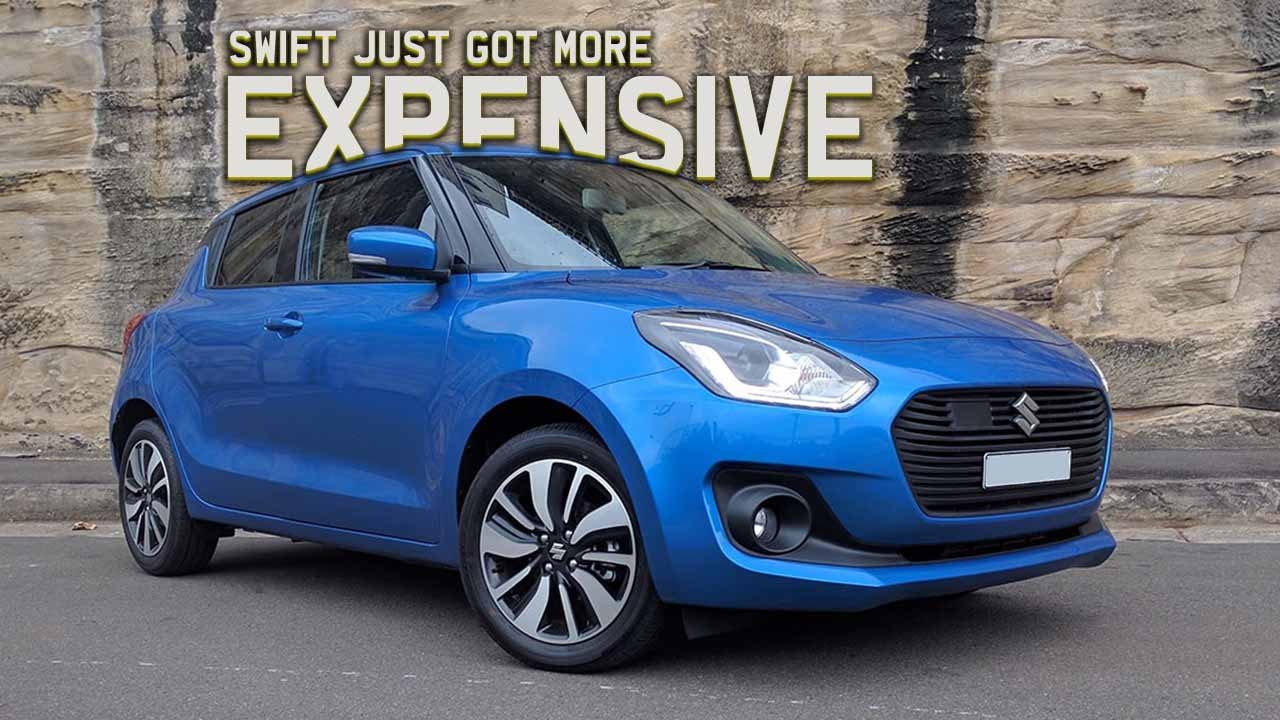
    Surprisingly, the automaker has announced the highest price increase for its flagship hatchback, the Suzuki Swift GLX variant, which will now be sold for Rs4.115 million, a Rs355,000 increase from its previous price of Rs3.760 million. 

    Read more: Honda cars latest prices

    According to the notification from PSMC, the revised retail prices include the FED and sales tax but exclude advance income tax, with another condition that the prices are subject to change without notice at the time of delivery.

  • Exchange companies remove cap on dollar-rupee exchange rate to abolish grey market

    Exchange companies remove cap on dollar-rupee exchange rate to abolish grey market

    The exchange companies have decided to stop artificially keeping Pakistani rupee (PKR) overvalued against US dollar in the open market and let the rupee-dollar exchange rate depreciate to its actual value.

    Pakistani rupee may steadily lose value until it reaches the level of the grey market in a few days, according to reports.

    The black market price of local currency is currently between Rs250 and Rs260 per US dollar, although traders had artificially kept the rate at Rs238 till Tuesday.

    “The association has decided to remove cap on rupee-dollar exchange rate,” Exchange Companies Association of Pakistan (ECAP) President Malik Bostan said in audio and video messages after chairing a zoom meeting on Tuesday.

    “The move would help eliminate black currency markets, increase flow of foreign currencies to the dealers and available to public (for international travelling, education and hospital fees and etc.”

    He said that in the interest of the country, traders voluntarily opted to restrict the exchange rate. But the choice led to an underground market for cash that seemed to be more detrimental to the country.

    “People were buying dollars from open market (at Rs238) and selling in black market (at Rs250-260), making it a business to mint profit,” he said, adding no one was coming to the dealers’ counters to sell foreign currency which resulted into drying up supplies on the other hand.

    According to ECAP General Secretary Zafar Paracha, the decision to abolish the exchange rate ceiling will aid in the eradication of the black market and restore the inflow of foreign money from the illicit system into the legitimate one.

    Additionally, the government has been urged by the International Monetary Fund (IMF) to relinquish control over the rupee-dollar exchange rate in the interbank market and allow market forces to decide the rate while taking the demand and supply of US dollars into account.

    Accordingly, it is anticipated that the local currency would also reach Rs250-260 in the interbank market as compared to the US dollar.

    Pakistan technically has three currency markets, including the interbank, open, and black markets. As a result, each of the three markets is providing a different rate.

    The black currency market was formed after Finance Minister Ishaq Dar tried to keep the currency artificially overvalued at Rs180–200 to the US dollar after returning to the ministry in late September 2022.

    The currency, therefore, appreciated to Rs218 in the early days of October from its all-time low of Rs240 the first time in late July 2022 and the last time in September 2022.

    Dar opened an investigation against the commercial banks, blaming them for market forces that had artificially devalued the currency to Rs240 per dollar.

    Governor State Bank of Pakistan (SBP) Jameel Ahmed said that the central bank has completed the investigation against 13 commercial banks allegedly involved in rupee-dollar parity manipulation.

    “The central bank is all set to take action against them in days (instead weeks and months). The action could be fiscal or regulatory one,” he added.
  • Honda Civic RS now costs Rs8.1 million after the latest price hike

    Honda Civic RS now costs Rs8.1 million after the latest price hike

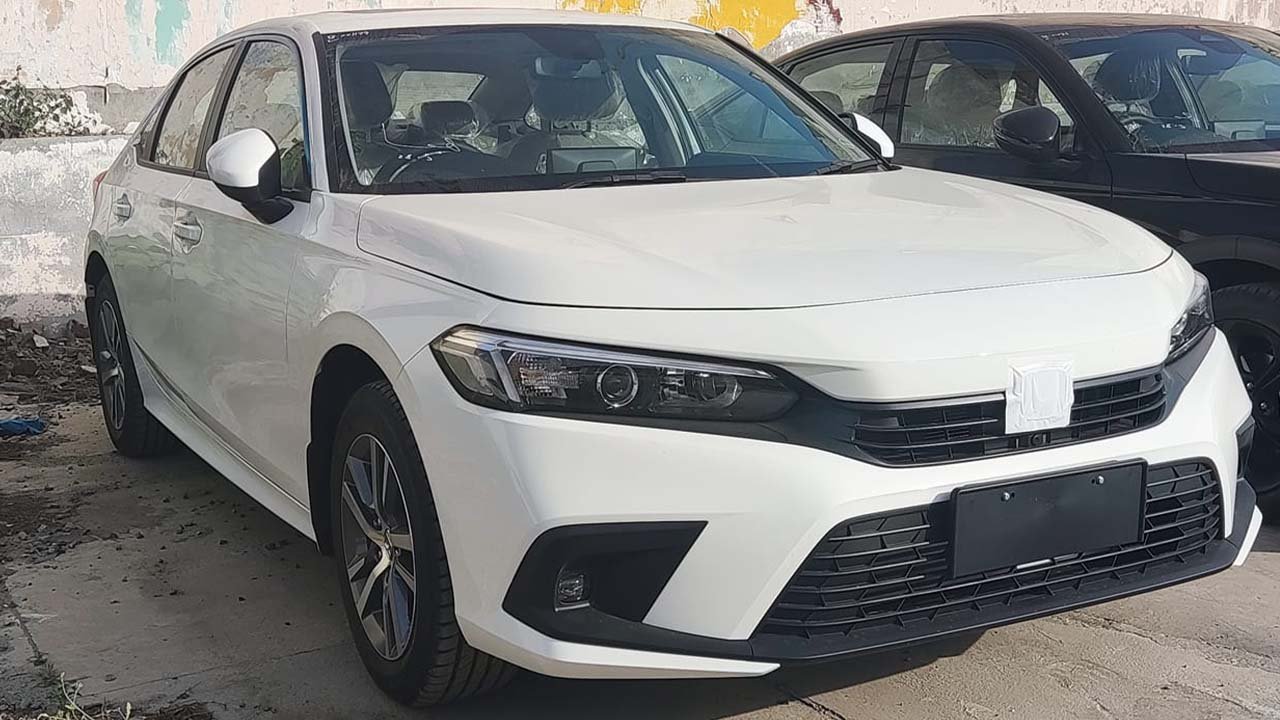
    Honda Atlas Cars Limited (HACL) on Monday increased prices across its entire line-up, with the hike going as high as Rs550,000 for the popular Honda Civic RS. The automaker cited exchange rate volatility and an increase in production costs as the reasons behind the latest price revision.

    “Keeping in view the uncertain economic conditions, inflation in material costs, and volatility of forex, HACPL was compelled to pass part of this adverse impact through a price increase,” Honda said in a notice sent to dealerships.

    Here are the new prices:

    Variants Old Prices New Prices Difference
    City MT 1.2L Rs3,769,000 Rs4,069,000 Rs300,000
    City CVT 1.2L  Rs3,899,000 Rs4,199,000 Rs300,000
    City CVT 1.5L  Rs4,139,000 Rs4,449,000 Rs310,000
    City Asp MT 1.5L Rs4,299,000 Rs4,629,000 Rs330,000
    City Asp CVT 1.5L Rs4,479,000 Rs4,799,000 Rs320,000
    BR-V CVT S Rs4,939,000 Rs5,299,000 Rs360,000
    HR-V VTI Rs5,999,000 Rs6,399,000 Rs400,000
    HR-V-VTI S Rs6,199,000 Rs6,599,000 Rs400,000
    Civic 1.5L M CVT Rs6,349,000 Rs6,849,000 Rs500,000
    Civic 1.5L Oriel M CVT Rs6,599,000 Rs7,099,000 Rs500,000
    Civic RS 1.5LL CVT Rs7,549,000 Rs8,099,000 Rs550,000

    The new prices are applicable as of January 23, 2023.

    Honda City variants’ prices have been raised from Rs300,000 to Rs330,000. The base model of the City (Manual) 1.2L witnessed its price increase from Rs3.769 million to Rs4.069 million.

    The price of the Honda City Aspire Manual 1.5L rose from Rs4.139 million to Rs4.449 million.

    Honda Atlas raised the price of the Honda BR-V CVT S by Rs360,000 to Rs5.299 million. Additionally, the price of Honda HR-V variants rose by Rs400,000. HR-V VTI and HR-V VTI S models now cost Rs6.399 million and Rs6.599 million, respectively, after the latest price increase.

    Read more: Suzuki cars latest prices

    The company jacked up the price of popular Honda Civic variants by Rs500,000 to Rs550,000. The price of the Civic RS 1.5L LL CVT rose from Rs7.549 million to Rs8.099 million.

    Earlier, Toyota Indus Motor Company also increased prices across its entire lineup with a hike in the range of Rs280,000 to Rs1,210,000.