Category: Business

The most important business news, explained in a young, easy to understand way. News that affects young career professionals.

  • SBP asks banks to prioritise import of certain essential items to help businesses

    SBP asks banks to prioritise import of certain essential items to help businesses

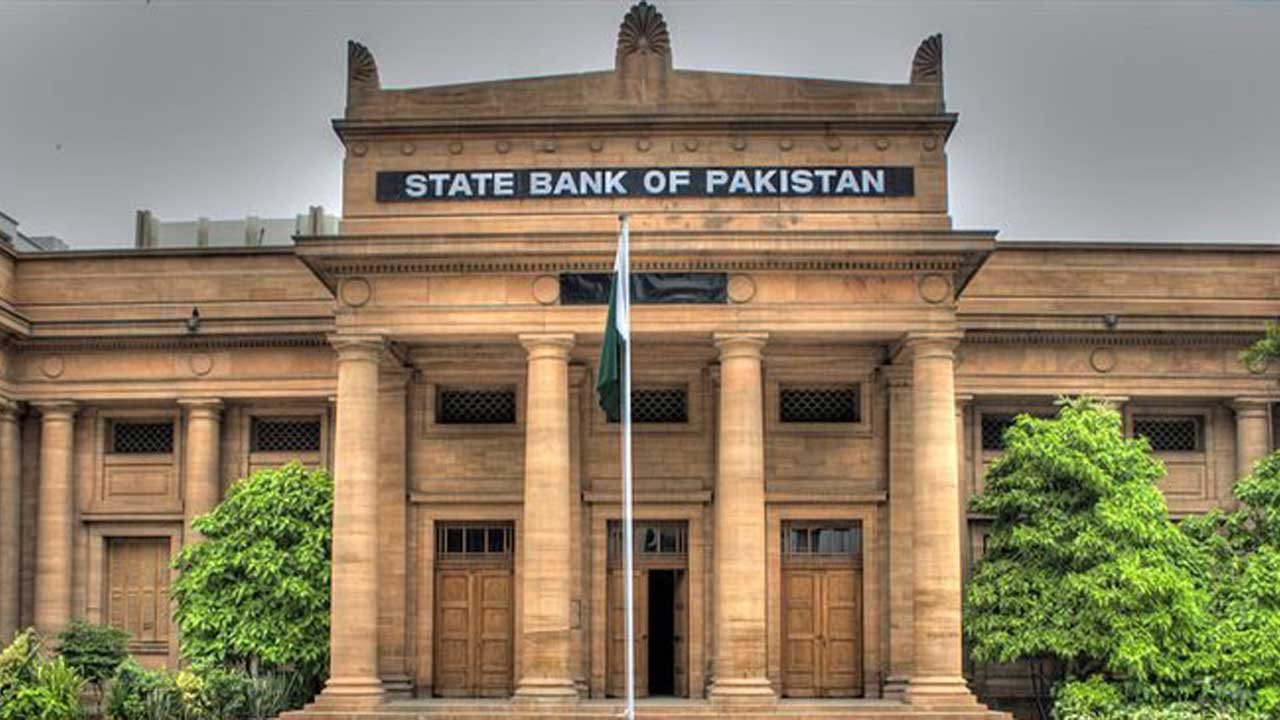
    In order to help businesses, the State Bank of Pakistan (SBP) on Monday removed the necessity for prior import approval and asked banks to give priority to the importation of certain necessities, including food, medicine, and energy.

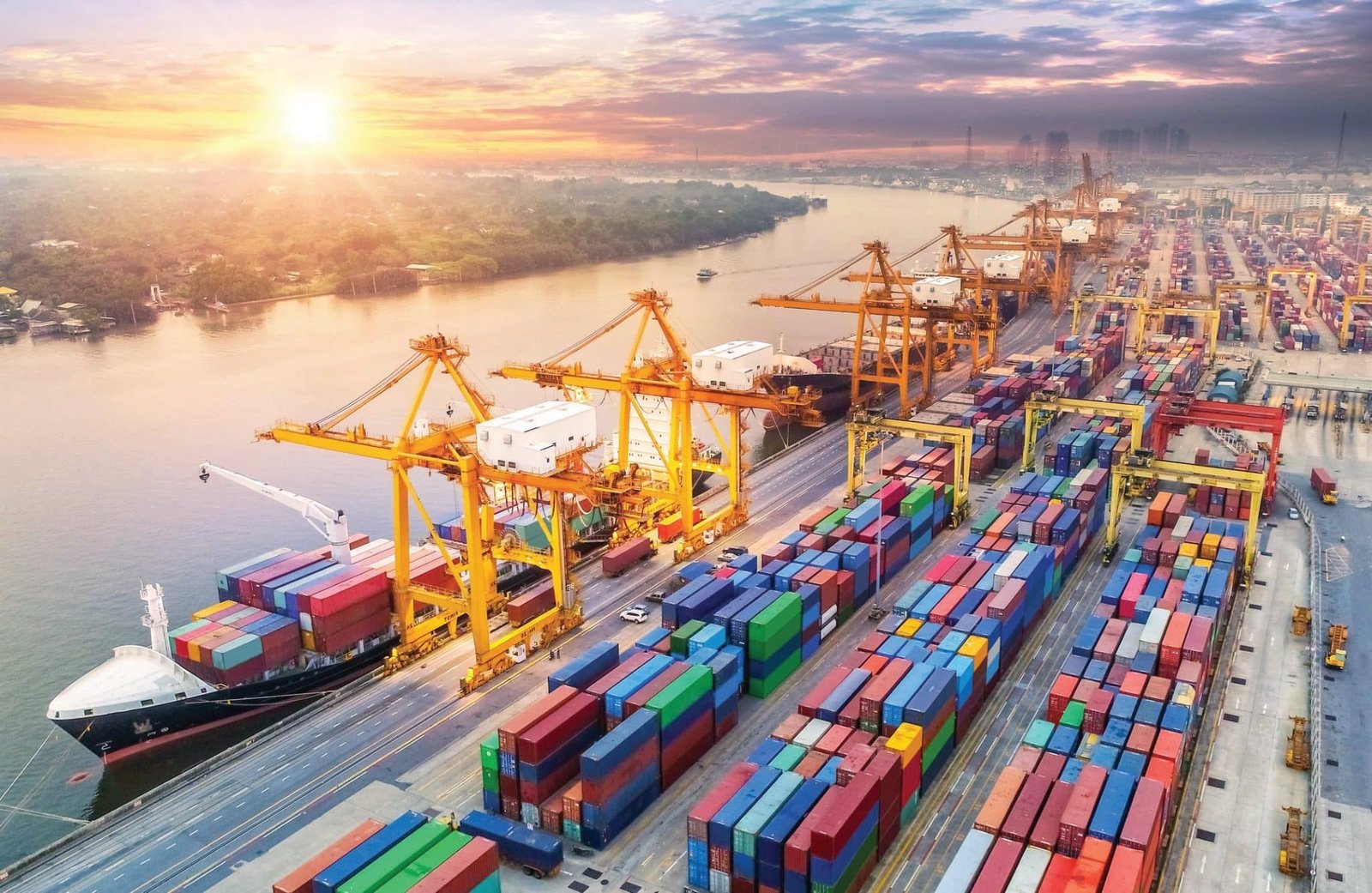
    The business community, including various trade bodies and chambers of commerce, has drawn attention to the fact that many shipping containers carrying imported goods are stuck at the ports as a result of delays in the release of shipping documents by banks, according to a statement issued by the SBP on Monday.

    “SBP has advised banks to provide one-time facilitation to all those importers who could either extend their payment terms to 180 days (or beyond) or arrange funds from abroad to settle their pending import payments.”

     “Accordingly, till March 31, 2023, banks have been advised to process and release documents of shipments/ goods that have already arrived at a port in Pakistan or have been shipped on or before January 18, 2023,” said the central bank.

    To avoid any future issues, SBP also suggests that clients notify their banks before beginning any import transaction.

    To the dismay of many importers and firms in Pakistan, who cited these constraints as the reason for closing down or curtailing operations, the SBP restricted imports early this year due to low levels of foreign exchange reserves.

    Last week, the business community of the country harshly criticised the SBP’s role in the issue in light of the difficulty in issuing letters of credit.

  • Millions in Pakistan without electricity after countrywide outage

    Millions in Pakistan without electricity after countrywide outage

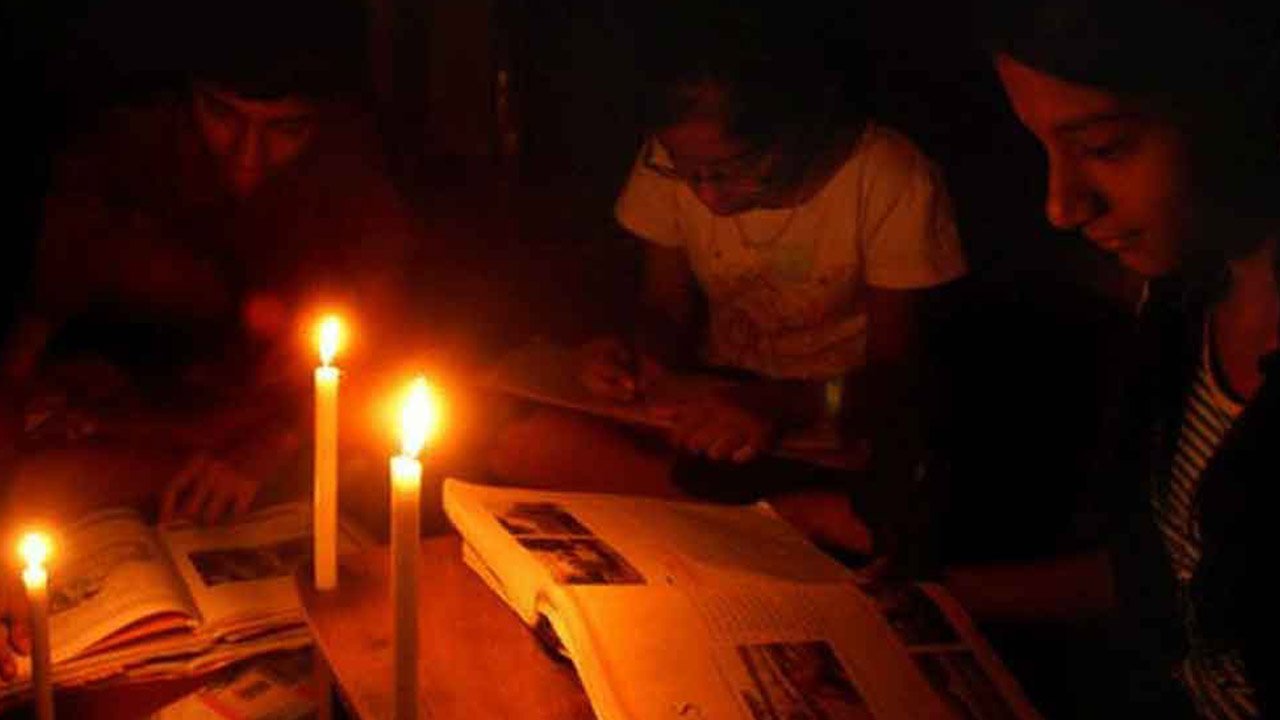
    Millions of Pakistanis were left without electricity on Monday due to a nationwide power outage, which threatened to unleash chaos in the South Asian country, which is already experiencing fuel shortages during the winter.

    The country’s Ministry of Energy said in a statement the country’s National Grid went down at 7:34 am local time, “causing a widespread breakdown in the power system,” according to initial reports.

    “System maintenance work is progressing rapidly,” the statement added.

    A “limited number of grids” in Islamabad and Peshawar have had power restored, the ministry said.

    The duration of the power outage is unknown, but attempts are being made to bring power back to various areas of the country.

    The disruption occurs as the country’s frail economy continues to face numerous difficulties, including a serious energy crisis.

    Earlier this month, Prime Minister Shehbaz Sharif ordered all federal agencies to cut their energy use by 30 per cent. In addition, his administration mandated that all stores and restaurants close at 8:30 pm.

  • Gas crisis to worsen in Pakistan as Italy-based supplier refuses to deliver LNG cargo in February

    Gas crisis to worsen in Pakistan as Italy-based supplier refuses to deliver LNG cargo in February

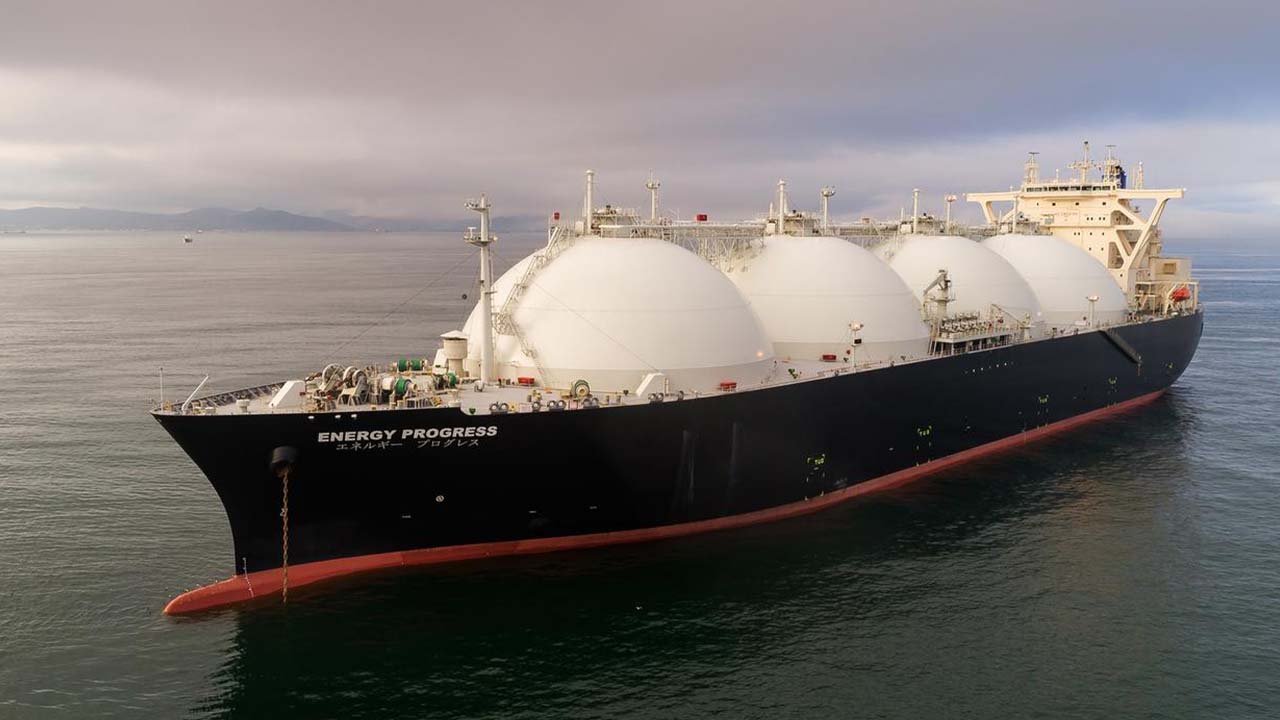
    The Italian LNG trading company ENI has intimated that it won’t be able to deliver its LNG cargo scheduled on February 6, which might cause the gas situation in Pakistan to worsen in the coming days.

    The report has troubled the senior officials in the Petroleum Division since the country is already suffering from a severe gas shortage, with some major cities getting little to no gas pressure.

    In accordance with its petrol load management strategy, the government assured home users a supply of gas for cooking during the winter months for three hours from 6 am to 9 am, two hours from 12 pm to 2 pm for lunch, and three hours from 6 pm to 9 pm for dinner.

    According to authorities, the effect of ENI’s disengagement will be seen as a reduction in supplies to the power sector and the non-availability of the anticipated 325mmcfd supply for the sector next month.

    End users will receive expensive electricity as boiler oil-based electricity’s reliance grows. The captive power plants will be delivered gas at 50 per cent and supply to fertiliser plants, compressed natural gas (CNG) and local industry shall remain discontinued.

    The Petroleum Division had earlier asserted that the ENI will not default starting in January 2023, however, this is untrue.

    The February supply setback is due to an occurrence of Force Majeure, according to an ENI representative, who also confirmed the news, saying that ENI is not in any way benefited from the circumstance.

    According to The News, ENI defaulted five times last year, failing to deliver LNG cargoes in the months of March, May, July, September, and November.

  • Gold price increases by Rs1,200 to Rs187,200 per tola

    Gold price increases by Rs1,200 to Rs187,200 per tola

    The per tola price of 24-karat gold witnessed an increase of Rs1,200 on Saturday and was traded at Rs187,200, up from Rs186,000 the previous trading day. The price of 10 grammes of 24-karat gold also increased by Rs1,029 to Rs160,494 according to All Sindh Sarafa Jewellers Association.

    Although gold is often used as an inflation hedge, it is quite vulnerable to monetary tightening, which raises the opportunity cost of owning the bullion, which is typically a non-yielding asset like other precious metals. In other words, a precious metal investment cannot be “put to use” to try to make a profit.

    According to the jewellers association, gold in the local market continued to be “undercost” by Rs3,000 a tola when compared to the Dubai market, maintaining its Friday trend.

    Dealers claimed it was difficult to determine if the potential increase in the policy rate of 100–200 basis points (BPS) had been included in the price of the yellow metal.

    According to a research report from Pearl Securities, the State Bank of Pakistan (SBP) may raise the policy rate by 100 to 200 basis points to reduce ongoing inflationary pressures.

  • President takes notice of increasing online bank frauds in Pakistan

    President takes notice of increasing online bank frauds in Pakistan

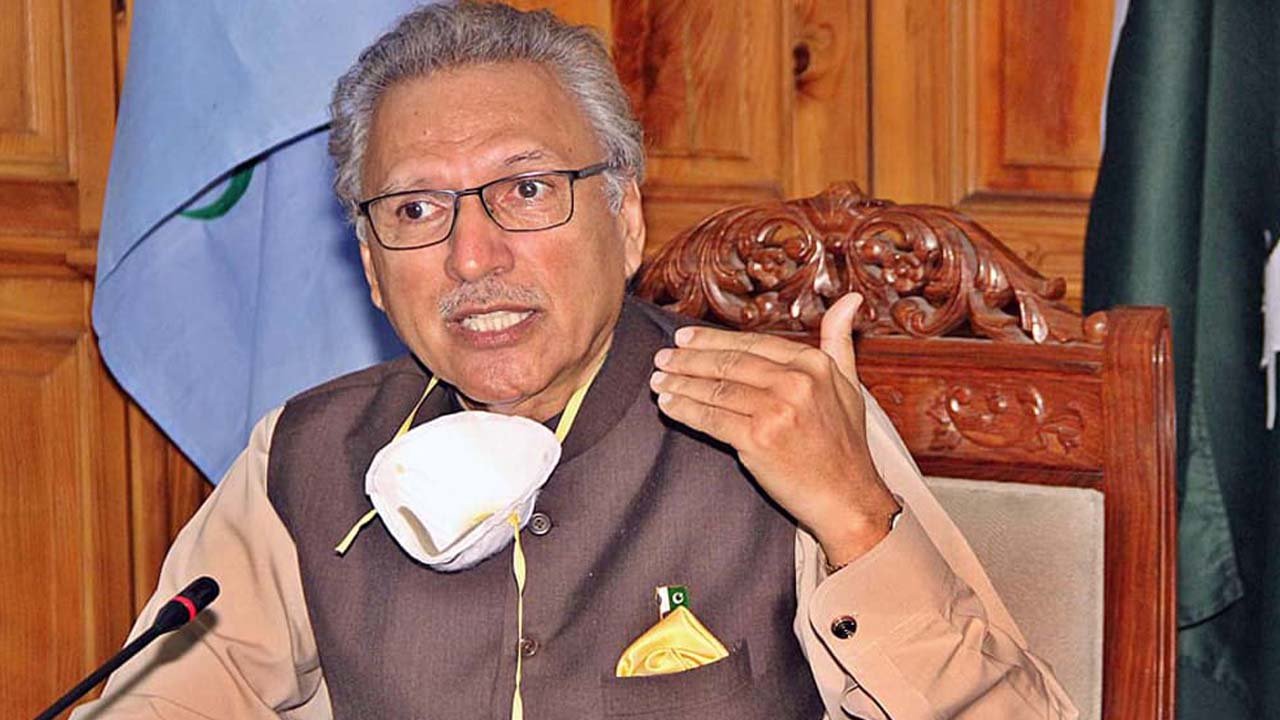
    President Dr Arif Alvi has taken serious notice of the rising trend of online banking frauds where fraudsters obtained contact details of banks’ clients by impersonating bank officials to get account and banking information and then used these details to swindle money out of clients’ accounts.

    In a press release released on Saturday, the President directed the Banking Mohtasib of Pakistan (BMP) to take serious notice of this worrisome trend and implement meaningful, effective measures, such as appropriate checks and balances and foolproof security systems that could distinguish between genuine and fraudulent transactions, to curb this threat urgently.

    A renowned novelist and playwright, Mirza Athar Baig, had his bank account robbed of Rs1.1 million by an online fraudster, according to news reports. The president’s secretariat has asked Baig to lodge a complaint and formally raise the issue with BMP to get relief from the bank.

    Under the president’s direction, the president’s secretariat has advised Mirza Athar Baig to file a complaint and formally raise the issue with the BMP in case the bank is unable to fix his problem and reimburse him within the allotted time limit.

    Even though he had resolved hundreds of such cases through the BMP and given comfort to those who had been affected by internet frauds, the president expressed disappointment that fraudulent activities and practises were growing in the banking sector.

    Additionally, he underlined the importance of bringing about structured and methodical improvements in online banking systems by swiftly detecting fraudsters and enforcing severe, exemplary sanctions against them.

  • Pakistan has ample fuel stocks available: PSO denies reports of petrol, diesel shortage

    Pakistan State Oil (PSO) on Friday denied all the rumours about the shortage of fuel reserves and said that there is ample stock of petroleum products in the country.

    The Ministry of Energy and Oil & Gas Regulatory Authority (OGRA), according to the PSO spokesman, is keeping an eye on the general situation regarding product availability by other oil marketing companies to ensure that the nation’s supply chain is maintained smoothly.

    He claimed that PSO would continue to supply the nation with petroleum products on an uninterrupted basis, that there is enough gasoline and diesel in the country, and that 80,000MT and 90,000MT, respectively, of each have arrived at Karachi Port.

    According to the OGRA spokesperson, local oil marketing firms and refineries are also working to meet the demand for petroleum products.

    The Oil Companies Advisory Council (OCAC) requested last week that the federal government step in right away to guarantee the prompt issuing of lines of credit to import petroleum products in order to prevent a fuel scarcity in the nation.

    On behalf of oil marketing companies (OMCs) and refineries, the OCAC sent a letter outlining the difficulties resulting from the opening of letters of credit (LCs) for the import of petroleum products being delayed.

    There haven’t been many oil shipment cancellations as a result of the LCs being closed.

    Mogas, High-Speed Diesel (HSD), and 650,000 MT of crude oil must all be imported into Pakistan on a monthly basis for a total cost of about $1.3 billion.

  • Pakistan will start importing crude oil from Russia in March

    Pakistan will start importing crude oil from Russia in March

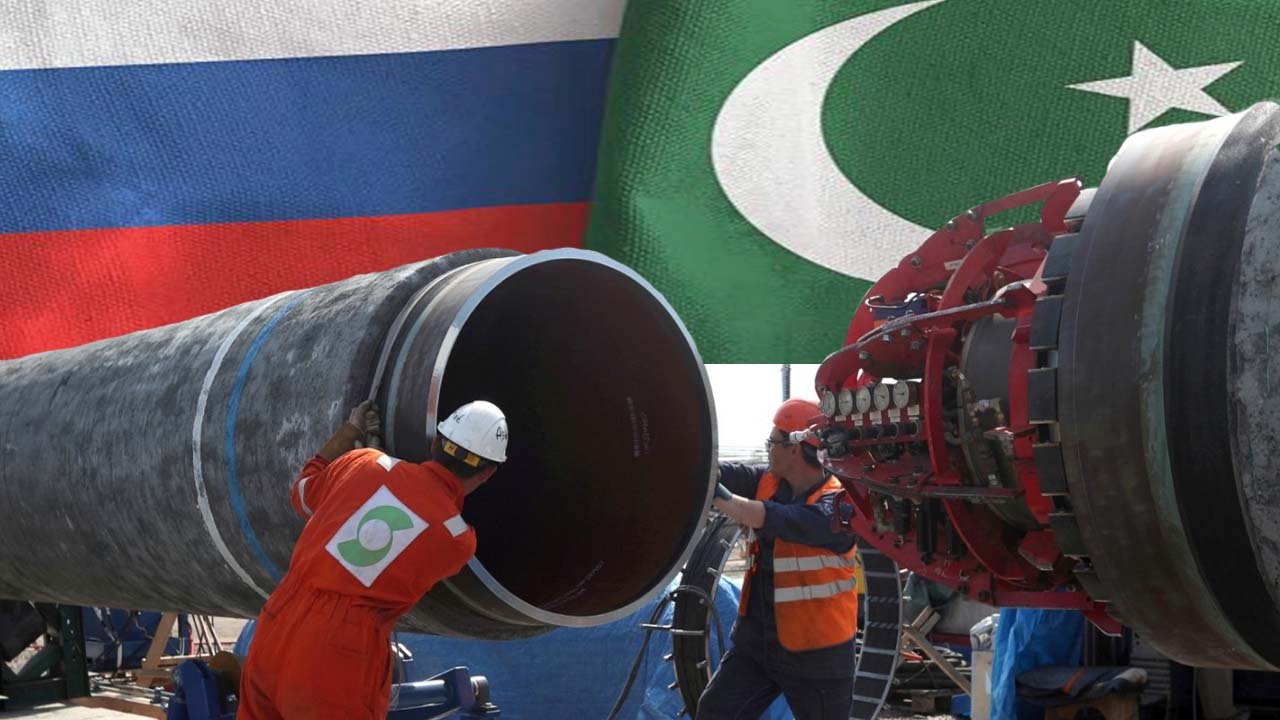
    Pakistan and Russia have decided on the deadline for crude oil exports in late March after the conclusion of the annual inter-governmental commission between the two countries concluded.

    The Minister of State for Petroleum, Musadik Malik, said that Pakistan intends to import 35 per cent of its entire crude oil needs from Russia. He added that Russia does not have liquefied natural gas (LNG) for Pakistan currently.

    Russian Energy Minister Nikolay Shulginov also stated that Pakistan will pay for its energy purchases from Russia in the currencies of friendly nations when they begin in late March.

    Last year, the government of Pakistan sent representatives to Russia, and as a result, the state minister for petroleum of Pakistan announced that Russia would supply crude oil at a reduced price.

    Russian oil and gas have not historically been widely imported by Pakistan.

    Islamabad and Moscow agreed during the negotiations that the oil and gas trading transaction will be set up such that both nations can profit economically after reaching an agreement on the technical details.

    The leaders also decided to expand energy infrastructure investment, improve energy trade, and strengthen energy cooperation under advantageous strategic and commercial circumstances.

    A “Comprehensive Plan for Energy Cooperation” that will serve as the framework for future work and be completed in 2023 has been agreed to by both parties.

    The federal and provincial governments of Pakistan welcomed the Russian side to consider prospective initiatives, including those involving public-private partnerships and asked the Russian businesses to investigate these options.

    “Both sides have resolved the pending issues related to the exchange of information on certificates of origin of goods with the use of an electronic verification system and shall endeavour to finalise the above-mentioned protocols by the end of May 2023,” the joint statement issued in this regard read.

    In order to improve their mutual collaboration and talk about issues pertaining to connectivity and logistics in Central and South Asia, the authorities decided to designate focus points for each side.

    It was also resolved at the talks held over the last three days that creative business practises, such as bartering, would be used. They also agreed to further investigate the possibility.

    “In the context of the desire of both parties to promote regional integration and Eurasian connectivity, the two sides agreed to share information towards developing and improving rail and road infrastructure,” the statement read.

    The documents signed during the session included an “Agreement regarding cooperation and mutual assistance in customs matters,” a “Protocol on the Exchange of Documents and Data on the Customs Value of Goods Transported,”  and a “Working Agreement on the Airworthiness of Aeronautical Products.”

    The seventh IGC’s debates and choices served as the foundation for the eighth session, which moved the process ahead and looked at new possibilities for collaboration.

    Additionally, Pakistan and Russia decided to extend their cooperation in the areas of commerce and investment, energy, communication, transportation, higher education, industry, railroads, banking, finance, customs, agriculture, science, and technology.
  • ‘We are unable to serve new customers’: Pak Suzuki announces booking suspension for all motorcycles

    ‘We are unable to serve new customers’: Pak Suzuki announces booking suspension for all motorcycles

    Pak Suzuki Motor Company (PSMC) stated on Thursday that it had halted taking reservations for motorbikes until further notice due to issues with manufacturing and procurement following the consecutive closures of its automobile assembling factories caused by an ongoing inventory crisis.

    “Under the present economic circumstances, import-based supply chain constraints and uncertain production possibilities, we are unable to serve new customers,” the company said in a letter to dealers.

    The suspension of reservations would start today.

    “We will, therefore, stop bookings of our motorcycle products from January 20, 2023, for the time being. However, bookings will resume as the situation becomes favourable to serve fresh customers.”

    With the rupee falling and inflation at decades-high levels, Pakistan’s economy has collapsed along with a simmering political crisis, but disastrous floods and a worldwide energy crisis have added to the strain.

    Almost all industries, including the automotive sector, have been slowed down by a lack of imported components and materials, and an alarmingly large number of businesses have been forced to cease operations.

    As Pakistan struggles with a dire foreign exchange crisis, thousands of containers filled with basic food supplies, raw materials, and medical equipment have been held up at the Karachi port.

    According to Express Tribune, banks are refusing to issue fresh letters of credit for importers due to a shortage of needed dollars, which is hurting an economy already under pressure from high inflation and weak growth.

  • Twitter bird statue sells for $100,000 as Musk auctions off old office mementos

    Twitter bird statue sells for $100,000 as Musk auctions off old office mementos

    A Twitter bird statue fetched $100,000 on Wednesday as owner Elon Musk auctioned off furniture, decorations, kitchen equipment, and more from the tech firm’s San Francisco headquarters.

    A 10-foot neon light in the form of Twitter’s bird logo was included in an online auction of “surplus corporate office assets of Twitter” that lasted just over 24 hours and received a winning price of $40,000, the Heritage Global Partners auction service reported.

    Espresso machines, ergonomically sound desks, televisions, bicycle-powered charging stations, pizza ovens, and a colourful planter in the form of a “@” sign were some of the 631 lots.

    As he set out to hire a new CEO for his struggling social media network, Musk claimed in December that drastic cost cutbacks at Twitter had fixed the company’s poor financial situation.

    At the time, the erratic billionaire claimed in a live chat room that Twitter would have lost $3 billion annually without the reforms, which included sacking more than half of its staff.

    At the platform he paid $44 billion for, Musk claimed to have been “reducing expenses like crazy.”

    Shortly after taking over Twitter, Musk let go roughly half of its 7,500 employees, raising concerns that the firm lacked the manpower to handle content moderation and alarmed regulators, advertisers, and governments.

    According to Musk, his strategy is to drastically cut expenses while increasing revenue and a new $8 monthly membership service dubbed Twitter Blue will aid in achieving this objective.

    Mass layoffs, the reinstatement of blocked accounts, and the suspension of journalists who criticise the wealthy South African-born Elon Musk have all contributed to the instability that has gripped Musk’s Twitter.

    Racist or offensive tweets also increased after Musk’s takeover, which attracted regulatory attention and drove away major advertisers, Twitter’s primary source of income.

  • Pakistan gets $2 billion from UAE, with $1 billion additional loan in pipeline

    Pakistan gets $2 billion from UAE, with $1 billion additional loan in pipeline

    Finance Minister Ishaq Dar announced on Wednesday that the Abu Dhabi Fund for Development (ADFD) has rolled over their deposit of $2 billion with the State Bank of Pakistan (SBP).

    In a tweet, the minister highlighted that Prime Minister Shehbaz Sharif had discussed the rollover with the United Arab Emirates (UAE) President Sheikh Mohammed bin Zayed al-Nahyan, during his recent visit to the country.

    The UAE agreed to give Pakistan $1 billion and roll over an existing $2 billion loan on January 12, according to the Pakistani information minister, as the nation’s central bank’s foreign reserves had shrunk to only three weeks’ worth of imports.

    The UAE’s financial assistance gave the nation, which is still recovering from devastating countrywide floods that have cost more than $30 billion in damage, some solace.

    Shehbaz Sharif, the prime minister of Pakistan, announced the loans as he began a two-day trip to the United Arab Emirates. In a statement, Sharif stated, “This support will help us weather economic hardships.

    He met with UAE President Sheikh Mohammed bin Zayed al-Nahyan and was scheduled to speak with other government representatives and business executives about commercial and economic potential, according to Information Minister Marriyum Aurangzeb.

    External finance is essential for Pakistan’s faltering economy because the IMF’s ninth review to approve the transfer of a fresh $1.1 billion tranche of money to Pakistan has been on hold since September.

    According to Geo, SBP’s foreign exchange holdings dropped to an alarming $4.3 billion level, barely enough for three weeks’ worth of imports, according to the bank. Net foreign exchange reserves held by commercial banks stood at $5.8 billion, and total liquid reserves at $10.1 billion.