Category: Business

The most important business news, explained in a young, easy to understand way. News that affects young career professionals.

  • Pasha warns inflation may increase to 70% if Pakistan defaults

    Pasha warns inflation may increase to 70% if Pakistan defaults

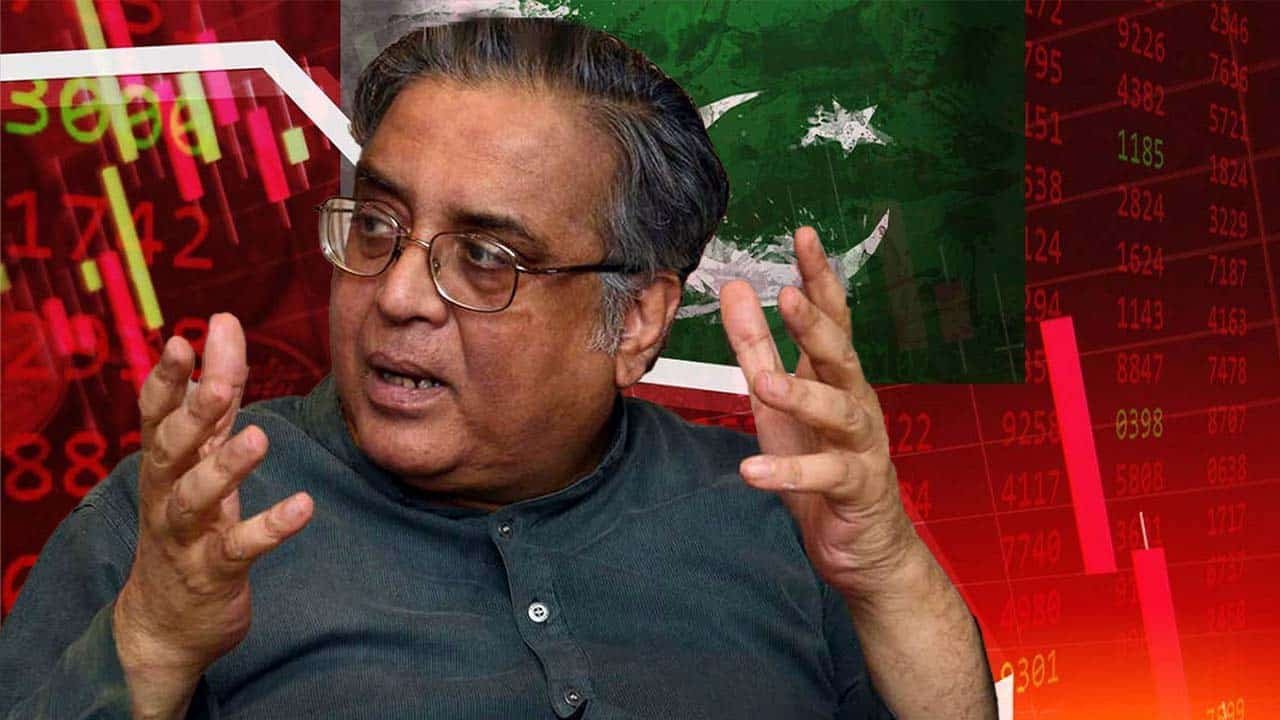
    Former finance minister Dr Hafiz Pasha on Tuesday warned that inflation in Pakistan may soar to 70 per cent in the event of a default.

    Pasha predicted that Pakistan’s general economy would likely continue to experience severe stagflation in 2023. He was speaking to members of the Pakistan Industrial and Traders Associations Front (PIAF).

    Due to the International Monetary Fund (IMF) stringent requirements, inflation will still increase to at least 35 per cent even if the loan from international lender is restored, according to Express Tribune.

     “If the government implements the key reforms agreed with the IMF, including a Rs50 levy per litre on POL, an electricity tariff hike of 40 per cent, doubling of the gas tariff, and shift to market-based exchange rate policy, the inflation rate could exceed 35 per cent,” Pasha cautioned.

    If the government does not implement the agreed reforms, he said, “It will lead to a termination of the IMF programme and will virtually dry-up the country’s capital.”

    According to Pasha, Pakistan’s reliance on pricey foreign loans has been disastrous. The nation’s debt in the first 65 years was $65 billion. In the following seven years, as we increased our reliance on costly loans with high interest rates, this amount increased to approximately $130 billion.

  • IT Minister warns of service disruption in many areas due to unavailability of technical parts

    IT Minister warns of service disruption in many areas due to unavailability of technical parts

    The restrictions imposed for the letters of credit (LCs) facility for the telecom sector, according to IT & Telecom Minister Syed Aminul Haque, are insufficient.

    “Without much-needed tec­hnical parts there are fears of service disruptions in many areas,” Mr Haque warned while presiding over the 44th Policy Com­mittee meeting of the Universal Service Fund (USF).

    He claimed that the restricted LC licenses were impeding the import of equipment for upgrading mobile networks and interfering with the general efficiency of the IT and telecom industries.

    “Telecom companies were facing difficulty in importing parts and equipment due to limited permission of LCs and it may also result in a delay in projects for the provision of 4G services in far-flung areas of the country,” the minister noted.

    The authorities reported to the meeting that telcos, IT firms, and their backend equipment suppliers had complained that it was impossible for them to import even the basic hardware required to run systems.

    The minister promised to speak with the Ministry of Finance again and let them know about the critical circumstance.

    Out of the budget of Rs32.13 billion set aside for the Universal Service Fund (USF) for 2022–2023, the meeting approved the release of a development fund of Rs5 billion for the second and third quarters, while Rs8.25 billion had already been released for the first quarter.

  • Exchange companies suggest higher US dollar rate to increase remittances

    Exchange companies suggest higher US dollar rate to increase remittances

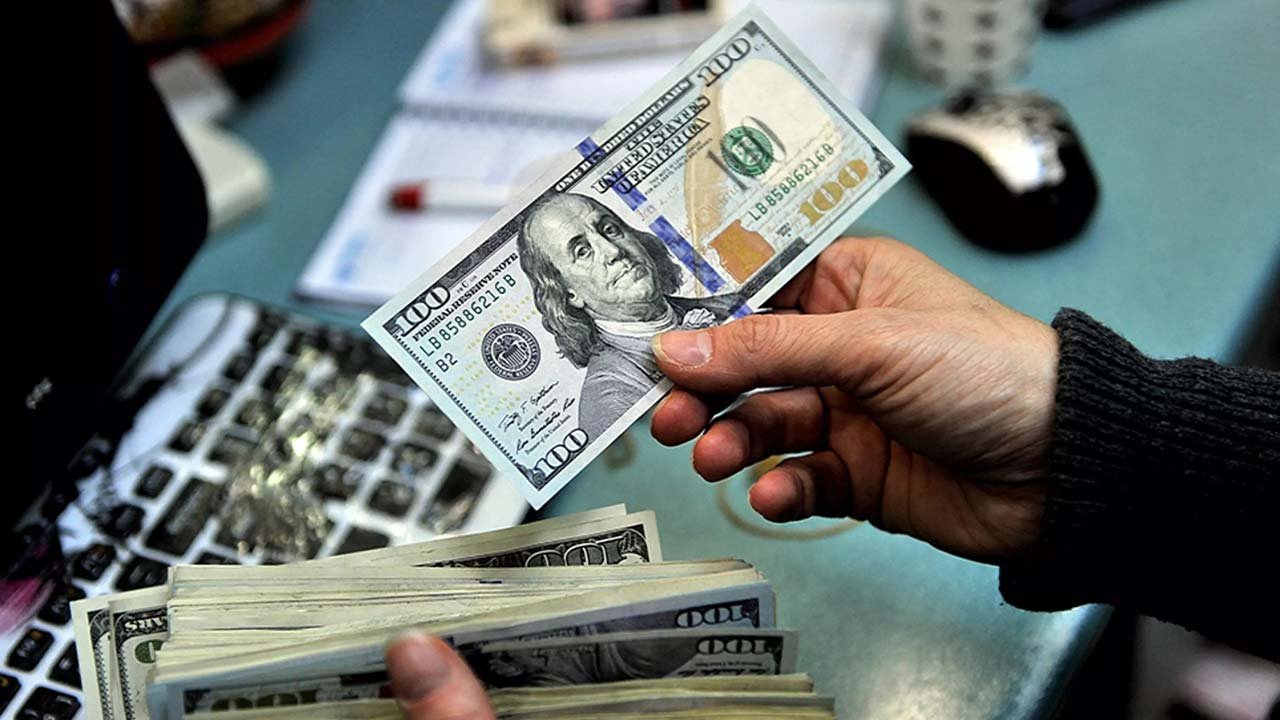
    The government has been advised by the Exchange Companies Association of Pakistan (ECAP) to “set” the dollar rate to lessen currency market volatility as the country fights a severe economic crisis and declining foreign exchange reserves.

    The general secretary of ECAP Zafar Paracha said in a statement on Monday, “It is advised to fix the rupee/dollar exchange rate for export-import bills and remittances”. He further said these remittance proceeds could be received by banks and money changers at a fixed rate of Rs240 per dollar.

    Pakistani rupee closed at Rs228.34 per US dollar, compared with the previous close of Rs228.15 in the interbank market. In the open market, the local unit was trading at Rs238.75 against the greenback.

    Paracha suggested the government to set the rate of Rs240 per dollar for overseas Pakistanis and for inward remittance.

    He expects that by making the change, the official channel would be strengthened, remittances would increase, Hundi/Hawala would decline, and eventually, the grey market would vanish.

    According to Paracha, the exchange rate between the dollar and the local currency has hit Rs267 to Rs270. The offer could be made at Rs228 against/ the dollar in order to obtain exporters’ revenues. Additionally, the rate for importers would be determined by the weighted average of the exporter and home remittance rates. He said that it would help remittances and exporters.

    It will boost the nation’s foreign exchange reserve, encourage exporters to bring dollars, and strengthen the exchange companies’ remittances division.

    The country received $14.1 billion in remittances during the first six months (July-December) of the current fiscal year, a decline of 11.1 per cent from a year earlier.

    As of January 6, Pakistan’s foreign exchange reserves at the State Bank of Pakistan fell by $1.2 billion to $4.3 billion, just enough to fund three weeks’ worth of imports.

    Due to significant repayments of foreign debt and a lack of external funding, which have severely reduced Pakistan’s foreign reserves and resulted in ongoing dollar shortages, the country is currently facing a balance of payments crisis.

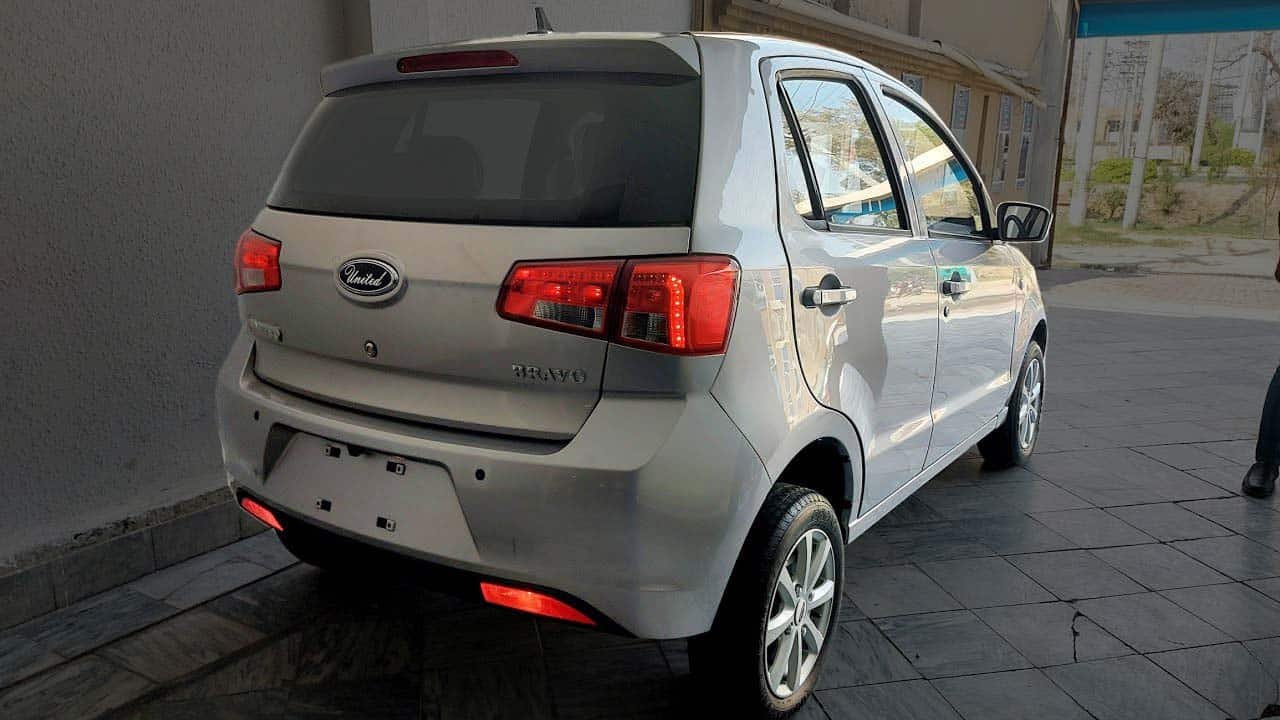
  • Here’s why United Bravo flopped in Pakistan despite being cheap

    Here’s why United Bravo flopped in Pakistan despite being cheap

    United Motors introduced the 800cc Bravo hatchback in Pakistan back in 2018, soon after Pak Suzuki officially announced discontinuing the wildly popular 3-decades old Suzuki Mehran.

    The car was seen as a ‘better replacement’ for the Suzuki Mehran as it came with many interesting features, including an interior with a wooden touch that was actually made of plastic, a dual gauge speedometer, three-spoke steering, alloy rims, power windows, power steering, and keyless entry.

    Due to its features and relatively contemporary looks, it was believed to perform well in Pakistan.

    However, even after more than five years, finding a Bravo on the roads is a rare event. You might come across one in the cities of Punjab.

    Bravo was launched with an 800 cc naturally aspirated 3-cylinder petrol engine that makes 40 hp and 60 Nm of torque, mated to a 4-speed manual transmission.

    There is not just one reason for its flop in the Pakistani auto market.

    United Bravo initially attracted a lot of attention due to its low cost. After some time, those who purchased Bravo began to experience a number of build quality issues. Additionally, it was said that the company’s after-sales services were subpar and that there was a shortage of car parts.

    Numerous online reviews of the car’s substandard build, messed-up paint, and poor assembling frightened potential buyers or anyone even considering purchasing a Bravo.

    Bravo had minimal resale value, and the small hatchback was viewed as a scary investment as it was incredibly difficult for the owner to sell the vehicle once they had purchased it since there were few people interested in owning it.

    United Bravo has been unable to draw buyers despite being aimed at Pakistan’s largest automotive sector by sales volume. If the manufacturer had launched the car with long-lasting, good-quality parts, it might have done better in Pakistan.

    Any auto parts store will sell spare parts for the Suzuki Mehran, but you can’t imagine buying parts for Bravo at every shop.

    Pakistanis often assess how a new brand or product will perform in the long run before accepting it or placing their trust in it. Since established brands like Suzuki, Honda, and Toyota have gained the trust of consumers and deliver acceptable after-sales service, it is difficult for newcomers to compete with them in the Pakistani auto market.

  • Export industry is one of the highest priorities of govt: Ishaq Dar

    Export industry is one of the highest priorities of govt: Ishaq Dar

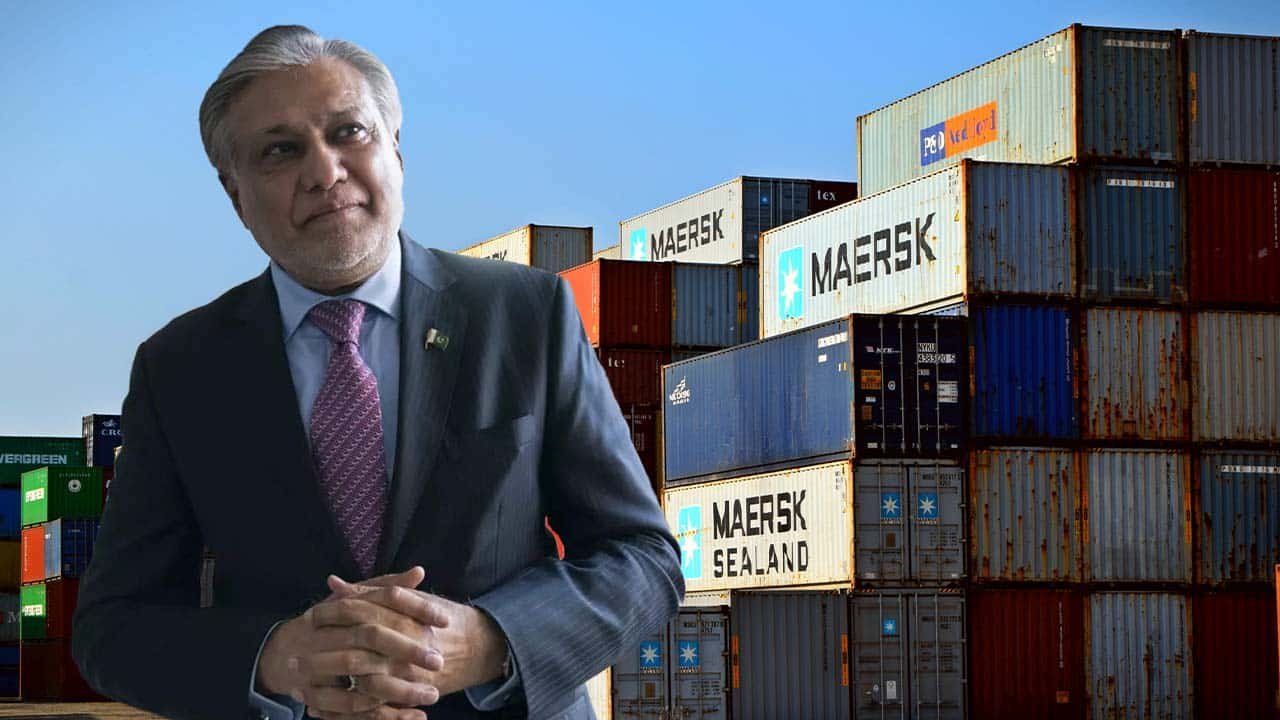
    Federal Minister for Finance and Revenue Ishaq Dar on Monday said that the government will make it easier for all exporters to import the raw materials, components, and accessories they need to meet their demands, including five previously zero-rated export-oriented sectors.

    “Export industry is one of the highest priority of our government,” the minister wrote on Twitter.

    “Five (previously) zero-rated export-oriented sectors and all other exporters will be given complete facilitation for import of raw material, parts, and accessories to meet their export requirements,” Dar added.

    The announcement comes as the country battles a dire foreign exchange crisis and industries, notably exporters, struggle to get their Letters of Credit (LC) issued

    At Karachi port, thousands of containers containing raw materials, food items, and medical supplies are stranded due to a shortage of dollars.

    Banks are refusing to grant fresh letters of credit for importers due to a shortage of needed dollars, which is undermining an economy already under pressure from high inflation and weak GDP.

  • Russian delegation will visit Pakistan tomorrow to discuss long-term oil and gas deal

    Russian delegation will visit Pakistan tomorrow to discuss long-term oil and gas deal

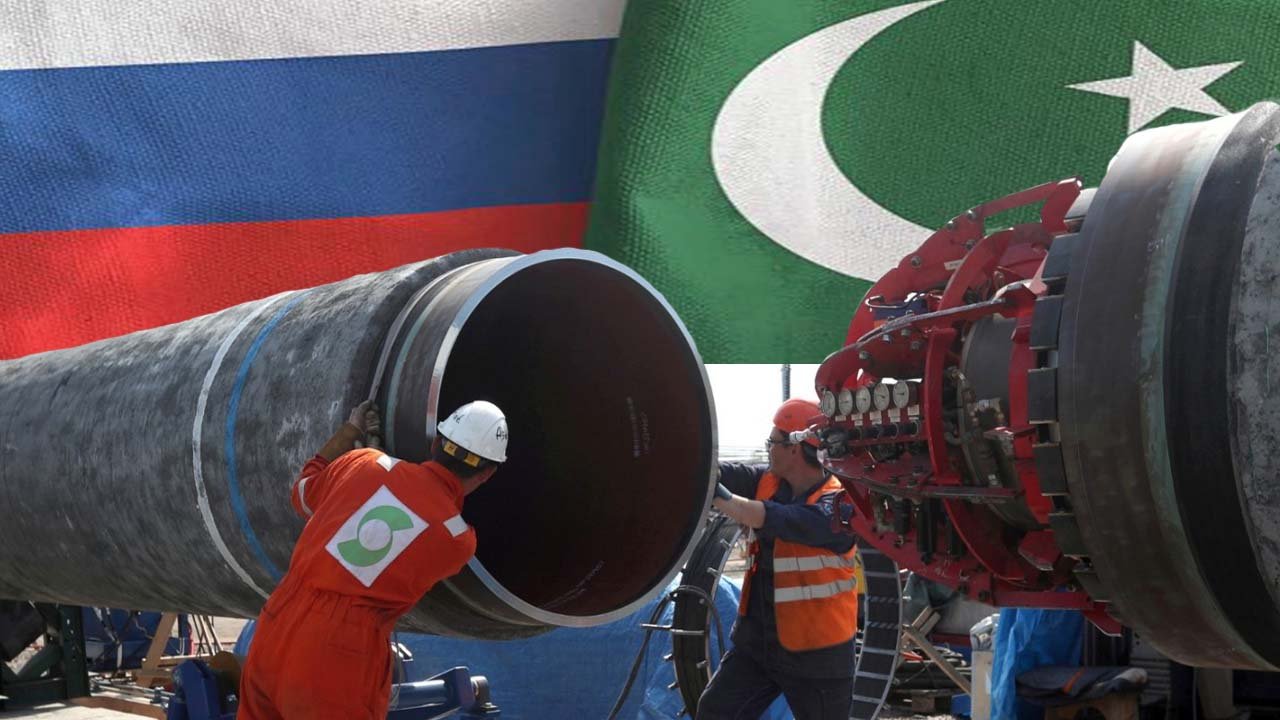
    The much-touted $3 billion Pakistan Stream Gas Pipeline (PSGP) project, as well as a long-term trade agreement for oil and liquefied natural gas (LNG), will be the topics of bilateral negotiations between Pakistan and a Russian delegation that will arrive tomorrow.

    The team, which consists of 80 personnel, will land in Pakistan on Tuesday for three days of bilateral discussions through the Inter-Governmental Commission forum (IGC).

    For the IGC negotiations, the Pakistani delegation will be led by Federal Minister Sardar Ayaz Sadiq. Both states must first negotiate the IGA (inter-governmental agreement), which was finalised and signed in the case of the Pakistan Stream Gas Pipeline Project (PSGP), formerly known as the North-South Gas pipeline project, in order to import Russian oil and LNG on a GtG basis.

    According to The News, the shareholding and facilitation agreement for PSGP was still in draught form on February 24, 2022, when former prime minister Imran Khan travelled to Moscow. Both parties wanted to sign the PSGP agreement during the Imran and Putin meeting, but it was not able to be done since the experts from both sides could not agree on several terms of the shareholding agreement.

    Currently, the G7 nations have capped the price of Russian crude oil at $60 per barrel and forbade the use of Russian ships to carry oil. In exchange, Moscow promised to stop selling oil to nations who agree to a Western price restriction on its petroleum.

    The Pakistani side will talk about the shipment costs, the premium by the shipping trader, the insurance coverage, and the payment options.

    Agribusiness, energy, customs, industry, education, research and technology, information and communication technologies, communication, roads and postal service, railroads, and finance are all included in the IGC’s agenda as areas for cooperation in trade and investments. Additionally, Pakistan’s debt to Russia will be settled and discussed.

    The potential for cooperation in the areas of electric power, hydropower, renewable energy sources, and oil and petrol production will also be discussed by the two sides.

    In their response, the Pakistani team proposed to change the model of the PSGP project. The Russian side said that the model of the project under GtG (government-to-government) arrangement had already been settled, save for some clauses of the shareholding agreement, which would soon be finalized.

  • Bitcoin price surpasses Rs4.5 million for the first time in 2 months

    Bitcoin price surpasses Rs4.5 million for the first time in 2 months

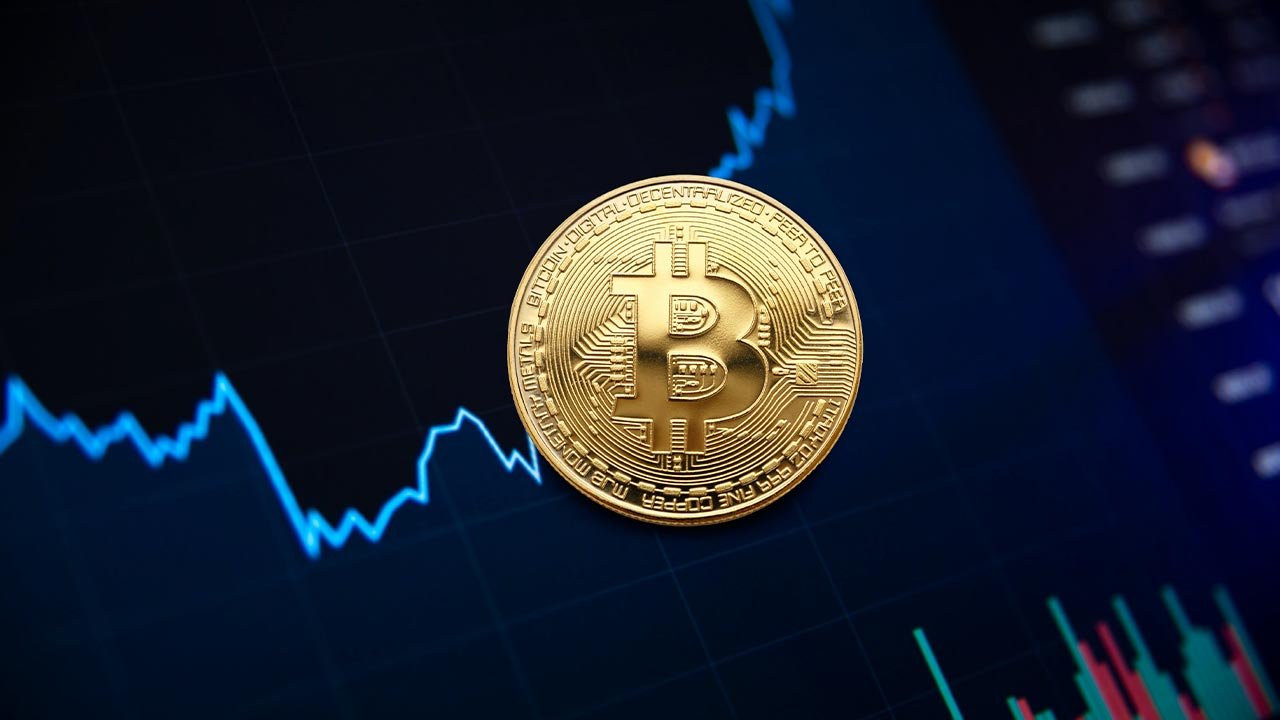
    On Saturday, Bitcoin surpassed $20,000 (Rs4.5 million) for the first time in more than two months. The strongest and most popular cryptocurrency in the world gained $922 from its previous closing to appreciate 4.6 per cent to $20,853 at 1:00 GMT on Saturday.

    Since January 1’s low of $16,496 for the year, the cryptocurrency has increased by 26.4 per cent.

    On Saturday, the price of Ether, the digital currency linked to the Ethereum blockchain network, rose by $85.90 to $1,536.3.

    Both traditional and cryptocurrency investors were pleased with the report’s findings. But it also occurs at a moment when Washington has a revived interest in cryptocurrency.

    Legislators are on high alert after FTX’s fall in November. Sam Bankman-Fried, the founder and former CEO of FTX, was detained last month and charged with eight offenses, including wire fraud and violations of campaign financing laws.

    While many on Twitter are happy with Bitcoin’s recent gains, $20,000 is still 71 per cent below the cryptocurrency’s previous record high of just over $69,000.

  • Here’s how chicken prices surpassed beef prices for the first time in Pakistan

    Here’s how chicken prices surpassed beef prices for the first time in Pakistan

    Owing to a major shipment that has been stuck at Port Qasim in Karachi for several months, chicken prices have sharply increased and surpassed beef prices (with bones) for the first time in thirty years.

    A shipment of soybean seeds worth $100 million was halted in October 2022 at Port Qasim in Karachi. These oilseeds were designed to be crushed rather than planted. One of the main components of the edible oil used in Pakistan is the liquid that is produced when the seeds are pressed.

    Being one of the biggest importers of palm seeds, soybeans, and other oilseeds from nations like Malaysia, Pakistan is heavily dependent on these oilseeds to meet its demands for edible oil. But because they are also used as cattle feed, these oilseeds serve yet another crucial role in the food chain.

    The solid parts of the seeds are left behind when oilseeds like soybeans are pressed to produce edible oil. Then, “oil cakes” made from this fiber- and protein-rich material are fed to cattle and birds as food.

    The majority of these livestock’s “meals” up until 2015–16 were made from locally obtained cotton seeds. Since they are more nutritive than cotton seeds, soybean meals have gained popularity in recent years. Pakistan consumes 2 to 2.8 million tonnes of these meals each year.

    This indicated that when the soybean shipments were stopped at the port, the poultry business was also shocked in addition to the edible oil industry. Feed for chickens was suddenly unavailable, and prices began to soar.

    Since Pakistan is a signatory to the Cartagena Protocol for Biosafety, the environmental ministry was authorised to halt the exports of genetically modified soybean seeds at the port.

    Several issues arose with this. First of all, despite widespread scaremongering, GMOs have never been proven to be dangerous for human consumption. Second, these oilseeds weren’t intended to be planted solely for the purpose of extracting edible oil and as a component in the poultry industry.

    One of the worries was that since hens were being fed with these GMO oilseeds, the ‘harmful consequences’ from these GMOs would eventually move into the chickens and reach the populace, according to Food Security Minister Tariq Bashir Cheema.

    This argument has a flaw in that Pakistani poultry has been fed oilseed diets made from GMOs since at least 2005. Cottonseed meals, which are generated by genetic modification in Pakistan, are a significant component of the poultry diet.

    As things stand, a sizable portion of the population no longer has access to one of its main sources of protein because of the skyrocketing price of chicken. Mutton and beef prices have risen faster than the Consumer Price Index (CPI) during the last few decades.

    According to Profit, only chicken costs increased more slowly than the CPI during this entire period, making it the only protein source. With chicken now costing more than beef on the open market, the population’s nutritional impact might be affected in the long run.
  • Sri Lanka to reduce army by a third as financial crunch tightens

    Sri Lanka to reduce army by a third as financial crunch tightens

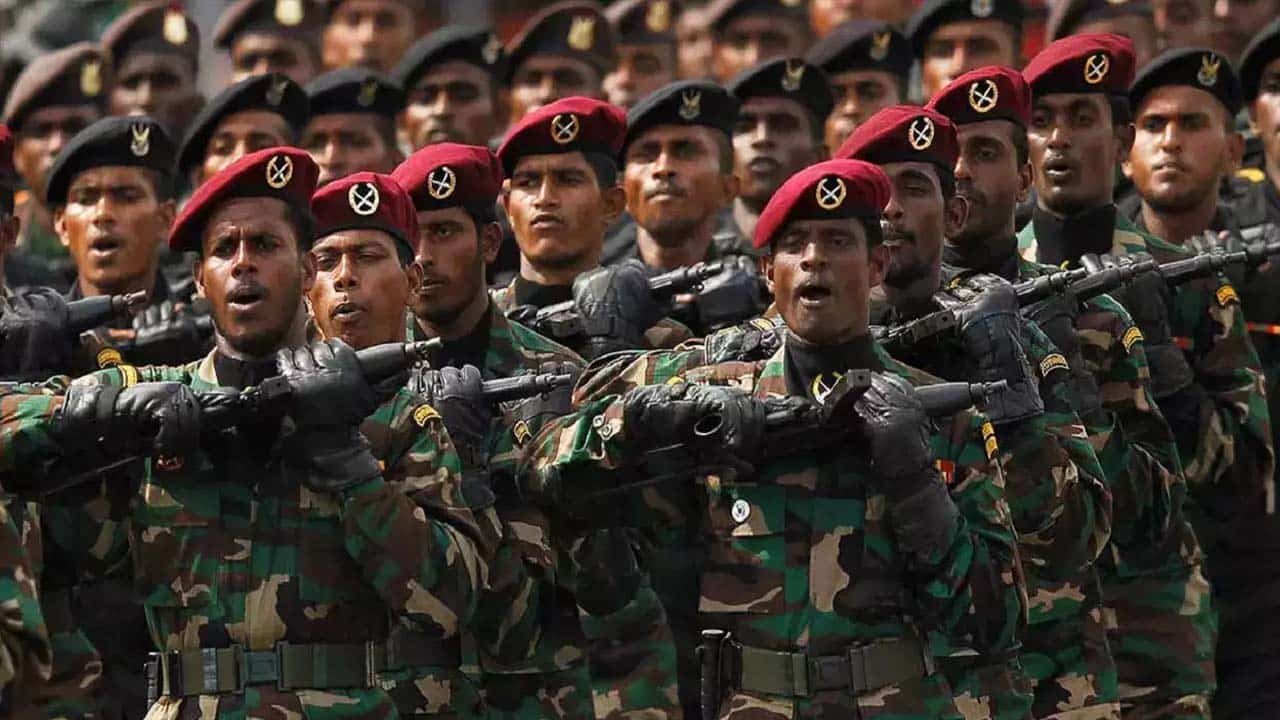
    In response to criticism that military spending exceeded the budgetary allotments for healthcare and education in 2023, Sri Lanka on Friday announced a plan to cut the size of its military in half by 2030 in order to create a technically and tactically sound and well-balanced defence force.

    The country will slash its army by a third to 135,000 personnel by next year and to 100,000 by 2030. “The overall aim of the strategic blueprint is to broach a technically and tactically sound and well-balanced defence force by the year 2030 in order to meet upcoming security challenges,” the statement quoting the state minister of defence Pramitha Bandara Tennakoon said.

    The share of the defence sector in Sri Lanka’s total expenditure peaked in 2021, at 2.31 per cent of gross domestic product (GDP), but fell to 2.03 per cent last year, according to Colombo-based think tank Verite Research.

    In early December, Sri Lankan media outlets announced that the Sri Lankan Army had decided to reduce troop numbers by 16,000.

  • Toyota Indus Motor Company increases car prices by up to Rs1.2 million

    Toyota Indus Motor Company increases car prices by up to Rs1.2 million

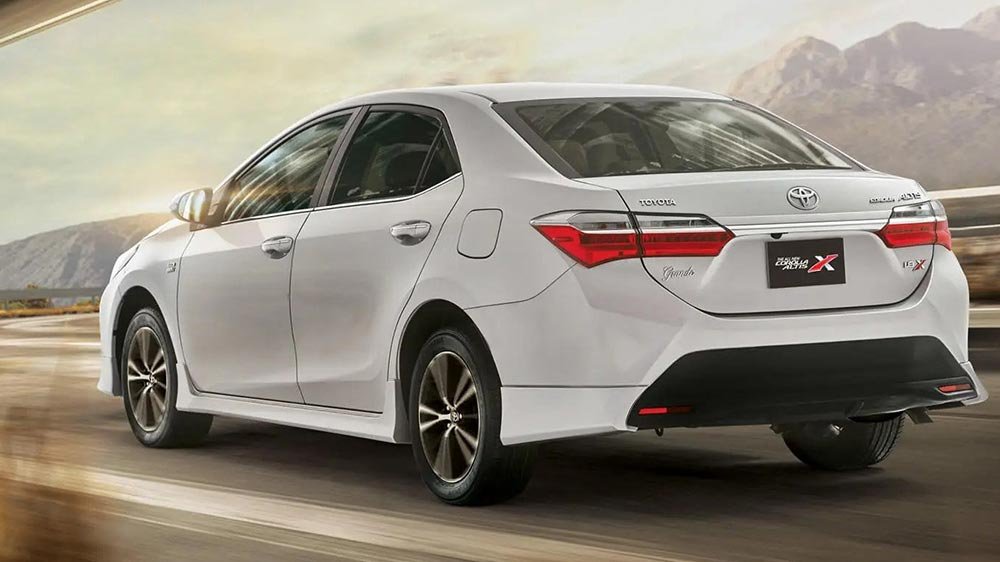
    Toyota Indus Motor Company has announced a significant and unexpected price increase for all of its well-known models, including all variants of the Toyota Yaris, Toyota Corolla Altis, Toyota Hilux Revo, and Toyota Fortuner.

    The first price hike from Toyota for 2023 is already in place and will be applied to all new bookings.

    Following the most recent price increase disclosed by the manufacturer, these are the latest prices for all Toyota cars in Pakistan:

    Toyota Corolla

    Altis X Manual 1.6

    New price: Rs4,939,000

    Old price: Rs4,569,000

    Increase: Rs370,000

    Altis X CVT 1.6

    New price: Rs5,369,000

    Old price: Rs4,979,000

    Increase: Rs390,000

    Altis X 1.6 CVT SE

    New price: Rs5,909,000

    Old price: Rs5,479,000

    Increase: Rs430,000

    Altis Grande X CVT-i 1.8 (Beige room)

    New price: Rs6,169,000

    Old price: Rs5,709,000

    Increase: Rs460,000

    Altis Grande X CVT-i 1.8 (Black Interior)

    New price: Rs6,209,000

    Old price: Rs.5,749,000

    Increase: Rs460,000

    Toyota Yaris

    Yaris GLI MT 1.3

    New price: Rs3,819,000

    Old price: Rs3,539,000

    Increase: Rs280,000

    Yaris GLi CVT 1.3

    New price: Rs4,069,000

    Old price: Rs3,769,000

    Increase: Rs300,000

    Yaris ATIV M/T 1.3

    New price: Rs4,039,000

    Old price: Rs3,729,000

    Increase: Rs310,000

    Yaris ATIV CVT 1.3

    New price: Rs4,239,000

    Old price: Rs3,929,000

    Increase Rs310,000

    Yaris ATIV X MT 1.5

    New price: Rs4,339,000

    Old price: Rs4,009,000

    Increase: Rs330,000

    Yaris ATIV X CVT 1.5

    New price: Rs4,609,000

    Old price: Rs4,259,000

    Increase: Rs350,000

    Toyota Revo

    Hilux Revo V Automatic 2.8

    New price: Rs11,429,000 

    Old price: Rs10,599,000

    Increase: Rs830,000

    Hilux Revo Rocco

    New price: Rs12,049,000

    Old price: Rs11,179,000

    Increase: Rs870,000

    Toyota Fortuner

    Fortuner G A/T

    New price: Rs12,509,000

    Old price: Rs.11,579,000

    Increase: Rs930,000

    Fortuner 2.7 V A/T

    New price: Rs14,319,000

    Old price: Rs13,259,000

    Increase: Rs510,000 

    Fortuner 2.8 Sigma 4

    New price: Rs15,099,000

    Old price: Rs13,969,000

    Increase: Rs1,130,000

    Fortuner Legender

    New price: Rs15,909,000

    Old price: Rs14,699,000

    Increase: Rs1,210,000

    Small hatchbacks and small sedans were already out of the reach of the average person’s budget. The most recent price hike is now anticipated to cause more problems for the country’s already-suffering people. On the other side, Toyota’s most recent announcement could possibly cause a decline in its auto sales.