Category: Business

The most important business news, explained in a young, easy to understand way. News that affects young career professionals.

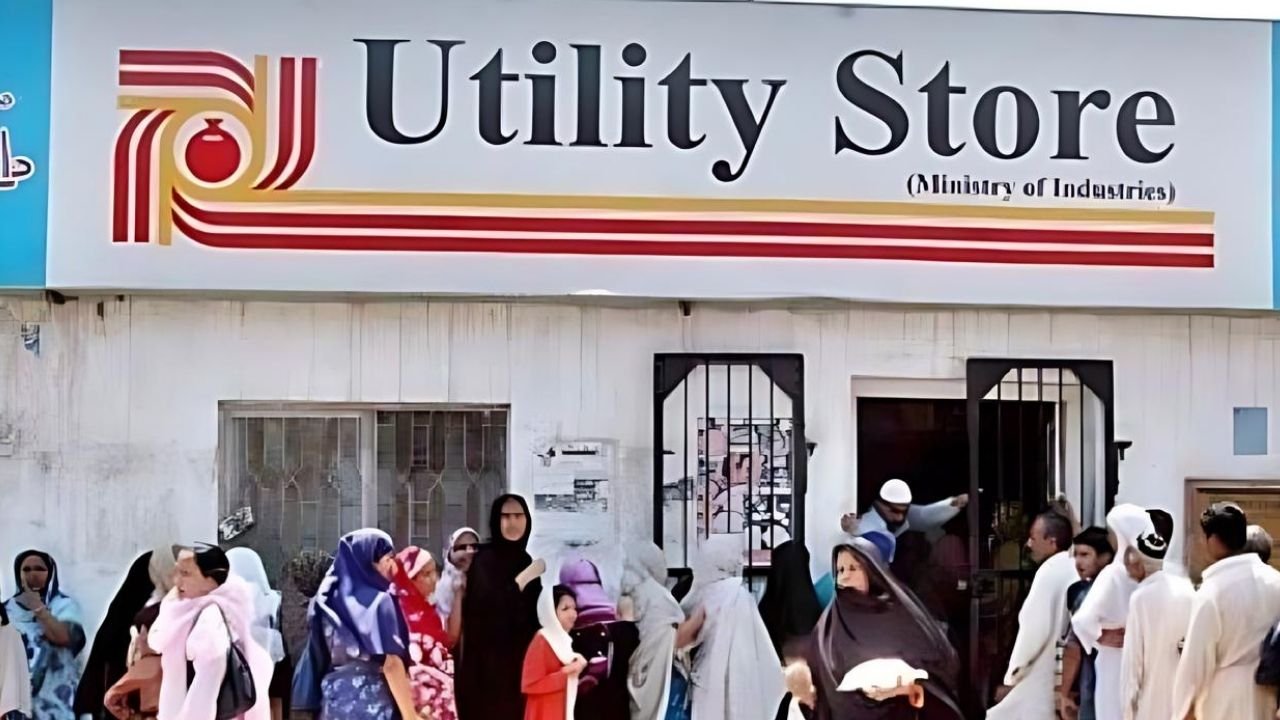
  • Federal govt decides to shut down utility stores

    Federal govt decides to shut down utility stores

    Geo News has reported that the federal government has decided to shut down utility stores.

    According to the administration, the federal government has given two weeks to solve transaction matters with other companies.

    They pointed out that the federal government has already lifted subsidies.

    The administration stated that out of 11,000 employees, 6,000 are permanent, while the other 5,000 are contract-based employees, all of whom will likely be significantly affected by this decision.

    Utility stores are the largest chain stores in Pakistan. They sell commodities at lower prices than the market, and the government often provides subsidies to these chain stores.

  • Gold price hits record high for the fourth time this week

    Gold price hits record high for the fourth time this week

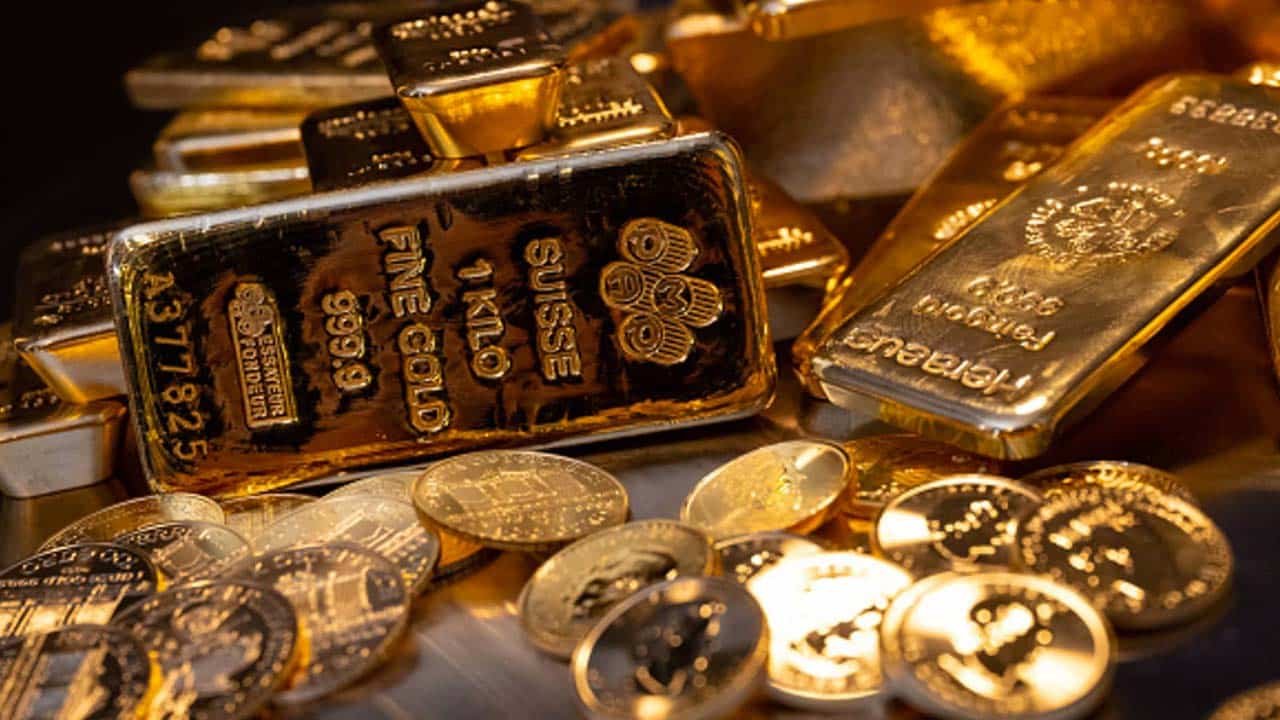
    Gold prices in Pakistan have soared to unprecedented levels, setting a new record on Friday as economic uncertainty continues to grip the nation. The price of 24-karat gold surged to Rs262,000 per tola, marking a modest increase of Rs200 from the previous session.

    This climb, while seemingly incremental, is significant given the broader economic context and the ongoing fluctuations in both local and global markets.

    Notably, market sources have reported that the current price is Rs2,000 below its actual market value, suggesting that the gold market is being cautiously managed to mitigate further spikes in prices.

    Globally, gold prices have also been on the rise, reflecting broader economic trends and investor behaviour. Spot gold traded near $2,492 per ounce, showing a slight increase of $5.4 or 0.22 per cent from the previous day’s trading.

    This uptick, although small, continues to underscore gold’s role as a safe haven for investors amid global economic uncertainty, particularly in light of inflationary pressures, geopolitical tensions, and fluctuating currencies.

    In Pakistan, the gold market remains closely watched, especially by those concerned with the economic stability of the country. The Karachi Sarafa Association, a key body in setting gold prices, reported that the price of 24-karat gold has now reached Rs224,623 per 10 grams, a rise of Rs172.

    Similarly, 22-karat gold was priced at Rs205,904 per 10 grams. These increases, while moderate, reflect the ongoing demand for gold as a hedge against economic instability and the weakening of the local currency.

    Silver, another precious metal closely linked with gold in the commodities market, remained stable in the domestic market. The price of 24-karat silver was steady at Rs2,950 per tola and Rs2,529 per 10 grams.

    The stability in silver prices, even as gold continues to rise, suggests a more nuanced market dynamic where silver is not experiencing the same level of demand pressures as gold.

    Gold is becoming increasingly unaffordable for many individuals, reflecting broader economic pressures and rising commodity prices. As gold prices soar to unprecedented levels, with 24-karat gold now priced at Rs262,000 per tola in Pakistan, the precious metal is edging out of reach for the average consumer.

    This dramatic increase, coupled with the high cost of living and inflationary pressures, means that gold, traditionally seen as a safe investment and a symbol of wealth, is no longer accessible to a significant portion of the population.

    For many households, the escalating cost of gold makes it a luxury item rather than a feasible investment or gift.

    This shift underscores a growing divide in economic access, as those with more substantial financial resources can continue to invest in and purchase gold, while the majority struggle to afford even small quantities. The impact of these soaring prices highlights the broader challenges facing consumers and the widening gap between wealth and affordability.

    PKR shows slight improvement during early trade

    On the currency front, the Pakistani rupee showed slight improvement against the US dollar during early trading hours on Friday, appreciating by 0.09 per cent.

    The rupee was trading at 278.43 against the dollar at 10:00 AM, marking a gain of Re0.24 from the previous day’s close of 278.67, according to the State Bank of Pakistan (SBP). This minor recovery, while positive, does little to alleviate the concerns surrounding the rupee’s overall performance in recent months.

    The rupee has been hovering between 277 and 279 against the dollar, reflecting the volatility in the currency market. This fluctuation is largely attributed to the broader economic challenges faced by Pakistan, including a significant current account deficit, inflationary pressures, and uncertainty surrounding international financial assistance.

    Traders and analysts are closely watching the approval process for the International Monetary Fund’s (IMF) new $7 billion Extended Fund Facility, which is expected to provide much-needed relief to Pakistan’s economy.

    Pakistan’s Finance Minister, Muhammad Aurangzeb, announced on Wednesday that the IMF Executive Board is scheduled to meet in September to discuss the country’s economic situation.

    Aurangzeb indicated that “good progress” is being made with the IMF, and the upcoming meeting is crucial for securing the financial aid that Pakistan desperately needs. The IMF’s approval is seen as a key indicator of economic stability, and its delay has contributed to the rupee’s instability.

    On the international stage, the US dollar remained stable on Friday, as traders awaited key remarks from Federal Reserve Chair Jerome Powell. Powell’s comments are expected to provide insight into the Federal Reserve’s future monetary policy, particularly in relation to interest rates.

    Meanwhile, Bank of Japan (BOJ) Governor Kazuo Ueda sought to calm market nerves after a surprise rate hike last month, which had caused significant volatility in the markets.

    The dollar index, which measures the greenback against six major currencies, remained relatively unchanged at 101.43 in early trading on Friday, after a 0.34 per cent rise in the previous session.

    The index had dipped to 100.92 on Wednesday, marking its lowest point this year. The stability in the dollar comes amid mixed signals from the US economy, where inflation has begun to cool, but uncertainty remains about the strength of the labour market.

    Federal Reserve policymakers, speaking on Thursday, largely supported the idea of the US beginning interest rate cuts next month. This shift in policy is seen as a response to the easing of inflationary pressures and the cooling of the labour market.

    However, one policymaker indicated that there is no rush to ease monetary policy, suggesting that the Federal Reserve may take a cautious approach to avoid reigniting inflation.

    As global and domestic markets continue to navigate through these uncertain times, both gold and the rupee will likely remain in focus. Investors and analysts will be watching closely to see how these trends develop, particularly as Pakistan continues to seek international financial assistance and as global economic conditions evolve.

    The coming weeks will be critical in determining the direction of both the local economy and its currency, with the gold market acting as a barometer of economic sentiment.
  • Exchange rates for today: PKR declines 0.05% against US dollar

    Exchange rates for today: PKR declines 0.05% against US dollar

    The Pakistani rupee (PKR) experienced a slight decline against the US dollar on Thursday, depreciating by 0.05 per cent in the inter-bank market.

    The currency closed at Rs278.67, marking a decrease of Rs0.15 from the previous day’s rate of Rs278.52, according to the State Bank of Pakistan (SBP).

    In comparison with other major currencies, the rupee faced mixed outcomes today:

    Currency Previous rate Today’s rate Change (PKR)
    Euro 309.59 310.65 1.05
    British Pound 362.60 365.10 2.50
    Swiss Franc 325.44 328.04 2.60
    South Korean Won 0.21
    Japanese Yen 1.9063 1.9165 1.02 paisa
    Chinese Yuan 39.03 39.06 3.1 paisa
    Saudi Riyal 74.23 74.27 3.87 paisa
    UAE Dirham 75.87 75.83 4.06 paisa
    PKR vs other currencies

    Euro to PKR: The rupee lost Rs1.05, closing at Rs310.65, compared to the previous rate of Rs309.59.

    British Pound to PKR: The rupee depreciated by Rs2.50, ending the day at Rs365.10, up from Rs362.60.

    Swiss Franc to PKR: The rupee fell by Rs2.60, closing at Rs328.04, compared to Rs325.44 from the previous session.

    Won to PKR: The Pakistani rupee was reportedly trading at Rs0.21 paisa against Won

    Japanese Yen to PKR: The rupee saw a slight decline of 1.02 paisa, closing at Rs1.9165 versus Rs1.9063.

    Chinese Yuan to PKR: The rupee gained 3.1 paisa, closing at Rs39.06, up from Rs39.03.

    Saudi Riyal to PKR: The rupee increased by 3.87 paisa, closing at Rs74.27, compared to Rs74.23.

    UAE Dirham to PKR: The rupee appreciated by 4.06 paisa, closing at Rs75.83, up from Rs75.87.

    Over the current financial year, the rupee has depreciated by 32.82 paisa or 0.12 per cent against the US dollar, while it has appreciated by Rs3.19 or 1.15 per cent since the beginning of the calendar year.

    In the money market, the benchmark 6-month Karachi Interbank Bid and Offer rates fell by 63 basis points to 17.69 per cent and 17.94 per cent, respectively.

    The domestic currency has remained relatively stable in recent months, hovering around the Rs277-279 range against the dollar, as traders monitor positive economic indicators and await the approval of a new $7 billion Extended Fund Facility from the International Monetary Fund (IMF).

    On Wednesday, Pakistan’s Finance Minister, Muhammad Aurangzeb, stated that the IMF Executive Board meeting on Pakistan is scheduled for September, noting that “good progress” is being made with the IMF.

    It is worth noting that this is the third consecutive decline witnessed in the ongoing week.

    Additionally, regarding the Pakistani currency, the central bank plans to introduce newly designed currency notes across all denominations next year to enhance security features, according to SBP Governor Jameel Ahmad.

    Speaking to a parliamentary body in Islamabad on Wednesday, Ahmad stated that the central bank aims to finalise the new designs by December, with the notes to be issued in phases. Notably, one of the denominations will be a polymer note, he added.

  • Gold price hits record high of Rs261,000 per tola in Pakistan

    Gold price hits record high of Rs261,000 per tola in Pakistan

    Gold prices in Pakistan continued their upward trend on Wednesday, reaching a new record high, driven by a rise in international rates. The price of gold per tola in the local market increased by Rs300, bringing it to Rs261,000. Meanwhile, the price for 10 grammes of gold rose by Rs257, reaching Rs223,765.

    On the previous day, the price of gold had settled at Rs260,700, marking a Rs700 increase, as reported by the All-Pakistan Gems and Jewellers Sarafa Association (APGJSA).

    While the international gold rate remained steady on Wednesday, the APGJSA noted that the price was $2,512 per ounce, which included a premium of $20.

    In contrast, silver prices in the local market remained unchanged at Rs2,950 per tola.

    Globally, gold prices continue to be buoyed by expectations of an imminent rate cut by the US Federal Reserve and ongoing geopolitical uncertainties.

    The anticipation of the Fed beginning a rate-cutting cycle as early as September has put downward pressure on US Treasury bond yields and the US Dollar, contributing to the surge in gold prices, which hit a new record on Tuesday.

    According to the CME Group’s FedWatch Tool, there is now over a 70 per cent probability that the US central bank will reduce borrowing costs by 25 basis points at the September FOMC meeting.

    Additionally, a recent Reuters poll suggests that a slight majority of economists expect the Fed to implement a 25 basis point cut at each of the three remaining meetings in 2024, one more reduction than was anticipated last month.

  • Uncertainty surrounds Pakistan’s $7 billion IMF bailout as approval date still not confirmed

    Uncertainty surrounds Pakistan’s $7 billion IMF bailout as approval date still not confirmed

    Pakistan’s much-anticipated $7 billion bailout package has not yet been scheduled for review by the International Monetary Fund (IMF) executive board, with the agenda extending only until August 30, according to the IMF’s recently released calendar.

    In July, Pakistani authorities and the IMF reached a staff-level agreement, potentially paving the way for a 37-month Extended Fund Facility (EFF) valued at SDR 5,320 million (approximately $7 billion).

    However, this agreement hinges on the approval of the IMF Executive Board, which is contingent upon Pakistan securing necessary financing assurances from its development and bilateral partners.

    The proposed programme is designed to build on the hard-won macroeconomic stability achieved in the past year. It aims to strengthen public finances, reduce inflation, rebuild external reserves, and eliminate economic distortions to foster private sector-led growth.

    Despite five weeks having passed since the staff-level agreement, Pakistan has yet to bridge an external financing gap of up to $5 billion.

    This delay has prevented the country from signing the Letter of Intent (LoI) required to formally request the IMF executive board’s approval of the $7 billion package under the EFF programme.

    The LoI is a critical step in requesting the IMF’s endorsement of the 37-month, $7 billion EFF programme. Without this approval, Pakistan cannot proceed with the much-needed financial support.

  • Gold price surges to new all-time high in Pakistan, now at Rs260,700 per tola

    Gold price surges to new all-time high in Pakistan, now at Rs260,700 per tola

    Gold prices in Pakistan surged to new record highs on Tuesday, following an upward trend in international markets.

    The price per tola of gold in the local market increased by Rs700, reaching an all-time high of Rs260,700.

    This latest figure surpasses the previous record of Rs260,200 per tola set just last week, marking a Rs500 increase from the last historic high.

    The price of 10-gramme gold also saw a rise, selling at Rs223,508 after an increase of Rs600, according to data from the All-Pakistan Gems and Jewellers Sarafa Association (APGJSA).

    On Monday, the gold price had dipped slightly to Rs260,000, a Rs200 decrease. However, the international gold rate edged higher on Tuesday, with prices reaching $2,512 per ounce, including a $20 premium, reflecting a $10 gain during the day.

    Meanwhile, silver prices remained stable at Rs2,950 per tola.

  • Car financing in Pakistan drops 20% in July amid rising prices and interest rates

    Car financing in Pakistan drops 20% in July amid rising prices and interest rates

    Car financing in Pakistan witnessed a significant decline in July 2024, as soaring vehicle prices and elevated interest rates continued to dampen consumer demand.

    According to the latest data from the State Bank of Pakistan (SBP), car financing fell by 20.06 per cent year-on-year, dropping from Rs285.19 billion in July 2023 to Rs228 billion in July 2024.

    This sharp decrease is largely attributed to a combination of rising interest rates, inflated car prices, stricter loan regulations, and increased taxes on automobile imports and parts.

    Month-on-month, the decline in car financing was relatively modest, with a 1.09 per cent reduction from Rs230.5 billion in June 2024.

    The SBP data also highlighted a decline in consumer financing for house construction, which totalled Rs202.8 billion at the end of July 2024. This marks a 3.94 per cent decrease compared to the same period last year.

    On a monthly basis, house construction financing saw a slight dip of 0.39 per cent, down from Rs203.58 billion in June 2024.

    In contrast, personal financing reached Rs238.95 billion in July 2024. While this represents a year-on-year decrease of 4.51 per cent, it showed a slight uptick of 0.14 per cent from the previous month.

    The impact of rising costs is evident in the automobile market, where even the most affordable vehicles are now out of reach for many consumers.

     For instance, the Suzuki Alto, one of the highest-selling and traditionally considered among the cheapest cars from a reputable brand in Pakistan, now costs over Rs3 million for the top variant, the Suzuki Alto VXL AGS, while the base variant, the Suzuki Alto VX, is priced at Rs2.3 million.

  • US remains top export destination for Pakistan in July 2024

    US remains top export destination for Pakistan in July 2024

    In July 2024, the United States emerged as Pakistan’s leading export destination, with shipments totalling $476.02 million, marking an 8.2 per cent increase compared to the $439.89 million recorded in the same month last year, according to data released by the State Bank of Pakistan.

    The United Kingdom followed as the second-largest market for Pakistani goods, with exports reaching $183.3 million. This represents a 6.1 per cent rise from the $172.72 million exported to the UK in July 2023.

    The United Arab Emirates, specifically Dubai, ranked third, with export revenue amounting to $176.18 million—a significant 41.1 per cent surge from the $124.82 million earned during the same period last year.

    China stood as the fourth-largest export destination for Pakistan, with goods worth $160.1 million shipped, reflecting a 5.8 per cent year-on-year (YoY) growth.

    Germany also saw an increase in Pakistani exports, with shipments totalling $135.46 million, a 9.5 per cent YoY rise. Similarly, exports to the Netherlands grew by 15.9 per cent YoY, reaching $124.55 million.

    However, not all markets saw growth. Exports to Spain decreased by 14.4 per cent YoY, with revenue standing at $106.71 million.

    On a month-on-month (MoM) basis, exports to the United States saw a 7.3 per cent increase compared to June 2024, while exports to the UK rose by 20.9 per cent MoM. Exports to Dubai also saw a MoM increase of 6.9 per cent.

  • FBR asks traders to pay advance tax of up to Rs60,000 by the 15th of every month

    FBR asks traders to pay advance tax of up to Rs60,000 by the 15th of every month

    The Federal Board of Revenue (FBR) has issued a notice to traders in Karachi, instructing them to pay an advance tax of up to Rs60,000 per month under the Tajir Dost Scheme.

    The notice, issued by the regional tax office in Karachi, specifies that the payment is due by the 15th of each month.

    The Tajir Dost Scheme, designed to simplify tax compliance for traders, has sparked concern among the business community, particularly in key markets such as Liaquatabad and the electronics market.

    Traders have expressed frustration over what they see as an additional financial burden imposed by the authorities.

    In response to the scheme, Karachi’s business community has decided not to comply with the advance tax payment. On Friday, traders announced a nationwide strike scheduled for August 28 to protest against the Tajir Dost Scheme.

    During a joint press conference, the All Pakistan Anjuman-e-Tajiran, along with other traders’ associations, demanded the immediate withdrawal of the scheme, labelling it as ‘unacceptable.’

    They also called for the reversal of the decision to impose heavy taxes on the export sector, as well as the withdrawal of the recent increase in income tax slabs for salaried individuals and business owners.

  • Pakistan’s weekly inflation dips slightly amid lower fuel and onion prices

    Pakistan’s weekly inflation dips slightly amid lower fuel and onion prices

    Pakistan’s weekly inflation, as measured by the Sensitive Price Indicator (SPI), registered a slight decline of 0.16 per cent for the combined consumption groups during the week ending on August 15, according to the Pakistan Bureau of Statistics (PBS).

    The SPI for the period under review stood at 322.03 points, down from 322.54 points the previous week. However, compared to the corresponding week last year, the SPI for the combined consumption group saw a significant increase of 16.86 per cent.

    The SPI, with the base year set at 2015-16, covers 17 urban centres and tracks 51 essential items across all expenditure groups.

    For the lowest consumption group, with a monthly expenditure of up to Rs17,732, the SPI witnessed a marginal increase of 0.07 per cent, rising to 311.04 points from 310.83 points in the previous week.

    Similarly, the SPI for the Rs 17,732-22,888 consumption group saw a minimal rise of 0.01 per cent. In contrast, for consumption groups with expenditures ranging from Rs22,889-29,517, Rs29,518-44,175, and above Rs44,175, the SPI declined by 0.05 per cent, 0.10 per cent, and 0.25 per cent, respectively.

    Out of the 51 items monitored during the week, the prices of 19 items (37.25 per cent) increased, 13 items (25.50 per cent) decreased, while the remaining 19 items (37.25 per cent) remained stable.

    The key items that saw a decrease in average prices on a week-on-week basis included onions (4.91 per cent), petrol (3.15 per cent), diesel (2.44 per cent), wheat flour (1.83 per cent), pulse moong (1.81 per cent), chicken (1.57 per cent), bananas (1.36 per cent), LPG (0.90 per cent), sugar (0.59 per cent), potatoes (0.58 per cent), and pulse masoor (0.56 per cent).

    Conversely, items that recorded an increase in their average prices included tomatoes (34.77 per cent), eggs (4.78 per cent), garlic (1.99 per cent), beef (0.88 per cent), cooked beef (0.41 per cent), georgette (0.40 per cent), gur (0.39 per cent), curd (0.32 per cent), and mustard oil (0.28 per cent).