Category: Business

The most important business news, explained in a young, easy to understand way. News that affects young career professionals.

  • Elizabeth Holmes sentenced for more than eleven years in prison for fraud startup

    Elizabeth Holmes sentenced for more than eleven years in prison for fraud startup

    Elizabeth Holmes, the founder of Theranos, was found guilty of cheating investors in her now-defunct blood-testing firm, which had a $9 billion valuation at the time, and a California judge sentenced her to 11 years and three months in prison.

    In San Jose, California, US District Judge Edward Davila sentenced Holmes on three charges of investor fraud and one count of conspiracy. Holmes, 38, was found guilty by a jury in January after a three-month trial.

    According to Al Jazeera, Holmes’s surrender was scheduled for April by the judge. Her attorneys are anticipated to ask the judge to keep her out on bail while she files an appeal.

    Before the judge imposed the sentence, Assistant US Attorney Jeff Schenk said that a 15-year term would “make a statement that the aims don’t justify the means.”

    However, Holmes’ attorney Kevin Downey argued at the hearing that, unlike someone who committed a “big crime,” Holmes was not driven by money.

    Holmes pleaded with the judge not to make her a “martyr to public passion” in court filings, asking for a more moderate sentence of 18 months of home detention followed by community service.

    Theranos’ technology and financial standing, according to the prosecution, were misrepresented throughout the trial by Holmes, who claimed that the company’s miniature blood testing device could perform a variety of tests using just a few drops of blood. Prosecutors said that the business used covertly purchased standard machines from other businesses to do patients’ tests.

    Prosecutors had stated that a 15-year term was essential to dissuade Holmes and others from fraud prior to her sentencing.

    Her misdeeds, according to them, “undermined the trust and integrity” that Silicon Valley’s startup ecosystem depends on.

    According to court documents, the federal probation agency had suggested a nine-year prison term.

    Forbes dubbed Holmes the world’s youngest female self-made billionaire in 2014 when she was 30 and her stake in Theranos was worth $4.5bn.

    However, the firm failed after a series of Wall Street Journal stories published in 2015 cast doubt on its technology.

    Prosecutors contended that Holmes, rather than letting Theranos collapse, lied to investors about the company’s technology and finances.

    In her testimony in her own defense, Holmes stated that she had thought her claims to be true at the time.

    Holmes was exonerated on four counts that claimed she defrauded patients who paid for Theranos tests, despite the fact that she was found guilty on the other four.

    Davila had turned down Holmes’ attempts to have her convictions overturned, stating that the evidence presented at trial supported them.

    Holmes can appeal those decisions and her sentencing to the 9th US Circuit Court of Appeals now that the sentence has been given.


  • Weekly inflation witnesses slight increase of 0.62%

    Weekly inflation witnesses slight increase of 0.62%

    Sensitive Price Indicator (SPI) data shows that short-term inflation in the week ending November 17 decreased to 0.62 per cent week-over-week (WoW), primarily as a result of lower prices for some food products such tomatoes, lentils, and cooking oil. The SPI was 0.74 per cent last week.

    The Pakistan Bureau of Statistics (PBS) revealed data on Friday showing that the weekly inflation rate increased by 28.67 per cent year over year (YoY).

    Since reaching a peak of 45.5 per cent in the week ending September 1, the annual increase in SPI has been declining. YoY inflation was measured at 29.24 per cent last week.

    Based on a study of 50 markets in 17 cities across the country, the SPI tracks the costs of 51 necessities. 23 items had price increases over the week, 13 saw price decreases, and 15 saw no change.

    Highest WoW increase

    Salt: 7.61 per cent

    Lipton tea: 5.9 per cent

    Chicken: 4.89 per cent

    Onions: 4.61 per cent

    Eggs: 3.66 per cent

    Highest WoW decline

    Tomatoes: 6.06 per cent

    Pulse Masoor: 1.56 per cent

    Pulse Gram: 1.46 per cent

    Ghee (1 kg): 1.03 per cent

    Pulse Mash: 0.68 per cent

    Highest YoY increase

    Onions: 319.35 per cent

    Lipton tea: 59.27 per cent

    Pulse Gram: 57.39 per cent

    Petrol: 53.85 per cent

    Pulse Moong: 51.24 per cent

    Highest YoY fall

    Chilli powder: 41.42 per cent

    Sugar: 4.27 per cent

    After slowing to 23.2 per cent in September from a 49-year high of 27.3 per cent in August as the nation continued to be gripped by high food and transportation expenses, annual CPI inflation soared to 26.6 per cent YoY in October.

    In recent weeks, inflation has been driven up by rising vegetable prices, particularly those of onions and tomatoes, as a result of standing crops damaged by floods, as well as a significant increase in electricity prices.

    The Food and Agriculture Organization of the United Nations issued a warning last month that severe food insecurity is likely to get worse in some areas of Pakistan as a result of the negative effects of floods and the astronomically high prices of energy and gasoline.

  • Sazgar introduces Pakistan’s first-ever locally assembled Hybrid SUV

    Sazgar introduces Pakistan’s first-ever locally assembled Hybrid SUV

    At a ceremony in Lahore, Sazgar Engineering formally unveiled the Haval H6, Pakistan’s first locally assembled hybrid electric vehicle (HEV).

    By doing this, the business has significantly surpassed its competitors. This is a huge milestone because not even the top automakers in Pakistan considered releasing a hybrid automobile.

    In a notice to the Pakistan Stock Exchange (PSX), the company said, “We are pleased to inform you that the company has successfully assembled/ manufactured locally the first Hybrid Electric Vehicle (HEV) of Pakistan and is being launched under brand ‘Haval’ as of November 17.”

    One of the four brands owned by the Chinese carmaker Great Wall Motors (GWM), “Haval,” reached the Pakistani market through Sazgar in early 2021.

    A 1.5 turbocharged engine in the Haval H6 generates 152 horsepower (HP) and 233 newton metres (Nm) of torque. With that, there is a motor producing 174 horsepower and 300 Nm of torque. Excellent efficiency, low fuel consumption, high performance, and light weight are the engine’s four standout qualities.

    The Haval H6 Hybrid SUV costs Rs9.75 million, yet the manufacturer charges Rs1.9 million for bookings.

  • Toyota IMC increases car prices up to Rs7 lac

    Toyota IMC increases car prices up to Rs7 lac

    Toyota Indus Motor Company has announced a massive price hike for Corolla and Hilux variants.

    The automaker blames rising manufacturing costs and the weakening rupee in a notification it has issued.

    Here are the new prices:

    Vehicle Old Invoice New Price Difference
    Toyota Corolla Altis 1.6 CVT Rs4,789,000 Rs4,979,000 Rs190,000
    Toyota Corolla Altis 1.6 CVT SE Rs5,279,000 Rs5,479,000 Rs200,000
    Toyota Hilux Rs8,449,000 Rs9,069,000 Rs620,000
    Toyota Hilux Revo G 2.8 R9,169,000 Rs9,839,000 Rs670,000
    Toyota Hilux Revo G 2.8 AT Rs9,609,000 Rs10,309,000 Rs700,000
    Toyota Corolla’s new prices

    Since January 2022, Toyota has raised the pricing of all of its vehicles by 32 to 7 per cent. Aspiring Toyota buyers are put into a worse situation by this additional price increase.

    These models are now more competitively priced with their top-tier competitors in their respective categories. Toyota may therefore be using decoy pricing to steer client spending into their more expensive items as one of its goals.

    IMC may also want to prepare customers for potential price increases that are even higher relative to those for the more expensive versions of these particular models.

    Regardless of what Toyota hopes to accomplish with this price rise, the cause is most likely the same: its operational loss of Rs3.3 billion in Q1FY23. From Rs5.42 billion in Q1FY22 to Rs1.29 billion in Q1FY23, Toyota’s sales revenue fell by 76 per cent. Toyota would have ended the quarter with a total loss if it weren’t for its Rs5.16 billion in other income.

  • Twitter offices close as hundreds of workers resign, #RIPTwitter trends

    Twitter offices close as hundreds of workers resign, #RIPTwitter trends

    Twitter has announced that its office buildings will be temporarily closed, effective immediately and that the offices will reopen on Monday, November 21.

    Twitter employees were informed regarding the closure in a letter, but the company withheld an explanation for this.

    The statement comes as there are rumours that several employees were leaving after the new owner, Elon Musk, told them to sign up for “long hours at high intensity” or quit.

    Mr Musk stated that those who didn’t sign up by Thursday, November 17 would receive three months’ worth of severance money.

    The corporation said earlier this month that it will be laying off almost 50 per cent of its workers.

    The news that Twitter had temporarily closed its offices today coincided with indications that several employees had already left in protest at Mr Musk’s new contract terms.

    To announce their departure from the company, employees have begun tweeting using the hashtag #LoveWhereYouWorked and a saluting emoji.

    One former Twitter employee who wished to remain anonymous told BBC: “I think when the dust clears today, there’s probably going to be less than 2,000 people left.”

    They added that everyone in their team had been terminated.

    “The manager of that team, his manager was terminated. And then that manager’s manager was terminated. The person above that was one of the execs terminated on the first day. So there’s nobody left in that chain of command.”

    Around 7,500 people worked for Twitter before Elon Musk took over. Thousands of contract workers were also reportedly employed by the company, the majority of whom are believed to have been let go.

    Another person claimed that despite being ready to put in long hours, they had quit their job.

    “I didn’t want to work for someone who threatened us over email multiple times about only ‘exceptional tweeps should work here’ when I was already working 60-70 hours weekly,” they said.

    The richest person in the world acquired Twitter last month in a $44 billion deal, becoming the company’s CEO in the process.

    In response to a query on worries that Twitter was set to shut down after the notification about the closure of Twitter’s offices was sent, Mr Musk tweeted: “The best people are staying, so I’m not super worried”.

  • Pakistani rupee depreciates for the 5th day in a row, settles at Rs222.67

    Pakistani rupee depreciates for the 5th day in a row, settles at Rs222.67

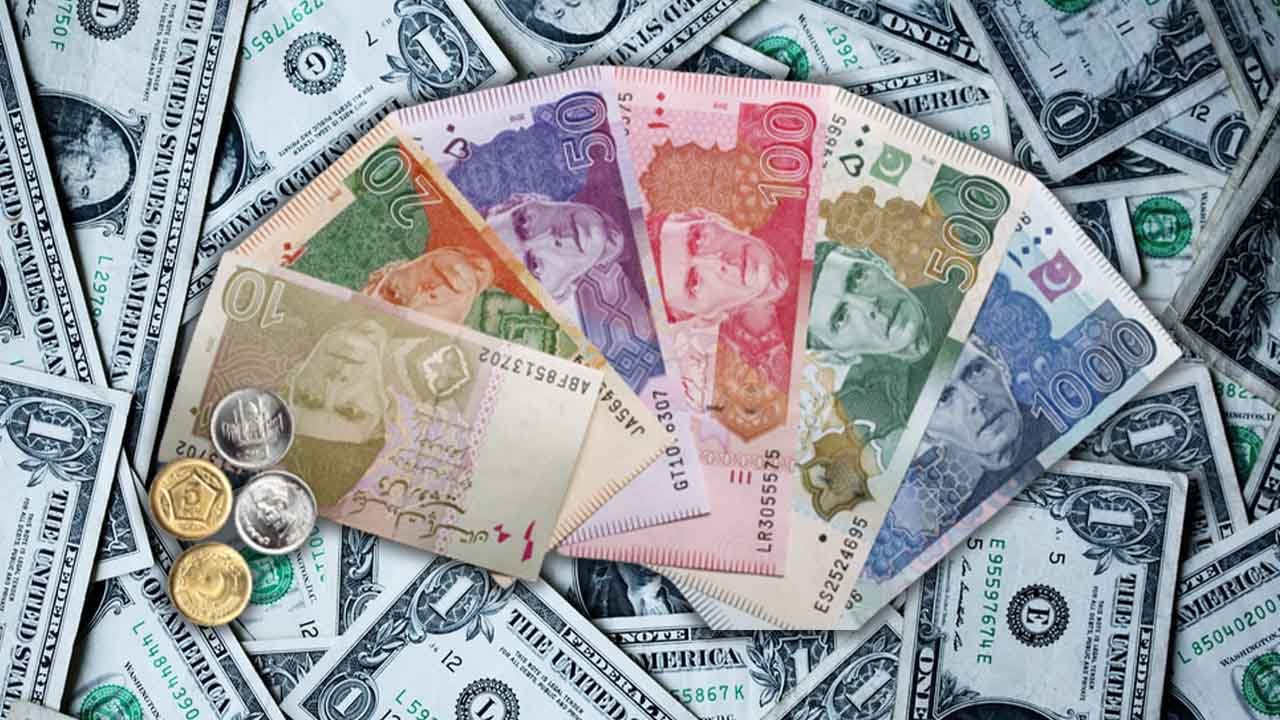
    The Pakistani rupee (PKR) lost 0.12 per cent on Thursday in the inter-bank market, continuing its downward trend against the US dollar.

    The rupee dropped by Rs0.26 and ended the day at Rs222.67. The rupee has decreased by Rs1.25, or 0.56 per cent, over the last five trading sessions.

    PKR continued to lose value against the US dollar on Wednesday, falling Rs0.50 (0.22 per cent) to settle at Rs222.41.

    In a significant breakthrough on Wednesday, the State Bank of Pakistan (SBP) promised the Standing Committee on Finance of the National Assembly that action would be taken against banks by the end of the month for allegedly overcharging importers when establishing Letters of Credit.

    The SBP informed the banks in person about the practise and counselled them to rationalise the margins they were charging customers, according to information provided to the committee.

    Additionally, Pakistan’s external debt and liabilities reduced by $3.282 billion from $130.196 billion as of June 30, 2022, to $126.914 billion at the end of September 2022.

    The dollar recovered globally on Thursday as strong US retail data challenged the recent narrative that inflation is declining and US interest rates do not need to increase significantly more.

    The US reported overnight that retail sales increased 1.3 per cent in October, exceeding economists’ expectations of 1.0 per cent, a positive sign but one that dashed expectations for a pause in rate increases.

    The dollar index, which compares the value of the dollar to six important peers, increased 0.18 per cent to 106.46.

    A key indicator of currency parity, oil prices fell on Thursday due to easing geopolitical tensions and worries about Chinese demand, though signs of tighter supply, such as lower US inventories, provided support.

  • Estée Lauder to buy designer brand Tom Ford for Rs625 billion

    Estée Lauder to buy designer brand Tom Ford for Rs625 billion

    Estée Lauder, a luxury cosmetics brand, has announced that it will pay $2.8 billion to acquire Tom Ford, a luxury clothing brand.

    This will be the US cosmetics company’s largest acquisition to date.

    Estée Lauder won the contract over Gucci’s owner Kering SA by outbidding them. The company already licences Tom Ford cosmetics and fragrances.

    The deal will “open new prospects,” according to Estée Lauder.

    Tom Ford said in a joint statement with Estée Lauder: “I could not be happier with this acquisition.”

    He said the Estée Lauder companies had been “an extraordinary partner from the first day of my creation of the company and I am thrilled to see them become the luxury stewards in this next chapter of the Tom Ford brand.”

    The Council of Fashion Designers of America is currently led by Tom Ford, who first established his company in 2005. In the 1990s and early 2000s, he served as the creative director at Gucci and Yves Saint Laurent.

    The companies declared that Tom Ford will continue serving as creative director for at least until 2023.

    According to analysts, the luxury goods market is poised for global expansion at this moment, and China is gradually removing its coronavirus import limitations, allowing the high-demand consumers in this market to gradually resume their pre-pandemic spending habits.

  • Amazon plans to lay off 10,000 employees due to declining sales

    Amazon plans to lay off 10,000 employees due to declining sales

    Amazon is reportedly getting ready to lay off thousands of office workers due to decreasing sales and worries about an impending recession.

    The e-commerce giant’s office personnel could lose about 10,000 of their employees, according to US media sources who requested anonymity.

    Cuts are anticipated to have an impact on departments like e-commerce and personal devices.

    The business warned it had overhired during the pandemic and had previously implemented a hiring freeze and stopped some of its warehouse expansions. Additionally, it has taken steps to close off some areas of its operations by shelving plans for things like a personal delivery robot.

    The business announced last week that cutting costs would be a priority in its annual review of business operations. “As part of this year’s review, we’re of course taking into account the current macro-environment and considering opportunities to optimize costs,” the e-commerce company said in a statement.

    According to media sources, the precise number of positions that will be eliminated is still uncertain.

    Amazon is battling a dip in online sales after the epidemic saw a surge in its revenue. Despite a 15 per cent increase in overall revenue in the most recent quarter, the company has remained concerned about the forecast as the slowdown spreads to other industries, including its long-profit-boosting cloud computing division, Amazon Web Services.

    On social media, the company’s founder Jeff Bezos, who is no longer serving as CEO but is still chairman of the board, declared that it was time to “batten down the hatches.”

    Amazon joins a long list of other tech firms that have announced layoffs in an effort to signal an impending economic collapse. Included in the list is Meta, the parent company of Facebook, Instagram, and WhatsApp, which recently announced plans to eliminate 11,000 jobs, the largest reduction in staff in company history.

    According to a survey by Challenger, Gray & Christmas, which analyses such announcements, US-based tech companies have cut more than 28,000 jobs overall this year, more than double the number from a year ago.

  • Pakistan seeks to import 1.5 million tonnes of petrol from UAE at a negotiated price

    Pakistan seeks to import 1.5 million tonnes of petrol from UAE at a negotiated price

    In an attempt to begin the process of signing an intergovernmental agreement (IGA), Pakistan will write to the United Arab Emirates this week. The country is looking for a government-to-government contract to import 1.5 million tonnes of gasoline annually.

    According to The News, Pakistan would import 1.5 million tonnes of motor spirit (Mogas) over a five to eight-year period, or 30 cargoes. The nation would receive two to three shipments from the gulf nation each month.

    The IGA with Oman, Qatar, Saudi Arabia, and some other nations has already been signed by the energy ministry. UAE will receive the same contract. Both nations will begin negotiating the GtG deal for the import of petrol, crude oil, and jet fuel once the agreement is finalised.

    Leading representatives from both sides agreed to sign a GtG agreement for the import of petrol, crude oil, and jet fuel at the Abu Dhabi negotiations held in the first week of the current month.

    This will enable Pakistan to have a sufficient supply of petroleum products.

    ADNOC (Abu Dhabi National Oil Company), on behalf of the UAE, and Pakistan State Oil (PSO), on behalf of Pakistan, will begin negotiations for a commercial deal on a going-to-market basis after the IGA has been finalised and signed.

    Before December 31, 2022, Pakistan wants both IGAs and business agreements signed so that beginning in January 2023, oil imports from the UAE could begin on a GtG basis.

    Under the terms of the GtG agreement, PSO obtains diesel from KPC (Kuwait Petroleum Company) and pays significant premiums for gasoline purchased on the open market, which is determined by the costs of goods on the global market.

    Now, as part of the GtG agreement, PSO would purchase gasoline from ADNOC at a negotiated rate. Additionally, because the nation’s refineries typically meet jet fuel needs, PSO would also import it as needed.

  • SSGC cuts gas supply to industries in Karachi to facilitate domestic customers

    SSGC cuts gas supply to industries in Karachi to facilitate domestic customers

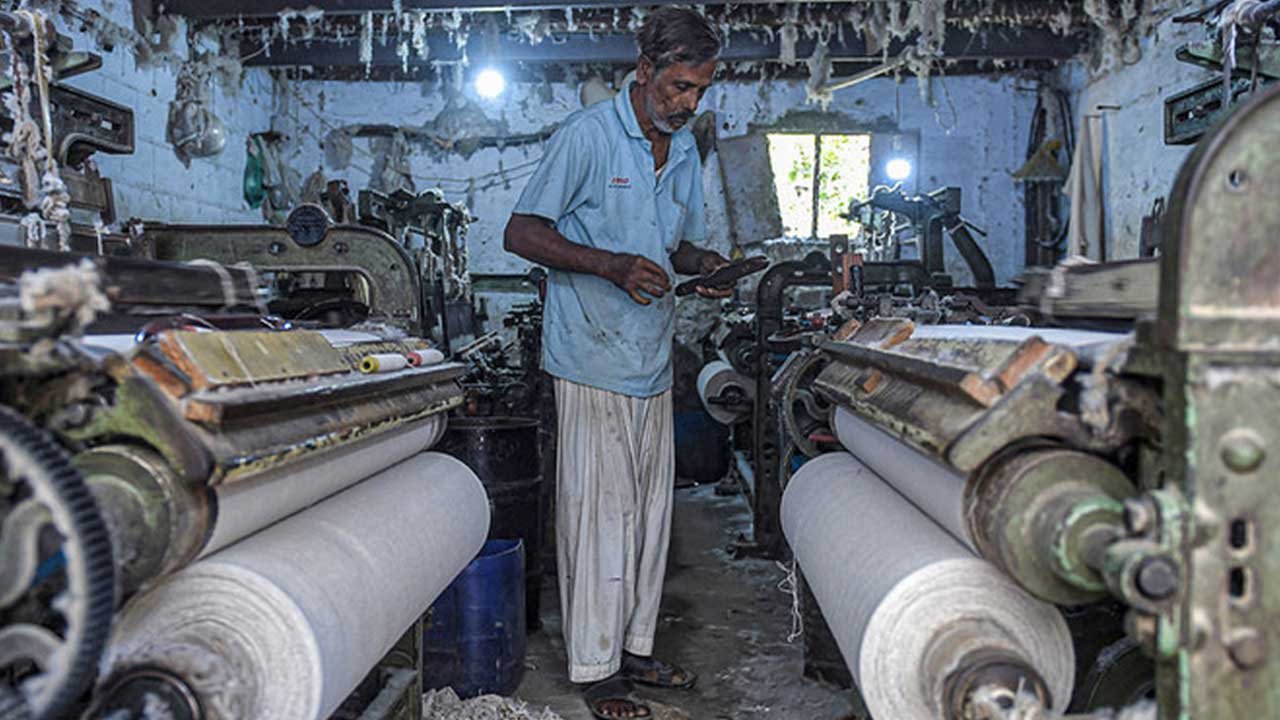
    Owing to the Sui Southern Gas Company Limited’s (SSGC) decision to stop supplying gas to several industries throughout the city, the gas crisis in Karachi appears to have gotten worse.

    “In adherence to the Ministry of Energy (Petroleum Division) gas load management plan, that places domestic and commercial customers on top of the priority list, it has been decided to suspend gas supply to all general industries from November 15 to February 28, 2023,” a statement issued by the gas company read.

    The decision, according to the statement, is intended to accommodate the rising demand from domestic customers in Sindh and Balochistan.

    It should be remembered that due to a gas shortage, all CNG stations in Sindh have already been closed for two and a half months.

    According to Geo, the SSGC delivered notices last week that gas will be shut off for more than three months over the winter to the city’s industries, but they rejected the notices, claiming that gas interruptions would result in large layoffs and the closing of firms.

    “The industries are in a state of shock to receive SSGCL’s notices of gas closure starting from November 15, 2022, to February 28, 2023,” according to Karachi Chamber of Commerce and Industry (KCCI).

    “The gas closures can not be proved good for the economy, especially this year, as no special arrangements have been made by the government to purchase RLNG to inject in the system.”

    The committee, established by KCCI, stated that it expected the government to take the proper steps to ensure gas supply to the city’s industries rather than completely cutting off gas, which would cause a significant drop in exports and revenue, the closure of industries, and job losses.

    The committee had suggested to the government that the gas supply be shut off every 12 hours for two days each week during the winter.