Category: Business

The most important business news, explained in a young, easy to understand way. News that affects young career professionals.

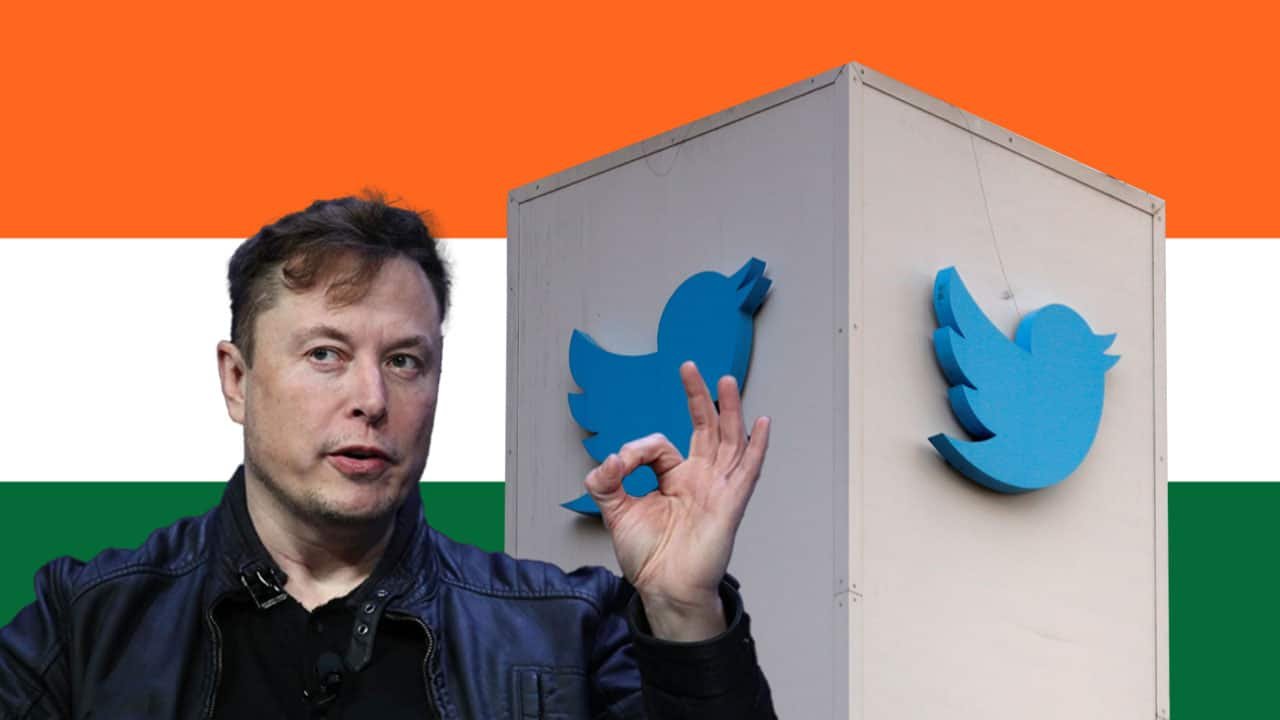
  • Elon Musk fires more than 90% of Twitter India staff

    Elon Musk fires more than 90% of Twitter India staff

    Twitter Inc. terminated more than 90 per cent of its employees in India over the weekend, “severely depleting its engineering and product team in a prospective growth area.”

    The firing frenzy is part of global reductions by new owner Elon Musk.

    .According to persons familiar with the situation who spoke to Bloomberg on the condition of anonymity due to the sensitivity of the subject, Twitter’s India offices employed just over 200 people before the cuts, leaving it with only about a dozen employees. The offices are in Bengaluru, Mumbai, and New Delhi.

    Due to its sizable potential pool of new online users, India is a crucial growth engine for international internet companies like Twitter, Meta Platforms Inc., and Google, a division of Alphabet Inc.

    The businesses must comply with “increasingly strict regulations” intended to rein in giant digital enterprises in the country.

    According to one of the employees who spoke with Bloomberg, the product and engineering teams in India that worked on a worldwide mandate accounted for roughly 70 per cent of the jobs that were eliminated.

  • After Twitter, Meta reportedly planning ‘large-scale’ layoffs this week

    After Twitter, Meta reportedly planning ‘large-scale’ layoffs this week

    With plans to layoff thousands of employees this week, Facebook parent company Meta will join a growing list of digital companies that are reducing their workforces.

    As of September 30, Meta has over 87,000 people working for it across its various platforms, which include the social media sites Facebook and Instagram as well as the messaging service WhatsApp. According to WSJ, the social media business had reduced its ambitions to hire engineers by at least 30 per cent in June, and Mark Zuckerberg had advised staff to prepare for a slowdown in the economy.

    In his announcement of Meta’s dismal third-quarter results, CEO Mark Zuckerberg stated that the company’s headcount will not rise by the end of 2023 and might even decline significantly.

    “In 2023, we’re going to focus our investments on a small number of high-priority growth areas. So that means some teams will grow meaningfully, but most other teams will stay flat or shrink over the next year. In aggregate, we expect to end 2023 as either roughly the same size or even a slightly smaller organization than we are today,” Zuckerberg said on the last earnings call in late October.

    Profits for Meta dropped to $4.4 billion in the third quarter, a 52 percent year-over-year decline. The poor findings had a significant negative impact on Meta’s stock price, which dropped by 25 per cent in one day.

    Over the past year, the company’s market value has decreased to $600 billion.

    In a previous open letter to Mark Zuckerberg, Meta’s shareholder Altimeter Capital Management stated that the company needed to streamline by eliminating positions and capital expenditures. They also stated that investors had lost faith in Meta as a result of its increased spending and pivot to the metaverse.

    Owing to increased interest rates, rising inflation, and a European energy crisis, several technological businesses, including Microsoft Corp., Twitter Inc., and Snap Inc., have reduced workforce in recent months.

  • Oil industry warns OGRA of looming petrol, diesel shortage

    Oil industry warns OGRA of looming petrol, diesel shortage

    Due to limited imports and constrained domestic supplies, the oil industry has warned the government that the country may witness a shortage of petrol and high-speed diesel (HSD) in the upcoming days.

    The Oil & Gas Regulatory Authority (OGRA) has been written about the shortfall by the Oil Companies Advisory Council (OCAC), an organisation that represents the oil industry.

    The Oil Marketing Companies (OMCs) were given permission to import motor spirit/petrol and HSD in accordance with their demand in the product availability review of products for the month of November 2022, the OCAC stated. This decision followed considerable consideration.

    A shortage of 210,000 MT of HSD and 147,000 MT of gasoline was calculated during the product review. Due to restricted supply on the global market and extremely expensive premiums, it was noted at the meeting that HSD imports in November would be difficult. As a result, only PSO has so far reserved supplies from Flow Petroleum of 220,000 MT and 10,000 MT.

    Alarmingly, though, fuel import that corresponds to the expected sales volume and the stock cover has also not been scheduled. According to the OCAC letter, the importers were supposed to finalise the import plan, but as of now, there is a gap in the import plan.

    The conference with representatives from the industry held on November 1 also brought up this crucial issue, but no clear guarantees have been obtained in writing from the importing OMCs, it stated.

    According to Geo, the OMCs, who were expected to bring imports for use in October, got their shipments in the final week of the month; hence, the product wasn’t ready for usage during the month it was intended for. Similar to how OMCs who were permitted to import goods the month before for usage the following month had already used the shipments, the letter observed.

  • Pakistan to receive $13 billion in financial assistance from China and Saudi Arabia

    Pakistan to receive $13 billion in financial assistance from China and Saudi Arabia

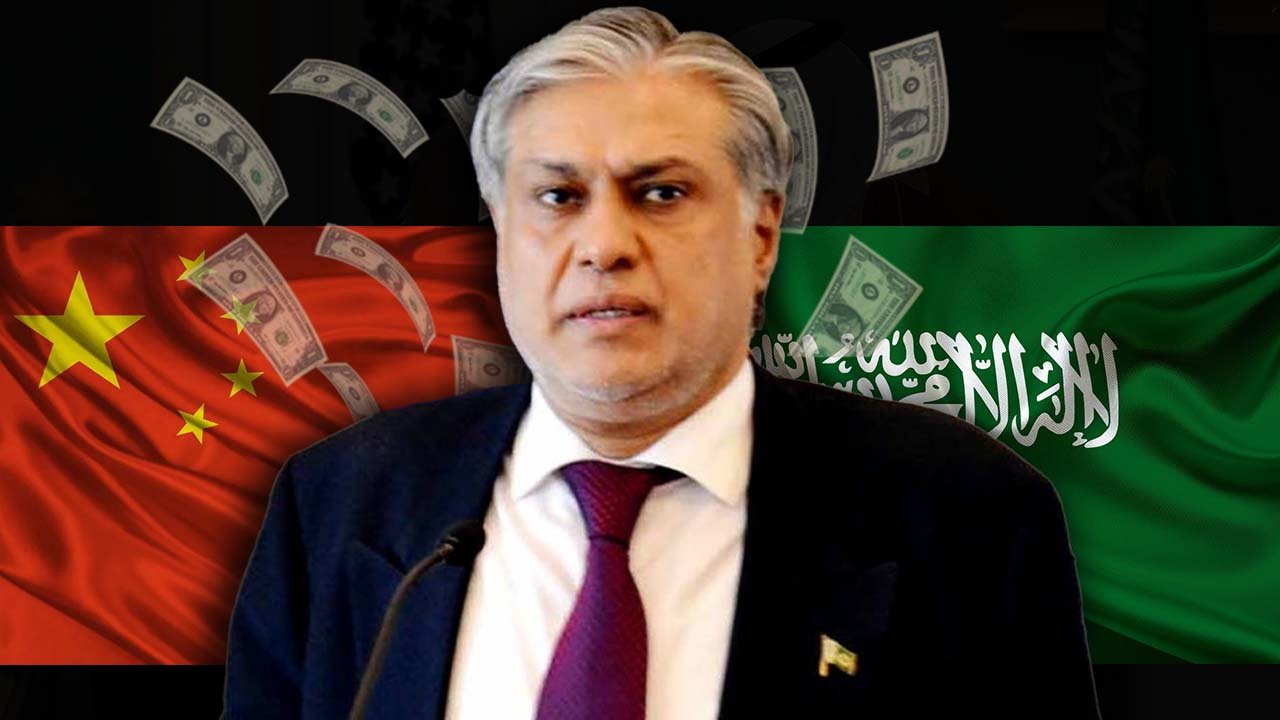
    Ishaq Dar, Federal Minister of Finance, has said that Pakistan’s two closest friends, China and Saudi Arabia, will contribute a multibillion-dollar financial package to assist Pakistan with its shaky economy.

    According to the Finance Minister, both countries will grant Pakistan a $13 billion package.

    According to The News, Dar went on to say that China intends to contribute $8.8 billion in assistance, including loan rollovers, during the current fiscal year, and that it will also roll over $4 billion in deposit returns.

    In addition, Ishaq Dar indicated that it will provide $3.3 billion in commercial loans and $1.45 billion in additional financing.

    Meanwhile, Saudi Arabia is expected to contribute an extra $4.2 billion in aid, including $3 billion in new reserves and a delayed payment oil facility, according to the Finance Minister. He declared that the Kingdom would construct a petrochemical facility in Gwadar.

    Furthermore, the Minister stated that both countries have guaranteed Pakistan’s Prime Minister (PM), Shehbaz Sharif, of their support and will continue to do so till June 2023.

    Furthermore, China has promised that construction on CPEC’s key railway projects, Main Line 1 (ML-1) and Karachi Circular Railway (KCR), will begin shortly.

  • ‘There is no choice when the company is losing $4 million per day’: Musk justifies cutting half of Twitter’s workforce

    ‘There is no choice when the company is losing $4 million per day’: Musk justifies cutting half of Twitter’s workforce

    On Friday, Twitter laid off half of its 7,500-person workforce as the company’s troubled big restructuring under new owner Elon Musk got under way, only one week after his sensational takeover.

    According to an internal memo seen by AFP, “approximately 50 per cent” of the workforce was affected and would immediately lose access to business computers and email.

    Workers from all over the world who were let go used Twitter to express their anger or disbelief and bid farewell to one of Silicon Valley’s most recognisable enterprises.

    “Woke up to the news that my time working at Twitter has come to an end. I am heartbroken. I am in denial,” said Michele Austin, Twitter’s director of public policy for the US and Canada.

    Prior to the layoffs, Twitter restricted access to all of its locations and asked staff to remain at home while they awaited word on their futures with the firm.

    The cull is a part of Musk’s effort to obtain financing for the massive $44 billion acquisition, for which he sold $15.5 billion worth of Tesla shares and took on billions of dollars in debt.

    After his massive acquisition, Musk, the CEO of Tesla and SpaceX, has been frantically looking for new revenue streams for Twitter, including the notion of charging users $8 per month for verified accounts.

    The actions would help Twitter combat the possibility of losing advertisers, which are the company’s primary source of income, since many of the major businesses in the world postpone their ad purchases after learning of Musk’s well-known contempt for content controls.

    The volatile businessman lamented a “huge loss in revenue” on Twitter on Friday, attributing it to “activist groups” who were pressing advertisers.

    “We did everything we could to appease the activists. Extremely messed up! They’re trying to destroy free speech in America,” he added.

    This seemed to be a reference to Musk’s previous meeting with civil rights organisations, where he heard worries that Twitter will unleash a wave of hate speech a week before the US midterm elections. Musk had promised that Twitter would not turn into a “free-for-all hellscape” in an effort to calm people down, but his assurance was swiftly contradicted by a tweet spreading a rumour that the husband of US House Speaker Nancy Pelosi had been attacked.

    “We are witnessing the real time destruction of one of the world’s most powerful communication systems. Elon Musk is an erratic billionaire who is dangerously unqualified to run this platform,” said Nicole Gill, Executive Director of Accountable Tech.

    She was a member of a group of 60 rights organisations that demanded on Friday that advertising on the Musk-owned platform be boycotted.

    “Elon Musk has demonstrated that it’s not possible for him to keep the brand safeguards that have existed on Twitter in place. There’s no more time for trust but verify, it’s time for escalation,” said Angelo Carusone, President and CEO of Media Matters for America.

    Although very popular with celebrities and opinion leaders, the California-based business has historically struggled to turn a profit and has lagged behind Facebook, Instagram, and TikTok in terms of user growth.

    Since Musk finalised his acquisition late last week and immediately set about dissolving its board and removing its chief executive and key managers, Twitter employees have been preparing for this kind of unpleasant news. Five Twitter employees who had previously been let go filed a class action lawsuit against the business late on Thursday, alleging that they had not received the legally mandated 60-day notice period.

    The US Worker Adjustment and Retraining Notification (WARN) Act, which grants employees the right to early notification in situations involving large layoffs or plant closures, is cited in the lawsuit.

  • Apple steps up iPhone 14 production shift from China to India

    Apple steps up iPhone 14 production shift from China to India

    In an attempt to expand its manufacturing base outside of China, Apple has recruited another assembly partner for the iPhone 14 production lineup in India, according to Bloomberg.

    Following Foxconn, which started making the iPhone 14 models in India in September, Taiwanese contract maker Pegatron will manufacture the model in the country.

    The iPhone 11, iPhone 12, iPhone 13, and most recently the iPhone 14 are all produced at Apple’s Taiwanese assembly partners Foxconn, Wistron, and Pegatron’s iPhone manufacturing facilities in India. The production of the most recent model has seen a significant reduction in the time between Chinese and Indian output from months to weeks.

    In the five months since April, Apple has exported $1 billion worth of iPhones from India. Despite being modest by Chinese standards, India’s rising iPhone production indicates Apple’s willingness to invest there as a rival to China’s dominance in electronics assembly, which has recently been weakened by the latter’s zero-COVID policy.

    Following an epidemic at the factory, which resulted in the metropolis of nearly 10 million people being shut down, Foxconn’s major Zhengzhou plant, which employs about 200,000 people, has been subject to the same limits. According to one report, when COVID-19 rules in China become more stringent, iPhone production might decrease by as much as 30 per cent the following month.

    Despite the coincidence of events, Apple’s long-term production development plans in India are unrelated to China’s lockdown issues, even though they do serve to emphasise the company’s utter reliance on only one nation.

    Apple is playing a long game by shifting its production lines away from China, one that won’t have a significant influence on its supply chain for many years. According to a recent Bloomberg article, it would take eight years to relocate just 10 per cent of Apple’s production capacity from China, where over 98 per cent of iPhones are still produced.

  • $8 for Starbucks coffee is cool, but a Twitter badge is not? Netizens react to Musk’s meme

    $8 for Starbucks coffee is cool, but a Twitter badge is not? Netizens react to Musk’s meme

    Elon Musk’s intentions to charge an additional $8 per month for the Twitter Blue service have both amused and incensed online users. This may be the rationale behind Musk’s defense of his choice to charge verified users for their Twitter blue tick badge.

    Musk appears to have turned to memes in an effort to spread the word about his lofty goal of turning Twitter into a revenue-generating platform. The head of SpaceX, who is renowned for his blunt assessment of everything on Earth, has been jokingly outlining his new plan.

    https://twitter.com/Therealdavedfs1/status/1587894312838529024

    In one of his tweets, he posted a meme depicting individuals enjoying their $8 Starbucks coffee while grumbling about having to spend the same amount to maintain their Twitter verification badge.

    Users reacted strongly to the meme that compared the cost of coffee to that of a Twitter subscription. Some people praised the choice, while others criticised the millionaire.

    “They don’t see the vision Mr Musk. I’d pay $80 for a checkmark for even just 30 minutes. Everybody hating on Elon should instead be grateful for the service he is doing for us. He doesn’t get enough appreciation,” said a user. “Mocking of users will continue until profits improve,” chimed in another user.

    Another meme posted by the Tesla CEO depicts two characters discussing shelling out $8 for freedom of speech. Another responds to the question of why pay $8 for Twitter verification by stating that he can still use Twitter for free without the advantages.

    He claimed that Twitter is a fascinating site in another tweet. “Twitter is simply the most interesting place on the Internet. That’s why you’re reading this tweet right now,” read his tweet. In another tweet, Musk said it was good to be attacked by right and left at the same time. “Being attacked by both right & left simultaneously is a good sign,” he wrote.

    On November 1, Musk announced the $8 per month subscription plan for Twitter on his Twitter account. The new CEO continued by outlining several premium services to which users will have access.

    According to him, platform users will be able to publish long videos and audio files as well as receive priority treatment for replies and remarks. Additionally, there won’t be many adverts on subscribers’ feeds.

  • Pakistan to get high speed train technology from China

    Pakistan to get high speed train technology from China

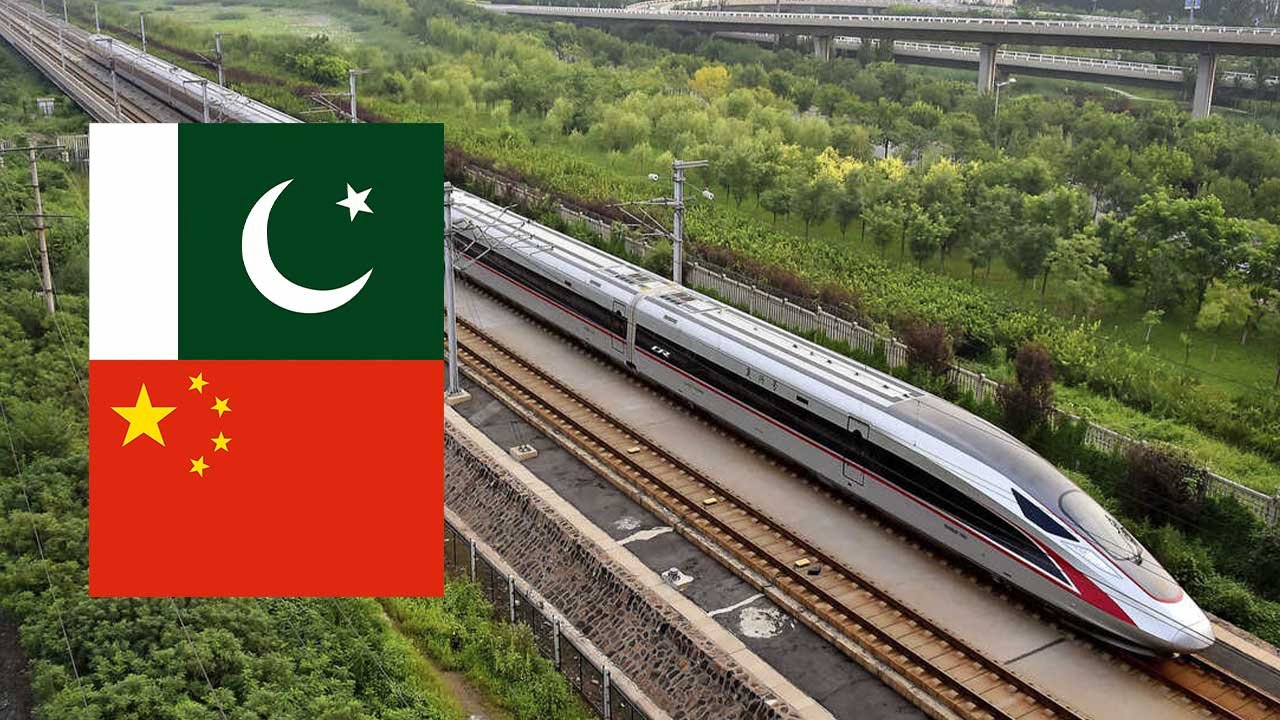
    In accordance with Chinese President Xi Jinping’s pledge to assist cash-strapped Pakistan in its financial position, Pakistan and China have decided to begin a high-speed train project for roughly $9.85 billion.

    According to a statement from the Prime Minister’s Office, the Main Line-1 is “a project of strategic importance” and the agreement was made during a meeting in Beijing between Prime Minister Shehbaz Sharif and Xi.

    The project entails modernising a 1,163-mile colonial-era track that runs from Karachi to Peshawar in order to accommodate high-speed trains, according to Bloomberg.

    The project, which has been in consideration for years, was officially approved by Pakistan earlier this week without disclosing the source of finance or offering any technical information.

    Officials in Pakistan anticipated receiving loans from China for the upgrading.

    The US has long criticised China for employing what it refers to as “debt diplomacy” to increase the dependence of developing countries on Beijing. Despite this, China postponed an earlier bailout for Pakistan as its debt skyrocketed, and it has been reducing loans to Africa as its economy weakens.

    According to a report from the International Monetary Fund (IMF) published in September, state-owned commercial banks in China are owed nearly 30 per cent of Pakistan’s foreign debt.

    Xi and PM Shehbaz decided to finalise the plans for a Karachi inner-city train route during their meeting. The Chinese president also announced that his country would give Pakistan 500 million yuan ($68.7 million) to aid with reconstruction after flooding over the summer that caused more than 500,000 people to lose their homes.

    The People’s Bank of China said in a statement that the central banks of both nations had signed an agreement of cooperation on a yuan clearing in Pakistan on Wednesday without providing many other specifics.

  • District administration Rawalpindi cracks down on cash & carry stores that overcharge customers

    District administration Rawalpindi cracks down on cash & carry stores that overcharge customers

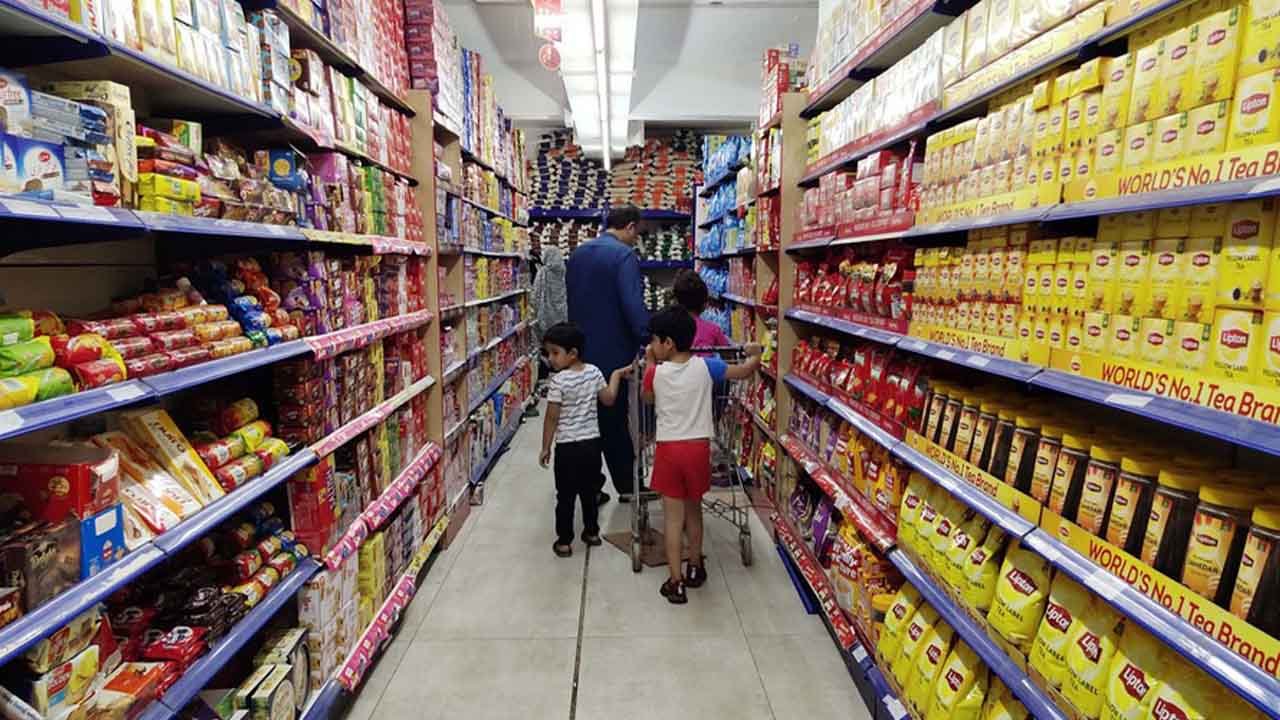
    The district administration of Rawalpindi has launched a major campaign against megastores and cash-and-carry businesses, fined them Rs100,000, filed three police reports, and detained five persons for looting the public by overcharging for basic food items.

    On Tuesday, Assistant Commissioner Dr Zunera Aftab conducted raids on a number of megastores and cash & carry establishments, including marriage halls, according to The News.

    Additionally, the Rawalpindi district government issued warning letters to shopkeepers for allegedly participating in hoarding and faking a shortage of necessities.

    According to Assistant Commissioner Zunera Aftab, strong action has been taken against hoarders and profiteers. She said, “We cannot spare hoarders and profiteers at any cost. She added that hoarders are attempting to create a fake shortage while profiteers are attempting to make a 100 per cent profit on every item. “I will never spare them at any cost,” she threatened.

  • Poor performance forces govt to extend income tax return filing deadline to November 30

    Poor performance forces govt to extend income tax return filing deadline to November 30

    The Federal Board of Revenue (FBR) has managed to reach its four-month target of Rs2.14 trillion despite poor performance in increasing the tax base because of a 34 per cent decrease in income tax returns filed.

    Ishaq Dar, the finance minister, was forced to once again push the deadline for filing returns due to the dismal results in increasing the tax base. The new deadline is November 30; within this time, FBR must receive an additional Rs1.3 million in returns only to match the amount from the previous year.

    The FBR collected Rs2.148 trillion in taxes, as opposed to the objective of Rs2.143 trillion set for the period of July to October, according to FBR officials. Tax revenue increased by 16 per cent, or Rs305 billion, as compared to the same period in the previous fiscal year.

    This increase was slower than the 23 per cent inflation rate that was in effect at the time. but adequate for the first four months of the fiscal year to keep the tax department on pace.

    According to Express Tribune, the FBR had taken in Rs1.84 trillion in tax revenue during the first four months of the previous fiscal year. The economy’s slowdown, however, makes it appear as though the FBR may fall short of its tax goals for the upcoming months.

    A decrease in imports was the main reason the FBR could not meet its monthly tax goal of Rs 534 billion, which it missed by Rs 22 billion. Although there was a 15 per cent increase in revenue over the Rs445 billion collected in October of last year, the monthly goal was not met.

    The Inland Revenue Service (IRS) exceeded its July–October goal, largely mitigating the effects of the Customs Department’s low collection rate.

    As long as less than 2.5 million people file income tax returns, the tax system will not be able to increase the tax base, which has shrunk by 34 per cent during the previous tax year. Up to Rs3.8 million worth of returns have been submitted for the 2021 tax year.

    By extending the tax base to include traders, Pakistan had promised the International Monetary Fund (IMF) that it would increase the tax base by a minimum of 700,000. Instead, it is approximately Rs1.3 million below the total from the prior year. The FBR’s base really falls two million short of its own conservative goal.