Category: Business

The most important business news, explained in a young, easy to understand way. News that affects young career professionals.

  • Pakistan’s default risk hits a 13-year-high, reflecting foreign investors’ lack of faith

    Pakistan’s default risk hits a 13-year-high, reflecting foreign investors’ lack of faith

    The risk of default for Pakistan, as determined by the 5-year credit default swap (CDS), increased on Tuesday by 3.07 percentage points in a single day to reach a 13-year high of 52.8 per cent, indicating that foreign investors no longer have confidence in the nation.

    Before the Covid-19 outbreak in Pakistan in February 2020, the CDS was between 5 per cent and 6 per cent.

    According to Express Tribune, owing to uncertainties surrounding the renewal of the International Monetary Fund (IMF) loan programme, it peaked at over 30 per cent in the middle of this year.

    Later, as the major lender resumed its $6.5 billion programme in late August 2022 and subsequently released a $1.2 billion tranche, the CDS experienced a small recovery.

    Today, meanwhile, it is rapidly rising once more, indicating that international investors now believe Pakistan will not be able to pay back its maturing debt.

    On December 5, 2022, the country is required to repay $1 billion to overseas investors against the maturity of the 5-year Sukuk.

    The 5-year Third Pakistan International Sukuk’s yield (rate of return) is quite high, hovering at 145 per cent. Before the Covid-19 epidemic, it was around 10 per cent.

    In addition, the yield on bonds due in 2024 and 2025 is currently high at 90 per cent and 57.5 per cent, respectively, up from a low of 10 per cent in the past.

    The country’s foreign exchange reserves have decreased by about $9 billion over the past 10 months, which has caused alarm among the foreign investors.

    They are currently only covering about 1.10 months’ worth of imports at $7.6 billion, down from $20 billion (three months’ worth of imports) in August 2021.

    Ishaq Dar, the finance minister, and Miftah Ismail, his predecessor, have taken every precaution to avoid the likely default.

    They have repeatedly reassured the foreign investors that when the time came, the nation would easily repay the maturing $1 billion in December as well as fulfil other international payment obligations.

    Foreign investors are receiving warnings from the situation that the nation may default.

    However, the leadership of the nation has fully secured the $36–40 billion needed from international lenders for the current fiscal year 2023 to pay off the nation’s approximately $21 billion in foreign debt, finance approximately $10–12 billion current account deficit, and increase its foreign exchange reserves to approximately $16 billion by June 30.

    According to experts, the country’s foreign exchange reserves will increase and confidence among foreign investors will be restored with the arrival of $1.5 billion from the Asian Development Bank (ADB) in a few days and another $500 million from the Asian Infrastructure Investment Bank (AIIB) in the current month.

    They continued by saying that the inflows should also aid in lowering bond and CDS yields.

    Experts said that Saudi Arabia was the destination of Prime Minister Shehbaz Sharif’s official visit. The host nation has declared that it is resuming its investment ambitions, which include establishing an oil refinery in Pakistan for an investment of $10 billion.

    The Kingdom’s investment choice coming to fruition will also aid in regaining the trust of foreign investors in Pakistan.

    When PM Shehbaz travels to the second-largest economy in the world in November, the nation is also anticipated to get a rollover loan from China worth $6.3 billion, they claimed.

  • Azad Jammu and Kashmir gets its first-ever commercial airline

    Azad Jammu and Kashmir gets its first-ever commercial airline

    In an attempt to promote tourism in the area, President Dr Arif Alvi has announced commercial helicopter flying operations of Kashmir Air in Azad Jammu and Kashmir (AJK).

    The president stated that AJK is gifted with enormous natural beauty and tourist potential and that the business sector should step forward to enhance AJK’s tourism industry in order to realise its full potential. The president was speaking at the inauguration ceremony for Kashmir Air on Tuesday in Bagh.

    According to Samaa, a private firm called Kashmir Air will launch regular commercial helicopter flights to the AJK and other parts of northern Pakistan to transport visitors.

    The president spent a full day in AJK, where he opened the helicopter flight service, paid a visit to the flagship facility of a healthcare IT business in Bagh, inaugurated a high-end private school, and learned about plans to build a hospital in Abbaspur.

    Along with developing tourism-friendly regulations to encourage private-sector investment, President Alvi asked the AJK government to promote environmentally responsible and sustainable tourism.

    He stated that tourism was now a major industry in many developing nations and was seen as a key driver of foreign exchange earnings, employment creation, and the elimination of economic inequalities.

    The president claimed that the UN had failed to settle the Jammu and Kashmir conflict in a manner that satisfied the demands of the Kashmiri people.

    He claimed that the UN resolutions serve as the foundation for the people of Indian Illegally Occupied Jammu and Kashmir’s (IIOJK) resistance. He said that although the UN was established to prevent conflicts and wars, since its founding it has mostly served to advance the interests of western nations.

    “Genocide Watch has warned that Muslims and other minorities in India are insecure but nobody is coming forwards to listen to the minorities and Muslims of India who are under constant threat,” the president added.

    He reaffirmed Pakistan’s desire to resolve all of its disputes, including Jammu and Kashmir, through dialogue. Pakistan desires a peaceful resolution to the IIOJK, but the president has cautioned India not to see Pakistan’s peace efforts as a sign of weakness.

    He claimed that the IIOJK people had made immeasurable sacrifices and that Pakistan will continue to stand with them morally, politically, and diplomatically until they were granted the right to self-determination in accordance with UN resolutions.

  • Total volume of debt on Pakistan has risen to Rs49.2 trillion

    Total volume of debt on Pakistan has risen to Rs49.2 trillion

    The National Assembly was informed on Monday that Pakistan now owes a total of Rs49,200 billion.

    According to Finance Minister Ishaq Dar, as of June 30, 2022, the country had a domestic debt of Rs31,000 billion and an external debt of Rs18,160 billion.

    Indicators for the sustainability of the nation’s external debt further declined in the previous fiscal year, according to a report from the finance ministry, as a result of the government’s increased reliance on short-term loans from abroad and the risks associated with refinancing and rupee depreciation.

    For the fiscal year 2021–2022, the public debt indicators linked to debt maturity, currency risks, refinancing risks, and interest rate risks had gotten worse, according to the Annual Debt Review and Public Debt Bulletin.

    The Public Debt Management Office and the federal government did a dismal job, within a year, the overall public debt increased by Rs9.3 trillion, from Rs39.9 trillion to Rs49.2 trillion. according to Express Tribune.

    According to the finance ministry, currency depreciation caused an increase of Rs3.8 trillion as the exchange rate dropped from Rs157.3 to a dollar in June 2021 to Rs204.4 in June 2022. Budget finance requirements were the cause of the remaining increase.

    The proportion of external debt in the total public debt climbed from 34 per cent in 2020–21 to 37 per cent in the most recent fiscal year. It was approaching the 40 per cent upper limit.

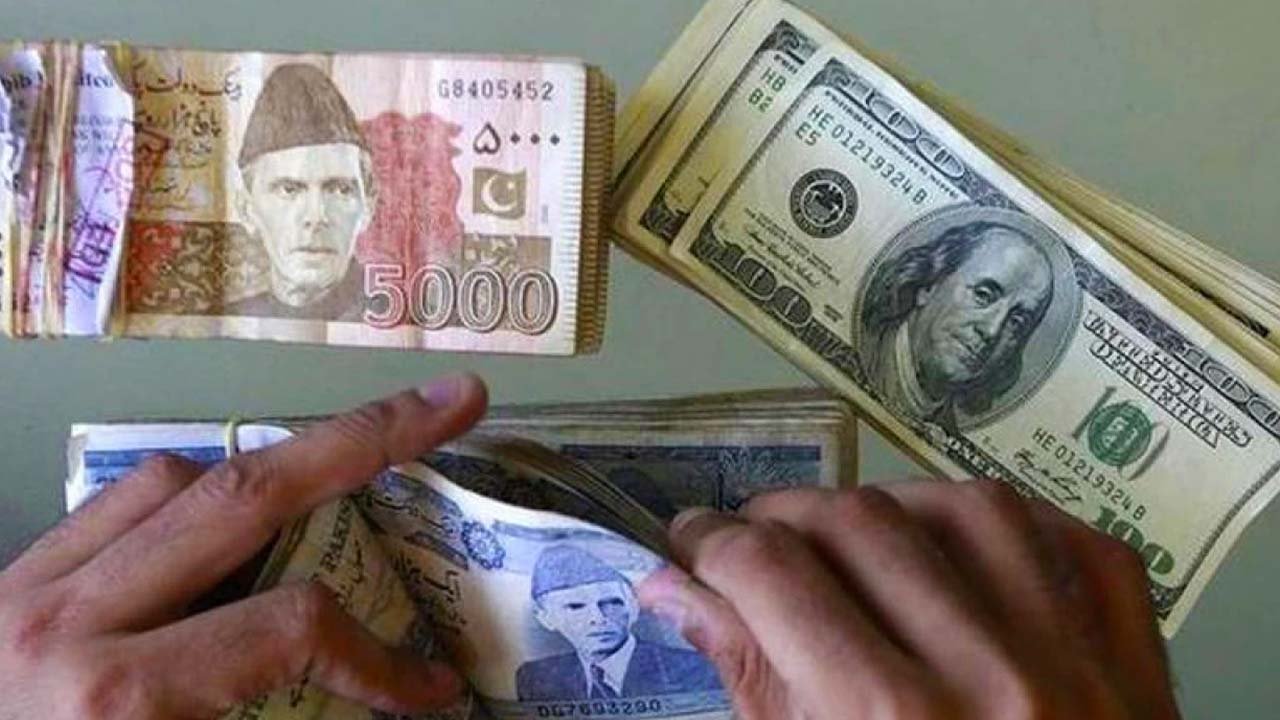
  • US dollar may drop to Rs210 in November

    US dollar may drop to Rs210 in November

    Considering expected inflows from the Asian Development Bank (ADB) and Pakistan’s deletion from the Financial Action Task Force’s (FATF) grey list, the currency is projected to strengthen versus the US dollar this week.

    According to The News, this week in the interbank market, the local currency dipped by 0.89 per cent in value against the dollar. However, thanks to encouraging news from the ADB and FATF, the local currency increased to Rs220.84 during the last trading session.

    According to the analysts, assistance from multilateral creditors during the floods would help boost foreign exchange reserves and strengthen the local currency.

    The State Bank of Pakistan’s foreign exchange holdings as of October 14 totaled $7.59 billion, or nearly one month’s worth of imports.

    According to Tresmark, a terminal that tracks real-time pricing of financial markets, the rupee is predicted to trade at 216 to the dollar in the coming 10 days and 210 to the dollar in the coming 30 days.

    “This is because of ADB-related inflows of $1.5 billion in the coming week and $2 billion of inflows in the first week of November. Of course, this would not have been possible without the finance minister’s undervalued rupee mantra,” Tresmark said in a client note.

    Six months from now, though, would be the rupee’s true test, it was said.

    Analysts predict that the US interest rate will surpass 5 per cent (a level last reached in 2008) and that the dollar will continue to rise.

    Markets expect the Indian Rupee to be at 95 per dollar, the Bangladesh Taka to be at 115 per dollar, and the Yuan to continue declining, despite the fact that major currencies all have a bearish tendency. Although the dollar’s strength is an issue, the global recession continues to be of much greater concern.

    A 15-20 per cent decline in exports and a 5 per cent decline in remittances are anticipated by economists, even if the current account deficit (CAD) for September was practically at breakeven.

    They continued, saying that maintaining the economic winter would need sustained import compression and additional economic deceleration.

    Due to lower letters of credit being settled during the previous week, the rupee somewhat declined. According to market estimates, only around 50 per cent, or roughly $600 million, has yet to be processed.

  • Govt plans to promote electric vehicles, establish charging infrastructure: PM Shehbaz

    Govt plans to promote electric vehicles, establish charging infrastructure: PM Shehbaz

    Prime Minister (PM) Shehbaz Sharif announced on Friday that the government intended to encourage the use of electric vehicles in the nation and would set up a network of the necessary charging infrastructure.

    The PM gave the departments involved the go-ahead to provide him with a thorough plan as soon as possible in this regard.

    According to APP, Shehbaz Sharif also directed that the Board of Investment, the Ministry of Power and Energy, and the Ministry of Trade and Industries provide every opportunity to investors interested in the market for electric vehicles.

    A high-level meeting on the employment of electric buses in the fleet of public transportation, the promotion of the electric vehicle industry, and alternative energy sources was presided over by him.

    The prime minister underlined the urgent necessity to develop renewable energy sources in order to make the nation energy self-sufficient.

    He noted that the government has recently approved the start of a 10,000-megawatt solar project.

    He said that the solar project would not only lessen environmental pollution but also secure the production of inexpensive power by reducing reliance on pricey imported fuel, saving significant foreign currency.

    The forum heard updates on the growing use of electric vehicles around the world as well as plans for electric buses for public transportation.

    It was advised that the growth of the electric car sector and infrastructure will greatly reduce the nation’s import costs while also creating prospects for international investment and employment.

  • Pakistan’s removal from FATF grey list to help with its reputation and IMF’s next review

    Pakistan’s removal from FATF grey list to help with its reputation and IMF’s next review

    Experts predict that the country’s reputation would recover and it would get a credit rating upgrade from international agencies as Pakistan was taken off the Financial Action Task Force (FATF) list of nations under increased monitoring.

    According to Geo, the removal will allow Pakistan to smoothly complete the forthcoming review of the IMF’s Extended Fund Facility since the International Monetary Fund (IMF) used the execution of FATF action plans as a structural benchmark.

    Pakistan has been removed off the FATF’s “grey list,” as was to be expected, but the nation will continue to cooperate with the organisation and the Asia Pacific Group to strengthen its anti-money laundering (AML) and counter-terrorist financing (CFT) framework. FATF made this announcement following the conclusion of its two-day meeting in Paris on Friday.

    Fitch downgrades Pakistan’s rating to CCC+

    Yet on the other side, Fitch Ratings lowered Pakistan’s Long-Term Foreign-Currency Issuer Default Rating (IDR) to “CCC+” from “B-” on Friday, which experts believe is bad news for the nation’s recovery from the mega floods. The reversal comes as the country’s fragile economy continues to face challenges from all directions.

    The company claims that sovereign states with a grade of “CCC+” or lower do not normally receive outlooks. The primary factors that contributed to a downgrading, according to the agency, were increasing liquidity and policy concerns.

    “The downgrade reflects further deterioration in Pakistan’s external liquidity and funding conditions, and the decline of foreign exchange reserves,” Fitch Ratings said. “This is partly a result of widespread floods, which will undermine Pakistan’s efforts to rein in twin fiscal and current account deficits.”

  • Japan’s consumer inflation hits 8-year high

    Japan’s consumer inflation hits 8-year high

    According to official data released on Friday, Japan’s core consumer prices increased 3.0 per cent year over year in September, the highest level since 2014 as households were hard-hit by the weakening yen and rising energy prices.

    According to Reuters, the statistic raises inflation considerably above the Bank of Japan’s long-term 2.0 per cent target, even when volatile fresh food prices are excluded. The central bank’s claim that the present rises do not yet fulfil its criteria for persistent price growth is supported by the fact that the figure was only 1.8 per cent when energy costs were excluded.

    The most recent data was in line with market forecasts, but when similar data was last seen, a VAT increase had artificially inflated prices. The rate of inflation in September was the highest in nearly 31 years, excluding years when tax increases had an impact on the rate.

    “The bulk of the price increases at the moment are rises in raw material prices,” while service prices associated with wages have not seen meaningful increases, Taro Saito, an economist at NLI Research Institute, said in a note released before the data.

    He projected that stabilising inflation in Japan will take longer time to achieve due to pay rises and rising service costs.

    The BoJ believes the present price hikes are related to extraordinary occurrences like the conflict in Ukraine, whereas other central banks have chosen to raise interest rates to combat skyrocketing inflation.

    It has persisted in its ultra-loose monetary policy and refrained from raising rates, claiming that the third-largest economy in the world has not yet attained the inflation target of 2.0 per cent that it believes is required to accelerate growth.

    The yen has fallen, especially against the dollar, as a result of the widening gap between the bank’s policy and other rate increases. The yen dropped to 150 versus the dollar on Thursday, the lowest level since 1990.

  • Billionaire Mukesh Ambani buys Dubai’s most expensive villa for $163 million

    Billionaire Mukesh Ambani buys Dubai’s most expensive villa for $163 million

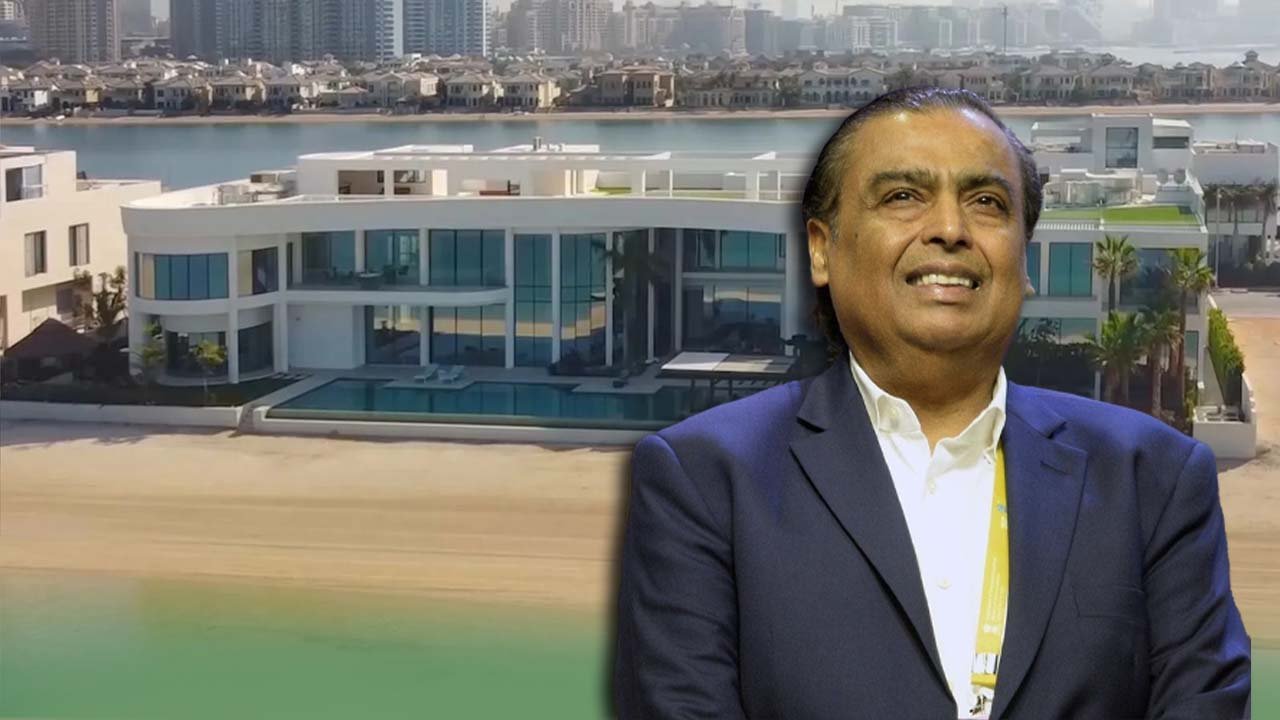
    India’s second-richest man is expanding his Dubai real estate portfolio with the acquisition of a new beachfront mansion, shattering his previous record for the most expensive residential real estate transaction in the city in a couple of months.

    According to reports, Mukesh Ambani purchased the Palm Jumeirah property from the family of Kuwaiti tycoon Mohammed Alshaya last week for approximately $163 million.

    Starbucks, H&M, and Victoria’s Secret have local franchises owned by Alshaya’s company. Ambani, whose net worth is $84 billion, is the chairman of Reliance Industries Ltd., the largest firm in India by market value.

    The tycoon has been buying up properties abroad and is increasingly searching for second residences in the west. According to Bloomberg, Ambani is looking into purchasing a home in New York and Reliance spent $79 million last year purchasing Stoke Park, a renowned country club in the United Kingdom.

    According to Bloomberg, the $80 million mansion that Ambani bought earlier this year is only a short stroll from his most recent purchase in Dubai. Until another mansion on the palm-shaped island sold for $82.4 million, that transaction represented the largest residential sale in the history of the city.

    This Thursday, the Dubai Land Department reported a $163 million real estate transaction in Palm Jumeirah without identifying the purchaser. Reliance’s spokesman declined to comment, and Alshaya’s representatives did not respond to calls for comment.

  • PFA issues warning notices to 28 eateries in Lahore for selling sub-standard food

    PFA issues warning notices to 28 eateries in Lahore for selling sub-standard food

    During a province-wide inspection of food outlets, the Punjab Food Authority (PFA) inspected 1,200 food points, issued improvement warning notices to 28 restaurants, and disposed of a significant amount of unwholesome food.

    Mudassar Riaz Malik, the Director General of the PFA, stated that a PFA team visited a well-known restaurant in Gulberg and found expired food products.

    Various cuisine dishes were being prepared using out-of-date items. According to him, the owner of the food establishment also neglected to provide the raiding team with the required documentation and maintain a clean working environment.

    Similarly, PFA seized 7,000 kg of beef last week that was about three years old.

    The meat was retrieved from a hotel’s cold storage unit and was imported from elsewhere.

    After looking into the matter, the food authority’s directorate general concluded that it is unknown if the stale meat is halal or haram. The meat was taken away and burnt by the authorities after the investigation.