Category: Business

The most important business news, explained in a young, easy to understand way. News that affects young career professionals.

  • Honda Pakistan to launch the long-awaited HR-V tomorrow

    Honda Pakistan to launch the long-awaited HR-V tomorrow

    The long-awaited all-new Honda HR-V will finally make its formal debut on Friday, according to Honda Atlas Cars Limited (HACL), which recently teased the crossover in a Facebook post and confirmed the unveiling.

    Honda Pakistan will offer two versions of the HR-V, the VTi and VTi S. The 1.5-liter 4-cylinder naturally aspirated (NA) petrol engine in the base model will produce 119 horsepower and 145 Nm of torque. A 1.5-liter turbocharged 4-cylinder petrol engine with 179 horsepower and 240 Nm of torque will power the second model.

    According to details, the Honda HR-V VTi is anticipated to cost between Rs6.3 and Rs6.5 million. The top variant would cost approximately Rs6.7 million.

    If this pricing is accurate, the Honda HR-V will be a fierce competitor for crossover SUVs that are already on the market. As Pakistani car buyers may favour a crossover over a pricey sedan, sales of Honda Civic and crossover SUVs from other automakers could also have a little impact.

    The sources have also stated that because bookings would begin immediately after the launch, the delivery of this car will begin in November 2022.

    Here are the features that the impending crossover may offer:

    • Traction control 
    • Hill start assist 
    • Stability control  
    • Dual tone side view mirrors + roof
    • Body coloured & black front grille
    • Automatic climate control 
    • Honda Sense
    • Four airbags

    For those who are unaware, the Honda HR-V is not a brand-new sight in Pakistan; local auto dealers have been offering hybrid versions of this vehicle, which are originally imported from Japan.

  • PKR suffers losses against USD for 5th consecutive day

    PKR suffers losses against USD for 5th consecutive day

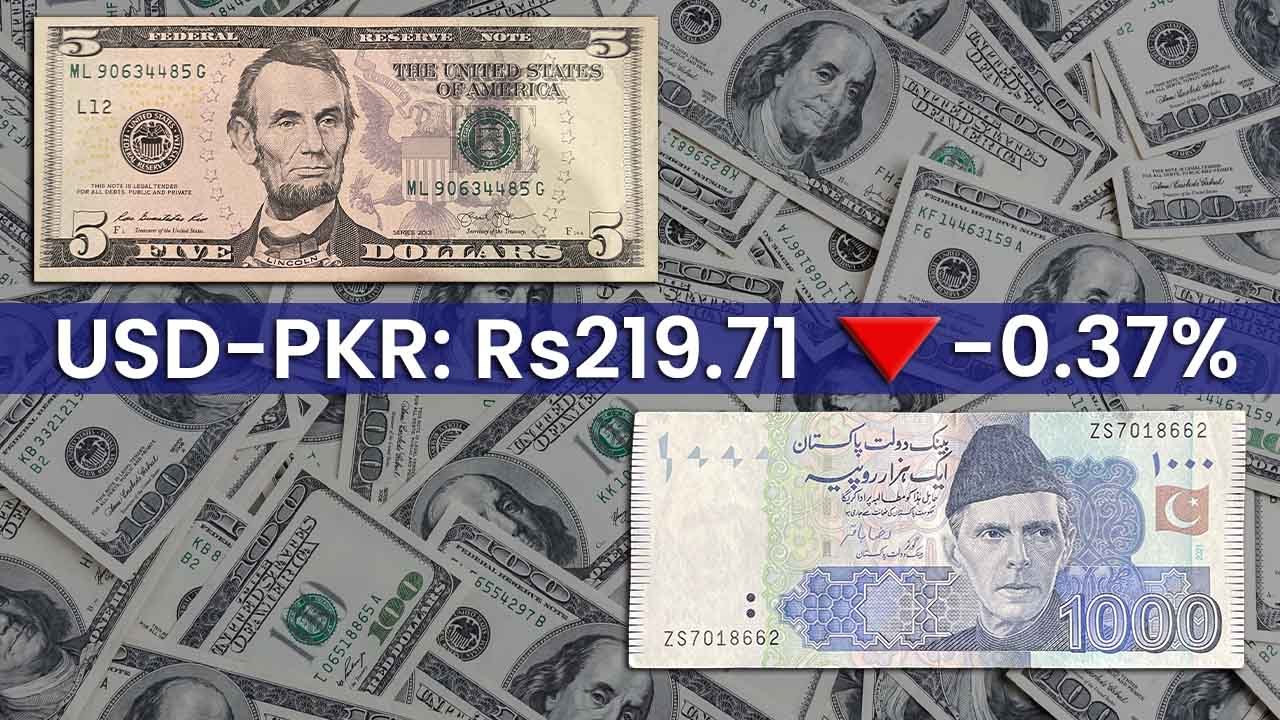
    The State Bank of Pakistan and the government were unable to stabilise the exchange rate as the Pakistani rupee lost value for the fifth straight day on Monday after falling 46 paisas against the US dollar in the interbank market.

    State Bank of Pakistan reports that the local unit decreased by 0.37 per cent to close at Rs219.71.

    The closing price in the interbank market, according to the Exchange Companies Association of Pakistan (ECAP), was Rs220 as opposed to Rs219.50 in the previous trading session.

    US dollar dropped 30 paise in the open market, closing at Rs225.70 as opposed to Rs226 the previous session. Its price on October 11 was Rs219

    The optimistic market sentiments that appeared following the nomination of Ishaq Dar as finance minister in anticipation of his potential to secure dollar inflows appeared to have disappeared.

    In FY23, Pakistan would need around $32 billion to pay for its foreign debt, mostly to service it, as well as to close its current account deficit. In a recent interview with a foreign news outlet, the finance minister stated that he will seek to reschedule approximately $27 billion in non-Paris Club debt, the majority of which is owed to China.

  • OGRA announces 13% reduction in RLNG price

    OGRA announces 13% reduction in RLNG price

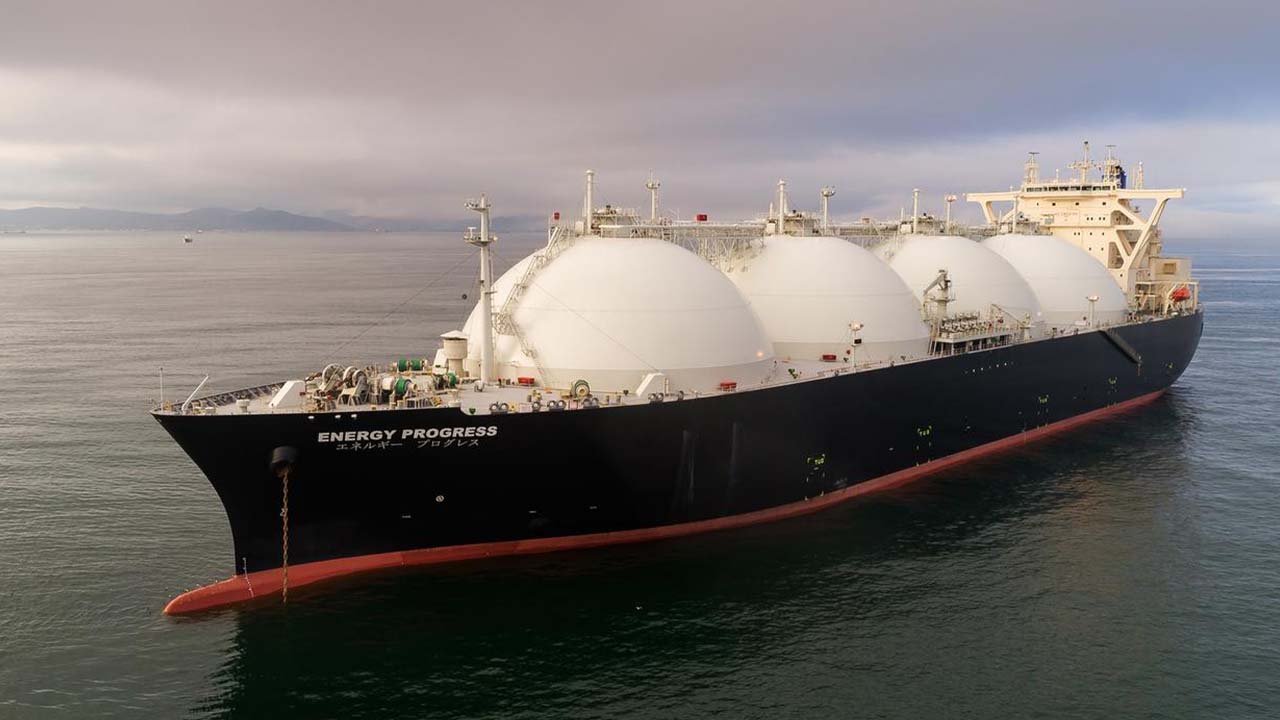
    The Oil and Gas Regulatory Authority (Ogra) has announced a 13 per cent decrease in the cost of re-gasified liquefied natural gas (RLNG) for this month, as the international spot market remained out of reach for Pakistan and the average cost of cargos under a long-term contract fell slightly as oil prices fell.

    According to Brecorder, the basket RLNG price was also lower owing to the second LNG contract with Qatar, which is available to Pakistan at 10.2 per cent of Brent, included four cargos instead of the usual two. The number of LNG cargos from Qatar under the first contract was four for the period, rather than the usual six, at a rate of 13.37 per cent of Brent.

    The average basket price for LNG supply at the import stage (delivered ex-ship), according to a notification from Ogra on Monday, was calculated to be $11.56 per million British thermal unit (mmBtu) for Pakistan State Oil (PSO) for eight cargos (all from Qatar) and $11.856 per mmBtu for Pakistan LNG Limited (PLL) for one cargo under another long-term contract with an LNG trader at 12.14 per cent of Brent.

    As a result, the price of imported RLNG for two gas firms, SSGCL and SNGPL, decreased by roughly $2.2 to $2.3 per mmBtu, or about 13 per cent. SNGPL’s sale price was announced as $14.78 per mmBtu and SSGCL’s as $15.19 per mmBtu. In addition, the price per mmBtu at transmission stage fell by 15–16 per cent in July, from $19.07 to $18.8 per unit in June, to $16.

  • Pakistan likely to exit FATF grey list after 4 years

    Pakistan likely to exit FATF grey list after 4 years

    Pakistan is expected to leave the Financial Action Task Force (FATF) grey list on October 21 after topping the dreaded chart for over four years.

    According to Dawn, a 15-member team of the money-laundering watchdog concluded its onsite visit to Pakistan on September 2, with the final decision on the country’s grey list status now expected at its next meeting set to take place in Paris this week.

    According to an official statement, panellists from 206 Global Network members and observer organisations, including the International Monetary Fund, the United Nations, the World Bank, Interpol, and the Egmont Group of Financial Intelligence Units, will attend the Working Group and Plenary meetings in Paris.

    The outcome of the two-day deliberations on Pakistan’s status would be announced. The FATF Onsite team’s report on Pakistan is scheduled to be reviewed at the plenary meetings.

    Pakistani authorities believe that after four years of hard effort, the country has achieved not just a high level of technical compliance with FATF standards, but also a high degree of efficacy through the implementation of two comprehensive FATF action plans.

    It is worth noting that the FATF found Pakistan generally compliant on all 34 issues in June of this year and opted to send an onsite team to verify it on the ground before formally declaring the country’s removal from the grey list in August and September.

    Pakistan was rated “compliant or generally compliant” with FATF criteria in 38 of 40 recommendations, putting the country among the top FATF-compliant countries in the world.

    Pakistan was officially placed on the FATF grey list for the third time on June 28, 2018, and has been working to remove itself off the list ever since.

    The country was originally placed on the FATF grey list in 2008 after failing to meet international anti-money laundering (AML) and counter-terrorism financing (CFT) requirements. Pakistan was removed from the list in 2010 after upgrading its AML/CFT regime. However, Pakistan was placed on the grey list again in 2012 and remained there until 2015.

  • Govt increases petroleum levy by Rs14.84 to Rs47.26

    Govt increases petroleum levy by Rs14.84 to Rs47.26

    The government has increased the Petroleum Levy (PL) on petrol by Rs14.84 to Rs47.26 per litre, while decreasing it on diesel, with immediate effect from October 16, 2022, maintaining the prices at Rs224.80 and Rs235.30 per litre, respectively. From October 1, 2022, the PL for petrol was Rs32.42.

    The rise in the petroleum levy on Mogas was enforced in response to the IMF’s concerns after the finance ministry lowered the levy on petrol by Rs5 to Rs32.42 per litre on October 1, 2022, from Rs37.42.

    According to Geo, Pakistan has to raise Rs850 billion in income during the current fiscal year by increasing the Petroleum Levy to Rs50 per litre on petrol and diesel.

    However, it has lowered the diesel levy by Rs5.44 to Rs7.14 per litre beginning October 16, 2022. From October 1, 2022, the petroleum levy on diesel was Rs12.58 per litre.

    Currently, the petroleum duty on HOBC is Rs30 per litre, kerosene oil is Rs8.90 per litre, light diesel oil is Rs1.59, and E-10 gasoline is Rs23.21 per litre.

    The inland freight equalisation margin (IFEM) on gasoline was cut by Re0.52 to Rs2 per litre from Rs2.53.

    The district margin, which includes the extra margin on petrol, is Rs3.68 per litre, while the dealer margin is Rs7 per litre.

    IFEM on diesel has risen by Re0.07 per litre to Rs1.83 from Rs1.76 per litre. The dealer margin on diesel is similarly Rs7 per litre, while the district margin, including extra margin, is Rs3.68 per litre.

  • Pakistan intends to reschedule its $27 billion bilateral debt: Finance Minister

    Pakistan intends to reschedule its $27 billion bilateral debt: Finance Minister

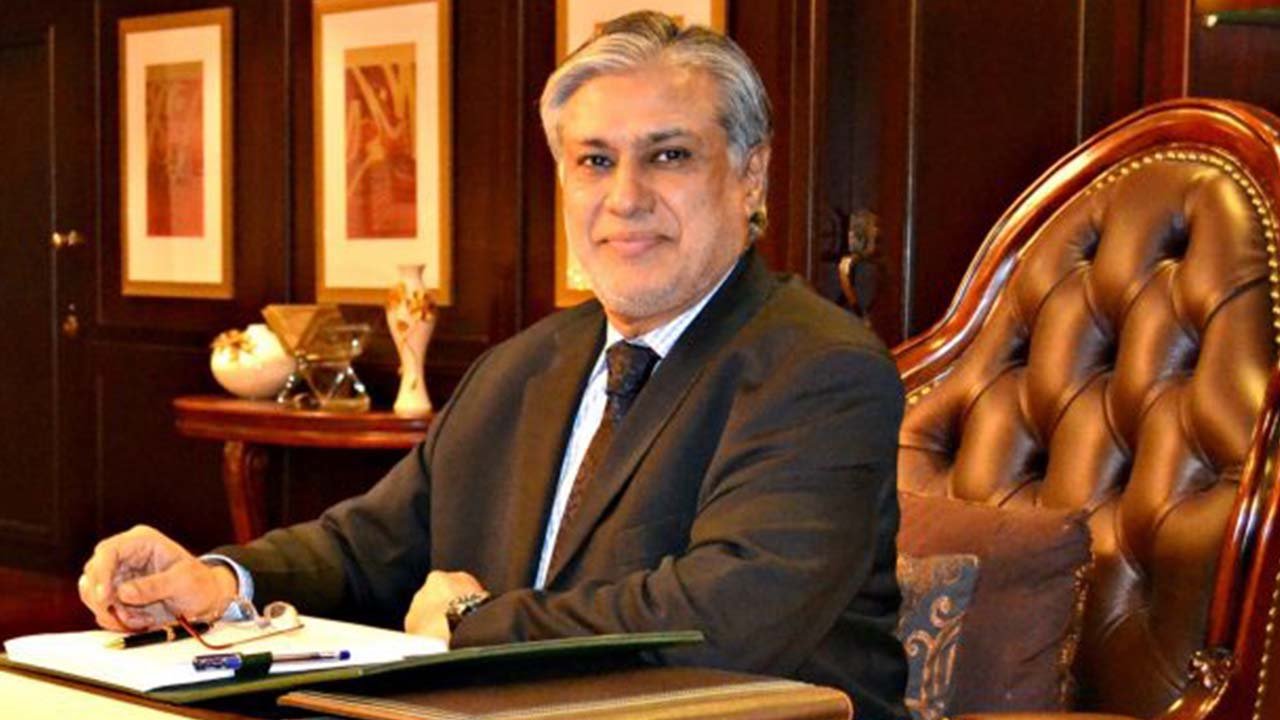
    Finance Minister Ishaq Dar said in a statement to Reuters that he would attempt to reschedule around $27 billion in non-Paris Club debt, most of which is owing to China, but he would not seek haircuts as part of any restructuring.

    Dar ruled out the likelihood of Pakistan’s debt default, an extension of the maturity date for bonds that are due in December, and a revision of the existing International Monetary Fund (IMF) programme in an interview.

    The seasoned finance minister claimed that multilateral development banks and foreign donors have been “very flexible” in finding ways to meet Pakistan’s anticipated $32 billion in external financing demands following disastrous floods.

    He said that some of this might come from repurposing money from development loans that had already been granted but were paying out more slowly.

    Just over two weeks after entering office, Dar, who is attending the IMF and World Bank annual meetings, stated that Pakistan would seek restructuring on similar terms for all bilateral creditors.

    When asked if he felt it would be difficult to convince China, the creditor of nearly $23 billion of the debt, to participate, he declined to respond.

    He responded when asked if Pakistan would try to lower the debt’s principal “rescheduling is fine, but we are not seeking a haircut … That’s not fair”.

  • NEPRA okays Rs3.21 per unit hike in power tariff

    NEPRA okays Rs3.21 per unit hike in power tariff

    A quarterly adjustment of Rs3.21 per unit of power for the period of April to June 2022 has been approved by the National Electric Power Regulatory Authority (NEPRA).

    A further burden of Rs93.95 billion will be placed on energy consumers as a result of the most recent price increase. To be effective as of October 1, 2022, the authority transmitted its decision to the federal government.

    According to specifics, the prior adjustments’ time period ended on September 3, 2022. As of October 1, the electricity customers will not receive any respite as the authority implements fresh adjustments immediately following the expiration of the prior adjustment.

    For K-Electric customers, the NEPRA earlier in the day authorised a cut in power rates of Rs4.89 per unit due to a fuel cost adjustment (FCA) for August 2022.

    The notification states that, in contrast to KE’s plea for Rs4.21, the fuel cost adjustment for K-Electric customers would be reduced by Rs4.89 per unit. However, it specified that the tariff cut for July would only be valid for that particular month.

    According to the NEPRA, all consumer categories would be affected by the drop in FCA, with the exception of lifeline consumers, home consumers consuming up to 300 units, agriculture consumers, and EVCS (Electric Vehicle Charging Station).

  • IMF to help Pakistan after World Bank and UNDP assess flood damages

    IMF to help Pakistan after World Bank and UNDP assess flood damages

    The International Monetary Fund stated that it is awaiting the assessment reports from the World Bank and UNDP as well as the economic destruction brought on by the country’s severe flooding before determining how it might assist Pakistan.

    According to Geo, the international lender announced that as part of the preparations for the upcoming review, it will also dispatch a delegation the following month after the annual meetings.

    But the IMF made it clear that it would hold off until the UNDP and World Bank completed their assessments of the damages.

    At a news conference in Washington on Thursday, Jihad Azour, the IMF’s Director of the Middle East and Central Asia Department, stated that “We were saddened by the loss of human as well as livelihood in Pakistan with the flood, and we present, and we reiterate our condolences to the people of Pakistan. The Fund has been very supportive of Pakistan over the last few years. We have a programme with Pakistan that has been extended and increased in size.

    According to Azour, the Fund took these actions to provide Pakistan more flexibility during the Covid-19 crisis in order to help the government deal with the confluence of shocks.

    When talking about subsidies, the director remarked “Targeted subsidies that promote certain products have not been found to be highly beneficial. It has shown to be extremely regressive, “added he.

    Azour said that the Fund urges Pakistan and other nations to stop giving out ineffective subsidies that waste money. He further emphasised that the IMF supports nations in allocating these resources to those who are in most need.

  • Power transmission system ‘fully restored’ after major outage

    Power transmission system ‘fully restored’ after major outage

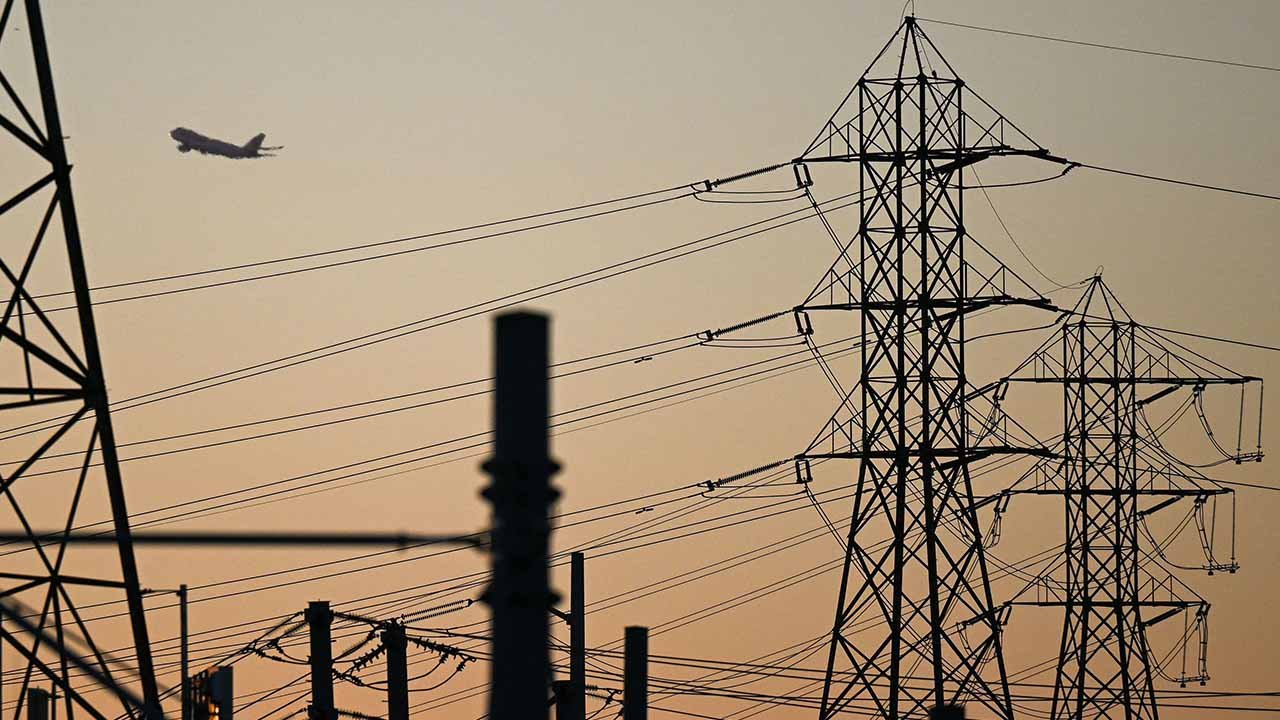
    Late on Thursday, the Ministry of Energy confirmed that all countrywide power had been “fully restored,” adding that the issue with two 500kV lines in Karachi’s south had been fixed.

    The ministry posted on its official Twitter account, “Electricity supply is being increased from alternative power plants, which will return to normal by Friday morning.”

    According to Dawn, Energy Minister Khurram Dastgir had expressed his optimism that normal electrical service would be fully restored by tonight.

    He reported power outages on Thursday morning in Karachi, Hyderabad, Sukkur, Quetta, Multan, and Faisalabad while speaking at a press conference.

    “Karachi and Quetta are priority regions now,” he said. “Nearly 8,000 MW of power went offline at around 9 AM however, the government has restored 4,700 MW,” he announced. “Restarting of power plants will consume time therefore complete resolution of the problem will take a few more hours.”

    He said that a thorough investigation had been ordered and a team had been formed for the purpose, citing the government’s worry regarding simultaneous faults in two power lines at the same time.

    “We will take action after receiving the inquiry report,” the minister said. “Due to our efforts, northern part of the country remained unaffected from the breakdown.”

    According to the Ministry of Energy, a “fault in the country’s southern transmission system” caused a significant power outage on Thursday that affected Sindh and Punjab.

    In addition to Karachi, Hyderabad, Thatta, Jamshoro, Sujawal, Badin, Mirpurkhas, Umarkot, Sanghar, Nawabshah, Matiari, Tharparkar, and Larkana, electricity was also cut off in other parts of Sindh.

    Additionally, there were power outages in a number of Punjabi cities, including Rajanpur and Rahim Yar Khan.

    “Due to an accidental fault in the country’s southern transmission system, several southern power plants are tripping in stages, which is disrupting the transmission of electricity in the southern part of the country,” said the Ministry of Energy in a tweet post.

    “The Ministry of Energy is diligently investigating the cause of the outage and the power system will be fully restored as soon as possible,” it added.

    According to reports, a technical issue has caused the Guddu Thermal Power Station in Kashmore to stop producing electricity. Technical issues at the power plant prevent the 600MW and 747MW units from running.

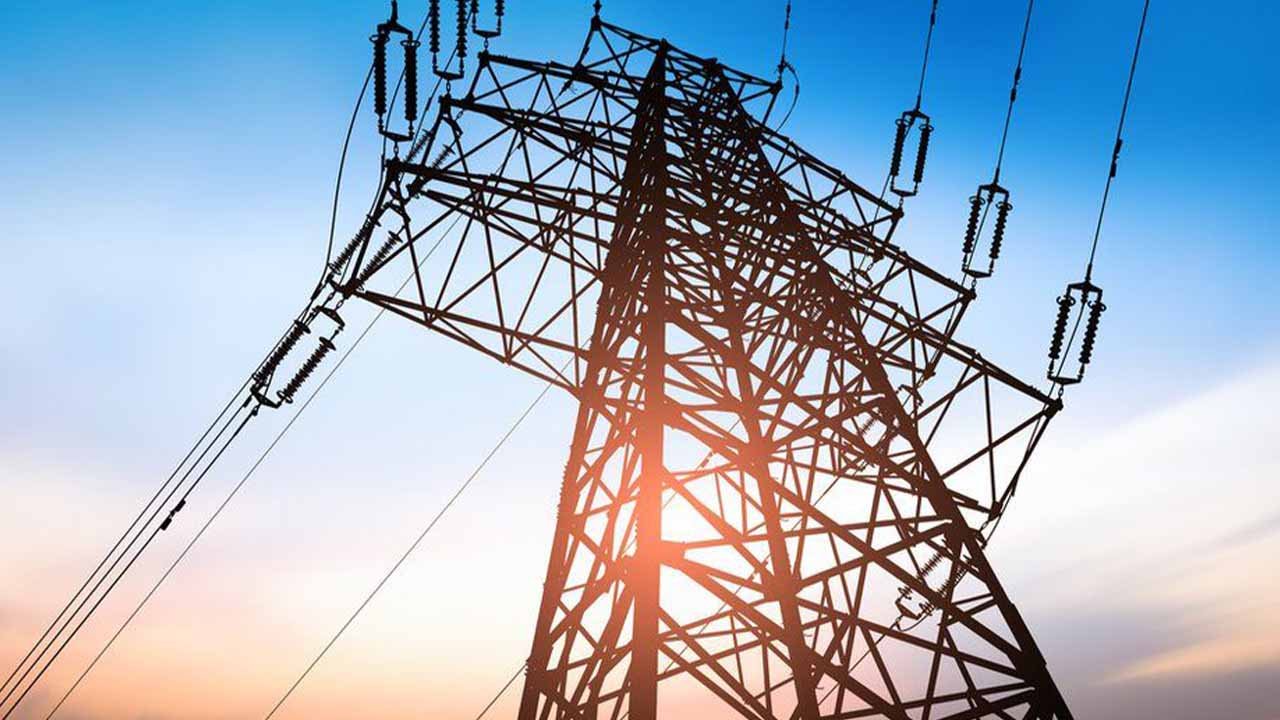
    The 500-KV system nationwide is not functioning, according to sources at National Transmission and Despatch Company (NTDC). They claimed that the causes are still being determined.

    The southern port city’s many neighbourhoods, including Malir, Sarjani Town, and Saddar, experienced power outages. Since 10:00 am, there has been no electricity in these neighbourhoods.

    Furthermore, there were power disruptions in places including Gulshan-e-Maymar, Federal B Area, Liaquatabad, and Super Highway.

    Baldia, Orangi Town, North Nazimabad, and North Karachi are all without electricity. In addition to this, some locations, notably the SITE Industrial Area, lack electricity.

    “There are reports of multiple outages from different parts of the city,” Imran Rana, Spokesperson, K-Electric, said in a tweet post.

    “We are investigating the issue and will keep this space posted,” he added.

    According to information provided by the Ministry of Energy, the KE’s spokesperson verified that the halt in energy supply was caused by a failure in the southern transmission system in an update released about 11:45am.

    He said that efforts to restore the supply had begun, and it would take about five hours to finish the process.

  • Major power outages hit Sindh and Punjab due to a fault in southern transmission system

    Major power outages hit Sindh and Punjab due to a fault in southern transmission system

    The Ministry of Energy said that a “fault in the country’s southern transmission system” caused a significant power outage on Thursday that affected Sindh and Punjab.

    In addition to Karachi, Hyderabad, Thatta, Jamshoro, Sujawal, Badin, Mirpurkhas, Umarkot, Sanghar, Nawabshah, Matiari, Tharparkar, and Larkana, electricity service has been interrupted throughout Sindh.

    Additionally, the power has been cut off in a number of Punjabi cities, including Rahim Yar Khan and Rajanpur, according to Geo.

    “Due to an accidental fault in the country’s southern transmission system, several southern power plants are tripping in stages, which is disrupting the transmission of electricity in the southern part of the country,” said the Ministry of Energy in a tweet post.

    “The Ministry of Energy is diligently investigating the cause of the outage and the power system will be fully restored as soon as possible,” it added.

    According to reports, a technical issue has caused the Guddu Thermal Power Station in Kashmore to stop producing electricity. Technical issues at the power plant prevent the 600MW and 747MW units from running.

    The 500-KV system nationwide is not functioning, according to sources at National Transmission and Despatch Company (NTDC). They claimed that the causes are still being determined.

    The southern port city’s many neighbourhoods, including Malir, Sarjani Town, and Saddar, experienced power outages. Since 10:00 am, there has been no electricity in these neighbourhoods.

    Meanwhile, there were power disruptions in places including Gulshan-e-Maymar, Federal B Area, Liaquatabad, and Superhighway.

    Baldia, Orangi Town, North Nazimabad, and North Karachi are all without electricity. In addition to this, several places, notably the SITE Industrial Area, lack electricity.

    K-Electric is looking into reports of many outages from various areas of the city, K-Electric spokesperson Imran Rana wrote in a tweet.

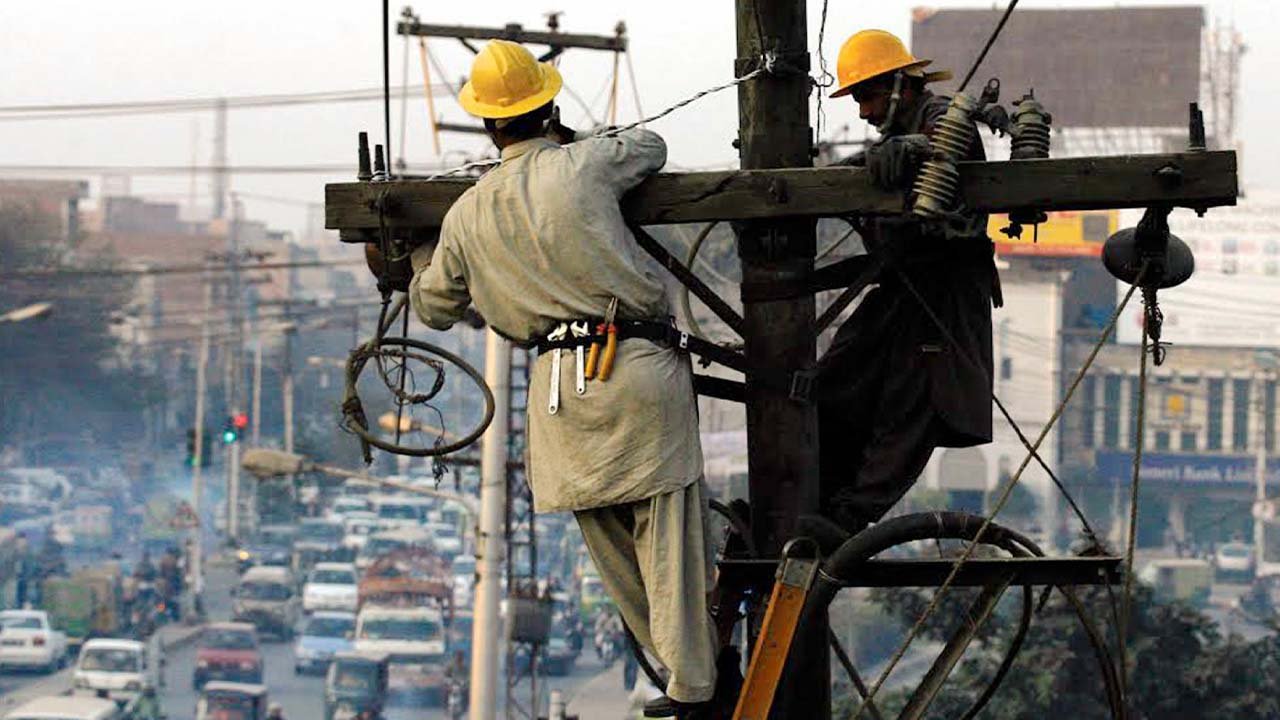
    There are currently efforts being made to restore power. K Electric claims that all residential areas have had electrical supply restored, adding that 1,600 of Karachi’s 1,900 feeders are now operational.

    Even though it has been more than eight hours since the breakdown started, the remaining 300 feeders have still not been powered up, leaving some areas without power.