Category: Business

The most important business news, explained in a young, easy to understand way. News that affects young career professionals.

  • Pakistani rupee loses Rs2.01 against dollar to close at Rs216.66

    Pakistani rupee loses Rs2.01 against dollar to close at Rs216.66

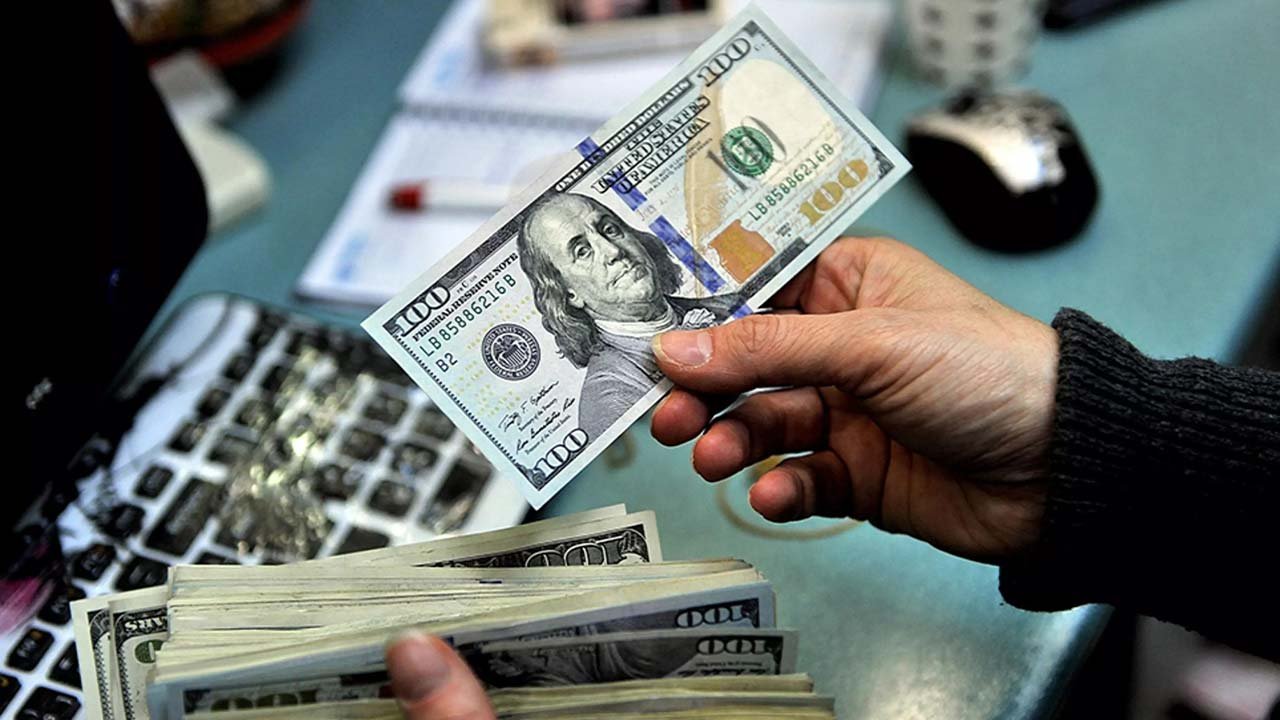
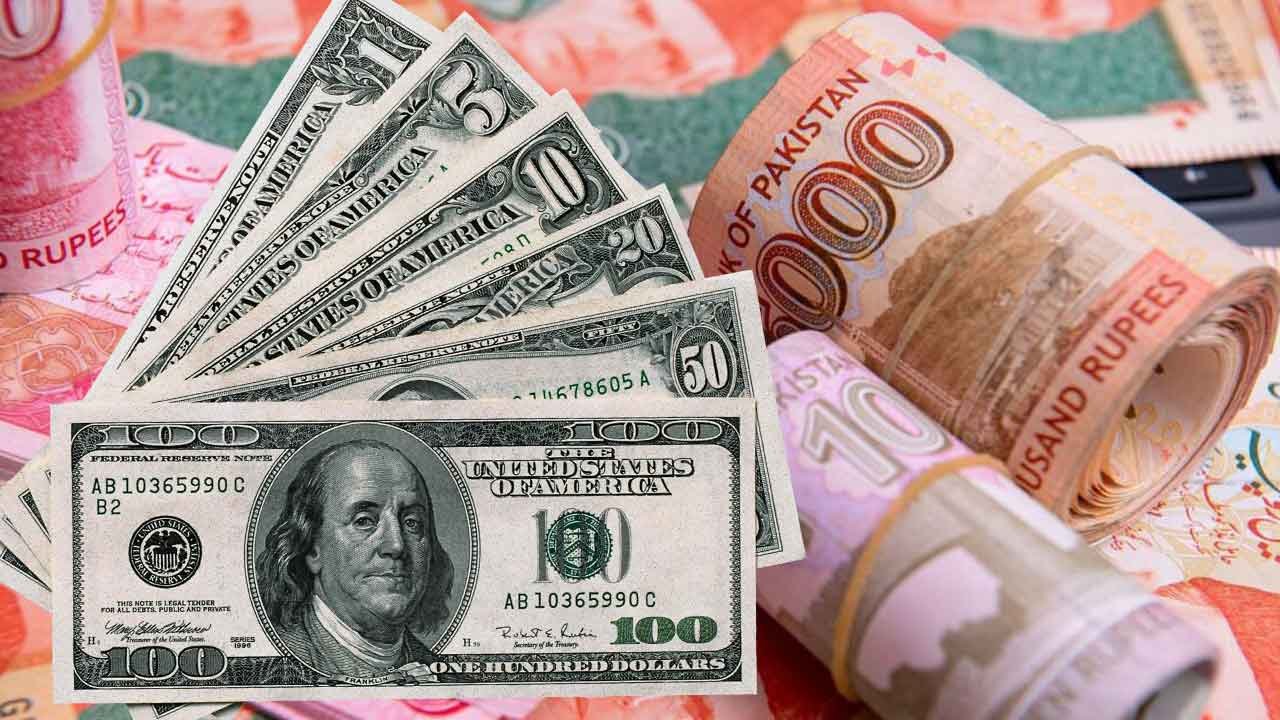
    On Monday, the Pakistani rupee (PKR) remained under pressure to start the week, falling Rs2.01, or 0.93 per cent, versus the US dollar in the interbank market.

    The local currency dropped from Friday’s closing rate of Rs214.65 to Monday’s closing rate of Rs216.66 per dollar, according to the State Bank of Pakistan.

    The dollar fluctuated between Rs213-214 during the previous week. It ended at Rs214.65 on Friday after ending at Rs213.98 on Monday. Last week, the rupee lost 0.31 per cent of its value against the dollar.

    The KSE 100-index of the Pakistan Stock Exchange (PSX), on the other hand, experienced a bearish trend on Monday, shedding 443.99 points, or 1.03 per cent, and finishing at 42,826.66 points as opposed to 43,270.65 points on the last working day.

    When compared to the previous trading day, when 306,208,580 shares were traded, a total of 194,667,559 shares were traded on Monday (today). The price of the shares was Rs5.331 billion as opposed to Rs6.393 billion on Friday.

  • Govt imposes 100% penalty surcharge to release banned imported items

    Govt imposes 100% penalty surcharge to release banned imported items

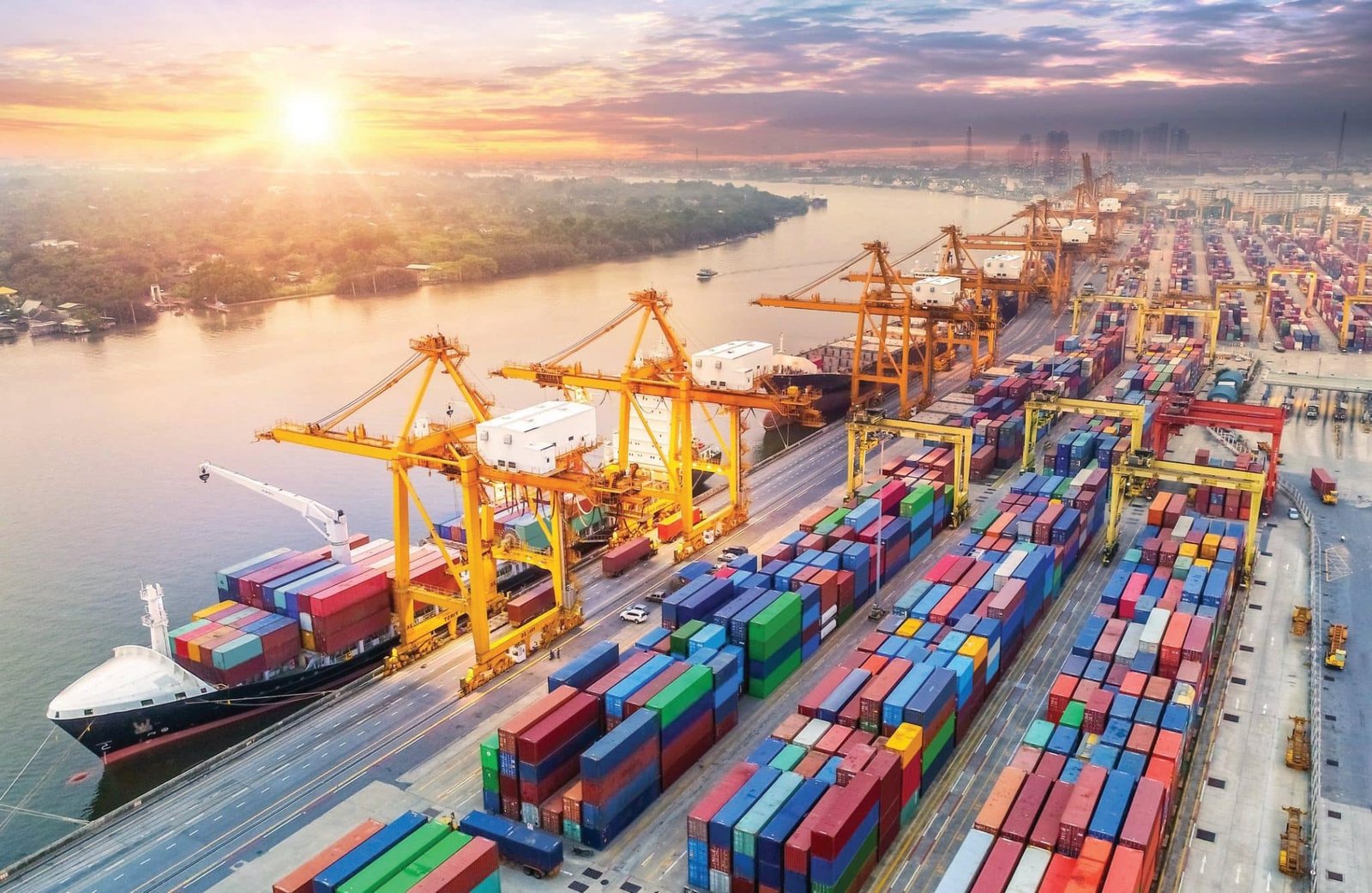
    The federal government has approved the release of imported goods with a penalty surcharge of 100 per cent of assessed value that arrived at the ports after June 30.

    The federal government has reportedly permitted the release of all imported products and imposed fines of up to 100 per cent on goods that had arrived at ports by the end of July notwithstanding limitations.

    Finance Minister Miftah Ismail made the announcement during a news conference, noting that the restrictions were put in place in response to the International Monetary Fund’s (IMF) requirements.

    Vehicles, mobile phones, home appliances, and other property may now be released with a 100 per cent penalty surcharge.

    Other imported items were permitted with payment of a premium of up to 35 per cent, according to the announcement. Items received after June 30 and up to July 31 will be released with a penalty surcharge of 25 per cent.

    Three months after the limitation was put in place, the federal government earlier on August 18 relaxed the ban on the importation of luxury and non-essential goods.

  • Twitter accused of profiting from leaking users’ private information

    Twitter accused of profiting from leaking users’ private information

    Twitter is allegedly giving user email addresses and phone numbers to marketers without their permission, which has put the social media giant in more legal trouble.

    The business admitted in 2019 that it may have utilised the personal data customers provided in exchange for a security feature for targeted advertising.

    Two Twitter users filed a proposed class action lawsuit against the social media platform on Thursday in a federal court in Northern California. Billy Moses and Christina McClellan, both of Texas, claim in the 38-page complaint that they would not have given Twitter their phone numbers and email addresses if they had known that the firm would utilise the information for targeted advertising.

    According to CNET, the lawsuit is the most recent repercussion Twitter is facing because of purported privacy infractions. Twitter reportedly violated the Federal Trade Commission Act and a 2011 FTC order by misrepresenting how it will use nonpublic user contact information, and in May, Twitter agreed to pay a $150 million fine.

    Users of Twitter have filed lawsuits against the social media site for violating their privacy in other jurisdictions, including Washington.

    Twitter urged users to enter their phone numbers and email addresses for two-factor authentication, an additional security measure, but failed to disclose that the information would be used for targeted advertising.

    Because marketers could utilise emails and phone numbers to determine a potential customer’s identity and learn about where they reside, what items they buy, where they shop, and other useful information, the lawsuit claims that Twitter made money off of this data without user consent.

    Due to the possibility of using phone numbers and email addresses to identify a person, there are additional hazards associated with their disclosure. According to the lawsuit, hackers may attempt to access a user’s social media accounts through email or gather other data in order to commit identity theft.

    Additionally, the corporation is said to have broken both its agreement with users and California’s Unfair Competition Law. At the time, Twitter’s privacy policy stated that while it doesn’t provide its partners access to user information like email addresses and phone numbers, it may link the data it supplies to other data if a user gives their approval to that partner.

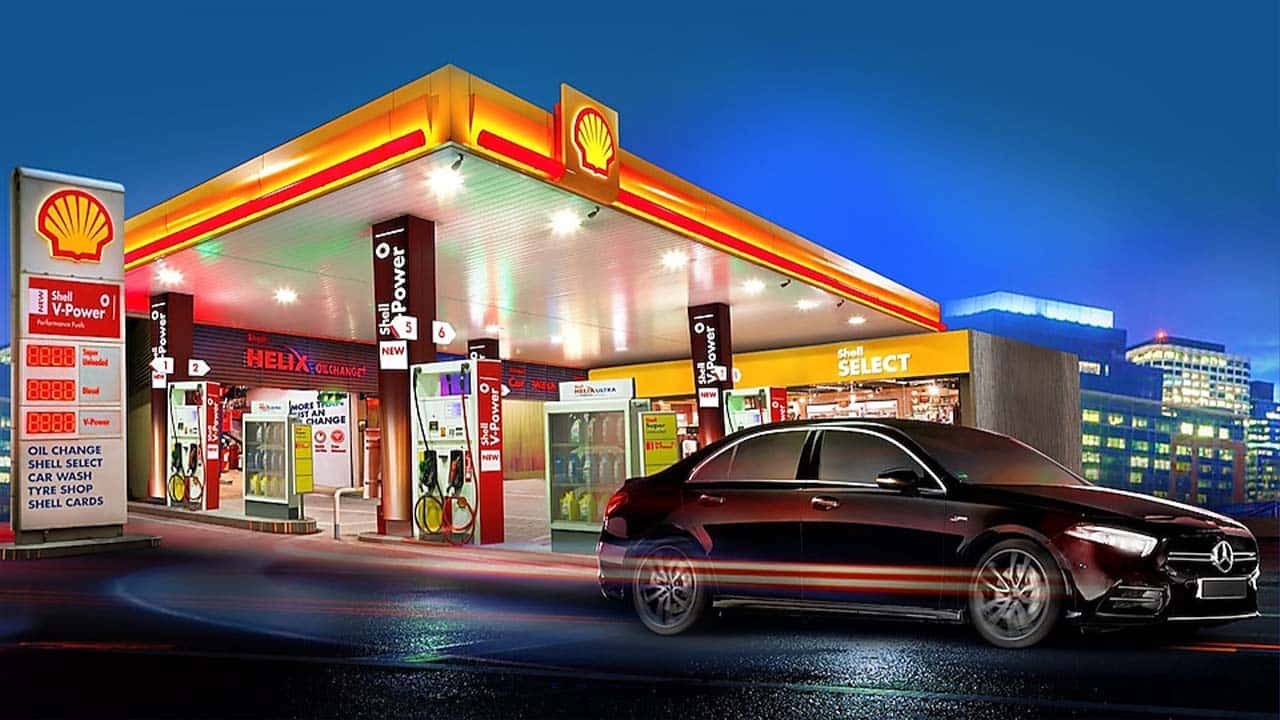
  • Shell Pakistan posts after-tax profit of Rs7.4 billion in first half of 2022

    Shell Pakistan posts after-tax profit of Rs7.4 billion in first half of 2022

    The results for the first half of the year are announced by Shell Pakistan Limited’s (SPL) Board of Directors. In comparison to the profit of Rs2,153 million recorded during the same period last year, the company reported an after-tax profit of Rs7,469 million in 2022.

    The significant rebound is a result of increased company performance with a strategic focus, a positive shift in the government’s pricing methodology for the S&P Global Platts indexes, and safe and effective fuel operations.

    According to Brecoder, the petroleum business added 13 new retail locations during this span, that will contribute to increased volume. In the market for premium fuels, Shell V-Power continues to be the market leader.

    In order to ensure that the business plays a significant part in the development of Pakistan’s energy future, the company will actively work to curtail the impact of present impediments and strive to grasp opportunities.

    Earlier, the business also confirmed its decision to cease its aviation operations in Pakistan. Currently, SPL operates its aviation-related business out of four locations.

    Including Nawabshah Airport, Begum Nusrat Bhutto Airport in Sukkur, Quetta International Airport, and Jinnah Airport in Karachi. SPL has concluded that it is no longer commercially viable to continue with its aviation operations in the country after careful consideration.

    In order to promote practices that will make Pakistani roads safer, the business also wrote the road safety book “Once Upon a Road.” The book will be covered in Pakistan’s sixth-grade curriculum developed by the Care Foundation.

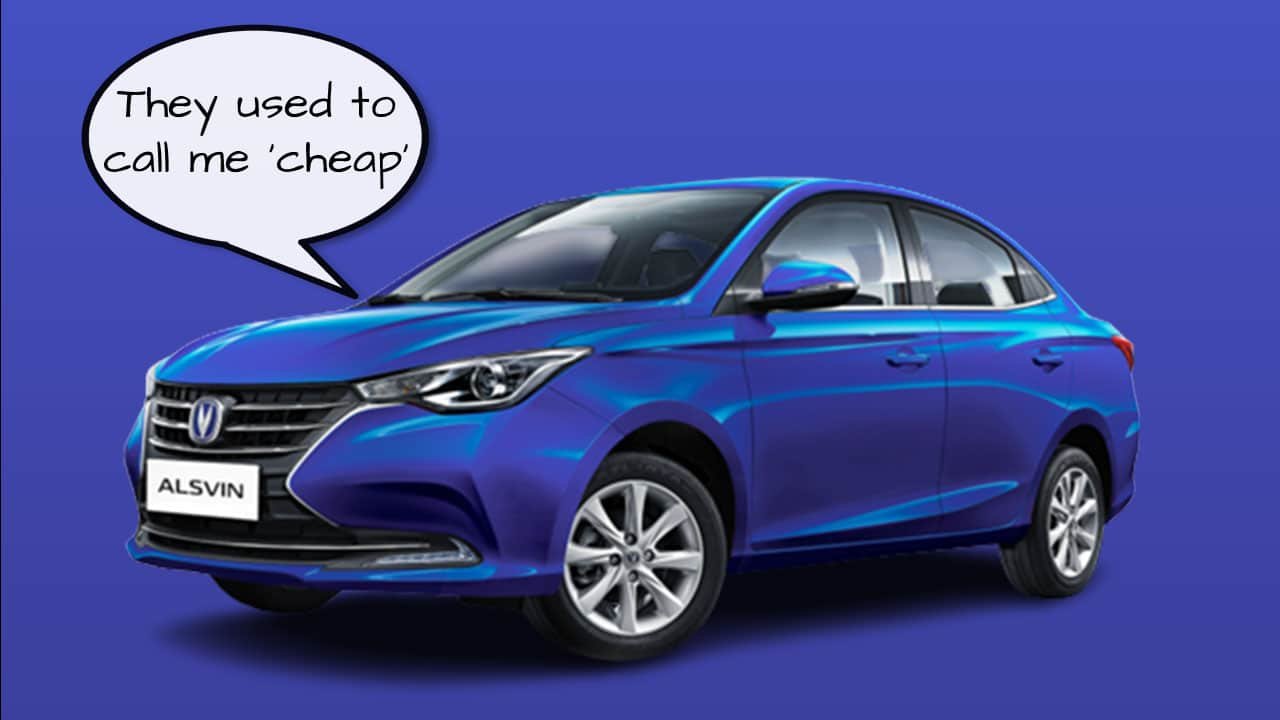
  • Changan is not reducing the price of Alsvin variants

    Changan is not reducing the price of Alsvin variants

    With the exception of Alsvin, Changan has announced price reductions for all locally assembled vehicles.

    While Changan and every other brand in Pakistan increased the price of automobiles to an all-time high, it appears that the Chinese manufacturer has noted that Alsvin variants were far less expensive and still seemed like a good option for local car buyers as compared to other sedans from top brands.

    Here are the new prices for Changan vehicles:

    Model Old invoice New price Reduction
    Oshan X7 Comfort Rs7,449,000 Rs7,049,000 Rs400,000
    Oshan X7 FutureSense Rs7,749,000 Rs7,549,000 Rs200,000
    Karvaan Standard Rs2,469,000 Rs2,419,000 Rs50,000
    Karvaan Plus Rs2,619,000 Rs2,569,000 Rs50,000
    Alsvin Comfort Rs3,394,000    
    Alsvin DCT  Rs3,649,000    
    Alsvin Lumiere DCT  Rs3,844,000    
    Changan New Car Prices in Pakistan – 19 August 2022

    Oshan X7 Comfort’s price has been significantly reduced by Changan and is currently available for Rs7,049,000 as opposed to its earlier invoice of Rs7,449,000. This indicates a price reduction of Rs400,000.

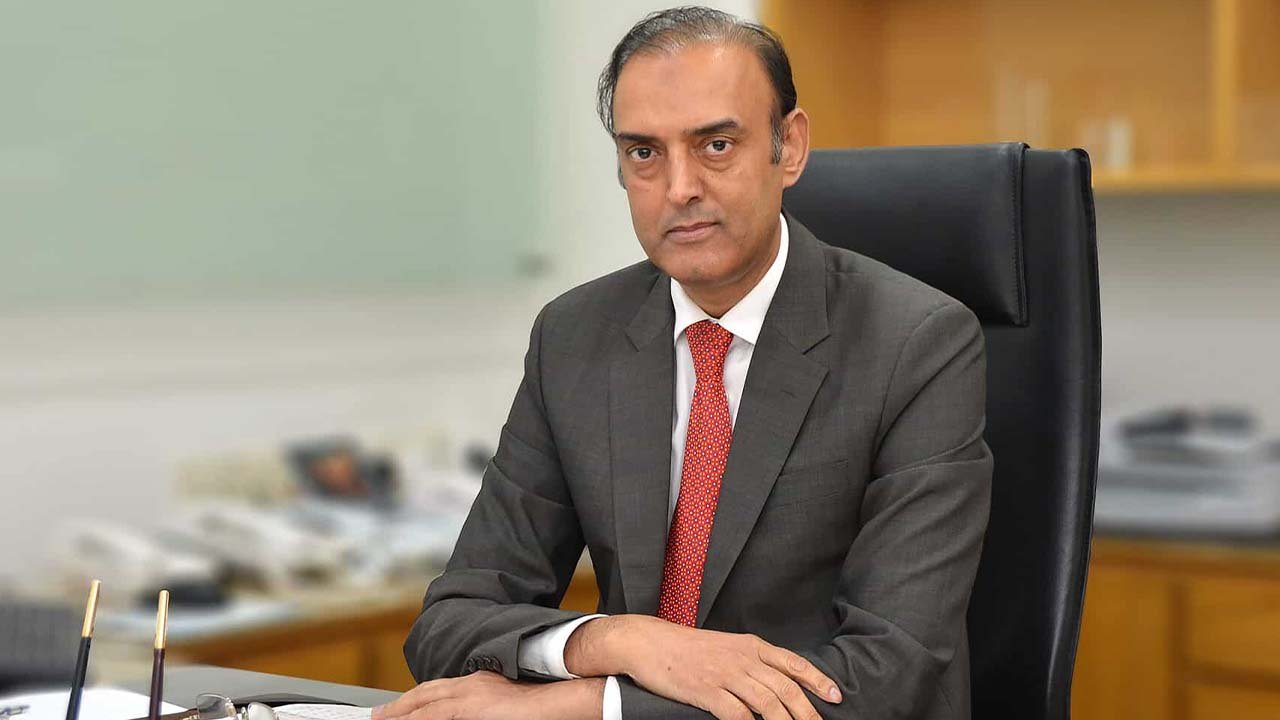
  • Govt appoints Jameel Ahmad as Governor SBP for 5 years

    Govt appoints Jameel Ahmad as Governor SBP for 5 years

    According to a Finance Division announcement on Friday, the government has appointed Jameel Ahmad as Governor of the State Bank of Pakistan (SBP) for a tenure of five years, effective immediately.

    “In exercise of powers conferred under Section 11A (1) read with Section 14(1) of the State Bank of Pakistan (SBP) Act 1956 (Amended 2022), Jameel Ahmad is appointed as Governor State Bank of Pakistan for a term of five (5) years with the approval of the President of Pakistan, upon the recommendation of Federal Government, with immediate effect,” read the notification.

    Jameel Ahmad was the deputy governor of the central bank and was reappointed by the government on October 25, 2018, for a three-year term. From April 11, 2017, to October 15, 2018, he also held the position of Deputy Governor (Banking & FMRM).

    “Jameel Ahmad has an illustrious career as an accomplished central banker span over 30 years at various senior positions at the State Bank of Pakistan and the Saudi Central Bank (SAMA),” read information available on the SBP website.

    Mr Jameel Ahmad did his MBA from University of Punjab at Lahore and is a Fellow Member of the Institute of Cost & Management Accountants of Pakistan (FCMA), an Associate Member of the Institute of Bankers Pakistan and a Fellow Member of the Institute of Corporate Secretaries of Pakistan (FCIS).

  • Govt lifts import ban on luxury goods with heavy duties

    Govt lifts import ban on luxury goods with heavy duties

    On the recommendation of the International Monetary Fund (IMF), the Federal Minister for Finance and Revenue, Miftah Ismail, announced lifting of the ban on the import of luxury and non-essential goods on Thursday. He added, however, that the Regulatory Duties (RDs) would be increased significantly to deter the import of such items.

    “It is requirement of the international community that there should be no ban so we are lifting ban on all products. But simultaneously the duties I am going to impose would not let these commodities to enter into Pakistan as finished goods,” according to Finance Minister.

    According to the minister, RDs would be increased three times, or to the highest degree conceivable, and may potentially increase by up to 400 to 600 per cent or more.

    Keeping in view his duty to offer basic and vital goods to the nation’s citizens, he said that the prime minister was against the importation of luxury goods, according to APP.

    To comply with the IMF, international agreements, and World Trade Organization, he claimed the restriction had been lifted. Although import taxes would be applied on expensive food, clothing, and other items, anyone still wishing to import is free to do so.

    He said that the available resources will be used to give the people of the country grain, wheat, cotton, and edible oil rather than iPhones or fancy cars. He claimed that Pakistan did not have a lot of money to spend on the import of opulent things.

    The finance minister stated in response to a question that the levies on completely built-up (CBU) automobiles, appliances, imported meat and salmon, as well as other luxuries, would increase. He explained that the government’s goal was to limit imports while adhering to the requirements of the International Monetary Fund (IMF) and other international accords, not to promote the import of such goods.

    On the other hand, since the Completely Knocked Down (CKD) kits are not considered luxury items, their import will resume without any caveats. However, its positive impact on the sales figures will be seen after a few months.

    According to the finance minister, Pakistan and the fund have been in lengthy negotiations. The IMF board is due to convene on August 29 and will decide whether to accept Pakistan’s programme because it has already complied with all requirements and performed all necessary preliminary steps.

    He said that friendly nations like Saudi Arabia, Qatar, and the United Arab Emirates helped arrange the $4 billion cash for strengthening the nation’s foreign exchange reserves. China also agreed to roll over $2 billion in loans, and Saudi Arabia agreed to roll over its own assets. According to him, the finance need has been satisfied.

    According to the minister, the requirement for the electricity tariff has also been met, thus there won’t be any non-funding subsidies.

    In addition, he said that the government was expected to get Rs42 billion from retail tax, but when the decision was reversed, the objective was cut to Rs27 billion, and the Rs15 billion shortfall will be filled by increasing the tax on tobacco and cigarettes.

    Moreover, taxes on tobacco and cigarettes will bring in Rs36 billion. Tier-2 cigarettes’ tax will rise from Rs1,850 to Rs2,050 per 1,000 cigarettes, while Tier-1 cigarettes’ tax would rise from Rs5,900 to Rs6,500 per 1,000 cigarettes. The green leaf Cess has also been raised from Rs10 per kg to Rs380.

    According to Bloomberg’s report, the Pakistani Rupee was the best performing currency in the world during August, and the Pakistan Stock Exchange continued to be the top performing stock market in the world, therefore the minister believed that the country’s economy was strengthening.

    The minister stated that the government was implementing a policy of self-reliance in order to stay within its means, reduce the fiscal deficit, and raise imports to a level equal to exports plus remittance in order to control the current account deficit.
  • Honda reduces car prices to pass on the forex impact

    Honda reduces car prices to pass on the forex impact

    Honda Atlas Cars Limited (HACL) has reduced the prices of its entire lineup, like its rival Toyota.

    According to a notification from the automaker, the latest price reduction is an outcome of the Pakistani rupee’s strengthening versus the US dollar, and the company wants to pass on the forex impact to its “valued” customers.

    Here are the new prices of Honda cars in Pakistan, effective from August 17:

    Model  Old invoice New price Decrease
    City Manual 1.2L Rs4,049,000 Rs3,769,000 Rs280,000
    City CVT 1.2L Rs4,199,000 Rs3,899,000 Rs300,000
    City CVT 1.5L Rs4,439,000 Rs4,139,000 Rs300,000
    City Aspire Manual 1.5L Rs4,609,000 Rs4,299,000 Rs310,000
    City Aspire CVT 1.5L Rs4,799,000 Rs4,479,000 Rs320,000
    BR-V CVT S Rs5,299,000 Rs4,939,000 Rs360,000
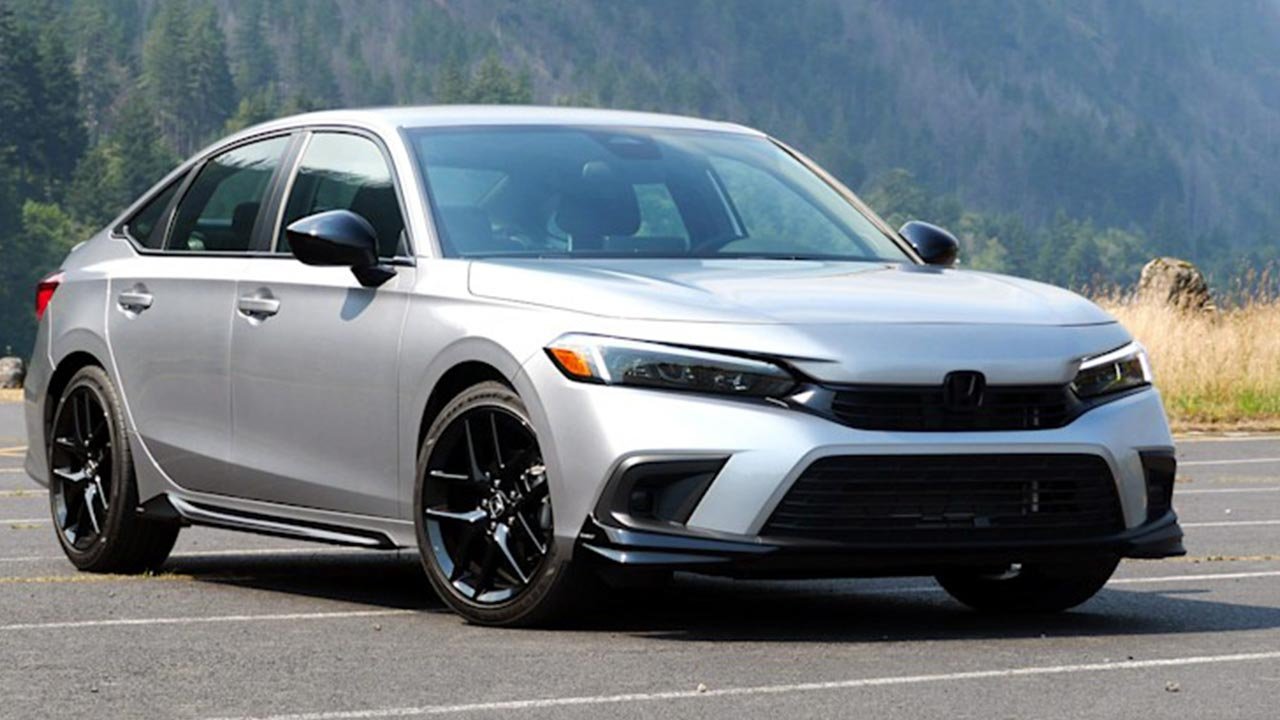
    Civic 1.5L M CVT Rs6,799,000 Rs6,349,000 Rs450,000
    Civic 1.5L Oriel M CVT Rs7,099,000 Rs6,599,000 Rs500,000
    Civic RS 1.5L LL CVT Rs8,099,000 Rs7,549,000 Rs550,000
    Honda Cars Latest Price List – August 2022

    Despite the most recent drop, the ‘cheapest’ Honda car still costs more than Rs3.7 million, making it out of reach for low-income individuals.

  • Pakistani rupee loses ground against dollar after 11 days of appreciation

    Pakistani rupee loses ground against dollar after 11 days of appreciation

    The Pakistani rupee (PKR) finally lost for the first time since July 28, falling by 0.46 per cent to close at Rs214.88 against the US dollar.

    The PKR was down by Rs1.01 or 0.46 per cent versus the US dollar at around 1:00pm, when it was quoted at Rs214.91.

    In the interbank market on Tuesday, the local currency edged up slightly versus the US dollar, ending the day at Rs213.90, an increase of 0.04 per cent or Rs0.08. The rupee managed to increase for the eleventh session in a row, despite the smaller volume of the advance.

    Remittances to Pakistan totaled $2.52 billion on Tuesday, with a small month-over-month dip reported.

    It is worth noting that PKR has increased by 11 per cent this month, making it the world’s top gainer against the greenback. On the other hand, the stock index climbed by 9 per cent, making it Asia’s second-best performer behind Sri Lanka.

    In order to get the IMF’s approval to resume its stalled bailout programme, Pakistan enacted austerity measures. This comes as frontier countries from Egypt to El Salvador struggle with the possibility of default.

  • Suzuki slashes prices of all locally assembled vehicles

    Suzuki slashes prices of all locally assembled vehicles

    Pak Suzuki Motor Company (PSMC) has announced a price cut for all vehicles following Toyota. The latest decline in car prices is attributed to the strengthening of the Pakistani rupee against the US dollar.

    Here’s the latest price list of all Pak Suzuki cars:

    Vehicle Old Price New Prices Reduction
    Alto
    Alto VX Rs1,789,000 Rs1,699,000 Rs90,000
    Alto VXR Rs2,079,000 Rs1,976,000 Rs103,000
    Alto VXL Rs2,399,000 Rs2,223,000 Rs116,000
    Wagon R
    Wagon R VXR Rs2,549,000 Rs2,421,000 Rs128,000
    Wagon R VXL Rs2,699,000 Rs2,564,000 Rs135,000
    Wagon R AGS Rs2,949,000 Rs2,802,000 Rs147,000
    Cultus
    Cultus VXR Rs2,879,000 Rs2,754,000 Rs125,000
    Cultus VXL Rs3,164,000 Rs3,024,000 Rs135,000
    Cultus AGS Rs3,379,000 Rs3,234,000 Rs145,000
    Swift
    Swift GL M/T Rs3,349,000 Rs3,180,000 Rs169,000
    Swift GL CVT Rs3,599,000 Rs3,420,000 Rs179,000
    Swift GLX CVT Rs3,959,000 Rs3,760,000 Rs199,000
    Bolan and Ravi
    Ravi Rs1,499,000 Rs1,349,000 Rs75,000
    Bolan VX Rs1,579,000 Rs1,500,000 Rs79,000
    Bolan Cargo Rs1,566,000 Rs1,487,000 Rs79,000
    Pak Suzuki Latest Car Prices in Pakistan 2022 – 16 August 2022

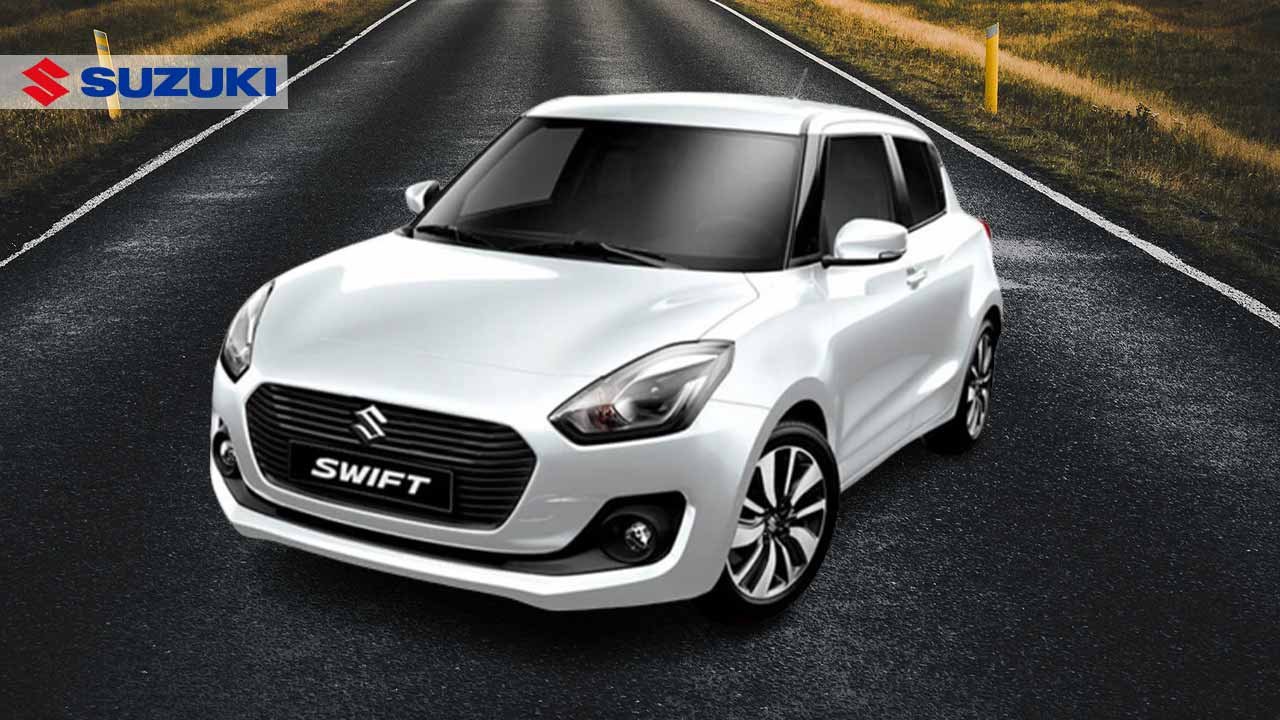
    Suzuki Swift’s price has decreased significantly by Rs199,000 compared to all other vehicles. The top Suzuki Swift GLX CVT variant will now be sold for Rs3.760 million as compared to its earlier price of Rs3.959 million.

    Read more: Toyota announces price cut for all vehicles

    The Suzuki Ravi Pickup saw the smallest drop in cost, dropping from Rs1.499 million to Rs1.349 million after a tiny reduction of Rs75,000.