Category: Business

The most important business news, explained in a young, easy to understand way. News that affects young career professionals.

  • Petrol price may be reduced by more than Rs10 per litre this week

    Petrol price may be reduced by more than Rs10 per litre this week

    Pakistan may experience a notable drop in fuel prices in the near future, with reductions of up to Rs12 per litre anticipated for various petroleum products, according to industry sources.

    Initial estimates indicate that the price of petrol could fall by more than Rs9 per litre, while high-speed diesel (HSD) might see a decrease of up to Rs8.50 per litre. Kerosene oil is also expected to become more affordable, with potential price cuts exceeding Rs12 per litre.

    The Oil and Gas Regulatory Authority (OGRA) is expected to finalise these pricing adjustments and submit its recommendations to the government by August 15. Finance Minister Muhammad Aurangzeb, in consultation with Prime Minister Shehbaz Sharif, will make the final decision on the new fuel prices.

    If approved, these reductions could offer significant relief to consumers grappling with high inflation and increasing living costs throughout the country. Further updates are anticipated following OGRA’s report submission.
  • Rashid Mahmood’s appointment as FBR chairman sparks controversy over overlooked senior officers

    Rashid Mahmood’s appointment as FBR chairman sparks controversy over overlooked senior officers

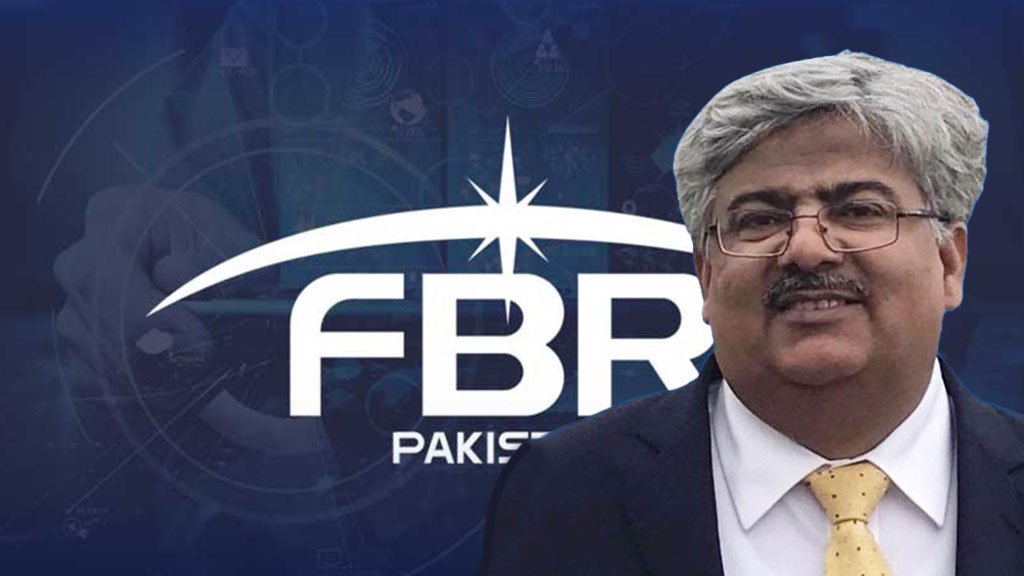
    The recent appointment of Rashid Mahmood as Chairman of the Federal Board of Revenue (FBR) has ignited debate, as it appears that a number of senior FBR officers were bypassed for the role.

    According to sources, Mahmood’s appointment has overlooked 24 senior officers in the field and 6 at the FBR headquarters, highlighting concerns over the lack of a seniority-based appointment process at the FBR—a stark contrast to other key institutions.

    Further sources reveal that Members of Customs Operations are currently on extended leave, and many senior officers are absent, which points to potential inefficiencies within the department

    Notably, Mahmood’s predecessors, including Amjad Zubair Tawana, Asim Ahmed, and Muhammad Ashfaq Ahmed, were also appointed despite more senior officers being available, raising questions about the appointment criteria.

    The timing of this appointment is particularly critical as the government faces a daunting tax target of Rs12.31 trillion for the coming 11 months. According to Mettis Global, if revenue collection falls short, even by a month or two, achieving this goal will be increasingly difficult.

    In addition to these challenges, the new chairman will need to navigate ambitious revenue collection targets and oversee essential system digitisation efforts.

  • IMF wants FBR to bring over 20 million Pakistanis into tax net in five years

    IMF wants FBR to bring over 20 million Pakistanis into tax net in five years

    To broaden the tax base, the Federal Board of Revenue (FBR) has outlined its five-year objectives to the International Monetary Fund (IMF), sources reveal.

    The FBR aims to include over 20 million individuals in the tax net over the next five years, as per the IMF’s requirements.

    To meet this goal, the FBR plans to register 3.72 million people and 23,500 associations of persons within the current year. Additionally, more than 9,500 companies will be incorporated into the tax system during this financial year.

    For the following fiscal year, the FBR’s target is to add 3.91 million individuals, associations, and companies to its records. By FY27, the board aims to enrol 4.1 million non-filers, with a further increase to 4.31 million individuals by FY28.

    The goal for the 2028-29 financial year is to incorporate 4.525 million people into the tax net.

    Sources indicate that the IMF has insisted on the strict implementation of this plan, starting from the current financial year.

  • SBP-held foreign exchange reserves climb to $9.153 billion with $51 million increase

    SBP-held foreign exchange reserves climb to $9.153 billion with $51 million increase

    The State Bank of Pakistan (SBP) has reported an increase of $51 million in its foreign exchange reserves, which reached $9.153 billion for the week ending August 2. The central bank has not disclosed the source of this inflow.

    This rise marks the second consecutive week of increases in the SBP’s reserves, which had previously declined significantly from $9.42 billion on July 12 to $9.027 billion on July 19.

    Overall, the country’s total foreign exchange reserves have risen to $14.472 billion, with $5.318 billion held by commercial banks.

    The SBP’s reserves are a key indicator of financial stability. By the end of the fiscal year 2024, reserves had increased to $9.389 billion, a substantial rise from $4.44 billion in June 2023. This increase has contributed to stabilising the exchange rate and boosting confidence among foreign investors.

    The exchange rate has remained stable for the past four months, attracting significant foreign investment. In this period, inflows into domestic bonds have reached their highest levels since before the Covid-19 pandemic, with $258 million received in July and $230 million in May.

    Looking ahead, financial analysts anticipate that the SBP’s reserves could reach up to $13 billion by the end of 2025, supported by new inflows from an IMF loan programme.

  • July remittances post significant hike

    July remittances post significant hike

    The Pakistani diaspora has sent $3 billion back home in July, 48 percent higher than the previous year, The News has reported.
    State Bank Pakistan (SBP) data shows that remittances from Saudi Arabia increased by 56 percent to $761 million in July, while those from the United Arab Emirates increased by $611 million.
    The percentage reflected a 94 percent surge from the UAE compared to July 2023.

    Remittances from the United Kingdom totaled $443 million, a 45 percent increase from the previous year. Workers also sent $300 million from the United States, a 24 percent hike from last July.
    The research director at AKD Securities Limited, Awais Ashraf said, ‘’This increase is mainly due to the movement of worker remittance into the formal channel, spurred by the reduced rate difference between exchange companies and the interbank market’’.

    Throughout FY24, Pakistan posted a current account deficit of $681 million, equivalent to 0.2 percent of the gross domestic product.

  • Pakistan hai, tax to dena pary ga; How much tax does Arshad Nadeem have to pay on the prize money?

    Pakistan hai, tax to dena pary ga; How much tax does Arshad Nadeem have to pay on the prize money?

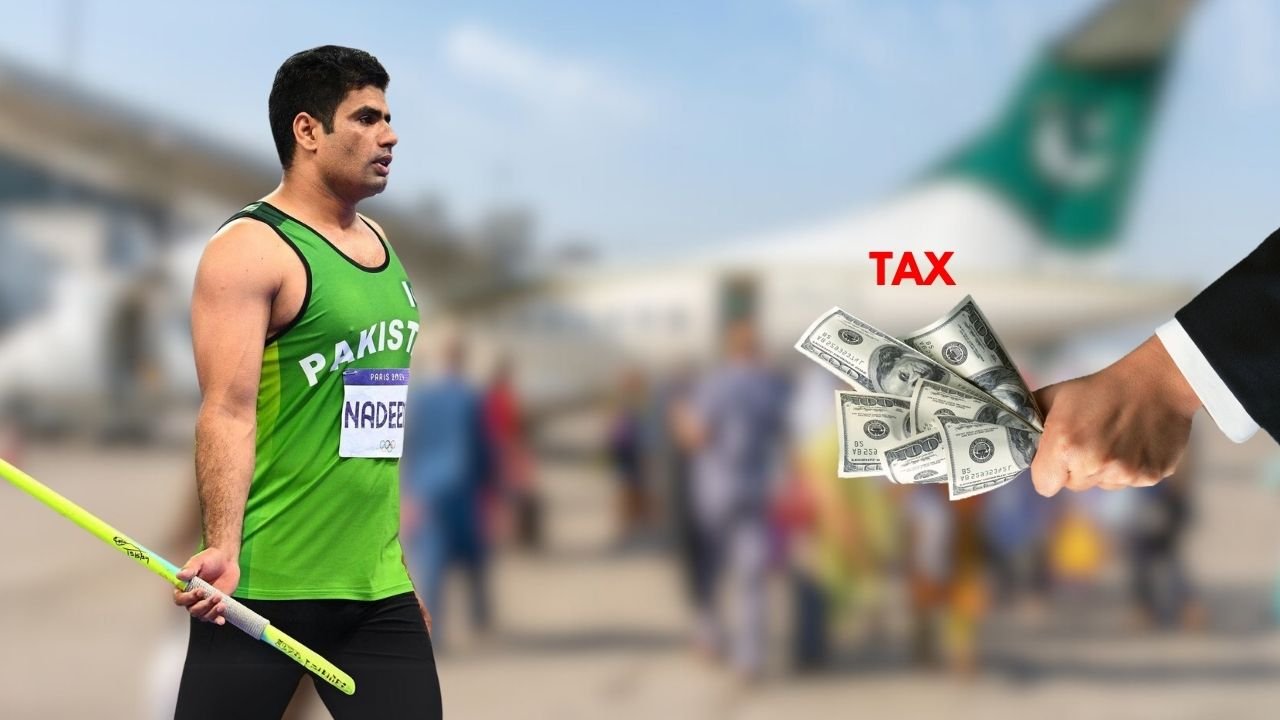
    Preparations are in full swing to welcome back javelin star Arshad Nadeem, who won a gold medal for Pakistan in the Paris Olympics 2024, the country’s first in almost 40 years. On the other hand, the Federal Board of Revenue will certainly be busy preparing a tax sheet for the prize money the star athlete has received.

    How much tax will Arshad have to pay on the money he has received as a reward for his hard work and without any government support?

    The World Athletes Federation has given Arshad Nadeem a reward of one crore 40 lakh rupees. Gifts of cash, apartments, and cars have been announced for him from all over Pakistan, for a total prize money of more than 20 crores till now.

    Read this also: ‘Crown, apartment, crores’, Arshad gets his ‘mehnat ka phal’ from ministers, celebs

    According to the Federal Board of Revenue (FBR), players are required to pay tax on prize money or lottery winnings. The tax rate is different for filers and non-filers. A filer has to pay 15 percent of the total amount, while a non-filer has to pay 30 percent of the amount.

    Arshad will receive a total prize money of over 20 crores in the form of cash prizes, apartments and cars. If he isva filer, he will have to pay three crore rupees on the prize money, while if he is not a filer, he will have to pay six crore.

    Chief Minister Punjab Maryam Nawaz announced 10 crore rupees for the national hero, the Sindh government five crore, the World Athletes Federation one crore 40 lahks, Sindh Governor Kamran Tessori, cricketer Ahmed Shehzad and a singer gave a total of 30 lakh while Salman Iqbal of ARY has announced an apartment in ARY Laguna for the historic victory of Olympian Arshad Nadeem.

  • Gold price increases by Rs1,000 to Rs256,500 per tola

    Gold price increases by Rs1,000 to Rs256,500 per tola

    On Friday, the price of gold in Pakistan saw a rise, with 24-karat gold being traded at Rs256,500 per tola, an increase of Rs1,000.

    The Karachi Sarafa Association noted that the price remains Rs2,000 below its actual value.

    The cost of 24-karat gold was reported at Rs219,907 per 10 grammes, up by Rs857. In comparison, the price of 22-karat gold was quoted higher at Rs201,582 per 10 grammes.

    In contrast, silver prices in the domestic market held steady, with 24-karat silver priced at Rs2,850 per tola and Rs2,443 per 10 grammes.

    On the international front, spot gold was trading near $2,432 per ounce, reflecting an increase of $7.10 or 0.29 per cent from the previous session.

  • CKD kits shortage forces Pak Suzuki to halt car production

    CKD kits shortage forces Pak Suzuki to halt car production

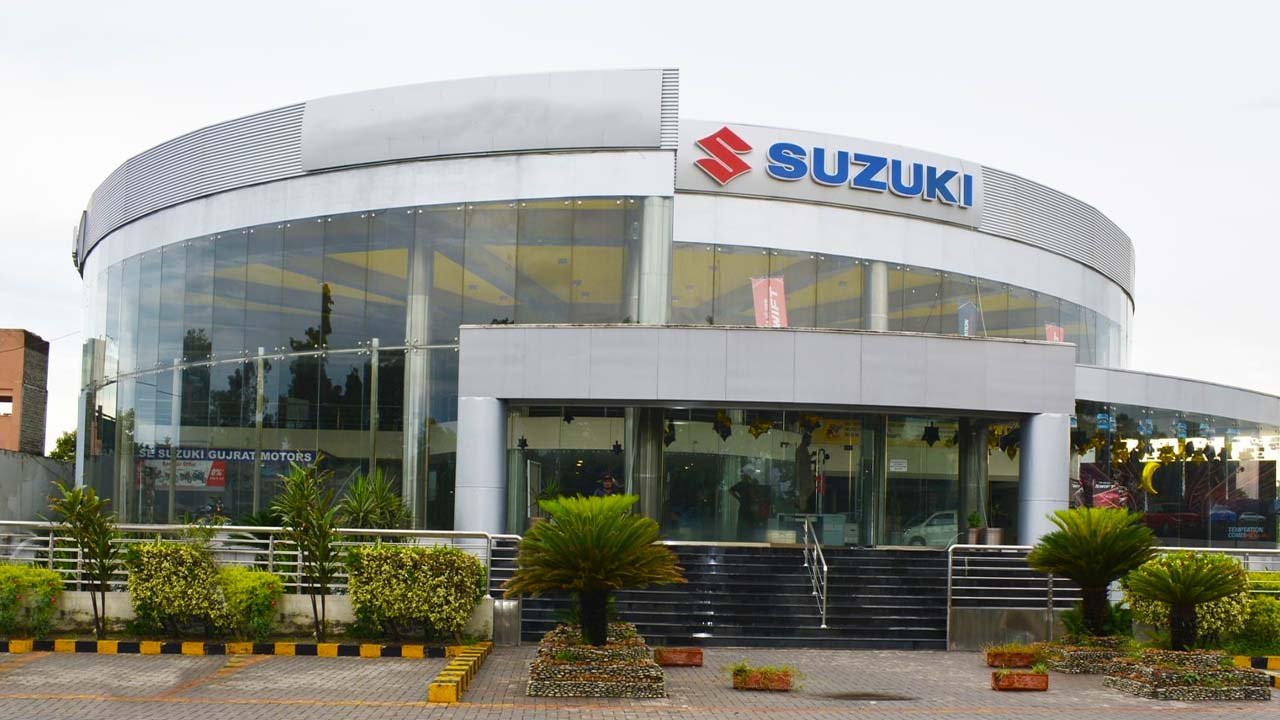
    Pak Suzuki Motor Company (PSMC) has suspended operations at its Karachi manufacturing plant due to significant delays in the approval of Completely Knocked Down (CKD) kits at the port.

    Reports indicate that the CKD kits have been stranded at the port for the past 45 days, accruing substantial detention and demurrage charges amounting to billions of rupees.

    The approval delays have led to a critical shortage of CKD kits, compelling Pak Suzuki to halt production.

    Automotive associations have called on the government to adhere to the auto policy for 2021-2026, warning that prolonged delays in approving these inputs could negatively impact Pakistan’s auto industry and deter potential foreign investors.

    This development comes on the heels of Pak Suzuki’s recent expansion into exporting vehicles to Bangladesh and Afghanistan. Despite this setback, Pak Suzuki’s CEO, Hiroshi Kawamura, recently inaugurated the Suzuki Vendor Cluster Area.

    In related news, the Pakistan Credit Rating Agency Limited (PACRA) has reaffirmed Pak Suzuki’s credit ratings at “AA-” for long-term and “A1” for short-term, with a stable outlook.

    PACRA’s ratings reflect Pak Suzuki’s strong market position among established auto manufacturers in Pakistan, bolstered by the support of its foreign sponsor, Suzuki Motor Corporation of Japan.

  • Electricity prices increased by Rs2.56 per unit under fuel cost adjustment

    Electricity prices increased by Rs2.56 per unit under fuel cost adjustment

    In a move likely to compound the financial difficulties faced by inflation-burdened citizens, the federal government announced a Rs2.56 per unit increase in the power tariff on Thursday.

    This adjustment, pertaining to fuel cost adjustment (FCA) for June, will be reflected in electricity bills issued in August.

    This tariff hike is part of a strategy to bolster Pakistan’s chances of securing a new programme from the International Monetary Fund (IMF). The National Electric Power Regulatory Authority (Nepra) has officially notified the increase, which will exclude lifeline and K-Electric consumers.

    The new tariff adjustment is expected to impose an additional financial burden of Rs33.45 billion on consumers. With the inclusion of an 18 per cent GST, this figure is projected to rise to Rs39 billion. The Central Power Purchasing Agency (CPPA) had proposed a slightly higher increase of Rs2.63 per unit under the FCA.

    The surge in electricity costs, coupled with escalating taxes, has sparked significant public dissatisfaction, leading to protests and sit-ins from communities already struggling with the rising cost of living.

    This public outcry has pressured the government to explore options for reducing electricity rates in an effort to alleviate some of the financial strain on the populace.

    Last month, Prime Minister Shehbaz Sharif’s administration had already implemented a substantial increase in the base electricity tariff for domestic consumers, raising it to Rs48.48 per unit. Consumers in Karachi were also affected by this hike.

    However, a temporary reprieve was granted to those using up to 200 units per month, who will not see their rates increase for the next three months.

    Additionally, the power regulator has approved the federal government’s request for tariff increases affecting commercial, general services, bulk, and agricultural consumers.

  • SBP governor says debt rollovers will ease Pakistan’s FY25 financial burden

    SBP governor says debt rollovers will ease Pakistan’s FY25 financial burden

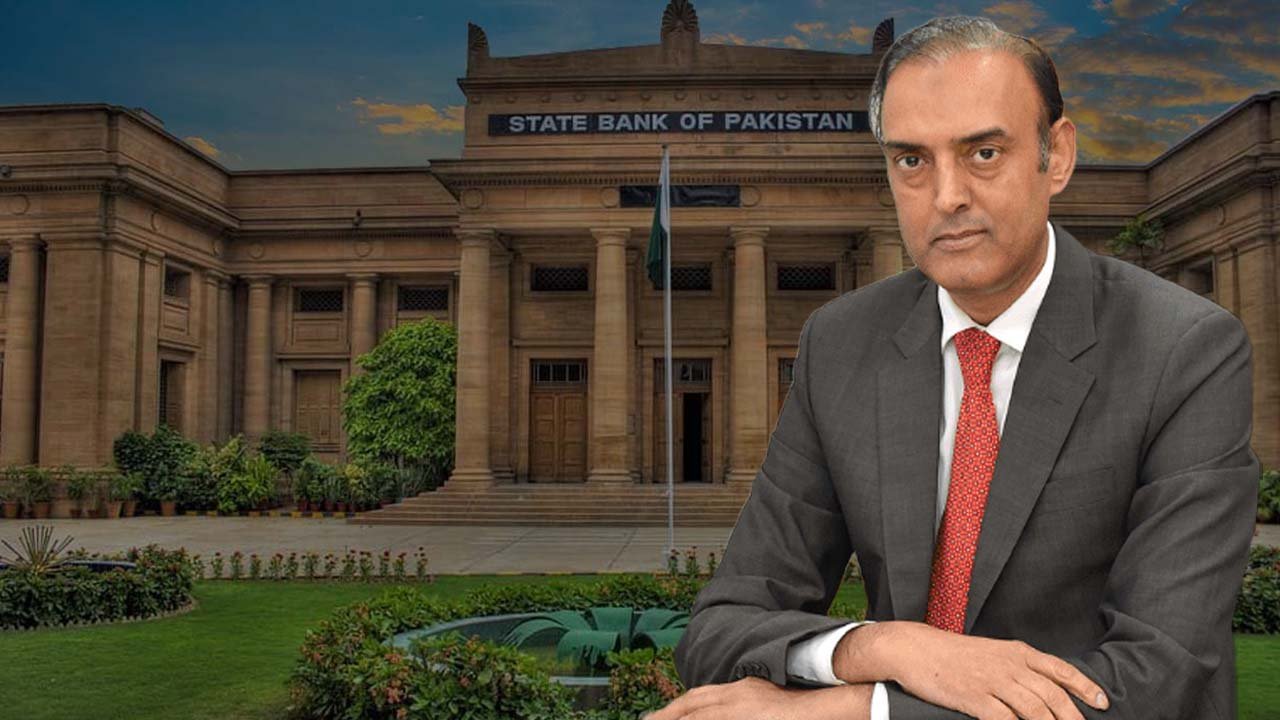
    State Bank of Pakistan (SBP) Governor Jameel Ahmad assured the public on Wednesday that friendly nations will roll over nearly $16 billion of the country’s outstanding debt for the fiscal year 2025.

    This crucial support is expected to provide the government with significant breathing room amid ongoing financial challenges.

    In his testimony before the National Assembly Standing Committee on Finance and Revenue, chaired by MNA Naveed Qamar, Ahmad revealed that Pakistan’s total debt obligations for FY25 amount to $26.2 billion. Following the planned rollovers, the remaining debt to be settled by June next year will be reduced to $10 billion.

    Ahmad also highlighted that the central bank has already repaid $1.5 billion in debt last month, leaving an outstanding amount of $8.5 billion for the rest of the fiscal year.

    Secretary of Finance Imdad Ullah Bosal added that Pakistan is set to receive its first tranche from the International Monetary Fund (IMF) following the rollover of approximately $4 billion in Chinese commercial loans. Additionally, $4.4 billion is expected from the Asian Development Bank and the World Bank.

    The SBP Governor further stated that there is no immediate pressure on external payments, which should contribute to the stability of the Pakistani rupee. He projected that foreign exchange reserves could reach $13 billion by the end of the fiscal year.

    With improved economic conditions, further reductions in the policy rate are anticipated. However, he warned that inflation might rise to 13.5 per cent this fiscal year due to budgetary policies and energy price fluctuations.

    In his presentation, Ahmad outlined a comprehensive five-year plan to the Finance Committee. The plan focuses on restoring price stability, managing the current account deficit, ensuring that foreign exchange reserves cover three months of import needs, and achieving greater financial stability and transparency.

    He noted that GDP growth has been constrained to 3.5 per cent over the past decade and emphasised the need to boost exports by 10 to 15 per cent. Ahmad also assured that there are no restrictions on imports, aiming to foster a more balanced economic growth.