Category: Business

The most important business news, explained in a young, easy to understand way. News that affects young career professionals.

  • State Bank of Pakistan fines major banks for violating regulations

    State Bank of Pakistan fines major banks for violating regulations

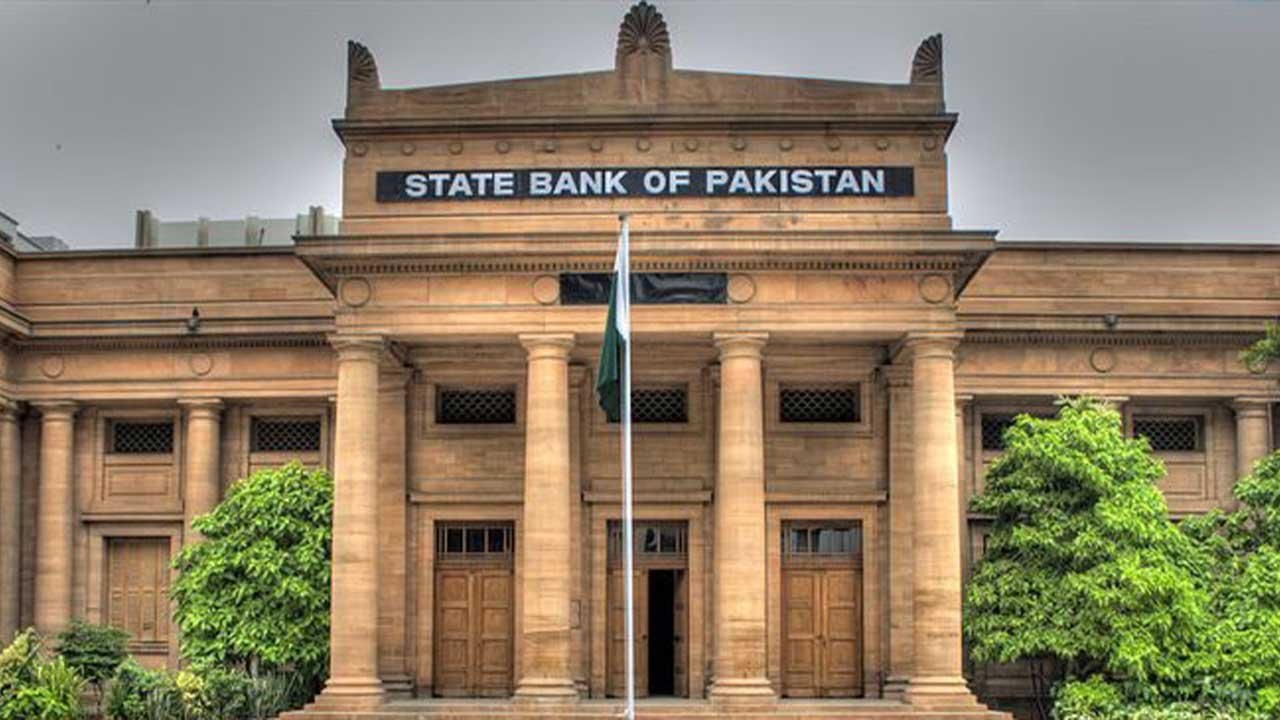
    Banks operating in Pakistan have been slapped with hefty fines from the State Bank of Pakistan (SBP) totaling Rs131.4 million as a result of enforcement action against infractions of its established policies.

    According to the specifics, SBP fined JS Bank Limited Rs85.148 million, the highest sanction of the three banks, for breaking regulator guidelines regarding CDD/KYC, Asset Quality, FX, and General Banking Operations. Additionally, the central bank has recommended JS Bank Limited to improve its processes and controls in the areas that have been highlighted.

    In addition, Habib Bank Limited was fined Rs29.035 million for disobeying regulatory directives regarding CDD/KYC. The bank has been urged to tighten its controls and procedures in the highlighted areas in addition to the punitive action.

    Last but not least, the Bank of Punjab was additionally penalised Rs17.243 million for breaking regulatory guidelines relating to Asset Quality & CDD/KYC. Along with taking legal action, the bank has been urged to tighten its procedures and controls in the highlighted areas.

    The SBP has previously imposed fines totaling more than Rs100 million on four banks for regulatory violations.

    Read more: Rupee gains ground against dollar for second day, closes at Rs238

    Earlier, due to a breach of asset quality regulations, the National Bank of Pakistan (NBP) was fined Rs19.26 million. Additionally, U Microfinance Bank Limited which is owned by Ufone was fined Rs10.26 million and given the go-ahead to launch an internal investigation into any violations of regulatory directives as well as to discipline any indiscreet employees.

    According to SBP, these actions are based on shortcomings in the observance of regulatory directives and do not reflect poorly on the businesses’ financial soundness.
  • Pak Suzuki increases motorcycle prices for all models

    Pak Suzuki increases motorcycle prices for all models

    Pak Suzuki has once again announced a rise in prices across the board due to the depreciation of the Pakistani rupee (PKR), much like all of its two-wheeler rivals in the Pakistani market.

    The majority of motorcycle consumers are no longer able to afford the motorcycles due to price increases. Unfortunately, the only option left for the locals is the Chinese bike, which has become more expensive and of lower quality.

    Here are Suzuki motorcycles’ most recent prices:

    Variant Old Invoice New Price Increase
    Suzuki GD-110S Rs219,000 Rs229,000 Rs10,000
    Suzuki GS-150 Rs239,000 Rs251,000 Rs12,000
    Suzuki GS-150 SE Rs256,000 Rs271,000 Rs15,000
    Suzuki GR-150 Rs349,000 Rs365,000 Rs16,000
    Pak Suzuki Motorcycles Latest Price List August 2022

    In comparison to its earlier price of Rs349,000, the Suzuki GR-150 150cc model saw the largest price increase of Rs16,000; the bike now costs Rs365,000.

    It’s important to note that since the start of the year, Pak Suzuki has announced four price increases. In addition to motorbikes, Pak Suzuki also announced a price rise for its car lineup.

    Many assemblers have reported running out of production-critical materials, which the majority of automakers have mostly attributed to the ongoing decline of the Pakistani rupee versus the US dollar.

  • FBR surpasses revenue collection target by Rs15 billion for July

    FBR surpasses revenue collection target by Rs15 billion for July

    The Federal Board of Revenue (FBR) revealed the provisional revenue collection data for July 2022, which came to Rs458 billion.

    The FBR generated net revenues of Rs458 billion in July, which was Rs15 billion more than its goal of Rs443 billion.

    These collections—which represent an increase of roughly 10 per cent over the Rs417 billion collected during the same time last year—are the biggest ever for the month of July.

    The gross revenue increased from Rs438 billion in July of the previous year to Rs486 billion, a rise of 11 per cent. Similarly, the amount of refunds given out in July increased by 32 per cent to Rs28 billion from Rs21 billion paid in the previous year.

    Domestic taxes made up 55 per cent of the total collection while import taxes kept their 40 per cent share.

    Previously, 52–53 per cent of the total revenue was collected via taxes at the import stage. Similarly, the increase in domestic income tax is close to 31 per cent, which the FBR described as a dramatic move toward direct taxation.

    The Advance Tax collected in July has increased significantly. Due to the implementation of a withholding provision that is applicable regardless of the holding term, there is also a 118 per cent rise in the advance tax on the sale of properties under Section 236-C.

    Similarly, a change in the tax rate has led to a 40 per cent increase in Advance Tax under Section 147, particularly from financial companies.

    Raising the FED rate on tobacco and cigarettes has also paid off. Sales tax from the tobacco sector increased by a record-breaking 67 per cent, while the FED from tobacco saw a record-high growth of over 47 per cent, or Rs2.6 billion.

    Additionally, the FED for international flight travel has climbed by more than 200 per cent. Additionally, Pakistan Customs saw a modest 2.58 per cent increase in revenue under the heading of customs duty during July 2022 compared to Rs65 billion collected during the same time last year.

    However, it fell short of the Rs77 billion target set for July as a result of the government’s import compression policy, which aims to limit the outflow of US dollars.

    In addition, the FBR lost around Rs11 billion in sales tax due to the zero-rating of petroleum goods.

    It is important to note that the number of income tax returns for the tax year 2021 has increased by 13 per cent to 3.4 million from 3.0 million for the tax year 2020.

  • Miftah assures to address the issues of business community

    Miftah assures to address the issues of business community

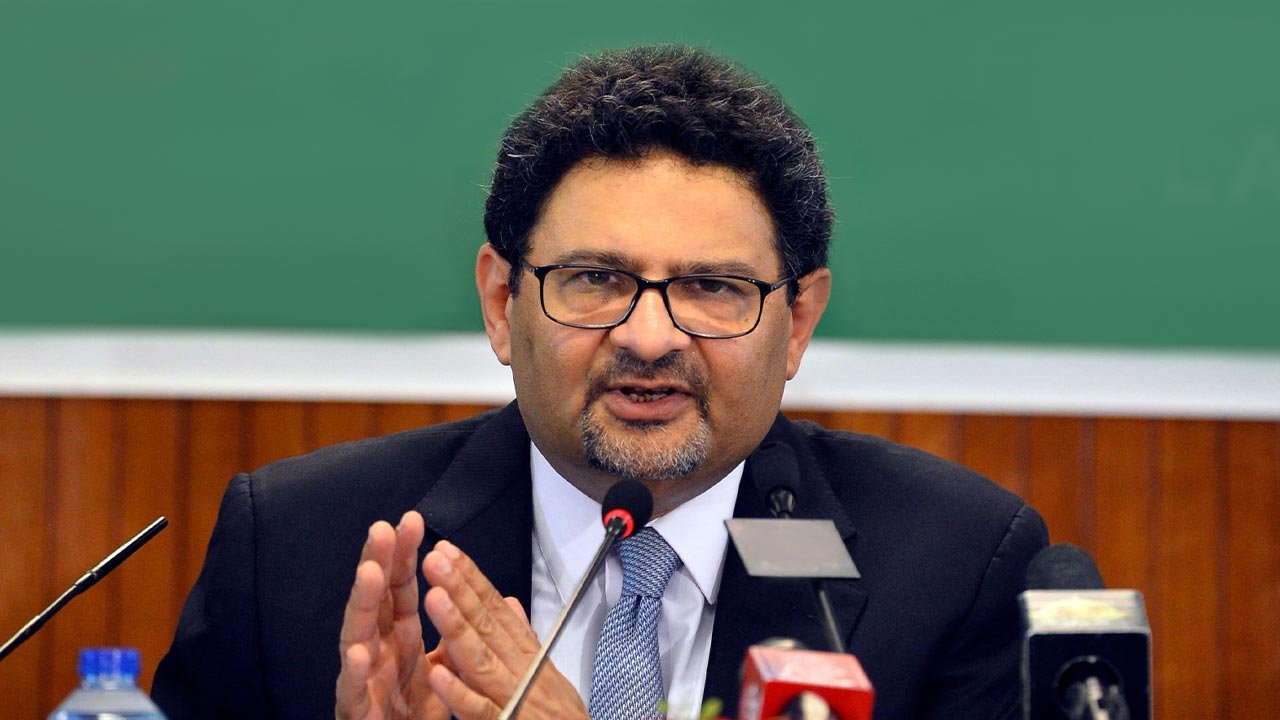
    Finance Minister Miftah Ismail has assured the business community that their problems related to electricity bills and taxation will be resolved soon.

    He made this announcement during a meeting at the Finance Division with a Markazi Tanzeem-Tajaran Pakistan delegation led by its president, Muhammad Kashif Chaudary.

    Miftah tweeted on Sunday that he would meet with business leaders to discuss their concerns. “The Prime Minister has also called me and instructed me to ensure that small traders are completely satisfied with the new tax law,” Ismail tweeted.

    According to him, the government will exempt stores with invoices of less than 150 units from the tax in an effort to appease small enterprises.

    The government would charge Rs3,000 to retailers who are not registered with the FBR, and neither tax notices nor FBR officers’ visits to their stores will be made.

    Additionally, a new fixed income and sales tax scheme for small business or retailers was suggested. The coalition government in power declared in the budget for 2022–2023 that fixed income and sales taxes would also be collected in addition to electricity bills.

    The amount of this tax, according to Finance Minister Miftah Ismail, will range from Rs3,000 to Rs10,000.

    According to Kashif Chaudary, the business sector is crucial to the nation’s economic growth. Ismail also acknowledged the situation and gave his word that the government will take every necessary action to assist and support the neighbourhood.

    Previously, the business community urged that the federal government immediately stop collecting the “fixed tax” through electricity bills.

    Hasnain Khurshid Ahmad, president of the Sarhad Chamber of Commerce and Industry, stated that the government has been able to collect sales tax from Rs3,000 to Rs20,000 through power bills, which is incomprehensible to local business owners.

    The forced system of “fixed” sale tax on commercial power metres, which did not distinguish between small and large firms or godowns, was a reflection of the government’s anti-business policies and amounted to the economic murder of the community of merchants, according to Khurshid.

  • Saudi Arabia unveils plans for AI-powered 160-km-long ‘skyscraper megacity’

    Saudi Arabia unveils plans for AI-powered 160-km-long ‘skyscraper megacity’

    The centerpiece of the futuristic Neom site near the Gulf of Aqaba, the development’s extraordinary ambition was further revealed this week when Mohammed bin Salman, the kingdom’s crown prince, outlined key components of what he intends to be one of the most ambitious urban developments ever constructed.

    Since it was first unveiled in 2017, Neom has drawn attention for its futuristic features, like flying taxis and robot maids, even as economists and architects have questioned its viability.

    The 500-meter-high, 200-meter-wide building, a car-free, carbon-neutral bubble that will claim nearly 100 per cent sustainability and a moderate, controlled microclimate, will use artificial intelligence at its core, according to the Saudis.

    Environmentalists have expressed scepticism in the past about the kingdom’s environmental commitments, such as a promise to reach net zero carbon emissions by 2060.

    What had previously been an idea that even some of the project’s planners had difficulty visualising has now been given colour through multimedia presentations. The slickly rendered videos depict a megacity with hanging gardens that somewhat mimic the Death Star.

    In addition to having access to other benefits like outdoor skiing facilities and a “high-speed train with an end-to-end travel of 20 minutes,” residents will be able to access “all everyday requirements” within a five-minute walk.

    Saudi officials claim they have no plans to lift the nation’s prohibition on alcohol, despite the fact that Neom will function under its own foundation statute, which is currently being created.

    Prince Mohammed’s efforts to change the kingdom from an oil-dependent economy and conservative society that he believes are unfit to propel the Kingdom forward are centred on his vision for modern living.

    According to Prince Mohammed, the project’s “first phase” would cost 1.2 trillion Saudi riyals, or roughly £265 billion. It would last until 2030. He noted that in addition to government grants, other potential funding sources included the private sector and Neom’s anticipated IPO in 2024.

    He said that Neom may create up to 380,000 jobs in the face of a growing population and a sizable proportion of young people looking for work.

    According to Saudi estimates, the kingdom’s population might reach 50 million by 2030, with more than half of them being foreigners. The present population of Saudi Arabia is little about 35 million.

  • Yamaha increases motorcycle prices for the 5th time in 2022

    Yamaha increases motorcycle prices for the 5th time in 2022

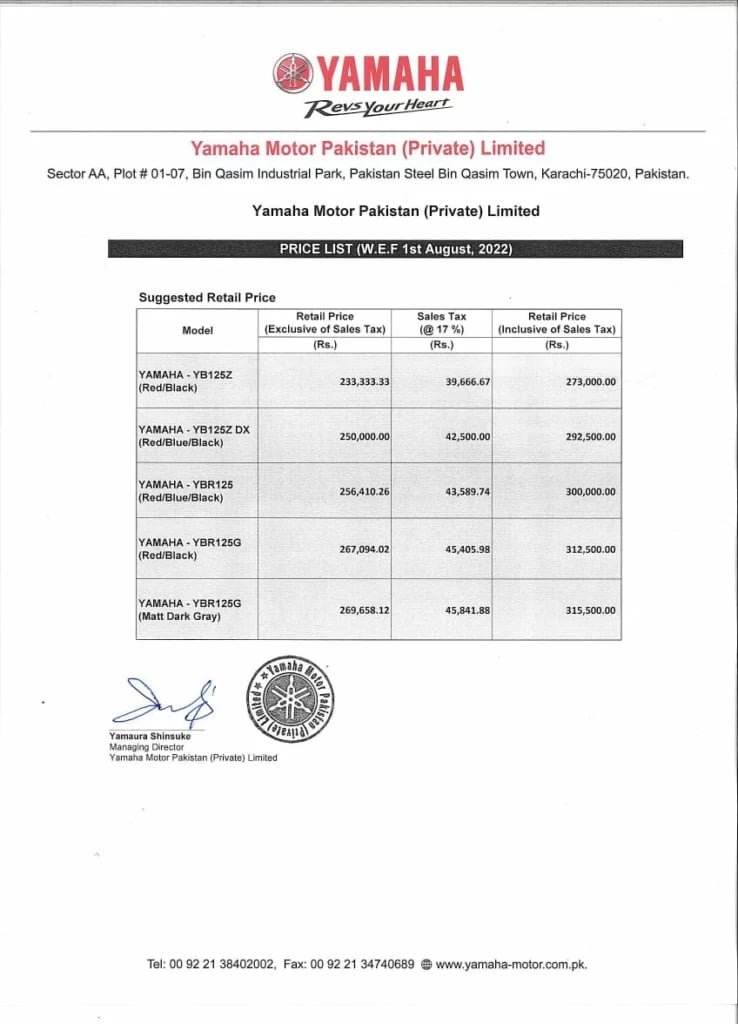
    Yamaha has announced a significant price increase for motorcycles effective from August 1, 2022. All variants from the manufacturer, including the YB 125Z, YB 125Z DX, YBR 125, and YBR 125G, have seen price increases.

    It is important to note that this is the fifth price rise for Yamaha motorcycles in Pakistan since the year 2022 started, with the previous increase occurring in June 2022 and costing more than Rs20,000 for each model.

    The Yamaha YB 125Z will now cost Rs273,000 after an increase of Rs18,000, and the Yamaha YB 125Z DX will cost Rs292,000 after a hike of Rs18,000.

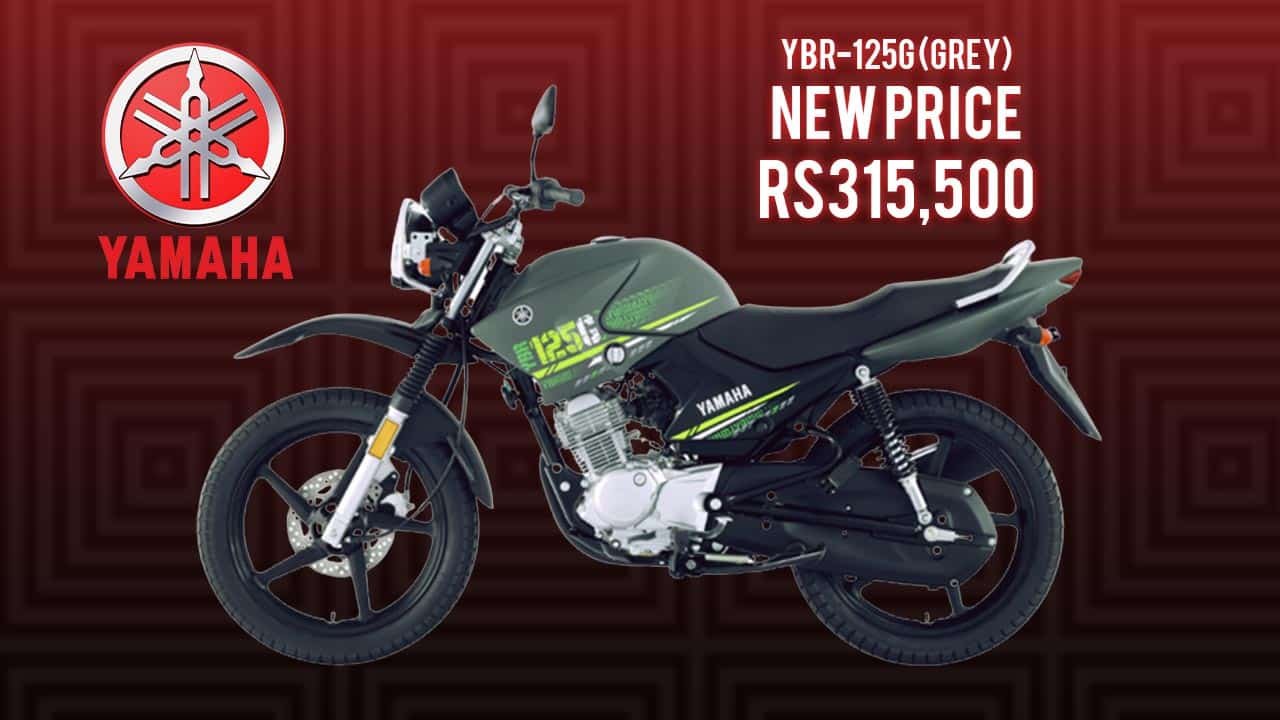
    Similarly, the Yamaha YBR 125’s price has increased by Rs19,500 to Rs300,000. After an increase of Rs20,500 for both models, the price of the Yamaha YBR 125G (Black/Red) is now Rs312,500, and the Yamaha YBR 125G (Gray) is now priced at Rs315,500.

    Nevertheless, this was to be expected, and over the course of 2022, Yamaha Motorcycle prices are predicted to rise by several factors, especially in light of the depreciation of the Pakistani Rupee (PKR) against the US dollar and the implementation of the Super Tax on the automotive industry.

    There is little justification for motorcycle manufacturers to raise prices so frequently and by such significant margins as bike manufacturing has been localised by up to 94 per cent in Pakistan.

    The depreciation of the local currency caused price hikes across the board in Pakistan’s auto industry, whether it be for cars or two-wheelers, pushing prices out of reach for an average person.

  • Govt slashes petrol price by Rs3.05,  raises diesel by Rs8.95 per litre

    Govt slashes petrol price by Rs3.05, raises diesel by Rs8.95 per litre

    Due to changes in oil prices on the global market, the government announced a revision in petroleum prices on Sunday.

    According to a statement released by the Finance Division, the cost of petrol has been reduced by Rs3.05 a litre for the first half of August 2022.

    Petrol will now be sold for Rs227.19 per litre as a result of the pricing revisions. Previously, the price of petrolin the country per litre was Rs230.34.

    The price of high-speed diesel has been upped by Rs8.95, the new price per litre is now Rs244.95.

    The depreciation of the rupee against US dollar has raised the cost of purchasing petroleum products, the Ministry of Energy notified the Economic Coordination Committee (ECC) of the cabinet today.

  • Govt may cut petrol price by Rs11 per litre today

    Govt may cut petrol price by Rs11 per litre today

    The price of petrol may be reduced by Rs11 per litre by the government, according to sources privy to the matter.

    According to Dawn, the cost of petrol is anticipated to drop by Rs11 per litre, while the cost of high-speed diesel is anticipated to rise by Rs8 per litre. Petrol is currently available for Rs230 per litre.

    The tax on petrol is expected to surge by Rs5 per litre and the tax on diesel, kerosene, and light diesel by Rs10 per litre, as per reports.

    However, the Ministry of Finance will reveal a price revision today, and the new rates will take effect on August 1.

  • Honda raises car prices by up to Rs1.45 million

    Honda raises car prices by up to Rs1.45 million

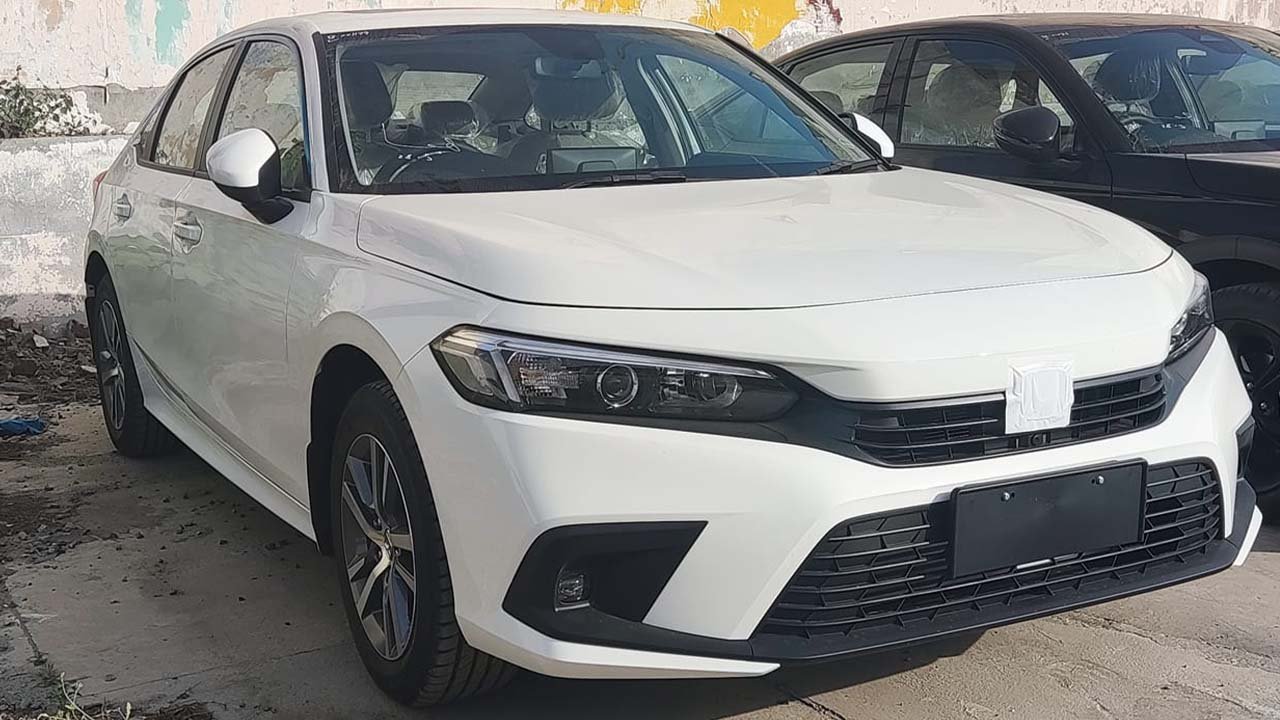
    Following the footsteps of Toyota and KIA, Honda Atlas Cars Limited (HACL) has increased the price of its vehicles. The automaker has attributed the biggest increase to growing raw material prices and the weakening of the local currency against US dollar.

    The revised pricing go into effect on July 30, 2022. They apply to all orders placed beginning on July 30, 2022, and further forward.

    All orders that are due by August 2022 or for which full payment was received by July 29, 2022, will be subject to the previous pricing.

    Here are the new prices for all variants from Honda:

    Variant Old Invoice (Rs) New Prices (Rs) Difference (Rs)
    City 1.2L MT 3,264,000 4,049,000 785,000
    City 1.2L CVT 3,389,000 4,199,000 810,000
    City 1.5L CVT 3,589,000 4,439,000 850,000
    1.5 L Aspire MT 3,729,000 4,609,000 880,000
    1.5 L Aspire CVT 3,899,000 4,799,000 900,000
    Civic 1.5T M-CVT 5,549,000 6,799,000 1,250,000
    Civic Oriel 1.5T M-CVT 5,799,000 7,099,000 1,300,000
    Civic 1.5T RS LL-CVT 6,649,000 8,099,000 1,450,000
    BR-V 1.5 iVTEC S 4,249,000 5,299,000 1,050,000
    Latest Honda Car Prices in Pakistan

    It is worth noting that these hikes from Toyota and Honda are the biggest price increase in the auto market’s history. Honda’s premium sedan Honda Civic is now priced as high as Rs8.1 million.

    Additionally, the base trim of the Honda City now starts at more than Rs4 million, which has the general public in disbelief.

    Experts predict that the Pakistani rupee will most likely decline even further, which suggests that the price of cars may witness more revisions in the coming months.

  • Petroleum prices may increase by Rs28.44 on Monday

    Petroleum prices may increase by Rs28.44 on Monday

    The Oil and Gas Regulatory Authority (OGRA) has calculated a price increase for petroleum products of up to Rs28.44 per litre that could go into effect on August 1.

    According to regulatory agency sources, the estimated ex-depot price of gasoline may increase by Rs6.53, high-speed diesel (HSD) by Rs28.44, kerosene oil (SKO) by Rs11.02, and light diesel oil (LDO) by Rs5.64 per litre based on the current rate of petroleum levy (PL).

    On Saturday (today), the Finance Division will move a summary calling for an increase in gasoline prices of up to approximately 11 per cent beginning August 1. The prime minister will, as usual, make the final choice in this matter.

    The cost of gasoline and HSD will also increase if the government decides to include the Rs7 per litre petroleum dealer’s per centage in the pricing structure. The Economic Coordination Committee (ECC) had earlier that day approved the petroleum dealers’ increased margin.

    The Petroleum Division had given the dealers assurances that the government would implement the margin as of August 1, 2022.

    According to these projected prices, the price of gasoline would increase from Rs230.24 to Rs236.77 per litre, the price of HSD from Rs236.00 to Rs264.44 per litre, the price of SKO from Rs196.45 to Rs207.47 per litre, and the price of LDO from Rs191.68 to Rs197.32 per litre.

    Presently, the PL on gasoline is Rs10 per litre, the PL on HSD, SKO, and LDO are each Rs5, and there is no sales tax.

    In order to reach the budgetary goal of Rs750 billion set in the Finance Bill 2022–23, the National Assembly has approved a rise in the maximum limit of PL from Rs30 per litre to Rs50 per litre.

    Read more: Petrol, diesel prices may increase by Rs10-17 per litre

    However, sources in the Petroleum Division believed that, at the current rate, the government was unlikely to collect Rs750 billion from PL in the current fiscal year, as that would only amount to a maximum of Rs14 billion per month.

    In addition, if the 17.5 per cent general sales tax (GST) is not imposed on these goods, a revenue shortfall of Rs45 billion per month is likely.