Category: Business

The most important business news, explained in a young, easy to understand way. News that affects young career professionals.

  • Toyota to temporarily suspend production in Pakistan

    Toyota to temporarily suspend production in Pakistan

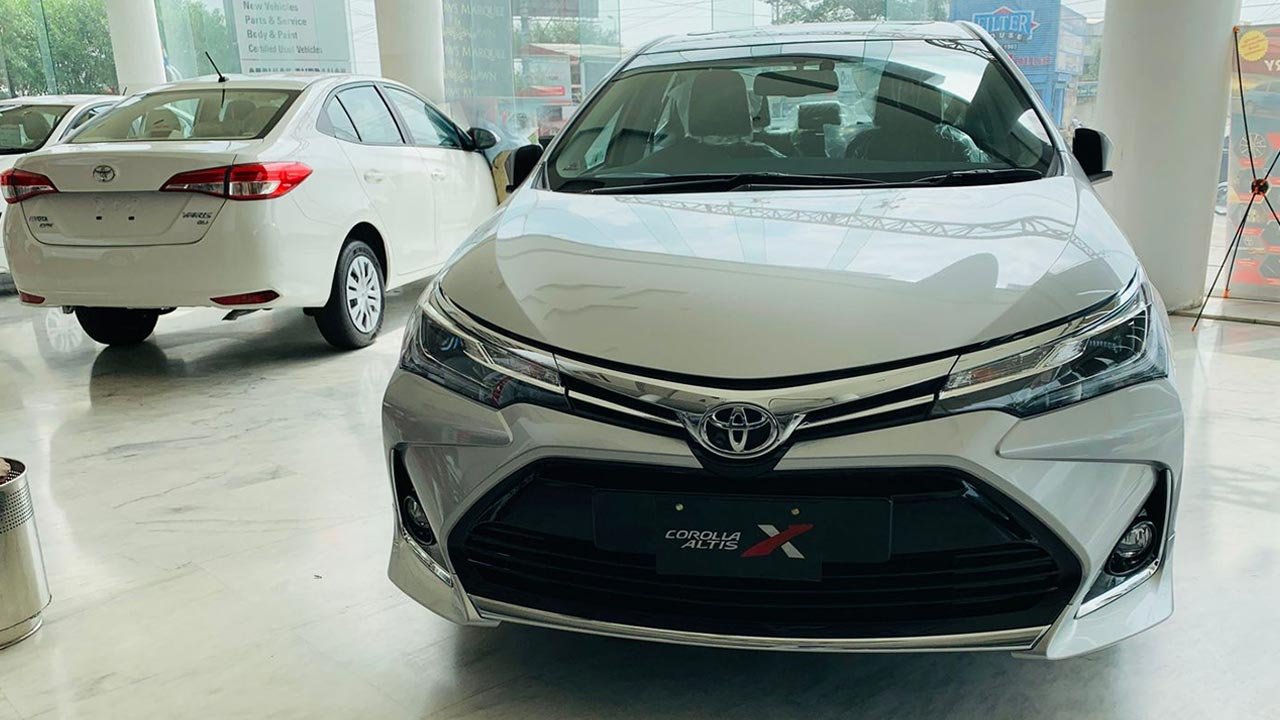
    The impact of the current economic crisis has reportedly forced Toyota Indus Motor Company (IMC) to halt production in Pakistan.

    In accordance with the information, Toyota IMC will reimburse clients who paid deposits for reservations since the business is unable to complete such orders.

    Toyota IMC previously cited restrictions on the State Bank of Pakistan’s (SBP) approval of Letter of Credit (LCs) for the import of Completely Knocked Down (CKD) kits as one of the main causes of production interruption, which also resulted in a backlog of orders.

    Customers who are unable to wait for delayed deliveries will receive their advance payments back from Toyota IMC, and the company plans to disclose this by the end of the month.

    Fans are now speculating as to whether Toyota IMC intends to entirely cease operations in Pakistan in light of the recent situation.

    The issue might only last a short while because Toyota IMC will refund customers for purchases they have already placed, but it won’t cancel orders if the client accepts a delayed delivery of the vehicle and is willing to pay an extra amount to cover the exchange rate changes.

  • Cabinet approves Rs7.91 per unit increase in power tariff

    Cabinet approves Rs7.91 per unit increase in power tariff

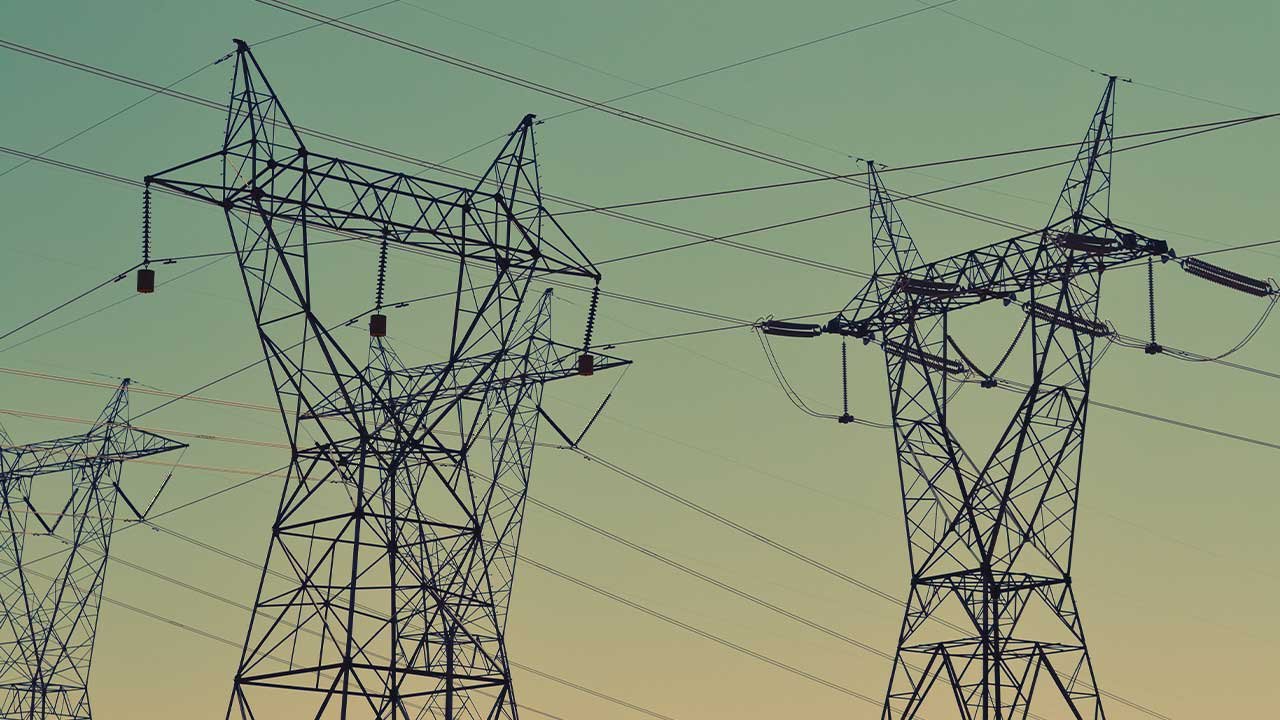
    After several postponements, the Federal Cabinet finally decided to approve the Rs7.91 per unit increase in the power tariff.

    The Federal Minister of Power, Khuram Dastgir, and Minister of Petroleum, Musadik Malik, made the announcement during a press conference.

    Dastgir claimed that because Prime Minister (PM) Shehbaz Sharif wanted to provide relief to the masses. The consent was not given until 45 per cent of the population had been exempted from the tariff increase.

    Musadik Malik, the minister of petroleum, disclosed that by leaving out the protected sector, the homes with consumption of less than 200 units per month, or up to 90 million people, had been left out of the price increase.

    Previously, the government’s proposal for the tariff increase was subject to the National Electric Power Regulatory Authority’s (NEPRA) reserve decision, according to Dawn.

    In accordance with the approval, the government will raise the rate by Rs3.5 per unit starting on July 26. A similar price rise will be implemented in August. The cost would then be raised by Rs0.91 per unit in October by the government, bringing the total rise to Rs7.91.

    Malik blamed the previous administration’s lack of frequent fuel adjustments and transmission losses rebasing for the sharp increase in tariffs. Fuel surcharges were raised without notifying the public at the final rebasing, which took place in February 2021.

    The power minister informed the media that the present administration had paid Rs214 billion toward circular debt, bringing the total down from Rs2,476 billion on March 31, 2022, to Rs2,253 billion on June 30, 2022.

  • Pakistani rupee falls to Rs233 per US dollar in the interbank market

    Pakistani rupee falls to Rs233 per US dollar in the interbank market

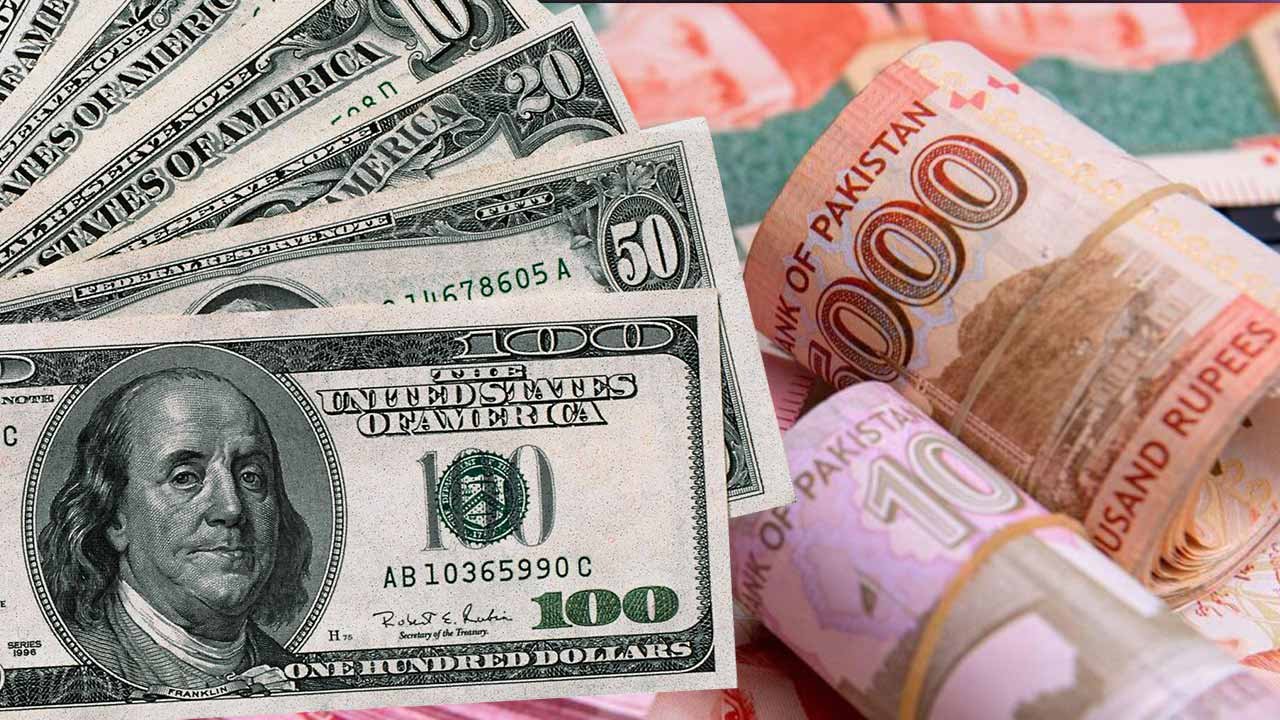
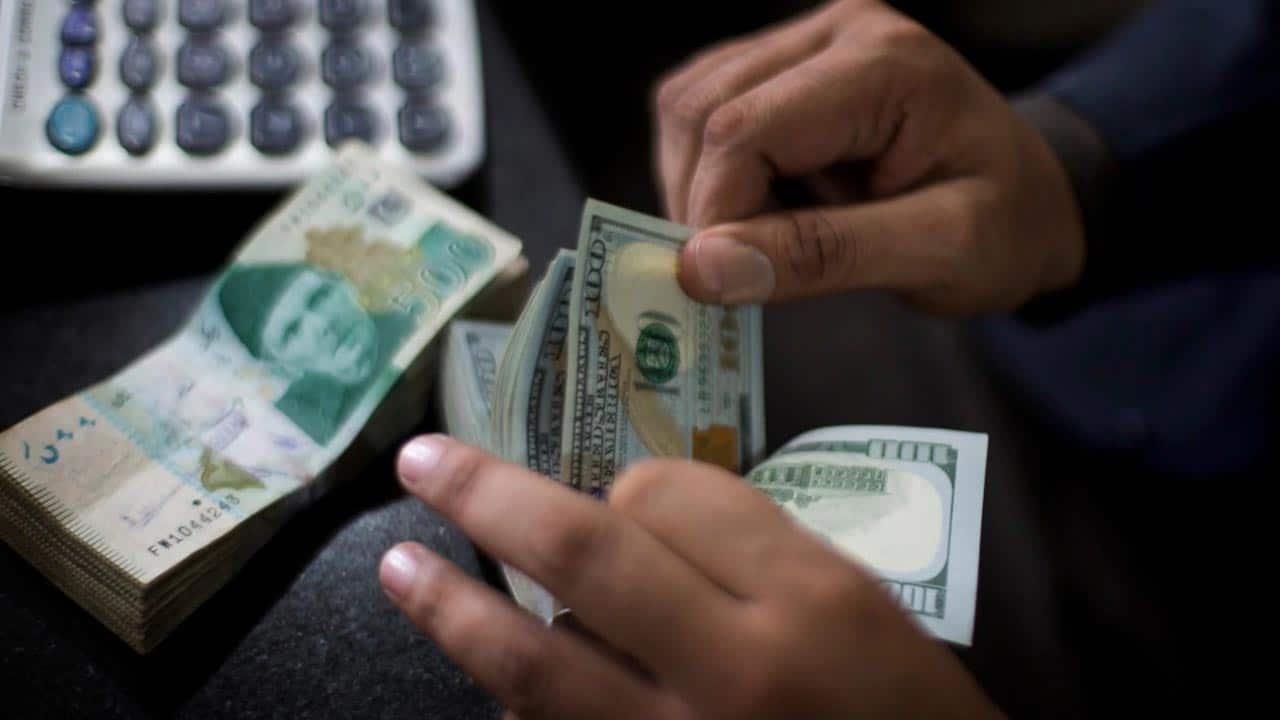
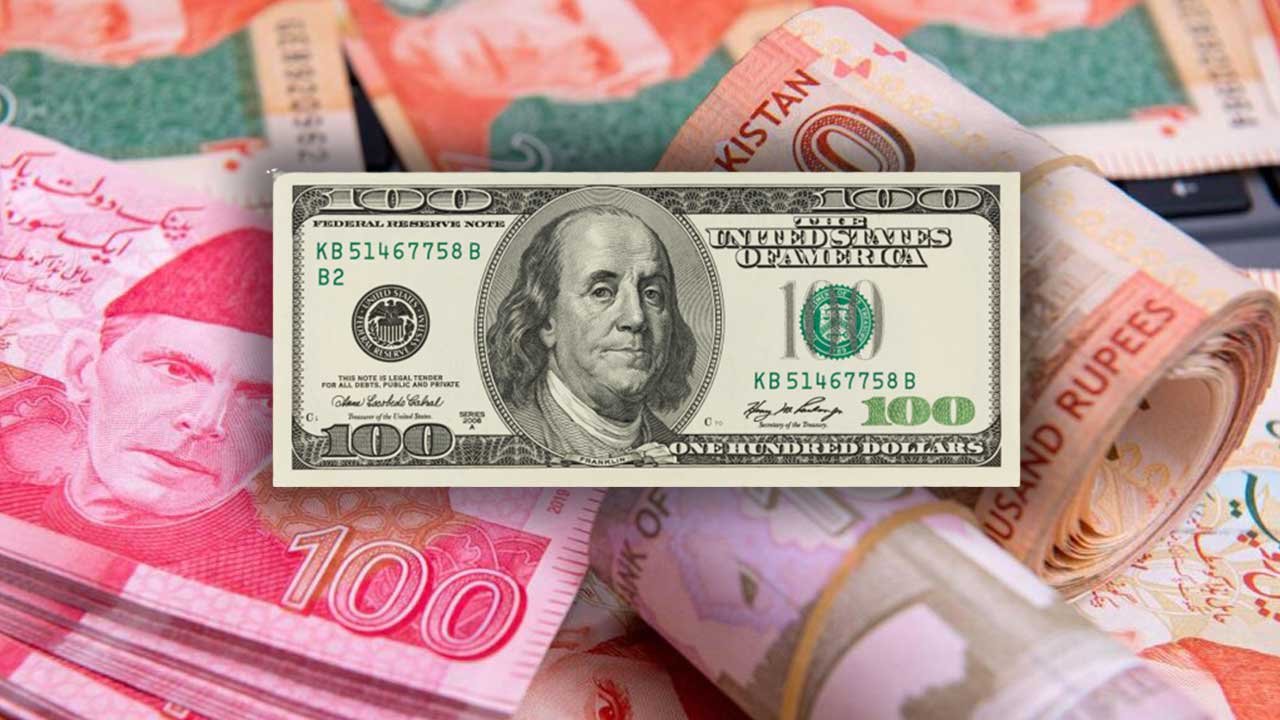
    The Pakistani rupee (PKR) continued to fall on Tuesday as the country’s political turmoil worsened, trading at Rs233 to the dollar in the interbank market.

    Today, the US dollar gained Rs3.12 versus the local currency, compared to the previous day’s finish of Rs229.88, which was an all-time high at the time.

    The local currency has been under pressure for the past week due to increased political tensions in the country following the July 17 by-elections in Punjab, which the PTI easily won. Also, the rupee has been one of the world’s worst performers, falling 30.2 per cent since the beginning of 2022.

    PKR had its worst week in more than two decades, ending on July 22, highlighting investor fear that a $1.2 billion loan tranche from the IMF approved last week could not be enough to alleviate the balance of payment crisis.

    Fears of Pakistan defaulting on its foreign repayments remain in the market, despite the central bank’s guarantee that the country would comfortably cover its funding obligations as long as an International Monetary Fund (IMF) loan programme remained in place.

    The rupee fell by nearly 8 per cent last week, the most in a single week since October 1998.

  • Pressure on Pakistani rupee may decrease in August

    Pressure on Pakistani rupee may decrease in August

    Finance Minister Miftah Ismail expressed his continued faith in Pakistani rupee’s (PKR) ability to withstand pressure despite the PKR continuing to hit historic lows versus the US dollar and suffering its biggest weekly slide in more than 20 years.

    The finance minister stated in an interview with Radio Pakistan that the political climate and the fact that import payments are being made for shipments beginning in June are both contributing factors to the pressure on the PKR.

    “Import of $80 billion were made during the last fiscal year. We are still making payments for energy commodities purchased last month. Therefore, the rupee is under pressure. However, as we are importing less in July, its effect would be reflected from next month or, I should say, next week.”

    “The rupee’s fall is connected to the political situation as well. Before July 17, the situation wasn’t like this,” he added.

    Miftah also spoke about Pakistan’s economic issues, stating that the poor export base continues to be a matter of concern.

    The local currency has continued to depreciate against the US dollar, losing 7.6 per cent last week, more than what businesses typically account for in terms of annual currency depreciation, as the inter-bank market experienced a turbulent five sessions due to renewed political uncertainty and increased worries about Pakistan’s external financing needs.

    He also revealed that one friendly country is ready for an instant investment in Pakistan.

    It is worth noting that Pakistan anticipates receiving the next International Monetary Fund (IMF) tranche before the end of the following month following the board meeting.

  • Pakistani rupee falls to record low of Rs230 versus US dollar

    Pakistani rupee falls to record low of Rs230 versus US dollar

    As the political situation in the country worsens, the Pakistani rupee (PKR) touched an all-time low versus the US dollar on Monday during intraday activity in the interbank market.

    Data from the State Bank of Pakistan (SBP) show that during intraday trade, the PKR fell to Rs230 from a rate of Rs228.37.

    As local currency fell by over 8 per cent against the greenback in the most recent trading week, its foreign exchange reserves fell below $10 billion, and inflation reached its highest point in more than a decade, worries about the country’s ailing economy have grown.

    According to Geo, the acting governor of Pakistan’s central bank, Murtaza Syed, stated this in a recent speech to foreign investors: “Markets are responding to these shocks in an unfairly broad-brush way, without paying enough attention to Pakistan’s relative strengths.”

    On Monday, a tola of 24-karat gold costs Rs147,700 in Pakistan.

    10 grammes of 24 karat gold were priced at Rs126,700. A single tola of 22-karat gold was being offered for Rs135,391 while 10 grams of 22k gold was being traded for Rs116,141.

  • Bugatti delivers last unit of 1600 HP Chiron Super Sport 300+ unit for Rs82 crore

    Bugatti delivers last unit of 1600 HP Chiron Super Sport 300+ unit for Rs82 crore

    The last Chiron Super Sport 300+ has been delivered by Bugatti, bringing an end to the first production road car to reach 483 km/h.

    The Molsheim factory of Bugatti only produced 30 of the 300+ vehicles, and each one cost its owner nearly Rs82 crore ($3.6 million) to own.

    At Volkswagen’s Ehra-Lessien testing facility, Andy Wallace, the official nutjob of Bugatti and a former McLaren Le Mans driver, smashed the speed record for the Super Sport 300+ in late 2019.

    In order to achieve that, Bugatti’s engineers modified the gearing, increased the horsepower of the 8.0-liter W16 from 1480 to 1579, and created new longtail bodywork that stretched the Chiron by 9.8 inches (250 mm), lowering the aerodynamic stall by 40 per cent.

    The stock Chiron’s top speed without those upgrades is 420 km/h, but only after you’ve used the second ‘speed key’ to disable the 236 mph (380 km/h) electronic limiter.

  • Sindh govt declares Monday public holiday in Karachi and Hyderabad due to heavy rain

    Sindh govt declares Monday public holiday in Karachi and Hyderabad due to heavy rain

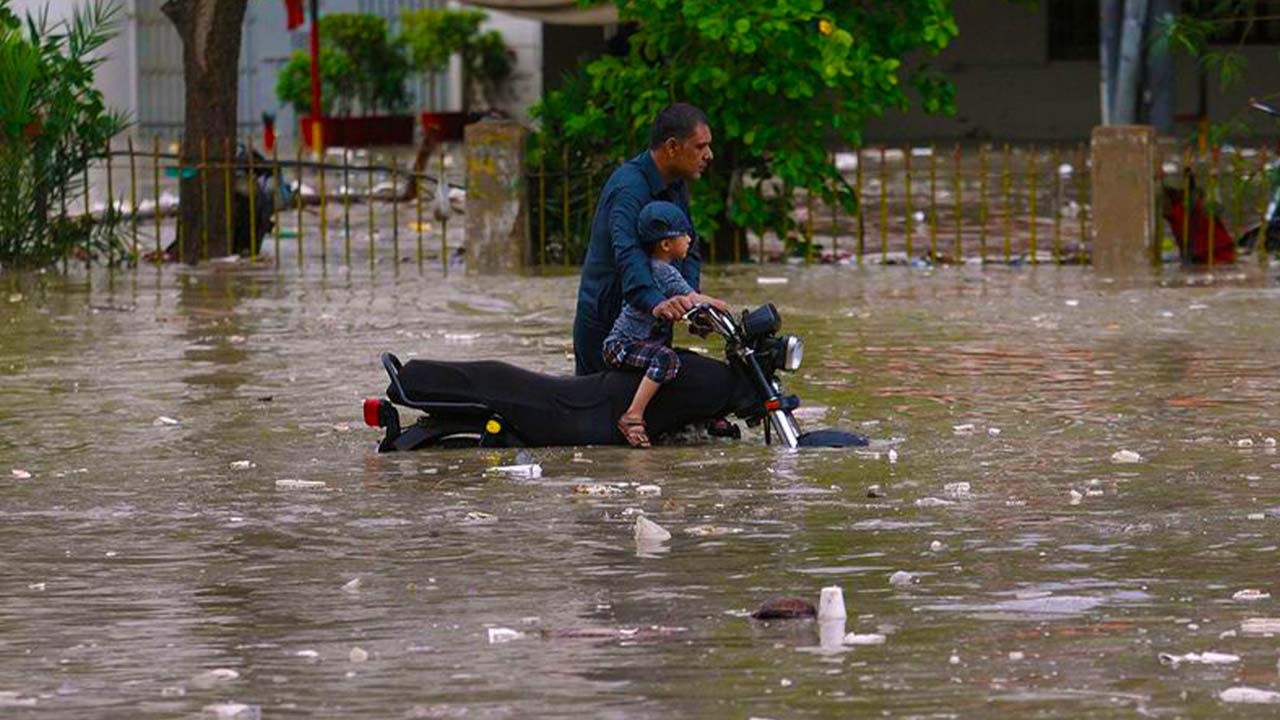
    Following relentless rain, the Government of Sindh has declared a public holiday for tomorrow (Monday) in Hyderabad and Karachi.

    The spokesman for the Sindh government, Murtaza Wahab, announced that the 25th of July will be a public holiday in the Karachi and Hyderabad Divisions after Sunday’s relentless rain continued to cause urban flooding and the suspension of power in many places. The private sector was also given the warning to keep its doors closed in a notification.

    Sharjeel Inam Memon, the Sindh minister of information, also urged the private sector to close on Monday.

    The highest amount of rainfall during the previous 24 hours, according to local rainfall data released by the regional office of the PMD, was received in Quaidabad (4.5mm), followed by Saddar (4mm), Korangi (3mm), Gulshan-i-Hadeed (3mm), PAF Masroor base (2.4mm), Orangi Town (2mm), University Road (1.5mm), PAF Faisal base (1.5mm), Keamari (1.4mm), Jinnah Terminal (0.8mm), DHA (0.6mm).

  • Pakistan and Afghanistan to launch luxury bus service in August

    Pakistan and Afghanistan to launch luxury bus service in August

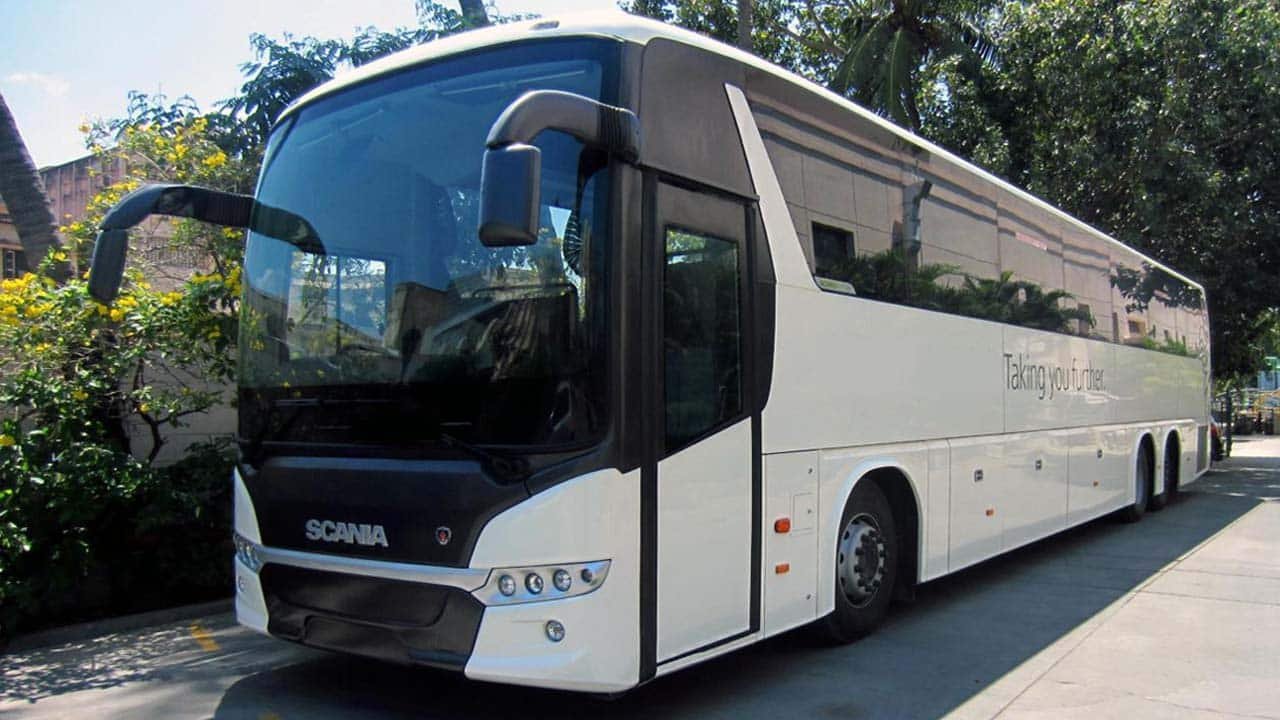
    Pakistan and Afghanistan will launch a luxury bus service between Peshawar and Jalalabad, as well as Quetta and Kandahar, by the end of August.

    During the visit of Pakistan’s official delegation to Kabul, the two nations have also agreed to boost bilateral trade by allowing unrestricted travel for trucks and other goods-carrying vehicles. Meetings were held between the delegation and other top Afghan officials, including the temporary ministers of foreign and commerce.

    In a joint statement released at the conclusion of three days of talks between Pakistani and Afghan officials (July 18–20), both sides committed to continuing their efforts to remove obstacles through mutual cooperation and coordination.

    The delegation from Pakistan was led by Commerce Secretary Muhammad Sualeh Ahmad Faruqui and included businessmen as well as senior members of various ministries. The delegation from Afghanistan was led by Nooruddin Azizi, the minister of trade and industry, and Amir Khan Muttaqi, the acting foreign minister.

    In order to ensure prompt clearance of trade and transit traffic and to address bottlenecks and obstacles on a priority basis, the official also agreed to make border crossing points more efficient.

    In an effort to further boost trade between the two nations, the two sides approved the implementation of the Temporary Admission Document (TAD), which permits free movement of vehicles engaged in bilateral trade but prohibits the loading and unloading of cargo at border crossing points.

    Additionally, all crossing points, particularly Torkham, Kharlachi, Ghulam Khan, and Chaman-Spin Boldak, will have longer operating hours, according to the authorities.

    The bilateral discussions were still centred on trade. Both parties concentrated on enhancing bilateral trade, transit, and accessibility as well as taking the necessary actions to facilitate trade and address issues faced by importers, exporters, traders, and business owners in Pakistan and Afghanistan.

    In parallel, a delegation from the Afghan business community headed by Khan Jan Alokozai, co-chairman of the Pak-Afghan Joint Chamber of Commerce and Industry (PAJJCCI), arrived in Pakistan on Thursday to take part in a roundtable of Pak-Afghan trade stakeholders. Members of the PAJCCI as well as senior business figures from the Kunar and Nangarhar Chambers of Commerce and Industry make up the delegation.

    Zubair Motiwala, chairman of the PAJCCI, lauded the efforts of the commerce chamber in setting up visits to Chaman, Torkham, and Swat for joint discussions on bilateral and transit trade, exploring new trade avenues, removing trade barriers, and aiding governments in formulating policy.
  • Punjab Food Authority burns 200 kg dead meat in Lahore

    Punjab Food Authority burns 200 kg dead meat in Lahore

    Following a seizure during an operation in the provincial metropolis on Thursday, the Punjab Food Authority (PFA) has burned 200 kilogrammes of dead animal meat at PAMCO Furnace in accordance with environmental policy.

    As the Provincial Food Act was violated, the PFA reported the offender, Salik Ali (supplier), to the local police station.

    According to PFA Director General Shoaib Khan Jadoon, a raid was conducted against the supplier in Bakar Mandi after receiving a tipoff, and a man was caught in the act. He claimed that five maunds of ill and subpar chicken had been transported into the city on a vehicle (SAB-1493) for distribution to various neighbourhood fast food joints and eateries.

    According to PFA DG, using dead meat is unhealthy and unfit for human consumption. He issued a warning to butchers and meat suppliers, telling them to only sell the meat of healthy animals.

    In other news, the PFA ceased a well-known confectionery group’s production in Lahore on Friday due to the use of expired ingredients in the making of sweets.

    When PFA agents raided a factory that made sweets and pastries, they caught the employees in the act of making candies using semolina that had been infested with insects and expired, inferior food colours. During the raid, the team also noticed the lack of cleanliness.

  • OGRA lowers RLNG cost by $4.6 per MMBTU

    OGRA lowers RLNG cost by $4.6 per MMBTU

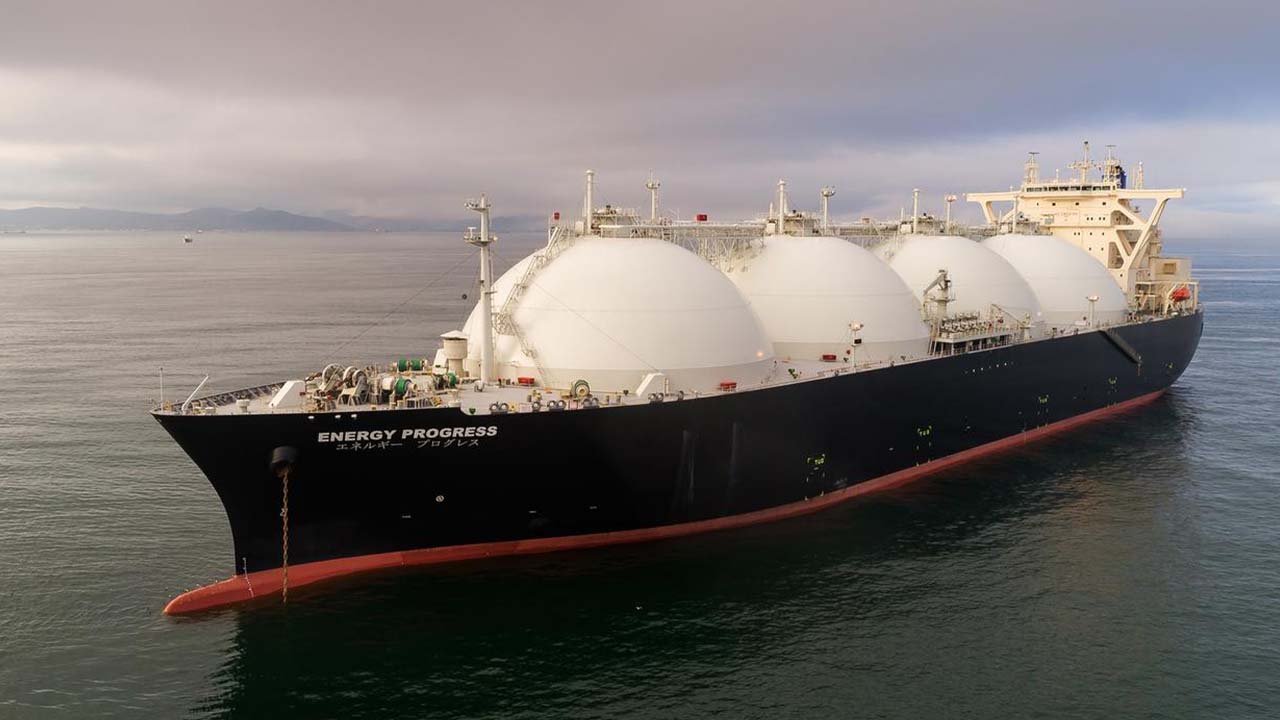
    Re-gasified liquefied natural gas (RLNG) will cost consumers of public gas utilities 20.57 per cent less in July 2022 than it did in June, according to a notification from the Oil and Gas Regulatory Authority (Ogra).

    The government has set the RLNG price for Sui Northern Gas Pipelines Limited’s (SNGPL) customers at $17.4603 per metric million British thermal units (MMBTU), according to a notification released on Friday.

    Compared to the rate of $20.7691 per MMBTU for June 2022, the new price is $3.3088 less. The general sales tax (GST) is not included in the weighted average sale price.

    The RLNG price will be $17.9575 per MMBTU for Sui Southern Gas Company (SSGC) customers as opposed to the SNGPL consumer price, which represents a $4.6501 per MMBTU decrease for July over $22.6076 per MMBTU.