Category: Business

The most important business news, explained in a young, easy to understand way. News that affects young career professionals.

  • Pakistan Railways paying Rs35 billion pension to unverified employees annually

    Pakistan Railways paying Rs35 billion pension to unverified employees annually

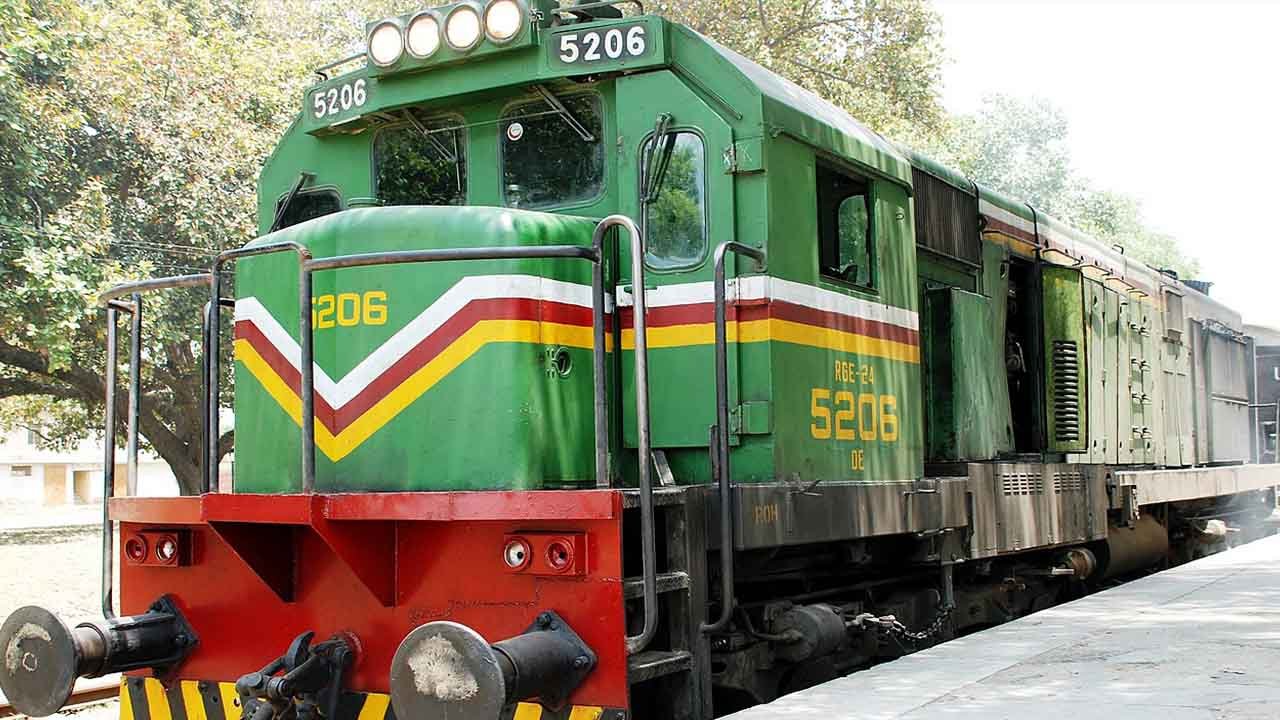
    About 115,000 Pakistan Railways (PR) retired employees who have not been verified have been receiving annual pensions totaling Rs35 billion, according to research by the government-funded Pakistan Institute of Development Economics (PIDE), a think tank housed within the Planning Commission.

    It revealed in a statement yesterday that between 2015 and 2020, Pakistan Railways lost Rs144 billion. A deficit of Rs44 billion in 2020, which includes Rs36 billion for the pensions of 120,000 PR employees, is included in the losses, according to Dawn.

    According to the PIDE report, the PR also received a subsidy from the government in 2020 worth Rs45 billion to make up for these losses.

    Due to the intense competition from the road transportation industry and PR’s inability to implement a customer-centric business strategy due to a complicated bureaucratic structure, the public agency has been inefficient, underfunded, and overstaffed for the past 35 years, making losses.

    The study also noted that 115,000 unverified PR retirees receive an annual pension of Rs35 billion. To solve the problem, a biometric verification system to confirm the pensioners in question has been proposed.

    A Pay and Pension Commission (PPC) has also been established in this respect, and it will take into account issues pertaining to the railways and other public organizations.

  • Interbank trade: Pakistani rupee falls to all-time low of Rs214.74 against US dollar

    Interbank trade: Pakistani rupee falls to all-time low of Rs214.74 against US dollar

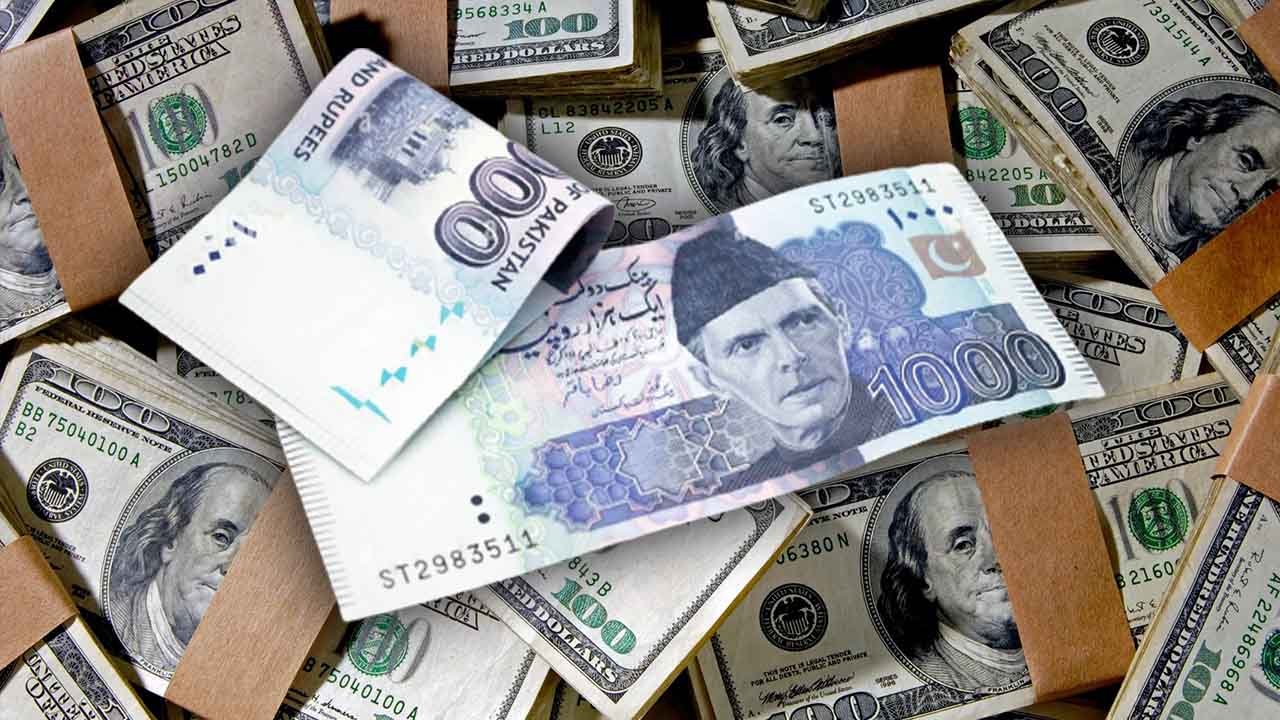
    As a result of the ruling PML-N’s defeat in the Punjab by-elections, which has caused political turmoil in the nation, the Pakistani rupee (PKR) on Monday fell to an all-time low of Rs214 against the US dollar in interbank trade.

    Today’s intraday trade saw Rs3.79 depreciation of the local currency against the US dollar. It is still unknown where the local currency will end up after the day’s trading.

    The local currency has reached an all-time low because the US dollar was trading for Rs214.74 on the interbank market, according to the Exchange Companies Association of Pakistan (ECAP).

    Pakistani rupee’s record low against the dollar was Rs211.48 on June 21. Since then, the currency has remained erratic.

    The Pakistan Stock Exchange’s (PSX) benchmark KSE-100 index is also down, with the bears controlling trading at the bourse. As of 11:34 am, the index was trading at 41,532.46 points, down nearly 550 points.

    Pressure on import payments and political unpredictability, according to Samiullah Tariq, Head of Research at Pakistan-Kuwait Investment Company, are to blame for the rupee’s decline.

    The results of the by-election on Sunday, according to the analyst, provided clarity, but the market is still waiting for a plan of action.

    PKR is weakening, but Arif Habib Limited analyst Ahsan Mehanti expressed optimism that it would soon rebound because all predictions favour the local currency.

    Mehnti was of the view that Pakistan will benefit greatly from the funds it will receive from the International Monetary Fund (IMF) as a result of the staff-level agreement.

  • Transport companies asked to reduce fares by 20 per cent

    Transport companies asked to reduce fares by 20 per cent

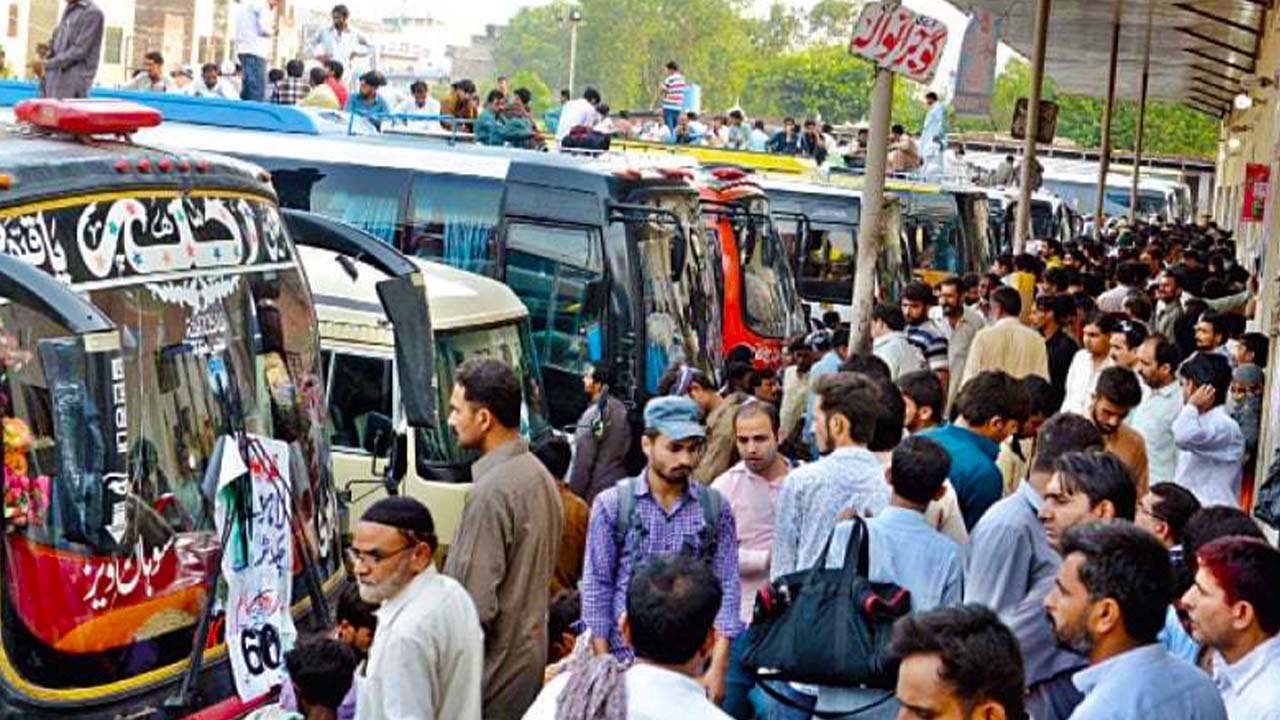
    On Saturday, the D-Class Bus Stand Association delegation met with Additional Deputy Commissioner (ADC) General Rawalpindi, Qasim Ijaz, who requested that the transporters reduce their ticket prices by 20 per cent to help the populace.

    The meeting was attended by representatives of the D-Class Bus Stand Association from Kainat, Safeway, New Shaheen, Darbar, Kohistan, Ghosia, and other locations. The ADC requested that the transporters reduce their rates by 20 per cent in light of the drop in fuel prices.

    He continued by saying that the government was doing everything it could to help the populace. The association fully guaranteed a 20 per cent reduction in prices.

    He instructed the transporters to post banners at their respective bus stops that clearly displayed previous and current fares in order to facilitate travelers. The Commissioner of Rawalpindi, Noor ul Amin Mengal, gave the transporters instructions to keep their waiting areas and restrooms tidy and clean so that the public could be served.

  • KP CM announces Rs200 million relief package for flood-hit areas

    KP CM announces Rs200 million relief package for flood-hit areas

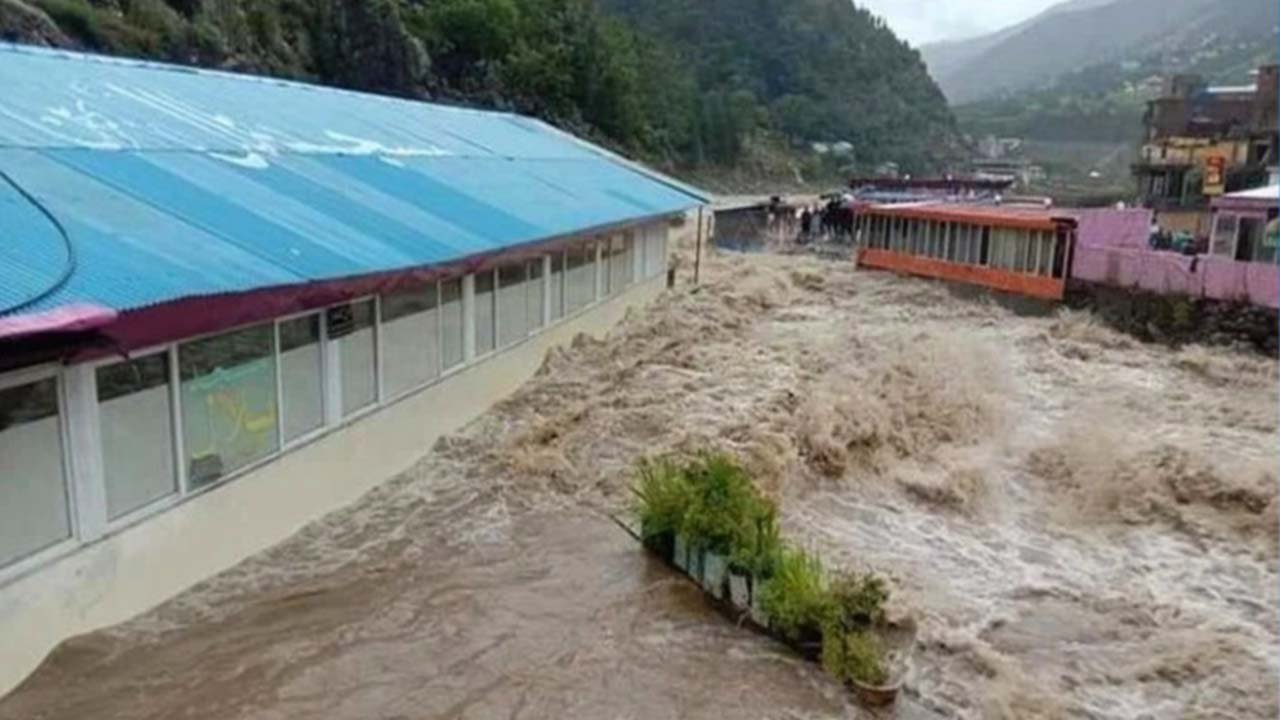
    Chief Minister of Khyber Pakhtunkhwa (KP), Mahmood Khan, announced that Rs200 million would be provided for the relief and rehabilitation of the district’s union councils that had been flooded.

    He made this announcement while visiting the flood-affected areas of district Tank, accompanied by Tehreek-e-Insaf leader Ali Amin Gandapur, KP Minister for Relief Iqbal Wazir, Commissioner Dera Amir Affaq, Deputy Commissioner Tank Hameed Ullah Khattak, and secretaries and top officials of the province’s different departments.

    The Chief Minister announced an additional Rs500,000 for the grieving families who lost loved ones in the flood and promised to use all available resources to restore normalcy to the flood-affected areas. He stated that the sum was in addition to the previously announced Rs300,000.

    Additionally, he announced that each fully damaged home would receive Rs400,000 in compensation, while partially damaged homes would receive Rs160,000.

    According to the chief minister, the KP government prioritises the development of southern districts, and the first budget approved by his administration only included $300 million for a tank. Afterward, it approved Rs150 million, and as of late, Rs500 million.

    In relation to the southern districts’ issues with access to clean drinking water, he claimed that the government was taking proactive steps. According to him, as part of these efforts, the Gomal Zam Dam would guarantee the availability of clean drinking water in Tank city within a year.

  • Petrol price reduced by Rs18.50 per liter, Diesel by Rs40.54 per liter

    Petrol price reduced by Rs18.50 per liter, Diesel by Rs40.54 per liter

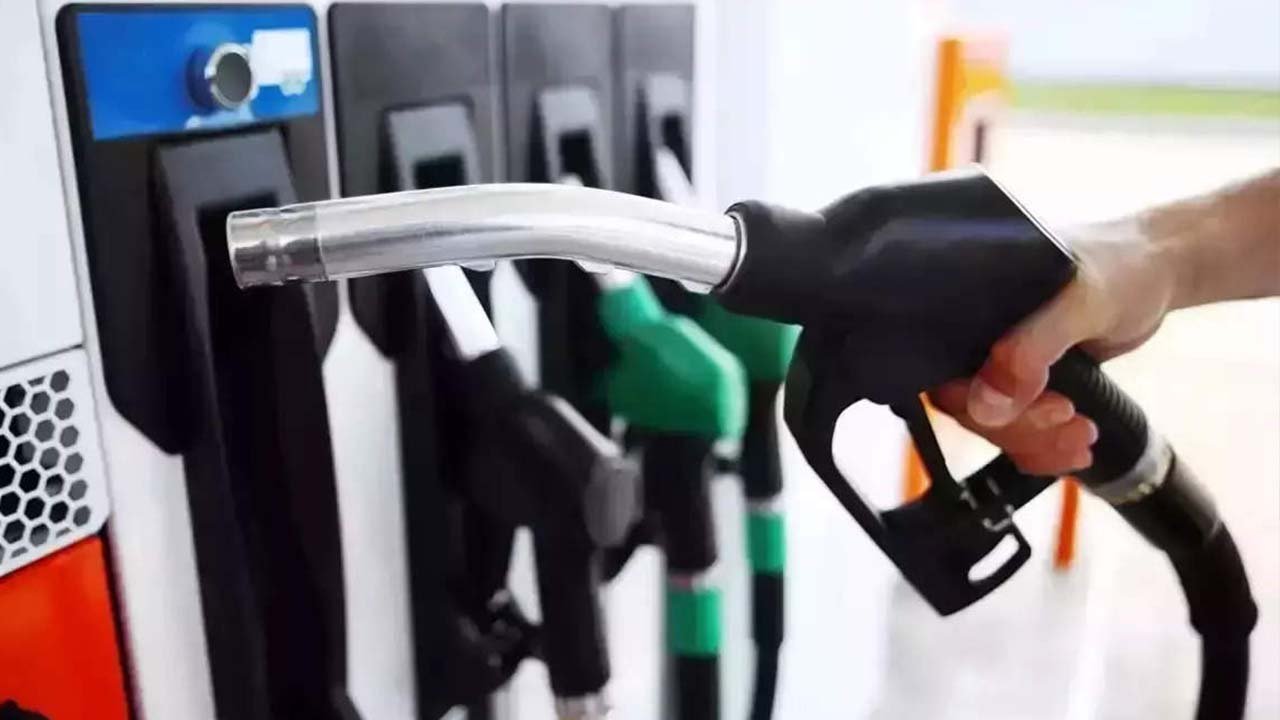
    In an attempt to provide relief to the masses and share the advantages of falling crude prices on the global market, the price of petrol has been slashed by Rs18.50 per liter.

    The price reductions for petroleum products were announced by the Prime Minister, Shehbaz Sharif, in an address to the nation.

    Diesel will now cost Rs236 per liter, while gasoline will now be sold at Rs230.24 per liter. The new prices for petroleum products, according to the Prime Minister, will take effect from midnight.

    He went on to explain why, after taking office, his government had to raise the price of gasoline. He continued, “We had raised fuel prices to meet the demands made by the International Monetary Fund (IMF), which were approved by the previous administration.

    “The government has decided to pass on the relief to the people and has therefore reduced the price of petrol and diesel by Rs18.50 and Rs40.54 per liter, respectively,” he continued.

  • Pakistan, IMF reach staff-level agreement to resume loan

    Pakistan, IMF reach staff-level agreement to resume loan

    The International Monetary Fund (IMF) extended the total loan size to $7 billion on Thursday and announced a staff-level agreement on the completion of two unfinished programme assessments, but cautioned Pakistan to be prepared to take any extra measures.

    “The IMF team has reached a staff-level agreement (SLA) with the Pakistan authorities for the conclusion of the combined seventh and eighth reviews of the EFF-supported program. The agreement is subject to approval by the IMF’s Executive Board. Subject to Board approval, about $1,177 million (SDR 894 million) will become available, bringing total disbursements under the program to about $4.2 billion,” IMF said in a statement.

    The statement added, “Additionally, in order to support program implementation and meet the higher financing needs in FY23, as well as catalyze additional financing, the IMF Board will consider an extension of the EFF until end-June 2023 and an augmentation of access by SDR 720 million that will bring the total access under the EFF to about $7 billion.”

    IMF team leader Nathan Porter noted in a statement “Pakistan is at a challenging economic juncture. A difficult external environment combined with procyclical domestic policies fueled domestic demand to unsustainable levels.”

    According to him, the ensuing economic overheating reduced reserve buffers, increased inflation, and resulted in significant fiscal and external deficits in FY22.

    The statement continued, “Policy priorities include the consistent implementation of the FY23 budget, which aims to reduce the government’s significant borrowing needs by targeting an underlying primary surplus of 0.4 per cent of GDP, underpinned by current spending restraint and extensive revenue mobilisation efforts targeted particularly at higher-income taxpayees.”

    According to Express Tribune, the international lender claimed that due to poor implementation of the previously agreed upon plan, the circular debt (CD) flow in the power sector is predicted to increase significantly to about Rs850 billion in FY22, exceeding programme targets, endangering the viability of the sector, and resulting in frequent power outages.

    To improve the situation in the electricity sector and reduce load shedding, the authorities are committed to resuming reforms, which crucially include the timely adjustment of the power tariff, including the delayed yearly rebasing and quarterly adjustments.

    According to the IMF, Pakistan’s headline inflation rate hit 20 per cent in June, impacting the most vulnerable people the most. The recent monetary policy boost was reasonable and necessary in this regard, and future monetary policy must be designed to ensure that inflation is slowly brought down to the medium-term goal of 5-7 per cent.

    “Importantly, to enhance monetary policy transmission, the rates of the two major refinancing schemes EFS and LTFF (which have over recent months been raised by 700 bps and 500 bps respectively) will continue to be linked to the policy rate. Greater exchange rate flexibility will help cushion activity and rebuild reserves to more prudent levels,” it added.

    The unconditional cash transfer (UCT) Kafalat scheme reached nearly 8 million households during FY22, with a permanent increase in the stipend to Rs14,000 per family, while a one-time cash transfer of Rs2,000 (Sasta Fuel Sasta Diesel, SFSD) was made to approximately 8.6 million families to lessen the effects of the inflationary crisis.

    The government has increased the BISP budget for FY23 from Rs250 billion to Rs364 billion in order to expand the SFSD programme to more non-BISP, lower-middle class beneficiaries and to accommodate 9 million extra families into the BISP safety net.

    The statement further stated that in order to maintain the effectiveness of the anti-corruption agencies (including the National Accountability Bureau) in investigating and prosecuting corruption cases, the authorities are putting in place a strong electronic asset declaration system.

    According to the SLA for the combined seventh and eighth reviews, consistent execution of the defined policies will support the development of growth that is more equitable and sustainable.

    “The authorities should nonetheless stand ready to take any additional measures necessary to meet program objectives, given the elevated uncertainty in the global economy and financial markets,” the statement concluded.
  • Apple’s electric vehicle may lack steering wheel and brake pedal: Leaks

    Apple’s electric vehicle may lack steering wheel and brake pedal: Leaks

    For years, rumours have circulated that Apple is working on a self-driving electric car. The company’s troublesome “Project Titan” is described in-depth in a recent article, along with several intriguing facts about its design, such as the absence of a steering wheel.

    A comprehensive article about Apple’s multi-year effort to create a self-driving automobile was published by The Information.

    The majority of it records information that everyone following “Project Titan” already knows, however, the article also contains some fresh information about the car’s design and difficulties.

    Autonomous vehicles still need to be able to hand over control to people in order to be safe, and they have frequently done so in tests. The study lists numerous instances of this occurring with Titan.

    The most intriguing aspect is that Apple is attempting to obtain approval from the US National Highway Traffic Safety Administration so that it may release the car without a steering wheel or brake pedals, fully committing it to be a self-driving vehicle.

    Another unique element of the project is the seating arrangement concepts from Apple designers. The most recent design has four chairs that face inward, placing passengers face-to-face. Additionally, designers are considering allowing passengers to lie down and sleep.

    A level 5 Apple automobile has been in development for about ten years, but it won’t likely be released to the public for some time. Hyundai was a potential partner for Apple in the past, but discussions ceased in February of last year.

    Project manager Doug Field departed Apple in September of last year to work for Ford, which made the delays much worse.

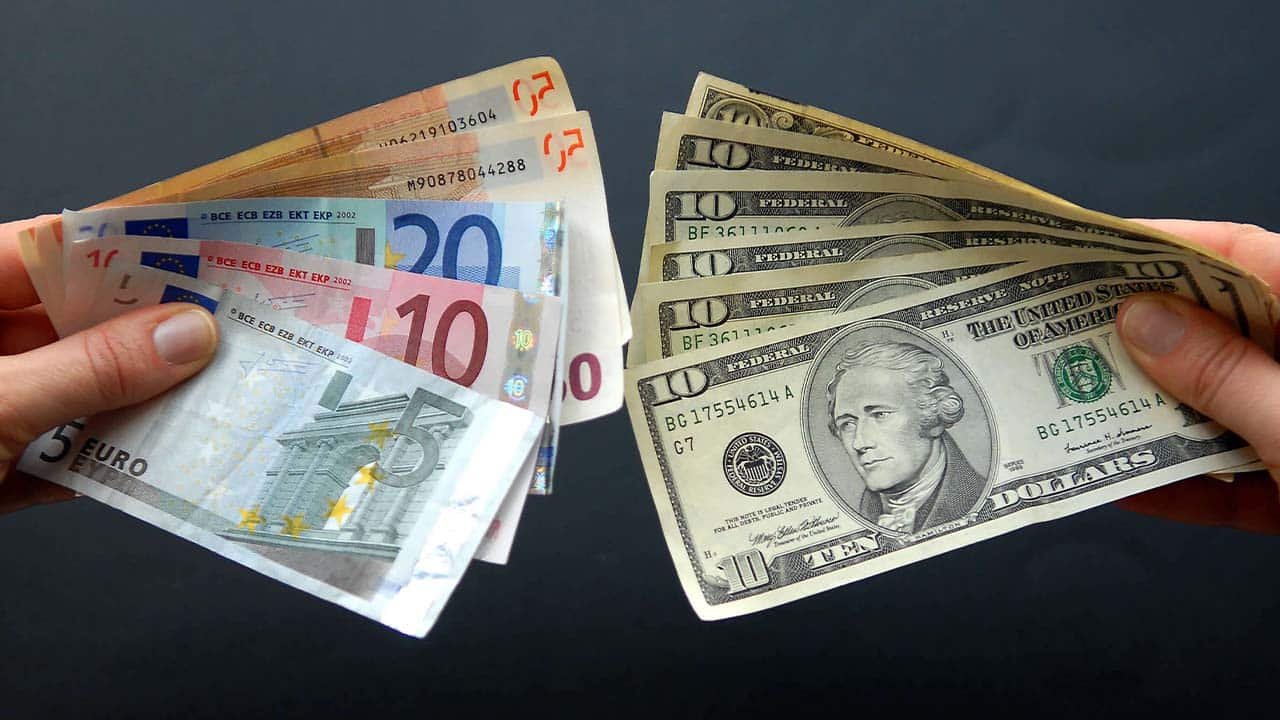
  • One Euro is equal to one US dollar for the first time in 20 years

    One Euro is equal to one US dollar for the first time in 20 years

    The euro reached its lowest level in more than 20 years by 10:00 GMT on Tuesday, falling to $1.

    The stock markets declined as a result of the euro’s parity with the dollar and the possibility of additional central bank tightening as well as concerns over the global economy’s stability.

    Recent weeks have seen the US dollar soar to two-decade highs against a variety of other currencies, strengthening its position as the preferred currency for investors concerned about the economic outlook.

    A continuing rise in natural gas prices’ impact on the local economy as well as the conflict in Ukraine have made the euro particularly vulnerable. The European Central Bank has lagged behind competitors in increasing interest rates.

    The move towards parity, according to Mizuho analysts, is taking place as “the downturn in the eurozone is priced in,” and the overall environment does not appear to be improving risk sentiment.

    For the European Union, this is a “catastrophe,” according to SG Futures, as energy imports may become more expensive.

    “Energy supply is already unaffordable and as we head into winter it’ll likely get even worse,” it added on a tweet.

    The dollar index has been moving higher as a result of the euro’s weakness, as well as concerns about global economic growth as China, in particular, enforces strict zero-COVID policies to control new outbreaks.

    The presumption that the Federal Reserve will raise rates faster and further than peers is, however, arguably the main reason for the dollar’s increase.

  • Mercedes-Benz sales decline in Q2 due to supply issues

    Mercedes-Benz sales decline in Q2 due to supply issues

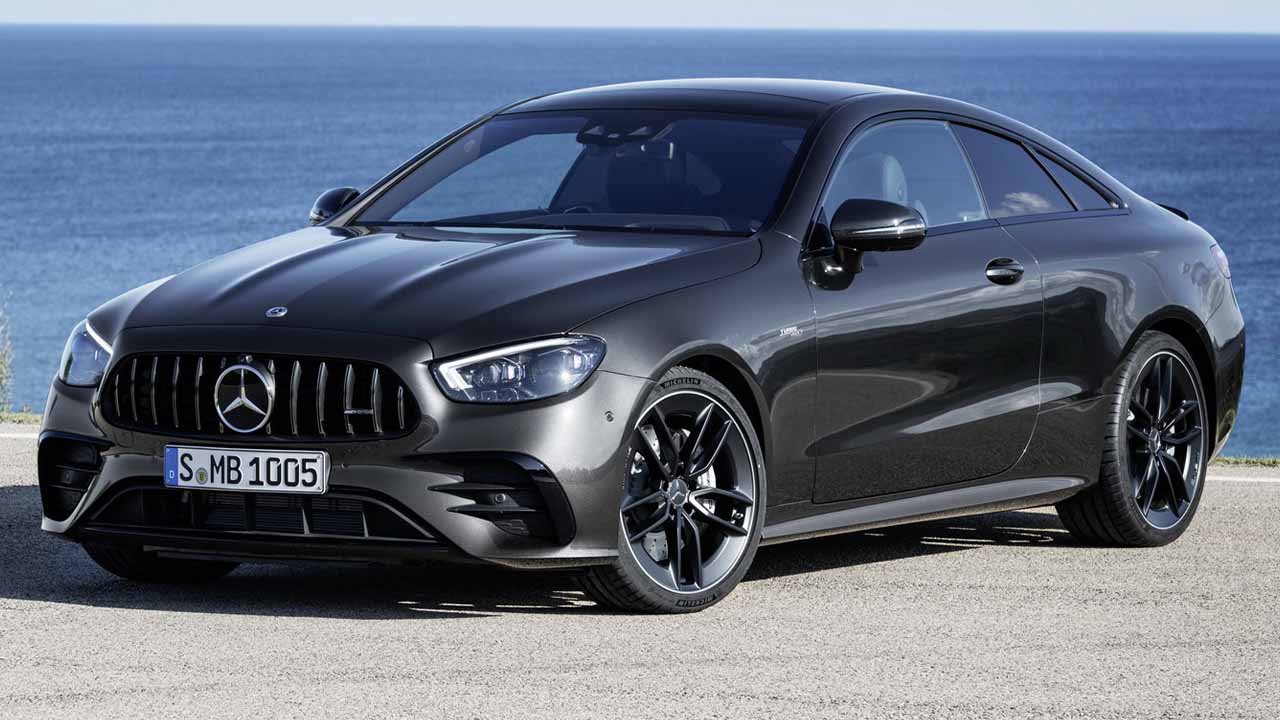
    Mercedes-Benz sales dropped significantly in the second quarter due to supply issues and lockdowns in China because of coronavirus, according to the German automaker.

    From April to June, the auto manufacturer delivered 490,000 passenger cars, a 16 per cent decrease from the same period in 2017.

    Sales for its Cars division fell by 16 per cent for a total of 998,000 deliveries in the first half of 2022.

    China, the largest single market, saw the biggest decline in second-quarter sales, falling by 25 per cent to 163,700 vehicles, according to the automaker.

    Sales in the Asia-Pacific region decreased by 20 per cent, primarily as a result of lockdown measures, while sales in Europe fell by 10 per cent and in North America by 3 per cent during the quarter.

    Mercedes-Benz is still expecting mildly higher sales in 2022 than in 2021, according to a spokesperson. Sales director Britta Seeger stated that “customer demand remains high” despite worries about rising inflation.

    Seeger revealed that popular luxury models include the Maybach and the EQ model series of electric vehicles.

    According to the German manufacturer, 100,000 units of the more affordable Mercedes-Benz Vans were sold globally in the second quarter, just below the same period last year.

  • Residential buildings make up 80 per cent of Pakistanis’ wealth: Study

    Residential buildings make up 80 per cent of Pakistanis’ wealth: Study

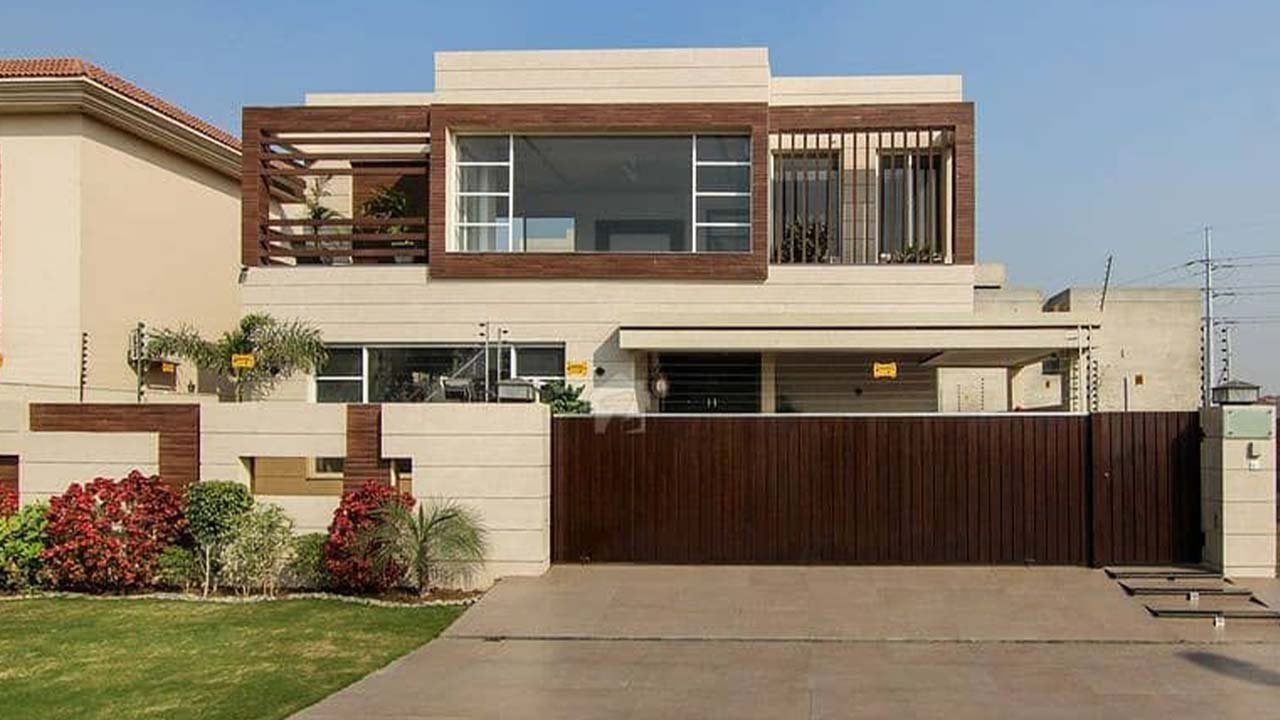
    Almost 80 per cent of the wealth accumulated by Pakistani households by the time they are 60 to 65 years old is made up of residential buildings, according to a recent World Bank study.

    Between the ages of 25 and 65, the net worth of the typical Pakistani household increases by 60 months’ worth of consumption (5 years).

    According to a DAWN report, residential housing makes up the majority of this growth, whereas other types of wealth like land, durables, business and farm values, and financial assets stagnate over time. Early in life, asset accumulation is slower; it picks up between the ages of 40 and 65.

    According to a study titled “Life Cycle Savings in a High-Informality Setting — Evidence from Pakistan” published earlier this week, financing elderly consumption will be a significant challenge in the future due to a combination of factors including population ageing, deteriorating family and village risk-sharing networks, and low formal pension coverage.

    When compared to other investment options, real estate and land are a safe bet, as evidenced by the fact that households save primarily in these areas. According to the study, housing may be a way to permanently store resources in a way that makes them difficult for other family members to steal or use against them.

    According to the study, it might also be a result of a lack of access to other reliable, safe, and high-return long-term saving options. Participation in alternative saving methods may be hindered by low levels of financial literacy, numeracy, and familiarity with formal banking institutions.

    The study emphasised that Pakistan has expanded financial inclusion much more slowly than other nearby countries and that these barriers must be removed.

    Despite being a safe investment, housing is relatively illiquid, which depletes funds for short-term consumption smoothing. Only 3 per cent of Pakistani adults (15 and older) report being able to rely on savings for emergency funds, while 49 per cent claim it is impossible to come up with emergency funds.

    According to 41 per cent of people ages 15 and older, family or friends are typically the primary source of emergency funds; 25 per cent report borrowing for medical expenses.

    Theoretically, policies that permit more real estate assets to be used as collateral for loans made through formal financial institutions could lessen the need for liquid precautionary savings and free up funds for retirement savings. However, these programmes might also promote excessive debt and result in evictions.

    Scarcity of other secure, liquid savings options may also restrict the income potential of self-employment. Although self-employed people have similar levels of education to wage workers, they are typically older. Nearly half of self-employed people lack education.

    Given that the majority of self-employed businesses are started with their own capital, the older age of the self-employed may indicate that the first working years are spent acquiring start-up capital. Only 11 per cent of people aged 15 and older, according to Findex surveys, borrow money to launch or grow a business.

    According to the study, expanding options for secure long-term savings outside of the housing through the use of government-sponsored or subsidised old-age savings instruments could lead to greater independence in old age and lessen the burden on younger families.

    The study found that the average net worth accumulation accelerates around the age of forty, roughly in the middle of the working years. We demonstrate that active saving likely plays a significant role, even though some of this accumulation may reflect patterns in inheritances.

    Around that time, household income growth starts to outpace household consumption growth, and the saving rate rises by 20 percentage points between ages 40 and 65. This suggests that people in that age range may benefit most from programmes designed to encourage formal saving.