Category: Business

The most important business news, explained in a young, easy to understand way. News that affects young career professionals.

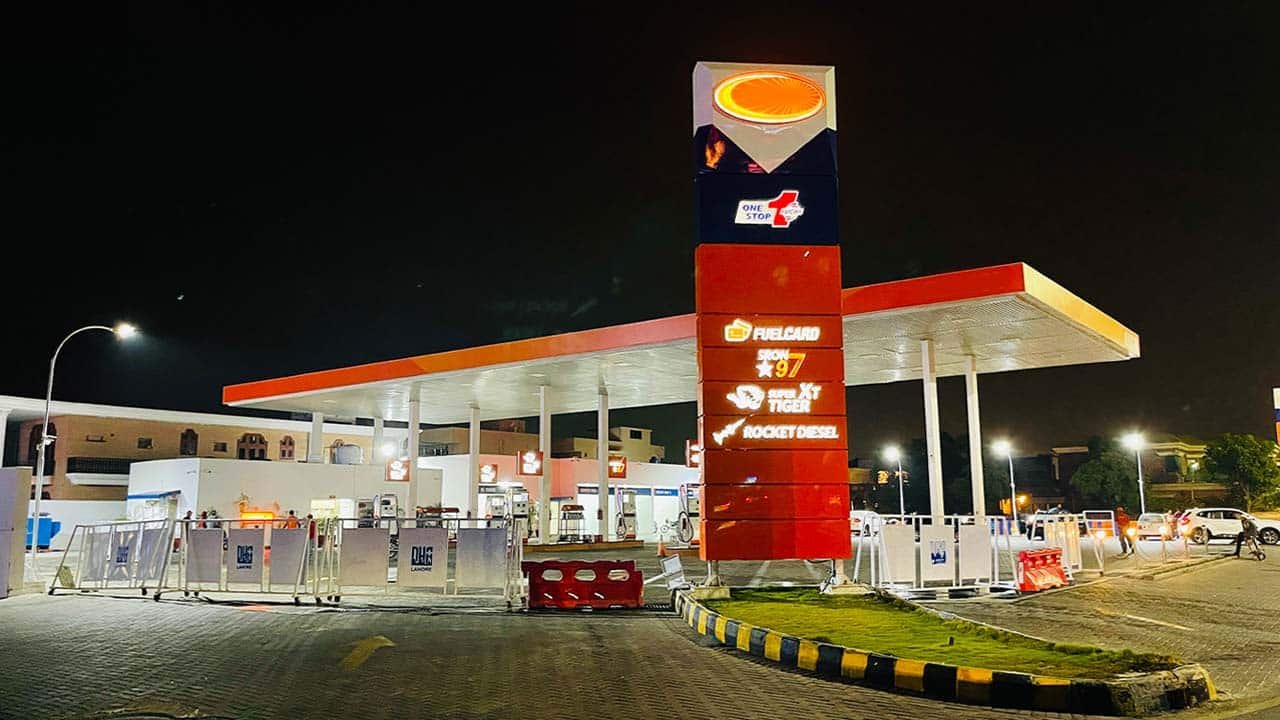
  • Govt increases petrol price by Rs14.85 to Rs248.74 per liter

    Govt increases petrol price by Rs14.85 to Rs248.74 per liter

    The price of petroleum products has been increased by the federal government on Thursday for the upcoming two weeks, costing the general public nearly Rs15–18 per liter.

    Finance Minister Miftah Ismail said that he was “not supposed” to appear on national television to announce an increase in the cost of petroleum products, but that he did so in response to a directive from Prime Minister Shehbaz Sharif.

    According to the Finance Division’s formal notice, the government has concluded to partially adopt a petroleum levy and revise the current prices of petroleum products “as agreed with the development partners” due to the price fluctuation of oil on the global market and changes in exchange rates.

    As of today (July 1), the cost of gasoline will be Rs248.74 per liter, diesel will be Rs276.54 per liter, kerosene will cost Rs230.26 per liter, and light diesel oil will cost Rs226.15 per liter.

    Starting from July 1, 2022, the new prices will be in effect.

    Product Old prices New prices Increase
    Petrol  Rs233.89 Rs248.74 Rs14.85
    Diesel  Rs263.31 Rs276.54 Rs13.23
    Kerosene oil Rs211.43 Rs230.26 Rs18.83
    Light diesel oil Rs207.47 Rs226.15 Rs18.68
    Latest prices
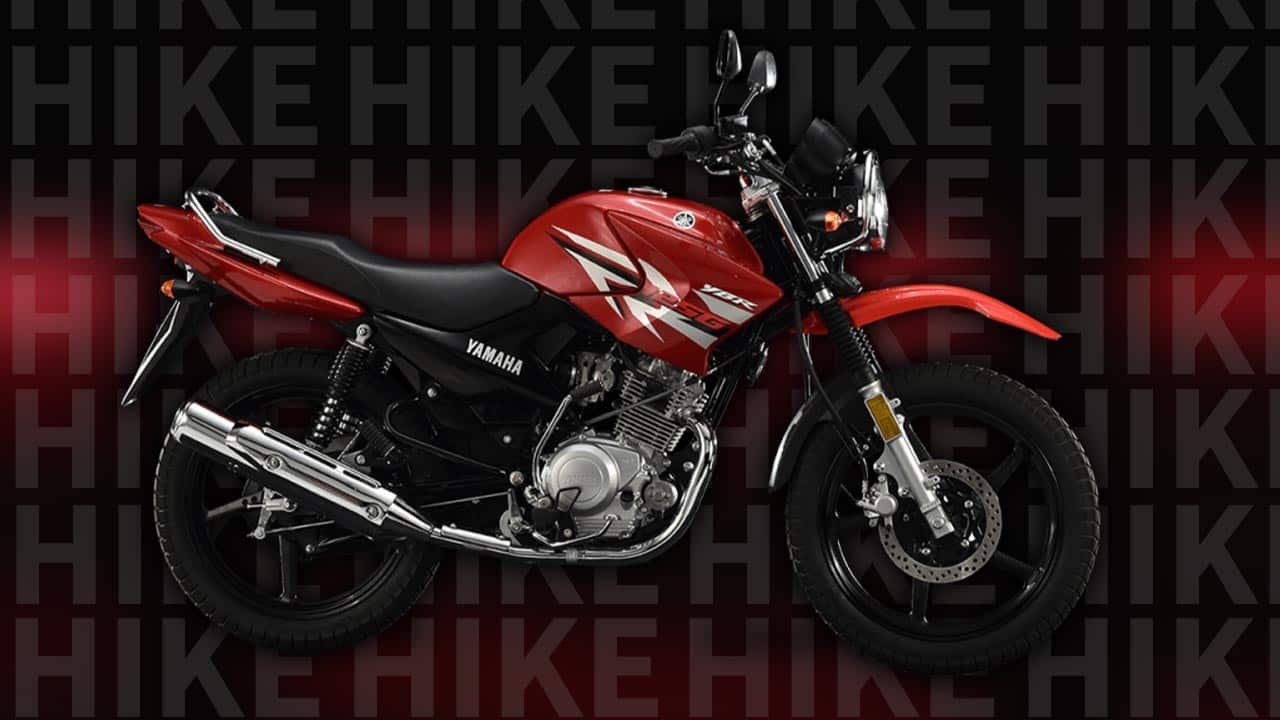
  • Yamaha YBR125G now costs Rs292,000 after Rs26,000 hike

    Yamaha YBR125G now costs Rs292,000 after Rs26,000 hike

    The prices of Yamaha’s motorcycle lineup have increased, with the hike reaching as high as Rs26,500 and the new pricing taking effect from July 1st.

    According to Brecorder, the development comes a day after Atlas Honda raised the prices of its lineup.

    Yamaha’s YB125Z has seen a price hike of Rs23,500, bringing the current cost to Rs255,000. The cost of the YB125Z DX also increased by Rs25,000. The updated cost is Rs273,500.

    After a Rs25,500 price increase, the YBR125 will now be available for Rs280,500. The cost of the YBR125G rose from Rs26,500 to Rs292,000. The cost of the YBR125G (Matte Dark Gray) has also gone up by Rs26,500 and will now be available for Rs295,000.

    Last month, the company similarly raised the price of bikes by between Rs21,000 and Rs23,000. Motorcycle producers at the time cited rising raw material costs, rising international freight charges, and the ongoing depreciation of the rupee as causes.

    Sabir Sheikh, Chairman of the Association of Pakistan Motorcycle Assemblers (APMA), stated that the recently enacted super tax of 10 per cent and the weakening rupee are to blame for the increase.

  • Petroleum levy of Rs50 per liter approved in Finance Bill 2022–23

    Petroleum levy of Rs50 per liter approved in Finance Bill 2022–23

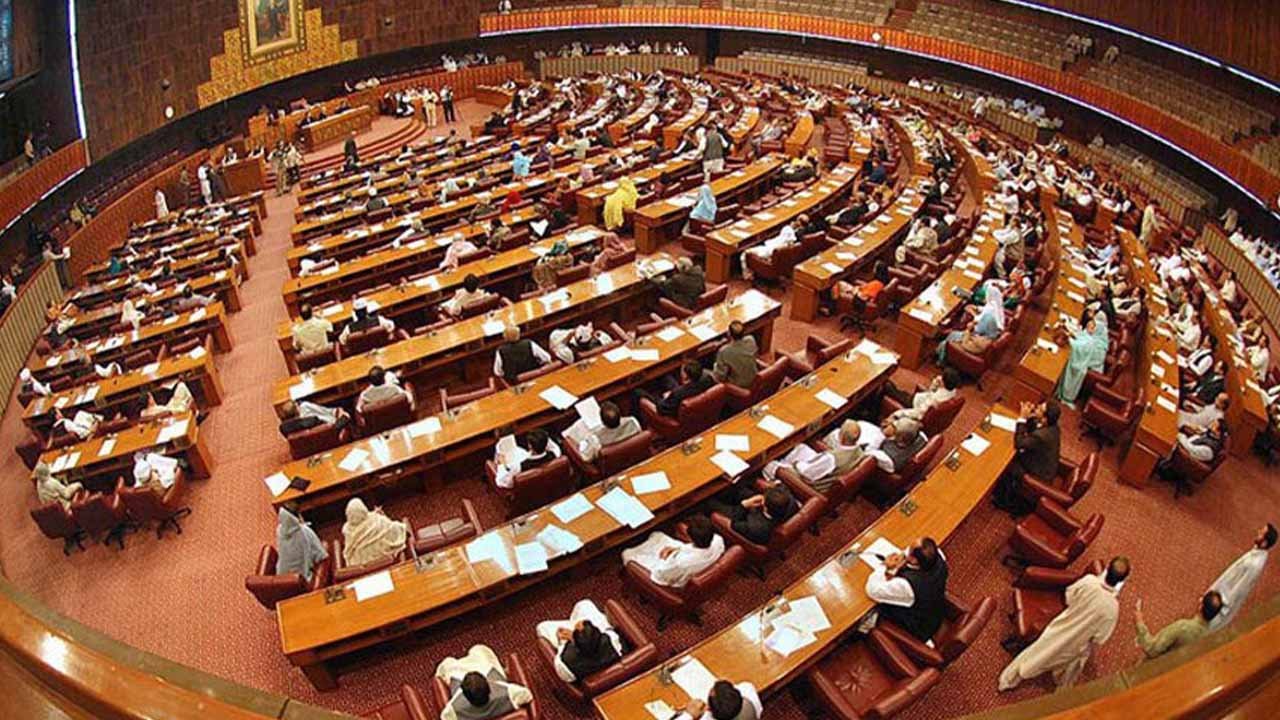
    On Wednesday, the National Assembly approved an amendment to the Finance Bill 2022 that will allow the government to increase the fuel levy to Rs50 per liter.

    During the National Assembly session held to discuss the amendments to Finance Bill 2022, Finance Minister Miftah Ismail made it clear that the amendment grants the government the authority to impose a tax of no more than Rs50 per liter. The levy will not be implemented instantly, he said.

    He went on to say that the levy had been temporarily kept at zero by the government. Throughout the upcoming fiscal year, the levy will be gradually implemented.

    According to The News, about 80 per cent of the amendments to the finance bill, according to State Minister for Finance and Revenue Ayesha Ghous Pasha, were tax-related.

    She emphasised that the government’s objective was to burden the wealthy while sparing the rest of us.

    The participants also agreed to impose a 5 per cent tax on the services of IT and software consultants in addition to the collection of sales tax through shopkeeper utility bills.

    Additionally, a change to revoke the salary class’s relief was approved. Individuals earning between zero and Rs600,000 annually would not be subject to income tax, per the initial budget proposals (where salary income exceeds 75 per cent of taxable income). The following slab would have had a nominal deduction of Rs100 per year (those earning between Rs600,000 and Rs1.2 million per year).

    With the new rates, those making between Rs0.6 and Rs1.2 million annually will now be required to pay 2.5 per cent in income tax.

    Furthermore, a 10 per cent super tax on 13 high-income sectors was approved by the National Assembly. The 10 per cent super tax on large industries was announced by Prime Minister Shehbaz Sharif on Friday in his “bid to relieve the general public of tax pressures.”

    “The revenue generated by this tax will be used to alleviate poverty in Pakistan, and it will be funded by high-income earners,” he said following a meeting with the government’s economic team.

    The tax will be levied on the cement, steel, sugar, oil and gas, fertiliser, LNG, textile, banking, automobile, beverages, chemicals, and tobacco industries. Later, Miftah Ismail, the finance minister, added airlines to the list, bringing the total to 13 sectors.

    Miftah went on to explain that the indirect tax (super tax) was intended to help the state accumulate funds under the heading of tax collection and reduce the budget deficit. He also stated that the fee was a one-time levy.

    The government’s proposed 1-4 per cent super tax on high-income individuals’ salaries was also approved by the National Assembly.

    The leadership levied a 1 per cent tax on those making up to Rs150 million annually, a 2 per cent tax on those making up to Rs200 million annually, a 3 per cent tax on those making up to Rs250 million annually, and a 4 per cent tax on those making up to Rs300 million annually.

    Additionally, a change was approved that imposes a tax on imported mobile phones that ranges from Rs100 to Rs16,000 depending on their value.

    Late Tuesday night, new amendments were added to the Finance Bill, 2022, including a potential reduction in the sales tax rate on the import of pharmaceutical raw materials from 17 per cent to 1 per cent, a tax exemption for theatres and production companies, and a change in the definition of “deemed rental income” by replacing the words “immovable properties” with “capital assets” and other changes.

    Under the revised Finance Bill 2022, the FBR also decreased the capital value tax (CVT) on vehicles from 2 per cent to 1 per cent.
  • Cellular companies raise call and data bundle prices

    Cellular companies raise call and data bundle prices

    Telecommunications companies in Pakistan, such as Jazz, Telenor, and Ufone, have raised the prices of various call and data package offers.

    According to Propakistani, Jazz has notified its customers of the price increase, and the company has revised the subscription fees for the YouTube and social packages for one week from Rs115 to Rs120, while the price of the WhatsApp package has increased from Rs21 to Rs23 for one week.

    Jazz prepaid monthly premium, which includes 25GB of monthly data and 250 all-network minutes, remains unchanged at Rs650.

    Due to rising inflation, Ufone has also raised its prices. UPower is now priced at Rs120, up from Rs100 previously. The price of SuperCard Plus increased from Rs649 to Rs699 on June 29, 2022. The price of Super Card Gold has also risen by more than Rs100, from Rs999 to Rs1,099.

    Read more: Number of 3G, 4G users in Pakistan increases to 113.89 million

    Telenor package prices have also increased. On June 22, 2022, the price of EasyCard increased from 500 to Rs550; on June 29, 2022, the price of EasyCard increased from Rs650 to Rs700; and the monthly social pack plus increased to Rs100.

    Telecom companies claim that a price increase is required to maintain service quality as inflation rises.

  • More than 40 life-saving drugs short in Pakistan

    More than 40 life-saving drugs short in Pakistan

    Due to the imposition of GST, the pharmaceutical industry is no longer importing raw materials, resulting in a shortage of 40-50 life-saving drugs.

    Mansoor Dilawar, Chairman of the Pakistan Pharmaceutical Manufacturers’ Association (PPMA), stated that 40 to 50 medicines are in short supply and that the number will soon exceed 100.

    According to Brecorder, the pharmaceutical industry has been waiting for Rs40 billion in sales tax refunds since January 16, 2022. However, the FBR has denied that any refunds were held by the tax authority.

    Unavailable drugs

    Alp tablets for anti-depression, Dexamethasone for asthma, cancer, and joint pain, Epitab for epilepsy, Nervin for depression, Epival, Fexet D, Nitronal, Ventoline tablets and injections are among the medicines in short supply on the market.

    Furthermore, Epival In, Myrin P, Ketasol Inj, Loprin, Silver tab, phenergen Elixir, Tixylix Lincitilus, Chlooriptics Drops, systane drops, Rivotril drops, Dormicum tablets, Winstor, Tritace, Sodamint, Schazobutil, Jardymet, and Brufen are said to be in short supply.

    There are also no Lomotil, Panadol, Tan Primolut B, Progynova, Stilnix, Glucobay, Zentel, Avor, Gravibinan, Syp Gaviscon, Lipofundin, or Sorbid Injection available.

    According to the PPMA chairman, the industry is halting production of low-margin items after the Federal Board of Revenue (FBR) imposed taxes that increased the industry’s cost of production by Rs60 billion to Rs70 billion.

    Read more: FBR collects highest-ever tax of Rs6 trillion in FY22

    “Because drug prices are capped, the pharmaceutical industry cannot pass on higher production costs to consumers,” he explained.

    “As a result, the industry has been forced to halt production of low-margin medicines, which have become unviable due to tax increases,” Dilawar added.

    According to Dilawar, the industry pays a 17 per cent refundable GST at the import stage and raw materials are subject to a 1 per cent non-refundable tax. The government then imposed a 1 per cent tax on the sale of medicines. This forces the industry to pay taxes ranging from Rs60 billion to Rs70 billion per year.

  • FBR collects highest-ever tax of Rs6 trillion in FY22

    FBR collects highest-ever tax of Rs6 trillion in FY22

    The Federal Board of Revenue (FBR) achieved a significant feat by collecting a record Rs6,000 billion in revenue during the previous fiscal year 2021–2022.

    The FBR reported that during the current fiscal year, it collected Rs2,205 billion in income tax, Rs2,773 billion in sales tax, and Rs1,007 billion in customs duty. The organisation in charge of collecting taxes also released Rs305 billion in refunds during that time.

    According to former finance minister Shaukat Tarin, the government of Imran Khan’s policies and the country’s economic growth allowed FBR to meet its revenue goals.

    Tarin insisted that the government should continue enforcing the prior administration’s tax laws. According to Tarin, the government shouldn’t impose additional taxes on the current taxpayers. Heavy taxes shouldn’t be imposed on the economy’s productive sectors, he continued.

    The government has given the general public significant tax breaks on a number of necessities, but the FBR claims that these tax breaks haven’t prevented revenue collection from continuing on an unprecedented and constant growth trajectory. Sales tax on all POL products has been eliminated for the first time in the nation’s history, costing the FBR Rs45 billion per month.

    In order to maximise revenue potential through digitization, transparency, and taxpayer facilitation, the FBR has implemented a number of novel interventions at both the policy and operational levels. In addition to ensuring transparency, facilitating taxpayers, and making business easier, this has led to a steady increase in revenue collection.

  • Vintage camera auctioned for PKR 3.1 billion

    Vintage camera auctioned for PKR 3.1 billion

    Leica’s inventor Oskar Barnack’s camera was up for bids and was anticipated to bring in a nice little PKR 753 million ($3 million). The Leica 0-Series Model 105 owned by Barnack has now sold for PKR 3.1 billion ($15 million), that is five times the original bid making it the priciest camera ever sold.

    According to RobbReport, the camera owned by Oskar Barnack was put up for auction and was predicted to fetch $3 million.

    The company released the 0-Series to test the market two years prior to the release of the Leica A. Only about 22 were ever produced, and today there are fewer than 12 left, according to the Leitz Auction.

    Oskar Barnack, the man who created Leica, owned camera number 105; his name is inscribed on the Galilean viewfinder. (This is the kind of viewfinder found in older cameras.)

    This camera was reportedly used by Barnack until 1930, when he gave it to his son Conrad and switched to the Leica I Model C, which has interchangeable lenses. The 0-Series Model 105 was still in Barnack’s family up until 1960, when it was acquired by an American collector.

    With the anticipation that the camera would bring in around three million euros, bidding started at one million euros. A little over $15 million, or 14.4 million euros, was the final selling price. It surpasses the old best set by the auction house, which realised $2.5 million from the sale of a Leica 0-Series no. 122 in 2018.

    In addition to the heavily altered camera (which Barnack used for photographic research), the wealthy buyer will also get the original leather lens cap, an aluminium cap personalised with Barnack’s initials, and correspondence related to the Model 105.

    There were plenty of other intriguing pieces of Leica equipment and memorabilia up for auction, though none have been quite as remarkable as the Model 105.

    A black-paint Leica MP brought in $100,000, while one of Barnack’s original prints created in 1914 on an Ur-Leica sold for $9,400. Leica MP Unique Gold, another object about which we had previously written, sold for just over $75,000 at auction.

  • Pakistan notifies revised export control lists of goods

    Pakistan notifies revised export control lists of goods

    Pakistan has notified revised control lists of goods, technologies, materials, and equipment subject to the Strategic Export Control Division (SECDIV) license for export.

    This was done in accordance with the Export Control on Goods, Technologies, Materials, and Equipment related to Nuclear and Biological Weapons and their Delivery Systems Act of 2004.

    “The act empowers the government to control the export, re-export, trans-shipment, and transit of goods, technologies, materials, and equipment related to nuclear and biological weapons and their delivery systems,” it added.

    According to the statement, the Ministry of Foreign Affairs’ Strategic Export Control Division (SECDIV) revised/updated the control lists in consultation with other relevant ministries and departments as part of the regular review process.

    In the Pakistani Gazette S.R.O. 551(I)/2022 dated April 12, 2022, the revised control lists were announced. The control lists were first published in 2005 and later updated in 2011, 2015, 2016, and 2018, the statement said.

    According to the notification, the updated lists are in compliance with the standards and lists of these export control regimes. Over the years, Pakistan has improved its export control system, streamlined and strengthened it, and increased its interaction with international export control systems like the Nuclear Suppliers Group, the Missile Technology Control Regime, and the Australia Group.

    The notification emphasises Pakistan’s continued commitment and strategy as a responsible nuclear state to advance the common cause of non-proliferation and strictly uphold its commitments, the statement said.

  • Pakistan gets temporary relief of $3.68 billion from G-20 countries

    Pakistan gets temporary relief of $3.68 billion from G-20 countries

    The Ministry of Economic Affairs stated that the Government of Pakistan and the French Republic on Monday signed an agreement as part of the G20 Debt Service Suspension Initiative (DSSI).

    The government signed a DSSI, which amounted to the suspension of loans totaling $107 million under the G20 DSSI framework, according to a statement made in this regard by the ministry, according to Profit.

    This sum, which was initially due between July and December 2021, will now be paid back over a six-year period (plus a one-year grace period) in semi-annual installments, according to the statement.

    Federal Secretary for Economic Affairs Division Mian Asad Hayaud Din and French Ambassador to Pakistan Nicolas Galey signed the agreement today in Islamabad.

    Agreements for the revocation of $261 million between the government and the French Republic have already been signed.

    The ministry mentioned that the G20 DSSI has provided the fiscal space required to address the immediate health and financial demands of the Islamic Republic of Pakistan as a result of the support given by Pakistan’s development partners.

    According to the ministry, $3,688 million in debt has been suspended and rescheduled overall under the DSSI framework, which covers the period from May 2020 to December 2021.

    Pakistan has so far reached 93 agreements and signed them with 21 bilateral creditors for the restructuring of its liabilities under the G20 DSSI framework, totaling a delay of nearly $3,150 million.

    The above-mentioned agreements have been signed, bringing the total to $3,257 million. The G20 DSSI’s remaining agreements are currently the subject of negotiations.