Category: Business

The most important business news, explained in a young, easy to understand way. News that affects young career professionals.

  • Crypto heist: Hackers steal $100 million from Harmony blockchain bridge

    Crypto heist: Hackers steal $100 million from Harmony blockchain bridge

    A blockchain bridge titled Harmony, which helps in transferring cryptocurrency tokens between each other, recently disclosed that $100 million in digital currency was stolen on Thursday morning from its Horizon bridge.

    Harmony revealed that its Horizon Ethereum Bridge was a victim of a “malicious attack” in a blog post outlining the incident.

    Harmony said that its separate bridge used for bitcoin wasn’t affected by the hack and that its funds and assets are safe. They have notified other exchanges and stopped its bridge “Horizon” to prevent further transactions as the company investigates the heist. 

    In order to track down the hacker and recover the stolen money, the platform has started working with local law enforcement and forensic experts.

    The hack and ransacking of Horizon weren’t the first this year. In March, cybercriminals stole about $620 million worth of cryptocurrency from a network used to process in-game transactions for Axie Infinity, one of the world’s most popular NFT video games.

  • Pakistan aims to enhance Saudi oil facility to $3.6 billion

    Pakistan aims to enhance Saudi oil facility to $3.6 billion

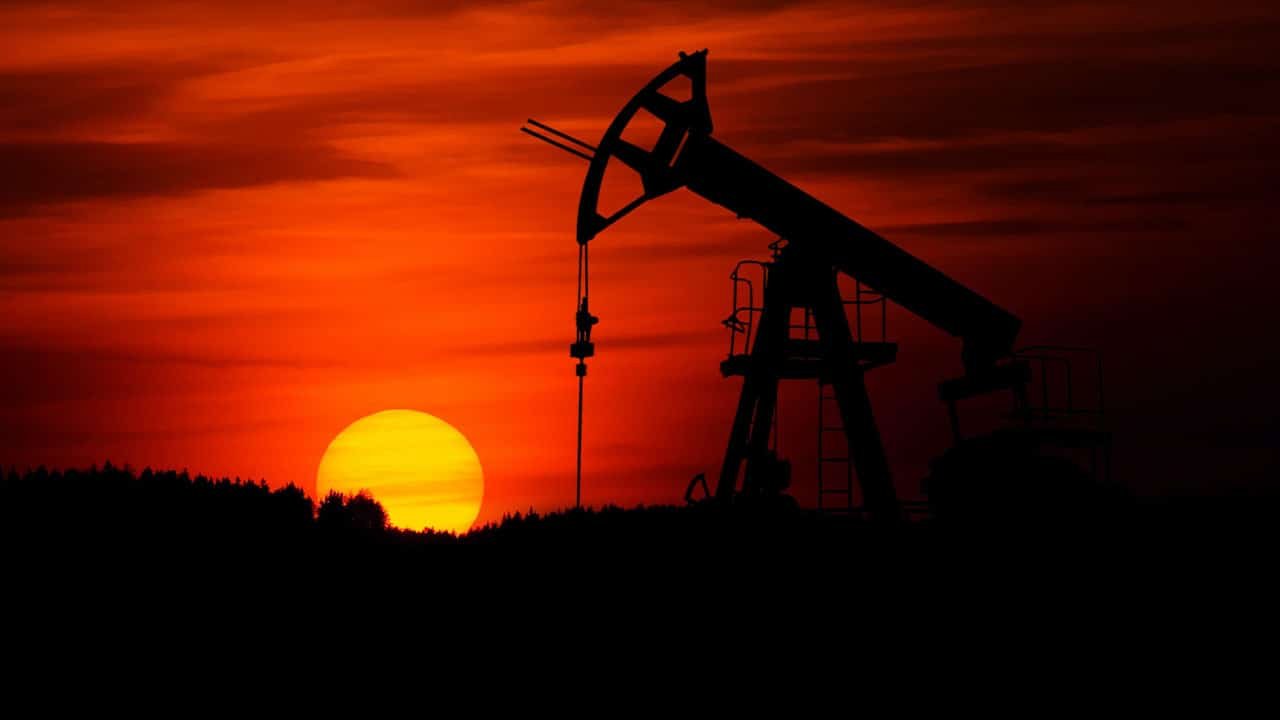
    A spokesperson for the Petroleum Division said that Pakistan is in talks with Saudi Arabia to increase the size of an oil facility on deferred payments from its current $1.2 billion to $3.6 billion.

    According to The News, when former Prime Minister Imran Khan visited Riyadh in October of last year, Saudi Arabia made a $4.2 billion support agreement, which included a $1.2 billion oil loan facility for Pakistan.

    Syed Zakria Ali Shah, joint secretary of international and joint ventures at the Pakistani petroleum division, revealed that the division was attempting to increase the value of its current facility with Saudi Arabia from $1.2 billion to $3.6 billion.

    Pakistan receives monthly oil deliveries worth $100 million under the current Saudi oil facility with deferred payment. Oil prices were low when the deal was struck, but because of their exponential rise, we are currently negotiating with the Saudis to increase their oil facility from $100 million to $300 million every month.

    A member of the Islamic Development Bank (IsDB) group, the International Islamic Trade Finance Corporation (ITFC), Shah claimed Saudi Arabia was also assisting Pakistan in using another existing oil financing facility.

    The last framework agreement for this facility was signed between our economic affairs division and ITFC on February 21, 2022, according to Shah. “The government of Pakistan has this facility for oil and liquefied natural gas (LNG) imports under the framework agreement with ITFC since 2017–18,” he said.

    The facility will cost a total of $4.5 billion over three years, from 2022 to 2024, or roughly $1.5 billion per year on a best-effort basis, the official continued.

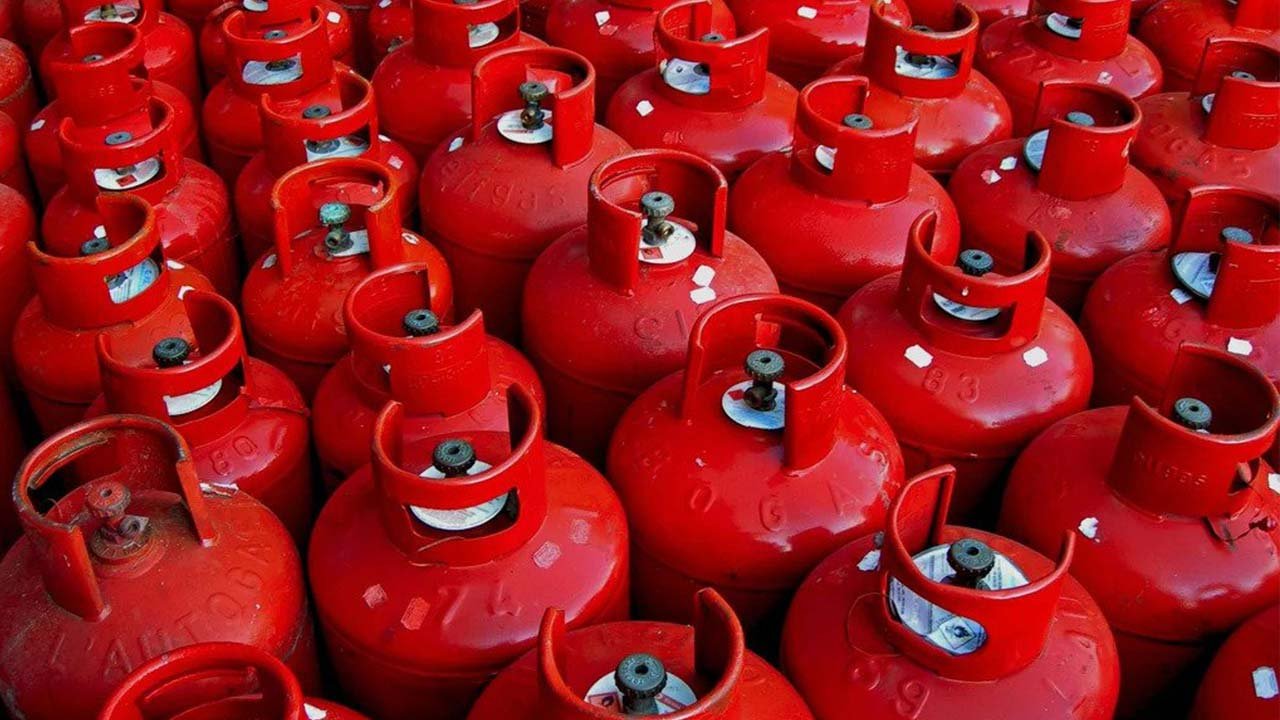
  • Domestic LPG cylinder now costs Rs2,475 after an increase of Rs120

    Domestic LPG cylinder now costs Rs2,475 after an increase of Rs120

    The burden on the general public, who were already suffering from inflation, rising oil and food costs, has increased as a result of another hike in the price of liquefied petroleum gas (LPG).

    Following the increase of Rs10 per kilogramme, LPG is now priced at Rs210 per kilogramme nationwide.

    Moreover, commercial LPG cylinders will now be sold at Rs9,532, up Rs455 while domestic (11.8 kg) LPG cylinders are now priced at Rs2,475, up Rs120.

    According to the chairman of the LPG Association, the commodity’s price is declining on the international market but rising in Pakistan. He requested that the administration take note of the current gas shortage.

    People who now use LPG cylinders residing in new or developing housing communities without Sui gas connections will be impacted by this price increase.

    The frequent announcements of hikes have made life difficult for those with modest incomes. Along with rising LPG prices, many people are having trouble utilising their own vehicles because gasoline prices have skyrocketed.

  • NEPRA announces increase of Rs7.90 per unit in power tariff

    NEPRA announces increase of Rs7.90 per unit in power tariff

    An additional increase in the price of power of Rs7.90 per unit was announced by the National Electric Power Regulatory Authority (NEPRA) on Monday.

    After hearing the Central Power Purchasing Agency’s (CCPA) argument today, the power regulatory authority made the final hike announcement, according to ARY News.

    It is worth noting that life consumers and K-Electric are protected from the tariff increase and that the amount would be paid in July’s bills.

    In response to a request from CPPAG for a raise of Rs7.96 per unit, the increase was granted under fuel adjustment costs (FAC) for the month of May 2022, according to a notification released by the power regulating authority.

    Additionally, after a substantial increase of Rs7.91 per unit, the National Electric Power Regulatory Authority has just set the power rate at Rs24.82 per unit for the fiscal year 2022–23.

    The authority approved a Rs5.27 per unit increase in electricity rates for K-electric customers on June 24.

    According to a handout provided by NEPRA, K-Electric requested an increase in the electricity rate of Rs5.25 to account for fuel adjustment charges for April.

    Earlier, The Economic Coordination Committee (ECC) of the cabinet approved an increase in power costs for K-Electric customers of 57 paisa per unit.

    However, ECC deferred making a decision on a different proposal that called for charging K-Electric customers a surcharge of Rs1.45 per unit in order to recover Rs113.1 billion in past-due amounts related to quarterly rate increases. 

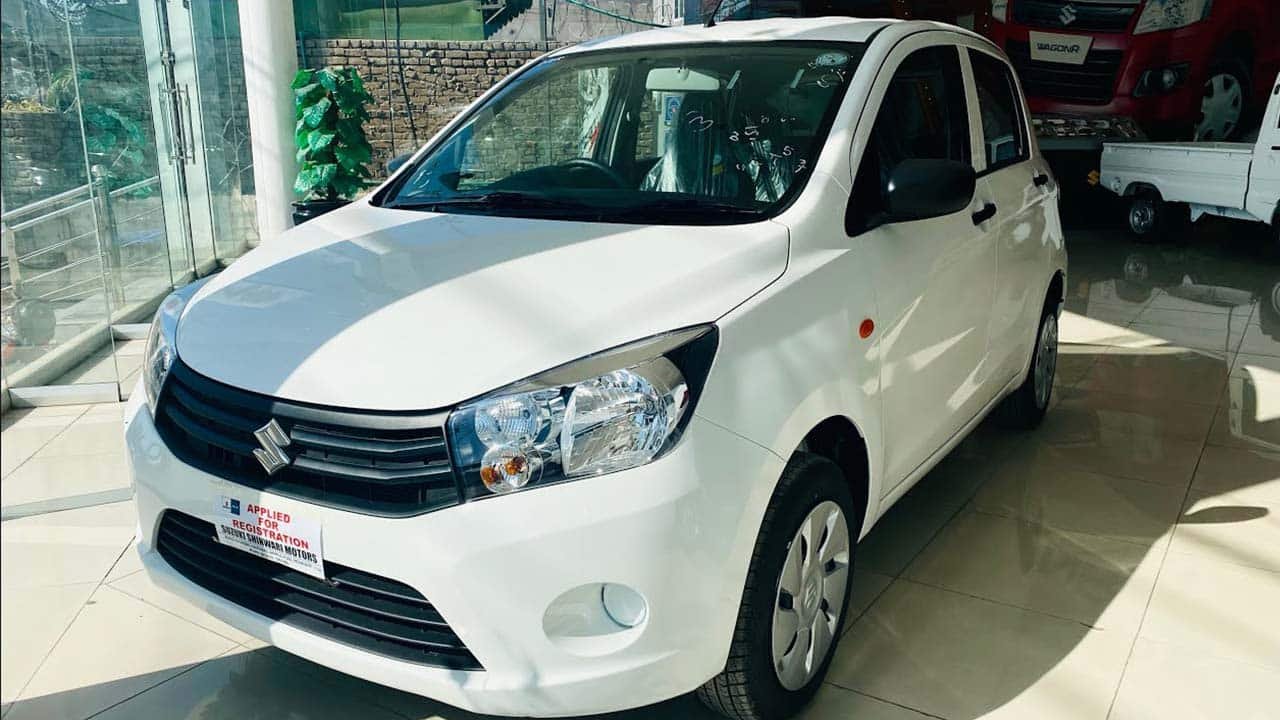
  • Pak Suzuki may discontinue Cultus to promote new Swift

    Pak Suzuki may discontinue Cultus to promote new Swift

    One of Pak Suzuki Motor Company’s (PSMC) best-selling vehicles, Suzuki Cultus, will reportedly no longer be produced. According to reports, all variants of the hatchback will be officially phased out in the upcoming months.

    According to Pakwheels, Alto and Swift sales had an impact on Cultus sales, and the company intended to actively promote Swift while boosting Alto sales.

    If the rumours are true, it may be terrible news for those who adore this tiny hatchback since Cultus has long held the top spot in the 1,000cc category.

    According to information from the Pakistan Automotive Manufacturers Association (PAMA), PSMC sold more than 9,800 Alto in March of this year. In April, the amount fell to 5,000. In May, sales slightly increased to about 5,400.

    It is also worth noting that PSMC has not made any public statements about the development. Once the business issues a formal statement regarding this, PSMC’s response will be added.

    The current generation of Suzuki Cultus was introduced in 2017. The hatchback is available in three variations from PSMC: VX, VXR, and VXL. Since its debut, Cultus has dominated the 1,000cc segment of the home market due to its compact size and impressive fuel economy.

    It is still too early to tell if these rumours are true, as several reports from last month that Pak Suzuki was preparing to reintroduce the Mehran turned out to be false after The Current obtained confirmation from numerous dealerships.

  • Govt raises tax rates for salaried class on IMF demands

    Govt raises tax rates for salaried class on IMF demands

    In response to the International Monetary Fund’s (IMF) recommendation to eliminate relief provided on June 10, the coalition government on Friday announced amended tax deduction rules for the salaried class.

    The News reported on Saturday that the Federal Board of Revenue’s (FBR) target for tax collection for the fiscal year 2022–23 has been raised to Rs7,470 billion, an increase of Rs466 billion.

    In order to raise the collection, the government had to take harsh measures, such as boosting the tax rates for high earners to raise Rs120 billion for fighting poverty and Rs35 billion for the salaried class.

    For the upcoming fiscal year 2022–2023, the government imposed a 10 per cent super tax on 13 high-earning sectors, which will cost Rs80 billion in income.

    The government increased the Personal Income Tax (PIT) by Rs80 billion by abolishing tax relief worth Rs47 billion and then increasing the tax amount by Rs35 billion. As a result, the FBR was expected to collect Rs235 billion from the salaried class in the upcoming budget, up from Rs200 billion in the preceding fiscal year.

    The PTI-led government had promised to raise the tax revenue by Rs335 billion by increasing the tax slab rates for the salaried class, but the PDM-led coalition government persuaded the IMF to accept Rs100 billion less than the amount the PTI-led government had promised to raise.

    The government suggested a tax rate of 2.5 per cent for the salaried class for income brackets of Rs50,000 to Rs100,000. The proposed tax rate increased to 12.5 per cent for income earners who make between Rs100,000 and Rs300,000 per month.

    The FBR proposed raising the tax rate from 17.5 per cent to 20 per cent in cases where the taxable income is greater than Rs3,600,000 but not greater than Rs6,000,000. The FBR tax rate is proposed to rise from 22.5 per cent to 25 per cent where the taxable income exceeds Rs6,000,000 but does not exceed Rs12,000,000.

    The FBR will charge a tax amount of Rs2,004,000 plus 32.5 per cent of the amount exceeding Rs12,000,000 on an annual basis where the taxable income exceeds Rs12,000,000. The FBR suggested a 35 per cent tax rate for the aforementioned income.

  • Imposing super tax on the rich will reduce budget deficit: Miftah

    Imposing super tax on the rich will reduce budget deficit: Miftah

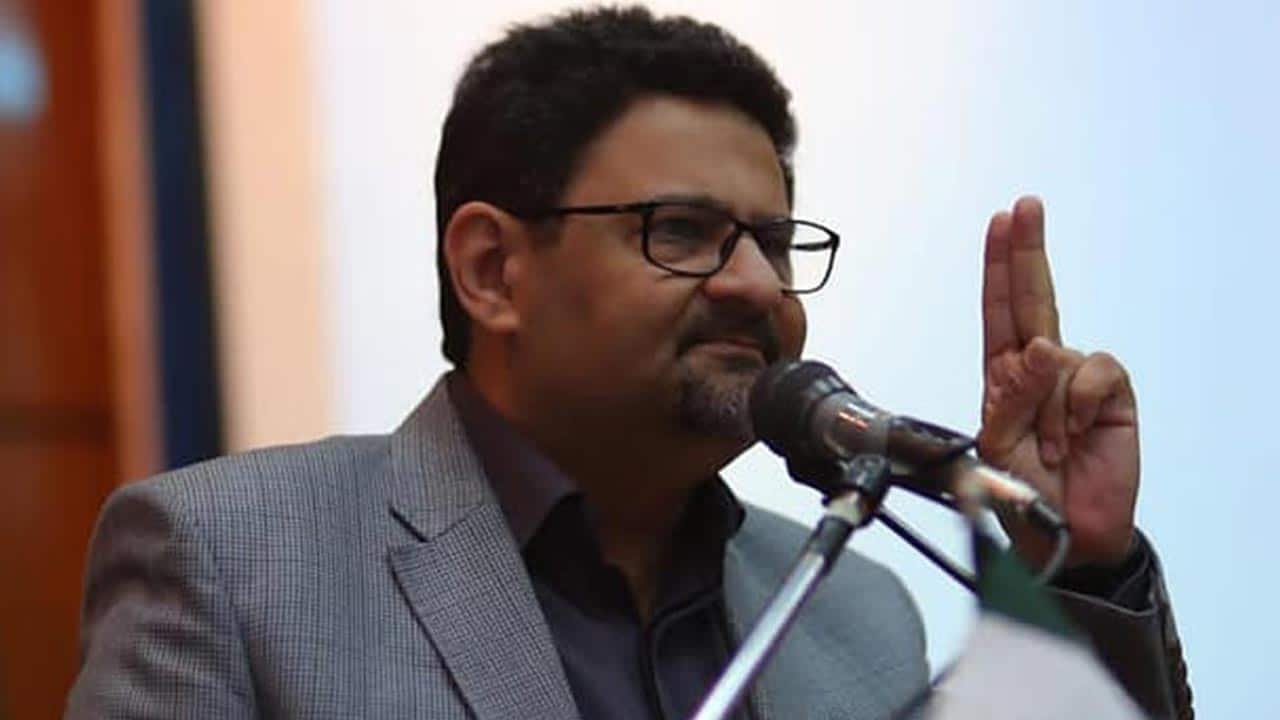
    The government’s recently announced indirect tax (super tax) is intended to assist the country in increasing tax revenue and lowering the budget deficit, according to Finance Minister Miftah Ismail.

    He was relating to the large industries’ 10 per cent super tax or poverty alleviation tax.

    13 industries, including LNG terminals, sugar, cement, steel, textile, tobacco, fertiliser, banks, oil and gas, beverages, automobiles, and steel, will be subject to this one-time levy, according to Miftah. The government labelled these 13 industries for a special tax as they made significant profits last year.

    Companies in these sectors earning more than Rs300 million will be subject to a 10 per cent super tax, he added.

    According to the finance minister, this tax is a one-time levy that will only be in effect for fiscal year 2022–2023.

    He clarified on Twitter that the 4 per cent super tax will be imposed on all industries.

    “For the specified 13 sectors, another 6 per cent will be added for a total of 10 per cent,” he said. “So their tax rates will go from 29 per cent to 39 per cent. This is a one-time tax needed to curtail the previous four record budget deficits.”

    The imposition of a super tax on the wealthy, according to Finance Minister, will lessen the country’s reliance on foreign aid, lower the budget deficit, and bring the country closer to financial stability.

    Other businesses that make over Rs150 million will be subject to a 1 per cent super tax, and those that make over Rs200 million will be subject to a 2 per cent tax. On top of the current rates, it is worth noting that these taxes are additional.

    Businesses that earn more than Rs250 million in revenue will pay a 3 per cent super tax, and those that earn more than Rs300 million will pay a 4 per cent super tax.

    He continued, citing statistics, that there were 9 million retail and wholesale establishments in Pakistan, and that the government wanted to bring an additional 2.5–3.5 million into the tax system.

    “We are linking the income tax and sales tax of these shops with the electricity bill,” Miftah said. “Now, small shops will pay a fixed tax of Rs3,000 and large shops will pay Rs10,000.”

    Only 22 of Pakistan’s more than 30,000 gold trading companies, he claimed, were registered, and their average annual sales came to Rs4,000.

    Sales tax and a fixed income of Rs40,000 will now be paid by gold shops of 300 square feet or less.

    He said that the government would lower the sales tax on large stores from 17 per cent to just 3 per cent.

    The withholding tax on jewellery sales to gold shops by the general public has been reduced from 4 per cent to 1 per cent.

    According to Miftah, fixed tax structures similar to these will be introduced for real estate agents, car dealers, and builders. Since this tax only applies to income and not to spending, inflation will not rise.

    Additionally, the withholding tax for the IT sector has been eliminated. Sales and income taxes would not apply to IT companies with annual revenue of less than Rs80 million.

    Miftah emphasised that Pakistan needs the IMF programme to resume as the country’s foreign exchange reserves are at a critical point.

  • Pakistan sends aid to earthquake-stricken Afghanistan

    Pakistan sends aid to earthquake-stricken Afghanistan

    The National Disaster Management Authority (NDMA) on Thursday dispatched relief supplies for the earthquake victims in Afghanistan on the special directives of Prime Minister (PM) Shehbaz Sharif.

    Details indicate that the NDMA dispatched a shipment containing family tents, tarpaulins, blankets, and emergency medications, according to the NDMA spokesperson.

    “Pakistan has assured all possible support to ameliorate the sufferings of the Afghan people affected by the 6.1 magnitude earthquake which hit parts of Afghanistan on Wednesday, (June 22, 2022)”, it said.

    The relevant authorities were told on Wednesday by the PM Shehbaz Sharif, to assist Afghanistan when necessary. The PM expressed his grief over the earthquake in Afghanistan that claimed innocent lives in a message posted on his Twitter account. He said, “People in Pakistan share the sorrow and grief of their Afghan brethren.”

    Additionally, Imran Khan, a former minister, gave instructions to his KP government to arrange for medical facilities for the affected people in the neighbouring nation.

    Mahmood Khan, the chief minister of KP, has instructed the chief secretary and the health minister to send medical teams and aid to the nation’s earthquake-affected regions in accordance with orders from Imran Khan.

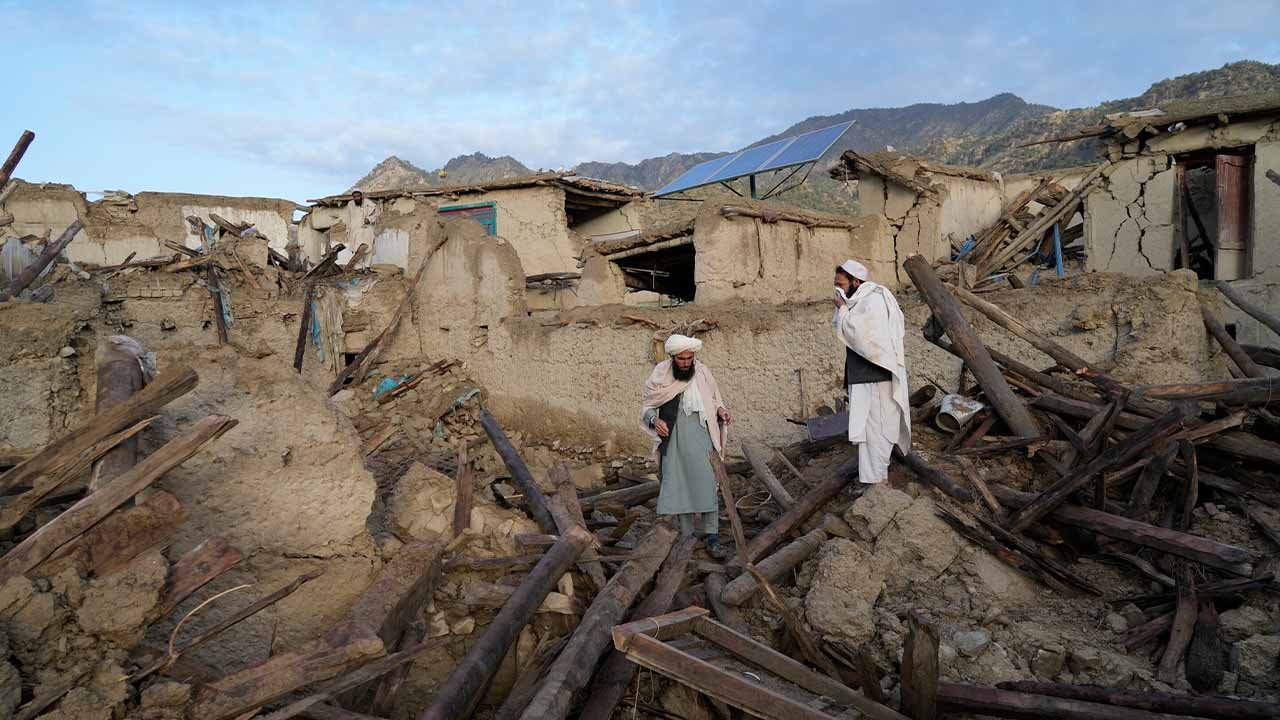
    A 6.1-magnitude earthquake that struck Afghanistan early on Wednesday left 950 people dead, and more than 600 injured. The death toll is expected to rise as news from isolated mountain villages trickles in, according to a report by Reuters.

    Images posted on Afghan media showed houses in ruins and bodies lying on the ground covered in blankets.

    According to Salahuddin Ayubi, an official with the interior ministry, helicopters were used in the rescue effort to transport food and medical supplies to the injured.

    The earthquake on Wednesday was the deadliest since 2002. The US Geological Survey (USGC) reported that it struck about 44 kilometres (27 miles) from the southeast Afghan city of Khost, close to the Pakistani border.

  • Pharmaceutical industry wants to raise drug prices by 25 per cent

    Pharmaceutical industry wants to raise drug prices by 25 per cent

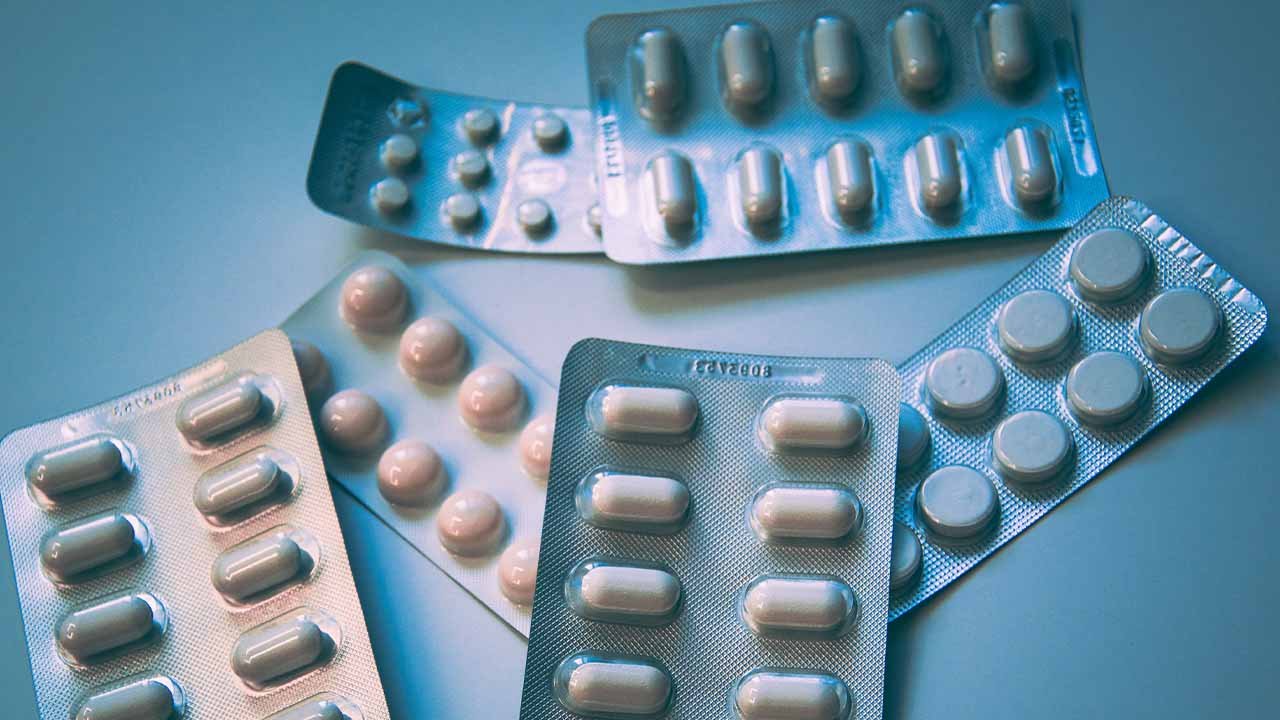
    The government is given the deadline of June 30 to accept the pharmaceutical industry’s demands, or the cash-strapped sector will have no choice but to shut down.

    In order to prevent the collapse of the industry, Qazi Mansoor Dilawar, chairman of the Pakistan Pharmaceutical Manufacturers Association (PPMA), called for the refund of Rs40 billion that the government had collected as sales tax on the import of raw materials, the removal of the 17 per cent sales tax, and a 20 to 25 per cent increase in the price of medications during a press conference at the National Press Club.

    He also called for a 20 per cent increase in the maximum retail price (MRP). According to him, there is already a shortage of about 40 medicines on the market, and if immediate action is not taken, the shortage will grow alarmingly large.

    Dilawar claimed that the previous administration had pledged to refund the sales tax that had been imposed as a result of IMF pressure within 48 hours, but regretted that no mechanism had yet been established, preventing the refund of a significant Rs40 billion.

    The problem was made worse by a three-fold increase in the price of raw materials, a massive increase in freight costs, an increase in the price of fuel and electricity, and a drop in the value of the rupee. He added that 95 per cent of the raw materials used in the sector had to be imported.

    The president of the PPMA dismissed the notion that the industry was reaping huge profits by mentioning that many medications had costs that were higher than their retail prices.

    He asserted that about 70 per cent of Pakistani medications were less expensive than those found in India and Bangladesh.

    In response to a question, he stated that while there was much discussion about the increase in 600 drug prices after 13 years under the PTI government, there was little discussion of the decrease in 400 drug prices.

    The industry was not prepared to handle the challenge this time, according to the former PPMA chairman Qaisar Waheed, who also spoke about the recent increase in Covid-19 cases, particularly in Sindh.