Category: Business

The most important business news, explained in a young, easy to understand way. News that affects young career professionals.

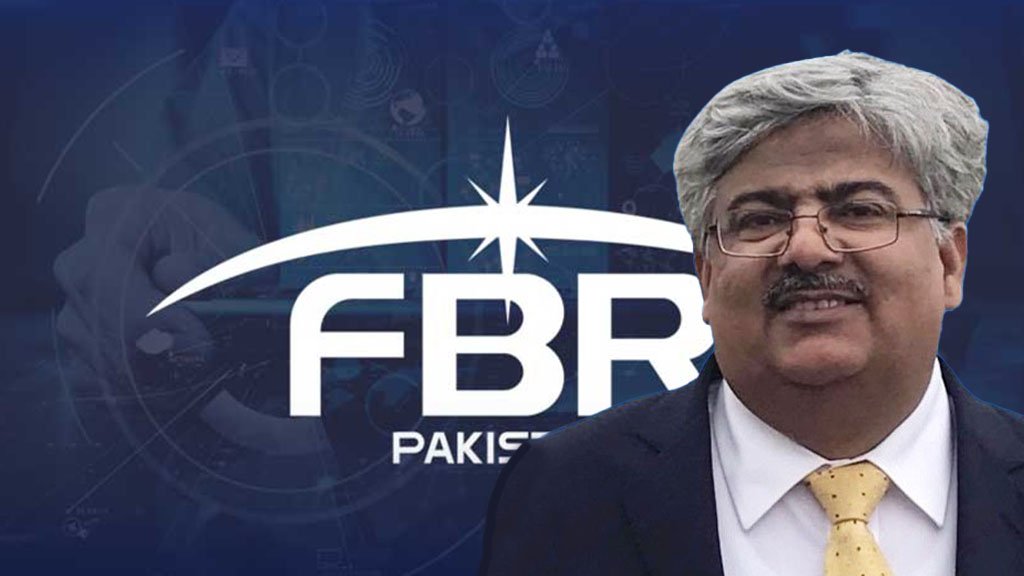
  • Rashid Mahmood Langrial appointed as chairman of FBR

    Rashid Mahmood Langrial appointed as chairman of FBR

    The government has appointed Rashid Mahmood Langrial, currently Secretary of the Power Division, as the new Chairman of the Federal Board of Revenue (FBR). This announcement was made through a notice from the Cabinet Secretariat Establishment Division.

    According to the notice, “Rashid Mahmood, a BS-21 officer of the Pakistan Administrative Service and presently serving as Secretary of the Power Division, is transferred and appointed as Chairman of the Federal Board of Revenue, with immediate effect, in accordance with Section 10 of the Civil Servants Act, 1973.”

    Langrial, who entered the civil service in 1995, boasts a diverse career across various sectors.

    His previous roles include Chief Secretary of Gilgit-Baltistan, Commissioner of Lahore Division, Secretary of Agriculture in Punjab, Chief Executive Officer of the National Power Parks Management Company (NPPMCL), Chairperson of the Lahore Ring Road Authority, and Secretary of Tourism in Khyber Pakhtunkhwa.

    Earlier in his career, he also served as Assistant Commissioner in Sindh and as Deputy Secretary in the Punjab Secretariat.
  • SBP report reveals Rs140 billion decline in Pakistan’s broad money supply

    SBP report reveals Rs140 billion decline in Pakistan’s broad money supply

    As of July 26, 2024, Pakistan’s broad money supply, known as M2, has decreased by Rs140.43 billion week-on-week, bringing the total to Rs35.15 trillion, according to provisional data from the State Bank of Pakistan (SBP).

    This represents a notable reduction from Rs36.56 trillion recorded at the end of the previous fiscal year in June 2024, marking a decline of Rs1.41 trillion.

    A closer look at M2 components reveals a decrease in currency circulation. As of the latest report, currency in circulation has fallen by Rs158.06 billion week-on-week to Rs9.07 trillion. Compared to the end of June 2024, this reflects a reduction of Rs83.01 billion from Rs9.15 trillion.

    The proportion of currency in circulation relative to M2 stands at 25.81 per cent, down from 26.15 per cent the previous week and slightly higher than 25.04 per cent in June 2024.

    Total deposits held with banks have reached Rs25.93 trillion, showing a week-on-week increase of Rs18.1 billion. However, this figure marks a decrease of Rs1.31 trillion since the start of the fiscal year. It is important to note that these deposits exclude inter-bank deposits, government deposits, and foreign constituents.

    Currency in circulation includes all banknotes and coins held by the public and financial institutions. In Pakistan, M2 is the primary measure of broad money, calculated on the liability side as the sum of currency in circulation, total non-government sector deposits (including residents’ foreign currency deposits), and other deposits with the SBP.

    On the asset side, M2 comprises net domestic assets and net foreign assets of the banking system, including both the SBP and scheduled banks.

  • Pakistan hires Chinese adviser to facilitate Panda Bond issuance

    Pakistan hires Chinese adviser to facilitate Panda Bond issuance

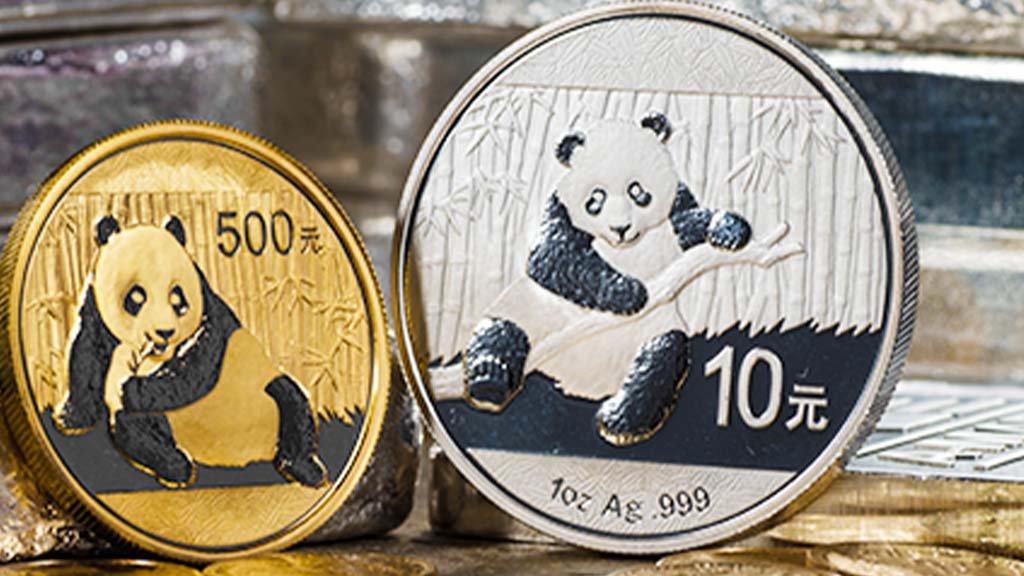
    In a strategic effort to reintegrate into the international capital markets, Pakistan has appointed a Chinese adviser to aid in the issuance of Panda Bonds, Finance Minister Muhammad Aurangzeb announced during a press briefing following a Senate Standing Committee on Finance meeting.

    The move follows reports of interest from five Chinese banks in participating in the issuance of these bonds. Finance Minister Aurangzeb had previously indicated a strong interest in attracting Chinese investors, with plans to issue up to $300 million in Panda Bonds within the year.

    During the briefing, Minister Aurangzeb also addressed Pakistan’s current economic situation, revealing a financing gap of between $3 and $5 billion that needs to be addressed under the ongoing IMF programme.

    The government is actively seeking to bridge this gap while avoiding high-interest loans from international commercial banks, which could place a significant burden on the country’s finances.

    Regarding the extended IMF programme, Aurangzeb confirmed that he is maintaining regular communications with the global lender, with the IMF Executive Board meeting scheduled for the end of the month.

  • Gold price falls slightly by Rs500 to Rs256,000 per tola

    Gold price falls slightly by Rs500 to Rs256,000 per tola

    Gold prices in Pakistan held steady on Monday, even as global markets experienced significant fluctuations due to concerns over a potential slowdown in the US economy.

    According to the Karachi Sarafa Association, the price of 24-karat gold remained at Rs256,000 per tola, reflecting a modest decline of Rs500.

    In contrast, international markets saw a dramatic decline in spot gold prices, which plummeted by as much as 3.2 per cent in the previous session—the largest intraday drop since early June.

    By the end of the trading day, gold prices had recovered somewhat but still closed 1.2 per cent lower. The metal traded within a volatile range of over $90, driven by fears of a deeper economic slowdown in the US.

    The VIX index, which gauges market volatility, surged by 180 per cent to 65.7, marking its highest level since the COVID-19 crisis in 2020. Concurrently, spot silver prices fell by 4.6 per cent globally, which would have equated to a loss of approximately Rs130 per tola in Pakistan.

    Despite these global declines, the Sarafa Association reported that the price of 24-karat silver in Pakistan was Rs2,850 per tola, only down by Rs50.

  • Pakistan produces 11.15 million smartphones, 6.19 million 2G mobiles in first half of 2024

    Pakistan produces 11.15 million smartphones, 6.19 million 2G mobiles in first half of 2024

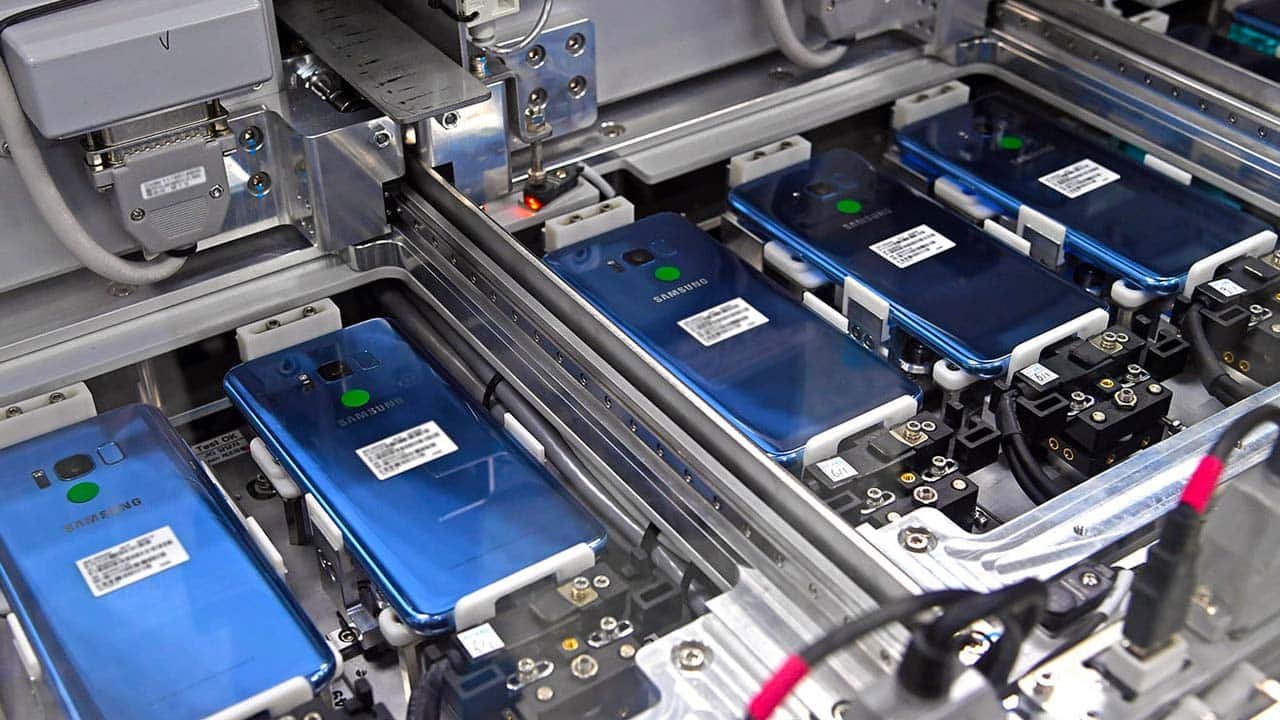
    During the first half of 2024 (January-June), Pakistan’s local mobile assembly and manufacturing sector produced a total of 17.34 million mobile phones. In contrast, commercial imports for the same period amounted to 0.84 million units.

    Breaking down the local production figures, 11.15 million of these devices were smartphones, while 6.19 million were 2G models.

    Notably, Infinix emerged as the leading manufacturer, producing 2.49 million units during the first half of the year. It was followed by TECNO and Itel, which manufactured 1.89 million and 1.83 million units respectively.

    The industry has faced challenges, with production figures showing a downward trend since 2022. Economic difficulties and rising interest rates have constrained local manufacturing.

    In 2021, the Pakistan Telecommunication Authority (PTA) reported a production of 24.66 million devices, but this dropped to 21.28 million in 2023, a decrease of approximately 13.71 per cent.

    Commercial imports have also seen a significant decline, falling from 24.51 million units in 2020 to just 1.58 million in 2023. This drop is largely attributed to import restrictions imposed by the central bank, aimed at narrowing the trade deficit and conserving foreign currency.

    Despite these challenges, the penetration of smartphones in Pakistan has increased, with the proportion of smartphone users on the national network rising to 61 per cent in 2024, up from 59 per cent in 2023 and 56 per cent in 2022.

    Conversely, the share of 2G devices has decreased to 39 per cent, down from 41 per cent in 2023 and 44 per cent in 2022.

    This evolving landscape reflects both the resilience and adaptability of the local mobile industry amidst economic fluctuations and regulatory changes.

  • Govt planning to increase sales tax on tractors by up to 14%

    Govt planning to increase sales tax on tractors by up to 14%

    The federal government is poised to increase the sales tax on tractors in Pakistan from 10 per cent to 14 per cent, a move that is expected to raise the cost of these essential agricultural machines.

    In the 2024-25 budget, the government removed the previous exemption and introduced a 10 per cent sales tax on tractors.

    However, recent discussions within the Federal Board of Revenue (FBR) have led to a proposal for further increasing this tax to 14 per cent.

    Sources revealed to Business Recorder that the FBR has finalised this proposal, which now awaits Cabinet approval. The Finance Ministry has already forwarded a summary to the Cabinet for review.

    The rationale behind this proposed increase is to address an issue with refunds in the tractor industry. Currently, the 10 per cent sales tax does not fully account for the input tax credits, as the standard sales tax rate is 18 per cent.

    This discrepancy leads to refunds being issued to the industry, which the government aims to curtail by raising the tax rate.

    Since the Finance Act 2024, a 10 per cent sales tax has been in effect on tractors from 1 July 2024, replacing the previous exemption.

    The proposed hike to 14 per cent is intended to mitigate the refund issue and align the tax regime more closely with the standard rate.

  • Pak Suzuki initiates vehicle exports to Bangladesh and Afghanistan with SIFC support

    Pak Suzuki initiates vehicle exports to Bangladesh and Afghanistan with SIFC support

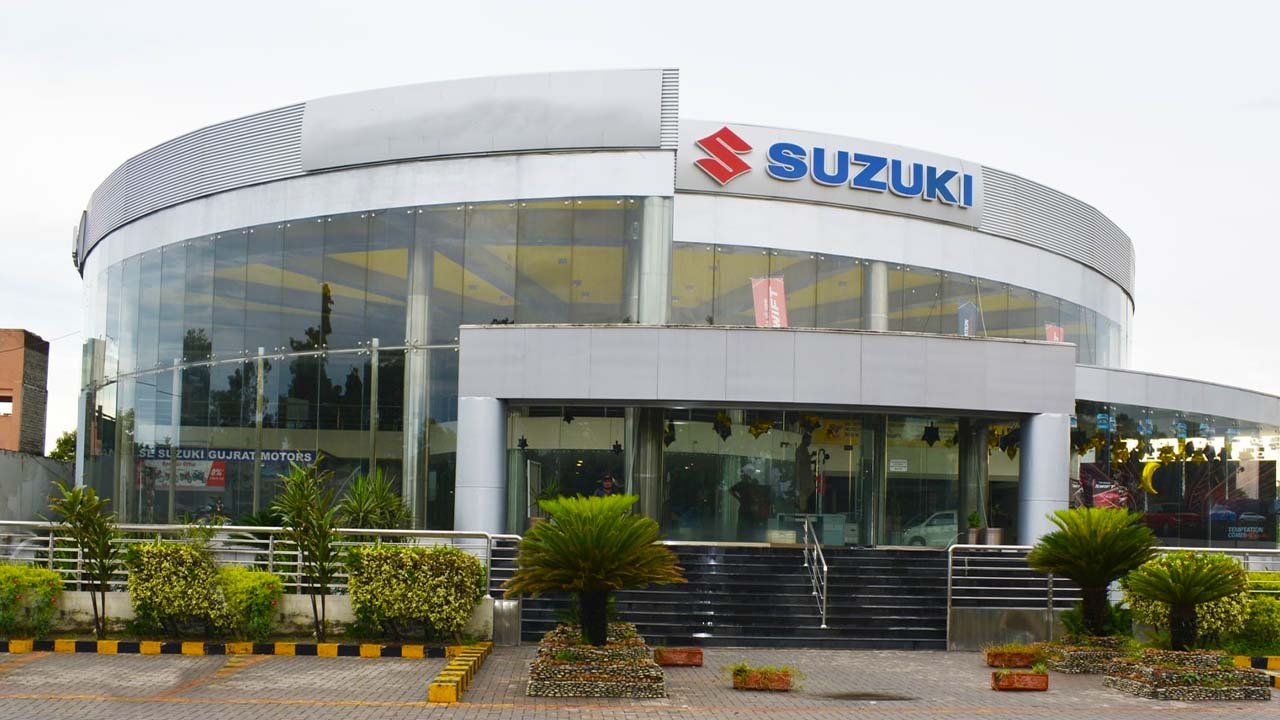
    Pak Suzuki Motor Company Limited (PSMC) has commenced exporting vehicles to Bangladesh and Afghanistan, thanks to the facilitation efforts of the Special Investment Facilitation Council (SIFC).

    The announcement was made by PSMC’s CEO, Hiroshi Kawamura, during the inauguration of the new Suzuki Vendor Cluster Area.

    Since 1997, Pak Suzuki has been exporting vehicles and auto parts, including software and motorcycle accessories, to Japan. This recent expansion underscores the competitive quality of Pakistani-made vehicles on the global stage.

    During the inauguration, Minister for Industries & Production, Rana Tanveer Hussain, highlighted that the new Suzuki Vendor Cluster Area aims to broaden Pak Suzuki’s network of local suppliers. This initiative is expected to enhance operational efficiency and reduce costs through improved localised supply chain management.

    In related news, the Pakistan Credit Rating Agency Limited (PACRA) has affirmed Pak Suzuki’s credit ratings, maintaining its long-term rating at “AA-” and its short-term rating at “A1” with a stable outlook.

    PACRA attributes these ratings to Pak Suzuki’s strong business profile and its significant standing among leading auto OEMs in Pakistan. The ratings are further bolstered by the support from Suzuki Motor Corporation, Japan (SMC-Japan), which provides extensive backing to the company.

  • PM Shehbaz reaffirms commitment to bring electricity prices down

    PM Shehbaz reaffirms commitment to bring electricity prices down

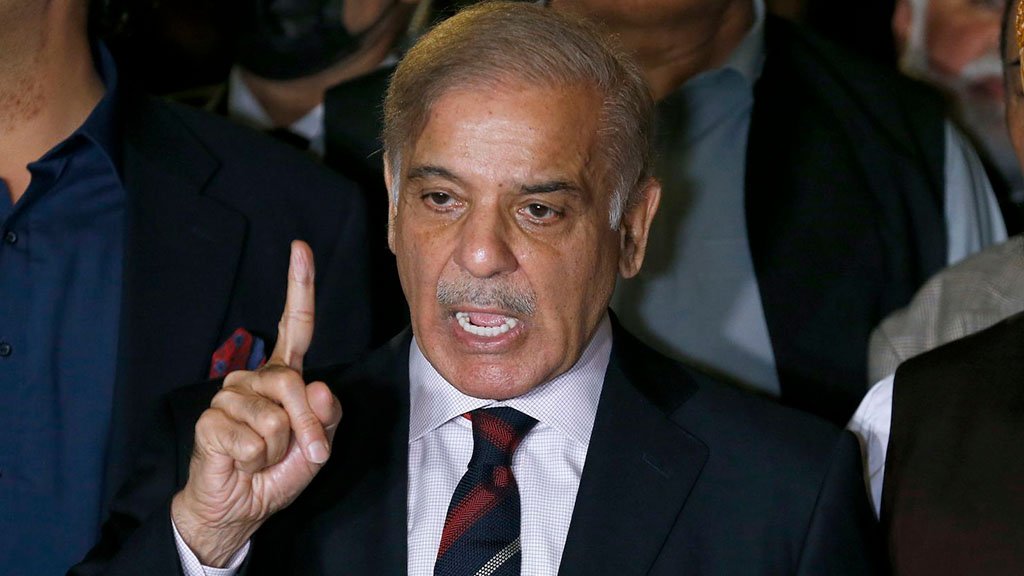
    Prime Minister Shehbaz Sharif has reaffirmed the government’s commitment to reducing electricity bills amid ongoing protests across Pakistan over soaring power costs.

    Speaking at a cabinet meeting in Islamabad on Friday, PM Shehbaz emphasised that the issue of electricity tariffs should not be politicised, describing such actions as an insult to the public.

    PM Shehbaz’s comments come in response to widespread demonstrations led by Jamaat-e-Islami (JI) and other groups. Protesters, who have rallied in various cities and blocked major roads, are demanding the removal of taxes that have contributed to a significant increase in electricity bills.

    The escalating energy costs have particularly burdened low- and middle-income households.

    Despite negotiations between the government and protest leaders, there has been no indication that their demands will be met. JI Emir Hafiz Naeem ur Rehman has stated that the party is prepared to maintain its protests to oppose the government’s stance on rising electricity prices.

    The federal government implemented a 26 per cent increase in electricity rates for the last fiscal year, which ended on June 30. On July 13, an additional 20 per cent hike was introduced, compounding the financial strain on consumers already grappling with high inflation.

    Experts have suggested that no immediate reduction in electricity prices is expected due to the government’s reliance on energy and petroleum products as sources of revenue.

    During the cabinet meeting, Sharif acknowledged the financial burden on the salaried class, revealing that the government has allocated Rs50 billion to support consumers through July, August, and September.

    Additionally, he noted that the government has reduced electricity costs for industries by Rs8.5 per unit and continues to protect consumers using up to 200 units of electricity.

    Sharif emphasised that while some taxation is necessary, excessive tax burdens on taxpayers are not justified.

  • Gold price hits all-time high of Rs257,300 after Rs2,400 surge per tola

    Gold price hits all-time high of Rs257,300 after Rs2,400 surge per tola

    Gold prices in Pakistan soared to a record high following remarks from US Federal Reserve Chair Jerome Powell, who suggested that an interest rate cut might be considered as early as September.

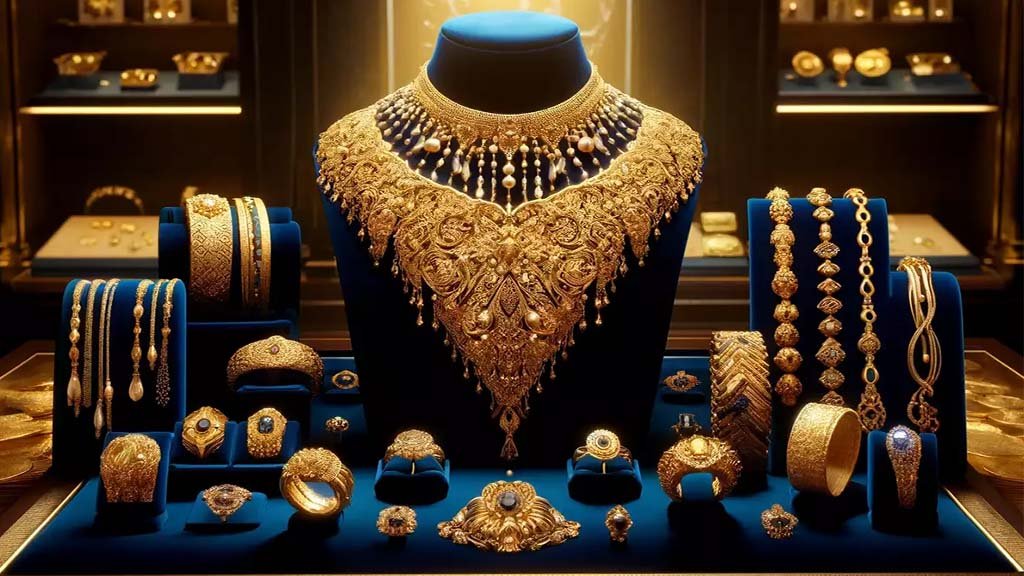
    The price of 24-karat gold surged by Rs2,400, reaching Rs257,300 per tola. On the international stage, spot gold prices climbed to around $2,460 per ounce, marking a 3 per cent increase for the week.

    Powell, speaking at a press conference after the Fed’s decision to maintain its benchmark interest rate, indicated that if economic data remains favourable, the central bank could potentially reduce interest rates during its next meeting on September 17-18.

    In Pakistan, 24-karat gold has risen by Rs37,300 per tola, or 17 per cent, since the start of the year. This compares to a 24.5 per cent gain in the country’s key stock index over the same period.

    The Karachi Sarafa Association reported the price of 24-karat gold at Rs220,593 per 10-gramme, up by Rs2,057. Additionally, 22-karat gold was priced at Rs202,210 per 10-gramme.

    Meanwhile, silver prices in the domestic market remained stable, with 24-karat silver selling for Rs2,900 per tola and Rs2,486 per 10-gramme.

  • Pakistan’s yearly inflation rate falls to 11.1 per cent in July 2024

    Pakistan’s yearly inflation rate falls to 11.1 per cent in July 2024

    In July 2024, Pakistan’s Consumer Price Index (CPI)-based inflation decreased to 11.1 per cent year-on-year, down from 12.6 per cent in June 2024 and a substantial 28.3 per cent in July 2023, according to data from the Pakistan Bureau of Statistics (PBS).

    On a month-on-month basis, the CPI inflation rose by 2.1 per cent in July 2024, a significant increase from the 0.5 per cent recorded in June 2024 but a slower rise compared to the 3.5 per cent increase in July 2023.

    The data further reveals that urban CPI inflation climbed to 13.2 per cent year-on-year in July 2024, up from 14.9 per cent in June 2024 and down from 26.3 per cent in July 2023. Month-on-month, urban CPI inflation increased by 2.0 per cent, up from 0.6 per cent in the previous month but lower than the 3.6 per cent recorded in July 2023.

    For rural areas, CPI inflation rose by 8.1 per cent year-on-year in July 2024, compared to 9.3 per cent in June 2024 and 31.3 per cent in July 2023. On a month-on-month basis, rural CPI inflation increased by 2.2 per cent, a jump from 0.3 per cent in June 2024 but slightly lower than the 3.3 per cent rise in July 2023.

    The Sensitive Price Indicator (SPI) inflation saw a year-on-year increase of 15.7 per cent in July 2024, down from 16.6 per cent in June 2024 and 29.3 per cent in July 2023. Month-on-month, SPI inflation rose by 2.0 per cent, up from 1.3 per cent in June 2024 and slightly lower than the 2.8 per cent increase in July 2023.

    The Wholesale Price Index (WPI) inflation was recorded at 10.4 per cent year-on-year in July 2024, compared to 10.6 per cent in the previous month and 23.1 per cent in July 2023. On a month-on-month basis, WPI inflation rose by 2.3 per cent, up from 0.4 per cent in June 2024 and similar to the 2.5 per cent rise in July 2023.