Category: Business

The most important business news, explained in a young, easy to understand way. News that affects young career professionals.

  • SpaceX fires employees involved in letter criticising CEO Elon Musk

    SpaceX fires employees involved in letter criticising CEO Elon Musk

    Elon Musk’s SpaceX has fired several employees as a result of a letter criticising the vocal billionaire’s public behaviour, according to a message to employees confirmed by AFP on Friday.

    SpaceX chief operating officer Gwynne Shotwell wrote in an email late Thursday that a “small group” of employees sought signatures from their coworkers as a show of support for the letter and participation in a survey.

    The mercurial billionaire uses Twitter on a regular basis to provoke, speak directly to customers and fans, and occasionally offend with unfiltered or crude remarks.

    According to Shotwell’s message, some employees felt “uncomfortable, intimidated, and bullied, and/or angry” because the letter pushed them to sign something that didn’t reflect their beliefs.

    “We have too much important work to do,” she continued, “and we don’t need this kind of overreaching activism”.

    The company “terminated a number of employees involved” after conducting an investigation, Shotwell said, without specifying how many.

    Musk’s public behaviour, as well as recent allegations of sexual harassment against him, were cited in the workers’ letter as “a frequent source of distraction and embarrassment for us,” according to The Verge.

    “Elon is seen as the face of SpaceX as our CEO and most visible spokesperson – every Tweet Elon sends is a de facto public statement by the company,” the letter continued.

    Musk, who also runs Tesla, is in the middle of a roller-coaster $44 billion bid to buy Twitter, which has heightened interest in the investor.

  • Food price hikes pushes weekly inflation to 3.38 per cent

    Food price hikes pushes weekly inflation to 3.38 per cent

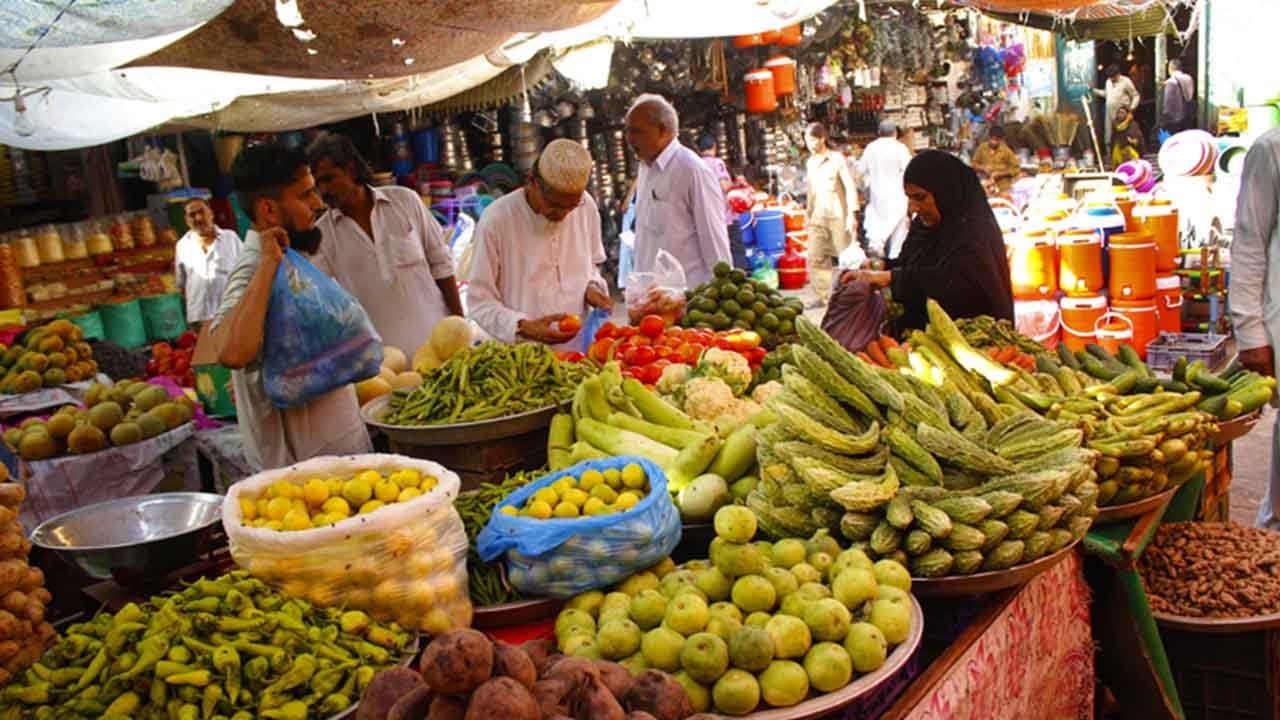
    According to the Pakistan Bureau of Statistics (PBS), the Sensitive Price Indicator (SPI) for the week ended June 16, 2022, surged by 3.38 per cent due to increases in the prices of food and non-food items.

    The year-over-year (YoY) trend indicates a 27.82 per cent rise, owing primarily to an increase in rates of following:

    Onions (135.31 per cent), diesel (132.61 per cent), tomatoes (117.27 per cent), petrol (110.16 per cent), vegetable ghee 1 kg (81.76 per cent), mustard oil (80.88 per cent), pulse Masoor (74.77 per cent), cooking oil 5 litre (71.52 per cent), vegetable ghee 2.5 kg (68.47 per cent), LPG (60.97 per cent), garlic (57.72 per cent), washing soap (52.73 per cent), garlic (57.72 per cent (51.11 per cent).

    On the flip side, a considerable decrease was reported in prices of chilli powder (43.42 per cent), pulse Moong (18.06 per cent), sugar (10.79 per cent), bananas (0.83 per cent), gur (0.45 per cent).

    According to the most recent data, the SPI increased from 182.88 per cent to 189.07 per cent during the week ended June 9, 2022.

    The SPI increased by 2.85 per cent, 3.45 per cent, 3.10 per cent, 3.12 per cent, and 3.10 per cent for consumption groups up to Rs17,732 and Rs17,733 to Rs22,888, Rs22,889 to Rs29,517, and Rs29,518 to Rs44,175 and above Rs44,175 respectively.

    According to the PBS, out of 51 items, 36 (70.59 per cent) increased in price, 06 (11.76 per cent) decreased in price, and 09 (17.65 per cent) remained stable during the week.

    Increase: Vegetable ghee Dalda/Habib or other superior quality 1 kg pouch each (4.95 per cent), tea prepared (4.83 per cent), bread plain (4.37 per cent), toilet soap Lifebuoy (4.13 per cent), pulse Masoor (3.50 per cent), cooking oil Dalda 5 litre tin each (2.87 per cent), Sufi washing soap (2.33 per cent), mustard oil (2.24 per cent), vegetable ghee Dalda/Habib 2.5 kg tin each (1.93 per cent), pulse Mash (1.71 per cent), beef with bone (1.50 per cent), energy saver (1.04 per cent), curd (1.01 per cent), mutton (0.89 per cent), eggs (0.85 per cent), salt powdered (0.79 per cent), lawn printed Gul Ahmed/Al Karam (0.77 per cent), basmati broken (0.68 per cent), garlic (0.59 per cent), tomatoes (0.49 per cent), milk fresh (0.45 per cent), powdered milk Nido (0.41 per cent).

  • Here’s a look at the world’s first V12 supercar from ’60s

    Here’s a look at the world’s first V12 supercar from ’60s

    When the Lamborghini Miura first appeared in 1966, it set new records as the world’s fastest production vehicle. The Miura set the standard for sports cars at the time, achieving a top speed of 280 km/h and accelerating from 0 to 100 km/h in 6.7 seconds. It is widely regarded as the first supercar.

    Ferruccio Lamborghini founded his sports car company in an attempt to compete with Ferrari. His first car, the 350GT, launched in 1964 and was instantaneously praised as a worthy rival to modern Ferrari grand tourers. But it was his second car, the mid-engined Miura, that really hurt Maranello.

    Miura held a unique place in automotive history. It was regarded as the world’s first “supercar,” a term coined by automotive writer LJK Setright to describe this vehicle’s exotic appearance, advanced design, and incredible performance. The latter may have been overstated by Lamborghini, who initially claimed it could reach 300 km/h.

    The Miura was dubbed a supercar for its advanced mid-engined design. At the time, mid-engined setups were thought to be either impossible or unnecessary for road cars (among them included Enzo Ferrari). Prior to the Lamborghini, a few cars attempted to use it on the road, but the majority of them were actually road-legal race cars, such as the 1954 Porsche 550 Spyder or 1964 Ford GT40.

    Only the De Tomaso Vallelunga, which debuted a year before Miura, was a true mid-engined road car. Of course, the 4-cylinder De Tomaso was not a supercar. Lamborghini was the first to use a mid-engine in a serious performance vehicle.

    The most significant contribution Miura made to history was launching a two-horse supercar race between Lamborghini and Ferrari. In 1969, Ferrari reclaimed the world’s fastest car title from Miura with the Daytona 365GTB/4.

    In 1974, Lamborghini responded with the even more ambitious Countach, and Ferrari responded with the 365/512BB. In 2022, the ‘supercar war’ is still going on.

  • Intra-day trade: Pakistani rupee touches Rs207.7 against US dollar

    Intra-day trade: Pakistani rupee touches Rs207.7 against US dollar

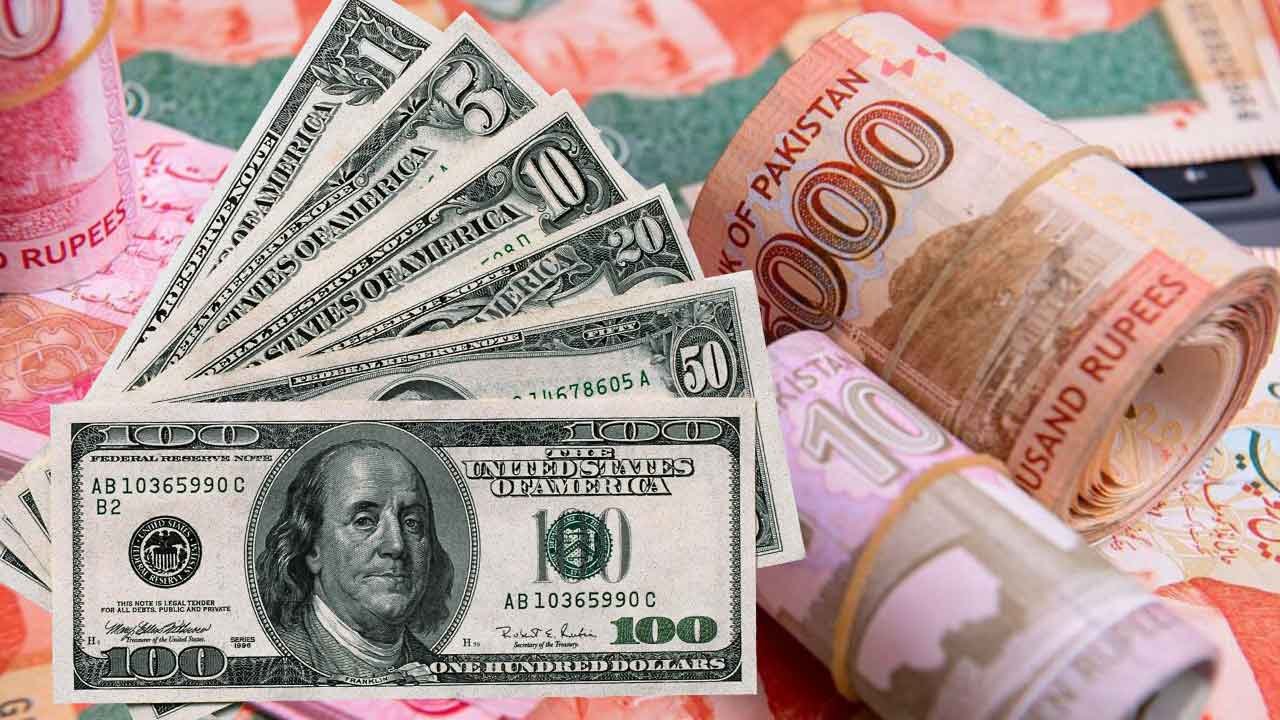
    In intra-day trade in the inter-bank market on Thursday, the local currency sank to Rs207.7 against the US dollar, continuing its downward trend.

    The rupee hit an all-time low against the dollar on Wednesday, closing at Rs206.46.

    This was partly due to the strengthening of the dollar on the international stage, but it was also due to the local currency market anticipating a greater increase in inflation.

    Finance Minister Miftah Ismail had previously stated that the government’s budget for 2022-23, which was announced last week, failed to persuade the International Monetary Fund (IMF) to disburse the next tranche of Pakistan’s $6 billion loan programme, and that changes to the finance bill would be required.

    The finance minister has declared unequivocally that the IMF is dissatisfied with the budget and that it will be revised.

    Experts believe that the rupee would only stabilise if the amendments are put into the Finance Act. He predicted that the local currency will remain volatile in the coming days.

    Pakistan’s government announced a third increase in petroleum prices in less than three weeks late Wednesday, as it tries to placate the IMF, which has emphasised the elimination of energy subsidies in order to resuscitate its bailout programme.

    The next payment of the IMF scheme is slated to give Pakistan $900 million, but the global lender has put the programme on hold due to a variety of circumstances, including fuel subsidies and a worsening current account deficit. It has also stated that greater direct taxes are required.

  • OGDCL confirms gas discovery near Ghotki, Sindh

    OGDCL confirms gas discovery near Ghotki, Sindh

    On Wednesday, the Oil and Gas Development Company Limited (OGDCL) announced the finding of gas from an exploration well near Ghotki, Sindh.

    “The joint venture (JV) of Guddu Block comprising Oil & Gas Development Company Limited as an operator (70 per cent), SPUD Energy PTY Limited (SEPL) (13.5 per cent), IPR Transoil Corporation (IPRTOC) (11.5 per cent), and Government Holdings (Private) Limited (GHPL) (5 percent) has discovered Gas from an exploratory well namely Umair South East # 01, which is located in District Ghotki, Sindh,” the company stated in a notice.

    The Umair South East # 01 well, according to OGDCL, was spudded on May 9, 2022, as an exploration well to investigate the hydrocarbon potential of the Pirkoh Formation and Habib Rahi Limestone (HRL) to a projected depth of 785m.

    “Based on the interpretation of wireline logs, successful Drill Stem Test-1 in HRL tested 1.063 million standard cubic feet per day (mmscfd) gas through choke size 32/64” at 210 pounds per square inch (PSi) Well Head Flowing Pressure (WHFP)”.

    The finding of Umair South East-1 is the outcome of Guddu Joint Venture Partners’ aggressive exploration approach, according to the Pakistani oil and gas business.

    “It has opened a new route and will favourably contribute to alleviating energy demand and supply gaps from indigenous resources, while also adding to OGDCL’s and the country’s hydrocarbon reserves base,” it said.

    The discovery comes at a fortunate time for Pakistan, which has recently experienced huge power outages and a gas scarcity.

    Mari Petroleum Company Limited (MPCL) discovered gas/condensate earlier this month in the Bannu West-1 ST-1 Exploration Well, which was drilled in the Bannu West Block in North Waziristan, Khyber Pakhtunkhwa.

  • Pakistan pushed into darkness due to Europe’s decision to cut off Russian fuel

    Pakistan pushed into darkness due to Europe’s decision to cut off Russian fuel

    The European attempt to abandon Russian oil is intended to punish Moscow for its invasion of Ukraine. It’s also wreaking havoc thousands of miles away, throwing Pakistan into darkness, destabilising one regime, and jeopardising the country’s new leadership’s stability.

    According to Bloomberg, Pakistan invested heavily in liquefied natural gas and inked long-term contracts with Italian and Qatari suppliers. Some of those suppliers have now defaulted, although continuing to sell into the more lucrative European market, putting Pakistan in the very situation it hoped to avoid.

    The country took particular precautions a decade ago to protect itself from the sorts of price increases that are currently shaking the market.

    Last month, the government spent about $100 million on a single LNG shipment from the spot market to avert outages during the Eid holiday, a record for the cash-strapped country.

    The country’s LNG costs could reach $5 billion in the fiscal year ending in July, more than double what they were a year ago. Even still, the government is powerless to protect its citizens: the IMF is in talks to bail out the country on the condition that it reduces fuel and energy subsidies.

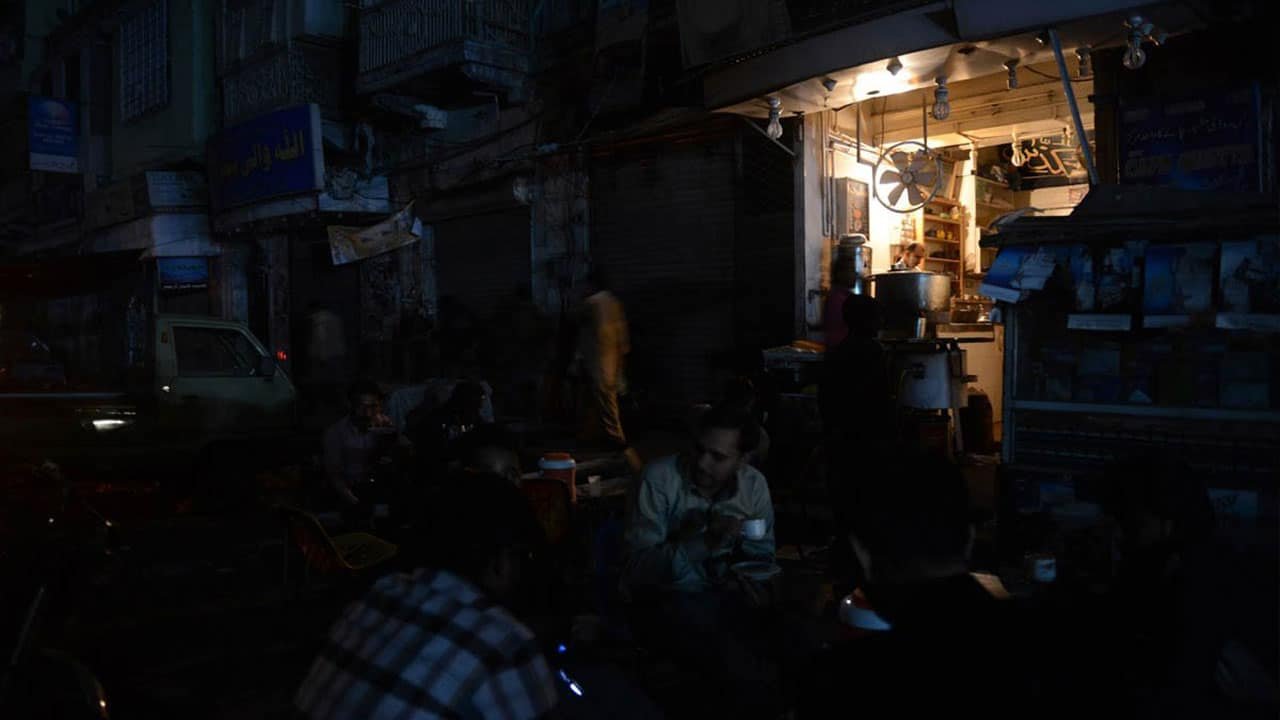
    Outages lasting more than 12 hours

    Parts of Pakistan are currently suffering scheduled blackouts lasting more than 12 hours, reducing the ability of air conditioning to provide respite during the current heat wave. The former prime minister continues to gather enormous audiences to demonstrations and marches, exacerbating voters’ discontent with 13.8 per cent inflation. The hosts of prime-time talk shows frequently discuss how Pakistan will obtain the petroleum it requires and how much it would have to spend.

    The administration introduced a fresh set of energy-saving measures last week. Civil servants were relieved of their normal Saturday shifts, and the security budget was slashed by half.

    Prime Minister (PM) Shehbaz Sharif remarked in an April tweet before of the Eid holiday, “I am acutely aware of the sufferings people are facing”. That same week, he ordered his government to resume purchasing costly overseas natural gas shipments.

    He also warned earlier this month that they don’t have the money to keep importing gas from other countries.

    Rerouted supply to power plants

    There will be more than just outages as a result of the supply shortage. The government has rerouted existing natural gas supply to power plants, causing fertiliser manufacturers to be shortchanged. This approach could jeopardise the next harvest, resulting in even higher food prices the following year. Backup generators are being used by cellphone towers to keep service going during the blackouts, but they, too, are running out of fuel.

    There’s not much hope in the future. LNG prices have risen by over 1,000 per cent in the previous two years, first due to post-pandemic demand and subsequently due to Russia’s invasion of Ukraine. Russia is Europe’s largest natural gas supplier, and the possibility of supply disruptions pushed spot rates to an all-time high in March.

    Increasing LNG demand in Europe

    Meanwhile, Europe is increasing its need for LNG. Europe’s LNG imports have increased by 50 per cent so far this year compared to the same period last year, and show no signs of slowing down. As they cut ties with President Vladimir Putin’s regime over the crisis in Ukraine, European Union policymakers created a plan to considerably increase LNG deliveries as an alternative to Russian gas.

    Floating import terminals are being built at a breakneck pace in countries like Germany and the Netherlands, with the first ones set to open in the next six months.

    “Europe is draining LNG from the rest of the globe,” according to Steve Hill, executive vice president of Shell Plc, the world’s largest LNG trader. “However, this means that less LNG will be sent to developing markets”.

    Pakistan was formerly thought to be the LNG industry’s bright future. Demand for the fuel had peaked in developed markets by the mid-2010s. However, technological developments had reduced the costs and time it took to build import terminals, and new gas sources had reduced the cost of the fuel itself.

    Poor nations could finally contemplate the gasoline at the new, lower prices. Suppliers flocked to these new markets, and when Pakistan published a request for long-term LNG supply, over a dozen businesses competed for the contract.

    Pakistan chose Italy’s Gunvor Group Ltd to sell LNG to the country for the next decade in 2017. The terms were favourable at the time, and the prices were lower than those of a comparable arrangement struck with Qatar the previous year.

    Delay in supplies

    However, due to the rise in European gas prices, the two suppliers have postponed more than a dozen shipments slated for delivery between October 2021 and June 2022.

    According to Bruce Robertson, an expert at the Institute for Energy Economics and Financial Analysis, such defaults are nearly unheard of in the LNG market. Bloomberg spoke with traders and industry insiders who couldn’t recall the last time so many cargoes were rejected without being linked to a big outage at an export terminal.

    Eni and Gunvor stated they had to cancel because they were experiencing their own supply problems and didn’t have enough LNG to export to Pakistan. When exporters confront such difficulties, they typically replace deliveries by purchasing a consignment on the spot market, but Eni and Gunvor have not done so.

    Vendors are generally averse to cancelling orders. It harms the company connection and is often extremely costly. In established markets, fines for “failure to deliver” might be as high as 100 per cent.

    “It’s quite rare for LNG suppliers to renege on long-term contracts beyond force majeure occurrences,” says Valery Chow, an analyst at Wood Mackenzie Ltd.

    Pakistan’s contracts stipulated a lower cancellation penalty of 30 per cent, most probably in exchange for cheaper overall costs. The European spot market prices are currently high enough to more than compensate for the penalties.

    Pakistan’s $12 million LNG supply contract

    As per sources, an LNG supply to Pakistan for delivery in May under a long-term contract would cost $12 per million British thermal units. In comparison, spot cargoes to Europe for May delivery were trading for more than $30. Eni and Gunvor have kept their promises to customers in the region.

    As a result, Pakistan is back to square one, in a weaker negotiation position than before. After a dispute with Pakistan’s army over a variety of problems, including his management of energy supply and the greater economy, Prime Minister Imran Khan was deposed in April.

    Shehbaz Sharif, the new prime minister, has directed the state-owned importer to obtain the petroleum at any cost in order to end the debilitating blackouts. It’s also attempting to reach new long-term LNG purchase agreements, albeit the conditions will almost probably be harsher than six years ago.

    High risk of default

    The cost is having its own cascading repercussions. The government is now “at high risk of default,” according to a paper published last month by the Institute for Energy Economics and Financial Analysis. Moody’s Investors Service reduced Pakistan’s outlook from stable to negative, citing financial worries including a potential IMF bailout delay.

    Pakistan’s dependency on LNG, as well as its suppliers’ tendency to default, has exacerbated the country’s energy dilemma. Pakistan isn’t alone in this regard. Emerging economies all around the world are trying to meet their residents’ requirements while staying within their budget restrictions.

    It has also prompted them to purchase electricity from Russia, reducing the impact of Europe’s attempts to isolate them.

    Pakistan seeks LNG supply contract with Russian companies

    According to reports, Pakistan is also looking at long-term LNG supply agreements with Russian companies. India has already increased its purchases from Russia, and this trend is likely to continue. The government has directed power plants to purchase fuel from overseas in response to the scorching summer heat.

    Other cash-strapped importers, such as Bangladesh and Myanmar, are likely to suffer as a result of Pakistan’s problems. Bangladesh’s state-owned utility recently purchased the country’s most expensive LNG shipments on the spot market to keep the grids functioning and industry stocked, while Myanmar has stopped importing LNG for the past year owing to price increases.

    Other nations, such as India and Ghana, may be prompted to reconsider long-held plans to increase their reliance on super-chilled fuel as a result of Europe’s major change. Instead, governments would increase their reliance on polluting coal or oil, thwarting efforts to meet ambitious emission reduction objectives this decade.

  • Pakistani rupee falls to a new all-time low of Rs205 against the US dollar

    Pakistani rupee falls to a new all-time low of Rs205 against the US dollar

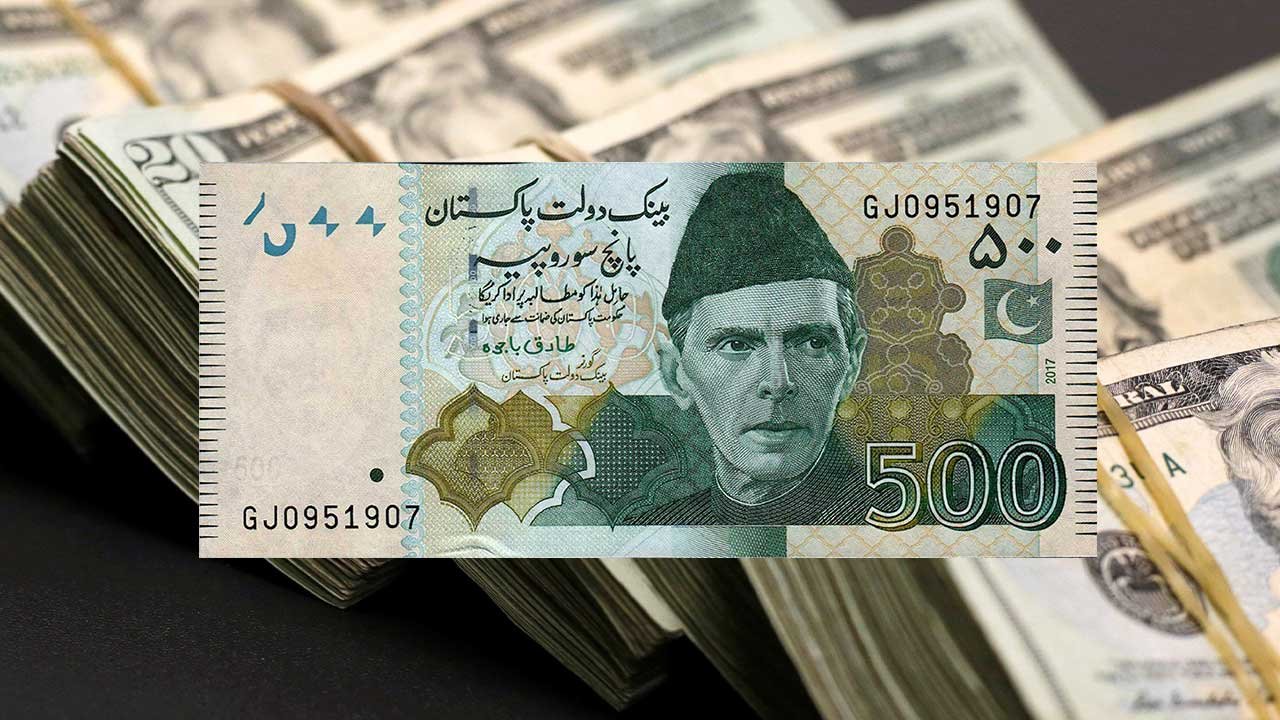
    In the interbank market today, the Pakistani Rupee (PKR) plummeted below its previous record low versus the US Dollar (USD).

    The local currency lost Rs1.30 in the interbank market today, depreciating by 0.63 per cent against the US dollar and closing at Rs205.16. During today’s open market session, the local currency reached an intraday high of Rs203.75 versus the US dollar.

    The PKR was trading between Rs206 to Rs208 against the US dollar in the evening. The rupee’s devaluation was in line with market expectations, with traders expecting the local currency to fall even lower if Pakistan fails to persuade the International Monetary Fund (IMF) on its fiscal year 2022-23 budget.

    The Financial Action Task Force (FATF) meeting in Berlin, which starts today, is another reason that is likely to have influenced the FX market. On the 15th and 16th of June, issues concerning Pakistan will be discussed.

    In today’s interbank market, the PKR reversed gains versus the majority of major currencies. It fell 22 paisas against the Canadian dollar (CAD), 34 paisas against the Saudi riyal (SAR), 35 paisas against the UAE dirham (AED), 62 paisas against the British pound sterling (GBP), and Rs1.25 versus the Euro (EUR).

  • Pakistani startup Dastgyr raises $37 million in series A round

    Pakistani startup Dastgyr raises $37 million in series A round

    Dastgyr Technologies Pvt. has raised $37 million in Pakistan’s largest-ever Series A round. The company seeks to build an e-commerce platform for emerging economies comparable to Alibaba Group Holding Ltd.

    The funding was spearheaded by Veon Ltd.’s venture arm, which put up about 40 per cent of the money. Zinal Growth Fund, DEG, Khwarizmi Ventures, Oman Technology Fund, Cedar Mundi Ventures, Reflect Ventures, Century Oak Capital, Haitou Global, GoingVC, Astir Ventures, K3 Ventures, Chandaria Capital, SOSV, Edgebrook Partners, and EquiTie were among the others who contributed, according to Bloomberg.

    Veon’s evolution outside traditional telecom services continues with this round. In Pakistan, it has asked for a licence to operate as a digital bank.

    Pakistan’s economy is mostly centred on cash, but innovators are working to change that. Dastgyr is a one-stop platform that connects retailers like grocery stores with different suppliers including Nestle SA and Reckitt Benckiser Group Plc. Currently, most conventional retailers meet 100 vendors per week or physically peruse different markets to stock their shelves.

    Veon Ventures’ Chief Executive, Mohammad Khairil Abdullah, said, “As part of Veon’s transformation into a digital operator that delivers a growing range of services to our customers we are investing in leading digital companies like Dastgyr in the countries where we operate. These investments are the building blocks of the digital ecosystem that will enable us to deliver on our strategy”.

    “Pakistan’s start-up ecosystem is at a critical juncture and only startups focused on addressing key challenges and adopting localized solutions will survive and thrive,” added Aamir Ibrahim, CEO of Jazz.

    “This investment highlights VEON’s commitment to scaling up Pakistan’s digital economy and provides Dastgyr with a platform to build synergies with Jazz’s subscriber base of around 75 million and with JazzCash, further integrating the startup into Pakistan’s fintech ecosystem”.

    Zohaib Ali, a co-founder of Dastgyr, stated that the company is dedicated to “working persistently toward our ambition of developing an Alibaba for emerging countries worldwide.”

    Another co-founder, Muhammad Owais, stated that the company aspires to become a unicorn in the next years. He stated that the company is now growing into new business-to-business areas such as cement, steel, and other construction materials, as well as looking into the electronics, pharmaceutical, and other retail industries.

    Dastgyr, which has been in use for less than two years, is used by roughly 100,000 stores in five cities. It attempts to save money by connecting buyers and sellers through a digital platform instead of purchasing and storing everything in physical warehouses.

    Within this year, it plans to expand into 15 additional markets in Pakistan and expand internationally.

  • After five days of losses, British stocks holding firm

    After five days of losses, British stocks holding firm

    A day after economic slowdown fears dragged the major British stocks to their sixth straight session of losses, UK equities stabilised on Tuesday, with some positive momentum from financial sectors and some excellent earnings announcements.

    By 0712 GMT, the FTSE 100 had up 0.6 per cent, with shares in British bank HSBC up 2.6 per cent providing the biggest boost to the blue-chip index.

    Following volatile crude prices, oil majors BP Plc and Shell Plc climbed 1.5 per cent and 0.8 per cent, respectively.

    After finishing at its weakest level in more than three months on Monday, the domestically focused mid-cap FTSE 250 index gained 0.7 per cent. Paragon Banking increased by 4.7 per cent after raising its expectations for 2022 and indicating robust new lending growth.

    FirstGroup jumped 1.2 per cent when the transportation company reported a higher yearly profit and restarted dividend payments, as passenger numbers on its buses increased after COVID-19 limitations were relaxed.

    Crest Nicholson rose 6.1 per cent after projecting an adjusted profit before tax of between 135 and 140 million pounds for fiscal year 2022. In 2021, the housebuilder made an adjusted profit of 107.2 million pounds.

  • Punjab cabinet approves annual budget 2022-23

    Punjab cabinet approves annual budget 2022-23

    On Monday, the provincial cabinet adopted the annual budget for the fiscal year 2022-23, as well as yearly development funds.

    The cabinet passed a Rs 3.226 trillion budget bill for 2022-23 with approval of amended estimates for 2021-22 at a meeting chaired by Punjab Chief Minister Hamza Shehbaz.

    In addition to raising pensions, the meeting approved an increase in salary for provincial employees. Employees were also approved for a 15 per cent special allowance.

    A memorandum of understanding (MoU) for delivering free drugs to cancer patients across the province was approved at the session.

    The meeting also ratified the decisions made at the Punjab cabinet’s previous meeting.

    The chief minister praised the work of provincial ministers, the chairman of the planning and development committee, the secretary of finance, and other authorities in creating the best budget documents.

    He stated that the budget included concrete steps to provide true relief to the public.

    The cabinet has approved a Rs164.26 billion budget for infrastructure development projects. A total of 177 billion rupees has been set allocated for the development of roads.

    In the meantime, the cabinet authorised a planned allocation of Rs164.26 billion for infrastructure development projects. One hundred and seventy-seven billion rupees has been set aside for road construction.

    According to the records, Rs27.63 billion has been put aside for irrigation, Rs5 billion has been set aside for energy, and Rs41.4 billion has been set away for production.

    The provincial finance ministry has proposed allocating Rs29.5 billion for public buildings, as well as more than Rs21 billion for urban development.

    The government of Punjab has set aside Rs14.77 billion for agriculture, Rs4.5 billion for forests, approximately Rs1 billion each for wildlife and fisheries, and nearly Rs4 billion for the livestock and dairy sectors. While Rs6.2 billion has been set aside for governance and information technology (IT).