Facebook-parent Meta confirmed that Sheryl Sandberg is stepping down as its chief operating officer (COO) of the social media platform.
However, Sandberg did not specify the reason for her departure from the company, which will happen in the fall, in a Facebook post. Sandberg revealed that she intends to concentrate on her charity efforts in the future.
“The debate around social media has changed beyond recognition since those early days. To say it hasn’t always been easy is an understatement,” Sandberg wrote. “But it should be hard. The products we make have a huge impact, so we have the responsibility to build them in a way that protects privacy and keeps people safe”.
Mark Zuckerberg clarified that Sandberg will remain on the board of directors of Meta, according to Meta CEO Mark Zuckerberg in a separate Facebook post. The company’s Chief Growth Officer, Javier Olivan, will take over as COO, although his work will be “distinct from what Sheryl has done” and “a more traditional COO function”.
In a recent post, Zuckerberg said: “It’s unusual for a business partnership like ours to last so long. I think ours did because Sheryl is such an amazing person, leader, partner, and friend”.
Sandberg established herself as a high-profile figure in the IT industry prior to joining Facebook, having previously served as Google’s vice president of global online sales and operations. Prior to joining Google, she worked for President Bill Clinton at the World Bank and the Treasury Department.
She was often regarded as the adult supervisor for a firm led by a very young entrepreneur during her early years at Facebook.
Sandberg closely worked with Zuckerberg to increase Facebook’s income from around $150 million in 2007 to over $3.7 billion in 2011, the year before the company went public. She also rose to fame as one of the most powerful women in technology. Her notoriety was enhanced by her role in founding the Lean In movement, which outlined a strategy for women to succeed and achieve their objectives.
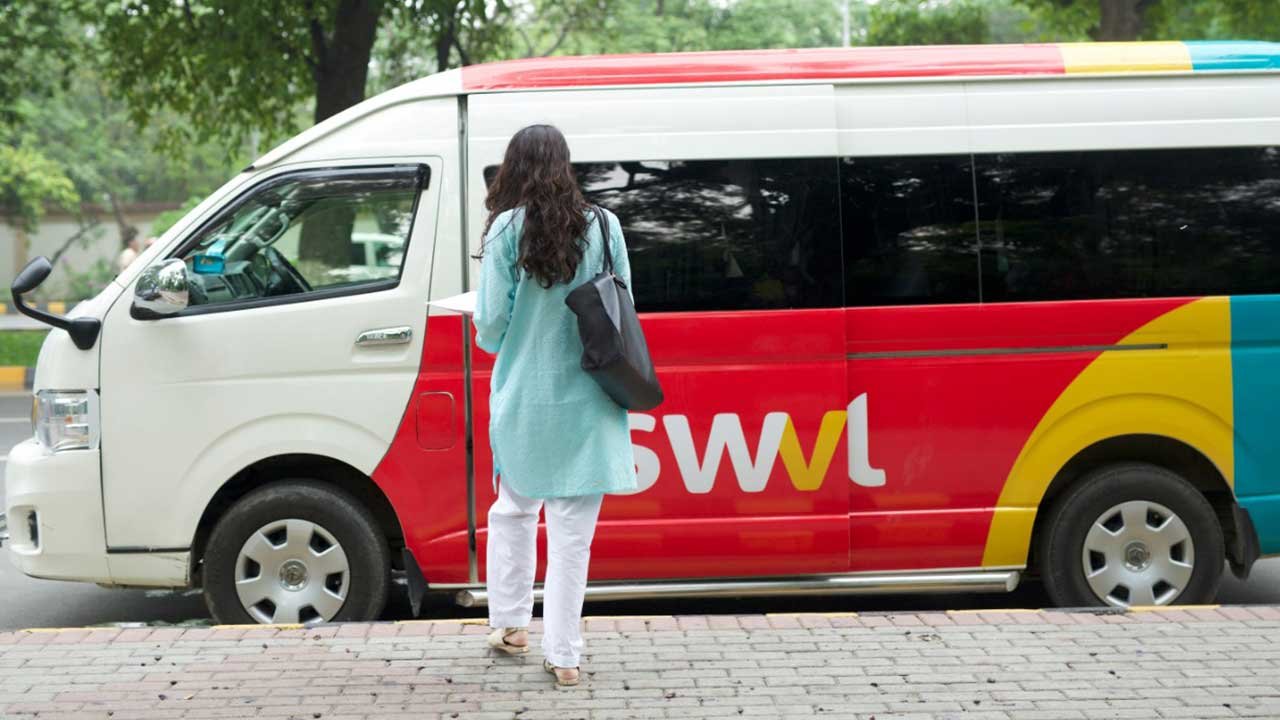
The provider of tech-enabled mass transit solutions, Swvl announced that it is implementing a portfolio optimization plan to boost sales performance while lowering its expenses as a way to accelerate its path to increase profitability and gain a tremendous reputation by the next year.
The company’s big move comes just days after Airlift announced that it was reducing headcount by 31 per cent across all countries and limiting categories on the platform. Also, the company has withdrawn from several markets, including Faisalabad, Gujranwala, Sialkot, Peshawar, Hyderabad, Johannesburg, Cape Town, and Pretoria.
Swvl aims to cut its workforce by 32 per cent, according to the company’s official press release. Roles that have been automated as a result of investments in the Company’s engineering, product, and support operations will be targeted for reductions. Swvl intends to provide monetary, non-monetary, and job placement assistance to assist specific employees in transitioning to new responsibilities.
Swvl’s Transport as a Service (TaaS) and Software as a Service (SaaS) businesses are both rapidly growing. Swvl’s TaaS business provides technology-enabled transportation for corporates, schools, universities, industrial facilities, airlines, and other institutional clients via its asset-light marketplace. They presently have over 500 active accounts on four continents, with a monthly salary of over $5 million.
According to the company’s LinkedIn site, it employs over 1,330 people. Around 400 employees will lose their employment as a result of the mobility company laying off nearly 30 per cent of its workforce.
Tech startups, both private and public, have had to face a reckoning in recent months, with their stock prices plummeting. An economic slump has impacted company finances, forcing them to make cost-cutting decisions, the most important of which is laying off staff.
The Dubai-based startup’s restructuring joins a lengthy list of global cross-stage cutbacks in what has been a difficult month for tech workers. According to statistics, over 15,000 tech workers have lost their jobs in the United States alone. Multiple Companies including Klarna, Getir, Gorillas, and Bolt (the payments startup) have fired employees, while Snap, Twitter, and Instacart have halted or stopped hiring entirely.
The government is considering imposing a specific levy or increasing the tax burden on paid and non-salaried classes earning more than Rs20 million per year in the upcoming budget 2022–23.
Prime Minister Shehbaz Sharif presided over a high-level meeting to discuss the next budget’s essential components. The premier will have to decide whether to increase tax revenue and thus increase subsidies or cut the tax revenue objective.
The administration is considering increasing the tax burden on the rich and affluent instead of increasing the percentage of indirect taxes. Top government officials admitted, “Yes, we are considering hiking taxes on the rich.” One of the proposals is to impose a tax modelled after the super tax, which was originally imposed at a rate of 5% on income earners earning Rs50 million per year but was gradually reduced and then repealed.
For the approaching budget 2022-23, PM Shehbaz will have to choose either increasing subsidies and increasing the FBR’s tax collection target or reducing subsidies and lowering the FBR’s tax collection target.
The government will have to choose between these two options in order to comply with the IMF’s proposed fiscal framework.
After talks with the international lender ended inconclusively the day before, Pakistan’s government increased local fuel prices on Friday to meet a major condition imposed by the International Monetary Fund for resuming its bailout programme.
Miftah Ismail, Pakistan’s finance minister, said on Tuesday that if offered, Pakistan would buy oil and food at reduced costs from Russia, if Moscow did not impose sanctions on Islamabad. He added, though, that Russia had not made such an offer so far.
Mr Ismail told CNN’s Becky Anderson that Moscow had not responded to the previous government’s letter requesting cheaper oil from Russia.
The finance minister also stated that if the economy had let it, the current government would have called early elections, but that in the current situation, the government’s first priority is to stabilise the country’s finances.
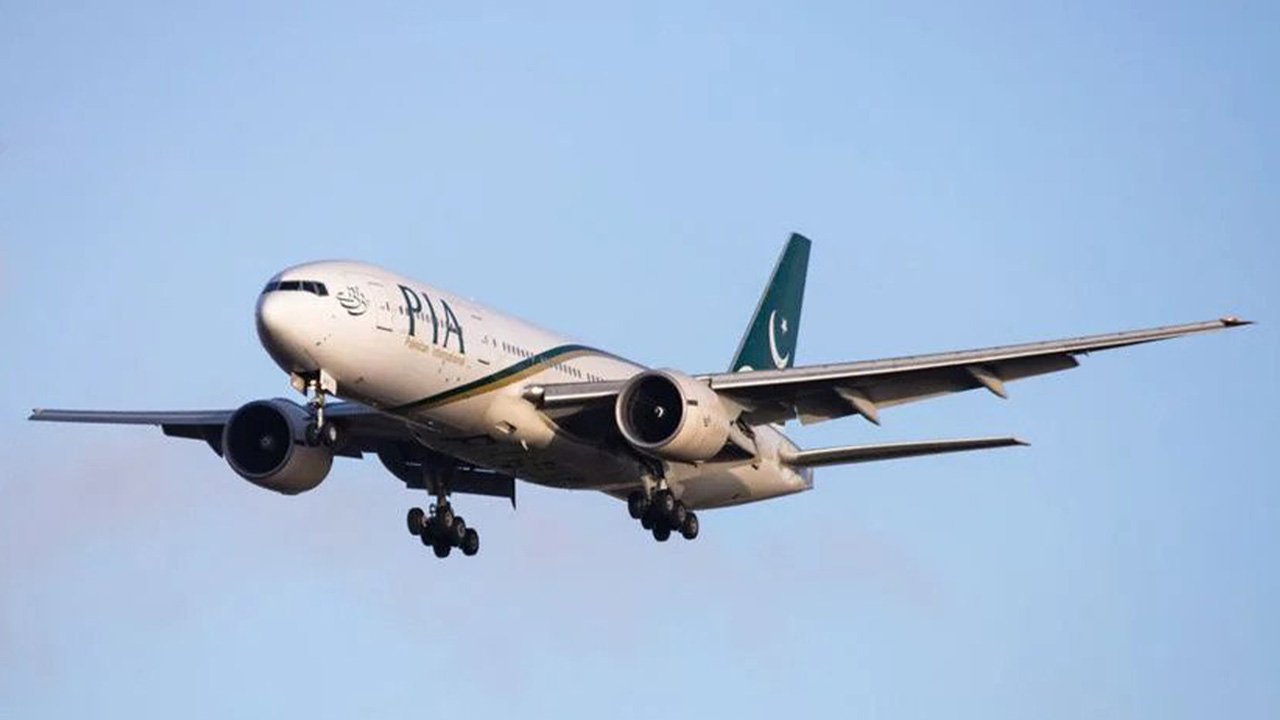
For the first time in its history, the Pakistan International Airlines (PIA) would charge Hajj pilgrims flying on a private programme in US dollars.
Airfares for pilgrims from the Southern and Northern regions are expected to stay in the $810 to $1,100 and $860 to $1,150 ranges, respectively.
As tickets are also purchased abroad, the airline stated that fares in dollars would minimise the disparity. The PIA, on the other hand, would charge a fixed fee of Rs181,000 for return tickets for pilgrims travelling under the government scheme.
#PIA announces its #Hajj Operations for 2022. 1st Flight will depart from #Islamabad to #Medina on 06 June. Pre-Hajj Ops will continue till 03 July & Post-Hajj will commence from 14 July to 13 August. Total 33,000 Hujjaj will travel PIA on 331 flights.
During the Hajj season, the airline expects to transport roughly 14,000 government-sponsored pilgrims and around 16,000 private pilgrims. Pakistan has an 81,000 pilgrim quota, with the government typically taking 60 per cent of the quota and allocating the rest to private operators.
According to sources, the government has received few applications this year and would only accept 37,000 pilgrims through the official plan, with the remainder of the quota going to private operators.
Flights from Pakistan to Madinah and Jeddah for the Hajj were originally scheduled to run from May 31 to July 3. The Hajj has been postponed for a week because the government has yet to announce its Hajj strategy. From July 14 to August 13, the post-Hajj surgery would take place.
The strength of people who go through government programmes or commercial operators is determined by the government’s Hajj strategy. It also establishes pilgrim quotas for airlines and private Hajj operators from each city.
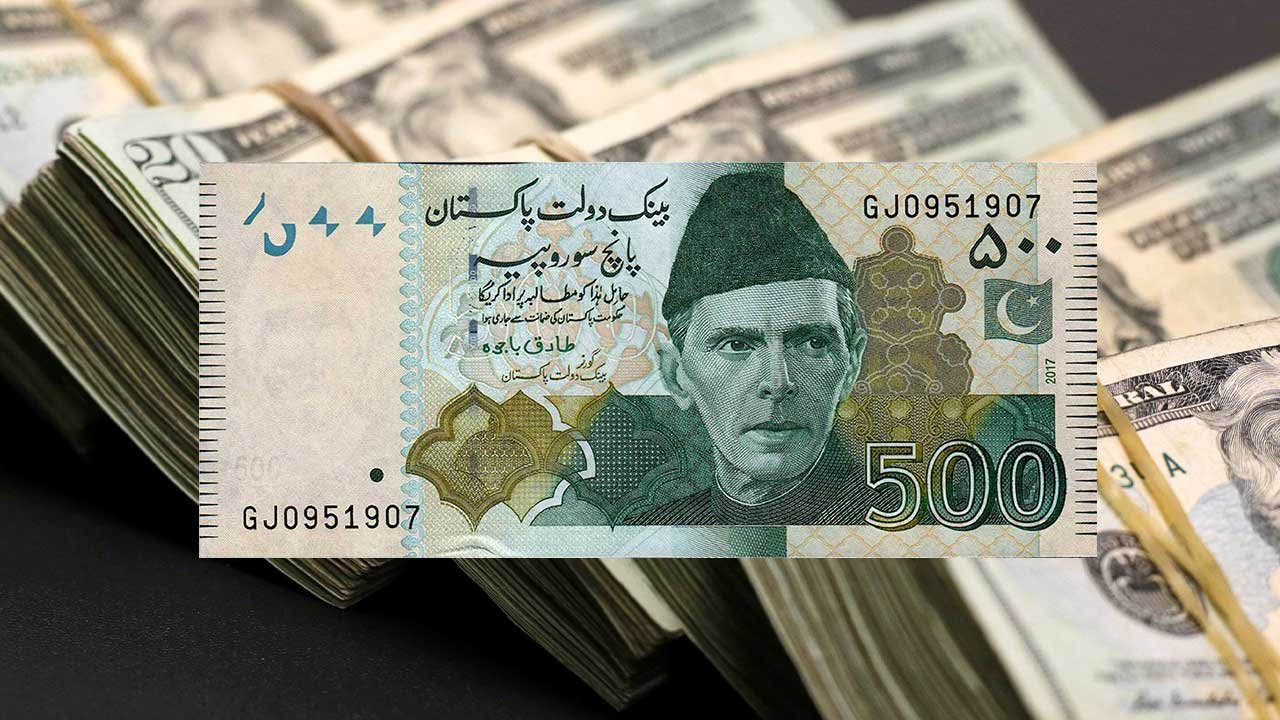
Pakistani rupee (PKR) gained 60 paisas after closing in the inter-bank market on May 31, as a return of clarity on the economic front and a reduction in domestic political turmoil boosted it for the third consecutive day.
According to the State Bank of Pakistan (SBP), the local currency closed at Rs198.46 after gaining 60 paisas (0.30 per cent) in the day. The local currency concluded at Rs199.06 on Monday, up 70 paisas, or 0.35 per cent, from its previous closing.
On the other hand, oil prices, a key indicator of currency parity, rose on Tuesday as the EU decided to cut Russian oil imports, fueling fears of a tighter market already stressed for supply ahead of the peak summer driving season in the US and Europe.
The appreciation arrived as European Union leaders decided to slash 90 per cent of Russian oil imports by the end of this year, breaking a deadlock with Hungary over the bloc’s heaviest sanctions against Moscow since the invasion of Ukraine.
The rise in oil prices is another bad news for Pakistan, which has seen its import bill increase, putting strain on external payments while increasing market demand for dollars.
Preliminary EU-harmonised statistics indicated that inflation in France surged more than projected in May to a new high, putting additional pressure on President Emmanuel Macron before upcoming legislative elections.
Consumer prices rose 0.7 per cent in May, for a 12-month inflation rate of 5.8 per cent, up from 5.4 per cent in the last month and the highest rate since France started working on European Union methodology to generate the numbers in the early 1990s, as per the INSEE statistics.
Inflation was predicted to grow to 5.6 per cent on average, considering a poll of eight economists in a report by Reuters.
High inflation is at the top of France’s political agenda, and following the elections, Macron’s government has promised a new wave of measures to protect buying power.
Apart from Malta, France has managed to maintain the inflation lower than the rest of the EU due to a 25 billion euro package of measures that includes, among other things, hefty price limits on gas and electricity.
Annual inflation in France, as measured by the national consumer price index, climbed to 5.2 per cent in May from 4.8 per cent in April, reaching its highest level since September 1985, according to INSEE.
This month, economists surveyed by Reuters projected an average growth rate of 5.0 per cent. In France, the national index is regularly monitored, whilst outside the country, the EU-harmonised index is used to assess inflation rates among euro-area nations.
The Sindh government has issued a warning to car owners who have not paid their taxes. The Excise, Taxation, and Narcotics Control (ET&NC) Department has been conducting a road inspection for more than a week now. Authorities have inspected a total of 21,303 vehicles across the province.
A total of 1,358 automobiles were seized for various reasons, with the paperwork of 1,958 vehicles also being confiscated during the road check, according to The News.
Mukesh Kumar Chawla, the provincial minister in charge of (ET&NC), has planned a tax-collecting campaign. He went on to say that the campaign will run until June 3, after which the government will take action against automobiles that have not paid their taxes.
Kumar issued a statement urging citizens to pay their taxes as soon as possible. Meanwhile, authorities claim to have recovered over Rs252 million in taxes from non-compliant car owners.
The authorities had collected about Rs21.4 million in taxes from the car owners by the fourth day. Chawla has directed that non-compliant car owners be dealt with harshly by the authorities.
Airlift Technologies, a national grocery delivery service, has laid off 31 per cent of its workforce.
The company posted a statement on its official LinkedIn account confirming the layoff of its workforce; “In the light of the significant downturn in global capital markets, Airlift is undertaking a strategic realignment to reduce the surface area of operations and to increase focus in key areas that drive sustainability and profitability.”
“The decision to part ways with talented teammates has been incredibly challenging for the company. For impacted teammates, Airlift stands committed to providing financial and placement support to help find new roles,” the statement read.
Quick commerce startup Airlift closes down all cities apart from Karachi, Lahore and Islamabad, lays off 31% staff. pic.twitter.com/hSM8Cz3kYE
Usman Gul, the 33-year-old co-founder, and CEO commented on the company’s decision to permanently shut down, saying, “I think if the lens of change is ‘Did Airlift offer great returns to investors?’ then yes, regrettably, it was unsuccessful. If you’re talking about bringing Pakistan into a new reality or altering the entire ecology, then by that yardstick of success, we’ve come a long way,” Gul told Rest of World.
“In many ways, Airlift raised the bar of ambition for Pakistani startups in a big way. Our teams at Airlift redefined the standard of execution, strategy, building a world-class culture, developing a cutting-edge product, raising sizable fundraising rounds,” Gul continued.
What is the point of raising the greatest series B in the nation if the business fails 11 months later? Gul believed that these were improper inquiries when questioned about the $85 million that Airlift blew through in less than one year. He said that the appropriate questions to ask were: “What enabled Airlift to raise $100 million-plus in three years? That’s never happened in Pakistan before. What did this team do differently?”
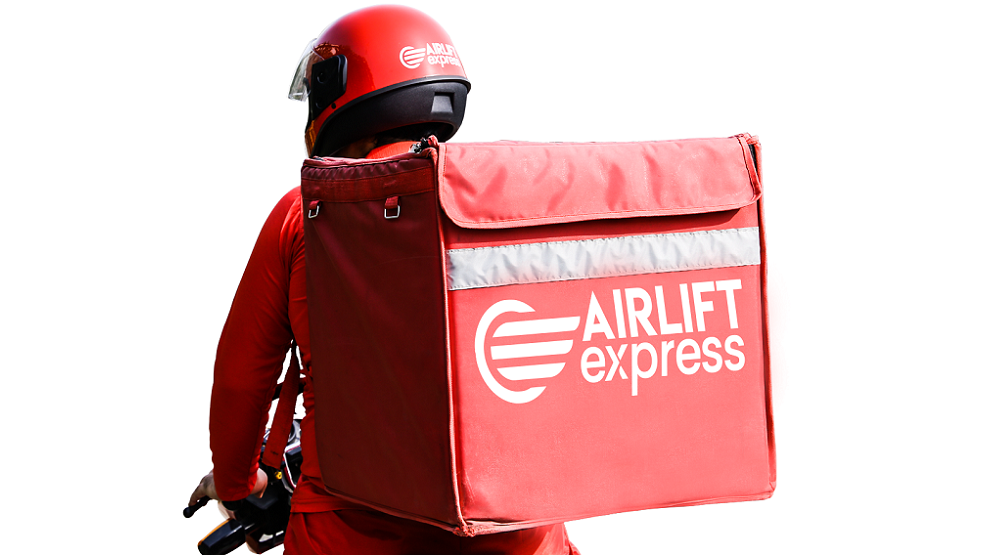
Airlift was started in 2019 by Usman Gul, Ahmed Ayub, Awaab Khaakwany, Meher Farrukh, Muhammad Owais, and Zohaib Ali as a mass-transit option that connected consumers with buses at reduced costs. Due to the pandemic, Airlift’s transportation operations were halted in March 2020. During the covid pandemic, the company then pivoted its business plan and launched Airlift Express, a grocery delivery service with $10 million in investment. Airlift, last year in August, secured a mega-round of funding of $85 million dollars.
A former Airlift employee described the layoff as “shocking, unexpected, and heartbreaking.”
WHAT FINANCIAL EXPERTS THINK HAPPENED AT AIRLIFT
Ariba Shahid, Financial Journalist at Profit Magazine and DealStreetAsia, while talking to The Current about the layoffs at Airlift, said, “While downsizing is sad considering people lose their livelihoods, sometimes young startups need to scale back operations, recalibrate and start differently or fresh,” adding “In order to do so, they sometimes downsize. There is nothing wrong in doing so. I don’t think any business downsizes unless it’s absolutely necessary.”
Taking about the reason behind the layoffs Ariba added, “There are a number of ways to look at it. One likelihood is that Airlift’s funding was contingent on it attaining milestones. So maybe, they did not get the entire $85 million.”
“The other scenario is that they burned through approximately $10 million a month in customer acquisition costs and expansion. It is difficult for consumers to change their consumption pattern and move onto quick commerce. It also costs a lot to expand and grow, especially internationally, like Airlift did in South Africa. The macroeconomic environment with rising inflation and diminishing purchasing power makes it even more difficult.”
“Airlift was one of the bigger names in the ecosystem. The same way Airlift was used as an example while raising funds, it may be seen as a warning sign. However, the global liquidity crunch plays a bigger role at this point in time, in addition to Pakistan’s weakening macroeconomic sentiments.”
“There is no right or wrong way to run a startup at this point because the ecosystem is very nascent. There are no examples locally to follow. However in order to succeed startups need to ensure they are clean, transparent, do not fudge numbers, accept realistic valuations, stop obsessing over large rounds, and know when to stop blitz-scaling,” she added, talking about Pakistani startups.
While answering a question about the situation of Pakistan’s job market Ariba said, “Too soon to say that but yes, one can expect more layoffs across industries considering working capital will be more expensive, political instability, low investment inflows.”
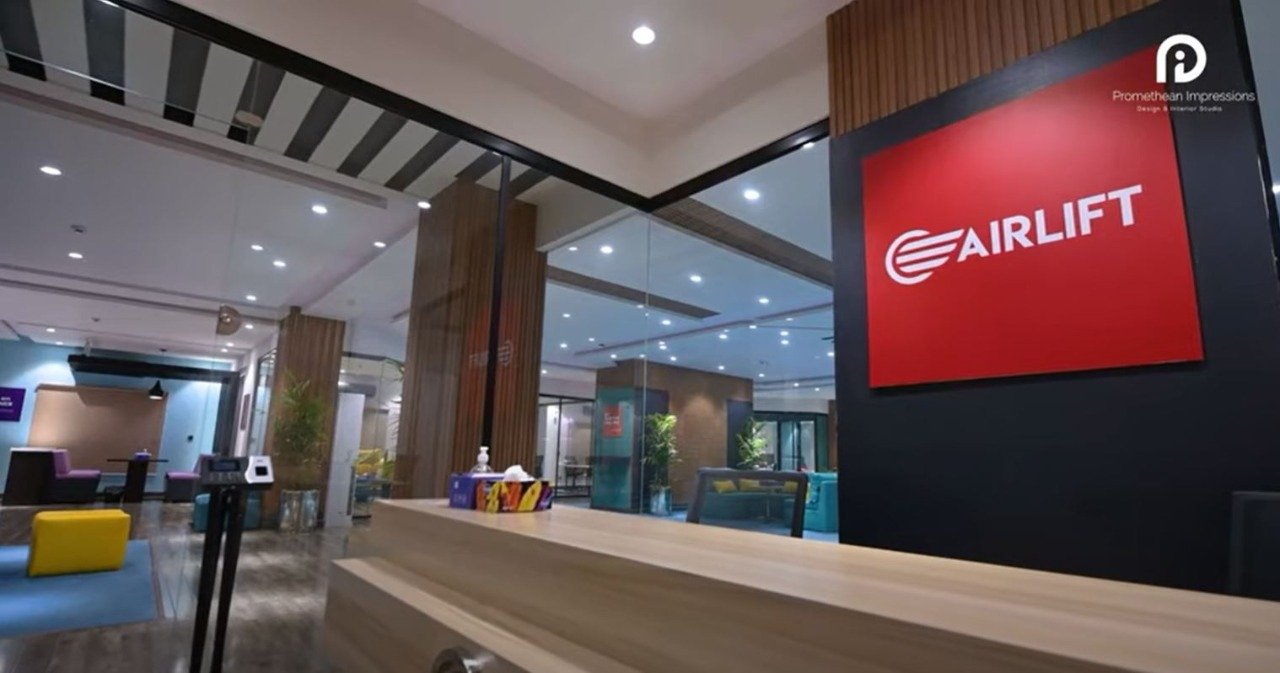
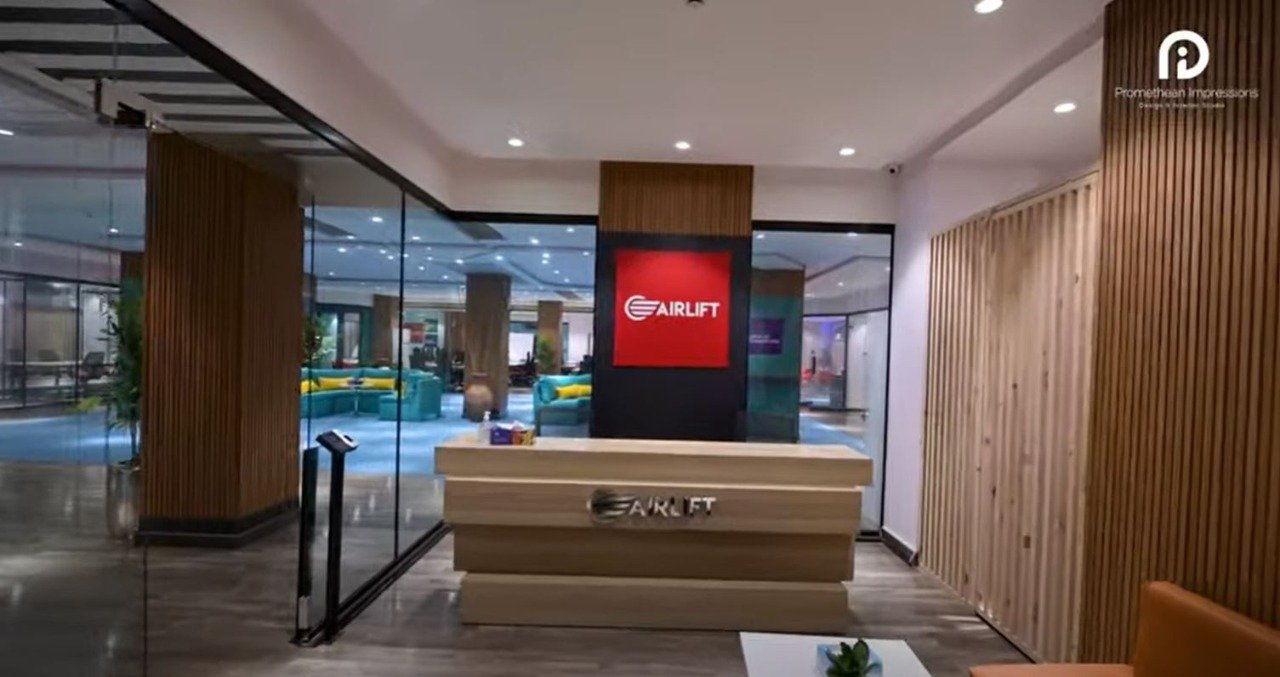
Aitlift’s Lahore office
Dr Aqdas Afzal, Program Director and Assistant Professor of Economics, Habib University while talking to The Current about the possible reason behind the layoffs said, “The reason is not related to the Pakistani market, there is an economic downturn in the entire world. The inflation in UK and US is highest in last 40 years.”
He continued by adding that, “the main input of Airlift’s delivery is fuel and as considering the fuel inflation, they have withdrawn their services from those markets and cities from where they don’t get much sales and find it difficult to drive “sustainability and profitability.”
“I don’t think Pakistani startups are doing anything wrong, as we have seen they have been able to get get a lot of seed money.”
He further said, “In the coming days you will see a lot more startups booming in Pakistan.”
“The government needs to provide reliable, fast speed and affordable internet, because it is slowly becoming the weakest link for Pakistani startups.”
“I don’t think that Pakistan’s job market is collapsing,” said Afzal while answering a question about Pakistan’s job market.
He added, “We are in low value-added end of the spectrum in terms of freelancing skills and we should see if our educational institutions are teaching the level of coding that freelancers around the world are doing.”
Aitlift’s Lahore office
WHAT LAID-OFF EMPLOYEES HAVE TO SAY
Airlift released a database of the names of113 staffers who were abruptly terminated from their positions and were then ‘open to work.’ The employees listed in the database served in various departments of the cash-strapped venture, including operations, human resources, customer service, rider support specialists, and several software engineers, that were based in Pakistani cities including Karachi, Lahore, Islamabad, Gujranwala, Faisalabad, Hyderabad, and Peshawar, with the remainder in South Africa.
“The layoff news shocked the entire workforce as we had no idea the company would announce a massive layoff along with closing key warehouses in different cities,” an employee at Airlift Head Office Lahore, told The Current, “I was aware that the stock market was collapsing dramatically, with some well-known corporations laying off a large number of staff, but I had no idea that the capital market’s volatility would have such an immediate impact on Airlift.”
According to another insider, the company was unable to generate sufficient profit to entice international investors, which is why layoffs had to be done.
Khan revealed that he is looking for work and has undergone three job interviews so far. “After the news of the Airlift went viral on social media, I was approached by a couple of companies and individuals, although I have yet to receive job confirmation,” he claimed.
“I have had a wonderful time at the Airlift. The management took good care of the overall staff. The payouts were never delayed,” Husnain Raza, who was employed as a Rider Operations Specialist at Airlift barely a year ago, told The Current. “The company had to take this horrendous step or it could’ve been dissolved.”
Ex-Operations Lead at Airlift Faisalabad, stated that he is not concerned since the company has offered to compensate the employees who were laid off without notice with 1-2 months of salary. “I assume I’ll find another job until then,” he asserted.
The Current has reached out to the founders of Airlift for a comment on why the layoffs took place and about the future of the company. We are still waiting for a comment and until we get one, here is the statement issued by the company on the dismissal of their staff.
GLOBAL IMPACTOF THE ECONOMIC DOWNTURN
The impact of the global economy is not just being seen at Airlift or in Pakistan.
Cutbacks, contract terminations, and layoffs have impacted at least 5,600 startup employees since the beginning of 2022 at a number of unicorns, global tech companies in India, and growth-stage startups.
Startups like Unacademy, Furlenco, and many others have cut back and downsized in order to improve profitability. Better.com, a mortgage technology company based in the United States, has also asked employees to sign voluntary separation agreements. These layoffs occurred at Better.com’s India operations, where another 920 employees were let go earlier this month, following a total of over 3,000 laid off by April.
Unacademy, the edtech unicorn, laid off over 1,000 employees and shut down its online education platform, PrepLadder, in April 2022. More than 800 employees at BYJU’s-owned WhiteHat Jr were told to resign because they refused to work from the office.
Furthermore, Cars24, a marketplace, laid off workers in order to cut costs and move toward automation. In this downsizing, the unicorn may lay off up to 600 employees soon.
Alongside startups, some big names, such as Netflix, have cut staff this year, with some blaming the COVID-19 pandemic and others faulting ‘overhiring’ during periods of speedy growth. In 2022, Robinhood, Glossier, and Better are just a few of the technology firms that have significantly reduced their staff numbers.
The capital markets have taken a beating in 2022, and this has filtered down to the private sector. Fears about inflation, rising interest rates, and geopolitical issues have all contributed to a volatile financial market.
Startups, particularly those that profited from a pandemic growth that is now slowing, are beginning to feel the strain as well. Valuations have begun to fall, especially at the later phase, and entrepreneurs say it is far more challenging to raise new funding in such a situation.
A multitude of companies that experienced pandemic-related surges are experiencing a correction as a result of a variety of factors, including rising inflation, economic distress, war, and shifting consumer taste buds. Companies such as Meta and Twitter have publicly announced hiring freezes, and Snap confirmed this week that it is slowing hiring as revenue targets are missed.
If a company is bleeding money, it will most likely begin to lay off employees, preserving only those who are required to work to retain the business’s level of operations. If the company dissolves, the remaining workers may be laid off as well.
Among the most likely causes for layoffs is that the company is trying to cut costs in some way. This could be because the company needs to pay off debts, fewer sales or the company no longer has the financial backing of investors like Airlift.
As technological advancements and automation grow common in businesses, employers sometimes lay off employees in order to cut costs and reduce position redundancy. Moreover, if the employee satisfies certain requirements and is prepared to make the change, the organisation may commit to finding another role for them and transferring them to the position.
Honda Atlas Cars Limited (HACL) concluded the financial year with a 40 per cent increase in earnings, giving investors reason to be optimistic. This is despite several challenges including an ongoing chip shortage, rising commodity prices on overseas markets, hefty freight rates, and the rupee’s depreciation.
“The result is below our expectations, which is mainly due to higher-than-expected distribution costs and effective tax rate,” Ismail Iqbal Securities auto sector analyst Muqeet Naeem stated.
The automaker benefited from the fact that demand for four-wheelers remained high despite the problems.
Honda purchasers appear to be unconcerned with price changes, preferring to purchase their preferred vehicles whenever they want, regardless of how much more expensive they are now than they were only two years ago.
Prices have continued to rise at a rapid pace. There may also be a sense that prices will continue to rise. However, in a market known for “own money” or high premiums, continued demand despite price increases should not be surprising.
The earnings per unit sold is a great marker of how quickly prices have risen. Honda sold 57 per cent more automobiles in MY22 than the previous year, which ended in March 21.
The introduction of a new Civic generation considerably attributed to Honda’s sales growth.
Not only have imports become more expensive as the PKR has depreciated against the greenback, but inflationary pressures on inputs and rising fuel prices have also contributed to cost increases. Revenue and cost per unit sold have generally increased in lockstep.
As a result, despite strong demand growth, margins have fallen to 5 per cent.
Other income, which consists of customer advances, has significantly bolstered the company’s profitability. Other income boosted the bottom line by 47 per cent in MY22, compared to 33 per cent the previous year. This also suggests that demand will continue to rise in the coming months.
However, as lending rates continue to skyrocket, the company may lose demand from purchasers who plan to finance their vehicles through a bank.
Pakistan Bureau of Statistics (PBS) revealed that the weekly Sensitive Price Indicator (SPI) for the joint consumption group fell 0.26 per cent for the week ending May 26, owing primarily to a drop in the prices of vital food products.
The consolidated index was 174.62 on May 19, 2022, compared to 175.08 on May 19, 2021, while the SPI increased 16.97 per cent year on year when the index was 149.29 on May 27, 2021.
The minor price reductions in essential items may be a sign that the government is finally gaining control of the country’s skyrocketing inflation, which has afflicted the poor strata.
Here are the items that witnessed a decrease or increase in their prices:
Decrement
Wheat Flour (12.25 per cent), Chillies Powdered (6.48 per cent), Chicken (4.41 per cent), Garlic (2.99 per cent), and non-food item LPG (0.43 per cent) were among the commodities that saw a decline in their rates on a WoW premise out of the 51 supervised items, with a cumulative effect of (-1.00 per cent) into the total SPI for the blended group of goods (-0.26 per cent).
Increment
27 items elevated in the week, including potatoes (8.43 per cent), tomatoes (6.33 per cent), eggs (6.29 per cent), rice basmati broken (4.71 per cent), mustard oil (4.16 per cent), pulse masaoor (3.93 per cent), milk fresh (3.47 per cent), onions (3.03 per cent), pulse gramme (2.58 per cent), curd (2.35 per cent), washing soap (2.13 per cent), cooked beef (1.55 per cent), beef (1.42 per cent), pulse mash (1.33 per cent), cooked daal (1.24 per cent). While 19 commodities’ prices remained stable.