Category: Business

The most important business news, explained in a young, easy to understand way. News that affects young career professionals.

  • Musk sued for stock manipulation during Twitter takeover bid

    Musk sued for stock manipulation during Twitter takeover bid

    The most controversial billionaire Elon Musk has been sued by Twitter Inc shareholders, who claim he manipulated the company’s stock price downward, as the CEO of electric carmaker Tesla Inc mounts a $44 billion buyout offer for the social media platform.

    According to the investors, Musk saved $156 million by failing to disclose that he had acquired more than 5 per cent of Twitter by March 14. They requested class certification and an unknown amount of punitive and compensatory damages.

    They also named Twitter as a defendant, claiming the company owed them an investigation into Musk’s behaviour, though they are not seeking monetary damages from the company.

    As per the lawsuit, filed on Wednesday in San Francisco federal court, the investors claimed Musk continued to buy stock after that and eventually disclosed in early April that he owned 9.2 per cent of the company.

    “By delaying his disclosure of his Twitter stake, Musk engaged in market manipulation and purchased Twitter stock at an artificially low price,” the investors, led by Virginia resident William Heresniak, claimed. Requests for comment were not immediately returned by Musk or his lawyer.

    The recent drop in Tesla’s stock has put Musk’s ability to finance his acquisition of Twitter in “major jeopardy,” according to the investors, because he has pledged his shares as collateral to secure the loans he needs to buy the company.

    Tesla’s stock was trading around $713 per share on Thursday afternoon, down from over $1,000 in early April. According to the Wall Street Journal, the timing of Musk’s disclosure of his stake has already triggered an investigation by the US Securities and Exchange Commission (SEC).

    The SEC demands any investor who purchases more than 5% of a company’s stock to disclose their assets within 10 days of crossing the limit.

    The investors also claimed that Musk’s public criticism of the company, such as a May 13 tweet stating that the buyout was “temporarily on hold” until Twitter proved that spam bots accounted for less than 5% of its users, amounted to an attempt to drive the share price even lower.

    Musk pledged an additional $6.25 billion in equity financing to fund his bid for Twitter on Wednesday, indicating that he is still working to close the deal.

    Earlier this month, the tech mogul was sued in Delaware Chancery Court by a Florida pension fund, which sought to halt the transaction on the grounds that some other large Twitter shareholders were supporting the buyout, which is a violation of Delaware law. The lawsuit filed by Heresniak does not seek to halt the takeover.
  • Additional tax to be levied on high-earning businesses

    Additional tax to be levied on high-earning businesses

    In the budget (2022-23), the government intends to impose a time-limited levy or additional income tax on the yearly income earned by the steel industry, pharmaceutical business, and other profit-generating segments, as well as increase the minimum tax from two to six percent on the import of edible oil

    According to reliable sources, the government has made the decision to increase the rate of least tax on the import of edible oil from two to six percent in the next fiscal budget to boost the occurrence of levy on this large profit-earning sector. The steel sector’s minimum tax rate will be raised in the new budget.

    It is worth noting that the fresh charge will only be levied on industries and sectors that make massive profits, and it would only be in place for a limited time.

    According to Brecorder, the steel sector’s profits have increased by 20-30 per cent, but they are not paying the requisite tax bills. As a consequence, an extra income tax or levy on the yearly earned income by the steel industry, pharmaceutical sector, and other sectors earning windfall profits has been proposed for 1-2 years.

    Added income taxor levy will be paid in conjunction with the filing of tax records. The levy would be time-limited and could be imposed for one or two years.

    The Federal Board of Revenue (FBR) levies a two per cent least tax on edible oil imports, which is decided to ascend to six per cent beginning with the next fiscal year. Earnings in the edible oil industry are very high, with massive profits, but tax payments are consistent or on the low side.

    The Federal Board of Revenue (FBR) is updating a list of high-profit industries based on tax financial records, annual financial statements, and third-party data.

    A new section in the Income Tax Ordinance 2001 would be introduced through the new Finance Bill 2022 for the imposition of the said levy on high profit earning sectors.

  • Govt considering gas import contract with countries including Russia

    Govt considering gas import contract with countries including Russia

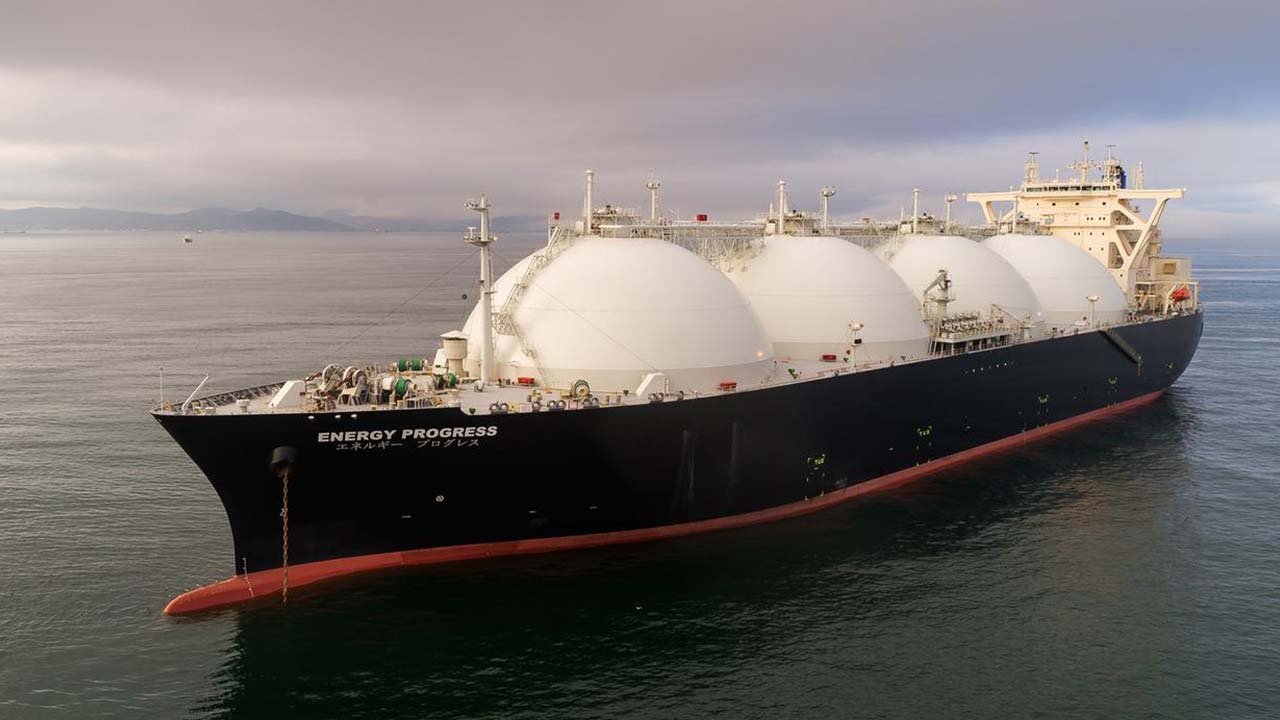
    Pakistan is in talks with multiple countries, including Russia, to sign a liquefied natural gas (LNG) import agreement in order to alleviate the country’s ongoing energy supply crisis.

    According to Bloomberg, the Ministry of Energy will go for the ‘most favourable deal’ and is considering government-to-government contracts for importing the gas.

    This action came as Pakistan battles blackouts caused by a fuel crisis caused by long-term suppliers’ failure to deliver shipments. To keep the lights on, the government previously resorted to purchasing LNG on the spot market, incurring debt that endangers worsening inflation on a massive scale.

    The government of Prime Minister (PM) Shehbaz Sharif, which took office on April 11, hopes to capture a new long-term LNG contract to help reduce fuel costs. Long agreements are remarkably affordable than existing spot pricing, while market participants also anticipate that this will provide some relaxation to the government.

  • Toyota Pakistan to launch first-ever locally assembled Hybrid crossover

    Toyota Pakistan to launch first-ever locally assembled Hybrid crossover

    Toyota Indus Motor Company (IMC), Pakistan’s most prominent automaker, is upgrading its manufacturing plant in preparation for the start of local production of hybrid electric vehicles (HEVs) by 2023.

    Toyota IMC CEO Ali Asghar Jamali revealed that the locally assembled Toyota Corolla Cross will be available in 2023. It is worth noting that this crossover will be the first ever locally assembled Hybrid vehicle by the Japanese manufacturer in Pakistan.

    He stated that the company intends to launch its hybrid crossover SUV in the Rs5 to Rs7 million price range, which may not be possible given the country’s economic and overall situation. Experts predict that the Crossover will be priced between Rs9-10 million.

    Given the current economic situation and the government’s plan to raise car taxes, Toyota IMC will reveal its final price next year.

    Jamali also discussed the company’s plans for overall HEV localization. He stated that Toyota has already invested $100 million in Pakistan to produce HEVs and plans to introduce electric vehicles (EVs) in the future when the country is ready for this technology.

    Jamali emphasised that HEVs are a midterm solution before EVs because Pakistan lacks the infrastructure for the latter, and that converting all cars to HEVs could reduce Pakistan’s oil imports by up to 50%.

    As most of Pakistan’s electricity is produced using fossil fuels, EVs will increase local LNG, coal, and crude oil imports, while investment in improving distribution and creating a charging infrastructure will also be required, according to Jamali.

  • IMF programme will only revive if Govt hikes fuel, electricity prices

    IMF programme will only revive if Govt hikes fuel, electricity prices

    The International Monetary Fund (IMF) has stated unequivocally that the loan programme under the Extended Fund Facility (EFF) will not be revived unless oil and electricity prices are increased. The Pakistani delegation, on the other hand, has asked for more time to withdraw the subsidy.

    The delegation would meet with Prime Minister (PM) Shehbaz Sharif to discuss it. Both parties have agreed to continue discussions. Apart from the withdrawal of the subsidy, officials claim that all other issues have been resolved.

    Pakistan was unable to persuade the IMF despite a week of discussions in Doha, Qatar, from May 18 to May 25.

    IMF postponed the rollback of Pakistan’s stalled $6 billion External Financing Facility (EFF) programme late Wednesday as the government hoped that the revival would bring stability to the financial markets, the rapid weakening of the local currency with depleting foreign exchange reserves.

    In a statement, the Fund underlined the elimination of petroleum and energy subsidies, among other conditions, as a prerequisite for the program’s restoration. Following the conclusion of the talks, Nathan Porter, the IMF Mission Chief for Pakistan, stated that the Fund held meaningful talks with Pakistani representatives.

    “The Mission has engaged in highly constructive discussions with Pakistani authorities in order to reach an agreement on policies and reforms that will lead to the completion of the awaiting seventh evaluation of the authorities’ reform programme, which is backed by an IMF Extended Fund Facility arrangement”.

    As per Porter, significant progress was made during the mission, including the need to continue addressing massive inflation and rising fiscal and current account shortfalls, whereas ensuring sufficient protection for the weakest.

    The Fund also lauded the State Bank of Pakistan’s (SBP) decision to raise the policy rate from 12.25 per cent to 13.75 per cent in order to combat rising inflation. However, the mission chief noted that there were fiscal deviations from the policies agreed upon in the previous review, reflecting in part the fuel and power subsidies announced by the authorities in February.

    The PTI-led government initially concurred to increasing the prices of energy and petroleum products, but Imran Khan announced a subsidy on both commodities later in March, and the present government is proceeding with the same arrangement.

    As per Porter, the IMF team highlighted the importance of tangible policy actions, including the removal of fuel and energy subsidies and the FY2023 budget, to achieve programme objectives. He went on to say that the IMF team is looking forward to proceeding with its discussion and close engagement with the Pakistani government on policies to ensure price stability for the benefit of all Pakistanis.

  • Here’s where you can get petrol in Lahore

    Here’s where you can get petrol in Lahore

    Following oil industry’s warning of possible petroleum product shortages in Punjab and neighbouring areas due to road and highway blockades, a number of petrol pumps in the city have been closed.

    Majority of petrol pumps in Lahore have been shut, particularly in the Cantt, DHA, Gulberg, and Johar Town area. When asked, the majority of retailers refused to comment on when petroleum sales would resume.

    We have, however, contacted multiple managers of prominent petrol pumps in Lahore and asked if they are currently selling fuel.

    Here are a few filling stations in different parts of the city that are still selling fuel:

    1. Euro Oil petrol pump opposite Shahnawaz Mercedes-Benz Showroom Gulberg
    2. Total parco Mazang road, Mazang Chungi
    3. Hascol DHA phase 2 U Block, opposite DHA cinema
    4. PSO Chowk Thokar Niaz Baig , Multan Road

    Earlier, Oil Companies Advisory Council (OCAC) said that oil marketing companies are supplying fuel to retailers but the deliveries could be slowed owing to road blockages in Punjab’s major cities.

  • Pakistan Customs intensifies inspection at all international airports

    Pakistan Customs intensifies inspection at all international airports

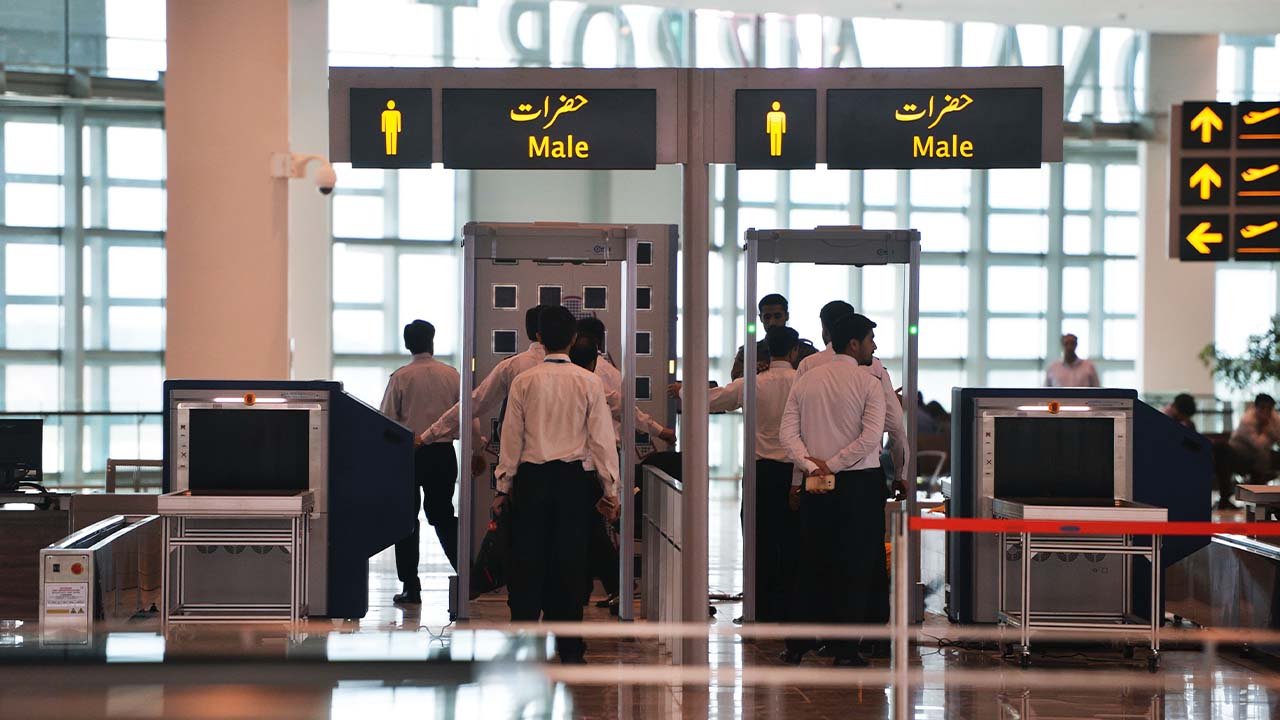
    Pakistan Customs has intensified goods inspection at all international airports to prohibit the smuggling of recently banned commodities. The federal government prohibited the items in SRO No. 598(I)/2022, issued May 19, 2022, by revising the Import Policy Order, 2022.

    This 24-hour monitoring at international terminals to prevent smuggling has already resulted in multiple confiscation of these items disguised as legitimate passenger baggage.

    Banned commodities like foodstuff, fruits, sanitary wares, used mobile phones, and branded shoes were found in commercial quantities during scanning and inspection at Jinnah International Airport in Karachi on May 23, 2022.

    The aforementioned items were detained/seized in accordance with Sector 168 of the Customs Act of 1969 for violating SRO No. 598(I)/2022 (Import Policy Order, 2022) and Sections 16 and 139 of the Customs Act of 1969.

    While applauding Pakistan Customs’ efforts, the Chairman of the Federal Board of Revenue (FBR) reaffirmed the FBR’s unwavering determination to strengthen policing strategies at all airports, seaports, and land border stations to ensure the avoidance of trafficking of goods, including newly banned items.

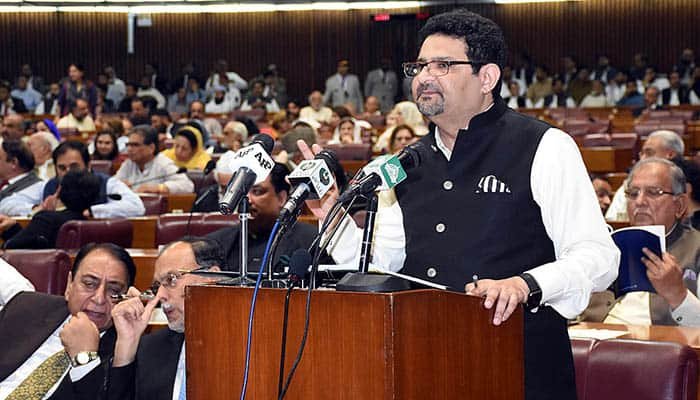
    Finance Minister Miftah Ismail and FBR Chairman, on the other hand, have issued instructions not to bother genuine passengers bringing in goods in non-commercial/small quantities for personal use, and to assist such passengers at airports to the greatest extent permitted by law.

    People in Pakistan were outraged by the Customs move, particularly those who had been thoroughly scanned and shared their side of the story on social media.

  • OCAC warns of petrol supply shortages due to roadblocks

    OCAC warns of petrol supply shortages due to roadblocks

    Oil Companies Advisory Council (OCAC) said that oil marketing companies are supplying fuel to retailers but the deliveries are being slowed owing to road blockages in Punjab’s major cities, which could affect deliveries to filling stations.

    It warned provincial authorities in Punjab that the road blockades have severed connectivity between major cities and neighboring areas, affecting fuel supplies inside the province.

    The Oil Companies Advisory Council affirmed that there are sufficient stockpiles of gasoline products throughout the country, including depots in Punjab.

    It also highlighted fears about the current scenario of roadblocks and the rumoured assumption of minimal stocks spreading on numerous platforms and asked the public to refrain from panic buying. Despite the roadblocks, there are enough stockpiles of petrol and high-speed diesel (HSD) in Punjab, and OMCs are constantly working to restock retail outlets on time.

    OCAC expressed its concerns to the Chief Secretary of Punjab, requesting the local administration’s assistance in ensuring the safe and secure transit of tankers from different depots to different petrol outlets across the province till the scenario stabilizes.

  • Gold prices in Pakistan hit historic high of Rs143,600 per tola

    Gold prices in Pakistan hit historic high of Rs143,600 per tola

    Gold prices in Pakistan continued to rise as the Pakistani currency fell deeper versus the US dollar, pushing the precious metal to a high of Rs143,600 per tola.

    The price of gold per tola increased by Rs1,950 per tola, as per the All Sindh Sarafa Jewellers Association (ASSJA). Moreover, the price per 10 gramme jumped by Rs1,672 to Rs123,114.

    Following yesterday’s gain of Rs1,950 per tola, the gold price has risen by Rs5,250 in the last four days (Friday-Tuesday).

    During the current economic crisis, gold has resurfaced as a secure investment, and consumers have been eagerly buying gold to preserve their savings against inflation.

    The rupee’s collapse, which reached an all-time low of Rs201.41 versus the US dollar in the interbank market, compelled the gold trading body to drastically raise the bullion price.

    The price of yellow metal fell by $4 per ounce on the international market to settle at $1,858. When compared to the Dubai market, gold prices in Pakistan are roughly Rs1,500 lower.

  • Are passengers’ personal imported items being confiscated when they come back to Pakistan?

    Are passengers’ personal imported items being confiscated when they come back to Pakistan?

    Instagram blogger @karachista1, on Tuesday, uploaded a story sharing several screenshots of conversations and images showing passengers’ items being confiscated at the Karachi and Lahore airport. Several social media users including lawyer Abdul Moiz Jaffery and actor and comedian Shafaat Ali, complained on Twitter about this being a ‘draconian step’.

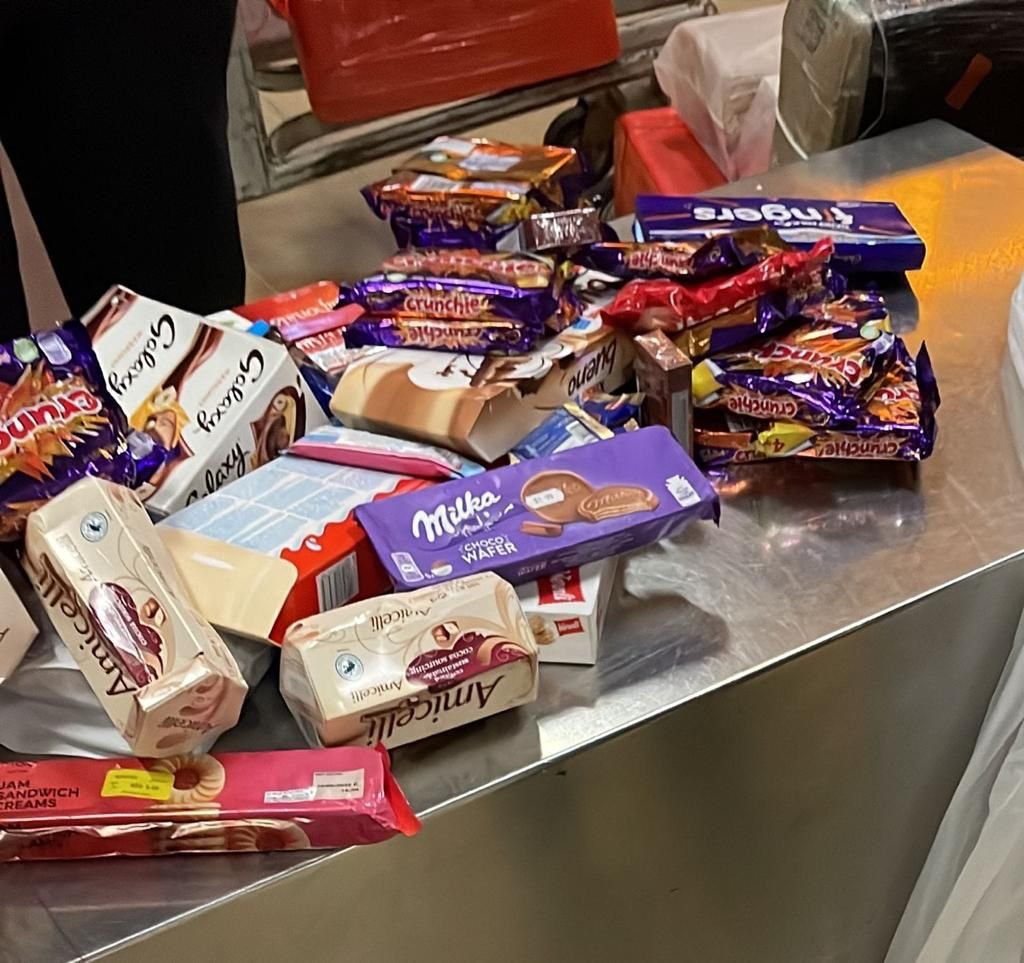
    The complaints ranged from AC Customs confiscating their private goods and others complaining that their bags were opened and imported items removed before they even landed in Karachi. Conflicting reports came forward with others reporting that they went through nothing like this. For some, only expensive makeup was confiscated and for others even biscuits and chocolates were not spared. Some customers were given receipts and some were not even informed.

    Image
    The slip provided by the Airport Customs officers for future recovery of the items

    So does this mean that if you plan on going abroad for a vacation this summer and want to bring back some goods for your family, you will not be allowed to take them from the airport? Pretty much.

    We spoke to Irshad Gul, a Karachi businessman who regularly imports and exports items for his businesses. According to him, using passengers to bring back imported goods is usually considered an easy method of bringing imported items inside the country without paying any duty. He confirms that at the Karachi airport, Customs officers have become extremely vigilant, looking into all luggage bags and hand carries to scavenge for imported items. Large quantities of a single item like chocolates might be confiscated and you have to pay customs on them, but if you have a personal, small amount of chocolates, those should be allowed to go through. If you are planning to bring back some gifts from your vacation abroad, consider carrying only a few items which you can explain very well.

    The irregularity in people’s online reported experiences only shows the usual inconsistency in Pakistani bureaucracy. A short while ago, Finance Minister Miftah Ismail tweeted an explanation for the airport and Customs staff’s behavior, clarifying that these steps are being taken to counter the smuggling of the banned items by professional packers. Although Ismail claims that ordinary citizens with a few items will not be harassed but citizens are reporting that even a few personal makeup items are being confiscated. Others say they were allowed to leave the airport unscathed.

    Finance Minister Miftah Ismail attached this official notice with his tweet, clarifying that all steps being taken by the airport staff are in accordance with government directive and compliance is necessary. Confiscated items include ‘food stuff, fruits, sanitary ware, used mobile phones and branded shoes’.

    Several Twitter users including Shafaat Ali requested Miftah Ismail to take action as they believe personal products should be allowed and only commercial consignments should be subjected to these limitations.