Category: Business

The most important business news, explained in a young, easy to understand way. News that affects young career professionals.

  • Toyota Pakistan announces another massive price hike for all cars

    Toyota Pakistan announces another massive price hike for all cars

    For the second time in less than a month, Toyota Indus Motor Company (IMC) has announced a hefty price increase for all of its locally assembled vehicles. The increase was attributed by the corporation to the ongoing depreciation of the local currency against the US dollar.

    All variants from Toyota have received a hike of more than Rs170,000, which goes up to nearly Rs600,000.
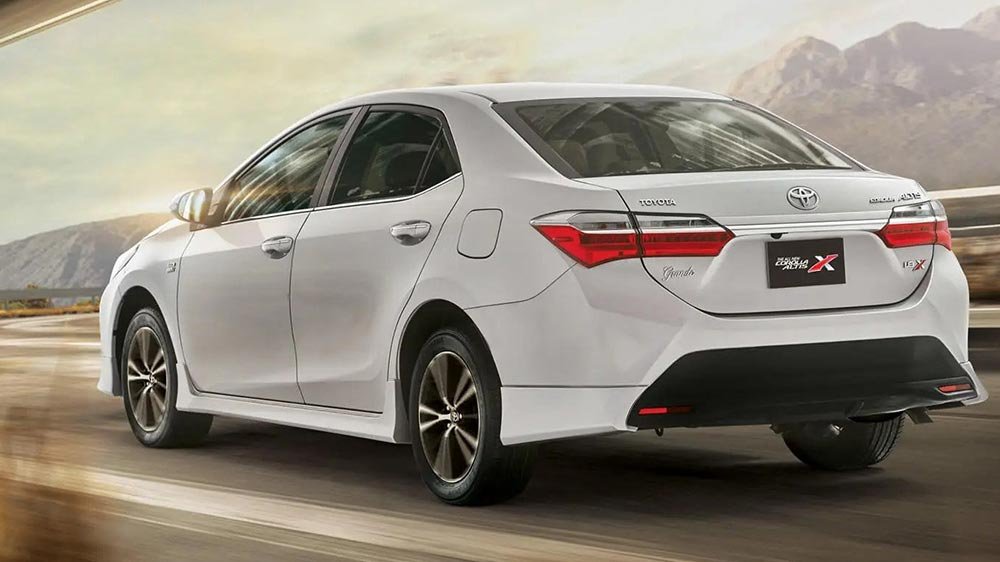
    Toyota Corolla

    The old price of the Corolla Altis X Manual 1.6 was Rs3,749,000, and it will now cost Rs3,909,000 after a rate hike of Rs160,000.

    The Altis X Automatic 1.6 witnessed a price increase of Rs170,000, and now costs Rs4,099,000, up from Rs3,929,000 earlier.

    Altis X Automatic 1.6 Special Edition (SE) was previously priced at Rs4,309,000 and is now priced at Rs4,509,000.

    Altis X CVT-i 1.8, which also got a Rs200,000 hike, bringing the rate to Rs4,499,000, up from Rs4,299,000 previously.

    The price of the Altis Grande X CVT-i 1.8 (Beige Interior) has increased by Rs210,000, bringing the total price to Rs4,859,000, up from Rs4,649,000 previously.

    The Corolla Altis Grande X CVT-i 1.8 (Black Interior) was priced at Rs4,689,000, which now costs Rs4,899,000 after a price increase of Rs210,000.
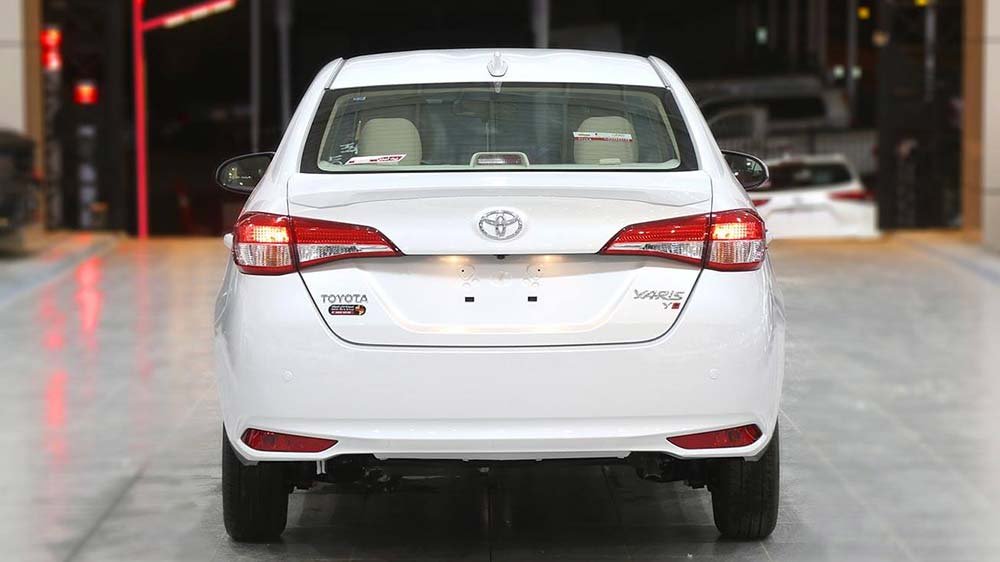
    Toyota Yaris 

    The present price of the Yaris GLI MT 1.3 is Rs2,899,000, however after a price increase of Rs140,000, the new price is Rs3,039,000.

    Yaris ATIV MT 1.3, saw a price increase of Rs150,000, bringing the total price to Rs3,209,000, up from Rs3,059,000 previously.

    Yaris GLI CVT 1.3, and following the recent rise of Rs140,000, the car’s new price is Rs3,249,000, up from Rs3,109,000.

    Yaris ATIV CVT 1.3, used to cost Rs3,229,000, is now priced at Rs3,449,000 after a price spike of Rs150,000.

    The revised pricing of the Yaris ATIV X MT 1.5 is Rs3,449,000, an increase of Rs160,000. It was last sold for Rs3,289,000.

    The new price of the Toyota Yaris ATIV X CVT 1.5 is Rs3,659,000, increase from the original price of Rs3,499,000.
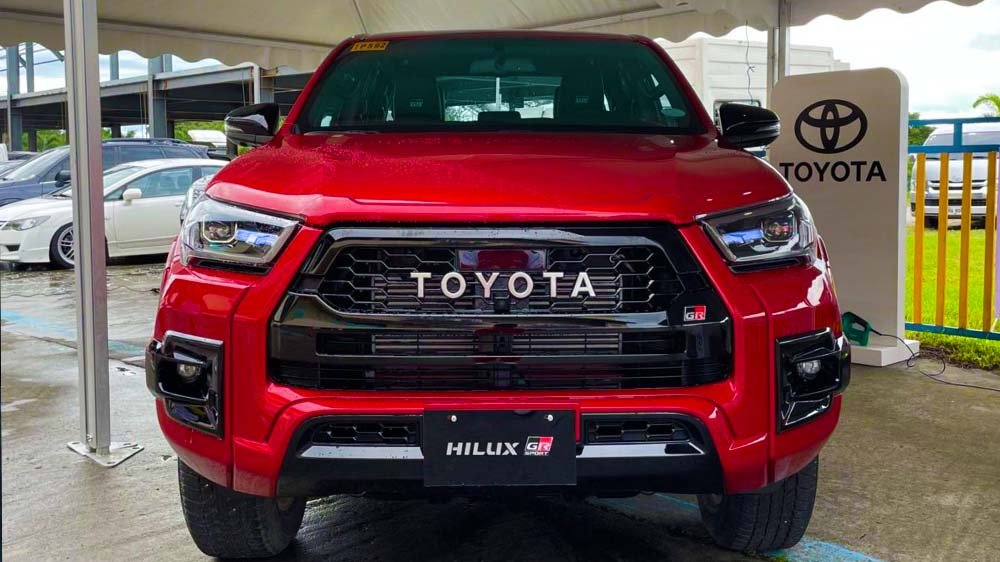
    Toyota Revo

    The earlier price of the Hilux E was Rs7,059,000, and following a Rs300,000 rise, it would now cost Rs7,359,000.

    Hilux Revo G Manual 2.8: The business raised the price by Rs330,000, bringing it to Rs7,989,000, up from Rs7,659,000 previously.

    The Hilux Revo G Automatic 2.8 has increased by Rs350,000, bringing its new price to Rs8,379,000, up from Rs8,029,000 previously.

    Hilux Revo V Automatic 2.8 was formerly priced at Rs8,839,000, but it is now priced at Rs9,229,000, a Rs390,000 increase.

    The Hilux Revo Rocco, which used to cost Rs9,319,000, now costs Rs9,729,000 after a price increase of Rs410,000.

    Toyota Fortuner

    Fortuner 2.7 G, formerly priced at Rs9,499,000, will now cost Rs9,959,000 after a price increase of Rs460,000.

    Fortuner 2.7 V now costs Rs11,459,000 instead of Rs10,949,000, a huge difference of Rs510,000.

    Fortuner 2.8 Sigma 4, received a price hike of Rs550,000, bringing it to Rs12,039,000, up from Rs11,489,000 previously.

    The fourth is the Fortuner Legender, which used to cost Rs12,099,000 but now costs Rs12,679,000 after an Rs580,000 price increase.

    Customers affected by the new pricing

    The new price will apply to all bookings placed after April 30, 2022. All orders placed before March 23 will be charged at the previous rate. All vehicles booked between March 23 and April 29, 2022, or before June 20, 2022, will be billed at the old rate. From March 23 to April 29, 2022, or before June 20, 2022, all DFS orders will be invoiced at the earlier rate.

  • Customs seizes smuggled liquor worth Rs6.48 million in Karachi

    Customs seizes smuggled liquor worth Rs6.48 million in Karachi

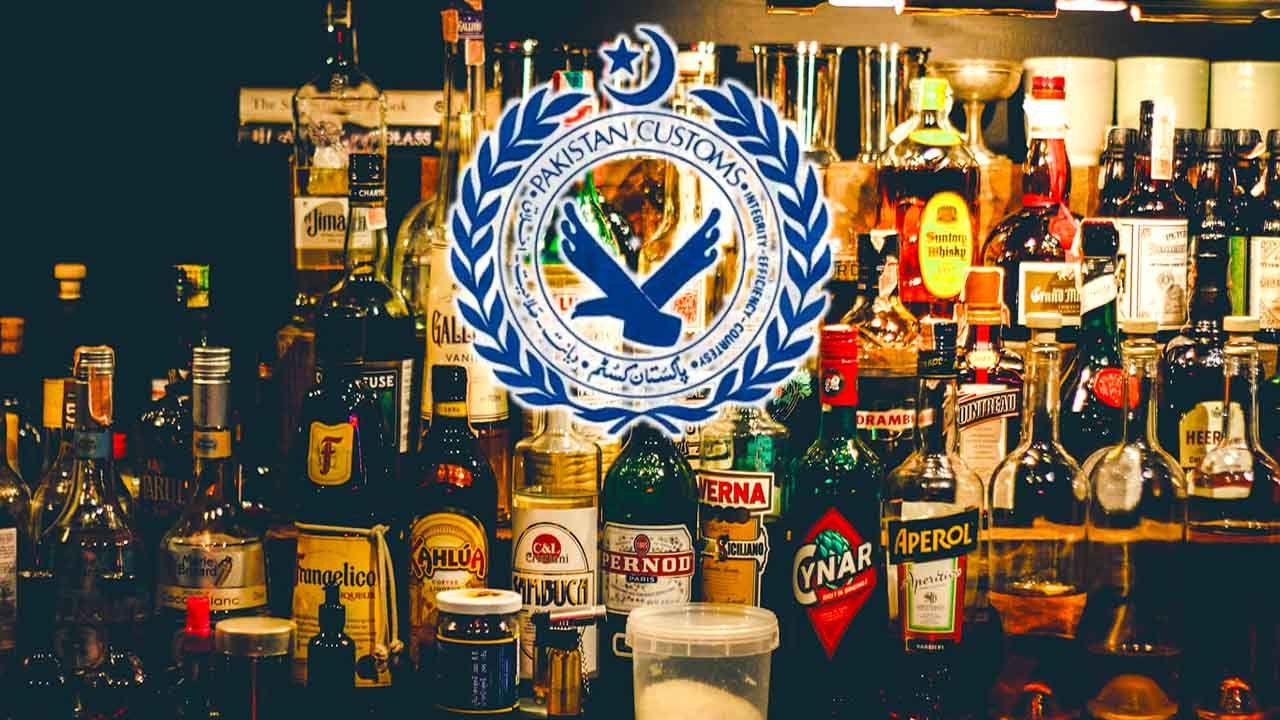
    During a raid on the outskirts of Karachi on Thursday, Pakistan Customs personnel recovered a massive quantity of imported liquor worth millions of rupees.

    According to a Customs spokesman, monitoring was increased at the Moachko checkpoint after the Customs Enforcement Collectorate got information that alcohol was being smuggled to Karachi from Quetta under the cover of official vehicles.

    When a car with a government license plate and an armed guard was sighted at the checkpoint, customs anti-smuggling personnel signaled the driver to pull up, but the driver instead sped away.

    When the officials gave chase, the driver of the car purposefully began hitting customs vehicles, and the guard resorted to firing. Because the road was packed and there was a threat to public safety, customs officers refrained from firing fire.

    According to a spokesman, when they were around Shershah Chowk, the driver and guard hopped out of the vehicle and fled, taking advantage of a traffic jam on the other side of the road. During a check of the vehicle, 348 liquor bottles worth Rs6,480,000 were seized, along with other items discovered.

    Read more: PTA to take action against advertising of illegal housing societies on social media

    The entire estimated value of the products and car was Rs10,480,000. An FIR has been filed, and a manhunt has been initiated to find the suspects.

  • PTA to take action against advertising of illegal housing societies on social media

    PTA to take action against advertising of illegal housing societies on social media

    The Pakistan Telecommunication Authority (PTA) instructed housing societies that do not have a legal No Object Certificate (NOC) to refrain from advertising unauthorized businesses on social media platforms.

    According to a news release, the PTA has been approached by the Lahore Development Authority (LDA) in response to a direction given by the Lahore High Court in a writ case on March 30, 2022, with regard to banning advertisements of illegal housing societies on digital and social media.

    All non-approved housing societies that operate without valid NOC from the concerned authorities are encouraged to desist from publicising the unlawful business on social media platforms, or else the PTA will take action in accordance with its legal mandate.

  • Eid-ul-Fitr 2022: Here’s why Pakistan is paying a lot more than last year for clothes, food

    Eid-ul-Fitr 2022: Here’s why Pakistan is paying a lot more than last year for clothes, food

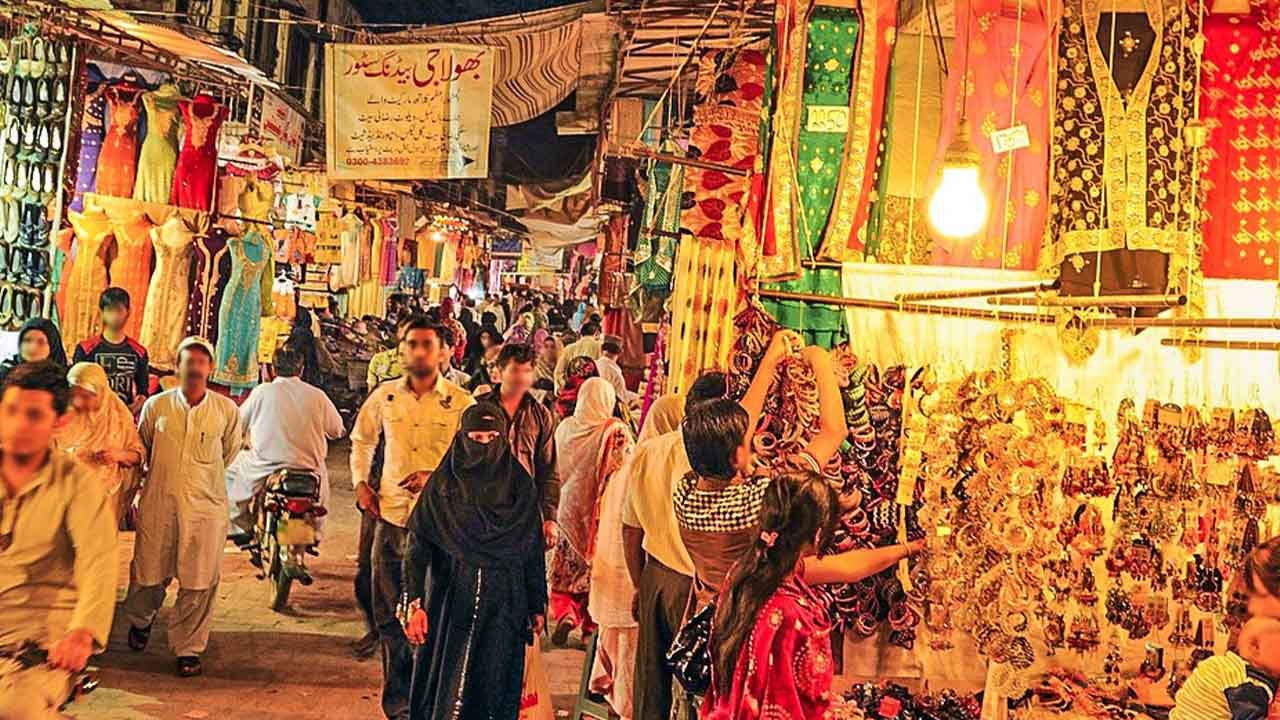
    Cities are decked with spectacular illumination around shopping malls, major streets, and side lanes as Eid shopping begins. Despite growing inflation, there is a lot of hustle in commercial areas.

    But do you know how much higher we are paying for everything this year, from food to clothing, than we did last year?

    Undoubtedly, the PTI-led government struggled to contain inflation, which experts said, was the outcome of record-high global commodity prices and 51 per cent devaluation of the Pakistani rupee (PKR).

    In January 2022, inflation climbed by 13 per cent year on year basis compared to 12.3 per cent in the previous month and 5.7 per cent in January 2021. It is pertinent to mention that inflation reached an all-time high of 14.6 per cent in January 2020.

    The Consumer Price Index (CPI) accelerated in March 2022 over the same month a year ago, according to the inflation bulletin released by the Pakistan Bureau of Statistics (PBS). The index remained higher compared to the preceding month during five out of the past six months.

    Inflation Comparison – January 2022

    General CPI inflation, increased by 13.0 per cent on a year-on-year basis in January 2022 as compared to an increase of 12.3 per cent in the previous month and 5.7 per cent in January 2021. On a month-on-month basis, it increased by 0.4 per cent in January 2022 as compared to decrease of -0.02 per cent in the previous month and a decrease of -0.2 per cent in January 2021.

    Urban CPI inflation, increased by 13.0 per cent on a year-on-year basis in January 2022 as compared to an increase of 12.7 per cent in the previous month and 5.0 per cent in January 2021. On a month-on-month basis, it increased by 0.1 per cent in January 2022 as compared to an increase of 0.3 per cent in the previous month and a decrease of -0.2 per cent in January 2021.

    Rural CPI inflation, increased by 12.9 per cent on a year-on-year basis in January 2022 as compared to an increase of 11.6 per cent in the previous month and 6.6 per cent in January 2021. On a month-on-month basis, it increased by 0.9 per cent in January 2022 as compared to a decrease of -0.5 per cent in the previous month and a decrease of -0.3 per cent in January 2021.

    Wholesale Price Index (WPI) inflation on a year-on-year basis increased by 24.0 per cent in January 2022 as compared to an increase of 26.2 per cent a month earlier and an increase of 6.4 per cent in January 2021. WPI inflation on a Month-on-month basis increased by 0.6 per cent in January 2022 as compared to a decrease of -0.2 per cent a month earlier and an increase of 2.5 per cent in a corresponding month i.e. January 2021.

    Urban Consumer Price Index (UCPI)

    The Urban Consumer Price Index of January 2022 increased by 0.06 per cent over December 2021 and increased by 12.99 per cent over the same month of the last year (January 2021).

    Month-on-Month Inflation

    Main contributors to month-on-month and year-on-year percentage changes are mentioned below:

    Increase in prices of food items: Pulse Masoor (6.13 per cent), Gram whole (4.79 per cent), Fruits (4.11 per cent), Besan (3.82 per cent), Pulse Gram (3.44 per cent), Pulse Mash (3.37 per cent), Wheat (2.68 per cent), Pulse Moong (1.88 per cent), Meat (1.78 per cent) and Rice (1.28 per cent).

    Increase in prices of garments and other items: Woolen Readymade Garments (6.67 per cent), Solid Fuel (5.16 per cent), Hosiery (1.93 per cent), Motor Fuel (1.75 per cent), Cleaning & Laundering (1.59 per cent), Washing soap/Detergents/Match Box (1.46 per cent) and Liquefied Hydrocarbons (1.29 per cent).

    Year-on-Year Inflation – January 2021

    Edible items

    Increased: Cooking Oil (54.33 per cent), Vegetable Ghee (47.4 per cent), Mustard Oil (46.68 per cent), Pulse Masoor (41.3 per cent), Fruits (28.35 per cent), Gram Whole (24.7 per cent), Meat (22.38 per cent), Chicken (17.08 per cent), Pulse Gram (15.67 per cent), Beans (15.37 per cent), Pulse Mash (12.46 per cent) and Vegetables (11.58 per cent).

    Garments and others

    Increased: Electricity Charges (56.20 per cent), Liquefied Hydrocarbons (53.35 per cent), Motor Fuel (36.22 per cent), Footwear (25.47 per cent), Cleaning & Laundering (22.03 per cent), Washing soap/Detergents/Match Box (17.95 per cent), Motor Vehicle Accessories (14.04 per cent), Woolen Readymade Garments (13.03 per cent) and Plastic Products (11.72 per cent).

    Year-on-Year Inflation – March 2022

    CPI National for the month of March, 2022 increased by 12.72 per cent over March, 2021. The Urban CPI recorded an increase of 11.94 per cent while Rural CPI recorded an increase of 13.88 per cent.

    Edible items in urban areas

    Increased: Tomatoes (148.65 per cent), Mustard Oil (59.91 per cent), Vegetable Ghee (49.56 per cent), Cooking Oil (48.05 per cent), Pulse Masoor (38.32 per cent), Vegetables (34.92 per cent), Fruits (32.00 per cent), Gram whole (25.37 per cent), Meat (23.68 per cent), Chicken (19.59 per cent) and Beans (13.62 per cent).

    Edible items in rural areas

    Increased: Tomatoes (158.82 per cent), Cooking Oil (63.47 per cent), Mustard Oil (57.2 per cent), Vegetable Ghee (56.43 per cent), Vegetables (45.62 per cent), Fruits (37.80 per cent), Pulse Masoor (37.46 per cent), Meat (25.19 per cent), Beans (17.38 per cent), Wheat Flour (16.22 per cent), Chicken (15.09 per cent) and Tea (11.74 per cent).

  • CDA to spend Rs80 million on maintenance of street lights in Islamabad

    CDA to spend Rs80 million on maintenance of street lights in Islamabad

    The Capital Development Authority (CDA) would spend about Rs80 million on street light repairs and maintenance to keep the city lit at night.

    On several main highways, intersections, connecting roads, marketplaces, and streets in Islamabad, the Authority’s Street Light Department will install new street lights and replace damaged street lights and transformers, according to a CDA spokesman on Wednesday. The tender will be published in national publications soon before work begins.

    He said the administration was committed to providing the necessary resources to the street lighting division in the best interests of the capital city and its citizens, under the leadership of CDA Chairman Aamer Ali Ahmed.

    The continuous functioning of street lights was necessary to offer inhabitants safe transportation and to ensure the city’s security at night, according to the spokesman.

    Allocated Budget for Sectors

    According to information, a budget of about Rs20 million has been put aside for the construction of new street lights on different important highways and linking roads between GT Road and Haj Complex, as well as Sector I-14/2-3.

    Moreover, about Rs19 million has been set aside for the installation of new and contemporary street lights on Sector I-11/2’s key highways, link roads, and marketplaces, as well as the upkeep of broken street lights.

    Read more: Shopkeepers fined in Islamabad for not adhering to DC rates

    Similarly, Rs16 million has been set aside for sector I-16 in order to ensure sufficient illumination on major highways, service roads, and marketplaces. In addition, Rs11 million would be spent on lighting from Sector I-10, Faqir Appi Road, to Victory Pipe Industrial Area.

    The administration has agreed to spend Rs11 million to install new and modern street lights in Sector I-14-1, I-14/3, and I-14/4 to ensure sufficient lighting, and Rs7 million to install new street lights in Sector H-11 from NUST University to Srinagar Highway.

  • Rawalpindi faces water shortage amid repeated power outages

    Rawalpindi faces water shortage amid repeated power outages

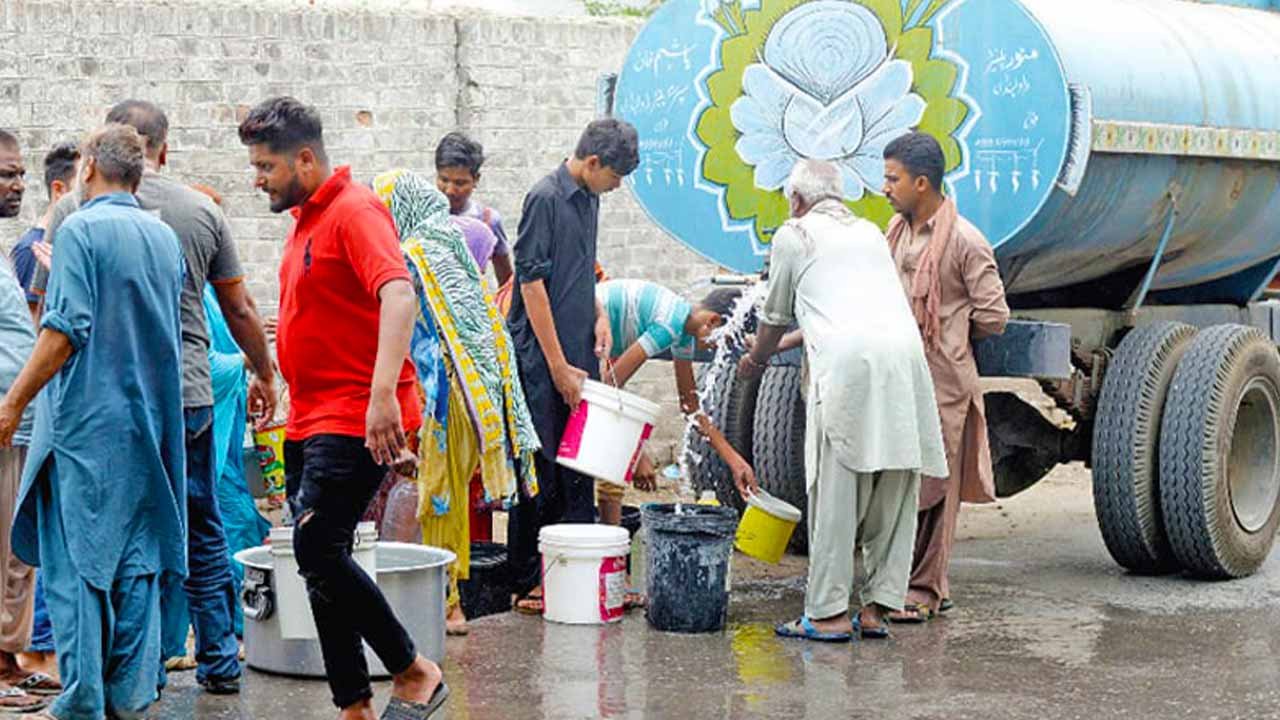
    Water supply from Rawal Dam and Khanpur Dam has been disrupted, causing severe water shortages in the city.

    The water crisis has been attributed to long hours of unscheduled load shedding by Islamabad Electric Supply Company (Iesco), which cuts the electricity every hour and on a regular basis, according to the Water and Sanitation Agency (Wasa) Managing Director.

    Wasa claims that the water supply from Khanpur Dam and Rawal Dam has been severely impacted and that it is insufficient to meet demand.

    On a daily basis, the city requires around 60 million gallons of water. It is, however, only supplied with 30 million gallons per day.

    All tube wells remained closed due to long and unexpected load shedding, according to Wasa Managing Director Raja Shaukat Mehmood. In this situation, he stated, getting water from Rawal Lake Filtration Plant was impossible.

    He stated that we are not receiving enough water from Khanpur Dam to meet demand. Due to persistent load shedding, we were unable to store water in tanks, he said. He said that hardly half of the water from Rawal Dam is delivered to the city and cantonment board districts.

    Read more: Shopkeepers fined in Islamabad for not adhering to DC rates

    Mehmood further stated that due to low voltage and tripping, some motors have been burned. He has pleaded for the provision of uninterruptible electricity in order to deliver water to the inhabitants.

  • Shopkeepers fined in Islamabad for not adhering to DC rates

    Shopkeepers fined in Islamabad for not adhering to DC rates

    On April 27, special teams led by the Islamabad Capital Territory (ICT) administration issued fines of up to Rs40,000 to shop owners for overcharging consumers.

    During surprise raids conducted by magistrates and assistant commissioners, shops from several marketplaces were penalised, according to an ICT administration spokesperson.

    Irfan Memon, the Deputy Commissioner of Islamabad, said the administration was enforcing strict adherence to the rate list of food goods in marketplaces during Ramadan in order to prevent profiteering.

    He stated that strict action was being taken against racketeers in the federal capital and that violators were being fined heavily on the spot for overbilling. During the holy month, he claimed, daily price-checking would continue unabated.

    After investigating 628 shops across the city, officials sealed five shops and arrested 12 vendors, according to details.

    Read more: Pakistan’s energy crisis worsens, resulting in ten hours of load shedding

    The AC secretariat inspected dairy, poultry, and milk shops, as well as general stores, bakeries, and fruit and vegetable shops, for quality, general hygiene, expired products, and compliance with notified pricing and the exhibition of the DC rate list of necessary commodities.

    Three merchants were detained for refusing to exhibit the rate list and overcharging, while others who broke the law were fined and warned.

  • ‘Eid Shopping Festival’ will take place in Lahore from April 28 – May 2

    ‘Eid Shopping Festival’ will take place in Lahore from April 28 – May 2

    From April 28 to May 2, the Lahore Chamber of Commerce and Industry (LCCI), the Tourism Development Corporation of Punjab (TDCP), and the Commissioner’s Office will jointly host “Eid Shopping Festival” in Lahore.

    LCCI President Mian Nauman Kabir announced the Eid Shopping Festival programme at a press conference held on April 26 at the Lahore Chamber of Commerce and Industry.

    He told the media that the LCCI-TDCP major event’s main goal is to not only help revitalise trade and economic activity but also to highlight the country’s positive image.

    Kabir claimed that the event was planned in such a way that it would send a strong message to the international community.

    On the occasion, Senior Vice-President Mian Rehman Aziz Chan, Commissioner Lahore Capt (retd) M Usman, Secretary TDCP Asadullah Faiz, Mardan Ali Zaidi, Ashraf Bhatti, Sohail Butt, Mian Zahid Jawed, representatives from the district government, traffic police, and city markets spoke.

    The ‘Eid Shopping Festival,’ according to the LCCI President, includes a variety of economic and cultural activities such as Shopping Rides, Discounts on Shopping in Anarkali, Liberty, Mall Road, and other city markets, Special Gift Coupons, City Sighting at Night, Qawwali night, and other events.

    Read more: ‘Sasta Ramzan Bazaar’ fails to provide relief in third Ashra

    Commissioner Lahore expressed gratitude to the business community for their support to such initiatives. He stated that the project would continue and that further markets would be added in the future.

    Asadullah Faiz, the Secretary of the TDCP, stated that the TDCP is bringing new trends in the tourist and hospitality industries. He wished for the ‘Eid Shopping Festival’ to be a huge success.

  • Proton X70, the low-cost SUV that never arrives after booking

    Proton X70, the low-cost SUV that never arrives after booking

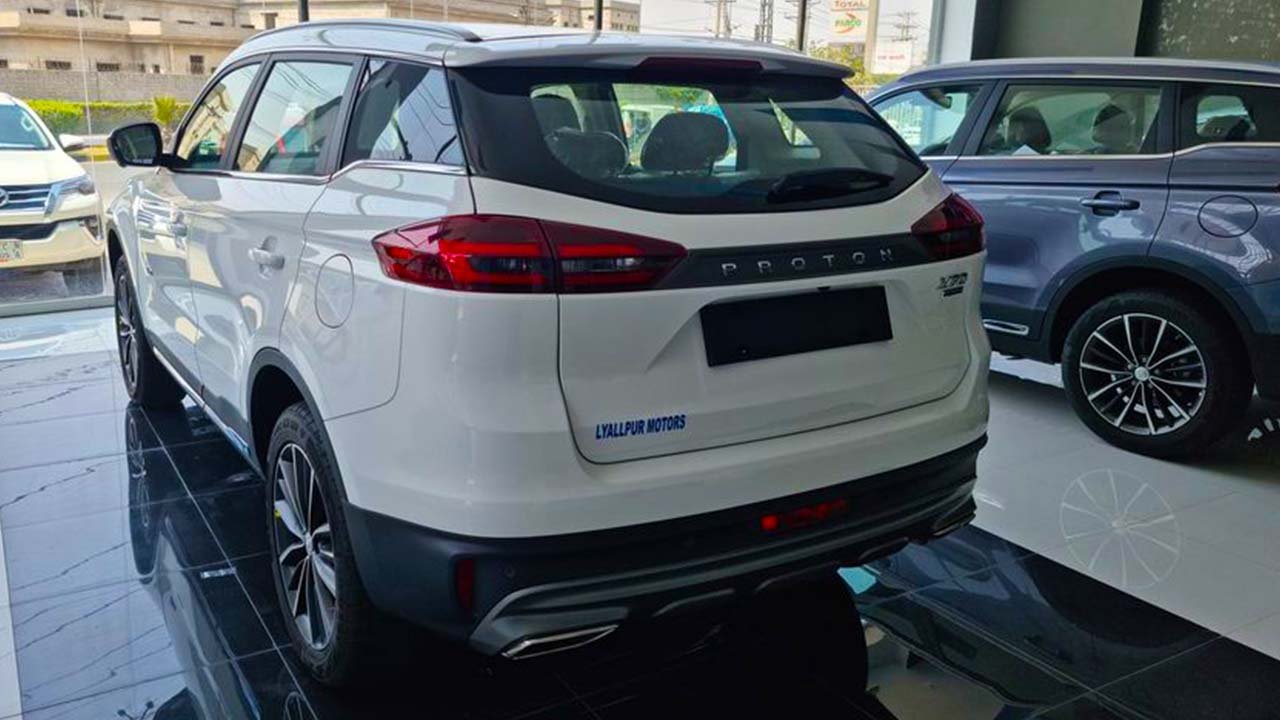
    The Malaysian SUV Proton X70 was introduced in Pakistan in December 2020. Still, there are very few vehicles observed running on Pakistani roads, implying that the low-cost SUV may have failed in the country’s auto market.

    The SUV reached Pakistan at a difficult period when there were several import restrictions due to COVID-19 lockdowns, which hampered deliveries of the new Malaysian entrant in Pakistan’s burgeoning auto sector.

    Proton imported the X70 units in Pakistan when deliveries resumed as Malaysian facilities reopened. In fact, the company revealed at the beginning of this year that it had begun assembling the SUV in its local plant. The automaker even stated that it is restarting production at full capacity, which relieved some of its customers; nonetheless, buyers disclosed that they were not receiving the SUV on time.

    Unfortunately, a number of consumers who valued the business and ordered the vehicle are still waiting, including those who booked the latter about a year ago, and some have even cancelled their orders and gone for alternative options in the market that offer a quicker delivery.

    Read more: Here’s a look at the 2023 BMW 7 Series

    Being a new brand, the business could have taken a more strategic approach, as the Pakistani automobile market is dominated by Toyota, Honda, and Suzuki, brands that Pakistanis have tried and tested for years.

  • HP to launch its first 17-inch foldable OLED notebook

    HP to launch its first 17-inch foldable OLED notebook

    Hewlett Packard Enterprises (HPE) is believed to be working on an all-screen foldable laptop with a 17-inch OLED panel that could be released in the coming months.

    HP’s bendable laptop may enter the next era of laptops, with LG Display releasing its vision of 17-inch folding OLED notebooks and Asus revealing its Zenbook 17 Fold OLED during CES 2022.

    SK IE Technology will provide LG Display with transparent polyimide film to cover bendable OLED panels. The OLED panels for HP’s new notebook will be made by the OLED provider. The company would produce 10,000 units of the film in the third quarter of this year, according to a publication.

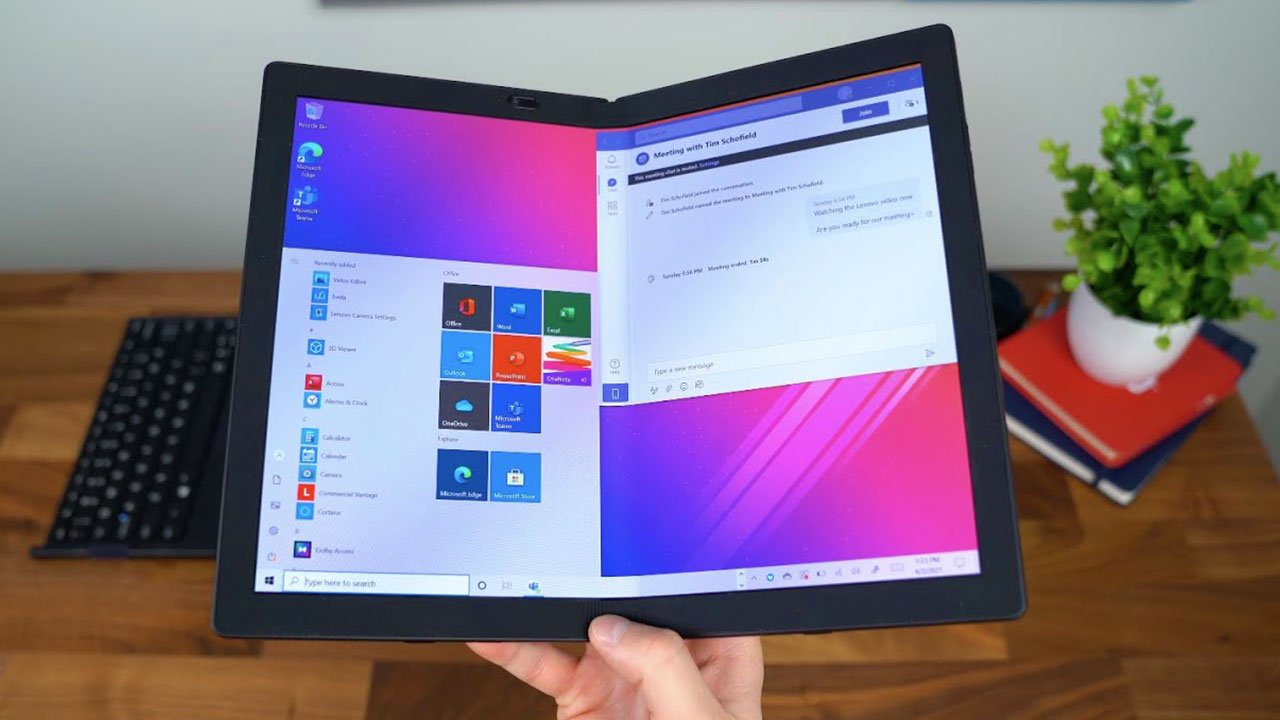
    The laptop will reportedly have a 4K resolution (3840×2160) in-folding panel that measures 17 inches when unfolded and 11 inches when folded. That’s a major increase over the 13.3-inch Lenovo ThinkPad X1 Fold, which is the world’s first folding PC. According to the source, HP’s foldable laptop could debut in 2022.

    If HP wins in producing a notebook with a bendable 4K OLED display, the brand will join a multitude of other companies that are working on their own all-screen foldable laptop.

    Read more: Apple’s new iOS update to fix battery drain issues for iPhones, iPads

    The Asus Zenbook 17 Fold already has a 17.3-inch foldable OLED (FOLED) display with a 2560×1920 resolution, a 12th Gen Intel Core i7 CPU, and 16GB of LPDDR5 RAM, and a 1TB PCIe 4.0 SSD. A 12.5-inch variant is also available.