Category: Business

The most important business news, explained in a young, easy to understand way. News that affects young career professionals.

  • Gold price increases by Rs1,400 to Rs254,900 per tola

    Gold price increases by Rs1,400 to Rs254,900 per tola

    On Thursday, gold prices in Pakistan experienced a notable increase. The price of 24-karat gold reached Rs254,900 per tola, marking a rise of Rs1,400.

    According to the Karachi Sarafa Association, the cost of 24-karat gold was reported at Rs218,536 per 10-gramme, up by Rs1,201. Meanwhile, 22-karat gold prices also saw an uptick, quoted at Rs200,324 per 10-gramme.

    In contrast, silver prices in the domestic market remained steady. The price for 24-karat silver was unchanged at Rs2,900 per tola and Rs2,486 per 10-gramme.

    On the international stage, spot gold traded at approximately $2,433 per ounce, experiencing a decrease of $12.30, or 0.50 per cent, from the previous session.

  • Govt announces minor Rs6.17 per litre reduction in petrol price for next two weeks

    Govt announces minor Rs6.17 per litre reduction in petrol price for next two weeks

    In a recent development, the government has decreed a modest reduction in petrol price for the first two weeks of August 2024. The announcement, issued by the Oil and Gas Regulatory Authority (Ogra), reflects adjustments based on fluctuations in international oil prices and exchange rates.

    With Prime Minister Shehbaz Sharif’s approval, the petrol price has been lowered by Rs6.17 per litre, bringing the new rate to Rs269.60, down from Rs275.60.

    Similarly, the price of high-speed diesel (HSD) will decrease by Rs10.86 per litre, settling at Rs272.77, from its previous rate of Rs283.63.

    Kerosene oil has also seen a reduction, with its price falling by Rs6.32 per litre to Rs177.39, down from Rs183.71.

    Additionally, light diesel oil (LDO) will now be available at Rs160.53 per litre, a decrease of Rs5.72 from the existing rate of Rs166.25.

  • LPG price increased by OGRA for the month of August 2024

    LPG price increased by OGRA for the month of August 2024

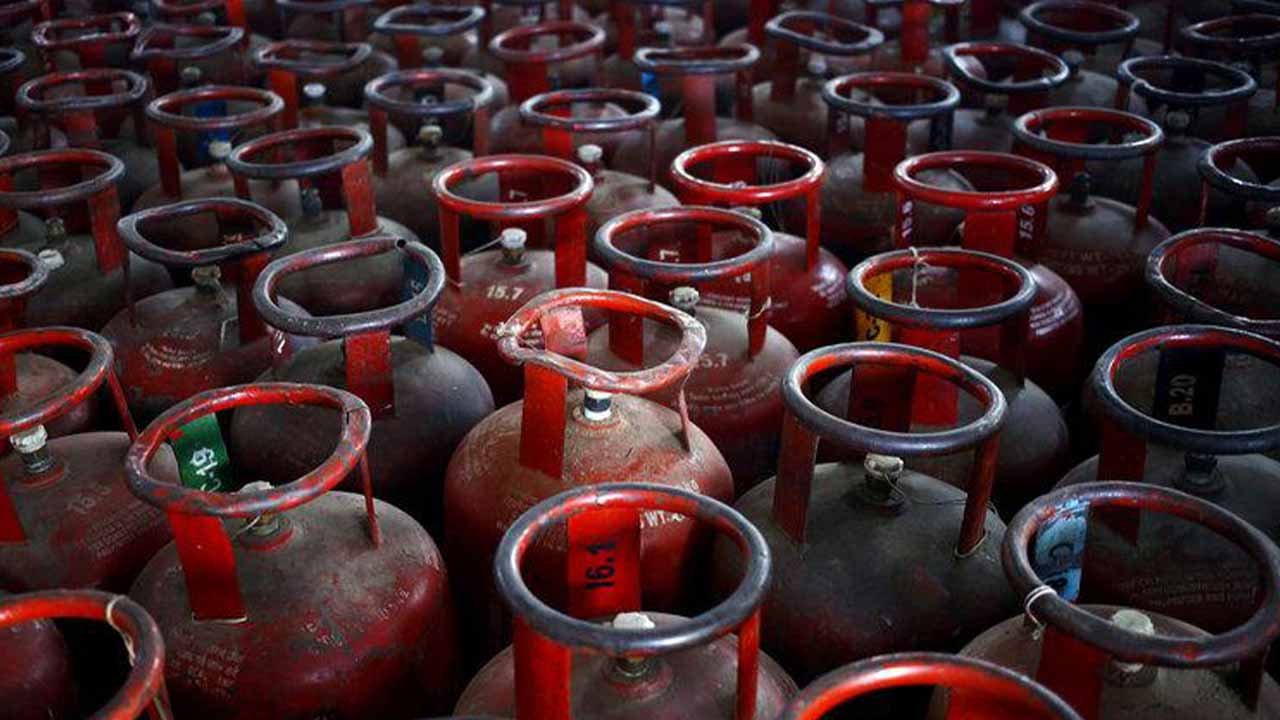
    Ahead of the revised petrol price announcement, the Oil and Gas Regulatory Authority (OGRA) has announced an increase in the price of Liquefied Petroleum Gas (LPG) for August 2024.

    The price of LPG has been raised by Rs2.28 per kilogramme, bringing the new consumer rate to Rs236.996 per kilogramme, up from Rs234.717 per kilogramme in July.

    Similarly, the producer price for LPG has been adjusted to Rs195.696 per kilogramme for August, reflecting the same increase. For an 11.8 kg LPG cylinder, the consumer price has been revised to Rs2,796.56, marking an increase of Rs26.90 from the previous month’s price of Rs2,769.66.

    Additionally, the producer LPG price has been set at Rs2,309.22 for August. This price adjustment is influenced by fluctuations in the Saudi Aramco Contract Price (CP) and the US dollar exchange rate.

    The Saudi Aramco CP has risen by 1.22 per cent, while the average dollar exchange rate has decreased by 0.0107 per cent. These factors have contributed to the overall increase in the consumer price of LPG by Rs26.90 per 11.8 kg cylinder, or 0.97 per cent.

  • IMC begins exporting Toyota vehicles despite minimal financial benefits

    IMC begins exporting Toyota vehicles despite minimal financial benefits

    Indus Motor Company Limited (IMC), the Pakistani assembler and manufacturer of Toyota vehicles, has commenced the export of select models to affiliated Toyota companies.

    The company’s announcement highlights the commencement of its export activities, marking a significant milestone. IMC is organising a ceremony to celebrate this achievement, underscoring its commitment to expanding its business reach and enhancing Pakistan’s international market presence.

    Despite this promising step, IMC noted that the current financial impact of these exports is minimal. The company acknowledged that, at this stage, the effect on its overall business performance is negligible.

    IMC remains optimistic about the future potential of its export ventures. The company considers the current export phase a pioneering effort that could pave the way for more substantial international opportunities.

    In July of the previous year, IMC began exporting vehicles to Toyota Egypt, having signed a corresponding agreement at that time.

  • Pakistan experiences highest dollar outflow since FY18 amid economic adjustments

    Pakistan experiences highest dollar outflow since FY18 amid economic adjustments

    Pakistan, grappling with a shortage of US dollars, has seen a significant outflow of foreign exchange as international investors repatriated dividends and profits at unprecedented levels.

    In fiscal year 2024 (FY24), foreign investors withdrew $2.2 billion, the highest outflow since the $2.3 billion withdrawn six years ago. This surge, representing a dramatic 569.2 per cent year-on-year increase, is primarily due to a low base in FY23.

    The country’s foreign exchange reserves were critically low in FY23, prompting the government to impose restrictions on dollar outflows to avoid a potential default. Consequently, repatriations fell sharply to $331 million, an 80.3 per cent decrease from FY22, marking one of the lowest figures on record.

    A pivotal change occurred in June 2023 when Pakistan reached a Staff Level Agreement (SLA) worth $3 billion with the International Monetary Fund (IMF).

    The agreement mandated the removal of capital controls and a shift towards a more functional foreign exchange market. This move, driven by foreign pressure and the IMF’s conditions, resulted in the lifting of these restrictions, leading to a substantial increase in outflows in FY24.

    In particular, May 2024 set a record with the highest monthly outward remittance of $918.1 million.

    Notably, the outflow for the year exceeded the total foreign investment of $1.52 billion. Key sectors contributing to this outflow included Financial Business, Power, and Communications, with the Financial Business sector repatriating the most at $638.6 million.

    Among the countries, the United Kingdom led with $558.57 million in repatriated profits, a substantial increase from $20.14 million the previous fiscal year. The UAE and Netherlands followed in repatriation figures.

    Despite the significant outflow, there is an optimistic outlook for Pakistan’s economy. The State Bank of Pakistan (SBP) has confirmed that there are no outstanding profit repatriation payments, alleviating concerns of foreign companies and potentially attracting new investors. The recent Fitch rating upgrade further supports the country’s economic stability.

    On a positive note, Pakistan’s foreign exchange reserves saw a 110 per cent increase, reaching $4.92 billion in FY24.

    However, JPMorgan has cautioned that unresolved dividend backlog issues might impact the PKR in the short term. Addressing these could improve transparency and enhance the attractiveness of Pakistan as an investment destination.

  • Pakistan’s fiscal deficit falls to 6.8% of GDP in FY24

    Pakistan’s fiscal deficit falls to 6.8% of GDP in FY24

    In the fiscal year 2023-2024, Pakistan’s fiscal deficit decreased to 6.8 per cent of GDP, down from 7.7 per cent the previous year, according to data from the Finance Ministry.

    In nominal terms, however, the fiscal deficit expanded to Rs7.21 trillion, up from Rs6.52 trillion the year before. Despite this, the country achieved a primary surplus of Rs952.92 billion, equivalent to 0.9 per cent of GDP, in contrast to a primary deficit of Rs825.53 billion, or 1.0 per cent of GDP, in FY23.

    To address the fiscal deficit, the government secured Rs6.89 trillion through domestic borrowing and an additional Rs320.7 billion through external loans. This compares to the previous year when the entire deficit was covered by Rs7.2 trillion in domestic borrowing, and Rs679.85 billion in external loans were repaid.

    On the revenue side, the government collected Rs13.27 trillion (12.5 per cent of GDP) in FY24, up from Rs9.63 trillion (11.4 per cent of GDP) in FY23. Tax revenue constituted approximately Rs10.1 trillion (9.5 per cent of total revenue), while non-tax revenue amounted to Rs3.18 trillion.

    Government expenditure totalled Rs20.48 trillion (19.3 per cent of GDP) in FY24, an increase from Rs16.15 trillion (19.1 per cent of GDP) the previous year.

    Nearly 90.7 per cent of this expenditure, or Rs18.57 trillion, was allocated to current expenditures, which included mark-up payments (Rs8.16 trillion), defence (Rs1.86 trillion), and pensions (Rs807.8 billion).

  • SBP lowers policy rate to 19.5%, citing improved inflation trends

    SBP lowers policy rate to 19.5%, citing improved inflation trends

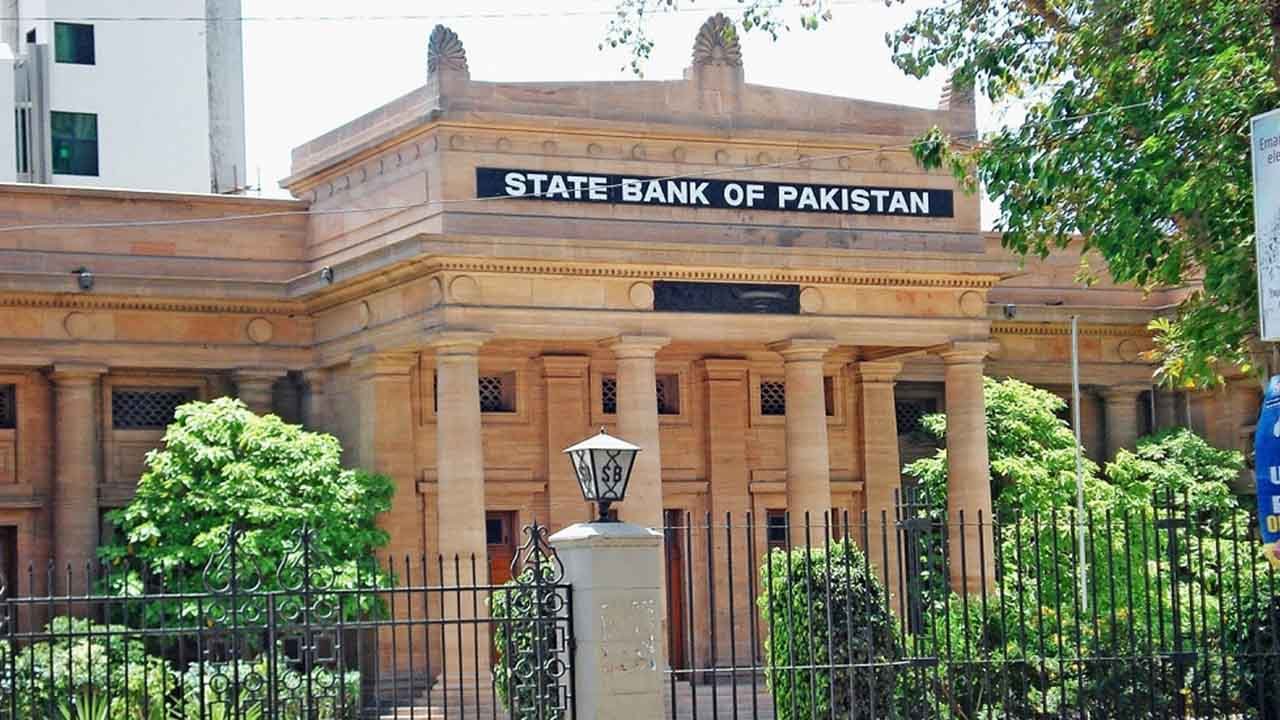
    In a move aimed at stimulating economic activity, the State Bank of Pakistan (SBP) has lowered its key policy rate by 100 basis points, bringing it down to 19.5 per cent.

    SBP Governor Jameel Ahmad announced the rate cut during a press conference on Monday, highlighting that June 2024 inflation figures were slightly better than expected. He noted that the inflationary effects of the Federal Budget for FY25 aligned with earlier predictions.

    Furthermore, Ahmad pointed to an improvement in the external account, evidenced by an increase in the SBP’s foreign exchange reserves despite substantial debt repayments.

    The Monetary Policy Committee (MPC) justified the rate reduction by emphasising the room for easing monetary policy while maintaining control over inflation. The MPC believes that despite this reduction, the policy stance remains sufficiently stringent to steer inflation towards the medium-term target of 5–7 per cent.

    This policy adjustment comes after Pakistan’s recent agreement with the International Monetary Fund (IMF) and the announcement of the federal budget.

    Market sentiment, as reported by Arif Habib Limited (AHL), anticipated the rate cut, with a poll indicating that 55.7 per cent of respondents expected a reduction. AHL’s report predicted the rate would drop to 19.5 per cent, a level not seen since March 2023.

    Additionally, Topline Securities also forecasted a similar reduction, attributing it to receding inflationary pressures.

    The decision follows key events including the entry into a new $7 billion Extended Fund Facility (EFF) programme with the IMF and the latest federal budget.

    These developments, along with recent improvements in macroeconomic indicators, have influenced the central bank’s move to lower the policy rate.

  • Petroleum minister confirms gas prices will remain unchanged, highlights falling inflation

    Petroleum minister confirms gas prices will remain unchanged, highlights falling inflation

    In a recent press conference, Minister for Petroleum Musadik Malik announced that the federal government has decided to keep gas tariffs unchanged. He confirmed that consumers will not experience any increase in gas prices.

    Malik highlighted that the government’s economic policies are beginning to yield positive results. He reported a substantial reduction in food inflation, which has decreased from 48 per cent to just 2 per cent.

    Overall inflation has also dropped significantly, falling from 38 per cent to 12 per cent, with a continued downward trend anticipated. Malik stated that all economic indicators suggest the country is moving towards greater stability.

    The minister emphasised that the government’s primary objectives are to alleviate poverty, control inflation, and create job opportunities for the youth. He revealed that Prime Minister allocated Rs600 billion in the current federal budget to support the underprivileged.

    Development projects are being prioritised, particularly in underserved areas, to generate local employment. Additionally, Rs50 billion has been earmarked to protect 86 per cent of electricity consumers for the upcoming three months.

    Malik reiterated the government’s commitment to providing further relief to the public by enhancing healthcare facilities, digitising the Federal Board of Revenue (FBR), and pursuing the privatisation of state-owned enterprises.

    Criticising the previous Pakistan Tehreek-e-Insaf (PTI) administration, Malik accused them of distributing $4 billion to the wealthiest individuals during their tenure. He also addressed the issue of terrorism, asserting that while the government is working to combat it, opposition parties are criticising these efforts.

    The minister expressed disappointment with the opposition’s approach, which he described as destructive and confrontational. He specifically criticised the Sunni Ittehad Council (SIC) for its negative campaign against state institutions and its focus on sit-ins without offering viable solutions.

    Furthermore, Malik accused PTI leaders of inconsistency, recalling that they previously claimed their government was overthrown by the US, yet they are now seeking assistance from the same country.

  • Reducing financial burden on low-income groups remains top priority for govt: Aurangzeb

    Reducing financial burden on low-income groups remains top priority for govt: Aurangzeb

    Finance Minister Muhammad Aurangzeb said Sunday that the government is taking robust measures to improve the country’s economy.

    Addressing a press conference in Islamabad, he said reforms are being done in the Federal Board of Revenue (FBR) to increase revenue collection.

    He said weekly meetings are being held under the chair of Prime Minister Shehbaz Sharif. He said that putting less burden on the lower-income class is the government’s top priority.

    Expressing gratitude to the Chief Ministers of all four provinces for supporting the government’s tax reforms agenda, he expressed hope that they will introduce tax legislation for the inclusion of the Agricultural sector in the taxation regime.

    He said without including the untaxed and under-taxed community in the tax regime, we cannot achieve certainty and ease of collection which is vital for economic stability.

    Regarding facilitation to the business community, Aurangzeb said claims worth 68 billion rupees have so far been now refunded.

    The Minister said notices will be sent through a centralized system, while field formations will be authorized to collect taxes accordingly.

    Mentioning the details of tax evasions and frauds, he said we have identified a tax potential worth 600 billion rupees that was not collected, out of which one billion rupees has been recovered so far.

    In customs, through misclassification, tax worth around 50 to 200 billion rupees has been identified.

    He urged the media to start a campaign against the under-tax and un-taxed community.

    The Minister said the government is also working on the simplification of the tax processes to facilitate the business and salaried persons.

    Through this simplified process, they will be able to respond to our system in a very simple and easy manner without the involvement of any tax consultant.

    Stressing the importance of rightsizing, the Minister said five ministries, including Kashmir and Gilgit Baltistan, SAFRON, Industries and Production, IT and Telecom, and Health have been short-listed in this regard.

    He said Prime Minister Shehbaz Sharif will take the final decision to this effect, he said.

  • Govt may withdraw free electricity, petrol benefits for officials to reduce financial pressure

    Govt may withdraw free electricity, petrol benefits for officials to reduce financial pressure

    The government is considering ending free electricity for officials, including bureaucrats, judges, and parliamentarians, to relieve the financial pressure on Pakistan’s struggling power sector.

    This move is part of a broader emergency plan being developed by the federal government to address severe financial challenges and prevent a potential default.

    The proposed plan could also involve removing free petrol benefits in the future. Given the country’s significant external debt and financial strain, these measures are seen as necessary for stabilising the economy.

     The plan includes providing electricity only to essential industries and businesses, and it also proposes reducing Maximum Demand Indicator (MDI) charges for factories.

    Additionally, there may be a review of the performance of the National Electric Power Regulatory Authority (Nepra) and the Oil and Gas Regulatory Authority (Ogra).

    The International Monetary Fund (IMF) has recently approved a $7 billion bailout for Pakistan but has raised concerns about high power theft and distribution losses, which contribute to the sector’s debt problems.

    Power Minister Awaiz Leghari has stated that the government is working to cut “circular debt”—liabilities from subsidies and unpaid bills—by Rs100 billion annually through structural reforms

    The power sector’s issues with theft and losses have led to increased debt and affected both poor and middle-class households. To meet IMF requirements, the government has raised power tariffs, which, despite record summer temperatures, has reduced household electricity consumption.

    In December 2023, the government stopped providing free electricity to officers in Grade 17 and above in power generation, distribution, and management companies. These officers received a pay raise to compensate for the loss of this benefit.

    This decision, made by the Cabinet Committee on Energy (CCoE) on October 26, 2023, was later approved by the federal cabinet.

    Overall, the government’s potential actions aim to address the financial crisis in the power sector and ensure fiscal stability amidst ongoing economic pressures.