Category: Business

The most important business news, explained in a young, easy to understand way. News that affects young career professionals.

  • Oil prices jump following Russia’s biggest production decline

    Oil prices jump following Russia’s biggest production decline

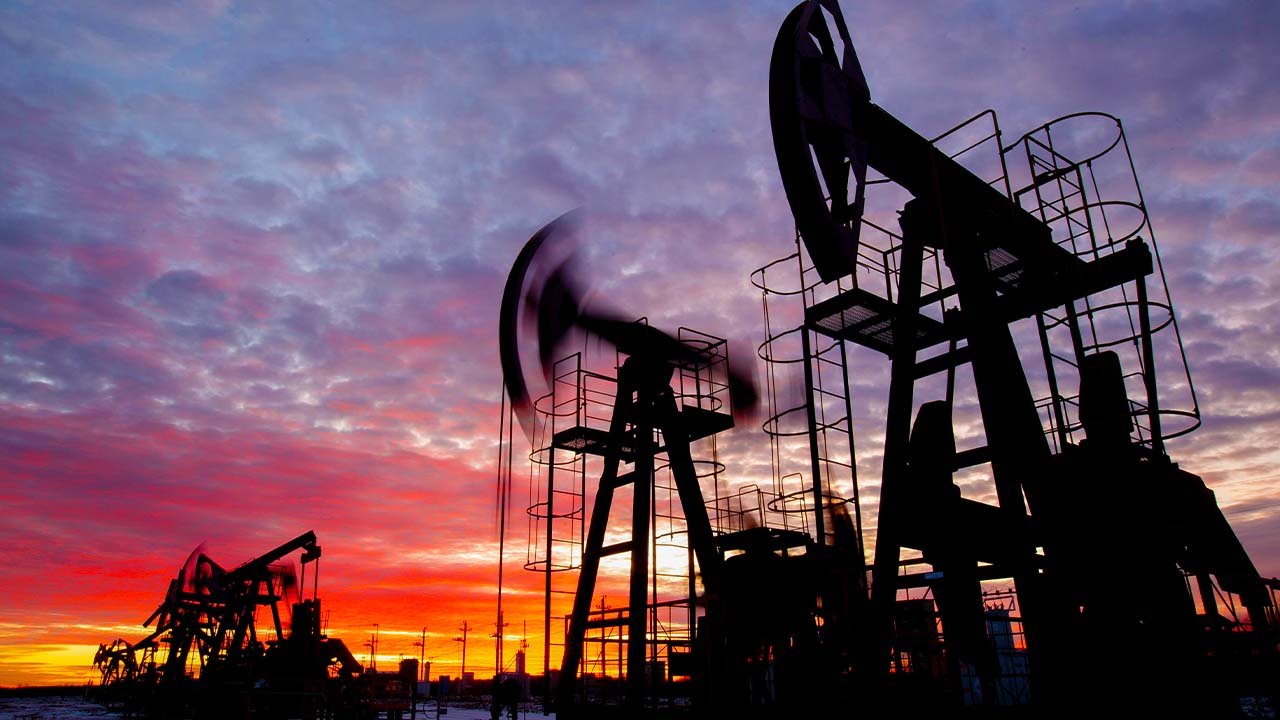
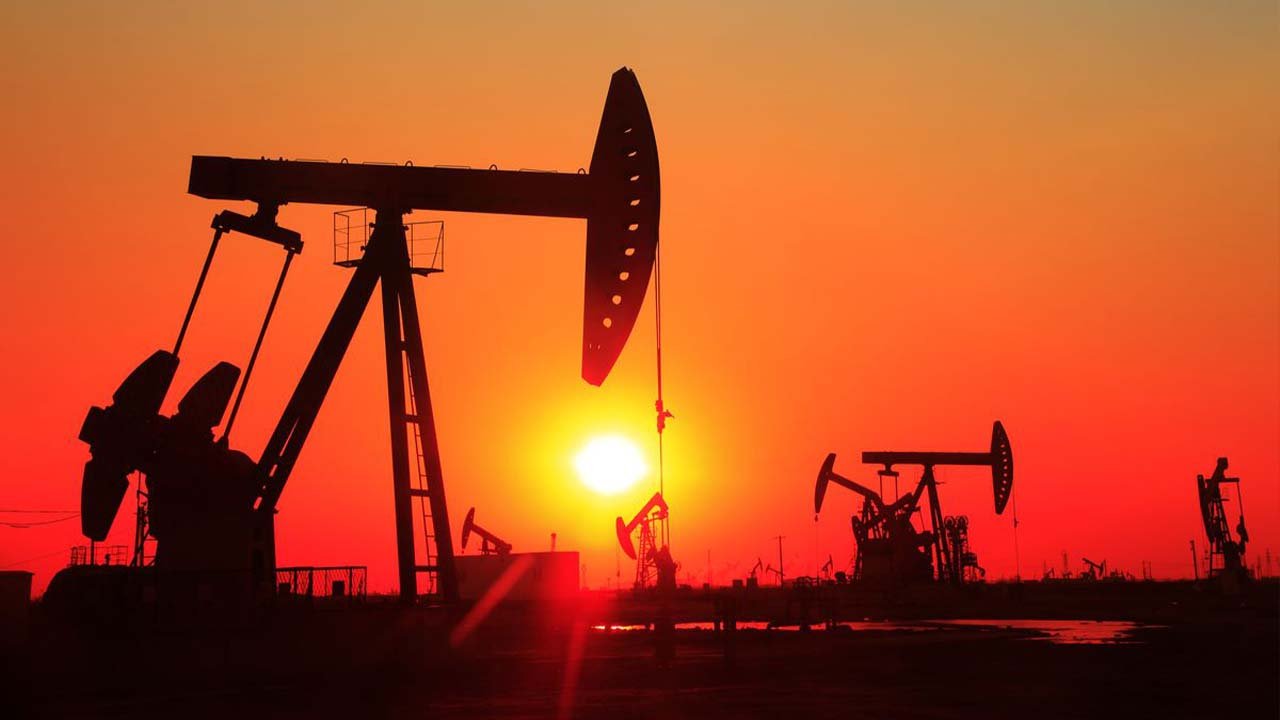
    Oil prices rose on April 13, after concerns that declining output in sanctions-hit Russia may affect supply, following the Russian announcement that peace negotiations to stop its invasion of Ukraine had reached a stalemate.

    Consequently, Brent crude futures were up 59 cents, or 0.6 per cent, to $105.23 a barrel, while West Texas Intermediate (WTI) crude futures were up 60 cents, or 0.6 per cent, to $101.20 a barrel. The previous session saw both contracts rise by more than 6%.

    On Tuesday, Russian President Vladimir Putin criticised Ukraine for the termination of peace talks and stated that Russia will not abandon its “special operation” to disarm its western neighbor.

    He stated that peace talks with Ukraine are at a stalemate, but that the seven-week operation is going as planned. In a note, ANZ oil experts stated that this raises the threat of the prolonged potential of supply disruptions in the oil sector.

    According to those familiar with the figures, Russian oil and gas extract output declined below 10 million BPD on April 11, the biggest drop since July 2020, as a result of sanctions imposed by numerous nations after Russia invaded Ukraine and logistical difficulties, which hindered business.

    This is quite serious as Russia is the world’s second-largest oil exporter.

    According to reports, Russia’s Energy Minister Nikolai Shulginov said late Tuesday that the government was willing to sell oil and oil products to “friendly countries in whatever price range,” adding that Moscow was focused on guaranteeing the oil sector’s proper functioning.

    Read more: International oil prices declined by 4%, crashing below $100 per barrel

    Meanwhile, indications of a partial relaxation of some of China’s strict COVID-19 restrictions have fueled optimistic sentiment between some market players this week.

  • Crisis-hit Sri Lanka announces default on foreign debt

    Crisis-hit Sri Lanka announces default on foreign debt

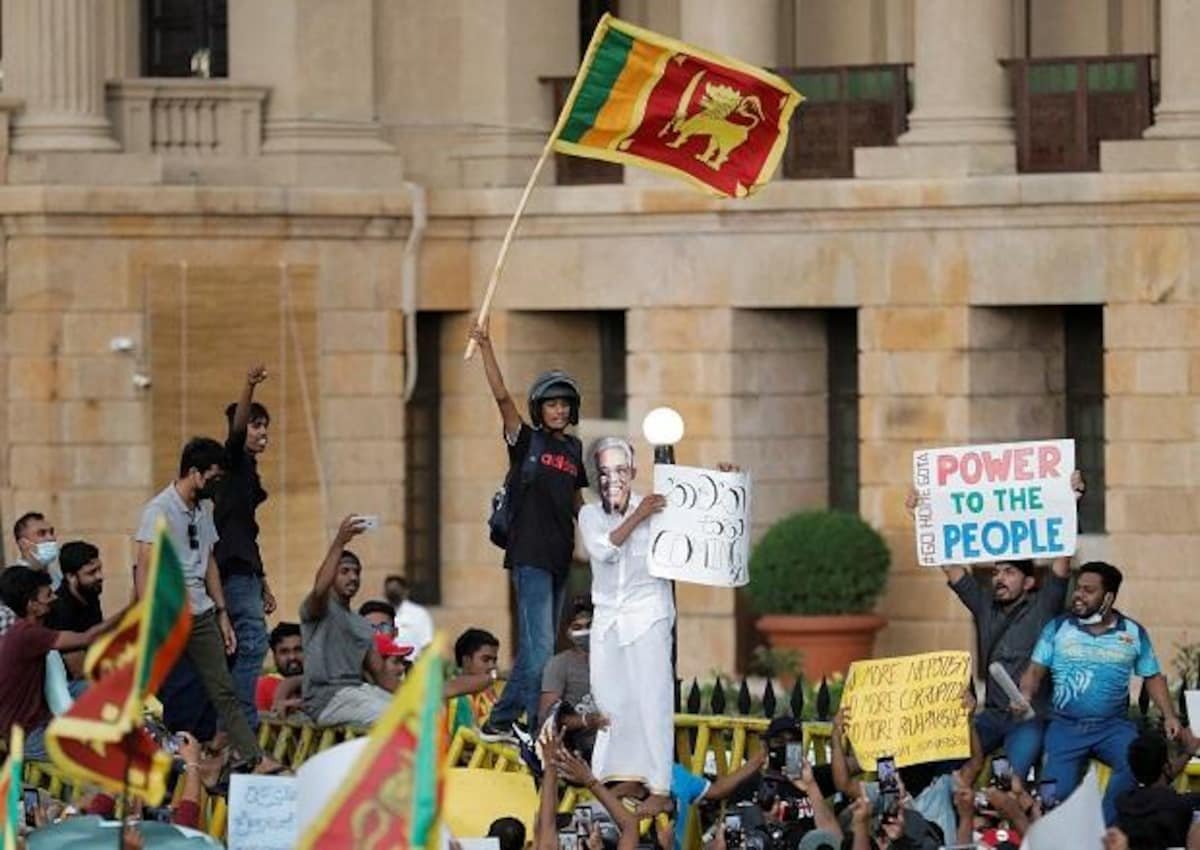
    Sri Lanka announced a default on its $51 billion foreign debt on Tuesday as the island nation grapples with its worst economic crisis in memory and escalating protests demanding the government’s resignation.

    Acute food and fuel shortages, as well as long daily electricity blackouts, have brought widespread suffering to the country’s 22 million people in its most painful downturn since independence in 1948.

    The government has struggled to service foreign loans and Tuesday’s decision comes ahead of negotiations for an International Monetary Fund bailout aimed at preventing a more catastrophic hard default that would see Sri Lanka completely repudiate its debts.

    “We have lost the ability to repay foreign debt,” Sri Lanka’s Central Bank governor Nandalal Weerasinghe told reporters in Colombo.

    “This is a pre-emptive negotiated default. We have announced (it) to the creditors.” Officials say the move will free up foreign currency to finance desperately needed food, fuel and medicine imports after months of scarce supplies.

    Just under half of Sri Lanka’s debt is market borrowings through international sovereign bonds, including one worth $1 billion that was maturing on July 25.

    China is Sri Lanka’s largest bilateral lender and owns about 10 per cent of the island’s foreign debt, followed by Japan and India.

    The government has borrowed heavily from Beijing since 2005 for infrastructure projects, many of which became white elephants.

    Sri Lanka also leased its strategic Hambantota port to a Chinese company in 2017 after it became unable to service the $1.4 billion debt from Beijing used to build it.

    This sparked concerns from Western countries and neighbour India that the strategically located South Asian nation was falling victim to a debt trap.

    Chinese foreign ministry spokesman Zhao Lijian said the Tuesday’s default would not stop Beijing from lending support to Sri Lanka’s beleaguered economy.

    “China has always done its best in providing assistance to Sri Lanka’s economic and social development. We will continue to do so in the future,” he said.

    Sri Lanka’s snowballing economic crisis began to be felt after the coronavirus pandemic torpedoed vital revenue from tourism and remittances.

    The government imposed a wide import ban to conserve dwindling foreign currency reserves and use them to service the debts it has now defaulted on.

    But the resulting shortages have stoked public anger. At least eight people have died while waiting in fuel queues since March 20, with two of the deaths reported on Monday.

  • Car sales up by 53.7 per cent in 2022, despite repeated price hikes

    Car sales up by 53.7 per cent in 2022, despite repeated price hikes

    The latest data provided by the Pakistan Automotive Manufacturing Association (PAMA) shows that overall car sales climbed by 53.78 per cent during the first nine months of the current fiscal year 2021-22 (July-March) compared to the same period in the past financial year.

    Keeping in view the recent figures, 172,612 vehicles were delivered in the time period under consideration, compared to 112,244 cars in the previous year. In March 2022, the country’s car sales climbed by 33.28 per cent on a year-over-year (YoY) basis when compared to the same month in 2021.

    In March 2022, car sales soared to 22,799 units, up from 17,105 units in the same month the previous year. considering the breakdown of the numbers, around 26,830 combined units of Honda Civic and City were sold in the fiscal year 2021-22, compared to 18,816 units in 2021, indicating a 42.59 per cent increase.

    The sale of Toyota Corolla and Yaris sedans increased by 24.93 per cent in the same time, rising to 43,695 units from 34,975 units the previous year. Suzuki Swift sales, on the other hand, fell by 73.78 per cent, from 1,896 units in July-March 2020-21 to 497 units. The drop witnessed in sales of Suzuki Swift was due to the production cut of the older Swift, which was scheduled to be replaced by the fourth generation in February of this year.

    Read more: Toyota Pakistan records highest monthly sales, selling 7,132 vehicles in March 2022

    With 53,241 units sold so far in the fiscal year 2022, Pakistan’s smallest engine size vehicle, the 660cc Alto, is now the most popular. It is worth noting that the mini hatchback is also the country’s ‘cheapest’ four wheeler from the big three.

  • A budget version of Galaxy A72 to unveil with 5G, 120Hz display

    A budget version of Galaxy A72 to unveil with 5G, 120Hz display

    The Korean tech giant, Samsung has quietly announced the Galaxy M53 5G, featuring a 108-megapixel main camera and a 6.7-inch, 120-Hz Super AMOLED Plus display.

    If those specifications sound familiar, it is because the M53 is a less expensive variant of the Samsung Galaxy A73 5G.

    The chipset is the only significant difference between the Galaxy M53 and the Galaxy A73; the M53 is likely to be powered by a Dimensity 900 rather than the Snapdragon 778G found in the A-series phones as the Korean company rarely lists chipset details. Both are TSMC 6 nm processors, but the Snapdragon has a more powerful GPU and a superior CPU composition (4x Cortex-A78 vs. 2x A78).

    For now, there is also only one storage option, 6 GB of Ram and 128 GB of Rom, with no Ram or storage expansion options. However, the inclusion of a microSD card alleviates the storage issue.

    The mentioned 108 MP main camera is housed behind an f/1.8 lens, although it lacks Optical Image Stabilisation (OIS). A lower-resolution 8 MP sensor was used in the ultra-wide camera (down from 12 MP). A 2 MP macro and a 2 MP depth sensor make up the final two modules on the rear. Interestingly, the 32-megapixel front camera was unaffected by the budget decrease.

    Like always, there is a punch hole in the Galaxy M53’s 6.7” Super AMOLED Plus display, which has Full HD+ resolution with a blazing 120 Hz refresh rate for a fine gaming experience.

    There’s no mention of toughened glass, yet the A73 lacks Gorilla, although the in-display fingerprint reader has been moved to the side and looks much better now.

    The phone has a 5,000 mAh battery with 25W fast charging, which is the same as the A73 and A53. Switching to the Dimensity chip has one disadvantage: Wi-Fi connectivity is limited to Wi-Fi 5 rather than 6. Bluetooth 5.2, on the other hand, is supported by 5.0.

    Read more: Tesla’s CEO Elon Musk to join Twitter board after investing $2.9 billion in the platform

    Tech enthusiasts are still waiting for the price and a list of launch territories for the Samsung Galaxy M53 5G, as it was a subdued debut. If the A-series launch follows the same trend, we may have to wait a few weeks to find out these details.

  • 264 shopkeepers arrested in Peshawar for overcharging

    264 shopkeepers arrested in Peshawar for overcharging

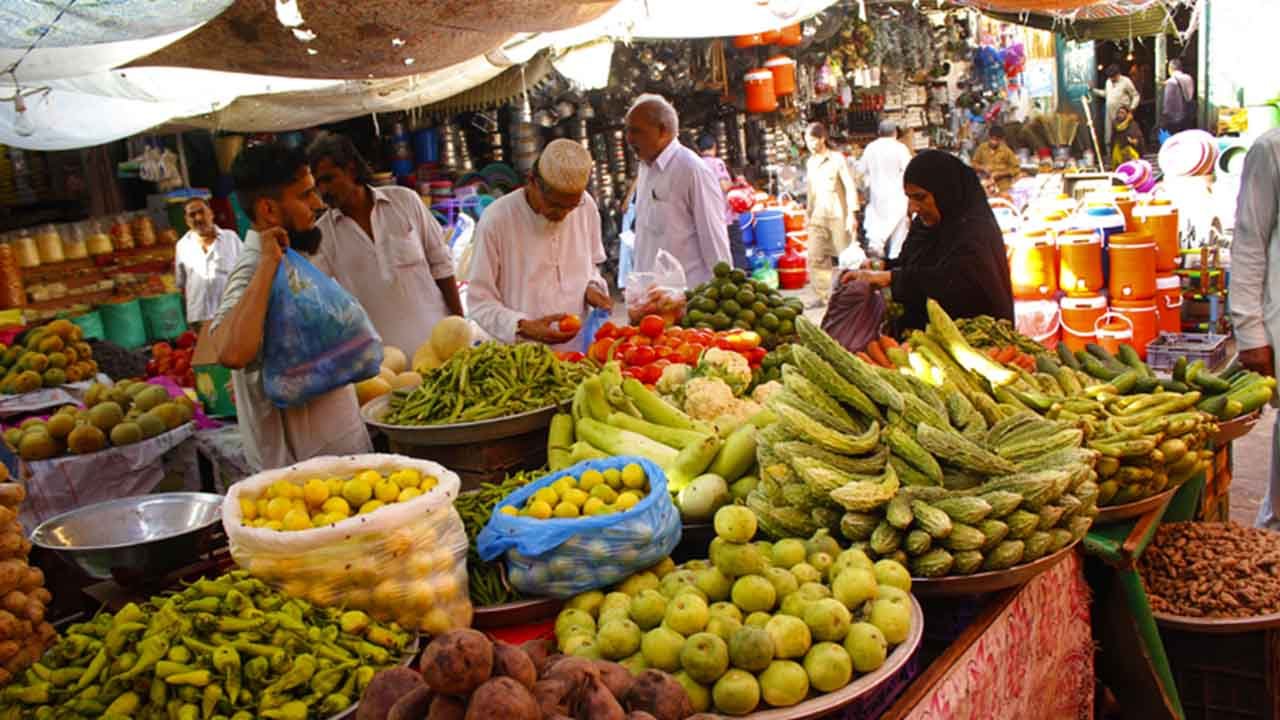
    During a three-day crackdown on racketeers in Peshawar, the district administration arrested 264 shopkeepers from various parts of the provincial capital on April 11.

    Officials of the district administration visited bazaars in, Hayatabad, Kohat Road, Interior City, Nauthia, Ring Road, Charsadda Road, Dilzak Road, University Road, GT Road, Pajagee Road, Bara Road, and other localities to examine Ramzan bazaars, along with the availability of vital food products, on the orders of the Deputy Commissioner (DC) Peshawar, Shafiullah Khan.

    They investigated the quality and status of the commodities sold at Mega Malls set up as Ramazan Facilitation Counters and detained 264 profiteers from various areas. Fruit and vegetable vendors, milk vendors, butchers, grocers, and others were among those arrested. The district government has signaled that legal action may be taken against them.

    Read more: SBP determined to curb inflation, improve foreign exchange reserves

    Previously, the Minister for Food, Science, and Information Technology in Khyber Pakhtunkhwa, Muhammad Atif Khan had also directed the responsible authorities on April 8 to constantly monitor the relief provided to people by the provincial government in terms of food costs.

  • International oil prices declined by 4%, crashing below $100 per barrel

    International oil prices declined by 4%, crashing below $100 per barrel

    Brent crude slid below $100 for the first time since March 16 amid plans to release huge amounts of petroleum and oil products from strategic storage, and also China’s prolonged coronavirus closure.

    Crude oil was down $4.1, or 3.99 per cent, at $98.68 per barrel. The price of US West Texas Intermediate (WTI) crude fell $4.28 a barrel, or 4.28 per cent, to $94.07 per barrel.

    The International Energy Agency (IEA) recently announced that member countries will release 60 million barrels over the next six months, with the United States matching that amount as part of its 180-million-barrel release announced in March.

    The actions are meant to make up for a shortfall of Russian crude after Moscow was extensively sanctioned for what it claims was a “special military operation” in Ukraine.

    As per JP Morgan analysts, the release of Strategic Petroleum Reserve (SPR) volumes will amount to 1.3 million barrels per day (BPD) over the next six months, enough to cover a 1 million BPD shortfall in Russian oil supplies.

    The release of strategic government oil reserves is projected to relieve some market tightness in the coming months, reducing the likelihood of oil prices rising and re-enforcing near-term supply constraints.

    While this is the largest release since the IEA stockpile was established in 1980, market participants believe it will fail to affect the principles of the oil market and will just delay further increases in production from crucial suppliers.

  • SBP governor hopeful about IMF programme to resume

    SBP governor hopeful about IMF programme to resume

    Pakistan’s economic fundamentals have continued to remain strong and the unpopular decisions of the government to hike the energy prices in future is likely to get $6 billion International Monetary Fund (IMF) loan programme back on track.

    The engagement of the Ministry of Finance and the central bank with the International Monetary Fund (IMF) remains strong.

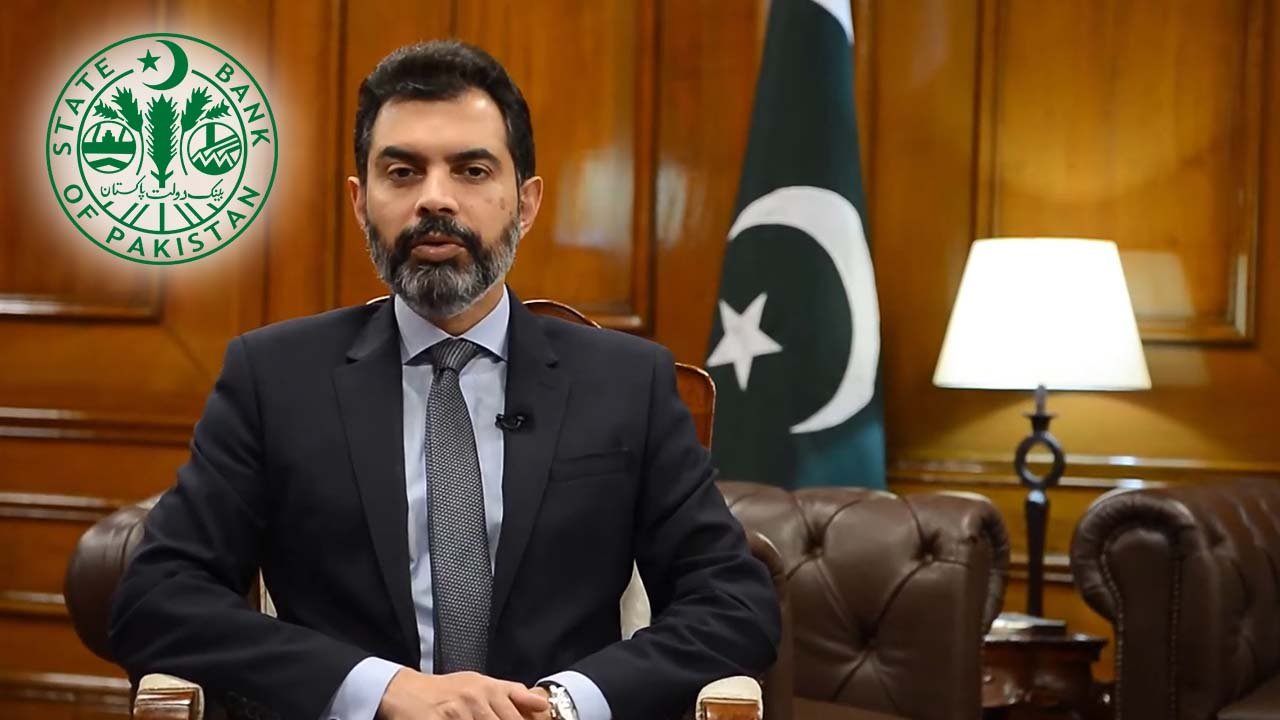
    “In the current political environment, it is no surprise that the unpopular decisions, such as increase in fuel and electricity prices, are proving difficult,” State Bank of Pakistan (SBP) Governor Reza Baqir said in an interview to Bloomberg TV on Monday.

    “We are confident that very soon, we will be able to put the delay (in resumption of IMF programme) behind us and announce the good news of attaining the next tranche from the IMF.”

    Pakistan has received half of the funding from IMF. It negotiated $6 billion loan package in June 2019 and it has received $3 billion so far. Another $3 billion is left to be received.

    “Our goal is to first complete the work which will bring in the remaining $3 billion and after that, if we need (more), we can negotiate it in future,” the SBP Governor said.

    IMF is important not just for money but also for the signal that it sends of good housekeeping on the economic policy that catalyses funding from other bilateral creditors as well as private capital markets.

    “We are hopeful that with that positive message coming out, we will be able to mobilise funding from other sources other than IMF,” he said.

    When domestic political uncertainty was taking toll on local financial markets in the recent past, the central bank considered 250 basis point hike in key policy rate “important to fix the bubble of economic uncertainty,” he said.

    It is important that economic policy making institutions act on a timely basis to ensure that the goal of financial stability remains.

    “Since the decision (of rate hike), the rupee has rallied nearly 2% and stock market rallied about 1.5% and yields on three and five-year bonds in Pakistan fell about 35 basis points.”

    Last year (fiscal year 2020-21), Pakistan’s economy grew by around 5.5%. “Our projection for growth this fiscal year is 4% even with multiple hikes in the interest rate.

    Pakistan’s central bank increased the key policy rate by a massive 250 basis points in an emergency meeting as it had “concerns related to price instability and foreign exchange market,”

    According to him, there were three main factors that forced the central bank to arrange an emergency monetary policy meeting.

    First, uptrend in oil prices has persisted since March and oil futures are about 10-12% higher for next fiscal year.

    Secondly, inflation in March for Pakistan was 50-100 basis points higher than the previous month. The headline inflation stood at around 12.7% and core inflation was 9%.

    Finally, rupee had lost significantly (over 5%) during the past few weeks owing to political uncertainty, Baqir recalled.

    “When we feel that our financial markets are threatened by political instability, we take important steps that are one of the key reasons behind the timing of our (emergency) monetary policy decision last week,” he said.

  • Elon Musk is no longer joining Twitter board as the microblogging network is “dying”

    Elon Musk is no longer joining Twitter board as the microblogging network is “dying”

    The CEO of Tesla and SpaceX, Elon Musk will not be joining the Twitter board of directors, according to Twitter’s CEO Parag Agrawal. Musk’s appointment on the board was supposed to start on April 9, however, he announced that he would no longer be joining.

    Agrawal posted a statement on April 10, saying Musk’s appointment to the board would be subject to a background investigation and that once nominated, he would have to operate in the company’s best interests. “Elon is our biggest shareholder and we will remain open to his input,” he added.

    What Happened Earlier?

    Earlier, the tech mogul tweeted the list of the top ten most followed personalities, which included celebrities and politicians such as former US President Barack Obama, Rihanna, Taylor Swift, Justin Bieber, and Lady Gaga.

    The world’s wealthiest man had a complaint: many of the top Twitter accounts do not upload anything.

    Former US President Barack Obama (131.4 million followers), singer Justin Bieber (114.3 million), Katy Perry (108.8 million), and other top accounts belonging to popular artists Rihanna and Taylor Swift were among the names on the list from the Twitter account of World of Statistics, which Musk posted.

    Interestingly, Indian Prime Minister Narendra Modi is ranked ninth on the list, with a popularity of 77.1 million followers, one notch below Musk, who has 81 million followers on the social network.

    Whereas Modi is an avid Twitter user who publishes everything from his daily schedule to welcoming foreign leaders, Musk laments that celebrities like Taylor Swift and Justin Bieber rarely post. Taylor hasn’t posted anything in three months, and the ‘yummy’ singer Justin Bieber only tweeted once in 2022.

    Musk, who just purchased a 9.2 per cent interest in Twitter for roughly $3 billion in his controversial style, asked his followers another question: Is Twitter dying? 

    In an ‘April fool’ message, Twitter said that it is testing some new features, one of which is a long-awaited ‘edit’ button. The platform later explained that the change to the edit button was not an April Fool’s prank and that it was truly being tested by the company.

    It is worth noting that Musk also proposed a number of improvements to Twitter’s Blue premium subscription service, including lowering the price, limiting adverts, and allowing users to pay in the crypto. Many internet users were surprised by the recent announcement, as they had been expecting Tesla’s CEO to join the board of microblogging site and witness what changes he would make.

  • SBP determined to curb inflation, improve foreign exchange reserves

    SBP determined to curb inflation, improve foreign exchange reserves

    In a recent interview, the Governor of the State Bank of Pakistan (SBP), Dr. Reza Baqir expressed concern over the continuous deterioration in foreign exchange reserves but remained optimistic that a renewal of loans will be witnessed in the near future, which, coupled with SBP’s initiatives, will enhance market confidence.

    He claimed that the decline in reserves is “clearly alarming, but we are convinced that the central bank’s initiatives will prevent further deterioration”.

    According to data issued by the central bank on April 7, the reserves massively declined by $728 million to $11.32 billion as of April 1.

    The decline, according to SBP, is primarily attributable to debt repayment and government payments linked to the settling of an arbitration judgment.

    In addition to this, the currency even hit new lows in the week, forcing the SBP to intervene by boosting the policy rate, declaring a 100 per cent cash margin on 177 commodities with instant effect, and hiking the markup percentage by 2.5 per cent for borrowing under the Export Finance Scheme (EFS).

    In response to the Monetary Policy Committee’s (MPC) recent rate hike, Baqir stated that the move was made to tackle growing inflation and lessen external pressures. “The foreign exchange market has been under a lot of pressure for more than a month. A number of factors contributed to it: first, there was political uncertainty; second, our reserves were drained due to debt payments”.

    Consequently, the Pakistani rupee ended its devaluation run on April 8, and the KSE-100 Index witnessed positive sentiment, ending the day with an impressive gain of 658 points.

    The SBP Governor also discussed the skyrocketing petrol prices, which remain elevated because of the Russia-Ukraine conflict, adding more pressure on the local currency.

    The central bank made a determined decision after analyzing the statistics to lower inflation, improve foreign exchange reserves, and boost business confidence.

  • CNG stations in Sindh to open on April 11

    CNG stations in Sindh to open on April 11

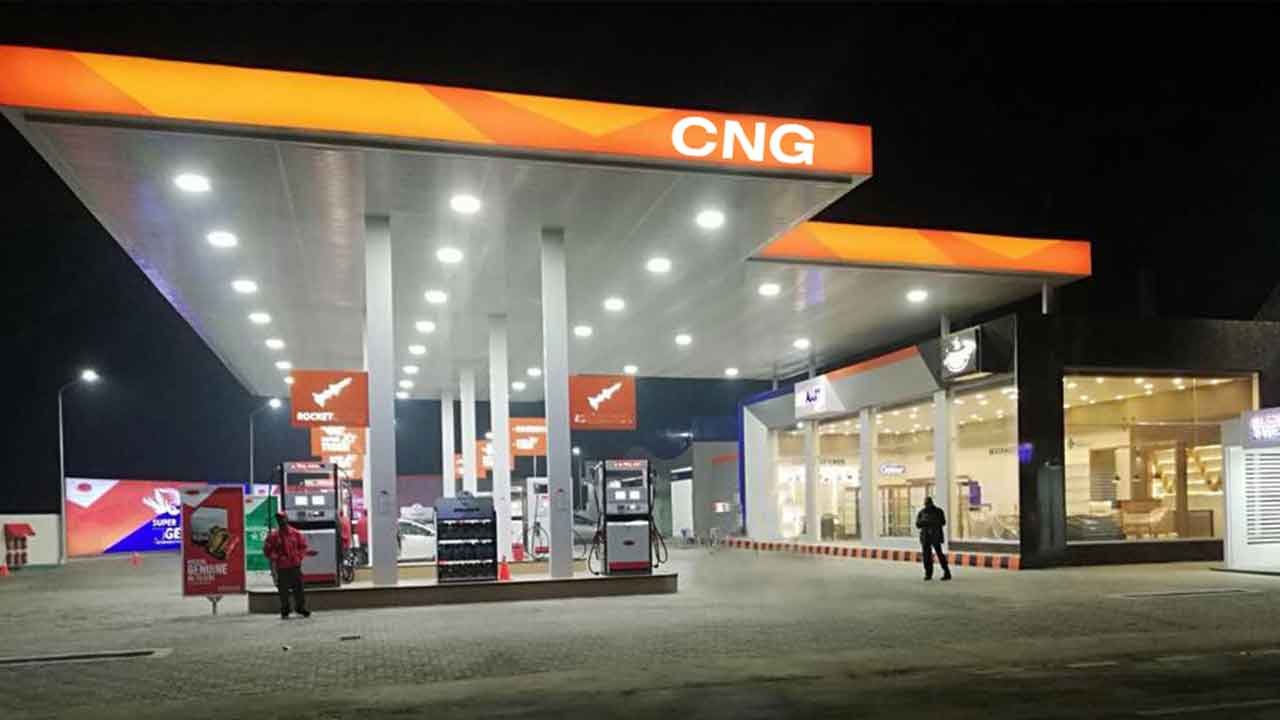
    On April 6, the Sui Southern Gas Company Limited (SSGC) ordered the three-day closure of all compressed natural gas (CNG) stations in Sindh.

    According to a statement from the gas company, all CNG stations will remain closed for 72 hours, starting at 8 AM on Friday and ending at 8 AM on Monday.

    The CNG stations were closed in the province to address the gas shortage in the country and as a part of the gas load management plan.

    “Due to the short supply of gas in the SSGCL system, the availability of gas has diminished, resulting in line pack depletion and low pressure in the system,” according to the statement.

    “All CNG stations in Sindh (including those using RLNG) would stay closed in accordance with the current sectoral priority order for gas load management”.

    It is worth noting that CNG dealers had reopened their business on February 14 after a two-and-a-half-month hiatus. Following the gas load management plan, gas supplies to the CNG sector were suspended from December 1, 2021, to February 15, 2022.

    The unavailability of CNG multiplied the problems of the common man as the masses were forced to top their automobiles up with Petrol, which nearly touched Rs160 during that period.