Category: Business

The most important business news, explained in a young, easy to understand way. News that affects young career professionals.

  • Rich Indians reportedly fleeing to UAE on private jets, paying fare as high as $38,000

    Rich Indians reportedly fleeing to UAE on private jets, paying fare as high as $38,000

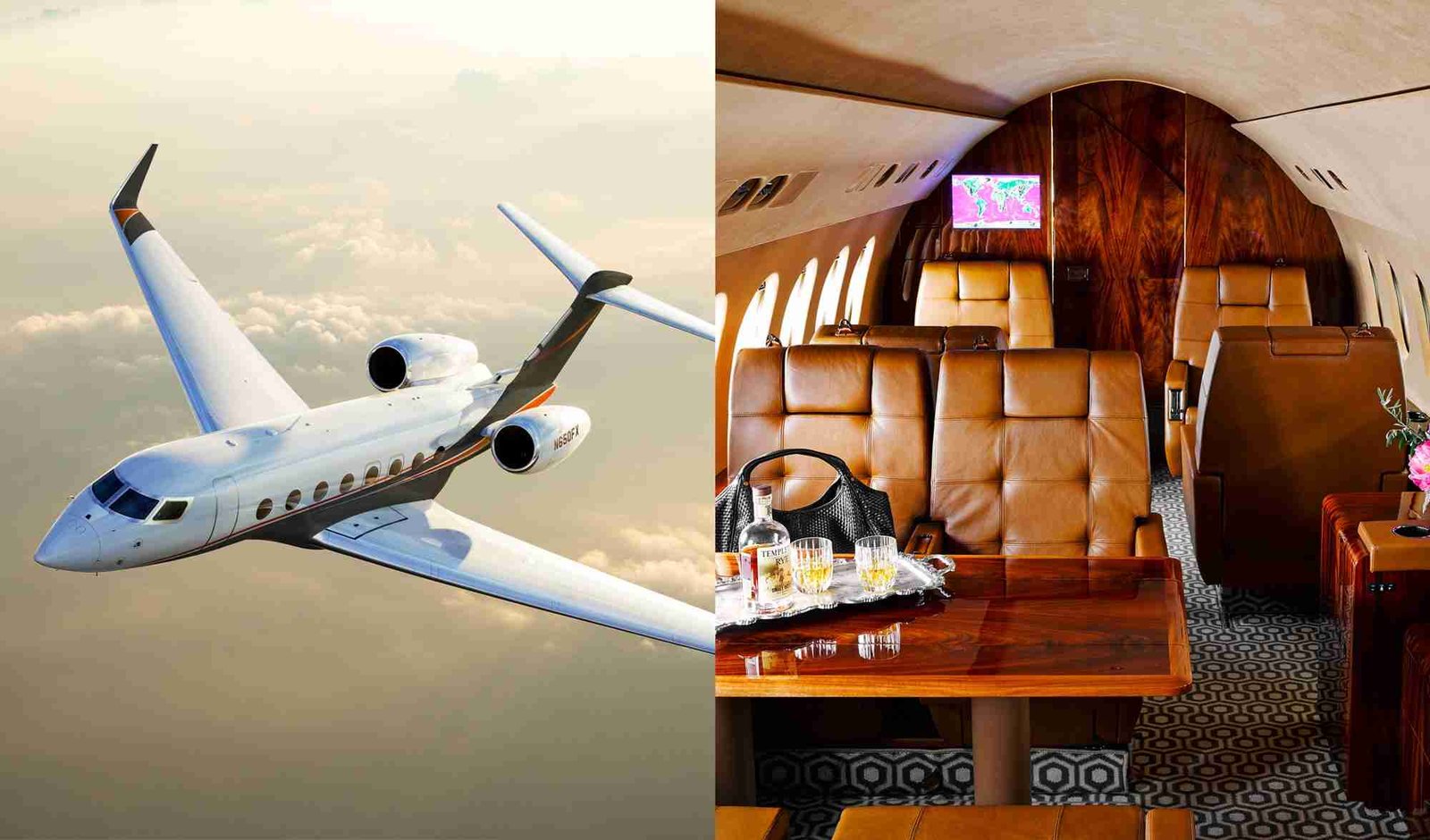
    Rich and affluent Indians are reportedly fleeing India to escape the COVID-19 pandemic, and the demand for private jets and fares has increased drastically.

    United Arab Emirates (UAE) decided to suspend flights from India and people had time till Sunday to travel back to UAE.

    Online price for one way fare has increased almost ten times. Flights from Mumbai to Dubai would cost as much as 80,000 Indian Rupees ($1,400).

    Tickets for the New Delhi to Dubai route were going for more than 50,000 rupees, five times more than the average rate. Moreover, no tickets were on offer from Sunday when the 10-day flight suspension comes into force.

    For private jets, the fare is ridiculously high. The spokesperson for a charter company total that
    “We have requested more aircraft from abroad to meet the demand. It costs $38,000 to $50,000 to hire a 13-seater jet from Mumbai to Dubai, and US$31,000 to hire a six-seater aircraft.”

    “People are making groups and arranging to share our jets to get a seat. We’ve had some queries for Thailand but the demand is for Dubai,” he maintained.

    According to the latest figures, UAE is home to around 3.3 million Indians which accounts to a third of Dubai’s total population.

    The UAE’s General Civil Aviation Authority has ordered that those who are coming from India must stay in 14 days quarantine.

  • FIA, NAB to start investigation for fuel shortage

    FIA, NAB to start investigation for fuel shortage

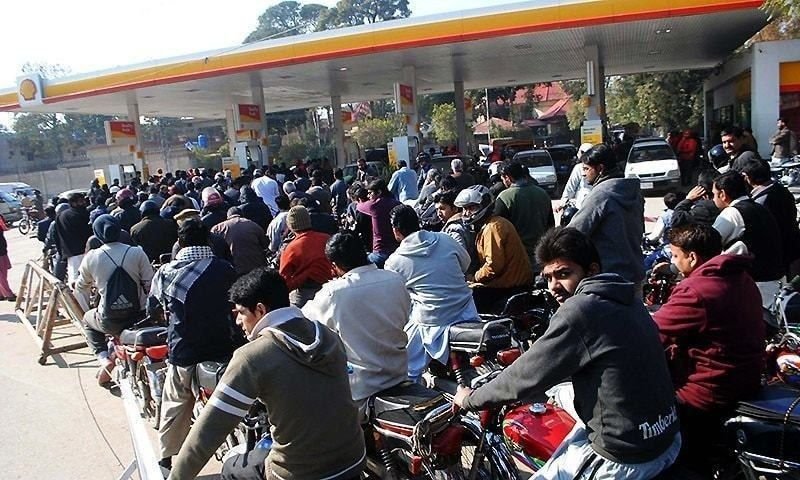
    The National Accountability Bureau (NAB) and the Federal Investigation Agency (FIA) have started an investigation against those who were responsible for the shortage of fuel in June 2020.

    The probe has been started because according to the reports, the shortage of fuel had caused a loss of Rs25 billion to the national exchequer in 2020.

    The agencies have asked the Petroleum Division to provide records along with Inquiry Commission reports. During the investigation, NAB will look into the role of Petroleum Division secretary, director general (DG) of oil at the Ministry of Energy (Petroleum Division), and oil marketing companies (OMCs) in the petrol crisis.

    Similarly, NAB will also examine the alleged connivance of government officials with OMCs.

    NAB will further investigate the officers of oil refineries, OMCs and the Inter-State Gas System (ISGS) because the provision of licences to the OMCs was a criminal act.

    NAB further added that the officers of different companies were appointed in the petroleum division, and they have allegedly been influencing the policy and decision making, which has resulted in massive losses to the national exchequer.

    According to sources, the federal cabinet had earlier advised the FIA to complete the inquiry within three months. The investigation would later be transferred to NAB from FIA for the collection of funds plundered from the national exchequer.

    Besides NAB, the FIA has also moved to take action and asked the petroleum division and the Oil and Gas Regulatory Authority (OGRA) to provide relevant details and records of OMCs and the inquiries did to unearth facts behind the petrol crisis.

  • Pakistan IT exports cross $1.5bn for the first time

    Pakistan IT exports cross $1.5bn for the first time

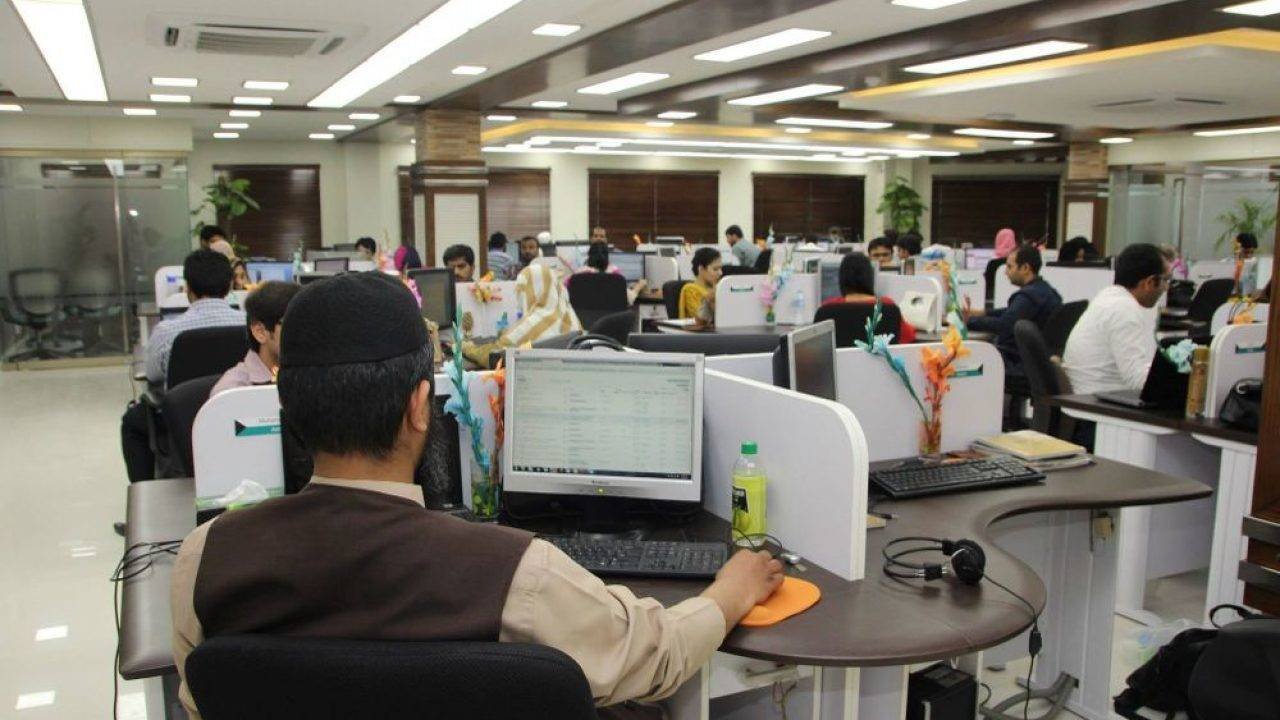
    The Pakistan Information Technology (IT) industry has experienced $1.5 billion in exports for the first time. In March, the industry received the highest export remittances of $213 million.

    According to data released by the State Bank of Pakistan (SBP, IT and IT-enabled services recorded a huge increase of $1.512 billion during the first nine months of the current fiscal year (FY) 2020-21.

    The industry observed an increase of $459 million, or 43 percent in comparison to the previous period in which the IT exports stood at $1.512 billion.

    The handsome growth in IT exports was driven through software consultancy, Business Process Outsourcing (BPO), e-commerce, telecommunication services, etc.

    Moreover, the Pakistani IT industry capitalized on the worst-hit market of India that is also a leading IT service exporter, but because of the COVID-19, the global industry has consulted experts in Pakistan.

    Pakistani software houses are getting a great influx of orders from countries like the US, UK, EU, and the East Easter or Gulf countries because they have a high demand for IT services.

    The country could further increase the exports from $2 billion to $3-3.5 billion in the next financial year if the stakeholders including software houses, the government, and concerned authorities develop an aggressive plan while minimising impediments in the IT sector.

    Furthermore, as per the old policies of the government, the IT sector was exempted from the tax network but the government has decided to reverse the decision.

    Companies are concerned about the immoral practices of government departments, and the recent raids on the IT companies from the intelligence agency also created a fearful working environment for the other software houses, which are considering setting up their offshore offices in different countries.

    On the other side, revenue experts said the IT industry with handsome balance sheets should contribute to support the ailing economy with taxes at a time when the industry is witnessing a peak time.

  • Pakistani elite consumes $17.4bn of economy: UNDP

    Pakistani elite consumes $17.4bn of economy: UNDP

    Economic privileges accorded to Pakistan’s elite groups, including the corporate sector, feudal landlords, the political class and the country’s powerful military, add up to an estimated $17.4 bn, or roughly 6 per cent of the country’s economy, a new United Nations (UN) report has found.

    The UN Development Programme’s (UNDP) National Human Development Report (NHDR) for Pakistan, which was released last week, focuses on issues of inequality in the South Asian country of 220 million people.

    “Powerful groups use their privilege to capture more than their fair share, people perpetuate structural discrimination through prejudice against others based on social characteristics, and policies are often unsuccessful at addressing the resulting inequity, or may even contribute to it,” says the report.

    Kanni Wignaraja, assistant secretary-general and regional chief of the UNDP has been on a two-week “virtual tour” of Pakistan to discuss the report’s findings, holding talks with Prime Minister Imran Khan and other top members of his cabinet.

    She says Pakistani leaders have taken the findings of the report “right on” and pledged to focus on prescriptive action. “[In our remarks in meetings] we focused right in on where […] the shadows are, and what is it that actually diverts from a reform agenda in a country,” she told Al Jazeera in an exclusive interview.

    “My hope is that there is strong intent to review things like the current tax and subsidy policies, to look at land and capital access.”

    The biggest beneficiary of the privileges – which may take the form of tax breaks, cheap input prices, higher output prices or preferential access to capital, land and services – was found to be the country’s corporate sector, which accrued an estimated $4.7 bn in privileges, the report says.

    The second and third-highest recipients of privileges were found to be the country’s richest 1 per cent, who collectively own 9 per cent of the country’s overall income, and the feudal land-owning class, which constitutes 1.1 per cent of the population but owns 22 per cent of all arable farmland.

    Both classes have strong representation in the Pakistani parliament. Wignaraja noted that this creates a paradox where those responsible for doling out the privileges were also those who were receiving them. The military was found to receive $1.7 bn in privileges, mainly in the form of preferential access to land, capital and infrastructure, as well as tax exemptions.

    The wide-ranging NHDR provides detailed data on deep-rooted inequality in Pakistan’s economy.

    While the richest 1 per cent held 9 per cent of the country’s income of $314.4 bn in 2018-19, the report found that the poorest 1 per cent held just 0.15 per cent. The UNDP has suggested Pakistan’s government take on increased spending that focuses on closing the gap between its Human Development Index (HDI) of 0.570 and that of other countries in the region.

    The UNDP has recommended policies that target spending on outcomes that provide both structural support for the country’s poor and on the infrastructure – such as education and healthcare – that would provide them further economic opportunities.

    “If I had just that one extra […] rupee, and you asked me where would I put it, I would put in girls education,” said Wignaraja. Pakistan ranks 153 out of 156 countries on the World Economic Forum’s Global Gender Gap Index with 32 per cent of primary-school-aged girls out of school.
  • Bitcoin hits all-time high of $62,712 USD

    Bitcoin hits all-time high of $62,712 USD

    Bitcoin (BTC) has hit an all-time high of $62,712, according to analytics from CoinGecko. The price of one BTC is currently comfortable at $62,700.

    The flagship digital currency has been on an impressive journey, with its price increasing at a rate of almost 6 per cent in one week. The new all-time high (ATH) comes only a day after crypto evangelist and investor Coinbase went public yesterday.

    Crypto expert Jason Deanen who works at Quantum Economics, says that “Bitcoin has been testing the resistance levels for some weeks now, bouncing off each time but immediately coming back undeterred. Today’s ATH was inevitable as sheer market momentum, investor sentiment and accelerating rate of development act as primary drivers.”

    Other than BTC, most digital currencies in the crypto top 20 also experienced similar hikes. Ethereum is up 4.91%, Binance 43,65%, and Uniswap is up by 12.04%

    Bitcoin has again boosted investor sentiment amongst the community. Experts and traders are of the view that the BTC will climb even higher, perhaps as high as $400,000, with current trends looking bullish as ever.

    Antoni Trenchev, who is a Crypto investor and preacher, declared: “I do not doubt that this bull run is far from over.”

  • ‘PSW Act will contribute $500m in annual savings,’ says PM

    ‘PSW Act will contribute $500m in annual savings,’ says PM

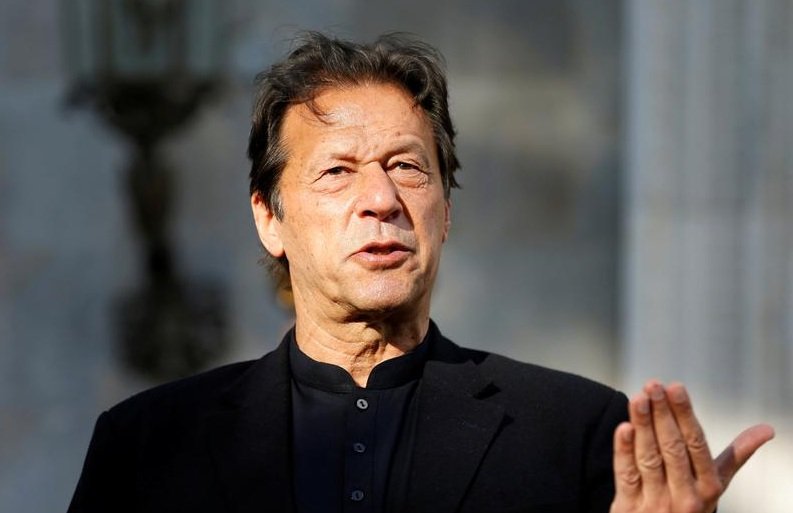
    Prime Minister (PM) Imran Khan has said that the implementation of the Pakistan Single Window (PSW) Act 2021 will bring $500 million in annual savings to the country.

    As per details, the PSW Act 2021 aims to bring an ease in imports and exports. PM Khan said that the PSW will also integrate 75 regulatory departments including customs, banks, port authorities, shipping companies, brokers, etc.

    PSW will be managed by an independent authority that will play a crucial role in unlocking Pakistan’s potential to become a hub for international transit and trade.

    According to reports, the PSW was inaugurated last week in Islamabad by the Federal Board of Revenue (FBR) in compliance with the Trade Facilitation Agreement (TFA) of the World Trade Organization (WTO).

    The PSW was rolled out almost a year before its deadline of June 2022 at a cost of $67 million through an indigenous development effort.

    The Customs department has been tasked with completing this transformational project that will reduce time, cost, and complications while ensuring better compliance with cross-border trade regulations.

  • Russian president’s ‘blank cheque’ to Pakistan: What you need to know

    Russian president’s ‘blank cheque’ to Pakistan: What you need to know

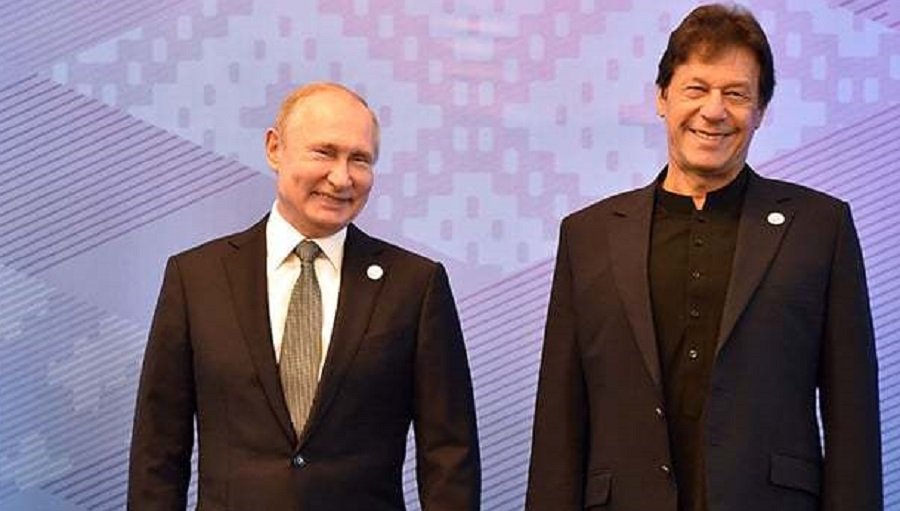
    Russian Foreign Minister Sergey Lavrov recently visited Islamabad after nearly a decade and delivered an “important” message to the Pakistani leadership from President Vladimir Putin.

    “I came with a message from my president that ‘tell Pakistan we are open for any cooperation, whatever Pakistan needs Russia is ready for it’,” Lavrov was quoted as saying by a senior Pakistani official who, according to The Express Tribune, attended the closed-door meeting.

    The Russian president’s offer was dubbed by the official as a “blank cheque” as they revealed that Putin had conveyed to Pakistan through his top diplomat that Moscow would help Islamabad in any manner.

    “If you’re interested in gas pipelines, corridors, defence or any other cooperation, Russia stands ready for it,” the official quoted Lavrov as saying, explaining what he meant.

    “It is now up to us to follow up this successful visit,” the official said.

    At the joint news conference with his Pakistani counterpart, the Russian foreign minister had said Moscow was ready to supply Pakistan with “special military equipment” to enhance its anti-terrorists potential. He, however, did not provide further details.

    Relations between Pakistan and Russia have undergone transformation in recent years thanks to the new alignments and strategic realities.

    The rapprochement between the former Cold War rivals began in 2011 when Pakistan’s relationship with the US hit the rock bottom. At that time, a decision was taken to bring a strategic shift in Pakistan’s foreign policy. The shift envisaged reaching out to Russia as part of Pakistan’s efforts to diversify its foreign policy options.

    The two countries initially worked quietly to find common ground. The years-long efforts had resulted in the Russian decision to send its troops to Pakistan for the first time in history for joint exercises in 2016. Moscow even overruled the Indian objections over holding joint drills with Pakistan.

    Since then, the two countries have been regularly holding these exercises and they are looking to further deepen that cooperation.

    Pakistan is hoping that Russian President Vladimir Putin would visit the country, something that would complete the Pak-Russia ties from being Cold War foes to friends.

    In contrast, Russian ties with once its solid ally India are heading in the opposite direction. The two still have good relationship but the usual warmth they expressed earlier have been missing.

  • Nike to clean up used, returned sneakers and put them back on shelves

    Nike to clean up used, returned sneakers and put them back on shelves

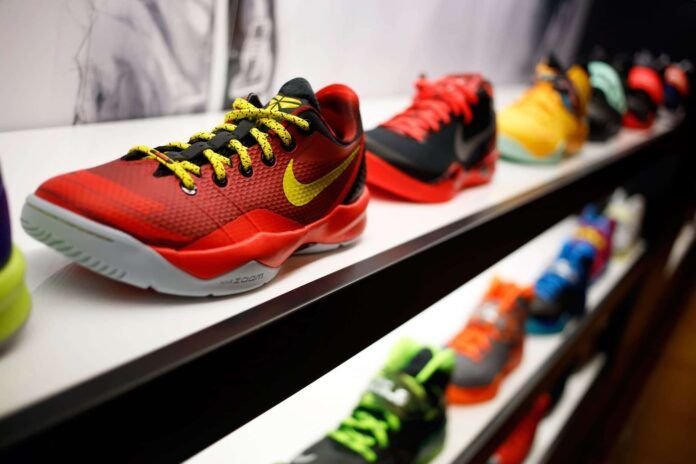
    Nike Inc said on Monday it will start refurbishing sneakers – from Vapormaxes to Reacts – returned by shoppers and selling them at cheaper prices, a service offered increasingly by retailers to reduce consumer waste.

    The Beaverton, Oregon-based company said it would clean up gently worn, like-new or slightly imperfect sneakers by hand and resell them “at a value for consumers” at certain Nike stores. To qualify for refurbishment, the sneakers need to be returned to Nike stores within 60 days of purchase.

    “Up to fifteen U.S.-based stores will carry Nike Refurbished footwear by the end of April 2021, with plans to integrate more of this product at additional U.S.-based stores in the coming year,” Nike said in a statement.

    Nike is continuing to explore future expansion of the program to markets outside the United States.

  • Punjab govt launches mobile lungar for travellers, labourers

    Punjab govt launches mobile lungar for travellers, labourers

    Punjab government has launched a mobile lungar scheme in Lahore and Faisalabad in line with Prime Minister (PM) Imran Khan’s Ehsaas Koi Bhooka Na Soye Programme.

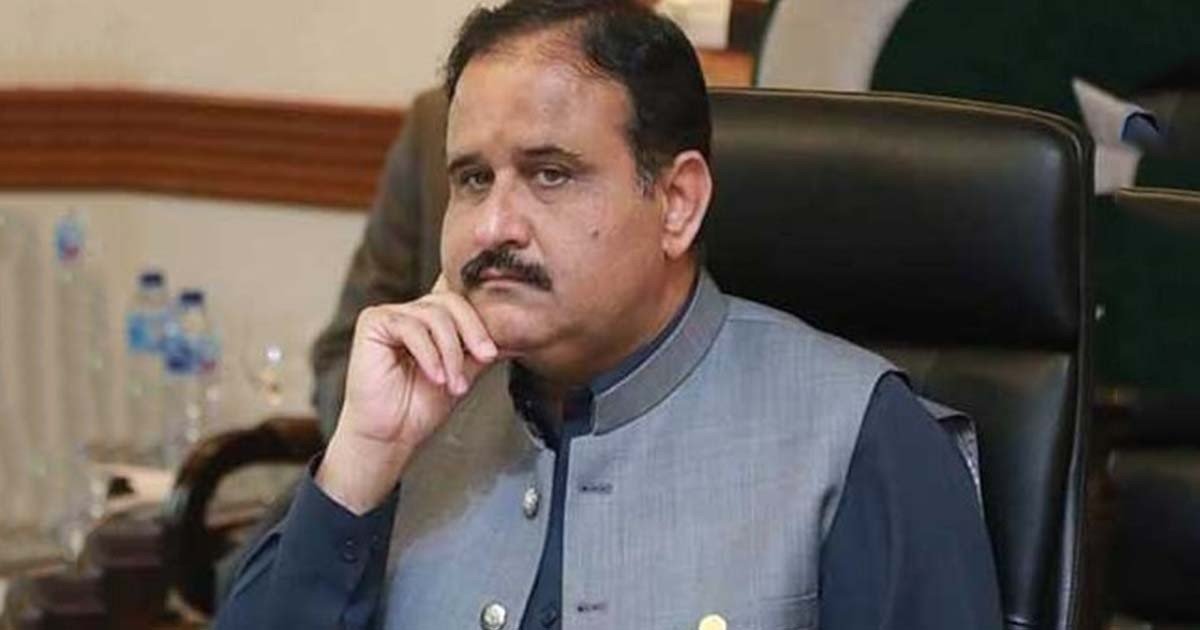
    Chief Minister (CM) Usman Buzdar inaugurated the programme in two cities, and food trucks are operating on four different routes in Lahore since.

    The following are the routes of the food trucks in Lahore:

    1. Thokar Niaz Baig to Data Darbar to cater to Multan Chungi, Mandi Stop, Chowk Yateem Khana and Chauburji
    2. Circular Road, Railway Station, Do Moria Pul, Badami Bagh Auto Parts Market, Masti Gate, General Bus Stand, Sabzi Mandi and Niazi Chowk
    3. Garrhi Shahu, Co-op Store, Shalamar, Darogay Wala and Shadipura
    4. Lakshmi Chowk, Mayo Hospital Chowk, Shah Aalam Market, Dalgaraan Chowk and Dehli Gate

    CM Buzdar has announced that 10,000 boxes will be distributed regularly on these routes to provide meals to labourers and travellers.

    In various areas of Faisalabad, two trucks will distribute almost 10,000 lunch boxes regularly.

    CM Buzdar remarked that feeding the needy is Prophet Muhammad (PBUH)’s Sunnah and is also in line with PM Imran’s vision of a welfare state.

    He added that the project will be launched in other cities of Punjab as well.