Category: Business

The most important business news, explained in a young, easy to understand way. News that affects young career professionals.

  • Ghulam Khan transit route made operational to boost Pak-Afghan trade ties

    Ghulam Khan transit route made operational to boost Pak-Afghan trade ties

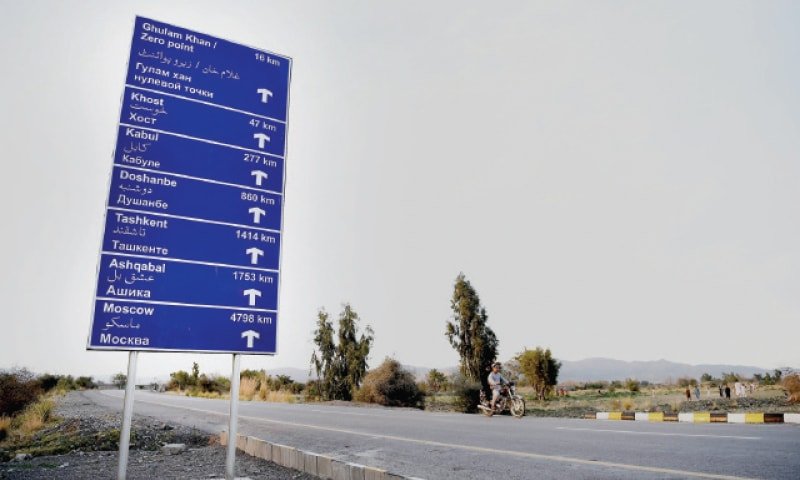
    Ghulam Khan Transit Trade Route has been made operational by the Government of Pakistan. It will connect the traders of North Waziristan and Afghanistan.

    It is an initiative to improve trade ties between Pakistan and Afghanistan. For several years, the volume of trade has decreased between the two neighbouring countries due to inefficient policies from both sides.

    Khyber Pakhtunkhwa (KP) Frontier Customs Agents Association (FCAA) President Zia-ul-Haq Sarhadi praised the government’s move to open the Ghulam Khan border for the Afghan transit trade, saying that it will give a forward push to bilateral trade.

    “Over the last couple of years, trade volume has fallen from less than $2.5 billion to less than $1 billion,” Sarhadi added.

    He further said that the distance through the third most important border crossing point between Pakistan and Afghanistan, from Karachi and Gwadar to Kabul, will be reduced by about 400km, which would significantly reduce transportation costs.

    It will also reduce the transportation cost, and more than 20,000 locals from North Waziristan will get employment opportunities.
  • Rs2.7m price fixed for apartments at Naya Pakistan Apartment project

    Rs2.7m price fixed for apartments at Naya Pakistan Apartment project

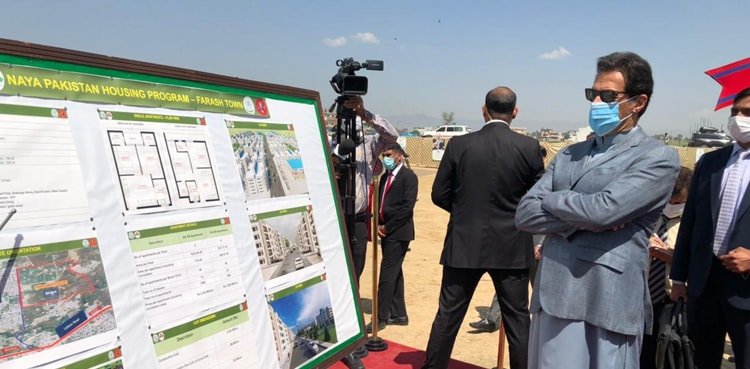
    People from the lower-income class can now own home through small instalments, said Prime Minister (PM) Imran Khan at the groundbreaking ceremony of the Naya Pakistan Apartment project.

    Praising the courts for allowing the government to implement the foreclosure law, PM Khan said the law has allowed people to own houses on a mortgage.

    “People will only pay installments instead of rent and will become owners of their own homes,” said PM Imran.

    He added that the status quo has adopted the system of bribery and never want Pakistan to change for the better.

    “Pakistan will have to transform itself if it needed to meet the challenges of the 21st century,” asserted the premier.

    PM Khan also appreciated the efforts of the Lahore Development Authority (LDA), saying: “The LDA has brought about a lot of improvements in itself.”

    As per details, the authority will construct 35,000 apartments in different parts of the city under the LDA City Naya Pakistan project.

    Around 4,000 apartments will be constructed during the first phase. Every apartment will cover a 650 square feet area and will have two bedrooms.

    The price for the apartments has been fixed at Rs2.7million each which will be taken in easy installments.

    Earlier, Punjab Minister for Housing and Urban Development Mian Mehmood-ur-Rasheed said that the Punjab government assigned all development authorities in Lahore and other big cities to build housing units for the low-income people.

    The provincial minister further added that these plans are being replicated in Gujranwala, Multan, Faisalabad, and Rawalpindi to provide homes to the low-income population of the country under PM Imran’s vision.

  • Pakistan commits to IMF Rs1.27 trillion hike in taxes

    Pakistan commits to IMF Rs1.27 trillion hike in taxes

    Pakistan has committed to increasing Federal Board of Revenue (FBR) taxes by Rs1.272 trillion (almost 2.8 per cent of GDP) and a price increase of Rs4.97 per unit in the remaining three months of the current fiscal year (FY).

    IMF released a document, and it says that the government of Pakistan has agreed to continuous adjustments in electricity tariffs from next year on a monthly, quarterly and annually basis.

    The documents also state that the government would also increase the price of petroleum and oil products (maximum of Rs30).

    The petroleum levy target for the coming year is Rs607bn. The provinces have given an undertaking of Rs570bn cash surplus to the federal government and increase it by Rs729bn next year.

    The government has also set a target of Rs5.963tr (against Rs4.691tr revised target of current FY) in the next year budget for FBR. Additional Rs500bn tax generation through General Sales Tax (GST) and personal income tax reform for FY 2022 budget is also under consideration.

    The government has also given an undertaking to make adjustments in gas tariff and will not consider any tax exemptions or amnesties in the future.

    Also, IMF made detailed audits are a must for the fund allocation to combat COVID-19, which includes contracts and beneficial ownerships of bidding results and medical supplies.

    IMF’s mission chief for Pakistan Ernesto Ramirez Rigo said that despite the hard economic conditions amid COVID-19, critical adjustments in energy tariff are inevitable. The rising circular debt is detrimental to public finance and economic growth.

    He said that these unpleasant changes are necessary and the solution lies in cost recoveries, loss reduction and system improvement.

  • Forex reserves fall to $20.679bn

    Forex reserves fall to $20.679bn

    The Foreign Exchange reserves of Pakistan fell by $157 million or 0.75 per cent to clock in at $20.679 billion, said the central bank on Thursday.

    The total liquid foreign reserves held by the country stood at $20.836 billion in the previous week.

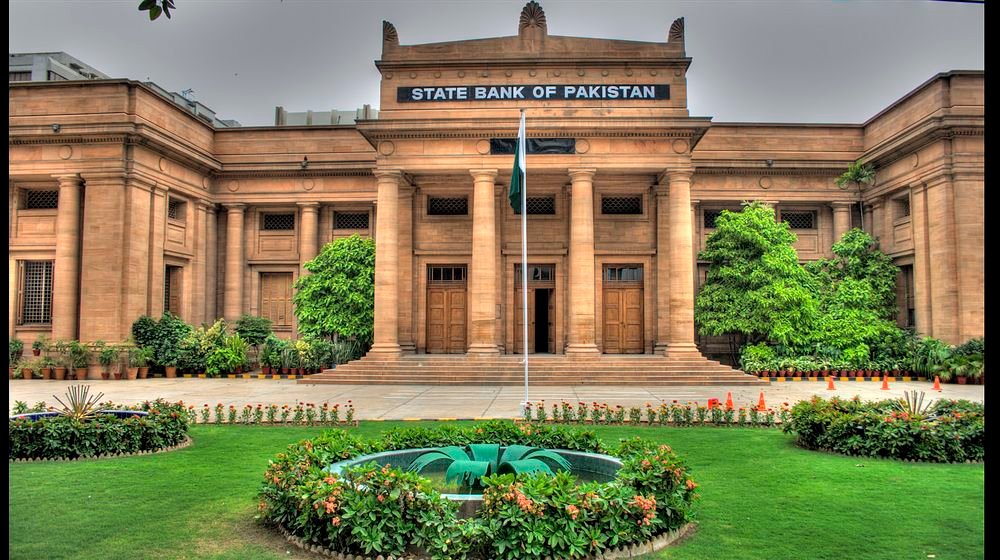
    The reserves held by the State Bank of Pakistan (SBP) decreased by $146 million to $13.527 billion due to external debt repayments. The reserves of commercial banks also reduced to $7.152 billion from $7.163 billion last week.

    Earlier, Pakistan received inflows amounting to $2.5 billion on Thursday evening as proceeds of recently launched Eurobonds.

    The central bank has confirmed on its Twitter account that SBP has received the government’s proceeds of $2.5 billion against Eurobond issuance, resulting in $16 billion surges in foreign exchange reserves. 

    After a gap of almost three years, Pakistan has entered the international capital market for Eurobonds trading. A multi-tranche transaction of 5-,10-, and 30- year Eurobonds was performed to build up the foreign exchange reserves. 

    During the past two years, Pakistan got almost $3 billion in foreign inflows and out of these, $2.5 billion from Eurobonds arrival on Thursday evening.

    Besides, in the last week of March, International Monetary Fund (IMF) gave around $500 million to Pakistan as a loan under Extended Fund Facility (EFF) for support. 

    As of April 2, 2021, SBP’s liquid foreign exchange reserves were $20.679 billion. With the addition of Eurobond proceeds, these foreign exchange reserves would likely cross the $23 billion mark.

  • SBP could soon be launching digital currency in Pakistan

    SBP could soon be launching digital currency in Pakistan

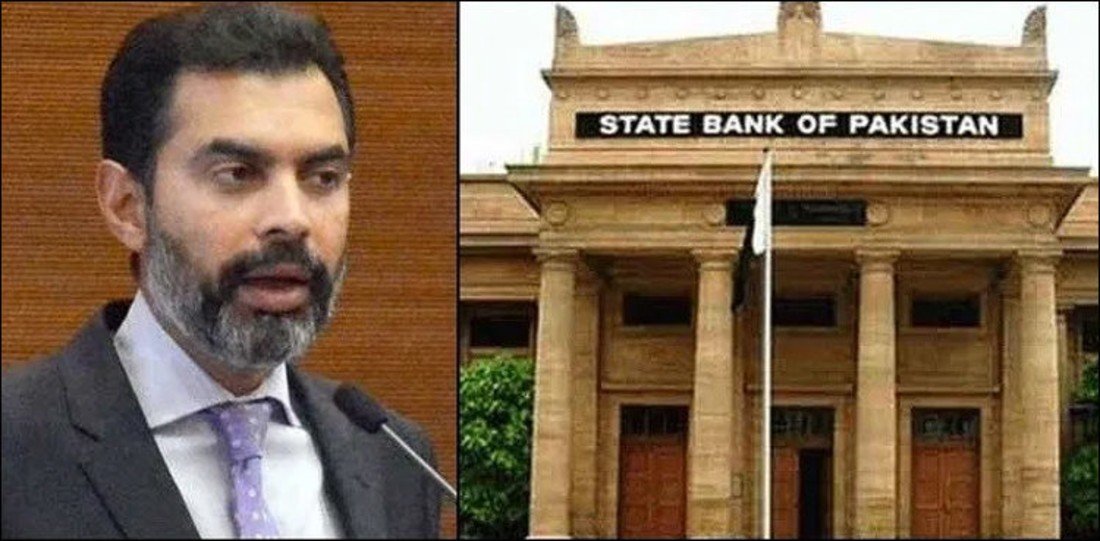
    State Bank of Pakistan (SBP) Governor Dr Reza Baqir has said the central bank is carefully studying the options to launch digital currency in Pakistan.

    Speaking to a private media outlet, Baqir highlighted the role of the central bank in the wake of COVID-19 in Pakistan. He also talked about his vision to bring digitisation to the country’s financial sector.

    “The launch of digital coin in Pakistan will have a twofold benefit to us. Not only does it boosts our efforts for financial inclusion, but the central bank-issued digital currency will allow progress in our fight towards anti-money and countering terrorism financing,” said Baqir.

    On the entry of global fintech companies like stripe in the Pakistani market, Baqir said that big international payment providers are “very welcome” in Pakistan.

    “Pakistan is the home to the fifth-largest concentration of people. It is a market where people are generally tech-savvy, and it is a market that is waiting to burst as far as digitisation is a concern,” said Baqir.

    “We are very open, and we embrace any global mobile payment operator that wants to come to Pakistan.”

  • High hopes for Pakistan with aim to start local manufacturing of Sputnik V vaccine

    High hopes for Pakistan with aim to start local manufacturing of Sputnik V vaccine

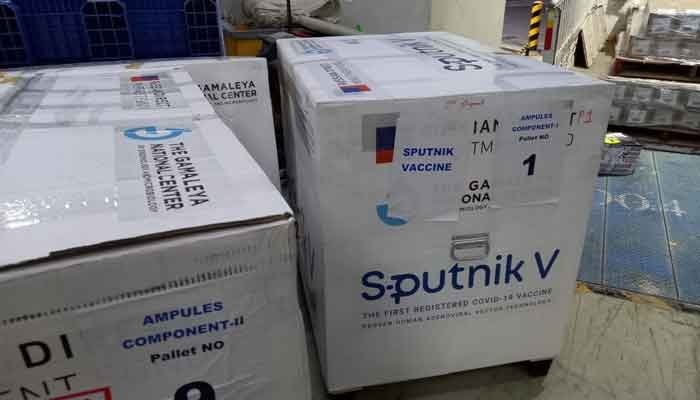
    Pakistan is all set to start the local manufacturing the Russian COVID-19 vaccine Sputnik V in collaboration with Russia in the coming months.

    Foreign Minister Shah Mehmood Qureshi, during a joint press conference with his Russian counterpart on Wednesday, said Pakistan was looking forward to Russian collaboration for the local production of the Sputnik V vaccine.

    The Russian FM said his government had provided 50,000 doses to Pakistan and intended to provide more than 150,000 doses in the coming weeks.

    Russian Foreign Minister Sergey Lavrov had arrived on Tuesday for a two-day visit in Islamabad, where he was received by Shah Mehmood Qureshi.

    FM Lavrov also expressed satisfaction over an increase in bilateral trade that reached $790 million over the last year.

    Earlier, the Drug Regulatory Authority of Pakistan (DRAP) had approved the emergency use of the Russian vaccine.

    Two doses of it are currently being administered across private facilities in major cities for around Rs13,000.

    It has an efficacy rate of over 91%.

  • Data of 533 million people hacked from Facebook servers

    Personal data of more than 533 million people (half a billion) was breached in a massive cyber hack on Facebook. The data includes names, phones numbers, emails and other sensitive information.

    According to reports, the data comes from people across 106 countries — 32 million Americans, 11 million people from the United Kingdom (UK) and around six million Indians.

    On the other hand, Facebook responded that there is nothing to worry about as this data breach was part of a leak that happened years ago.

    Liz Bourgeois, the spokesperson at Facebook, said the vulnerability that caused this data breach was discovered and fixed in August 2019.

    On the contrary, many users have expressed anger against the social media giant by saying that Facebook is trying to downplay the mass data breach.

    Alon Gal, chief technology officer (CTO) at Hudson Rock (Cyber Security firm), said that the leaked data can be used by hackers to scam people with fake schemes and for other illegal activities.

    Facebook has a lot to answer, and a simple “it’s been fixed” is not enough, he said.

  • SBP governor says bank will implement policies benefitting economy

    SBP governor says bank will implement policies benefitting economy

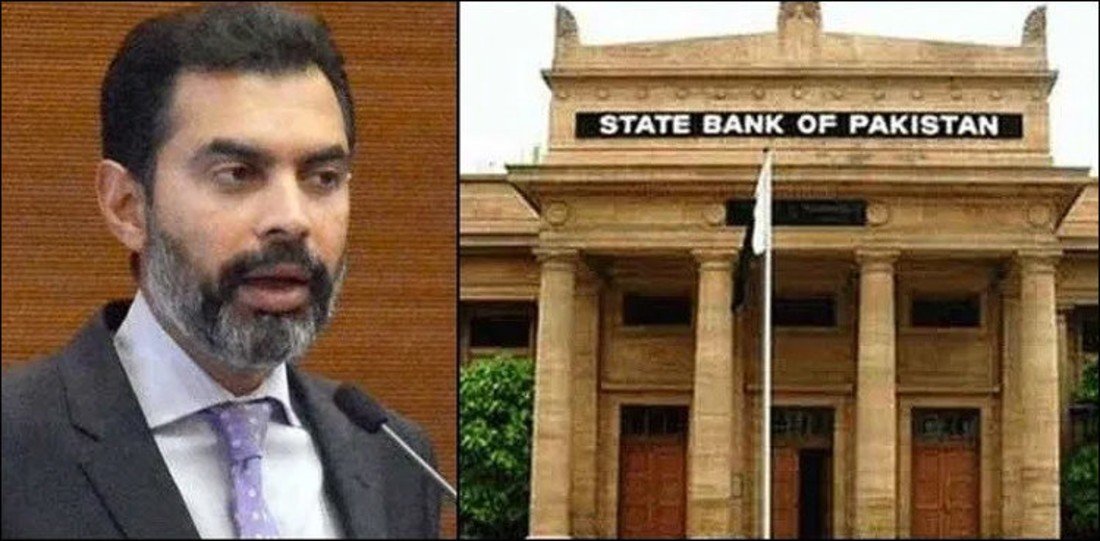
    State Bank of Pakistan (SBP) Governor Dr Reza Baqir on Sunday said that SBP would implement those policies benefiting economy of Pakistan.

    Monitory policy adopted by SBP is supporting the economy of Pakistan, he said in an interview with a private television channel.

    Commenting on approaching International Monitoring Fund (IMF), he said: “We had to seek support of IMF because of weak economic condition.”

    During COVID-19 pandemic, he said the government had to lift loan from IMF amounting to Rs250 billion. Appreciating the steps taken by Pakistan Tehreek-e-Insaf (PTI) government to avert coronavirus pandemic, he said that the SBP and the ruling party had successfully managed to cope the difficulties arisen due to spreading virus that played havoc around the world.

    WATCH THE FULL INTERVIEW:

    In reply to a question about policy rate, he said that the banks have implemented the policy rate that stood at 13 per cent. To another question about SBP’s working in future, he said that the banking system as autonomous body would have better results.

  • Incumbent government fails to control inflation, 9.1pc ahead of Ramzan

    The Consumer Price Index (CPI) witnessed a new round of inflation (increase in prices of goods and services) up to 9.1 per cent from 8.7 per cent in February.

    Inflation took place primarily due to price increase in food items, clothing and footwear, say the Pakistan Bureau of Statistics (PBS).

    Non-food items also witnessed a price hike due to higher energy rates in Pakistan. Due to the shortage of production, at the beginning of the current Fiscal Year (FY), inflation stood at 9.3pc in July that eased down to 8.2pc.

    On a month-on-month (MoM) basis, inflation increased by 0.36pc due to the increasing price of cooking oil, sugar, wheat, pulses, petroleum products, and electricity charges.

    Higher food prices pulled up inflation by 11.5pc YoY and 1.7pc MoM in the urban areas of Pakistan. The situation is similar in the rural areas where the food items prices increased 11.1pc YoY and 1.5pc, on MoM in March.

    The MoM increase indicates that prices of essential food items will see a further rise next month. The weekly prices also show an upward movement which will drag monthly inflation.

    The urban areas saw a price hike in March from the previous month included eggs 12.96pc, fruits 10pc, potatoes 9.54pc, chicken 6.58pc, sugar 4.82pc, tomatoes 4.67pc, pulse mash 4.57pc, pulse gram 4.39pc, rice 1.61pc, and wheat flour 1.46pc.

    The items whose prices declined in urban areas were onions 2.37pc, dried fruits 2.19pc, fish 1.78pc and vegetable 1.48pc.

    In rural areas, egg prices were higher by 15pc, chicken 12.21pc, potatoes 11.43pc, fruits 6.08pc, sugar 5.77pc, besan 4.71pc, pulse gram 3.89pc, gram whole 2.53pc, pulse mash 2.52pc, pulse masoor 2.18pc, vegetable ghee 1.58pc, cooking oil 1.53pc, and wheat flour by 0.97pc.

    Whereas tomato prices decreased by 6.10pc, fish 1.14pc, condiments & spices 0.61pc, and wheat 0.33pc.

    Average inflation measured by the Sensitive Price Index (SPI) surged to 18.7pc in March from 11.9pc during the previous month. On an MoM basis, it increased by 5.7pc in March.

    The Wholesale Price Index was slightly up from the previous month’s 9.5pc to 14.6pc in March. WPI inflation MoM increased by 3.7pc in March.

  • Ban on TikTok lifted in Pakistan: Fawad Chaudhry

    Ban on TikTok lifted in Pakistan: Fawad Chaudhry

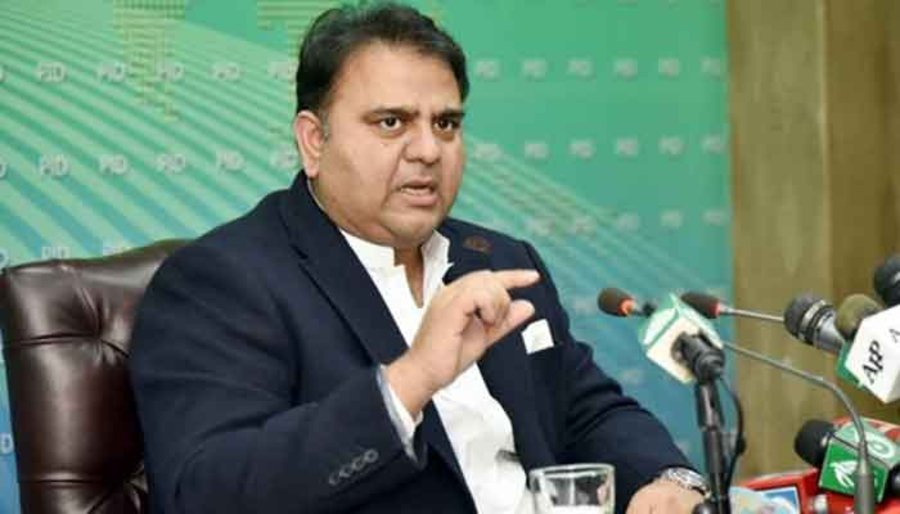
    Federal Minister for Science and Technology Fawad Chaudhry on Thursday said that Peshawar High Court (PHC) has lifted the ban on TikTok as it was ordered by a single-member bench of the same court.

    “Peshawar High Court has suspended the operation of single bench judgement, ban on TikTok has been lifted. We need a framework to encourage international companies to make Pakistan their investment hub,” tweeted the federal minister.

    In March, PHC ordered Pakistan Telecommunication Authority (PTA) to ask service providers to block users access to TikTok immediately in the country.

    “In respectful compliance to the orders of the Peshawar High Court, PTA has issued directions to the service providers to immediately block access to the TikTok App,” the PTA said.

    PHC Chief Justice (CJ) Qaiser Rashid Khan heard the petition filed by a citizen and ordered the ban on Tiktok.

    This is the second time when TikTok faced a ban in Pakistan.

    In October last year, the PTA had blocked TikTok after the company “failed to fully comply” with its instructions for the “development of an effective mechanism for proactive moderation of unlawful online content”.

    The moves had, however, led to outcry over “bars on digital advancement” in the country.