Category: Business

The most important business news, explained in a young, easy to understand way. News that affects young career professionals.

  • 12 luxury vehicles registered under the name of labourer, gatekeeper

    12 luxury vehicles registered under the name of labourer, gatekeeper

    The Anti-Benami Zone of the Federal Board of Revenue (FBR) caught 12 luxury vehicles in Karachi worth millions of rupees under the name of a gatekeeper and a labourer.

    Reportedly, a Land Rover and a BMW are registered under the name of Zahid Iqbal from Faisalabad. Moreover, around ten vehicles are registered under the name of a gatekeeper.

    The officials of the Anti-Benami Zone revealed that the name of a car dealer had also been used for the Benami vehicles, and the purchase of the vehicles had been conducted under the Benami Transaction Act.

    Zahid Iqbal was clueless about ownership of the cars when he was asked by the authorities to provide necessary documents to the revenue board.

    Meanwhile, the Anti-Benami Zone has initiated an investigation of the matter, and notices have been issued to the suspected labourer, gatekeeper, and car dealer.

    What is benami transaction?

    1) When a property is transferred to, or is held by, a person but it has been paid for by another person – a trustee and wife, child, brother or sister

    2) A transaction or arrangement of a property made in a fictitious name, or a transaction or arrangement of a property where the owner is not aware of, or denies knowledge of, such ownership

    3) A transaction or arrangement of a property where the person providing the consideration is not traceable or is fictitious.

    Types of benami properties

    Such properties can be plots, houses, shopping plazas, shops, housing schemes, bank accounts, vehicles, business shares, jewellery, foreign currency, legal documents and intangible properties, having financial value.
  • Govt to pay pensions, salaries via Raast instant payment system

    Govt to pay pensions, salaries via Raast instant payment system

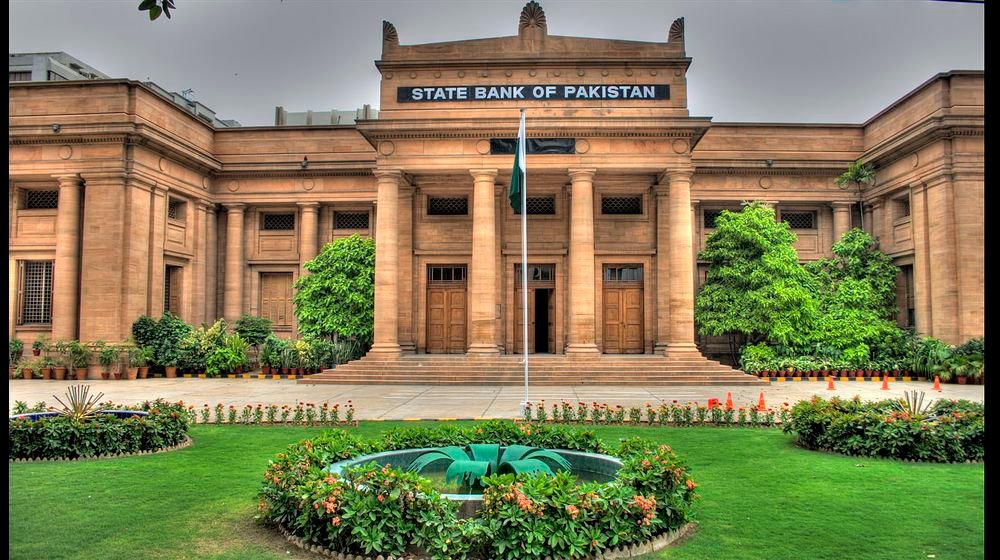
    The State Bank of Pakistan (SBP) and Controller General of Accounts Pakistan (CGAP) have decided to digitise the payment system for salaries/payments of government employees.

    The payments will be made through Raast.

    Raast is an initiative taken by Prime Minister (PM) Imran Khan to promote easy tax collection and move the country towards a cashless economy.

    According to a press release, SBP and CGAP have signed a memorandum of understanding (MoU) to use Raast for payments. The payroll and pension-roll data will be shared from the CGA system to SBP’s Raast through a highly secure interface, and payments to the beneficiaries’ accounts will be made instantly after validating the beneficiaries’ detail.

    To ensure that payments are only credited in the intended beneficiary’s account, the digital payment system will verify the beneficiaries’ details with their banks in real-time before crediting the payment in the beneficiary’s account.

    The central bank further added that they are working to make payments of social security nets like Ehaas Programme, Benazir Income Support Programme (BISP), and other government programmes through Raast.

    Raast is Pakistan’s first digital payment system that will ensure payments instantaneously for individuals, businesses and the government.

    The system can also make payments to multiple beneficiaries at a time to cater to high volume government payments like salaries, pension and social security payments.

  • Hammad Azhar to replace Hafeez Shaikh as Finance Minister

    Hammad Azhar to replace Hafeez Shaikh as Finance Minister

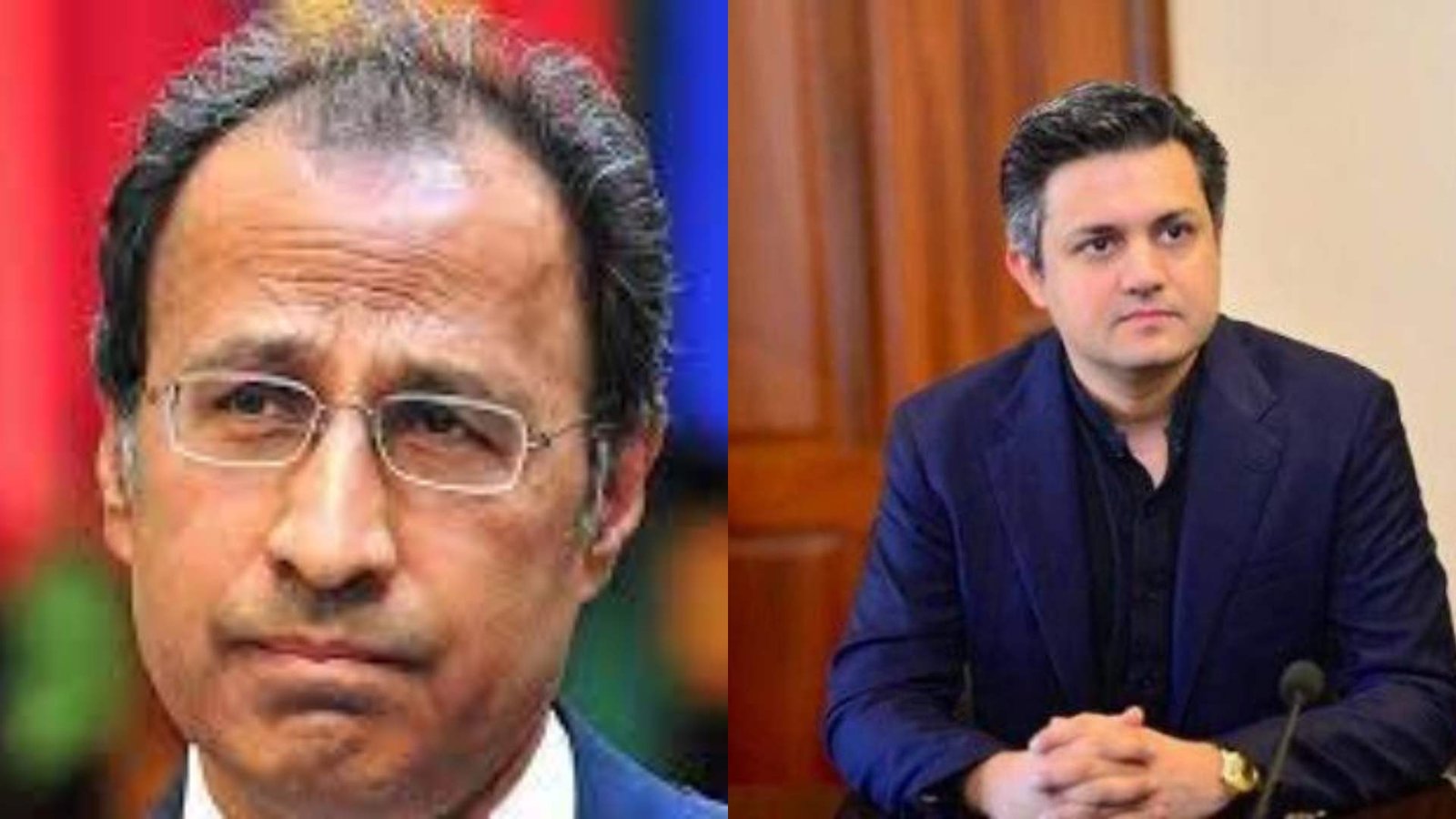
    The federal government has decided to replace Finance Minister Abdul Hafeez Shaikh with Federal Minister for Industries and Production Hammad Azhar.

    Hafeez Shaikh shall be replaced by Hammad Azhar because according to Article 91 (9) of the constitution, a person who is not part of the parliament can be minister for only six months.

    However, to become a minister again, the individual should be elected to one of the two houses of parliament, Senate or National Assembly.

    Hafeez Shaikh had a period of six months to be elected as a member of the assembly. For that purpose, the ruling party, Pakistan Tehreek-e-Insaf (PTI) chose Hafeez as a candidate for Senate elections, which he could not win. Therefore, the government has selected Hammad Azhar as his replacement.

    Hafeez had been serving as an advisor to Prime Minister (PM) Imran Khan on finance before he was appointed federal minister.

    He was given the portfolio after the Islamabad High Court ruled that unelected advisors and special assistants cannot head government committees.

    Muhammad Hammad Azhar has held his current portfolio since April 6, 2020. Previously, he served as Federal Minister for Economic Affairs from July 10, 2019 till April 5, 2020.

    PM Imran reportedly conveyed to Hafeez Shaikh to step down from his role, and a notification in this regard is also expected to be released soon.

    Hammad Azhar tweeted that he is “honoured to be entrusted with the additional charge of Finance by the Prime Minister”.

  • Punjab begins digital mapping of all cities including Lahore

    Punjab begins digital mapping of all cities including Lahore

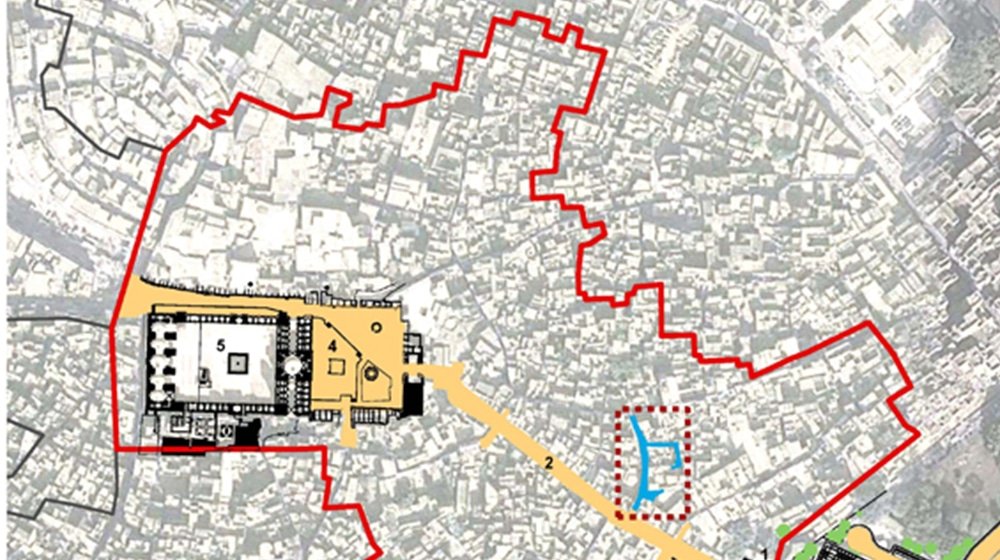
    Punjab Board of Revenue has started a new project called Cadaster of Punjab. Under this project, the provincial government will create a digital map of urban centres all across the province.

    Through this project, the government intends to remove Khasra (the legal Revenue Department document) number linked to real estate assets. The Khasra number has impeded the real estate sector due to several unsolicited factors.

    The project is divided into two phases. In the first phase, the digital maps of all the buildings will be created. In the second phase, unique numbers will be assigned to buildings all across the provinces.

    The urban blueprint of Lahore has also been drafted under the same filing in coordination with the Survey of Pakistan.

    Specifics such as area, value, and ownership details will be made digital to maintain proper records.

    The project has secured foreign investments worth $150 million, which will help in the formation of the digital records within the next few months.

    Before this development, the Punjab Board of Revenue has approved legislations. Under its regulatory framework, the offices of private housing societies will be declared public.

    The new law has also levied strict legal action against the housing societies that regularly evade scheduled audits.

  • 2,094 illegal appointments at USC, costs Rs17.5m to exchequer

    2,094 illegal appointments at USC, costs Rs17.5m to exchequer

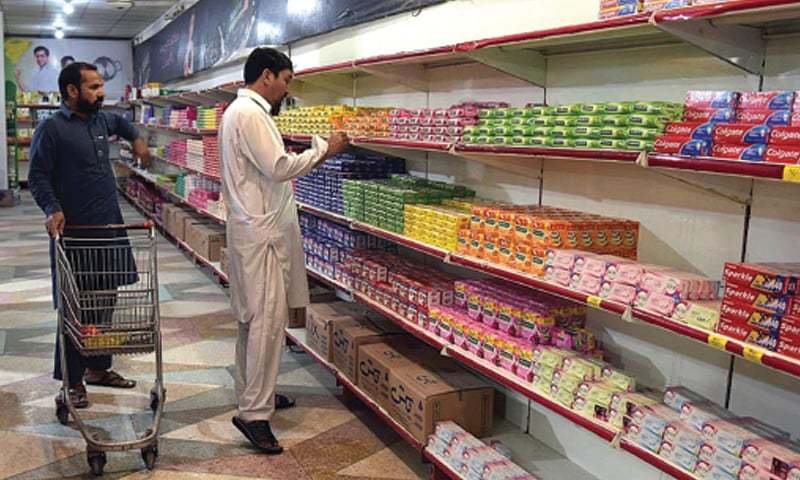
    An audit of the Utility Stores Corporation (USC) revealed that 9,756 employees are working for the organisation, whereas only 7,662 is the authorised strength for the 42 regions.

    The extra 2,094 employees are a burden on the organisation that is already clash-strapped. Besides, USC never shared details of excess (ghost) employees. The auditors recommended an independent inquiry into the matter of the illegal appointments.

    The irregular appointments cost Rs17.5m to the exchequer. It is also an indicates of a weak internal control system at USC.

    “The payment of salary to these un-authorised emplo­yees for the last several years showed that there was no financial discipline/control in USC budgetary matters and the budget under the head of salary and wages was not being allocated to zonal/regional offices as per sanctioned/available strength,” the report said.

    The lack of discipline in budgetary matters has led to such irregularities and false appointments at the regional level. The audit report termed these appointments as “unauthorised.”

    On the contrary, the management of USC defended these appointments and said that the request for regularization was submitted to the USC board of directors (BOD).

    Besides, several appointments were made when there was a ban imposed on recruitments. The management made 11 appointments in BS15 and 16 on consolidated pay ranging between Rs20,000 to Rs40,000 per month.

    These appointments were also not advertised in the newspapers, said the report.

    The USC initially suspended these employees and later their services were terminated, but the employees were reinstated on a court order.

    The management of the USC further said that since the matter was under probe by NAB, therefore, the internal inquiry had been put on hold to avoid legal complications.

  • World Banks approves $600mn for Ehsaas program expansion

    World Banks approves $600mn for Ehsaas program expansion

    Executive Directors at the World Bank have approved $600 million for the Crisis-Resilient Social Protection Program (CRISP) that will help the Pakistani government expand the Ehsaas Program. The Ehsaas Program is an initiative taken by Prime Minister (PM) Imran Khan for poverty alleviation and to protect vulnerable households in Pakistan.

    Amidst the COVID-19 pandemic, tens of thousands of families across Pakistan face economic hardship, particularly workers in the informal sector.

    World Bank Country Director Najy Behassine, speaking about the project, said: “Such workers barely have savings to use in crises and they are not covered by existing social safety net program. This investment will enable Ehsaas program to develop a more efficient and adaptive social protection system for crises and resilience to future shocks.”

    As per details, CRISP will facilitate the Ehsaas social protection programs so that aid may reach informal workers, particularly women through an innovative approach. It will provide a platform through which the government can rapidly respond to support the most affected households during an economic crisis.

    “In the event of a crisis, a more flexible and dynamic social protection system can significantly reduce the time needed to respond to peoples’ needs as well as supporting a faster recovery,” said Amjad Zafar Khan, Task Team Leader for the Crisis-Resilient Social Protection program.

    CRISP will also improve the capacity of the social registry to maintain up-to-date accurate household data and exchange data among social programs while providing greater beneficiary choice in the biometric payment systems.

  • Pakistan likely to resume trade with India

    The ban on trade with India is likely to be lifted soon after the recent correspondence between Prime Minister (PM) Imran Khan and Indian Prime Minister (PM) Narendra Modi.

    PM Modi conveyed well wishes in a message to PM Imran after he tested positive for COVID-19. Later on Pakistan Resolution Day too Modi wrote a letter saying that India desired cordial relations with the people of Pakistan.

    Pakistan suspended trade with India in 2019 but recently imported life-saving drugs.

    The advisor to PM on commerce and investment, Abdul Razak Dawood, while speaking to media said, “Since the recent thawing began, the prime minister is in isolation being COVID positive. I haven’t talked to him as I don’t want to disturb him. I sincerely hope that trade with India will start again. Trade should be separated from politics.”

    Last week, Chief of Army Staff (COAS) General Qamar Javed Bajwa, while speaking at Islamabad Security Dialogue, also said, “It is time to bury the past and move forward.”

    On August 10, 2019, Pakistan imposed a trade ban on India after the escalation of violations on the Line of Control (LOC). In response, New Delhi withdrew the Most Favoured Nation (MFN) status from Pakistan, also after the Pulwama incident.

    However, even before the suspension, the bilateral trade between Pakistan and India had been below $2 billion.

    Now, with improvement on the horizon between the two nuclear neighbours, Dawood also said that a decision on the import of cotton from India through land route is expected soon.

  • New pro-IMF State Bank law would leave country bankrupt, lead to Pakistan’s collapse: prominent economist

    Renowned economist Dr Kaiser Bengali has warned that the State Bank of Pakistan (SBP) Ordinance, which is likely to be introduced soon, is anti-national and could lead to no accountability of central bank officials besides ultimately resulting “in the collapse of the country”.

    Speaking to a private media outlet, he said that the law would leave the federal government and subsequently the state paralysed.

    “There would be no money to pay salaries because the top priority would be paying back loans for which new loans will be sought,” Dr Bengali said.

    To a query by host Asma Shirazi, he said the law had no parallel in the modern world, however, a similar one dating back to the Ottoman Era played a key role in the downfall of the House of Osman.

    “They didn’t have any money to fight wars or deal with the rebellion after handing control of all the money to the central bank.”

    “This would dissolve Pakistan because there won’t even be enough money to pay the police,” Dr Bengali maintained, adding that it was a bleak picture.

    “The opposition alliance should put its other demands on hold and work towards stopping this legislation,” he concluded. The same was stated by him in a tweet as well.

    Earlier, Pakistan Muslim League-N (PML-N) Secretary General Ahsan Iqbal also claimed the government was enacting such a law which would hand over the State Bank of Pakistan’s (SBP) control to the International Monetary Fund (IMF) and other international financial institutions.

    Addressing a press conference, he said that with the new legislation, the SBP would not be accountable to the parliament, the prime minister or any institution of the country and it would only be answerable to the international institutions.

    He said National Accountability Bureau (NAB), Federal Investigation Agency (FIA) or any other institution would not be able to ask the SBP governor and other officials for any corruption.

    “If the prime minister of Pakistan can appear before NAB, then why can’t the SBP governor?” Ahsan said adding it was only to mortgage Pakistan’s economy with the international institutions.

  • Boris Johnson warns UK could place France on ‘red list’

    Britain could soon place France on a travel “red list” and tighten border controls due to the risk of a new coronavirus variant, Prime Minister (PM) Boris Johnson said on Wednesday.

    France is expanding lockdown due to the rising number of cases after the third wave hit the country.

    The South African and Brazilian variants of the virus prevalent in France are potentially more transmissible, which has caused particular concern.

    United Kingdom’s (UK) Senior Members of Parliament (MPs) asked why France was not on the British’s travel “red list”, to which Johnson said that it was “something we will have to look” at while warning it “would cause disruption, particularly to cross-Channel trade”.

    Placing the country on a red list means barring travellers from entering the UK unless they are British or Irish nationals or have residence rights.

    Johnson acknowledged that “we have to look at the situation at the Channel”.

    “We can’t rule out tougher measures, and we will put them in if necessary,” he said.

    Many lorry drivers were entering the UK and, when MPs raised their concerns, Johnson said that the government has to mitigate the balance of risks. It will cause “serious disruption” to the flow of goods such as food and medicine.

    England’s Chief Medical Officer (CMO) Chris Whitty and his deputy Jonathan Van-Tam have also reportedly put pressure on Johnson to bring in stricter border controls.

    France is expanding its lockdown due to the rising number of cases after the third wave hit the country.

    When senior members of the Parliament (MPs) asked why France was not on the UK travel “red list”, Johson said that this is “something we will have to look at” while warning it “would cause disruption, particularly to cross-Channel trade.”

    Placing the country on a red list means barring travellers from entering the United Kingdom (UK) unless they are British or Irish nationals or have residence rights.

    Johnson acknowledged that “we have to look at the situation at the Channel. We can’t rule out tougher measures, and we will put them in if necessary,” he said.

    Many lorry drivers were entering the UK and when the MPs raised their concerns, Johson said that the government have to mitigate the balance of risks. It will cause “serious disruption” to the flow of goods such as food and medicine.

    England’s Chief Medical Officer (CMO) Chris Whitty and his deputy Jonathan Van-Tam have reportedly put pressure on Johnson to bring in stricter border controls.