Category: Business

The most important business news, explained in a young, easy to understand way. News that affects young career professionals.

  • Surprisingly high profitability in corporate sector despite pandemic

    Surprisingly high profitability in corporate sector despite pandemic

    The results for corporate profitability are pleasantly surprising as the aggregate profitability shown by listed companies amounted to Rs 213.9 billion.

    The year-on-year growth rate for the recent quarter is 38 per cent. In sector-wise profitability: commercial banks have contributed to the highest sum of Rs48 billion earning in the quarter.

    The oil and gas exploration and production sector also yields the highest profits and contributed Rs41bn tax for the quarter.

    Furthermore, the sector that has reported surprising growth in profit is technology and communications. Put together the total earnings are Rs5.9bn, which is 27.6 times higher from Rs207m in the same quarter of 2019.

    Software companies like Avanceon Ltd, Systems Ltd, TRG Pakistan and Netsol Technologies saw their share prices grow during the year.

    TRG Pakistan shares were at Rs12.87 on March 25, 2020. It is now trading at Rs143, which is 11 times higher in one year. Netsol Technologies surged from Rs27.16 a share to Rs285, up ten times in one year.

    Analysts said that technology companies even in the United States (US) challenged the worst economic downturn and reported robust financial growth during the pandemic.

    Engineering sectors mainly comprising steel companies also outperformed most sectors with earnings of Rs5.1bn, recording a growth of 18.7 times from Rs257m a year ago.

    The Cement sector has benefitted from the government’s great incentives to the construction industry. They have reported 570 per cent growth, a total profit of Rs11.7bn which was Rs1.7bn in 2019.

    “The strong corporate profitability provides strong support to the market and should be a key driver for the KSE-100 index once political noise dies down,” said Raza Jafri, head of equities at Intermarket Securities.

    The food sector’s earnings were satisfactory but were dragged down by the poor profitability of FrieslandCampina Engro.
  • ‘Govt to launch dozens of five-star hotels, motels,’ say Zulfi Bukhari

    ‘Govt to launch dozens of five-star hotels, motels,’ say Zulfi Bukhari

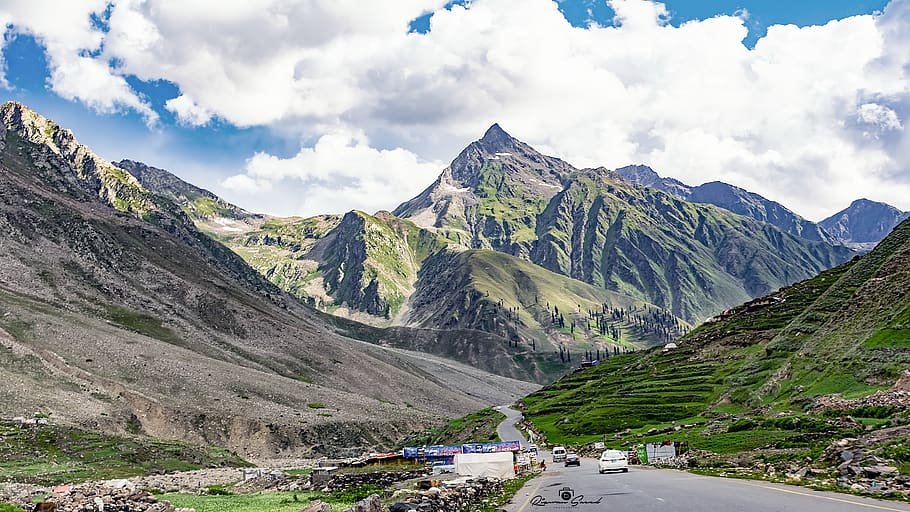
    Special Assistant to Prime Minister (SAPM) on Overseas Pakistanis and Human Resource Development Sayed Zulfikar Bukhari has said that the government plans to launch dozens of five-star international standard hotels and motels in the coming two to three years.

    Bukhari, who also serves as the Chairman of the National Tourism Coordination Board (NTCB), has announced that Pakistan will get 25 to 30 international standard hotels because tourism is a priority of the present government.

    He further said that an e-portal for tourism updates like hotels ratings, weather, traffic, and other information regarding tourist destinations will also be developed by the government.

    Furthermore, a National Tourism Strategy from 2020 to 2030 has been devised, and a five-year action plan (2020-25) has also been introduced.

    Bukhari further said that the Pakistan Tourism Development Corporation (PTDC) now works as a coordination body for the government.

    He asserted that to boost the tourism industry, the country needs better hotels, transportation, amenities, improvement of infrastructure and security situation.

  • Biden nominates Pakistani-American as Deputy Administrator of Small Business Administration

    Biden nominates Pakistani-American as Deputy Administrator of Small Business Administration

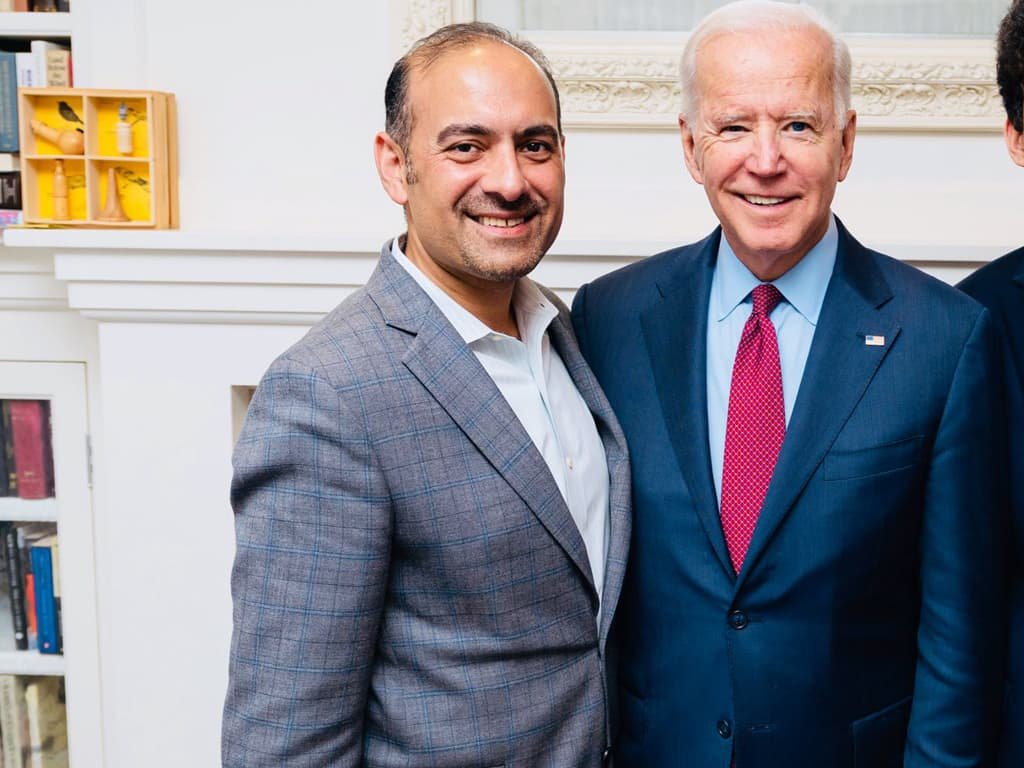
    President of the United State (US) Joe Biden has nominated Dilawar Syed to serve as the Deputy Administrator of the Small Business Administration (SBA).

    Sharing the news on social media, the Pakistani-American said that he is humbled and honoured by President Biden’s nomination.

    “If confirmed by the US Senate, I will put my heart and soul into helping small businesses everywhere in these challenging times. Their grit makes America strong,” wrote Syed.

    Syed is currently serving as the President and Chief Executive Officer of Lumiata, an artificial intelligence (AI) for a healthcare company that is focused on reducing healthcare costs and improving outcomes of medical processes.

    “Syed has driven civic efforts at the federal, state, and local level focusing on economic growth and entrepreneurship,” read a statement by the White House.

    Syed immigrated to the US from Pakistan as a freshman student to attend The College of Wooster in Ohio. He holds an MBA from The Wharton School of the University of Pennsylvania and earned a B.A. in Economics and Computer Science from The University of Texas at Austin.

  • ‘Pakistan has the potential to become an economic hub,’ says Asian Development Bank

    ‘Pakistan has the potential to become an economic hub,’ says Asian Development Bank

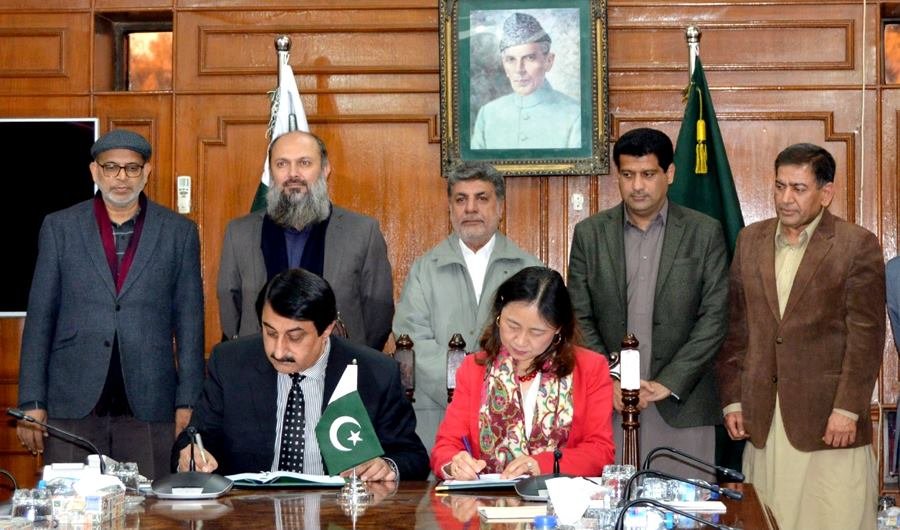
    The Asian Development Bank (ADB) has said that Pakistan has huge potential for economic progress given its strategic location and youthful growing population.

    In an interview, Country Director of ADB for Pakistan Xiaohong Yang said: “Pakistan has the potential to become a regional hub for trade and economic activity but the major impediment is weak connectivity and trade links. Moreover, the COVID-19 has pandemic caused a sharp downturn in 2020, and is likely to push more people into poverty.”

    Yang also said that ADB is taking major steps in providing critical finance to the government to implement it’s pro-poor fiscal and monetary policy, and to deal with the impacts of the pandemic, adding that ADB has also financed a $2 billion loans to help Pakistan overcome the pandemic challenges.

    ADB is working towards introducing best practices, sharing knowledge and trying to develop capacity building through partnerships will all stakeholders, says Yang.

    The bank has also devised a new partnership strategy (2021-2025) for Pakistan. It is designed to restore growth and economic stability by deploying sovereign and non-sovereign operations to support infrastructure, agribusiness, and finance sector investment.

    ADB will target reforms that boost competitiveness and private sector development, create jobs and drive market innovation.

  • Ban on meals to end soon on domestic flights

    Ban on meals to end soon on domestic flights

    The Civil Aviation Authority (CAA) has suggested lifting the ban on in-flight meals services amid the second wave of the COVID-19 pandemic.

    As per details, the authority wrote a letter to the Aviation Division on Wednesday, recommending them to lift the ban on meal and beverages on domestic flights as the authority’s efforts to contain the spread of the pandemic have been successful.

    The letter further asked the Aviation Division to seek approval from the National Command and Operation Centre (NCOC) in this matter.

    The precedent of halting food services was set by Pakistan International Airlines (PIA) last year. PIA wanted to limit interaction between passengers and airline crew members under the reviewed standard operation procedures (SOPs).

    The idea was picked by CAA and they directed all airlines to follow the protocol on domestic flights. However, passengers on international flights are being served pre-packaged food with beverages.

    Passengers flying to Saudi Arabia receive snacks, club sandwiches, patties, one banana, and muffins in a pre-packaged box with a soft drink. Whereas flights to Kabul and Gulf countries only serve snacks.

  • Cargo train operations to resume between Pakistan, Turkey after nine years

    Cargo train operations to resume between Pakistan, Turkey after nine years

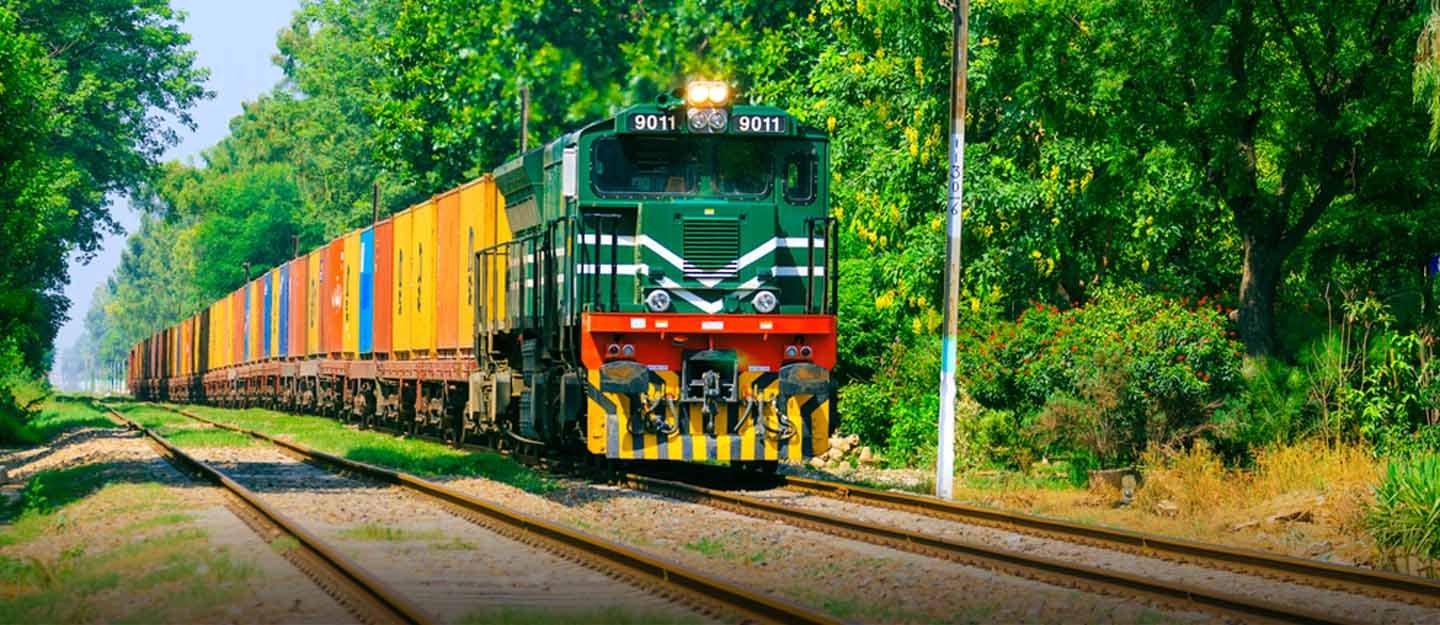
    The Pakistan Railways has announced that international goods train services will resume between Pakistan and Turkey from March 4 after a hiatus of nine years.

    According to a statement issued, the train will travel from Turkey to Karachi over a time span of two weeks. It will reach Karachi via, Rohri, Quetta, Zahedan, and Iran.

    The first international cargo train will be bringing electronics for domestic consumption. The same train will leave Karachi for Turkey this month carrying other goods.

    The administration carried out several test journeys on the route. The transit line was not regularised due to pending infrastructure development.

    In December, last year Turkey’s Minister for Transport and Infrastructure Adil Karaismailoglu announced that the Istanbul-Tehran-Islamabad (ITI) railway is expected to resume operations in 2021. According to Karaismailoglu, both container and freight transportation will soon resume on the route. The growing changes in the diplomatic landscape between the three countries have allowed the railway operation to resume.

    ITI project was initially launched in 2009. The railway line starts from Istanbul, through Tehran, to Islamabad. This routes takes eleven a half days and has a maximum capacity of twenty 50-feet containers.

  • Job opportunities for Pakistanis to increase in Qatar

    Job opportunities for Pakistanis to increase in Qatar

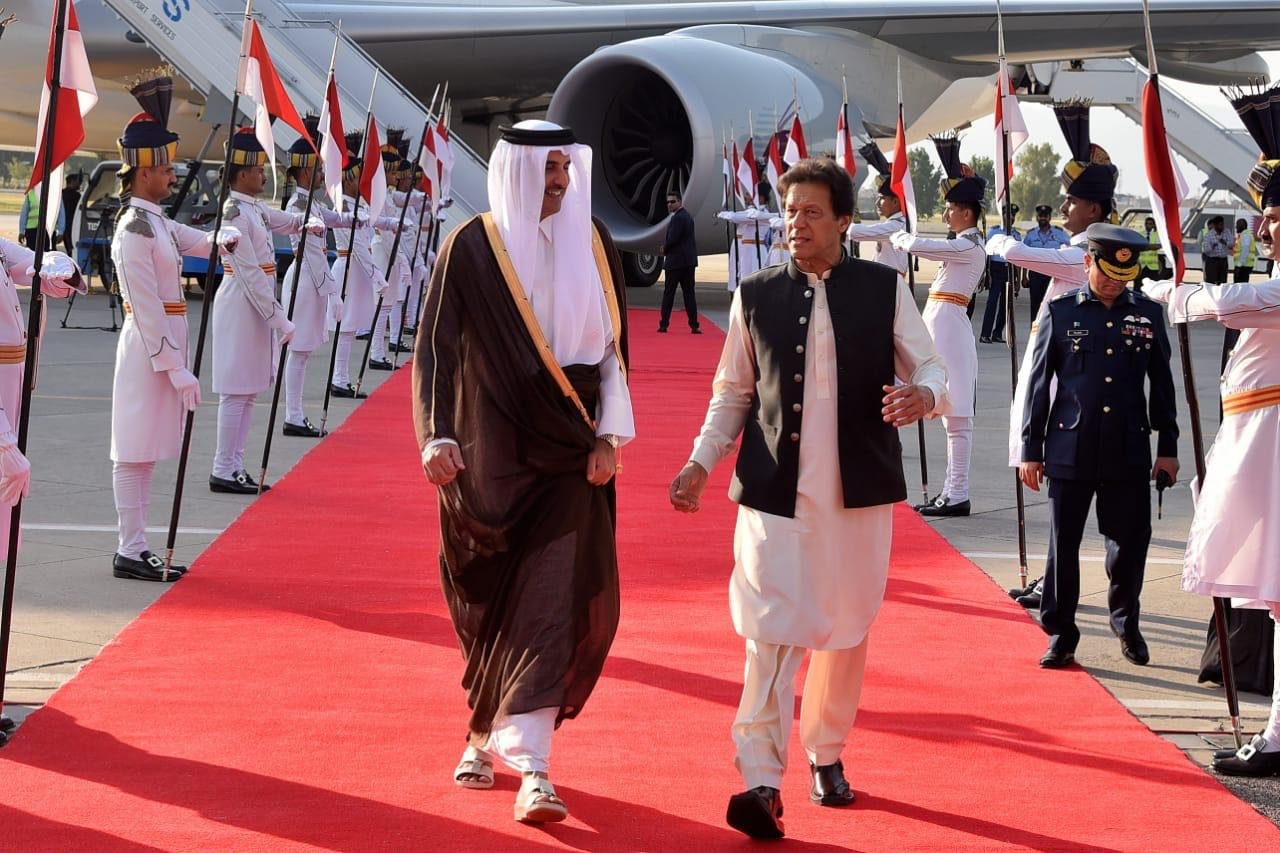
    Qatar has planned to increase employment opportunities for Pakistanis to over 300,000 in the coming year from the current 150,000, Qatar consul General Mishal M Al-Ansari said on Monday.

    While addressing members of the Korangi Association of Trade and Industry (KATI), he said that the companies with 100 per cent Pakistani ownership have increased significantly in Qatar.

    The Liquified Natural Gas (LNG) agreement between Pakistan and Qatar is a great milestone. Both countries are already working on many joint ventures in areas like defence production, JF-17 aircraft project, defence training, agriculture, food and other industries.

    Al-Ansari said that despite terrible conditions due to coronavirus we are fully prepared for FIFA World Cup 2022 and many mega infrastructure projects have been completed.

  • Pakistan set to get three new airlines

    Pakistan set to get three new airlines

    Q-Airlines, Fly Jinnah and Jet Green Airlines have sought regulatory approval from Pakistan’s Civil Aviation Authority (CAA) to launch services in the country.

    The CAA has completed the scrutiny of Q-Airlines and Fly Jinnah while Jet Green Airlines is still going through the scrutiny process.

    According to reports, following the completion of due procedure, the applications would be sent to the aviation division and then to the federal cabinet for final approvals.

    After the launch of these three new airlines, it will take the number of private carriers in the country to six, catering to the 217 million population.

    Airblue, SereneAir and AirSial are the three airlines already operating in the country. National carrier Pakistan International Airlines (PIA) is the largest and oldest carrier.

    It is a compulsion for new carriers to operate domestic flights for at least one year with three aircraft before they are allowed to operate internationally.

    SereneAir has already received necessary approvals from the UAE and Saudi authorities to launch commercial operations with maiden flights to Dubai, Sharjah, Jeddah and Riyadh.

  • Amazon rainforest plots sold via Facebook Marketplace ad

    Amazon rainforest plots sold via Facebook Marketplace ad

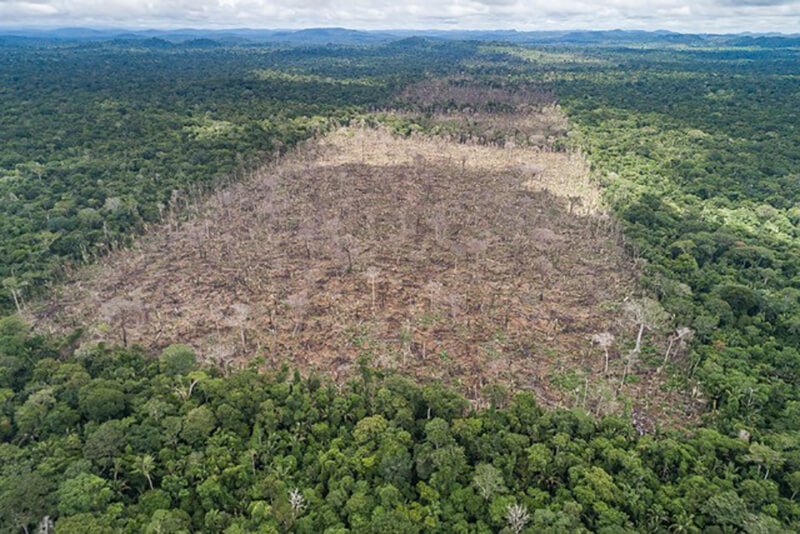
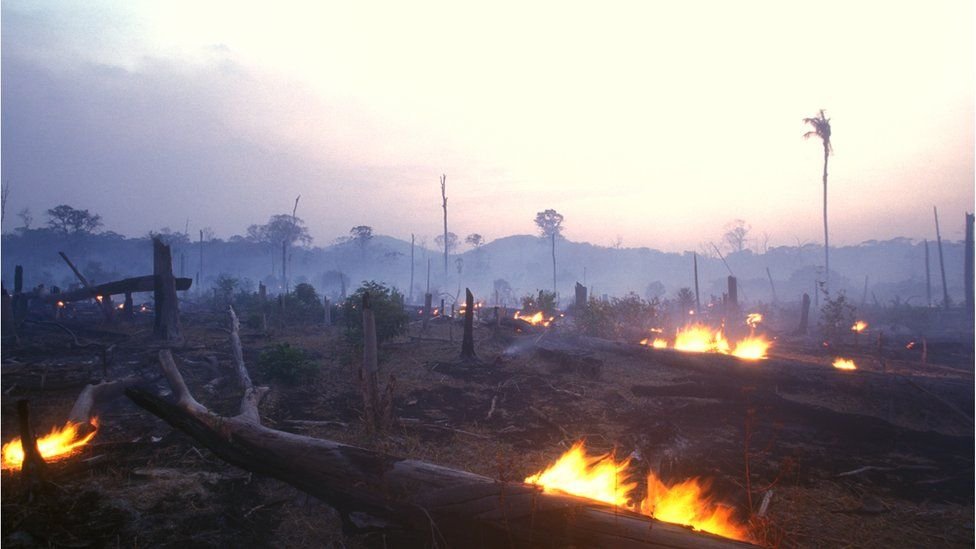
    Land grabbers are reportedly selling parts of Brazil’s Amazon Rainforest through advertisements on Facebook.

    Facebook says that “we are ready to work with local authorities,” but they are not willing to take independent action of their own to halt the trade.

    “Our commerce policies require buyers and sellers to comply with laws and regulations,” the Californian tech firm added.

    Campaigners have also said that the government of Brazil is unwilling to halt the sales.

    “The land invaders feel very empowered to the point that they are not ashamed of going on Facebook to make illegal land deals,” said Ivaneide Bandeira, head of environmental NGO Kanindé.

    Deforestation in Brazil’s Amazon is at a 10-year high. Now, Facebook’s Marketplace has become a selling site for grabbers.

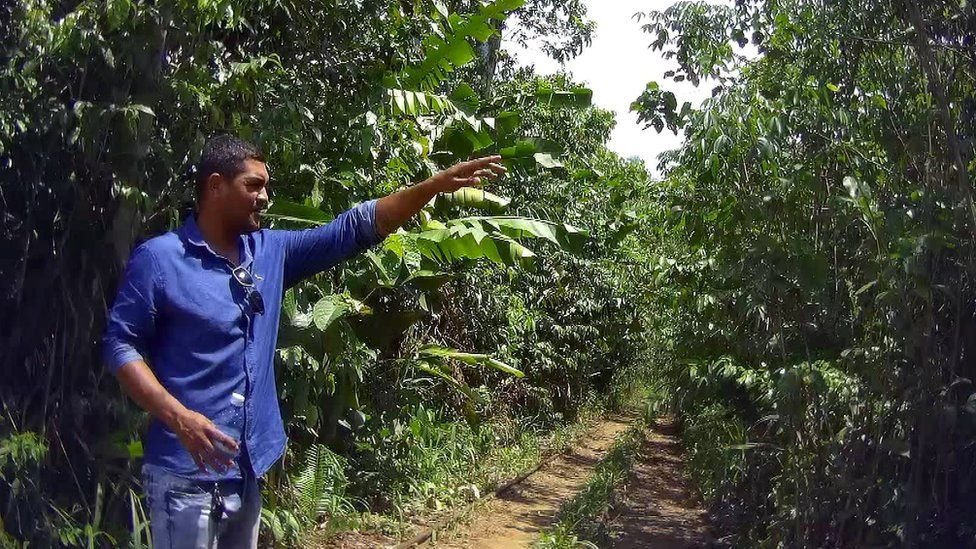
    A journalist has recorded footage of a landgrabber, Fabricio Guimarães showing areas he is selling on Facebook.

    “There’s no risk of inspection by state agents here,” said Fabricio as he walked through a patch of rainforest he had burnt to the ground.

    Fabricio Guimarães land grabber

    The land illegally cleared and ready for farming is priced at $35,000.

    Fabricio is not a farmer. He has steady middle-class job in a city, and views the rainforest as being an investment opportunity.

    Another factor driving the illegal land market is the expectation of amnesty.

    One landgrabber revealed he was working with others to lobby politicians to help them legally own stolen land.

    “I’ll tell you the truth: if this is not solved with President Bolsonaro there, it won’t be solved anymore,” he said of the current government.

    A common strategy is to deforest the land and then plead with politicians to abolish its protected status, on the basis it no longer serves its original purpose.

  • PTI govt borrows $6.7bn in FY20-21, says report

    PTI govt borrows $6.7bn in FY20-21, says report

    The government has received a total of $6.7 billion in foreign loans in the first seven months of the current fiscal year, according to a report in Express Tribune.

    It also includes a commercial loan of $500 million from China last month which helped Islamabad keep it’s gross official foreign exchange reserves at the current levels.

    According to the Economic Affairs Ministry, the government obtained external loans from multiple financing sources. It added that the gross loans were higher by 6 per cent or $380 million over the same period of last fiscal year.

    “Considering foreign exchange constraints, financing of development projects and repayments of these huge external public debts compel the incumbent government to further borrow from multiple sources,” the report quoted the Ministry of Economic Affairs as saying.

    In January alone, the government of Pakistan received $960 million, which includes $675 million from commercial banks. It was the most expensive loans.

    Almost 87% of the foreign loans or $5.8 billion were for budget financing, building foreign exchange reserves and commodity financing. Project financing was a mere $897 million or 13%. Pakistan would pay back these loans after taking new loans because no revenue-generating assets were created by using the amount.

    Additionally, China provided $1 billion worth of SAFE deposit. It also extended $1.5 billion in trade financing facility, which was the obligation of the central bank and not counted as part of the $6.7 billion borrowing in the past seven months.

    According to the newspaper, China’s continued financial assistance to Pakistan has helped in keeping the gross official foreign exchange reserves at around $13 billion despite the suspension of the International Monetary Fund (IMF) programme. However, the IMF and Islamabad agreed to revive the IMF programme earlier this month.