Category: Business

The most important business news, explained in a young, easy to understand way. News that affects young career professionals.

  • Porsche Pakistan CEO ‘runs off’ with Rs80 crores in booked orders

    Porsche Pakistan CEO ‘runs off’ with Rs80 crores in booked orders

    The chief executive officer (CEO) of Porsche Pakistan in Lahore has been accused of running off with nearly a billion rupees after conning people in the name of advance booking for high-end cars, whereas the company has termed these claims “false”.

    According to the police, while victims of the scam have registered complaints against Abuzar Bokhari in different police stations across the city, the department has informed the Federal Investigation Agency (FIA), seeking their help in informing Interpol.

    Help from the international criminal police organisation is being sought for Bokhari’s extradition from England where he allegedly flew off to a few days ago.

    Police further say that Bokhari collected Rs800 million (Rs 80 crores) from people in the name of car registrations and fled to the United Arab Emirates (UAE) after which he went to England and has not returned since.

    While Bokhari is the founder and CEO of Lahore-based, and Pakistan’s only, Porsche dealership based in Lahore, media reports say he started off with two partners but continued alone with the venture when Porsche formally entered the Pakistani market.

    Porsche’s presence in Pakistan was provisionally launched in 2006 and then formally launched in 2008. Since then, it has been running its operations rather successfully and has grown significantly.

    However, the luxury carmaker has now reportedly removed its official website page on Pakistan.

    “Porsche official website removes page on Pakistan which has details of its Pakistan representative Abuzar Bokhari — accused of leaving the country with Rs800 million in booked orders — here is a screenshot of the cached version of the page,” journalist Omar Quraishi tweeted.

    ‘ALLEGATIONS ARE FALSE’:

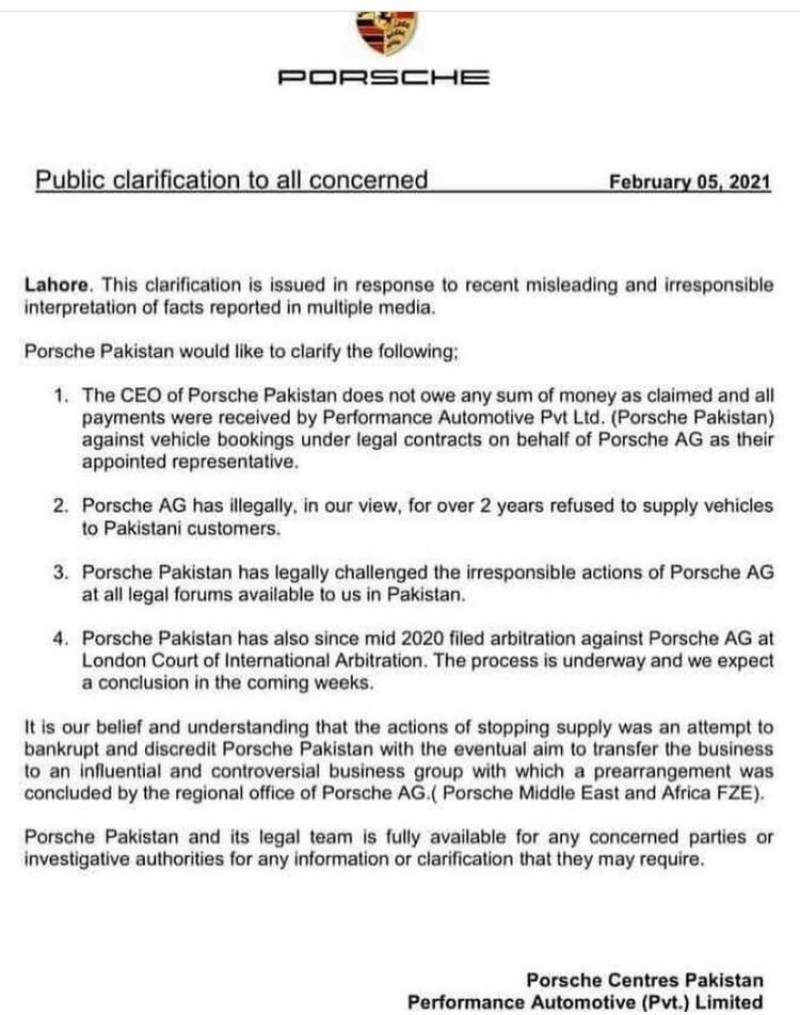
    In a statement, Porsche Pakistan said the said claims are false. It said that its CEO doesn’t owe car booking money to anyone and all the registration money was received in the account of Performance Automotive Pvt Ltd (Porsche Pakistan) on behalf of Porsche AG as their appointed representative.

    It said Porsche AG was refusing delivery of the vehicles to Pakistani customers for two years.

    A lull in supply is due to attempts to discredit Porche Pakistan by a ‘controversia;’ business group.

    The statement said Porsche Pakistan was in a legal battle with Porsche AG for this “illegal” refusal on all legal forums.

    The statement alleged that the delay was due to Porsche Middle East and Africa FZE’s alleged understanding with a rival local party it called “an influential and controversial business group” that seeks to get hold of Porsche distribution rights in Pakistan.

    The company concluded, “Porsche Pakistan and its legal team are fully available for any concerned parties or investigative authorities for any information or clarification they may require.

  • Auto loans in Pakistan increased by Rs41 billion in Dec 2020

    Following a decrease in the interest rates and the revival of business after the pandemic-induced lockdown, auto loans increased by 19 per cent, reaching Rs41 billion in December 2020.

    The figures issued by the State Bank of Pakistan show that the car loans in December 2019 were recorded at Rs219 billion, which increased to Rs256 billion during the corresponding period in 2020.

    It is also reported that the growing demand for 1300cc passenger vehicles is the key factor behind the surge in these loans.

    According to media reports, the newly launched Toyota Yaris is responsible for the surge in car loans. Toyota Yaris has outsold Honda City and Civic combined.

    Another key driver of the increase in loans is the lowered interest rates. The State Bank of Pakistan had reduced the interest rates by 625 basis points to 7 per cent in 2020. Additionally, a decrease in the rates of soft interests meant lesser instalments for car financing programmes.

    It seems like a car price hikes by the automakers in 2020 had the least impact on the rising demand for cars. With new players entering the market before the expiration of the Auto Development Policy (ADP) 2016-2021, the demand for cars is likely to surge even more.

  • Fauji Foundation to buy majority stake in Silkbank

    Fauji Foundation to buy majority stake in Silkbank

    Silkbank has agreed to sell majority of its stake to Fauji Foundation, an army-owned conglomerate that owns Askari Bank.

    “Silkbank hereby notifies the Pakistan Stock Exchange that the Board of Directors of Silkbank Limited in its meeting held on January 28, 2021, has subject to the approval of the State Bank of Pakistan, given its in-principle approval to allow Fauji Foundation to conduct the required due diligence,” a statement issued by the Silkbank read.

    The financial terms of the deal were not made public, but the bank management has asked Fauji Foundation to conduct due diligence and the State Bank of Pakistan has been approached for permission in this regard.

    Silkbank, formerly Saudi-Pak Commercial Bank, is mainly owned by Arif Habib Corp. with 28 percent shareholding, former finance adviser Shaukat Tarin (12 percent), International Finance Corporation (8 percent), Nomura (4 percent) and Bank of Muscat (3 percent), the report said.

    The bank is profitable with net profit recorded at Rs151 million for the nine-month period of the calendar year 2020.

    Fauji Foundation, also known as Fauji Group, runs more than 18 industries, including Askari Bank.

    According to the website of Fauji Foundation, it is a trust that provides welfare services to its beneficiaries [ex-servicemen] that include healthcare, subsidized education, stipends and vocational and technical training. “It operates on a complete self-sustaining basis and receives no grants or assistance from any government or non-governmental Organisations,” it read.

    It is also one of the largest business conglomerates operating in fertilizer, cement, power generation, renewable energy, oil & gas exploration, marine terminal, food and banking sectors of the country, as per the website.

  • Govt plans to mortgage Islamabad’s biggest park to get loan

    In order to meet its financial requirements, the federal government has decided to mortgage the F-9 park in Islamabad to a get loan of about Rs500 billion through issuing bonds.

    The F-9 park, also known as Fatima Jinnah Park is spread on 759 acres of land, making it one of the largest covered green areas in Pakistan.

    According to a report in Dawn, the Capital Development Authority (CDA) has already issued a no-objection certificate in this regard. The proposal to mortgage the park has been included in the agenda of the meeting of the federal cabinet to be held on Tuesday.

    This is not the first time that a government is planning to mortgage a national asset to get loans through national and international bonds.

  • ‘Fake pilot licences’: UN staffers asked to avoid Pakistani airlines

    ‘Fake pilot licences’: UN staffers asked to avoid Pakistani airlines

    The Pakistani aviation industry is still suffering from the fallout of a controversial statement made by the aviation minister last year wherein he had accused the Pakistani pilots of having fake credentials.

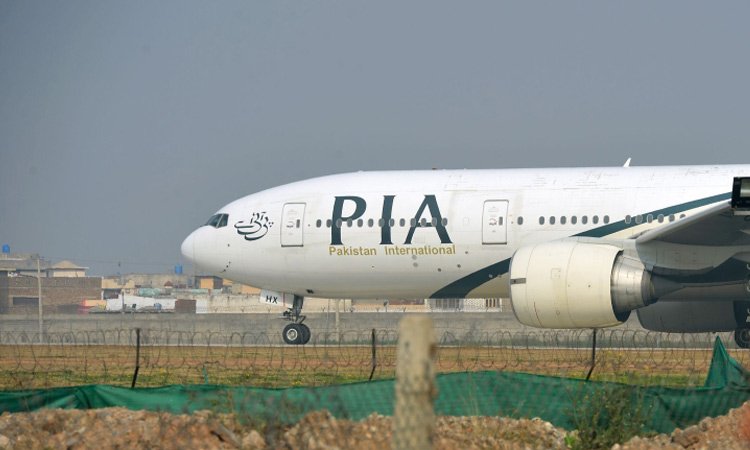
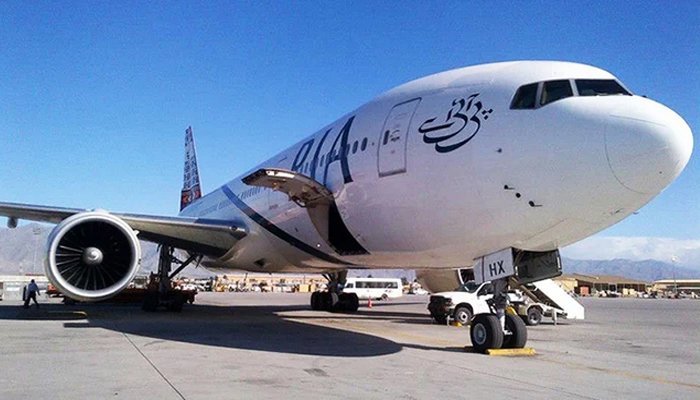
    In the latest blow to the aviation sector, the United Nations has asked its staffers to avoid travelling on the Pakistan International Airlines (PIA) and other airlines registered in Pakistan.

    Ghulam Sarwar, the aviation minister, had made the controversial statement in parliament in the aftermath of a deadly aircraft crash in Karachi that had resulted in the death of at least 98 people. Following the crash, the minister had blamed the pilot for the crash and said most pilots in the PIA didn’t even a required qualification to fly the planes.

    His statement created an uproar, resulting in a ban on Pakistani pilots. The ban in Europe still persists.

    A report in Geo News quoted an advisory issued by the UN Security Management System asking its employees to stop using the Pakistani airlines for travelling.

    “Due to an ongoing investigation of the CAA [Civil Aviation Authority] Pakistan…due to dubious licenses caution is advised on the use of Pakistan-registered air operators,” said the statement.

    The advisory has been issued for all Pakistan-registered carriers and has been recommended to all the UN agencies, including the UN Development Programme, World Health Organization, UN High Commission for Refugees, Food and Agriculture Organization, UN Education, Scientific and Cultural Organization and others.

    The advisory by the UN also drew flak by a journalist who covers the aviation beat. Tahir Imran said that the advisory was “created by some dumb official at the UN” because it includes “cargo airlines” as well.

    “Unless there are heavyweights working with the UN Pakistan who needs cargo aircraft to travel around,” he said while taking a jibe at the UN.

  • CPEC to come down crashing? Foreign media report claims ‘most serious disagreement’ between Pakistan, China

    Pakistan and China are embroiled in their most serious disagreement relating to the Belt and Road Initiative, causing the annual bilateral summit of the China-Pakistan Economic Corridor (CPEC) to be delayed, the world’s largest financial newspaper has claimed.

    The Joint Cooperation Committee (JCC) is CPEC’s principal decision-making body. It is jointly chaired by Pakistan’s minister for planning, development and special initiatives and the vice chairman of China’s National Development and Reform Commission.

    The first JCC meeting was held in August 2013 and the last in November 2019. The 10th JCC was scheduled for early 2020, but remains postponed.

    Initially, the COVID-19 pandemic was the reason, but later disagreements between the two countries over the Main Line 1 (ML-1) railway project and special economic zones became the main points of disagreement, Nikkei Asia has learned from informed sources.

    Asad Umar, Pakistan’s minister for planning, development and special initiatives, told local media in November that the 10th JCC would be held the following month. However, officials in the Planning Commission of Pakistan, who asked not to be named, recently told Nikkei that the meeting will not take place for at least three months — by far the longest JCC gap to date.

    ML-1 is the largest CPEC project and worth $6.8 billion. China is expected to lend $6 billion of this, which Pakistan wants to borrow at a concessional interest rate of less than 3%.

    China offers a mixture of concessionary and commercial loans for such projects. This could significantly increase the aggregate interest rate Islamabad will face, according to the planning commission officials.

    “China is reluctant to lend money for ML-1 because Pakistan has already sought debt relief to meet G-20 lending conditions and it is not in a position to give sovereign guarantees,” Nasir Jamal, a senior journalist in Lahore covering business and the economy, told Nikkei. He said Beijing’s appetite for lending money for large infrastructure projects has diminished because these projects are vulnerable to local politics that delay returns on investment for China. That has hindered agreement on the finance framework for ML-1.

    Andrew Small, a senior trans-Atlantic fellow with the Asia program at the German Marshall Fund, a U.S. think tank, said China tends to base its decisions about interest rates for loans to Pakistan on a couple of criteria. Firstly, do low-interest rates encourage projects that do not make sense financially? Secondly, what precedents are set for other countries looking for similar concessions?

    “China is much more comfortable deferring payments or providing new financing than it is offering concessional rates in the first place,” Small told Nikkei. He said this approach provides Beijing with greater leverage and control even if they are willing to be very flexible at the back-end.

    With host countries under pressure to repay at higher rates, China trades payment deferments in return for influence, which helps it get more favorable arrangements.

    The delayed JCC meeting and unsettled ML-1 financial framework is complicating matters for Pakistan. Early this month, Pakistan Railways asked the government for 11 billion rupees ($69 million) to provide ML-1 security. Without the Chinese financing framework being agreed by the JCC, it is hard for Islamabad to come up with such a large amount given the state of the economy and severe budgetary constraints.

    The other major disagreement between Beijing and Islamabad delaying the JCC meeting relates to SEZs. In the second phase of CPEC scheduled for 2020 to 2025, Chinese companies are due to start producing goods in Pakistan and exporting from there.

    Currently, the industrial cooperation framework for the SEZs is limited to a memorandum of understanding without detailed modalities. Matters such as tax exemptions and requirements for employing local labor have not been finalized. These need to be agreed by China for confirmation at the JCC. The Board of Investment of Pakistan submitted the draft agreement for the industrial cooperation framework to the Chinese government last month and is still awaiting a response.

    In December 2020, during a meeting of the Joint Working Group on Industrial Cooperation under CPEC, Asim Ayub, the project director for industrial cooperation at the Board of Investment, pressed for early signing of the industrial cooperation framework agreement.

    The seriousness of the delay is clear from China’s unprecedented reluctance to schedule a JCC meeting. In the past, JCCs were always held in time, and China agreed to Islamabad’s requests most of the time. Some experts believe the delay is evidence that CPEC is derailing.

    According to Small, there were plenty of announcements about CPEC last year, but actually setting deals in motion was another matter. “The optics do matter to China so I still expect them to figure out terms in the end, and certainly to keep some narrative of continued progress alive,” Small told Nikkei. “But that doesn’t mean they’re willing to agree on something that doesn’t make sense for other reasons just to speed things up a little.”

    Pakistan is currently renegotiating its $6 billion extended fund facility with the International Monetary Fund (IMF), which was suspended in April 2020. The IMF reportedly will only resume the program if Pakistan does not take out any new commercial loans, and that is one of the reasons it is looking for concessions on loans for the ML-1 project.

    An important long-term implication of this case for other BRI countries could be that China will be more wary of lending to countries that have entered loan agreements with global lenders such as the IMF.

    Hasaan Khawar, an Islamabad-based public policy analyst, views the situation from a different perspective. “The back-and-forth with China by Pakistan on the interest rate and additional guarantees for the ML-1 project is a good sign,” he told Nikkei. “The Pakistani side is appraising the terms carefully and trying to negotiate a better deal.”

    The report originally appeared on Nikkei Asia
  • Man about to lose over $300 million after forgetting Bitcoin password

    Man about to lose over $300 million after forgetting Bitcoin password

    A San Francisco computer programmer has just two password attempts left if he is to unlock a Bitcoin wallet worth more than $300 million.

    If Thomas fails and burns through his final two of 10 attempts, he will lose 7002 Bitcoin, currently worth an eye-watering and lifechanging $303 million. The forgotten password which is keeping Thomas awake at night would let him unlock a small hard drive, known as an IronKey.

    The IronKey contains the critical private keys to Thomas’ digital wallet, where the Bitcoin fortune is locked up. If Thomas makes 10 failed IronKey password attempts, the hard drive will seize up and encrypt everything for eternity.

    According to The New York Times, Thomas lost the piece of paper he wrote the IronKey password on. “I would just lay in bed and think about it,” he says.

    “Then I would go to the computer with some new strategy, and it wouldn’t work, and I would be desperate again.”

    His plight has drawn the attention of hard drive and password crackers, offering their services for a slice of the quarter-billion-dollar pie. Alex Stamos, an internet security expert at Stanford Internet Observatory, claimed he can crack the password within six months. His price? Stamos wants a 10 per cent cut (roughly $30 million) of the fortune.

    “Um, for $220m in locked-up bitcoin, you don’t make 10 password guesses but take it to professionals to buy 20 IronKeys and spend six months finding a side-channel or uncapping,” Stomas tweeted, adding that he would make it happen for 10%.

    https://twitter.com/alexstamos/status/1348999178702057476

    Thomas was paid the Bitcoin for making a video about how the cryptocurrency worked, back when it was worth around $5 a coin. Last week, on the back of a record-breaking run, Bitcoin was trading at more than US$40,000.

    Perhaps the best-known case of anyone losing their Bitcoin fortune was James Howells, a Welsh IT worker, who in 2013 unintentionally threw 7500 Bitcoin in a landfill.

    Howells’ Bitcoin would also be worth more than a quarter-billion-dollars on today’s rate.

  • Signal, Telegram see spike in demand after WhatsApp policy change

    Signal, Telegram see spike in demand after WhatsApp policy change

    After WhatsApp’s new terms sparked debate on social media, other messaging apps like Telegram and Signal are witnessing a surge in demand.

    WhatsApp, which uses Signal’s encryption technology, laid out fresh terms on Wednesday, asking users to agree to let owner Facebook Inc and its subsidiaries collect user data, including their phone number and location.

    Some privacy activists questioned the “accept our data grab or get out” move on Twitter, and suggested users to switch to apps like Signal and Telegram.

    Signal’s popularity shot up further on Thursday after it was endorsed by Elon Musk, who has one of the most-followed accounts on Twitter and by the micro-blogging site’s top boss Jack Dorsey.

    More than 100,000 users installed Signal across the app stores of Apple and Google in the last two days, while Telegram picked up nearly 2.2 million downloads, according to data analytics firm Sensor Tower.

    New installs of WhatsApp fell 11% in the first seven days of 2021 compared with the prior week, but that still amounted to an estimated 10.5 million downloads globally, Sensor Tower said.

  • You can get the new Alsvin in Pakistan for a price way cheaper than you think; lower than Rs25 lacs

    You can get the new Alsvin in Pakistan for a price way cheaper than you think; lower than Rs25 lacs

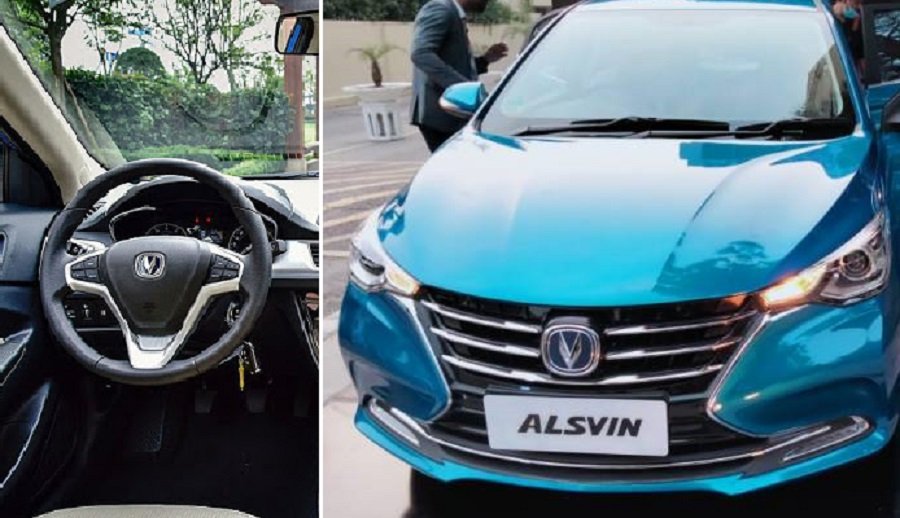
    Changan Pakistan has announced the pricing for its most anticipated car, the new Alsvin. 

    According to the announcement made Monday, Alsvin will be offered in three variants, the prices of all variants are as follow:

    Variant Price
    1.37L BASE with 5 Speed Manual Transmission PKR 2,199,000
    1.5L COMFORT with 5 Speed Dual Clutch Transmission  PKR 2,399,000
    1.5L LUMIERE with 5 Speed Dual Clutch Transmission PKR 2,549,000

    The booking will start on January 14, 2021, with an advance booking amount of Rs750,000.

    The vehicle comes with a three-year/100,000km warranty, whichever comes first, and will be available in multiple colours, including Steller White, Lunar Silver, Galaxy Black, Cosmic Red, Nebula Blue and Space Gray.

    Click here for further details.

  • EU refuses to lift ban on PIA, seeks safety audit of CAA

    EU refuses to lift ban on PIA, seeks safety audit of CAA

    The European Union Aviation Safety Agency (EASA) has decided to retain a ban on the Pakistan International Airlines, saying it will not be lifted until a complete safety audit of the Civil Aviation Authority (CAA).

    In response to a request by PIA CEO Arshad Malik, wherein he sought temporary suspension of the ban, the EU agency said the CAA will have to fulfill the pre-conditions if it wanted the ban to be lifted.

    Profit reported a letter by EASA as saying: “Regarding a lack of confidence in certification and oversight activities performed by the Pakistani CAA, which was the second aspect that led to the suspension of Third Country Operator Authorisation, the investigation performed by the European Commission and by the ICAO [International Civil Aviation Organization] has not yet been concluded.”

    “Consequently, as all preconditions to lift the suspension are not met and, as an audit will be necessary, the agency decided not to revoke your Third Country Operator (TCO) authorisation but to extend the suspension period by additional three months.”

    On Saturday, Ghulam Sarwar, the aviation minister, had claimed that the ban on PIA flights to Europe would be lifted soon. The EU banned the PIA flights in July after claims that the PIA pilots had fake licences.