Category: Business

The most important business news, explained in a young, easy to understand way. News that affects young career professionals.

  • Prime Minister directs swift implementation of China-Pakistan industrial agreements

    Prime Minister directs swift implementation of China-Pakistan industrial agreements

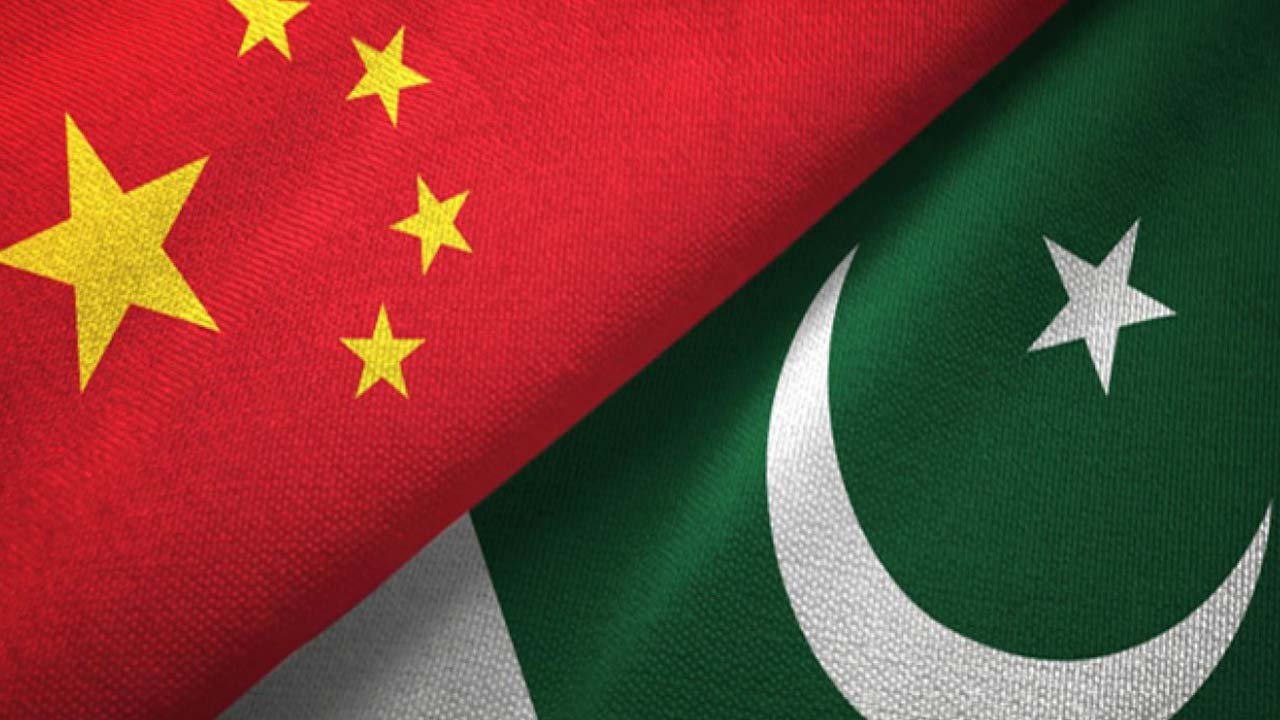
    Prime Minister Shehbaz Sharif received a detailed roadmap for the relocation of Chinese industries to Pakistan on Saturday.

    During a review meeting to assess the progress of Pakistan-China cooperation agreements following his visit to China, the Prime Minister was briefed on the planned collaboration with Chinese companies.

    This collaboration aims to transfer Chinese textile, medical and surgical equipment, and plastic and leather industries to Pakistan.

    It was noted that 78 Pakistani companies have initially expressed interest in this industrial transfer.

    Facilitating Chinese industry relocation

    The Board of Investment (BOI) presented a comprehensive report detailing the progress and action plan for this initiative. Prime Minister Sharif directed relevant institutions and officials to ensure all necessary facilities are provided to Pakistani companies collaborating with Chinese firms.

    He emphasised that any delays in implementing the memorandums of understanding with China would not be tolerated. The Prime Minister highlighted China’s steadfast support during challenging times and noted the Chinese leadership’s commitment to increasing investment in Pakistan.

    Sharif underscored that the relocation of Chinese industries to Pakistan would bolster the national economy, create new job opportunities, and enhance exports.

    During the meeting, the Prime Minister was also briefed on various projects. The Minister for Planning shared details of his recent visit to China. It was reported that the Sukkur-Hyderabad Motorway would be completed through a Public-Private Partnership.

    Additionally, a plan to send 1,000 students to China for modern agricultural vocational training at government expense has been finalised, with the first batch scheduled to depart at the start of the academic year.

    Subsequent batches will attend modern agricultural universities in China after completing Chinese language courses in Pakistan.

    The meeting was also informed about plans to convert power plants from imported coal to local coal. Moreover, a roadshow is being organised in Beijing to promote business and investment opportunities in Pakistan, in collaboration with Chinese partners.
  • Pakistan’s rice exports surge 74.8% to record $3.68 billion in FY24

    Pakistan’s rice exports surge 74.8% to record $3.68 billion in FY24

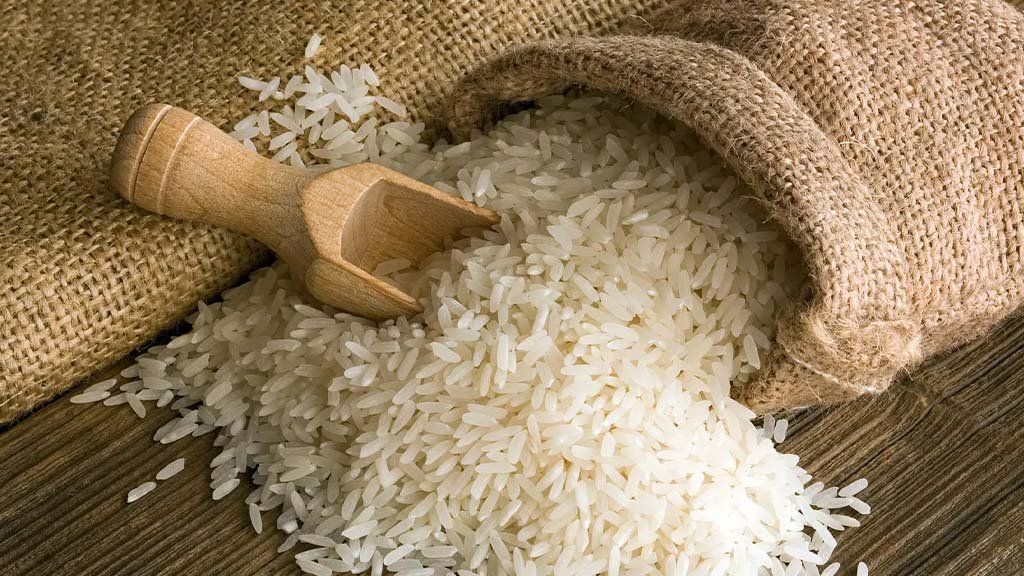
    Pakistan’s rice exports soared by 74.8 per cent year-on-year, reaching a record $3.68 billion in the fiscal year 2023-24, according to data from the State Bank of Pakistan (SBP) released on Friday.

    This significant increase was attributed to India’s stringent export restrictions during the same period.

    In comparison, Pakistan’s rice exports stood at $2.11 billion in the previous fiscal year, with an average of $2.31 billion annually over the past five years.

    India’s measures to curb rice exports in 2023, which continued into 2024 to stabilise domestic prices ahead of the general elections in April-May, played a crucial role in this surge.

    As a result of New Delhi’s export limitations, Pakistan emerged as the primary beneficiary, achieving record rice exports this year. Overall, Pakistan’s total goods exports for FY24 reached $31.09 billion, marking an 11.5 per cent increase from $27.88 billion in FY23.

    The food sector, notably rice, was the second-largest contributor to total exports, with the food group’s export value rising by 49.5 per cent year-on-year to $7.08 billion.

    India is now considering easing its export restrictions, which may include lowering the floor price for basmati rice exports and replacing the 20 per cent export tax on parboiled rice with a fixed duty, according to government sources cited by Reuters. This adjustment aims to help India maintain its market share against Pakistan.

    India initially banned non-basmati white rice exports in July 2023 due to concerns over reduced output from the El Niño weather pattern and imposed restrictions on other rice grades.

    “With rice supplies significantly exceeding local demand, it’s crucial to reduce stockpiles to prevent spoilage. The most effective solution is to lift export restrictions,” stated B.V. Krishna Rao, president of the Rice Exporters Association (REA).

    As of July 1, India’s rice stocks at state warehouses reached an all-time high of 48.51 million metric tons, nearly 19 per cent more than the previous year, according to the Food Corporation of India.

    Additionally, the Indian government is reviewing the export ban on non-basmati white rice after assessing the progress of rice planting, with farmers having planted 11.6 million hectares of rice paddy so far this season, up 20.7 per cent from the same period last year.

  • Gold price drops by Rs1,000 to Rs250,000 per tola

    Gold price drops by Rs1,000 to Rs250,000 per tola

    Gold prices in Pakistan experienced a decline for the second straight session on Saturday, mirroring the downward trend in international markets.

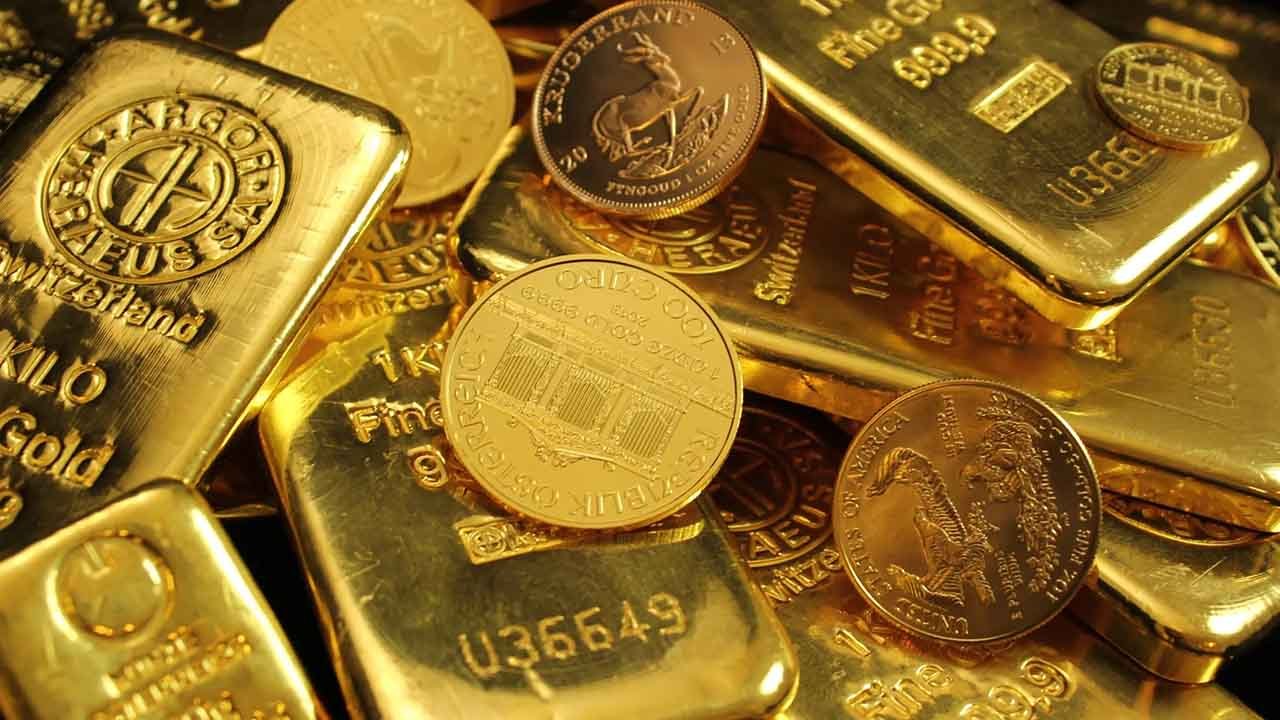
    In the local market, the price of gold per tola settled at Rs250,000, following a single-day drop of Rs1,000.

    According to the All-Pakistan Gems and Jewellers Sarafa Association (APGJSA), the price of 10 grams of gold fell by Rs857, bringing it to Rs214,335.

    This decline follows a substantial decrease on Friday when the gold price per tola dropped by Rs3,000.

    On the international front, gold prices also saw a reduction on Saturday. The rate, as reported by the APGJSA, stood at $2,400 per ounce, inclusive of a $20 premium, after shedding $15 during the day.

    In contrast, silver prices showed an upward trend, increasing by Rs70 to reach Rs2,920 per tola.

    Earlier in the week, on Thursday, gold prices in Pakistan had surged by Rs4,600 per tola, reaching an all-time high of Rs254,000 per tola in the local market.

  • Pakistan working to secure foreign investment and extend existing loans: Finance Minister

    Pakistan working to secure foreign investment and extend existing loans: Finance Minister

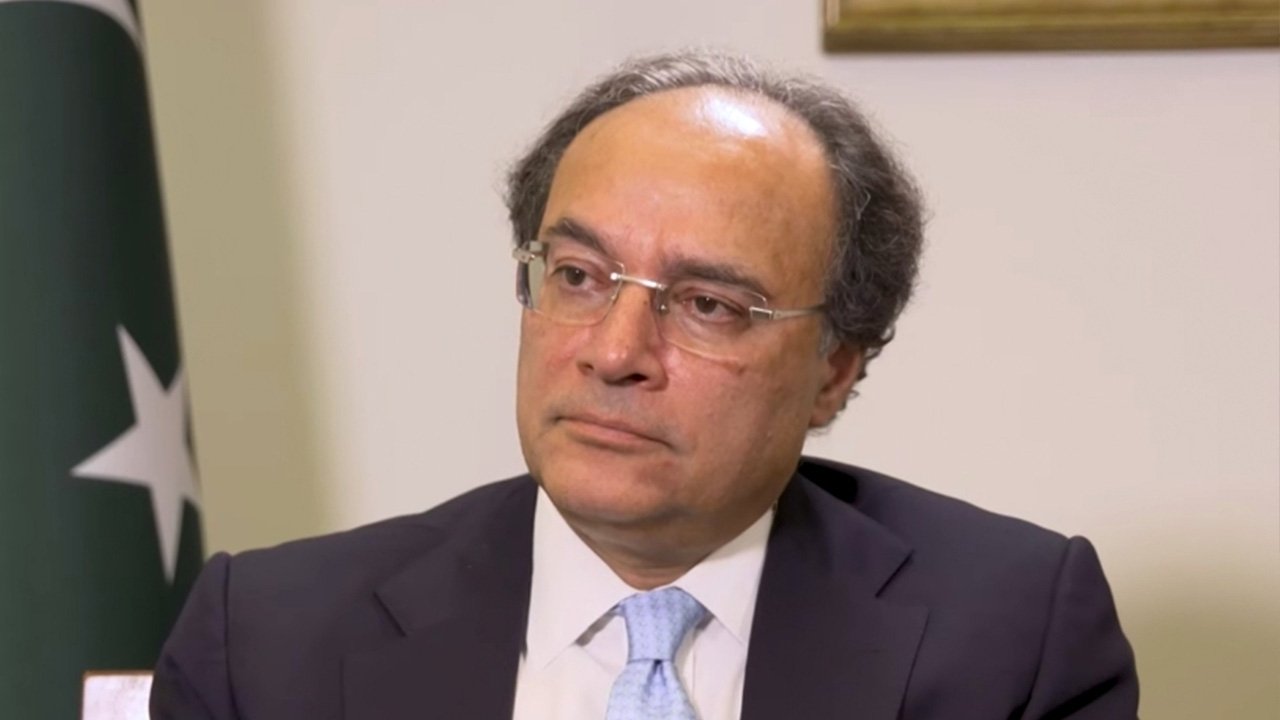
    Pakistan is working to secure foreign investment and extend existing loans to meet its external financing needs, as it prepares to implement a new $7 billion deal with the International Monetary Fund (IMF). Finance Minister Muhammad Aurangzeb shared these plans with Reuters on Friday.

    The new 37-month IMF agreement requires Pakistan to enforce tough measures, including higher taxes on agriculture and increased electricity prices. These changes have raised concerns about their impact on the country’s poorer and middle-class citizens, who are already struggling with inflation.

    Historically, Pakistan has frequently relied on IMF programmes to avoid financial crises, sometimes coming close to default. The country has also depended on financial support from allies like the United Arab Emirates (UAE) and Saudi Arabia to meet its IMF targets.

    Aurangzeb highlighted that while external financing remains essential, the government is now focusing on sustainable solutions, such as attracting foreign direct investment and securing climate finance. “We expect loan rollovers to continue and have requested extensions for loan maturities,” he said.

    Past support from Saudi Arabia, the UAE, and China, along with IMF backing, has been crucial for Pakistan’s financial stability. The IMF has stated that the new Extended Fund Facility programme requires approval from its Executive Board and confirmation of necessary financing from Pakistan’s development and bilateral partners.

    Aurangzeb is optimistic about managing the external financing gap, describing it as “manageable and doable.” He emphasized a shift towards foreign direct investment, particularly in the Reko Diq copper and gold mine. The finance minister also noted that his government is working on projects to attract investment from Saudi Arabia and the UAE.

    Pakistan, currently the IMF’s fifth-largest debtor with $6.28 billion owed as of 11 July 2024, is also expecting a significant investment from the World Bank’s International Finance Corporation (IFC) in the Reko Diq project. Aurangzeb plans to discuss further reforms with China during a visit by the end of July.

  • Gold price falls by Rs3,000 per tola after hitting record high

    Gold price falls by Rs3,000 per tola after hitting record high

    The price of gold in Pakistan saw a decline on Friday after reaching a record high the previous day.

    The cost of 24-karat gold fell to Rs251,000 per tola, a decrease of Rs3,000 from the peak. Despite this drop, the price remains Rs1,600 below its actual cost today.

    According to the Karachi Sarafa Association, the price of 24-karat gold was reported at Rs215,192 per 10 grams, marking a decline of Rs2,572. In parallel, the price for 22-karat gold also saw a reduction, now standing at Rs197,259 per 10 grams.

    Silver prices also experienced a decline in the domestic market. The cost of 24-karat silver fell to Rs2,850 per tola, down by Rs50, while the price for silver per 10 grams decreased to Rs2,443, a drop of Rs43.

    On the international front, spot gold traded around $2,418 per ounce, down by $26.80 or 1.10 per cent from the previous session. Despite the recent dip, analysts remain optimistic about gold’s medium-term prospects, citing ongoing political uncertainties and anticipated rate cuts as factors that could bolster gold’s appeal.

    Kelvin Wong, senior market analyst for Asia Pacific at OANDA, noted that while profit-taking is currently influencing gold prices, the outlook remains positive.

    Markets are forecasting a 98 per cent probability of a Federal Reserve rate cut in September, according to the CME FedWatch Tool. Non-yielding gold often becomes more attractive in a low-interest rate environment.

  • Pakistan Railways increases fares for passenger and freight trains

    Pakistan Railways increases fares for passenger and freight trains

    Pakistan Railways has announced an increase in fares for all train services starting Friday, July 19, 2024. This decision, reported by the Associated Press of Pakistan (APP), is part of a broader strategy to rationalise fares.

    According to an official notification issued on Thursday, fares for mail, express, intercity, and passenger trains, including outsourced services, will see a 1 per cent hike. Additionally, freight and goods train fares will be increased by 2 per cent.

    The fare adjustment comes amidst Pakistan Railways’ ongoing efforts to improve its financial health. Over the past six months, the railway department, in collaboration with railway police and train staff, has collected over Rs76 million from passengers traveling without tickets.

    Approximately 59,143 ticket-less passengers were identified during this crackdown, with the recovered amounts duly deposited into the department’s official bank account.

    This move aims to enhance revenue generation and ensure the sustainability of Pakistan Railways’ operations while providing better services to its passengers.

  • Gold price surges to record high of Rs254,000 per tola in Pakistan

    Gold price surges to record high of Rs254,000 per tola in Pakistan

    The price of gold in Pakistan soared to a new record on Thursday, with 24-karat gold increasing by Rs4,600 per tola, reaching an unprecedented Rs254,000. This surge aligns with global market trends influenced by economic indicators in the United States.

    The rise in gold prices is driven by signs of slowing inflation in the US, prompting speculation that the Federal Reserve may soon lower interest rates. Historically, high interest rates tend to negatively impact gold prices as the precious metal does not yield interest, making it less attractive to investors compared to interest-bearing assets.

    Notably, the current gold price in Pakistan is Rs4,000 below its actual market value due to a decrease in purchasing power, reflecting broader economic challenges.

    According to the Karachi Sarafa Association, the price of 24-karat gold per 10 grammes has risen by Rs3,944, now standing at Rs217,764 per tola. Similarly, 22-karat gold is now priced at Rs199,617 per 10 grammes.

    Meanwhile, silver prices have remained stable in the domestic market. The price of 24-karat silver is Rs2,900 per tola and Rs2,486 per 10 grammes.

    Globally, spot gold is trading near $2,468 an ounce, having surpassed the previous all-time high set in May. This global uptrend in gold prices is reflected in the domestic market, influencing local prices accordingly.

    The significant rise in gold prices highlights the ongoing economic uncertainties and the impact of international financial trends on the local market. As investors navigate these fluctuations, the gold market continues to be a barometer of economic sentiment.

  • IMF predicts modest 3.5% growth for Pakistan amid global economic uncertainty

    IMF predicts modest 3.5% growth for Pakistan amid global economic uncertainty

    The International Monetary Fund (IMF) has forecasted a 3.5 per cent growth rate for Pakistan’s economy in the fiscal year 2024-25 (FY25), slightly below the government’s target of 3.6 per cent.

    This comes after Pakistan’s economy grew by 2.4 per cent in the fiscal year 2023-24, missing the government’s target of 3.5 per cent.

    Pakistan’s economic challenges are compounded by chronic mismanagement, the aftermath of the COVID-19 pandemic, the war in Ukraine, inflationary pressures from supply chain disruptions, and severe flooding in 2022.

    The IMF’s World Economic Outlook (WEO) update warns of modest global growth over the next two years, influenced by cooling activity in the US, stabilization in Europe, and stronger consumption and exports from China, but significant risks remain.

    Globally, the IMF has maintained its 2024 growth forecast at 3.2 per cent and slightly increased its 2025 forecast to 3.3 per cent. IMF Managing Director Kristalina Georgieva has expressed concern over these tepid growth rates. The US growth forecast for 2024 has been revised down to 2.6 per cent, reflecting slower consumption, while the 2025 forecast remains at 1.9 per cent due to a cooling labor market and moderated spending.

    The IMF has raised China’s 2024 growth forecast to 5.0 per cent, reflecting a rebound in private consumption and strong exports, but recent data showing lower-than-expected GDP growth poses a downside risk.

    The IMF also highlighted persistent risks to inflation due to high services prices and wage growth in labor-intensive sectors, alongside potential trade and geopolitical tensions that could exacerbate price pressures. Additionally, the IMF warned of the impact of economic policy shifts from upcoming elections, which could lead to increased protectionism and fiscal irresponsibility.

    The IMF advised policymakers to restore price stability, gradually ease monetary policy, rebuild fiscal buffers, and implement policies to promote trade and productivity growth.

  • IMF deal to improve Pakistan’s financial outlook, but continuous reforms are essential: Moody’s

    IMF deal to improve Pakistan’s financial outlook, but continuous reforms are essential: Moody’s

    Moody’s Investors Service has stated that Pakistan’s recent staff-level agreement with the International Monetary Fund (IMF) enhances the nation’s funding prospects.

    However, the global rating agency stressed the necessity of sustained reforms to mitigate liquidity risks.

    On 12 July, Pakistani authorities and the IMF reached a staff-level agreement on a 37-month Extended Fund Facility (EFF) worth approximately $7 billion. This agreement still awaits approval from the IMF Executive Board, with no specific date set for the vote.

    Moody’s commented that once the loan deal is approved, which is highly anticipated, it will significantly boost Pakistan’s funding prospects. The new IMF program is expected to provide reliable financing from the IMF and attract additional funding from other bilateral and multilateral partners, addressing Pakistan’s external financing needs.

    Nonetheless, Moody’s cautioned that the government’s ability to consistently implement reforms will be crucial to maintaining continuous financial support throughout the IMF program, ultimately reducing liquidity risks.

    The new IMF EFF requires Pakistan to undertake extensive reforms, including broadening the tax base, eliminating exemptions, timely managing and privatising energy enterprises, phasing out agricultural support prices and related subsidies, advancing anti-corruption measures, enhancing governance and transparency, and gradually liberalising trade policy.

    Moody’s also warned that rising social tensions, driven by the high cost of living—which could be exacerbated by increased taxes and future energy tariff adjustments—might hinder reform implementation. Furthermore, the coalition government may struggle to maintain sufficient electoral support to implement these challenging reforms consistently.

    An IMF report published in May highlighted Pakistan’s external financing needs, estimated at $21 billion for fiscal year 2025 (ending June 2025) and approximately $23 billion for fiscal years 2026-2027.

    Moody’s noted that Pakistan’s external position remains precarious, with substantial external financing requirements over the next three to five years.

    The country remains vulnerable to policy slippages, weak governance, and high social tensions, which could impair the government’s ability to advance reforms, complete IMF program reviews, and secure external financing.

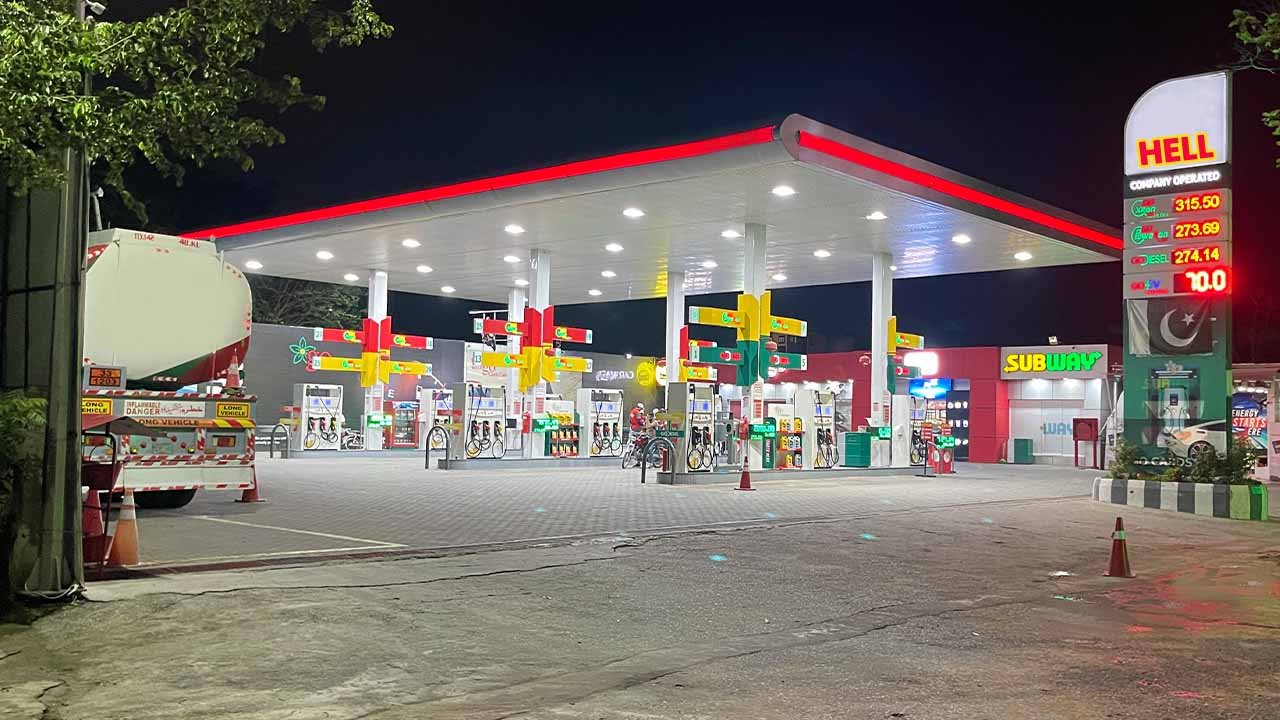
  • Govt hikes petrol price by Rs9.99 per litre, diesel by Rs6.18 for the rest of July 2024

    Govt hikes petrol price by Rs9.99 per litre, diesel by Rs6.18 for the rest of July 2024

    The government has announced an unexpected increase in petrol and diesel prices for the next fortnight.

    In response to the rise in international oil rates, the price of petrol in Pakistan has been raised by Rs9.99 per litre to Rs275.60. Concurrently, the price of High Speed Diesel (HSD) has been increased by Rs6.18 per litre, bringing it to Rs283.63.

    The Finance Division issued a notification for these latest fuel prices under the fresh fortnightly review. This increase is expected to further exacerbate the financial burden on the populace, who are already struggling with the high costs of essential food items and basic necessities.

    Previously, there were projections that the government might increase the petrol price by Rs6-7 per litre, but such a significant hike was not anticipated.

    The Finance Division clarified that the duties and levies will remain unchanged, meaning the Petroleum Development Levy (PDL) stays the same in this latest fuel price review.

    This is the second time in a row that the government has not increased the levy on petroleum products.