Category: Business

The most important business news, explained in a young, easy to understand way. News that affects young career professionals.

  • Govt approves Rs5.72 hike in basic power tariff to offset sector losses

    Govt approves Rs5.72 hike in basic power tariff to offset sector losses

    The federal cabinet has approved a significant increase of Rs5.72 per unit in the basic power tariff through a circular decision. This decision, finalised via a circulation summary, aims to address financial challenges within Pakistan’s power sector.

    Sources familiar with the matter confirmed that the proposal will now be forwarded to the National Electric Power Regulatory Authority (NEPRA) for uniform implementation across the board.

    According to official sources, the Power Division will formally submit an application to NEPRA to initiate the process of implementing the revised tariff structure.

    This adjustment, slated for the fiscal year 2024-2025, is scheduled to come into effect starting July 1, 2024. The approved increase will raise the average basic electricity tariff from Rs29.78 to Rs35.50 per unit.

    A recent report from NEPRA revealed that Pakistan’s power sector incurred a staggering Rs403 billion loss during the fiscal year 2022-2023.

    The report, which assessed the performance of power distribution companies, including K-Electric, highlighted that nine out of these companies failed to achieve full recovery targets. It attributed the financial strain partly to inefficiencies such as line losses and inadequate revenue collection.

    Furthermore, the report underscored that these companies did not fulfill their electricity procurement obligations as per assigned quotas, leading to deliberate load shedding practices. This situation has exacerbated financial losses, amounting to billions in national revenue.
  • Milk in Pakistan now costs more than in many developed countries

    Milk in Pakistan now costs more than in many developed countries

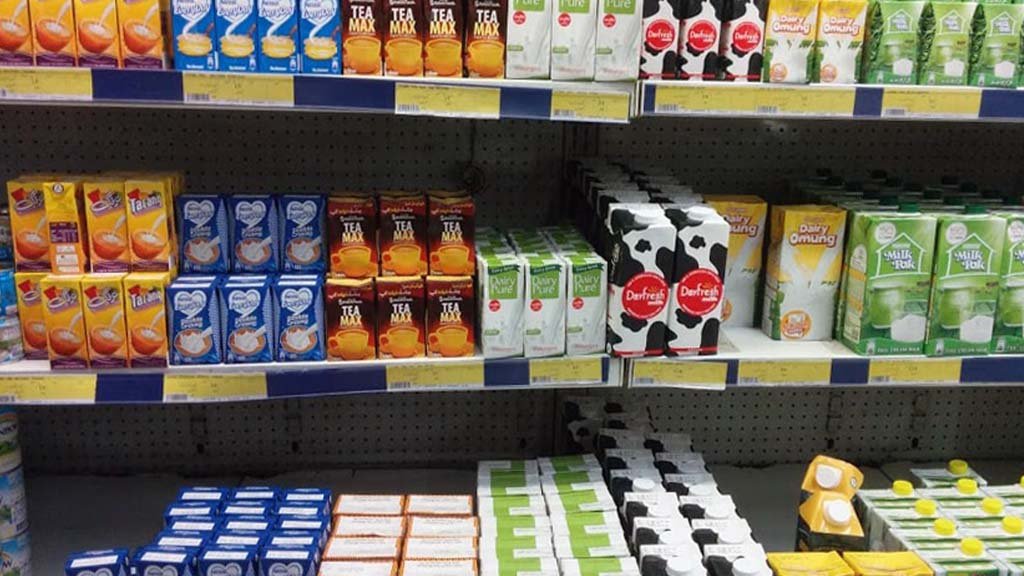
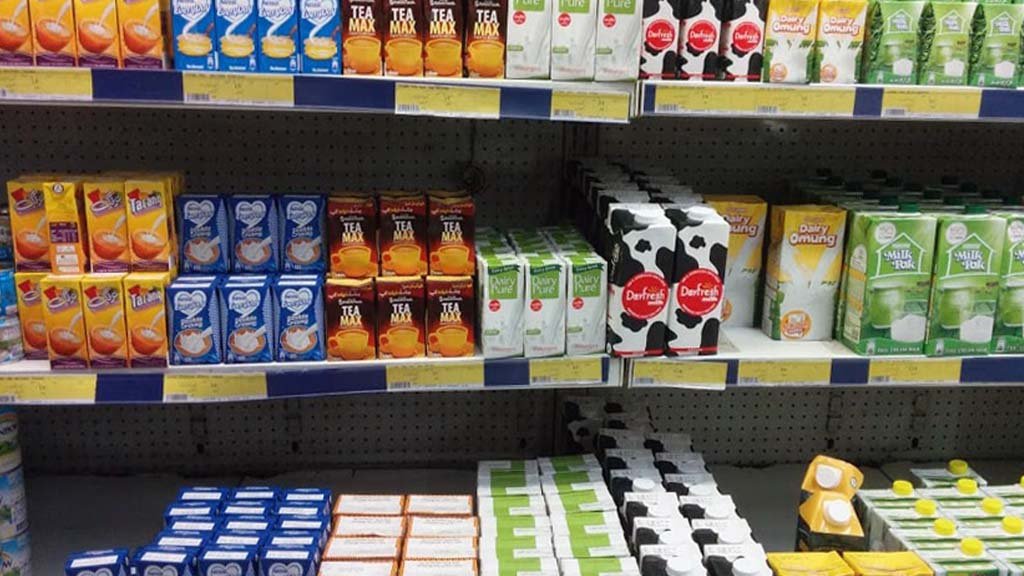
    Milk prices in Pakistan have surged by over 20 per cent following the introduction of a new tax, making the essential dairy product more expensive than in many developed nations, according to a report by Bloomberg.

    In Karachi supermarkets, the price of ultra-high temperature (UHT) milk has risen to Rs370 ($1.33) per litre. In comparison, the price stands at $1.29 in Amsterdam, $1.23 in Paris, and $1.08 in Melbourne, as per Bloomberg’s data.

    This sharp increase is attributed to an 18 per cent tax imposed on packaged milk as part of the recent taxation changes approved in the national budget. Previously, packaged milk was exempt from tax.

    Muhammad Nasir, a spokesman for the local unit of Dutch dairy producer Royal FrieslandCampina NV, noted that prior to this tax, milk prices in Pakistan were on par with those in developing countries such as Vietnam and Nigeria. The new tax has led to retail prices escalating by up to 25 per cent.

    The hike in milk prices is expected to exacerbate inflation in Pakistan, where stagnant wages have already diminished purchasing power.

    Additionally, the higher cost of milk may further deteriorate child health, a significant concern in a country where approximately 40 per cent of the population lives in poverty.

  • Petrol pumps going on nationwide strike from July 5

    Petrol pumps going on nationwide strike from July 5

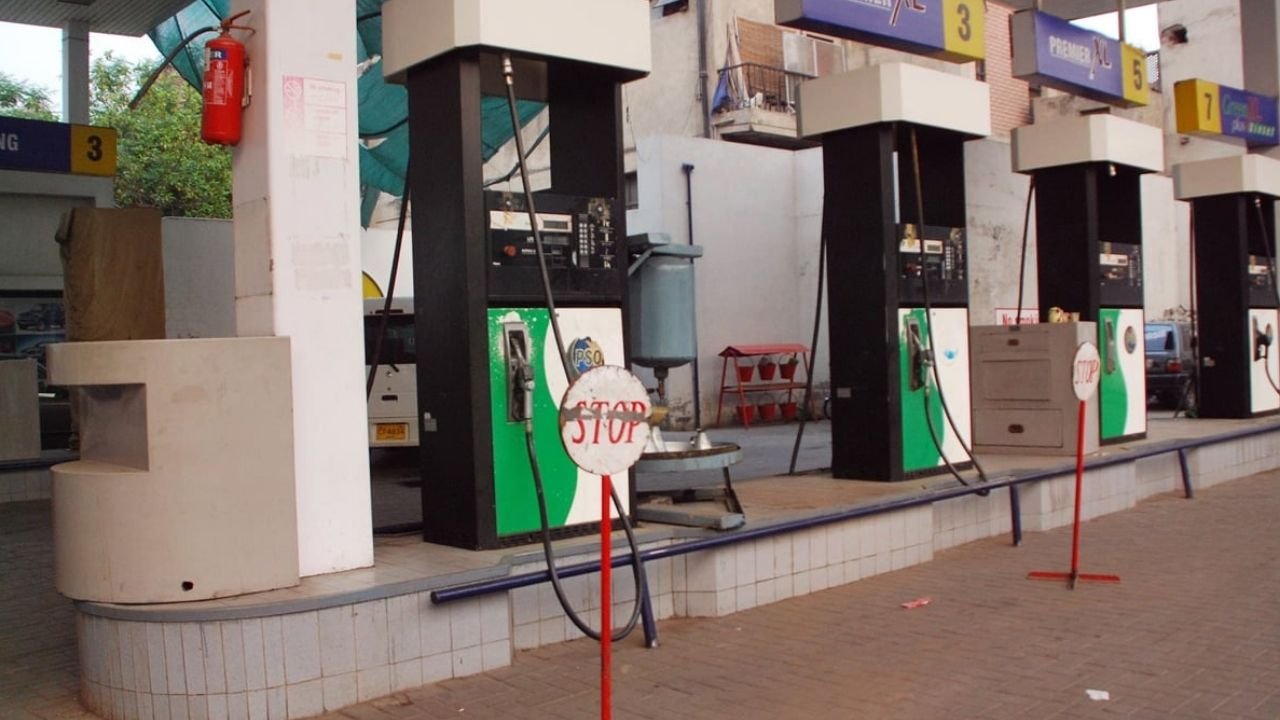
    The Pakistan Petroleum Dealers Association has decided to close petrol pumps across the country starting from 6 am on Friday, July 5.

    The strike was announced after negotiations between the Association and the government fell apart.

    A delegation from the Pakistan Petroleum Dealers Association held meetings with the Finance Minister, Chairman of FBR, and Chairman of OGRA.

    Abdul Sami Khan, President of the Petroleum Dealers Association, stated that the strike may last for more than one day, according to an Aaj News report.

    People have been advised to keep petrol tanks filled until July 4, as pumps across the country will begin to run dry tomorrow night.

    He also mentioned that negotiations will not resume until the government reverses its decision. Fourteen thousand dealers across the country will shut down their pumps starting July 5.

    On the other hand, the Pakistan Oil Tankers Association has declared that it will not be part of the strike.

    Shams Shahwani, Chairman of the Oil Tankers Association, stated that petrol and diesel supplies will continue uninterrupted throughout the country. He believes that given the current circumstances, stopping the supply is not an option, and he wants to prevent inconvenience to customers.

  • Pakistan to retain stake in PIA amid privatisation efforts

    Pakistan to retain stake in PIA amid privatisation efforts

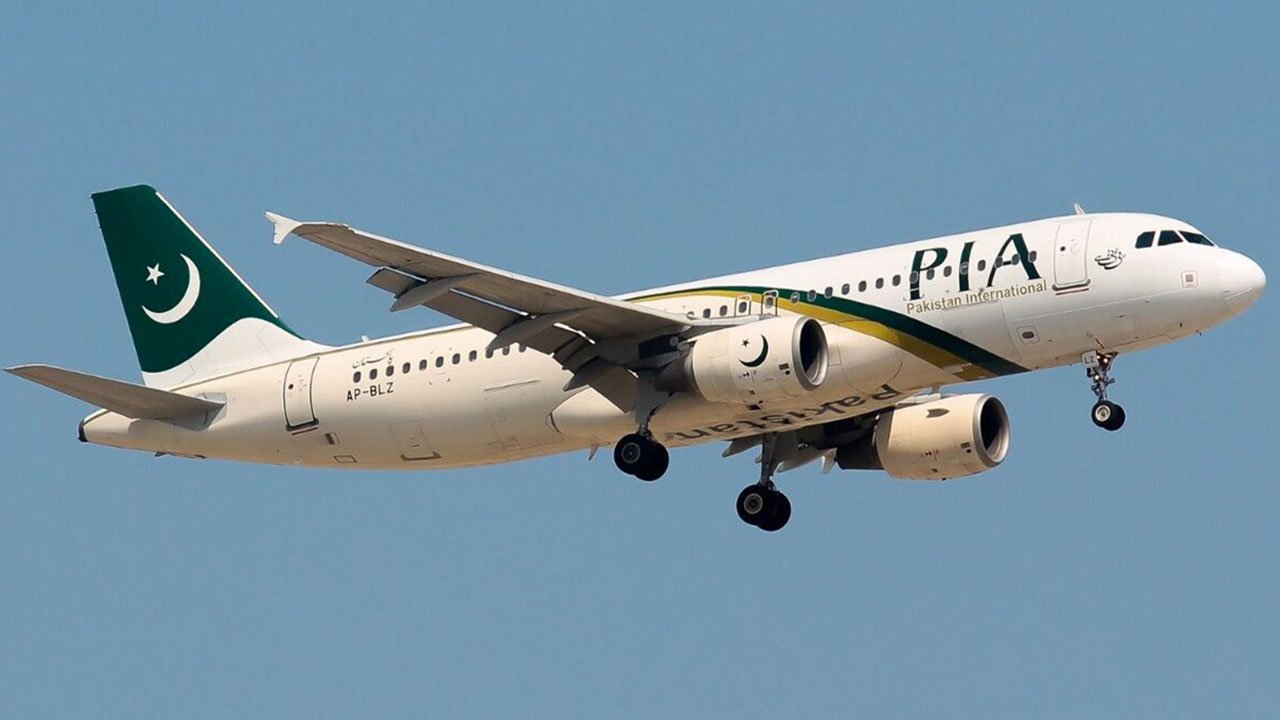
    Pakistan intends to retain a stake in the state-owned Pakistan International Airlines (PIA) to capitalise on its potential value increase following the airline’s sale, according to a report by Bloomberg.

    Usman Bajwa, Secretary at the Privatisation Commission, announced during a news briefing that the nation aims to finalise the bidding process within the next ten days. The privatisation agency plans to offer a minimum of 51 per cent of PIA’s shares to six pre-selected groups.

    PIA has struggled financially, failing to generate a profit for nearly two decades. This sale marks a significant step in the government’s broader strategy to implement economic reforms, which are part of the conditions set by the International Monetary Fund (IMF) for a bailout. Previous attempts to privatise the airline have been unsuccessful.

    In addition to PIA, Pakistan plans to divest from ten other state-owned entities, including power distribution companies, within the next year, as per the privatisation ministry.

    The government is also soliciting initial bids for the Roosevelt Hotel in New York, considering options such as an outright sale, joint venture, or long-term lease.

    Last month, Pakistan shortlisted six groups to bid for PIA, featuring prominent figures and conglomerates. These include tycoon Arif Habib and a consortium led by the Yunus Brothers Group. Pak Ethanol Pvt.’s consortium comprises Switzerland’s Swiss Aviation Group AG, Austria’s Airport Competence GmbH, and Australia’s Pearl Asset Management.

    This privatisation drive reflects Pakistan’s commitment to economic reform and stabilisation, aiming to attract investment and improve the financial health of its state-owned enterprises.

  • Pakistan aims for more than $6 billion IMF bailout, targets agreement this month

    Pakistan aims for more than $6 billion IMF bailout, targets agreement this month

    Pakistan is on track to finalise a staff-level agreement with the International Monetary Fund (IMF) for a bailout exceeding $6 billion by the end of this month, announced Junior Finance Minister Ali Pervaiz Malik on Wednesday.

    The country, grappling with escalating domestic dissent over new tax measures, has set ambitious revenue targets in its latest budget, aimed at securing IMF approval to avert an economic crisis.

    “We hope to conclude this IMF process within the next three to four weeks,” Malik stated, highlighting the urgency to reach a staff-level agreement before the IMF board’s recess. While estimating the bailout package to exceed $6 billion, Malik underscored that the IMF’s endorsement remains paramount at this juncture.

    Pakistan’s fiscal blueprint for the fiscal year starting July 1 includes a daunting tax revenue target of 13 trillion rupees ($47 billion), marking a nearly 40 per cent surge from the previous year.

    Concurrently, the government aims to slash the fiscal deficit to 5.9 per cent of the Gross Domestic Product (GDP) from 7.4 per cent in the preceding year.

    Malik defended the stringent budgetary measures, asserting that they were essential to pave the way for an IMF programme, which he claimed the lender had acknowledged positively during discussions. However, the anticipated budget approval from the IMF could exacerbate public discontent, analysts warn.

    “While these budget reforms may strain the local economy, the IMF programme prioritises economic stabilisation,” Malik affirmed.

    Economist Sakib Sherani, from the private firm Macro Economic Insights, highlighted the urgency of sealing a swift deal with the IMF to mitigate pressure on Pakistan’s foreign exchange reserves and currency, given impending debt repayments and the unwinding effects of earlier capital and import controls.

    “If delays persist, the central bank may need to temporarily reinstate import and capital controls, leading to a period of uncertainty with potential implications for equity markets,” Sherani cautioned.

    In conclusion, Pakistan’s pursuit of an IMF bailout underscores its efforts to stabilise its economy amidst mounting challenges, balancing economic imperatives with public sentiment.

  • Pakistan Stock Exchange closes above 80,000 mark for the first time in history

    Pakistan Stock Exchange closes above 80,000 mark for the first time in history

    Bulls dominated the Pakistan Stock Exchange (PSX) on Wednesday, propelling the benchmark KSE-100 index to a record-breaking high above the 80,000 mark.

    The KSE-100 index closed at an unprecedented 80,233.67 points, up 680.79 points or 0.86 per cent from the previous session.

    Throughout the trading day, the index fluctuated within a range of 707.98 points, reaching an intraday peak of 80,405.23 points and dipping to a low of 79,697.25 points. The total volume of shares traded in the KSE-100 index was 280.09 million.

    Out of the 100 companies on the index, 65 ended the day in positive territory, 31 closed lower, and 4 remained unchanged.

    This surge comes as Pakistan seeks to finalise a staff-level agreement for a $6 billion International Monetary Fund bailout, having met all the lender’s requirements in its recent budget, according to the junior finance minister, Reuters reported.

    Key sectors driving the index higher included Commercial Banks (+274.44 points), Oil & Gas Exploration Companies (+161.35 points), Power Generation & Distribution (+87.90 points), Cement (+87.45 points), and Oil & Gas Marketing Companies (+68.34 points).

    Conversely, the index faced headwinds from the Fertilizer sector (-102.98 points), Tobacco (-32.38 points), Engineering (-29.42 points), Automobile Assembler (-12.75 points), and Automobile Parts & Accessories (-6.91 points).

  • PIA and other airlines increase federal excise duty on international flights

    PIA and other airlines increase federal excise duty on international flights

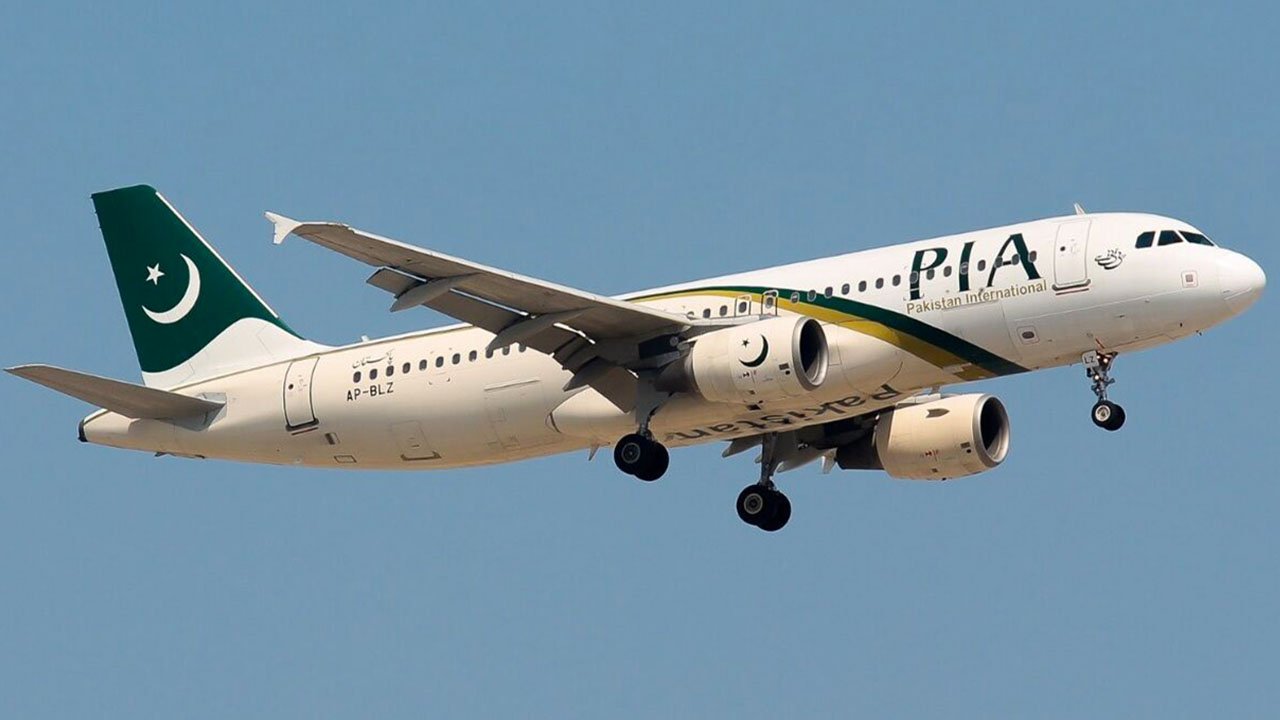
    Pakistan International Airlines (PIA) and other airlines operating in Pakistan have announced a significant increase in the federal excise duty (FED) on international flight tickets, following the federal government’s decision in the 2024-25 budget.

    According to the latest notification, the FED on economy and economy plus tickets has surged by 150 per cent. Previously, passengers paid Rs5,000 in FED for economy class tickets, but this has now increased to Rs12,500.

    For premium travellers, the increase is even more substantial. Passengers travelling to the USA in Club Class, who previously paid Rs250,000 in FED, will now be charged Rs350,000. Similarly, the duty for flights to destinations in Africa and the Middle East has risen from Rs75,000 to Rs105,000.

    Travellers to European cities will see their FED increase from Rs150,000 to Rs210,000. The duty on tickets for flights to Australia, New Zealand, and countries in the Far East has also risen by 40 per cent, now standing at Rs210,000.

  • Pakistanis face 25% increase in packaged milk prices amid tax implementation

    Pakistanis face 25% increase in packaged milk prices amid tax implementation

    The cost of packaged milk has surged dramatically, with prices soaring by Rs75 per liter or 25 per cent as the federal government’s pro-IMF budget took full effect on July 1st.

    Effective immediately, consumers are now paying Rs370 per litre, up from Rs295 in the previous fiscal year. This increase is primarily driven by an 18 per cent sales tax and an additional 2.5 per cent tax on retailers, according to reports.

    In response to these economic pressures, a leading dairy company has announced a price adjustment for its milk products starting July 1, 2024.

    Citing escalating production costs and broader economic influences impacting the dairy sector, the company emphasised the necessity of this adjustment in its latest advertising campaign.

    The price hikes extend beyond this company, as other vendors have similarly adjusted their rates to reflect the new taxation policies outlined in the Finance Bill 2024. These measures include the imposition of an 18 per cent sales tax and a 2.5 per cent tax on retailers, collectively aimed at augmenting government revenue.

    Notably, the government has proposed an 18 per cent tax on infant milk products priced not exceeding Rs600 per 200g, anticipating a substantial revenue impact of approximately Rs95 billion. This figure includes Rs75 billion from standard milk sales and an additional Rs20 billion from infant milk products.

    Addressing concerns over the impact of these increases, Finance Minister Muhammad Aurangzeb reassured the public during a post-budget briefing on June 13 that the middle class should not face undue hardship in meeting the new tax obligations on milk products.

  • Kia reopens bookings for Stonic EX+ at Rs5.5 million, deliveries expected in December

    Kia reopens bookings for Stonic EX+ at Rs5.5 million, deliveries expected in December

    Kia Motors has resumed bookings for its Kia Stonic EX+ model at a price of Rs5.5 million, following a surge in demand, according to a recent company announcement.

    The company stated that the unexpected high demand during the 5-year celebration limited-time offer led to a temporary suspension of bookings to assess stock levels.

    “As a customer-centric company, we are committed to ensuring our customers receive the best value for our vehicles,” the notice stated.

    “This decision underscores our commitment to prioritising the needs and satisfaction of all our customers,” it added.

    Starting from July 1, 2024, all bookings will be scheduled for delivery from December 2024 onwards.

    Bookings will be accepted with a partial payment of Rs2.5 million. To benefit our valued customers, a price lock will be applied to orders booked with partial payment for deliveries in December 2024 and January 2025.

    However, this price lock is subject to certain conditions. Any devaluation of the PKR against the USD exceeding 2 per cent of today’s prevailing spot rate, or any increases in duties, taxes, and levies imposed by the Federal or Provincial Governments at the time of delivery, will be borne by the customer.

  • Economic stability in Pakistan has revived trust of international bodies: Finance Minister

    Economic stability in Pakistan has revived trust of international bodies: Finance Minister

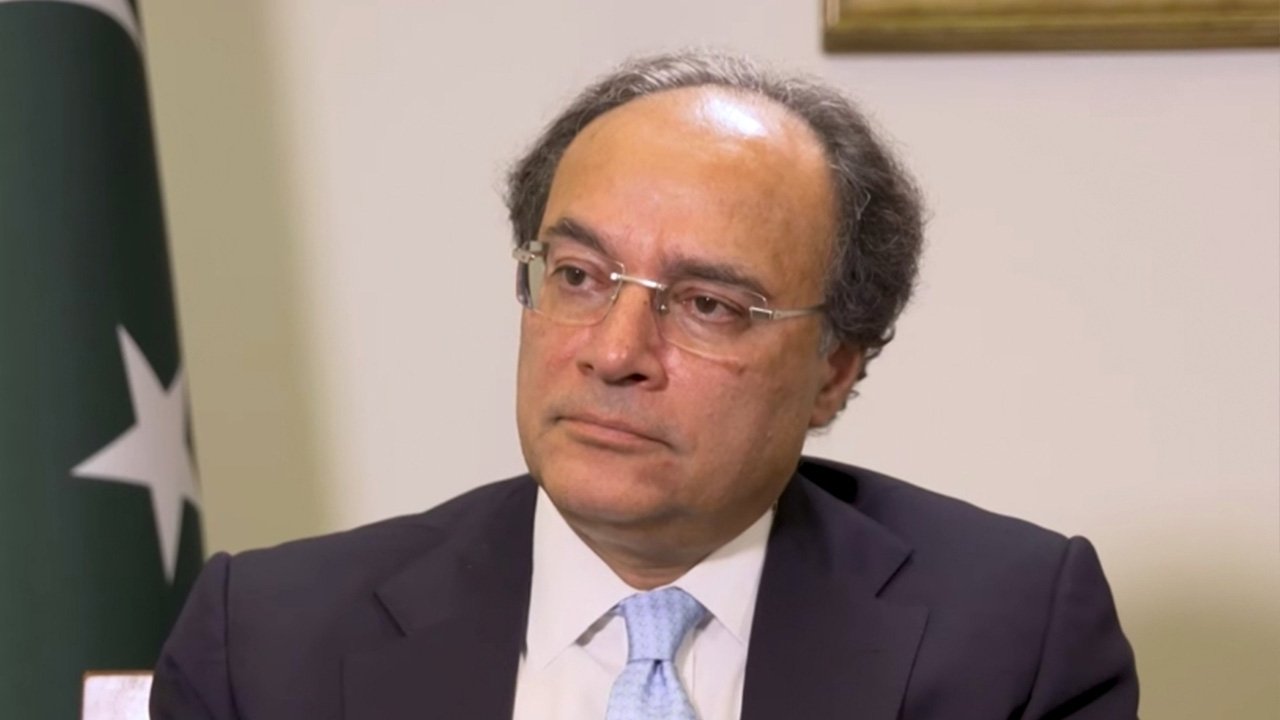
    Finance Minister Muhammad Aurangzeb has stated that Pakistan’s economic stability has restored the trust of international institutions.

    Speaking at a press conference in Islamabad, Aurangzeb highlighted the significant improvement in the country’s economy, attributing this success to the government’s prudent economic policies.

    He emphasised that these policies would lead to sustainable economic stability.

    Aurangzeb reaffirmed the government’s commitment to digitising the Federal Board of Revenue (FBR) to enhance transparency and eliminate corruption. He stressed the importance of minimising human intervention to make the FBR system free from malpractices.

    The minister noted that efforts are underway to bring retailers into the tax net, with 42,000 retailers already registered. He pledged to raise the tax-to-GDP ratio to 13 per cent within the next three years through pragmatic reforms across various sectors of the economy.

    Aurangzeb’s remarks came shortly after the government passed the Federal Budget 2024-25 in the National Assembly, ahead of critical discussions with the International Monetary Fund (IMF).

    The budget, which included specific amendments, further increased taxes without offering relief to taxpayers.