Category: Business

The most important business news, explained in a young, easy to understand way. News that affects young career professionals.

  • Electricity and gas connections of non-filers to be cut next: FBR Chairman

    Electricity and gas connections of non-filers to be cut next: FBR Chairman

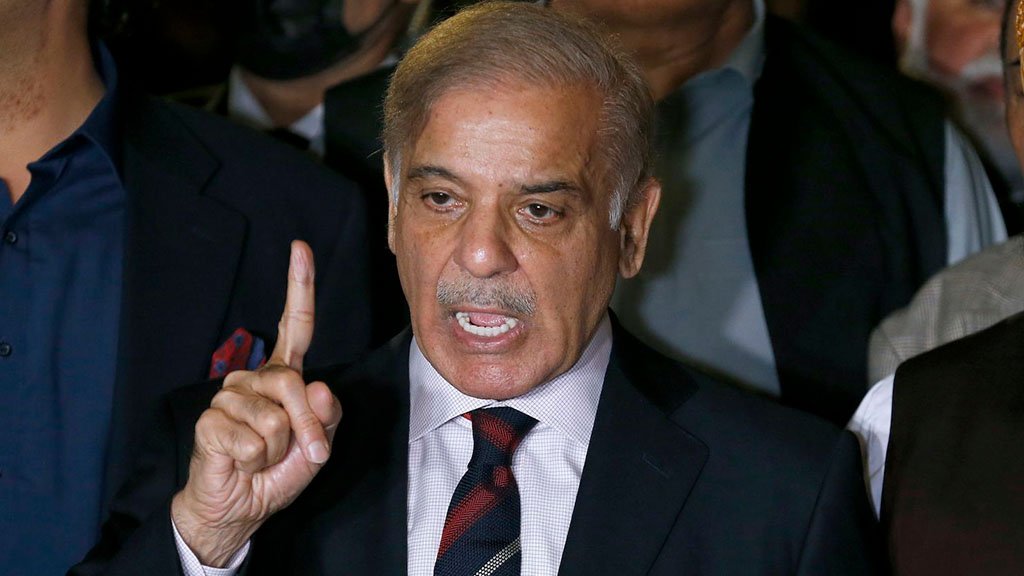
    In order to bring more people into the tax net, Federal Board of Revenue (FBR) Chairman Zubair Tiwana has informed the upper house that non-filers will risk having their SIM cards, gas, and electricity connections suspended.

    Moreover, the Senate’s Standing Committee on Finance and Revenue approved a proposal to impose a foreign travel ban on non-filers.

    The FBR Chairman also stated that a higher withholding tax rate was approved for non-filers. He added that the non-filer list included 500,000 individuals with annual incomes exceeding 2 million.

    “We must eliminate the non-filer category in the country,” stated the Finance Minister of Pakistan Muhammad Aurangzeb earlier on Geo News.

  • Pakistan’s ambitious FY25 Budget could secure IMF deal, says Fitch

    Pakistan’s ambitious FY25 Budget could secure IMF deal, says Fitch

    On Tuesday, Fitch Ratings characterised Pakistan’s budget for the fiscal year 2024-25 as “ambitious,” noting that it enhances the likelihood of securing a deal with the International Monetary Fund (IMF).

    While Fitch acknowledged the uncertainty in meeting the fiscal targets, it highlighted that even partial implementation of the budget would likely narrow the fiscal deficit, thereby reducing external pressures, albeit at a potential cost to economic growth.

    “The FY25 budget draft, released on June 13, is the first presented by Prime Minister Shehbaz Sharif’s coalition government. It projects a headline deficit of 5.9 per cent of GDP and a 2.0 per cent primary surplus, compared to the FY24 estimates of 7.4 per cent and 0.4 per cent respectively, through wide-ranging tax increases and significant fiscal efforts at the provincial level. The budget includes a notable increase in developmental spending and forecasts growth to accelerate to 3.6 per cent in FY25, up from 2.4 per cent in FY24,” Fitch stated in its commentary.

    Pakistan’s Finance Minister Muhammad Aurangzeb unveiled the budget last week, targeting a modest 3.6 per cent growth for the upcoming fiscal year. The budget, with a total outlay of Rs18.9 trillion, represents a 30 per cent increase compared to the FY24 budget. Gross revenue receipts are expected to be Rs17.8 trillion, with the Federal Board of Revenue (FBR) taxes projected at Rs12.97 trillion, nearly 38 per cent higher than the previous fiscal year.

    With this ambitious tax target, Islamabad aims to secure the IMF’s approval for a larger and longer-term bailout.

    Fitch Ratings warned that these plans could face significant resistance within parliament from both coalition partners and opposition parties, as well as from broader society. This follows the close outcome of the February elections, which resulted in a weaker-than-expected mandate for the Pakistan Muslim League-Nawaz (PML-N).

    “Our updated fiscal forecasts assume partial implementation and project a primary surplus of 0.8 per cent, factoring in shortfalls in revenue generation and an overshoot in current spending, partly offset by under-execution in development spending,” Fitch added.

    “We believe tight policy settings may depress growth more than the government expects, reducing our growth forecast to 3.0 per cent for FY25, from 3.5 per cent, despite some improvements in short-term economic indicators. Nonetheless, the FY24 primary deficit is in line with the target, and the authorities have implemented unpopular subsidy reforms over the past year, supporting fiscal credibility.”

    Fitch noted Pakistan’s historically poor track record in sustaining reforms, but acknowledged that the lack of viable alternatives has bolstered support for tough policy decisions in the near term.

    Pakistan completed its nine-month IMF Stand-By Arrangement in April, and in May, the IMF reported “significant progress” towards agreeing on a new Extended Fund Facility (EFF).

    “Government debt is expected to decline to 68 per cent of GDP by the end of FY24 due to high inflation and deflator effects, which offset soaring domestic interest costs. We anticipate inflation and interest costs to decline in tandem, with economic growth and primary surpluses gradually reducing the government debt-to-GDP ratio. The State Bank of Pakistan cut policy rates for the first time in five years on June 10 by 150 basis points to 20.5 per cent. We now forecast FY25 inflation at 12 per cent, and the end-of-year policy rate at 16 per cent,” Fitch detailed.

    Despite stable debt dynamics, Fitch identified external liquidity and funding as Pakistan’s primary credit challenges.

    “We believe a new IMF deal will be agreed upon, underpinning other external funding. However, maintaining the stringent policy settings necessary to keep external financing needs in check and comply with a new EFF could become increasingly challenging,” Fitch stated.

    Pakistan’s external position has improved since February’s election, with the current account deficit on track to narrow to 0.3 per cent of GDP (just USD1 billion) in FY24, down from 1.0 per cent in FY23. This improvement is attributed to subdued domestic demand compressing imports, exchange rate reforms attracting remittance inflows back to the official banking system, and strong agricultural exports.

    Gross reserves, including gold, now stand at USD15.1 billion, covering over two months of external payments, up from USD9.6 billion at the end of FY23.

    “However, Pakistan’s projected funding needs still exceed reserves, at approximately USD20 billion per year in FY24–FY25, including maturing bilateral debt that we expect will continue to be rolled over. This leaves Pakistan vulnerable to external funding conditions and policy missteps,” Fitch concluded.

    Pakistan’s ‘CCC’ rating, reaffirmed in December 2023, reflects the high external funding risks amid substantial medium-term financing requirements.
  • NEPRA hikes basic electricity tariff by Rs5.72 to Rs35.50 per unit

    NEPRA hikes basic electricity tariff by Rs5.72 to Rs35.50 per unit

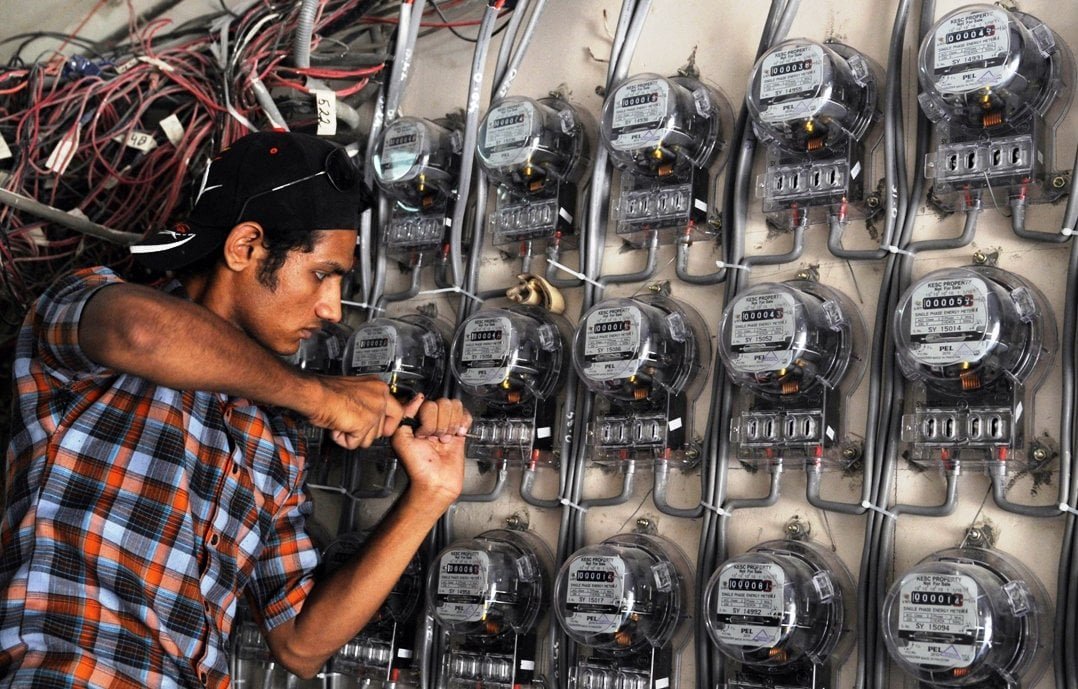
    The National Electric Power Regulatory Authority (NEPRA) has announced an increase in the basic electricity tariff by Rs5.72 per unit, effective from July 1, 2024. This hike will raise the current base tariff from Rs29.78 to Rs35.50 per unit.

    The capacity charges, which form a significant portion of the base price, amount to Rs18.10 per unit, constituting 51 per cent of the total cost. Consequently, the total capacity payment is projected to reach approximately Rs2.091 trillion for the fiscal year 2025.

    This proposal has been submitted to the federal government for final approval. The government will decide whether to implement the increase immediately or phase it in over time.

    It is important to note that in the current fiscal year (FY24), the electricity tariff was increased by Rs7.50 per unit, while in the previous fiscal year (FY23), the government implemented an increase of Rs7.91 per unit.

    In a contrasting move, Prime Minister Shehbaz Sharif announced on Friday a substantial reduction of Rs10.69 per unit in the electricity tariff for the industrial sector. This reduction is part of the Prime Minister’s historic power package aimed at bolstering the country’s industrial sector.

    Additionally, the petrol price has been reduced for the fourth consecutive time, decreasing by Rs10.20 to Rs258.16 per litre.

  • Finance Minister unveils economic plan to slash expenditures and boost revenues

    Finance Minister unveils economic plan to slash expenditures and boost revenues

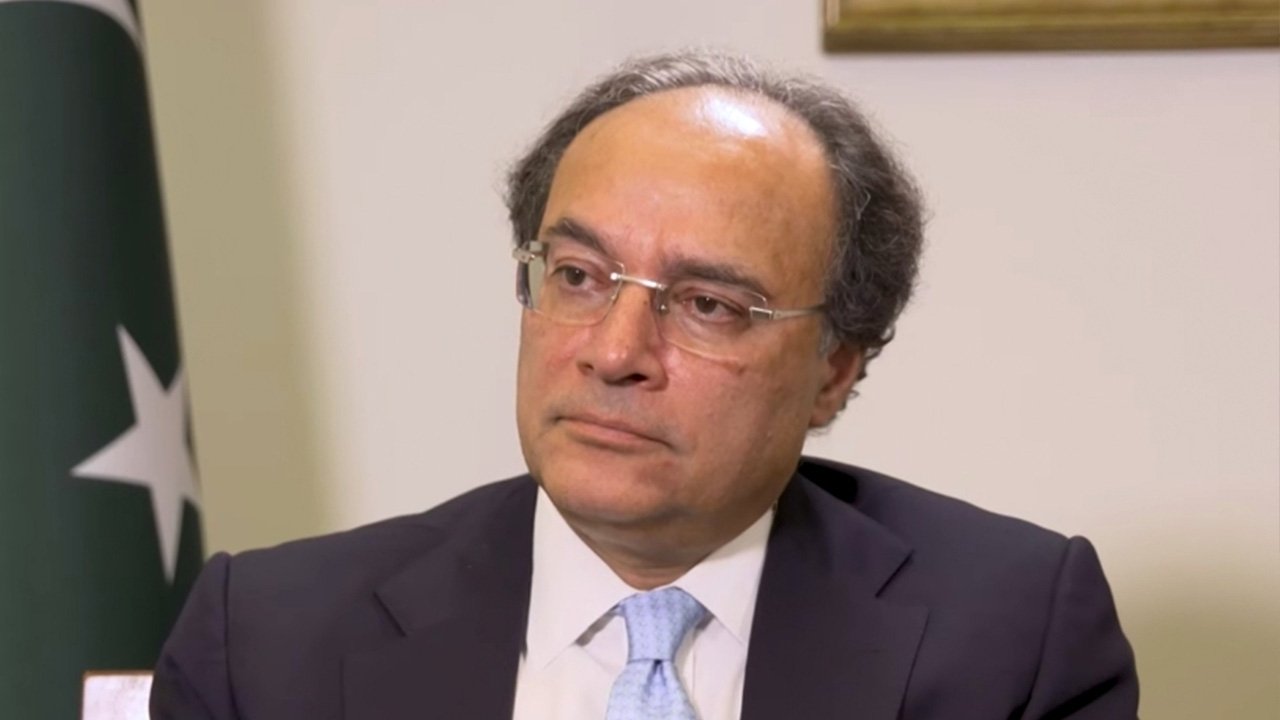
    Federal Finance Minister Senator Muhammad Aurangzeb reiterated the government’s dedication to reducing expenditures and boosting revenues in a bid to fortify Pakistan’s economy sustainably.

    The announcement came during a press conference in his hometown, Kamalia, as reported by the state-run APP.

    Aurangzeb highlighted that the federal government plans to shut down parallel ministries or departments that have been devolved to provinces. This strategic move is anticipated to significantly cut down on expenditures and enhance operational efficiency.

    As an example, the minister noted that the Prime Minister has already announced the closure of the Pakistan Public Works Department, a decision expected to alleviate the financial burden on the government.

    Furthermore, the government is set on privatising state-owned enterprises (SOEs), which have been a considerable strain on the national exchequer. Aurangzeb cited Pakistan International Airlines (PIA) as a prime example, mentioning its liabilities amounting to billions of rupees now transferred to the government. The privatisation of these SOEs is projected to reduce financial burdens and enhance efficiency.

    In a related development, the minister revealed that the government is working on outsourcing airport management, starting with Karachi airport, which is expected to be handed over to the private sector by July or August this year, followed by Lahore airport.

    On the revenue side, Aurangzeb stressed the need to elevate the tax-to-GDP ratio from the current 9.5 per cent to 13 per cent over the next three years, underscoring the essential role of taxes in national administration.

    To achieve this, the government has introduced various revenue measures, including broadening the tax base to include non-taxable sectors, phasing out tax exemptions worth Rs3.9 trillion, and revising policies in sectors like health and agriculture.

    The minister announced that 32,000 retailers had already been registered for taxation starting from July 2024. He emphasised the government’s commitment to incorporating other sectors into the tax net, enhancing compliance, plugging systemic leakages, and implementing end-to-end digitisation to reduce human intervention, increase transparency, and curb corruption. Automation of sales tax collection is a top priority, Aurangzeb noted.

    Addressing the agricultural sector, Aurangzeb affirmed the government’s commitment by allocating Rs41 billion in the federal Public Sector Development Program (PSDP) to promote agriculture. Initiatives include the solarisation of tube wells, provision of loans to small farmers, and the development of warehouses to support small-scale farmers.

    Subsidies on fertilisers, seeds, and other agricultural inputs will continue, with efforts to involve banks, including Islamic banks, in providing loans to farmers.

    In the IT sector, the government aims to support freelancers and double exports from $3.5 billion to $7 billion. Aurangzeb mentioned a substantial budget allocation to facilitate the IT sector. He also assured that the Prime Minister’s recent visit to China focused on technology transfer, industrial development, and enhancing exports, rather than seeking aid.

    This comprehensive strategy, combining expenditure reduction and revenue enhancement, reflects the government’s robust commitment to placing the country’s economy on a sustainable growth trajectory.

  • Reduced electricity prices to spur industrial activity and improve exports: Power minister

    Reduced electricity prices to spur industrial activity and improve exports: Power minister

    Following a reduction in electricity prices for industries, Power Minister Sardar Awais Leghari stated that the government’s decision aims to boost industrial activity and exports.

    Speaking to the media in Dera Ghazi Khan, Leghari highlighted the government’s revolutionary measures to improve the power distribution system. He underscored the government’s commitment to addressing power sector issues, including combating electricity theft.

    Leghari reiterated the goal of eradicating electricity theft nationwide to provide cheaper electricity to the public.

    He also noted the government’s achievement in reducing electricity rates for industries by Rs10.69, which is expected to stimulate industrial activity and generate more job opportunities.

    The minister assured that the government is aware of the challenges faced by farmers and is actively working to provide maximum relief to the public.

    In a related development, Prime Minister Shehbaz Sharif announced on Saturday that government institutions incurring massive losses would be shut down.

    During his address to the nation, the premier stated, “I have decided to close institutions that have become a burden instead of offering assistance,” and added that a ministerial committee has been formed to oversee this process.

    “I will come to you with a new message in a couple of months,” PM Shehbaz said. “I believe this will be a significant step in reducing expenses and saving funds.”

    The premier also mentioned his recent trips to China and the Middle East, noting that commitments for investment were secured during these visits.

  • PM Shehbaz plans shutdown of loss-making govt institutions

    PM Shehbaz plans shutdown of loss-making govt institutions

    Prime Minister (PM) Shehbaz Sharif announced on Saturday that government institutions causing substantial financial losses will face closure in the coming months.

    Addressing the nation, the Prime Minister cited the Pakistan Public Works Department as an example, labeling it a financial burden on the nation. “I have made the decision to shut down institutions that drain resources instead of contributing to our progress,” he stated, revealing the formation of a ministerial committee to oversee this process.

    “I will return to you with further updates in the coming months,” PM Shehbaz affirmed, emphasizing the significance of these measures in reducing expenditure and conserving funds.

    Highlighting recent diplomatic achievements, the Prime Minister referenced successful investment commitments secured during his visits to China and the Middle East. He began his address by addressing the situation in Palestine and the issue of Indian illegally occupied Jammu and Kashmir (IIOJK).

    Reflecting on the political landscape, PM Shehbaz discussed the performance of the Pakistan Democratic Movement (PDM) post the removal of former Prime Minister Imran Khan through a vote of no-confidence in 2022.

    Celebrating his government’s completion of 100 days in office, the Prime Minister underscored recent reductions in petrol and diesel prices announced on Friday. “We must foster an environment conducive to investment, business, and education for our talented youth,” he asserted.

    PM Shehbaz stressed the importance of cultivating domestic investment before seeking foreign investments, envisioning Pakistan’s self-reliance and advancement ahead of its neighbors.

    Regarding economic achievements, he pointed to the Pakistan Stock Exchange’s rise to 77,000 points as a testament to the positive reception of the government’s recently unveiled federal budget.

  • FBR imposes 18% GST on packaged food items to boost revenue

    FBR imposes 18% GST on packaged food items to boost revenue

    The Federal Board of Revenue (FBR) has announced the imposition of an 18 per cent General Sales Tax (GST) on packaged food items, including formula milk.

    The announcement was made during a meeting of the Senate Standing Committee on Finance, chaired by Senator Saleem Mandviwalla. Amjad Zubair, Chairman of the FBR, informed the committee that the GST will be applied to all packaged items sold at departmental stores and large retail outlets, but will not affect unpackaged food items sold at general stores.

    In response to concerns raised during the meeting, the committee recommended a reduction in the GST rate on formula milk due to its critical importance for infant health. Chairman Zubair acknowledged the significant tax revenue generated from formula milk and expressed the government’s willingness to consider a reduction in tax rates if companies agree to lower their prices.

    The committee also addressed the issue of unregistered outlets selling formula milk, recommending that these outlets be blacklisted to ensure compliance with tax regulations.

    It is notable that this move aligns with a demand from the International Monetary Fund (IMF). During recent talks with Pakistani authorities for a new loan agreement, the IMF recommended increasing the general sales tax to 18 per cent.

    The IMF mission observed that Pakistan’s current sales tax collection system faces challenges, with the federal government collecting tax on commodities and the provinces on services. The IMF suggested that sales tax collection should be centralized under the federal government and that GST exemptions be eliminated.

    This development is part of broader efforts to streamline Pakistan’s tax system and enhance revenue collection as the country seeks financial assistance from international lenders.

  • Petrol price reduced by Rs10.2, diesel by Rs2.33 per litre

    Petrol price reduced by Rs10.2, diesel by Rs2.33 per litre

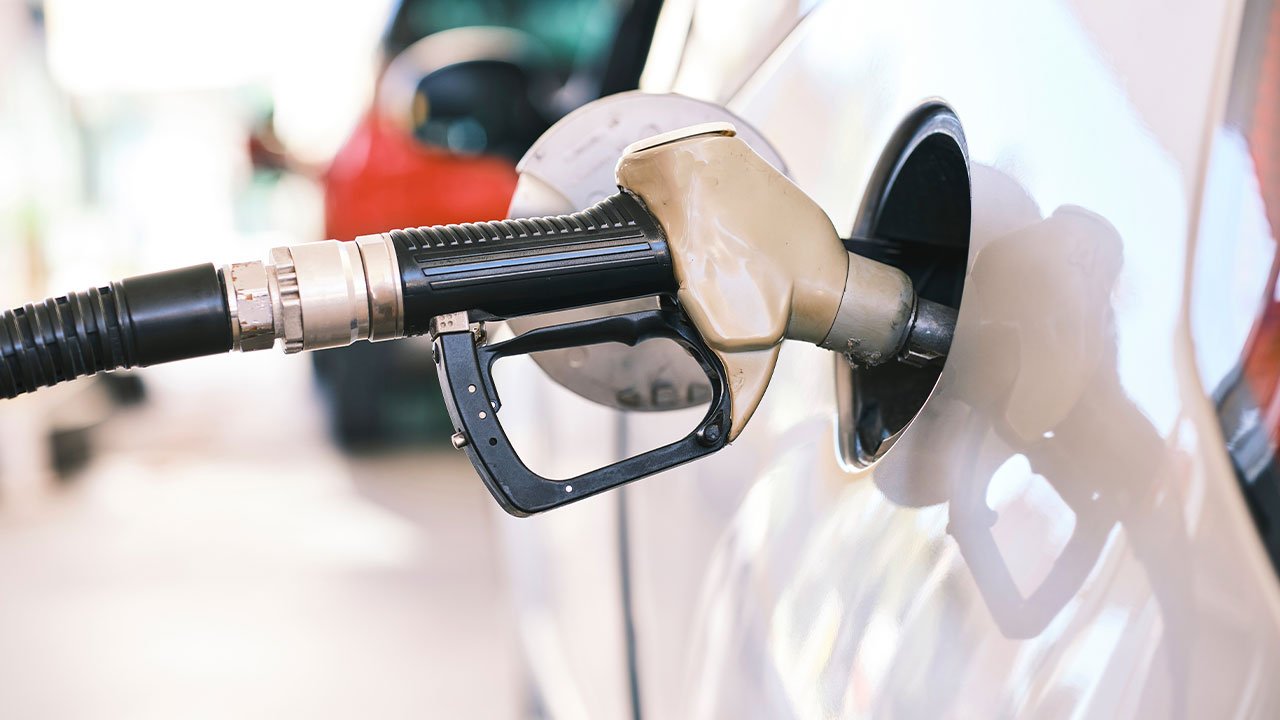
    The government has announced a reduction in the prices of petrol and high-speed diesel (HSD) by Rs10.2 and Rs2.33 per litre, respectively, for the upcoming fortnight. 

    In a notification, the Ministry of Finance stated that the prices of petroleum products have exhibited a mixed trend in the international market over the past two weeks. The Oil and Gas Regulatory Authority (Ogra) calculated the new consumer prices based on these international market fluctuations.

    The revised prices set petrol at Rs258.16 per litre and HSD at Rs267.89 per litre. 

    The Prime Minister’s Office described the reduction as a gift from the premier in anticipation of the upcoming Eidul Azha. 

    Sources previously indicated that the government intended to pass the benefits of lower international prices on to consumers. 

    Over the past two weeks, the prices of petrol and HSD in the international market decreased by approximately $3.75 and $2.7 per barrel, respectively. This follows a significant drop of about $12 per barrel for petrol and $8 per barrel for HSD over the prior month.

    The international price of petrol has decreased to just over $90 per barrel from about $94 per barrel, while the price of HSD has fallen to $95 per barrel from $98 per barrel.

  • Weekly inflation rises with tomato prices up 27.14%, chicken 11.75%

    Weekly inflation rises with tomato prices up 27.14%, chicken 11.75%

    The Weekly Sensitive Price Indicator (SPI) for the Combined Group saw a 1.3 per cent week-over-week increase during the week ending June 13, 2024, according to data released by the Pakistan Bureau of Statistics (PBS).

    The SPI also showed a significant year-over-year rise of 23.03 per cent compared to the same period last year.

    The Combined Index reached 313.93, up from 309.91 the previous week, and significantly higher than the 255.17 recorded a year ago.

    During the week, out of 51 monitored items, prices of 19 items (37.26 per cent) increased, 8 items (15.68 per cent) decreased, and 24 items (47.06 per cent) remained stable.

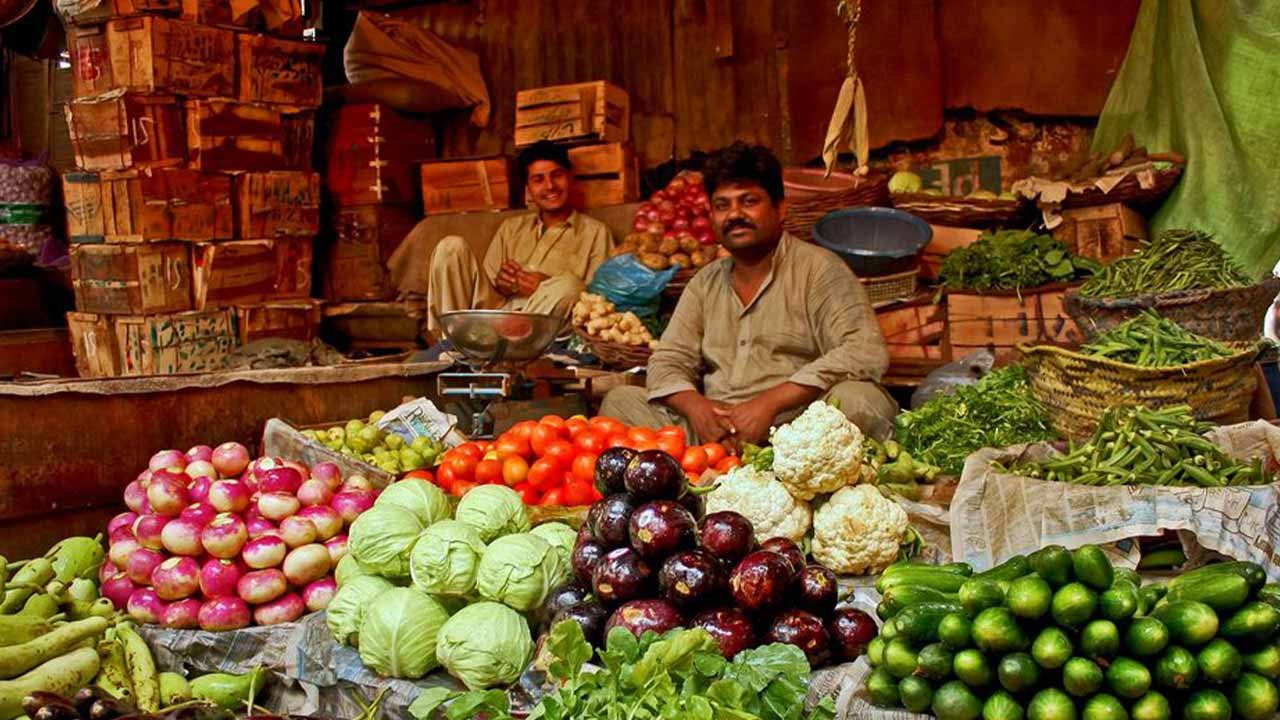
    Major price increases were observed in tomatoes (27.14 per cent), chicken (11.75 per cent), electricity for Q1 (8.73 per cent), pulse gram (7.19 per cent), and LPG (6.14 per cent). On the other hand, notable price decreases were recorded in onions (5.00 per cent), chilies powder (1.95 per cent), rice basmati broken (1.65 per cent), garlic (1.32 per cent), and rice IRRI (1.08 per cent).

    The SPI percentage change by income groups indicated increases across all quantiles, ranging from 1.01 per cent to 1.31 per cent on a weekly basis. The lowest income group experienced a rise of 1.01 per cent, while the highest income group saw an increase of 1.29 per cent.

    Yearly analysis of SPI changes across different income segments showed increases ranging between 16.29 per cent and 26.07 per cent. These statistics highlight the varying impact of price changes on different income groups, reflecting broader economic trends and inflationary pressures within the country.