Category: Business

The most important business news, explained in a young, easy to understand way. News that affects young career professionals.

  • Govt’s debt rises to Rs5.53 trillion with recent Rs35.4 billion borrowing

    Govt’s debt rises to Rs5.53 trillion with recent Rs35.4 billion borrowing

    The government of Pakistan has secured an additional debt of Rs35.4 billion during the week ending on May 24, 2024, bringing the total net borrowing for the ongoing fiscal year 2024 to Rs5.53 trillion, according to the latest estimates from the central bank.

    Government borrowings this fiscal year have consistently outpaced those of previous years, indicating a persistent reliance on external financing. The borrowing is classified into three primary categories: budgetary support, commodity operations, and other purposes.

    For the week in question, net borrowing for budgetary support amounted to Rs24.52 billion, while loans for commodity operations totaled Rs13.07 billion. Conversely, a net amount of Rs2.19 billion was repaid under the “others” category.

    Cumulatively, for fiscal year 2024, borrowings for budgetary support have reached Rs5.68 trillion. In contrast, there has been a retirement of Rs149.47 billion in loans for commodity operations and Rs5.48 billion for other categories.

    The principal sources of financing for budgetary support are the State Bank of Pakistan and scheduled banks. This fiscal year, the government has repaid a net total of Rs1.07 trillion to the central bank. This repayment includes Rs598.84 billion by the Federal Government, Rs423.28 billion by the Provincial Government, Rs38.19 billion by the AJK Government, and Rs5.16 billion by the GB Government.

    On the other hand, scheduled banks have lent a net total of Rs6.75 trillion. The Federal Government borrowed Rs6.9 trillion from these banks, while the Provincial Government retired Rs151.49 billion.

    This pattern of borrowing underscores the government’s heavy dependence on domestic financial institutions to meet its budgetary needs amidst ongoing economic challenges.

  • Oil marketing companies in Pakistan report 26% increase in sales

    Oil marketing companies in Pakistan report 26% increase in sales

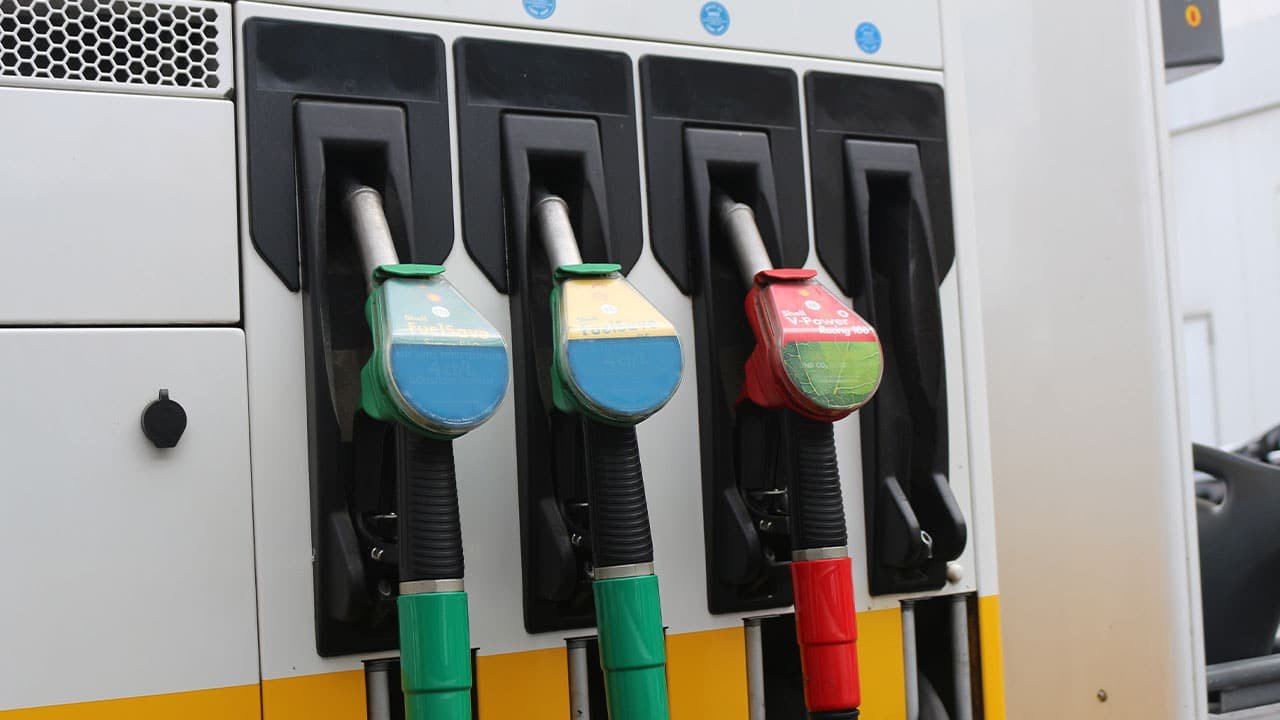
    The sales of oil marketing companies (OMCs) rose by 7 per cent year-on-year (YoY) in May 2024, reaching a nine-month high of 1.39 million tonnes (MTs), compared to 1.30 MTs in May 2023, according to data released by the Oil Companies Advisory Council (OCAC).

    On a month-on-month (MoM) basis, oil sales surged by 26 per cent from April 2024, where sales were recorded at 1.10 MTs.

    In the ongoing fiscal year (11MFY24), cumulative sales stood at 13.83 MTs, a 9 per cent decline from 15.26 MTs recorded during the same period in the previous fiscal year (11MFY23).

    In May 2024, sales of Motor Spirit (MS) and High-Speed Diesel (HSD) increased by 1 per cent and 18 per cent YoY, amounting to 0.61 MTs and 0.64 MTs, respectively. Conversely, sales of Furnace Oil (FO) dropped by 24 per cent YoY to 0.07 MTs.

    On a MoM basis, the sales of MS, HSD, and FO rose by 14 per cent, 37 per cent, and 131 per cent, respectively.

    Attock Petroleum Limited experienced the highest increase in total oil sales, reaching 0.14 MTs, a 14 per cent YoY growth. Shell Pakistan Limited (PSX: SHEL) followed with a 13 per cent YoY increase to 0.10 MTs. 

    Pakistan State Oil (PSO) recorded an 11 per cent rise, reaching 0.67 MTs. In contrast, Hascol Petroleum Limited (HACOL) saw a 39 per cent YoY decline to 0.04 MTs.

    Compared to the previous month, the sales of PSO, APL, SHEL, and HASCOL increased by 19 per cent, 42 per cent, 23 per cent, and 51 per cent MoM, respectively.

    In 11MFY24, all OMCs reported a decline in sales.

    In May 2024, PSO maintained its dominance in the OMC industry with a market share of 47.9 per cent. APL and SHEL held market shares of 10.1 per cent and 7.2 per cent, respectively, during the review period.

  • Pakistan’s trade deficit drops 15.25% amid export surge

    Pakistan’s trade deficit drops 15.25% amid export surge

    Pakistan’s trade deficit for the eleven months of fiscal year 2023-24 decreased by 15.25 per cent year-on-year (YoY) to $21.73 billion, compared to $25.64 billion in the same period last fiscal year.

    The trade deficit in May 2024 slightly increased by 0.1 per cent YoY to $2.11 billion, compared to $2.11 billion in May 2023. However, on a monthly basis, the trade deficit dropped by 15.4 per cent compared to April 2024, when it stood at $2.5 billion.

    According to data from the Pakistan Bureau of Statistics (PBS), exports in May surged by 27.1 per cent YoY to $2.79 billion, up from $2.2 billion in May 2023. Monthly exports also showed a notable increase of 18.8 per cent compared to April 2024, which recorded exports at $2.35 billion.

    On the other hand, imports during May 2024 grew by 13.9 per cent YoY, reaching $4.9 billion, compared to $4.3 billion in May 2023. In comparison to April 2024, imports saw a slight uptick of 1.2 per cent month-on-month (MoM), compared to $4.85 billion.

    These figures reflect a mixed trend in Pakistan’s trade dynamics, with a notable reduction in the annual trade deficit but a slight increase in the monthly deficit, driven by a significant surge in exports and a moderate rise in imports.

  • Gold rate remains unchanged at Rs240,300 per tola

    Gold rate remains unchanged at Rs240,300 per tola

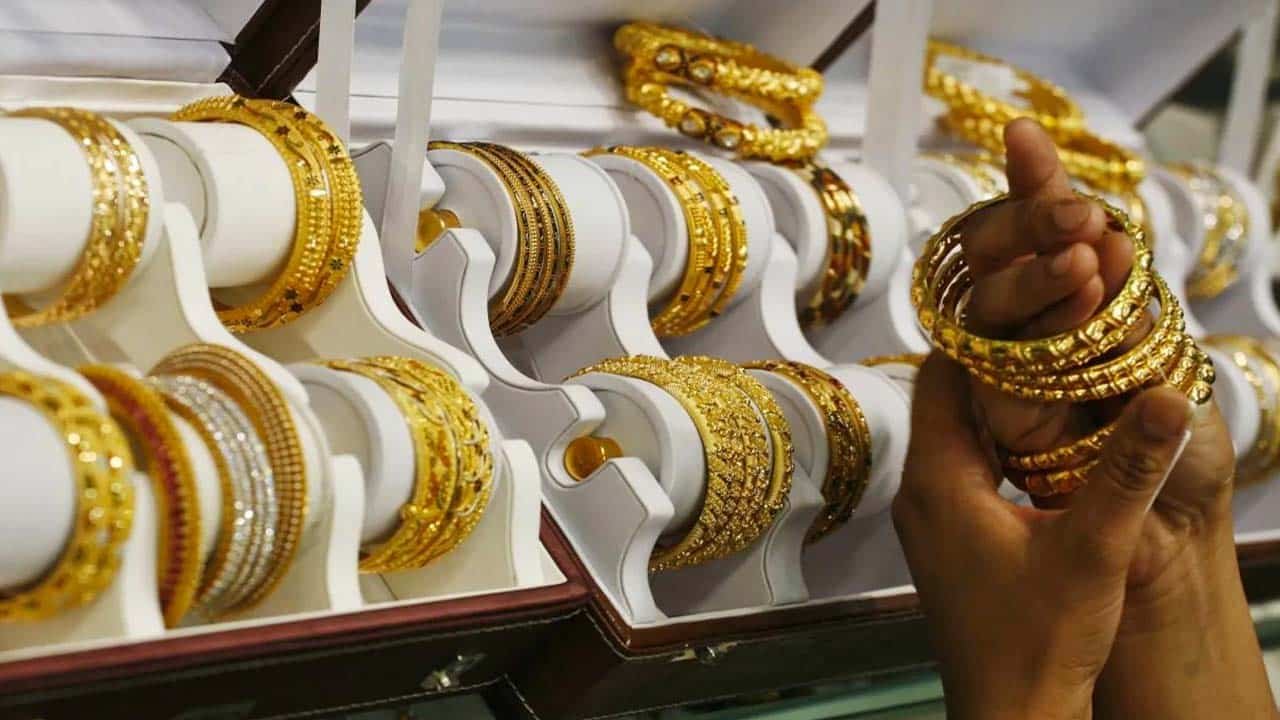
    Gold prices in Pakistan remained unchanged on Monday, mirroring stability in the international market.

    According to the All Pakistan Gems and Jewellers Sarafa Association (APGJSA), the price of gold per tola was steady at Rs240,300, while the 10-gramme gold rate held firm at Rs206,019.

    The stability follows a decrease observed on Saturday, when the price per tola dropped by Rs1,400.

    Internationally, the gold price also saw no movement on Monday, maintaining a rate of $2,326 per ounce, inclusive of a $20 premium, as reported by APGJSA.

    In addition, silver prices in the local market remained steady, with the rate per tola fixed at Rs2,820.

    Pakistani rupee on first trading day of the week witnessed slight depreciation as the local currency dropped by Rs3.37 paisa against the US dollar and closed the day at Rs278.36 per USD.

  • Govt sets ‘targets’ to reduce cost of living and boost employment

    Govt sets ‘targets’ to reduce cost of living and boost employment

    Dr Musadik Masood Malik, the Minister for Petroleum Division, affirmed on Saturday that the government is focusing on controlling inflation and creating employment opportunities as its primary objectives.

    During a press conference, Dr Malik stated that, under the directives of the Prime Minister, efforts are being made to provide maximum relief to the populace, resulting in a gradual decrease in inflation across the country.

    He mentioned that the Prime Minister has set specific targets for all ministers to alleviate the public’s burden by controlling inflation and enhancing job creation.

    Dr Malik highlighted several external factors, such as floods, natural disasters, and conflicts in Ukraine and the Middle East, which have disrupted the commodity cycle.

    Despite these challenges, the government’s measures have led to a significant reduction in the Consumer Price Index (CPI) from 37 per cent to 17 per cent. Similarly, food inflation has dropped from 40 per cent to 11.5 per cent, indicating a move towards economic stability.

    He also noted that the prices of petroleum products have been reduced, providing around Rs25-26 per litre relief on petrol within a month. Dr Malik expressed optimism that inflation will continue to decline in the coming days.

    The minister reported a 50 per cent increase in tractor purchases and a 17 per cent rise in urea production over the past year, reflecting positive economic trends.

    He assured that the forthcoming budget would be balanced and geared towards providing relief, with a projected 30 per cent increase in tax collection. Additionally, the country has seen a rise in exports and a decline in imports.

    Dr Malik concluded by stating that the budget would include more incentives for small businesses and the IT sector, aiming to foster growth and stability in these critical areas.

  • FBR surpasses May revenue target with Rs760 billion collection

    FBR surpasses May revenue target with Rs760 billion collection

    The Federal Board of Revenue (FBR) has exceeded its revenue target for May in the fiscal year 2023-24 by collecting Rs760 billion in tax revenues, surpassing the target of Rs745 billion.

    This achievement, announced in a statement by the FBR today, signifies a remarkable 33 per cent growth compared to May 2023.

    In addition to the overall revenue increase, domestic taxes also experienced a significant 33 per cent growth during May.

    “The FBR is poised to achieve the assigned target for the final month of the current financial year, June 2024,” the statement added.

    This positive trend has contributed to an overall revenue growth of 31 per cent for the first eleven months of the current fiscal year, compared to the same period last year.

  • Gold price declines by Rs1,400 to Rs240,300 per tola

    Gold price declines by Rs1,400 to Rs240,300 per tola

    Gold prices in Pakistan fell on Saturday, reflecting a decrease in the international market rate. The local market saw the price of gold per tola drop to Rs240,300, a decline of Rs1,400 in just one day.

    The price for 10 grammes of gold also decreased, standing at Rs206,019 after a reduction of Rs1,200, according to the latest figures from the All Pakistan Gems and Jewellers Sarafa Association (APGJSA).

    This decline followed a brief increase on Friday, when the price of gold per tola rose by Rs500.

    Internationally, the gold rate saw a downward trend on Saturday. The APGJSA reported that the price per ounce was set at $2,326, including a premium of $20, after a $16 drop during the day.

    In addition to gold, silver prices also fell, with rates decreasing by Rs80 to settle at Rs2,820 per tola.

    It’s noteworthy that just last month, gold reached an all-time high in the local market, hitting Rs252,200 per tola.

  • Clarification issued: Petrol price reduced by Rs4.74 per litre, not Rs15.39

    Clarification issued: Petrol price reduced by Rs4.74 per litre, not Rs15.39

    The Ministry of Finance has announced a reduction in fuel prices, decreasing petrol by Rs4.74 per litre and high-speed diesel (HSD) by Rs3.86 per litre. This announcement followed initial confusion regarding the extent of the cuts.

    The confusion arose after PTV reported that Prime Minister Shehbaz Sharif had directed a more substantial reduction of Rs15.4 per litre for petrol and Rs7.9 per litre for diesel for the upcoming fortnight.

    This premature report was posted on PTV’s official X account but was later retracted.

    The Prime Minister’s Office soon issued a clarification, stating that the figures reported by PTV were outdated and pertained to the previous month’s adjustments. Following this clarification, the Finance Ministry released its fortnightly notification confirming the new, more modest reductions.

    PTV had claimed that the government’s “people-friendly policies” had brought economic stability and achieved a noticeable reduction in inflation.

    Initially, it was expected that the prices of petrol and HSD would decrease by approximately Rs6.5 to Rs7.5 per litre on May 31, despite a slight exchange rate loss due to a bearish trend in the international market.

  • Tomato and onion price hikes push weekly inflation up

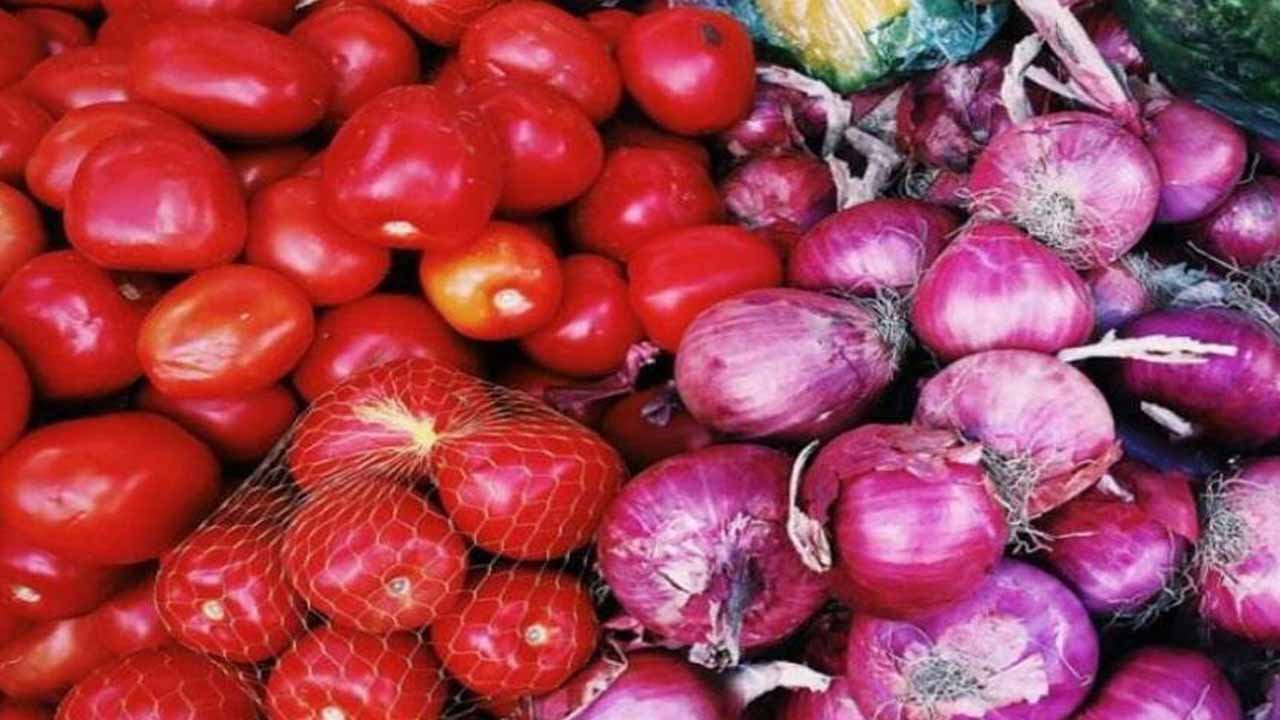
    Tomato and onion price hikes push weekly inflation up

    In a significant shift, weekly inflation in Pakistan has increased after seven weeks of consecutive declines.

    The Weekly Sensitive Price Indicator (SPI) for the Combined Group saw a 0.11 per cent week-on-week rise for the week ending May 30, 2024.

    This comes as a 21.4 per cent year-on-year increase compared to the same period last year, according to the Pakistan Bureau of Statistics (PBS).

    The Combined Index stood at 308.52, slightly up from 308.19 the previous week, and significantly higher than the 254.13 recorded a year ago.

    Out of the 51 items monitored, prices for 14 items (27.45 per cent) increased, 14 items (27.45 per cent) decreased, and 23 items (45.10 per cent) remained unchanged.

    Inflation drivers

    Notable price increases during the week were observed in tomatoes (11.25 per cent), onions (3.62 per cent), pulse mash (2.00 per cent), bananas (1.78 per cent), and potatoes (1.23 per cent).

    Conversely, significant price decreases were seen in eggs (6.14 per cent), chili powder (5.73 per cent), LPG (5.40 per cent), garlic (4.02 per cent), and rice IRRI (2.93 per cent).

    The SPI percentage change by income groups revealed increases across all segments, ranging from 0.08 per cent to 0.15 per cent. The lowest income group experienced a 0.09 per cent rise, while the highest income group saw a 0.08 per cent increase.

    On an annual basis, SPI changes showed increases between 14.68 per cent and 24.67 per cent across different income segments, with the lowest income group seeing a 14.68 per cent rise and the highest income group a 19.24 per cent increase.

    The average price of Sona urea was recorded at Rs4,796 per 50 kg bag, reflecting a 0.16 per cent decrease from the previous week but a 55.19 per cent increase from last year.

    Meanwhile, the average price of cement rose to Rs1,237 per 50 kg bag, up 0.30 per cent from the previous week and 9.80 per cent higher than the previous year.

  • Gold price surges by Rs500 per tola amid global market rally

    Gold price surges by Rs500 per tola amid global market rally

    After experiencing a decline in the previous session, gold prices in Pakistan saw a significant increase on Friday, mirroring the upward trend in international markets.

    The local market price for gold per tola rose by Rs500, settling at Rs241,700, according to the latest figures released by the All Pakistan Gems and Jewellers Sarafa Association (APGJSA).

    The price of 10 grammes of gold also climbed, increasing by Rs429 to reach Rs207,219. This comes after a notable drop on Thursday, when the price per tola had decreased by Rs1,500.

    On the international front, the gold rate saw an upward adjustment. The APGJSA reported that the international gold price was set at $2,342 per ounce, including a $20 premium, following a $7 increase during the day.

    In contrast, silver prices in the local market remained stable, with rates holding steady at Rs2,900 per tola.

    Last month, gold prices in Pakistan reached an all-time high of Rs252,200 per tola, reflecting significant volatility in the market.