Category: Business

The most important business news, explained in a young, easy to understand way. News that affects young career professionals.

  • Pakistan’s stock market closes above 75,000 mark for the first time

    Pakistan’s stock market closes above 75,000 mark for the first time

    The Pakistan Stock Exchange’s (PSX) KSE-100 index achieved a historic milestone on Friday, closing above 75,000 points for the first time ever. This marked the seventh consecutive session of gains, reflecting a strong buying momentum in the market.

    The trading session opened on a positive note, with bullish investors driving the market upward throughout the day. The KSE-100 Index ultimately settled at 75,342.35 points, an increase of 411.65 points or 0.55 per cent from the previous close.

    Significant buying activity was observed across various sectors, including oil and gas exploration, fertilisers, refineries, pharmaceuticals, cement, and chemicals, contributing to the robust market performance.

    The surge follows Thursday’s session, where the index gained 267 points to close just shy of the 75,000 mark, fueled by positive market sentiments.

    Market experts attribute this unprecedented rise to several favorable factors. These include the commencement of discussions with the International Monetary Fund (IMF) for a new loan programme and anticipations of a potential interest rate cut in the upcoming monetary policy meeting.

    Such developments have bolstered investor confidence, leading to increased market activity and record-high levels at the PSX.

  • 24-karat gold price declines to Rs245,000 per tola

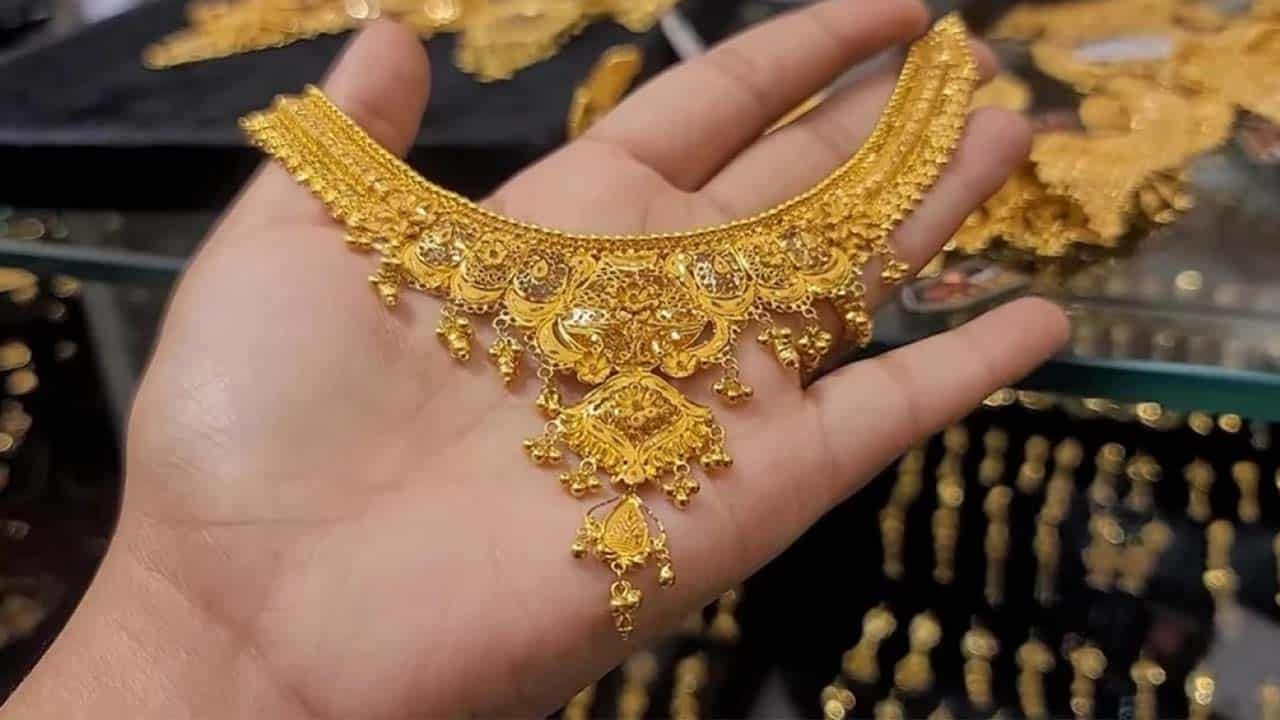
    24-karat gold price declines to Rs245,000 per tola

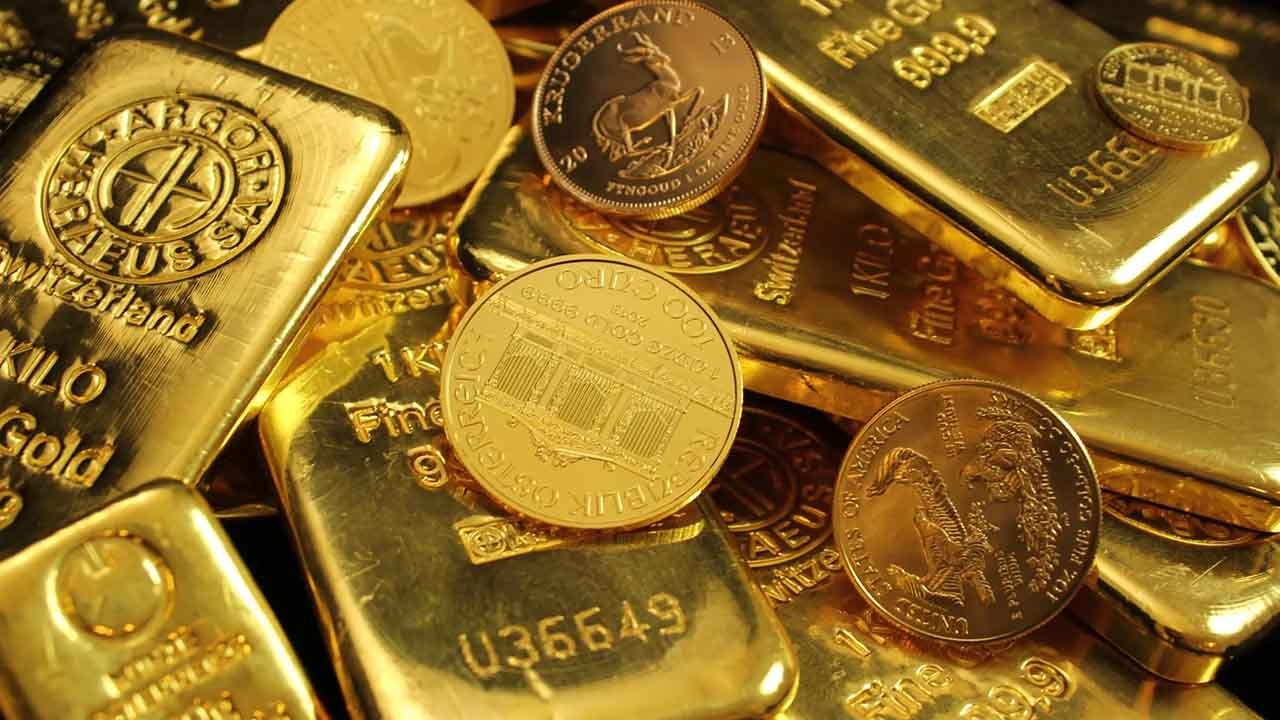
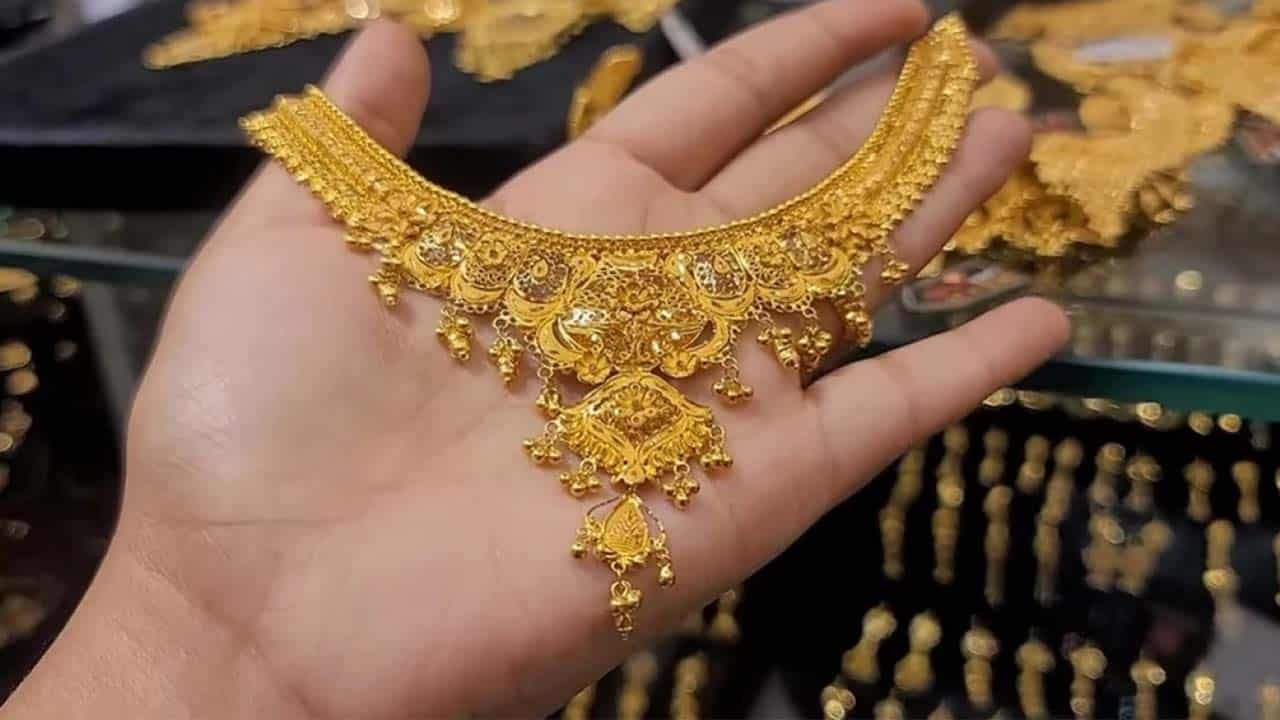
    Gold prices in Pakistan saw a downturn on Friday, marking a loss of Rs600 for 24-karat gold, now priced at Rs245,000 per tola. Notably, this adjustment places the current price at a significant Rs4,000 below its actual value.

    The Karachi Sarafa Association highlighted the rationale behind this pricing strategy, citing a noteworthy decline in purchasing power. Accordingly, the decision was made to reduce the price by Rs4,000 to better align with market dynamics.

    Last week, 24-karat gold experienced an upward trend, witnessing an increase of Rs5,500 per tola. However, the latest figures indicate a reversal in this trajectory, with the price now standing at Rs210,048 per 10-gramme, down Rs514. Similarly, the price of 22-karat gold was marked lower at Rs192,544 per 10-gramme.

    Meanwhile, silver prices remained stable in the domestic market, with 24-karat silver holding steady at Rs2,730 per tola and Rs2,340.53 per 10-gramme.

    Internationally, the spot gold market witnessed a modest increase, hovering around $2,388.8 an ounce, marking a 0.5 per cent rise for the day. This upward movement contributes to a weekly gain of 1.2 per cent for the yellow metal.

  • SBP-held foreign exchange reserves rise to $9.14 billion

    SBP-held foreign exchange reserves rise to $9.14 billion

    During the week ending May 10, 2024, the State Bank of Pakistan (SBP) reported a notable uptick in its foreign exchange reserves, marking an increase of $15.2 million or 0.17 per cent week-on-week (WoW), bringing the total to $9.14 billion.

    This data, released by the central bank on Thursday, underscores a positive trend in the country’s monetary reserves.

    Notably, the SBP did not provide specific insights into the driving factors behind this increase.

    According to a statement issued by the SBP, “During the week ending May 10, 2024, SBP reserves experienced a $15 million increment, reaching $9.14 billion.”

    Simultaneously, Pakistan’s overall reserves recorded a significant rise, climbing by $167.5 million or 1.16 per cent WoW to $14.63 billion.

    This increase encompasses reserves held by commercial banks as well, which surged by $152.3 million or 2.85 per cent WoW to reach $5.49 billion.

    Examining the broader fiscal landscape, the current fiscal year has witnessed a substantial uptick in total liquid foreign reserves, surging by $5.47 billion or 59.68 per cent. Moreover, the ongoing calendar year has seen a notable increase of $1.95 billion or 15.41 per cent.

    This surge in reserves reflects positively on Pakistan’s economic stability and its ability to manage external financial obligations, contributing to investor confidence and fostering a favorable environment for economic growth.

  • Gold price increases by Rs1,600 to Rs245,600 per tola

    Gold price increases by Rs1,600 to Rs245,600 per tola

    Gold prices in Pakistan continued their upward trend on Thursday, mirroring the surge in the global market rates.

    According to the latest data from the All Pakistan Gems and Jewellers Sarafa Association (APGJSA), the price of gold per tola reached Rs245,600, marking a notable increase of Rs1,600 within a single day.

    Similarly, the 10-gramme gold rate climbed to Rs210,562, reflecting a rise of Rs1,371.

    The international gold rate also experienced an upswing on Thursday, as reported by APGJSA. It reached $2,390 per ounce, with an additional premium of $20, following a $25 increment throughout the day.

    In parallel, silver prices witnessed a hike, settling at Rs2,730 per tola after an uptick of Rs80.

    This surge in gold and silver prices comes after a recent record high last month, where gold soared to Rs252,200 per tola in the domestic market. Notably, just the previous day, gold prices in Pakistan had risen by Rs2,900 per tola.

    The continuous rise in precious metal prices both domestically and internationally underscores the ongoing volatility in the global economic landscape, influencing investment patterns and consumer sentiments in Pakistan’s bullion market.

  • Return rate adjustments implemented for National Savings Schemes

    Return rate adjustments implemented for National Savings Schemes

    The Central Directorate of National Savings (CDNS) has implemented adjustments in the rates of return across several National Savings Schemes, marking the fifth revision in the past five months.

    According to Topline Securities, notable alterations include a reduction in rates for the Special Savings Certificates (SSC), which now stand at 15.70 per cent, down by 10 basis points (bps) from the previous 15.8 per cent.

    Similarly, the Regular Income Certificates (RIC) will yield a return of 14.64 per cent, reflecting a decrease of 12 bps from the prior 14.76 per cent.

    Conversely, rates for Bahbood Savings Certificates (BSC), Pensioners Benefit Account (PBA), and Shuhada Family Welfare Account (SFWA) have been adjusted to 15.36 per cent, following a decrease of 24 bps.

    Meanwhile, the Defence Savings Certificate saw a minor decrease of 1 bps, now offering a return of 14.39 per cent.

    In contrast, Short Term Savings Certificates (STSC) experienced an increase of 24 bps, with rates elevated to 19.24 per cent.

    Additionally, the Sarwa Islamic Term Account (SITA) will provide a return of 19.1 per cent, marking a significant increase of 56 bps.

    The profit rates for Saving Account and Sarwa Islamic Saving Account (SISA) remain steady at 20.5 per cent each.

    These adjustments, effective from May 14, 2024, indicate a strategic move by CDNS to align returns with prevailing market conditions and investment dynamics.

  • Gold price declines to Rs241,100 per tola in Pakistan

    Gold price declines to Rs241,100 per tola in Pakistan

    Gold prices in Pakistan experienced a decline on Tuesday, with 24-karat gold witnessing a drop of Rs1,200 to reach Rs241,100 per tola.

    Notably, this price is maintained Rs3,000 lower than its actual value today.

    The association overseeing these fluctuations attributed this adjustment to the substantial decrease in purchasing power, opting to keep the price Rs3,000 below its actual cost.

    Contrastingly, in the previous week, 24-karat gold had observed an increase of Rs5,500 per tola.

    According to the Karachi Sarafa Association, the current price of 24-karat gold stands at Rs207,733 per 10 grammes, marking a decrease of Rs943.

    Similarly, the price of 22-karat gold has been quoted at Rs189,479 per 10 grammes, depicting a downward trend.

    Internationally, the spot gold market showed resilience, hovering around $2,338.4 an ounce, following a 1% decline observed yesterday.

    Meanwhile, silver prices remained stable in the domestic market, with 24-karat silver being traded at Rs2,650 per tola and Rs2,271.94 per 10 grammes.

  • Govt may reduce petrol price by over Rs12 per litre this week

    Govt may reduce petrol price by over Rs12 per litre this week

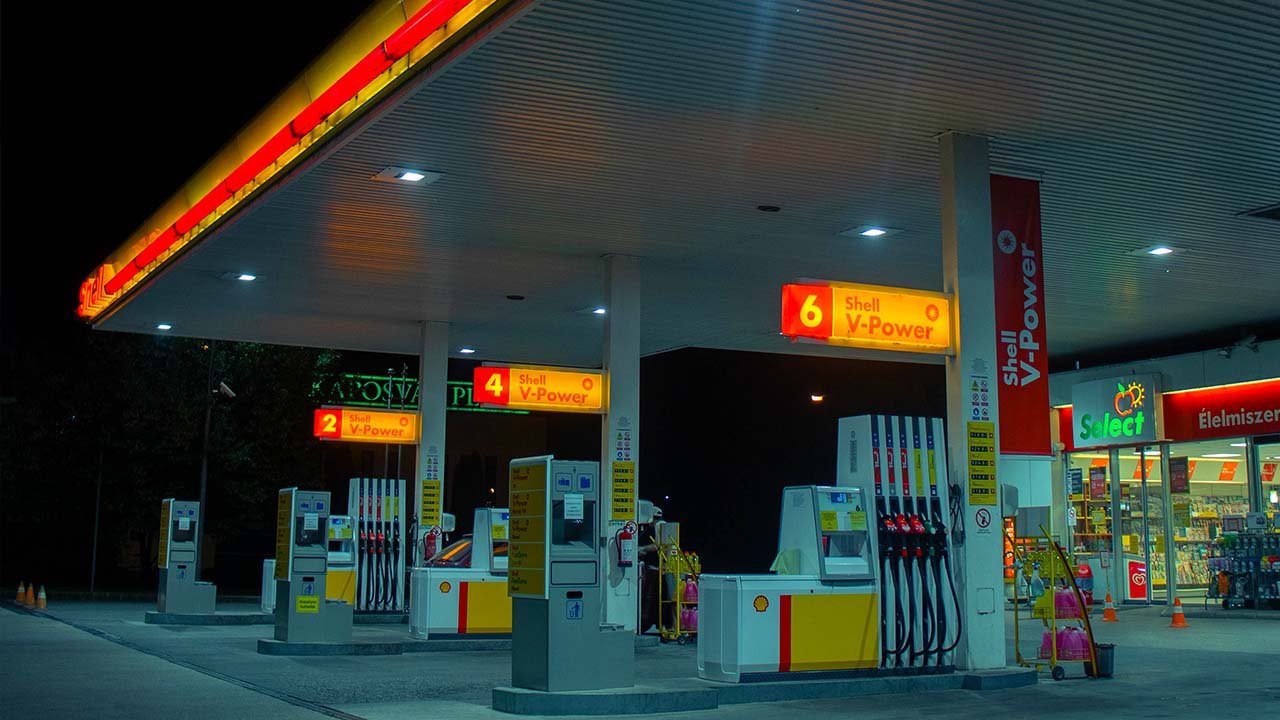
    The government is poised to enact a significant reduction in petrol prices by approximately Rs12.8 per litre for the latter half of May 2024, aligning with the downward trend in international prices.

    According to price estimates until May 13, 2024 (Monday), global petroleum product prices have experienced a notable decline compared to the previous fortnight.

    This reduction will be in addition to the Rs5.45 decrease implemented in the preceding fortnight, when the government adjusted the price to Rs288.49 per litre.

    Furthermore, there is an expectation that the government will also lower the price of high-speed diesel (HSD) by approximately Rs8.3 per litre due to a corresponding decline in its international price.

    In the previous fortnight, the government had reduced the price of High-Speed Diesel (HSD) by Rs8.42 to Rs281.96 per litre.

    Despite fluctuations in global markets, the local currency has maintained relative stability against the USD since the last pricing adjustment, with a weighted average rate hovering around PKR 278.2 per USD.

    It’s noteworthy that three pricing sessions remain before the next update, indicating that the final prices will be contingent on further global market movements and the exchange rate.

    The government is scheduled to unveil the new prices at midnight on May 15, 2024, and these adjustments will remain effective for the second half of May.

  • IMF bailout talks with Pakistan set to commence this week

    IMF bailout talks with Pakistan set to commence this week

    The International Monetary Fund (IMF) is poised to initiate crucial discussions with Pakistan this week.

    Esther Perez Ruiz, the IMF representative, confirmed that a delegation, led by Nathan Porter, will embark on talks with Pakistani authorities to delve into the prospects of a new loan programme.

    The primary agenda of these discussions will revolve around forging a robust governance framework aimed at fostering enduring economic stability.

    Ruiz said that the focus will be on fostering sustainable and inclusive economic growth that extends its benefits to all segments of the Pakistani populace.

    Technical experts from the IMF arrived in Pakistan on May 10, geared up for deliberations on both a fresh loan programmeme and budgetary preparations.

    However, Pakistan finds itself grappling with significant economic hurdles, notably the setback of a tax amnesty scheme proposed by the IMF.

    The government’s pledge to incorporate 3.1 million traders into the tax net under this scheme has fallen short of expectations, casting a shadow over the Federal Board of Revenue (FBR), particularly amid recent changes in senior officials.

    These discussions come hot on the heels of Pakistan receiving the long-awaited $1.1 billion final tranche from the IMF under the $3 billion standby arrangement.

    The State Bank of Pakistan (SBP) confirmed the receipt of Special Drawing Rights (SDR) 828 million, equivalent to $1.1 billion, following the successful completion of the second review by the IMF Executive Board under the Stand By Arrangement (SBA).

    With an eye towards the future, Pakistan is aiming for a new, more substantial IMF loan over an extended period.

    Finance Minister Muhammad Aurangzeb has hinted at the possibility of securing a staff-level agreement on the new programme by early July.

    The proposed loan is anticipated to span at least three years, with the objective of bolstering macroeconomic stability and implementing overdue but necessary structural reforms.

    The specifics of the programme remain undisclosed, but if realised, it would mark Pakistan’s 24th IMF bailout.

  • IMF urges gas sector reforms to curb circular debt

    IMF urges gas sector reforms to curb circular debt

    The International Monetary Fund (IMF) highlighted the significance of prompt gas tariff determinations and notifications, crucial in curbing the escalating gas circular debt, while safeguarding vulnerable households.

    Stressing the necessity of adhering to the mandated 40-day window, the IMF underscored the urgency to initiate these measures commencing with the June 2024 semiannual adjustment.

    In its latest report, the IMF conducted its second and final review within the stand-by arrangement framework, released on Friday.

    It noted a slight decrease in natural gas circular debt to Rs2,083 billion (equivalent to 2.0 per cent of GDP) as of January 2024, attributing this decline to the resumption of gas tariff adjustments, albeit with some delay, aligned with cost recovery objectives.

    The Fund recommended a continued trajectory towards eliminating captive power usage, advocating for the prioritization of cheaper natural gas for the most efficient power plants.

    Additionally, it proposed efforts to standardize gas prices for all fertilizer companies, aligning with plans to implement a weighted average cost of gas (WACOG) across Pakistan, ensuring uniformity while facilitating cost recovery.

    Acknowledging Pakistan’s recent 24 per cent gas tariff increase on February 15, the report highlighted its progressive rate structure protecting residential consumers, while enhancing and equalizing prices for fertilizer companies.

    Furthermore, it recognized Pakistan’s adherence to the Structural Benchmarks (SBs) concerning the notification of the semiannual gas tariff adjustment.

    The report also shed light on the increasing prominence of Regasified Liquefied Natural Gas (RLNG) within Pakistan’s gas mix, driven by dwindling natural gas supplies exacerbated by years of under-pricing.

    Consequently, RLNG has been diverted to domestic users at subsidized rates, underscoring the complexity of the gas sector dynamics.

  • PIA to resume direct flights to Paris in June

    PIA to resume direct flights to Paris in June

    Pakistan International Airlines (PIA) is set to resume its flight operations to Paris in June, marking a significant step forward for the national carrier.

    In an address to a delegation from the Council of Economic and Energy Journalists in Islamabad, PIA Chairman Abdullah Hafiz unveiled the anticipated receipt of safety approval from the International Aviation Safety Assessment (IASA) in the imminent future.

    “With the imminent clearance from IASA, we are poised to launch flights to Paris by June, followed by the reinstatement of direct flights from Pakistan to Britain’s Heathrow Airport on August 14,” stated Hafiz with assurance.

    In anticipation of these pivotal routes, PIA has intensified its efforts in the maintenance and overhaul of its Boeing 777 aircraft fleet.

    Presently, seven Boeing 777 aircraft are operational, with an additional two expected to join the fleet within the next two months.

    This expansion will equip PIA with a total of nine Boeing 777 planes, facilitating efficient flight operations to both Europe and Britain.

    Highlighting Pakistan’s global aviation connectivity, Chairman Hafiz underscored that the country boasts air service agreements with 97 nations worldwide.

    The European Union Aviation Safety Agency (EASA) had imposed a flight ban on PIA following a tragic plane crash in Karachi in May 2020, which claimed 97 lives.

    Subsequent investigations uncovered discrepancies in the licensing procedures for commercial pilots.

    It is noteworthy that in November 2023, a delegation from EASA conducted a comprehensive evaluation of Pakistan’s Civil Aviation Authority (CAA) and PIA, assessing various aspects such as licensing, flight safety, flight standards, and airworthiness.