Category: Business

The most important business news, explained in a young, easy to understand way. News that affects young career professionals.

  • Weekly inflation drops 1.39% as onion and chicken prices ease

    Weekly inflation drops 1.39% as onion and chicken prices ease

    The latest report from the Pakistan Bureau of Statistics (PBS) reveals that the Weekly Sensitive Price Indicator (SPI) for the Combined Group dropped by 1.39 per cent week-on-week for the period ending May 09, 2024.

    However, when compared to the same period last year, the SPI has risen by 22.32 per cent.

    The Combined Index, which measures price changes for essential items, stood at 312.56 at the end of the week, down from 316.95 the previous week. A year ago, the index was at 255.53.

    Among the 51 items tracked by the SPI, 12 (23.53 per cent) showed price increases, 13 (25.49 per cent) saw price decreases, and 26 (50.98 per cent) remained stable.

    Notable price decreases during the week included onions, which dropped by 19.22 per cent, chicken by 18.83 per cent, wheat flour by 4.00 per cent, LPG by 3.67 per cent, and wheat by 3.49 per cent.

    In contrast, the most significant price increases were recorded for tomatoes, which rose by 19.24 per cent, eggs by 4.73 per cent, potatoes by 4.38 per cent, pulse gram by 0.91 per cent, and cooking oil (5-litre packs) by 0.89 per cent.

    The SPI’s weekly percentage change by income groups indicates that all income brackets experienced a decline in the SPI, ranging from -0.99 per cent to -1.53 per cent.

    The lowest income group saw a drop of 0.99 per cent, while the highest income group experienced a more significant decrease of 1.53 per cent.

    However, over the year, the SPI has increased across all income groups, with the percentage change varying between 15.95 per cent and 25.88 per cent.

    The lowest income group recorded a 15.95 per cent increase, while the highest income group saw a rise of 19.99 per cent.

    In other market trends, the average price for a 50 kg bag of Sona urea stood at Rs4,836, which is 1.80 per cent lower than the previous week but 57.36 per cent higher than a year earlier.

    Meanwhile, the average price for a 50 kg bag of cement was Rs1,204, showing a slight decrease of 0.95 per cent from the previous week, but still 7.58 per cent higher than the corresponding period last year.

  • Gold price surges by Rs4,600 to Rs243,800 per tola

    Gold price surges by Rs4,600 to Rs243,800 per tola

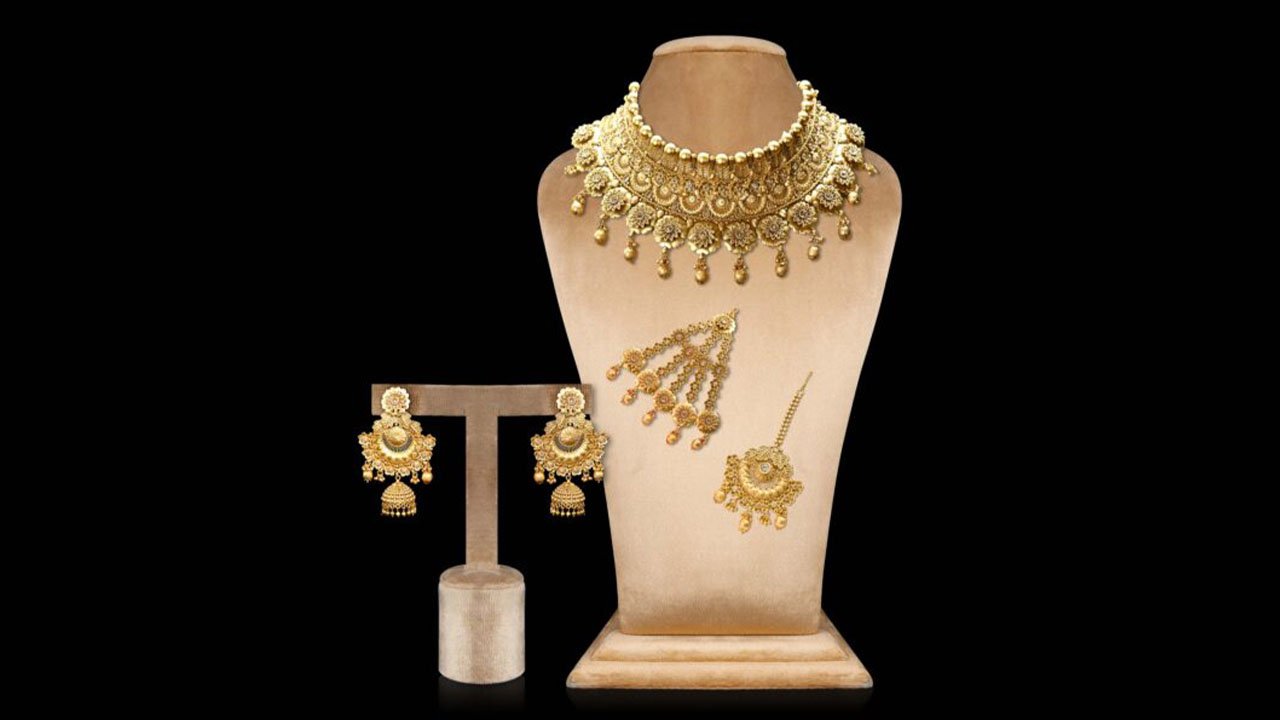
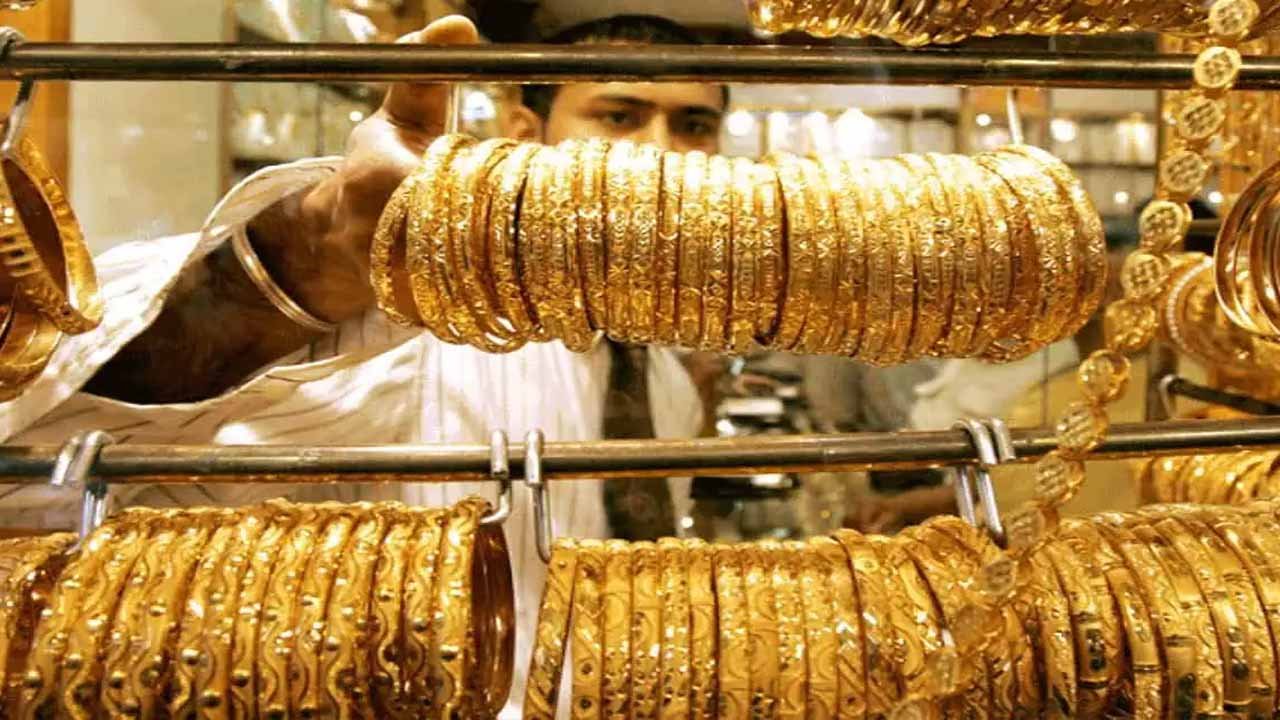
    Gold prices in Pakistan experienced a substantial rise on Friday, reflecting a similar surge in the international market. The price of 24-karat gold increased by Rs4,600, bringing the cost to Rs243,800 per tola.

    Despite the sharp increase, the Karachi Sarafa Association has kept the price Rs3,000 below its actual cost.

    According to the association, this decision was made to accommodate the reduced purchasing power among consumers.

    “In view of the significant reduction in purchasing power, the price of gold today has been kept under cost by Rs3,000,” stated a spokesperson for the association.

    In recent weeks, the price of 24-karat gold has shown considerable fluctuations. Last week, it dropped by Rs6,400 per tola, leading to a cumulative loss of Rs14,200 per tola or 5.63 per cent over the past two weeks.

    Alongside the increase in 24-karat gold prices, other precious metals also experienced a boost.

    The Karachi Sarafa Association reported the price of 24-karat gold at Rs209,019 per 10-gramme, marking a gain of Rs3,944. Similarly, the price of 22-karat gold rose to Rs191,601 per 10-gramme.

    Silver prices followed the upward trend, with 24-karat silver priced at Rs2,650 per tola, up by Rs30. The price for 10-gramme 24-karat silver also rose, reaching Rs2,271.94, a gain of Rs25.72.

  • PSX surges to record high as KSE-100 closes above 73,000 points

    PSX surges to record high as KSE-100 closes above 73,000 points

    After a series of subdued sessions, the Pakistan Stock Exchange (PSX) saw a resurgence of buying on Friday, propelling its benchmark KSE-100 index above the 73,000 mark for the first time in history.

    The positive momentum reflected renewed investor confidence amid signs of economic stability.

    The KSE-100 index opened on a bullish note, reaching an intra-day high of 73,449.37 before settling at 73,085.50, a gain of 427.45 points or 0.59 per cent by the close of trading.

    Despite some sporadic selling during the day, the bulls largely controlled the market, resulting in a robust session.

    Industries driving the surge

    Key sectors that drove the surge included cement, chemical, oil and gas exploration companies, and oil marketing companies (OMCs). Index-heavy stocks such as Lucky Cement (LUCK), Oil and Gas Development Company (OGDC), Pakistan Petroleum Limited (PPL), Pakistan State Oil (PSO), Sui Northern Gas Pipelines Limited (SNGPL), and Sui Southern Gas Company (SSGC) closed in the green, contributing significantly to the overall upward trend.

    Market experts attribute the surge to a combination of improved economic indicators and investor expectations.

    Pakistan’s foreign exchange reserves and remittances have shown positive growth, suggesting a stabilising economy.

    Additionally, there is anticipation of a potential policy rate cut in the upcoming Monetary Policy Committee (MPC) meeting on June 10, following a recent decline in the inflation rate.

    On Thursday, the KSE-100 index had a marginal increase in a largely range-bound session, closing at 72,658.05, a gain of 56.24 points, or 0.08 per cent.

    The strong close on Friday underscores a more optimistic outlook for the market as investors continue to monitor key economic developments and policy changes.

  • Sazgar reports 3x increase in auto rickshaw sales

    Sazgar reports 3x increase in auto rickshaw sales

    Sazgar Engineering Works Limited, a prominent manufacturer of CNG 4-Stroke Auto Rickshaws and Automotive Wheel Rims, reported a significant increase in sales of its auto rickshaws for April 2024.

    According to a company filing with the Pakistan Stock Exchange (PSX), Sazgar sold 1,212 auto rickshaws in April 2024, almost three times the sales of the same month last year, when it sold 406 units.

    On the production front, Sazgar’s output of auto rickshaws also saw a substantial surge.

    The company produced 1,140 units in April 2024, a remarkable increase from the 244 units manufactured in April 2023. This 4.67-fold year-on-year increase showcases the company’s strong production capacity.

    However, a month-on-month comparison shows a slight decline in sales and production. Auto rickshaw sales fell by 9.62 per cent from March 2024, when the company sold 1,341 units. Similarly, production dropped by 26.5 per cent compared to the 1,551 units produced in March 2024.

    Despite this monthly fluctuation, the company’s four-wheel vehicle segment performed well in April 2024.

    Sazgar sold 551 four-wheel off-road and passenger vehicles, which is 9.11 per cent higher than the 505 units sold in March 2024. Production for four-wheel vehicles also increased, with 574 units produced in April, compared to 531 units in March.

    Overall, Sazgar Engineering Works Limited’s robust year-on-year growth in auto rickshaw sales and production demonstrates the company’s resilience and capacity for expansion, despite some month-to-month variability.

  • Punjab govt announces balloting date for e-bike scheme

    Punjab govt announces balloting date for e-bike scheme

    The Punjab government has set May 10 as the balloting date for the Punjab e-bike Scheme, a project designed to provide 20,000 motorcycles to deserving students.

    The announcement was made during a meeting chaired by Punjab Minister for Transport Bilal Akbar Khan, which focused on evaluating the scheme’s progress.

    The project, launched by Chief Minister (CM) Maryam Nawaz on April 12 under the Chief Minister Youth Initiative, has garnered significant interest from students.

    The number of applications has exceeded 100,000, indicating a high level of enthusiasm for the scheme. The balloting process will select 20,000 recipients from this pool.

    The Punjab e-bike Scheme offers students the opportunity to acquire motorcycles and e-bikes through a manageable monthly installment plan.

    Male students will be able to purchase bikes with payments of Rs11,676 per month, while female students can do so for Rs7,325 per month.

    The scheme also has a quota system to ensure fair distribution. In urban areas, the quota is evenly split, with 50 per cent reserved for male students and 50 per cent for female students.

    In rural areas, the allocation is different, with 70 per cent of the quota set aside for male students and 30 per cent for female students.

    To promote equitable distribution in Lahore, motorcycles will be allotted based on the population density of each district.

  • NEPRA approves power tariff increase of Rs2.8372 per unit

    NEPRA approves power tariff increase of Rs2.8372 per unit

    In a recent announcement, the National Electric Power Regulatory Authority (NEPRA) has approved a tariff increase of Rs2.8372 per kilowatt-hour (kWh) for all ex-Wapda distribution companies (XWDISCOs).

    This adjustment, reflected in a notification issued by NEPRA, is a result of fluctuations in fuel charges observed during March 2024.

    The tariff adjustment will be applied to consumer bills based on the units billed in March 2024. This increase will be listed separately in consumer billing statements to reflect the additional cost due to fuel charge variations.

    However, NEPRA clarified that this adjustment will not apply to certain categories of consumers, including Electric Vehicle Charging Stations (EVCS) and lifeline consumers, who benefit from lower electricity rates.

    This development follows a request made last month by the Central Power Purchasing Agency (CPPA), a subsidiary of the Power Division, which proposed an additional fuel charge of Rs2.94 per unit to cover the higher costs experienced in March 2024.

    The CPPA reported that the actual fuel cost for the month stood at Rs9.3819/kWh, significantly higher than the reference fuel cost component of Rs6.4417/kWh, leading to the proposed increase.

    After reviewing the CPPA’s request and the associated fuel cost variations, NEPRA concluded that an increase of Rs2.8372/kWh in the national average uniform tariff was justified.

    This adjustment is intended to balance the higher fuel costs incurred in March and ensure that the tariff structure remains aligned with the cost of energy production.

    Consumers are advised to review their electricity bills for March 2024 to understand how this adjustment will impact their total energy costs.

  • Pakistan’s debt climbs by Rs276.55 billion to Rs4.78 trillion

    Pakistan’s debt climbs by Rs276.55 billion to Rs4.78 trillion

    Pakistan’s government incurred an additional debt of Rs276.55 billion during the week ending April 26, 2024, according to the State Bank of Pakistan’s weekly report.

    This brings the total net borrowing for the current fiscal year to a staggering Rs4.78 trillion, underscoring a trend of elevated borrowings compared to previous years.

    The government sector’s borrowings are categorised into three main segments: budgetary support, commodity operations, and others.

    During the latest week, the bulk of the borrowing went towards budgetary support, which accounted for Rs230.84 billion.

    Meanwhile, commodity operations contributed Rs45.76 billion to the debt increase, while the “others” category saw a retirement of Rs54.82 million.

    Looking at the cumulative figures for the ongoing fiscal year, budgetary support borrowings have now reached Rs5.07 trillion, with commodity operations showing a net retirement of Rs283.57 billion, and others indicating a net retirement of Rs2.64 billion.

    The government’s financing primarily comes from two sources: the State Bank of Pakistan (SBP) and scheduled banks.

    This fiscal year, the government has paid off a net sum of Rs735.22 billion to the SBP, with the Federal Government contributing Rs425.15 billion to the total.

    Provincial governments collectively retired Rs294.54 billion, while the governments of Azad Jammu and Kashmir (AJK) and Gilgit-Baltistan (GB) retired Rs17.89 billion and borrowed Rs2.36 billion, respectively.

    In contrast, scheduled banks have lent out a net total of Rs5.8 trillion. Of this amount, the federal government borrowed Rs5.96 trillion, while the provincial governments retired Rs159.99 billion.

    These figures point to the government’s continued reliance on borrowing to manage fiscal operations.

    Analysts are concerned about the sustainability of this trend, suggesting that it could pose risks to the country’s economic stability if not carefully managed.

  • Gold price drops by Rs800 to Rs239,200 per tola

    Gold price drops by Rs800 to Rs239,200 per tola

    Gold prices in Pakistan continued their downward trend on Wednesday, with 24-karat gold losing Rs800 per tola and settling at Rs239,200.

    This drop follows a significant decline over the past two weeks, during which the price of 24-karat gold fell by Rs6,400 last week, bringing the total decrease to Rs14,200 per tola, a cumulative reduction of 5.63 per cent.

    According to the Karachi Sarafa Association, the price of 24-karat gold for 10 grammes dropped to Rs205,075, a decrease of Rs686 from the previous day. The price of 22-karat gold also decreased, with the 10-gramme rate quoted at Rs187,986.

    In contrast, silver prices remained steady in the domestic market. The price of 24-karat silver was unchanged at Rs2,620 per tola and Rs2,254.8 per 10-gramme.

    In the global market, spot gold continued to show weakness. It was trading near $2,311.76 an ounce, a decrease of 0.10 per cent compared to the previous close. This international dip contributed to the downward pressure on domestic gold prices.

    The recent declines in gold prices in Pakistan reflect broader trends in the international market, influenced by factors such as currency fluctuations, changes in demand, and global economic uncertainty.

    As a result, investors and consumers are keeping a close eye on these trends, watching for signs of further volatility or stability in the precious metals market.

  • Govt plans to increase retirement age to reduce pension spending

    Govt plans to increase retirement age to reduce pension spending

    Finance Minister Muhammad Aurangzeb has announced that the government is set to introduce pension reforms as part of a broader strategy to implement structural changes ahead of signing a new agreement with the International Monetary Fund (IMF).

    The proposed reforms aim to bring pension expenses under control and extend the retirement age, reflecting a shift in societal perceptions about aging.

    Speaking at a joint press conference alongside Federal Law Minister Azam Nazir Tarar and Information Minister Atta Tarar, Aurangzeb highlighted the need to manage growing pension costs.

    He suggested that raising the retirement age is a key component of the reforms.

    “Age is now just a number. 60 is the new 40,” Aurangzeb remarked, pointing out that many individuals remain productive well into their 60s.

    He cited his previous role as CEO of Habib Bank Limited (HBL), where the retirement age was increased from 60 to 65, illustrating the benefits of extended career longevity.

    To address the rising pension expenditures, Aurangzeb stated that changes to the civil service structure are needed.

    In the fiscal year 2023-24, Pakistan allocated Rs801 billion for superannuation allowances and pensions, representing a 31 per cent increase from the previous fiscal year’s allocation of Rs609 billion.

    Federal Law Minister Azam Nazir Tarar noted that implementing pension reforms would require legislation, as it impacts a wide range of sectors, including civil servants, armed forces, judicial organs, and executive branches.

    Tarar added that a committee has been established under the chairmanship of the finance minister to propose recommendations for pension reforms. “The recommendations, when finalised, will be shared with the public,” he assured.

    In other news, Aurangzeb discussed the recent visit by a Saudi delegation to Pakistan, which he described as a “confidence booster.”

    The discussions with the Saudi delegation were positive, reinforcing the country’s commitment to moving in the right direction.

    Looking ahead, Aurangzeb announced that the IMF mission would arrive in Pakistan this month for key talks on structural reforms.

    These discussions will focus on several crucial areas, including increasing the tax-to-GDP ratio from the current 9 per cent to a more sustainable 13-14 per cent, reforming the energy sector, and privatising State-Owned Enterprises (SOEs).

    The finance minister also highlighted the need to reduce non-development expenditure and commended the Sindh government’s Public-Private-Partnership model as a successful strategy that could be replicated at the federal level.

  • Gold price surges above Rs240,000 per tola

    Gold price surges above Rs240,000 per tola

    Gold prices in Pakistan experienced a rebound on Monday, following a steady decline over the past six trading sessions.

    This resurgence came as the international gold market saw a rise in prices. In the local market, the price of gold per tola surged by Rs2,500, reaching Rs240,500.

    Similarly, the price for 10 grammes of gold rose by Rs2,143, settling at Rs206,190, according to the All Pakistan Gems and Jewellers Sarafa Association (APGJSA).

    The international gold market also recorded gains on Monday. According to APGJSA, the international gold price stood at $2,322 per ounce, with a premium of $20, after an increase of $21 during the day.

    This marked a turnaround from the downward trend that had been observed in recent days.

    In contrast, silver prices remained stable, with the rate for silver per tola steady at Rs2,620.

    Saturday saw a dip in local gold prices, with a decrease of Rs1,600 per tola.

    The recent rebound offers some relief to investors and jewellery buyers following a week-long decline, which saw gold prices drop by a total of Rs7,000 per tola over six consecutive sessions.

    It’s worth noting that just last month, gold prices in Pakistan reached a record high, with the cost per tola hitting Rs252,200.

    The recent fluctuations in gold prices underscore the volatility of the precious metals market and highlight the impact of international trends on local rates.