Category: Business

The most important business news, explained in a young, easy to understand way. News that affects young career professionals.

  • Travellers suffer as transporters jack up prices before Eid

    Travellers suffer as transporters jack up prices before Eid

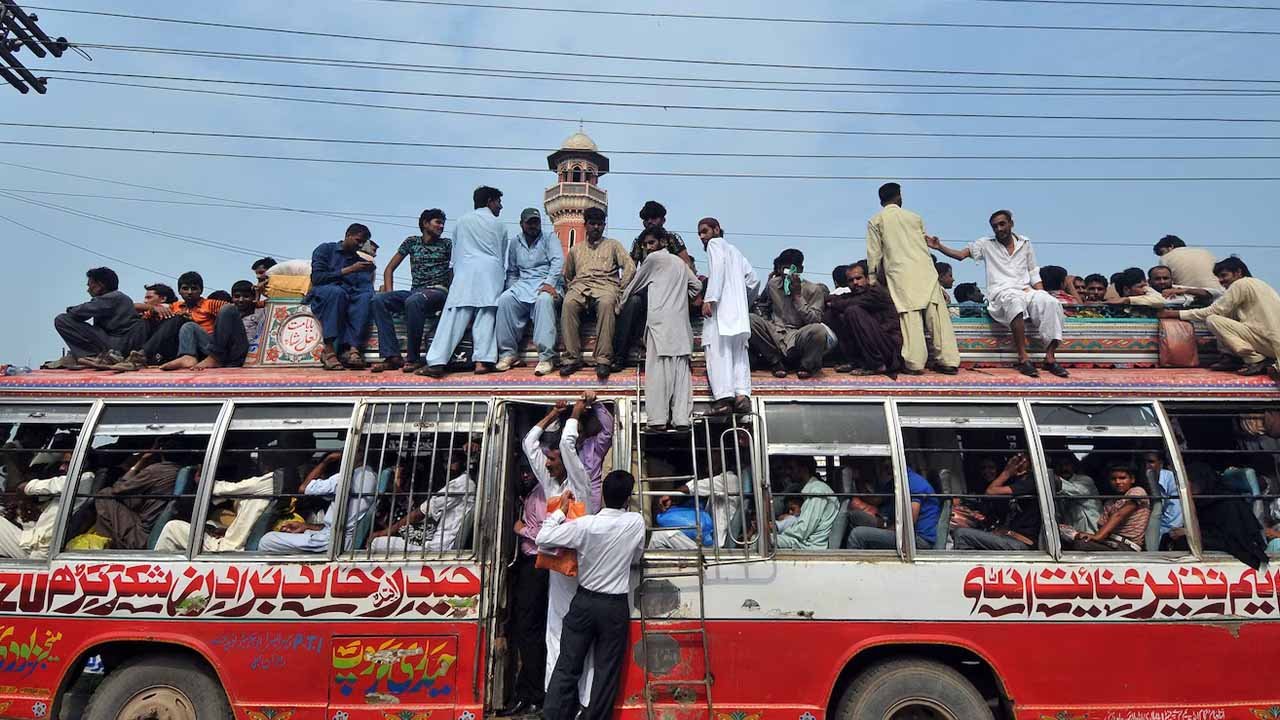
    The recent spike in petroleum prices has triggered a transportation crisis as transporters exploit passengers by hiking fares.

    With Eidul Fitr set for April 10, families are flocking to their hometowns, crowding terminals and the Rawalpindi Railway Station.

    The government’s decision to raise petroleum prices has made long-distance travel challenging for the public.

    Transporters, citing increased fuel costs, have raised fares by 30 to 40 per cent, with some even doubling the usual rates. Despite this, authorities appear indifferent to commuters’ plight.

    Secretary of the District Regional Transport Authority (DRTA), Muhammad Rashid, promises action to curb overcharging during Eid. He pledges strict measures, including fines and vehicle confiscation, and personally oversees terminals to enforce regulations.

    Many families express frustration with the timing of the official Eid holidays, urging for an earlier start to aid travel plans.

    Consequently, a significant number of non-local residents have already left, with more planning to depart by ‘Chand Raat.’ Concerns about overcrowded transportation hubs persist, especially at Rawalpindi Railway Station.

    To avoid anticipated congestion, many office-goers have sent their families ahead. Rashid Mehmood, bound for Lahore, recounts past experiences of exploitation by private transporters during festivals.

    Crowds gather at various terminals, eager to secure tickets for their journeys. However, irregularities in ticket sales emerge, with allegations of seat hoarding and ticket reselling at inflated prices.

    Further complaints arise about the lack of available vehicles despite valid tickets, highlighting systemic failures in managing overcharging and overloading concerns.

    As Eid approaches, addressing these issues becomes urgent, emphasising the need for swift regulatory measures to protect travellers’ rights and ensure fair access to transportation services.
  • UN survey forecasts modest growth for Pakistan’s GDP amid inflation projections

    UN survey forecasts modest growth for Pakistan’s GDP amid inflation projections

    Pakistan is projected to experience a real GDP growth rate of 2 per cent in 2024, with a slight increase to 2.3 per cent expected in 2025, according to a United Nations economic survey.

    The survey, titled ‘Economic and Social Survey of Asia and the Pacific 2024: Boosting Affordable and Longer-term Financing for Governments,’ released on Thursday, also forecasts a decrease in the inflation rate from 26 per cent to 12.2 per cent in the same period.

    The report highlights the challenges faced by Pakistan’s economy in 2023, citing political unrest and a significant flood that disrupted agricultural production.

    To address fiscal pressures, Pakistan, along with Sri Lanka, sought external assistance from the International Monetary Fund (IMF), with additional support from bilateral partners such as China, Saudi Arabia, and the United Arab Emirates.

    Both countries are implementing fiscal adjustments, including debt restructuring in Sri Lanka and subsidy removal in Pakistan’s power sector.

    Despite moderate tax gaps in Bangladesh, Pakistan, and Sri Lanka, the report suggests that improving tax policies and administration alone may not suffice to bridge development financing gaps, emphasising the need for broader improvements in socioeconomic development and public governance.

    The macroeconomic conditions in the developing Asia-Pacific region remain challenging, with a disparity in economic growth among different economies.

    While some larger economies experienced a rebound in economic growth, others saw only moderate growth in 2023. Pakistan’s GDP growth rate for the second quarter of fiscal year 2023–24 stood at a modest 1 per cent, below earlier projections ranging from 2–3 per cent.

  • Pakistan anticipates final IMF tranche approval in late April

    Pakistan anticipates final IMF tranche approval in late April

    The International Monetary Fund (IMF) announced that its Executive Board meeting, anticipated for late April, is crucial for approving Pakistan’s final tranche of approximately $1.1 billion (SDR 828 million). 

    This sum represents the last portion of the $3-billion Stand-By Arrangement (SBA) initiated in June of the previous year.

    Julie Kozack, IMF Communication Director, revealed this information during a media briefing, highlighting the significance of the staff-level agreement reached on March 19 between IMF staff and Pakistani authorities. 

    This agreement, subject to approval by the IMF’s Executive Board, acknowledges Pakistan’s strong program implementation by the State Bank of Pakistan (SBP) and the interim government, as well as the new government’s commitment to ongoing policy and reform endeavors aimed at transitioning Pakistan from stabilisation to robust, sustainable recovery.

    Kozack emphasised the improvement in Pakistan’s economic and financial position since the completion of the first review, with growth and confidence steadily rebounding. 

    Looking ahead, she mentioned the possibility of a successor IMF-supported program to address Pakistan’s fiscal and external stability challenges and foster inclusive growth, indicating the IMF’s readiness to engage in discussions with Pakistani authorities.

    Meanwhile, Pakistan’s foreign exchange reserves witnessed a modest increase, reaching $8.04 billion as of March 29, although still considered low for an import-dependent economy, raising concerns about potential future pressure. 

    Finance Minister Muhammad Aurganzeb has acknowledged the need for another IMF bailout, with discussions slated for the upcoming Spring meetings of the Board of Governors of the World Bank Group and IMF scheduled for April 15-20, 2024, in Washington DC, where Aurangzeb is expected to lead Pakistan’s delegation.

  • SBP’s foreign exchange reserves rise by $18.5 million

    SBP’s foreign exchange reserves rise by $18.5 million

    The State Bank of Pakistan (SBP) saw an increase in its foreign exchange reserves, rising by $18.5 million or 0.23 per cent week over week (WoW), reaching $8.04 billion by the week ending March 29, 2024, according to the latest data released by the central bank on Thursday.

    However, the country’s overall reserves took a dip, decreasing by $48.7 million, or 0.36 per cent of WoW, and settling at $13.38 billion. 

    This decline is attributed to a drop in reserves held by commercial banks, which fell by $67.2 million, or 1.24 per cent of WoW, reaching $5.34 billion.

    It’s important to note that in the current fiscal year, total liquid foreign reserves have increased by $4.22 billion, or 46.06 per cent. 

    Additionally, the ongoing calendar year has seen an increase of $0.71 billion, or 5.57 per cent.

  • Gold rates in Pakistan edge closer to historic high

    Gold rates in Pakistan edge closer to historic high

    The price of domestic gold is swiftly climbing, inching closer to its historic peak, with 24-karat gold now standing at Rs238,900 per tola, marking an increase of Rs1,800 in a single day.

    Back in June 2023, the pinnacle of gold prices saw 24-karat gold reaching Rs240,000, making the current rate just Rs1,100 short of that milestone.

    March witnessed a notable surge in the price of gold, with the precious metal gaining a significant Rs19,100, mirroring the upward trend in international gold rates.

    According to the Karachi Sarafa Association, the price of 24-karat gold stands at Rs204,818 per 10 grams, marking an increase of Rs1,543 from the previous session. Meanwhile, 22-karat gold is quoted at Rs187,750 per 10 grams.

    International gold rates are on the rise, fueled by escalating tensions in the Middle East and growing expectations for an imminent rate cut by the US Federal Reserve.

    In yesterday’s trading session, spot gold closed at an unprecedented high of $2,280.82. Daniel Ghali, commodity strategist at TD Securities, attributed this surge to the inflow of safe-haven demand triggered by Israeli strikes on Iran’s embassy in Syria, as reported by Reuters.

    Ghali further noted that the recent spike in gold prices may also be influenced by short covering activities among family offices and proprietary trading shops.

  • PSX hits new high amid optimistic economic trends

    PSX hits new high amid optimistic economic trends

    The Pakistan Stock Exchange (PSX) soared to yet another record high on Wednesday, buoyed by positive economic indicators.

    A decrease in inflation sparked expectations of monetary easing, seen as a significant boost to commercial activity and, consequently, corporate earnings.

    Closing at 67,756.03 points, the benchmark KSE-100 index surged by a substantial 869.77 points or 1.30 per cent.

    Investors were particularly drawn to the cyclical sector, with significant investments flowing into cement and steel companies.

    This interest was largely fueled by reports indicating a rise in both local and international cement dispatches for March.

    However, sectors such as transport, technology, communication, and commercial banking also garnered attention from investors.

    Additionally, the government’s privatisation initiatives, particularly the proposed sale of State-Owned Enterprises (SOEs), injected optimism into the market.

    There’s a prevailing belief that these companies could experience improved profitability and efficiency under private ownership.

    Notably, on Tuesday, the Privatisation Commission initiated the process of selling off Pakistan International Airlines (PIA), inviting expressions of interest (EOIs) from potential buyers.

  • Gold price drops by Rs500 to Rs237,100 per tola

    Gold price drops by Rs500 to Rs237,100 per tola

    The local bullion market saw a downturn in its rally on Tuesday, with the price of 24-karat gold dropping by Rs500 per tola to Rs237,100.

    This decline comes after a significant increase of Rs19,100 in March, aligning with the upward trend in international gold prices.

    According to the Karachi Sarafa Association, the price of 24-karat gold stood at Rs203,275 per 10-gramme, marking a decrease of Rs429 compared to the previous session. Similarly, the price of 22-karat gold was quoted lower at Rs186,335 per 10-gramme.

    Meanwhile, silver prices remained steady, with 24-karat silver being sold at Rs2,600 per tola and Rs2,211.93 per 10-gramme.

    In the global market, international spot gold continued its upward trajectory, reaching a new peak amid moderated US inflation data.

    Gold prices surged to $2,261.03 an ounce on Tuesday, reflecting a 0.42 per cent increase from the previous day’s close.

    The US core personal consumption expenditures (PCE) index showed a cooling trend in February, with a month-on-month increase of 0.3 per cent and a year-on-year increase of 2.8 per cent.

    Federal Reserve Chair Jerome Powell, addressing concerns about inflation, stated that the recent data did not alter the central bank’s fundamental outlook.

    However, he stressed that with the economy showing strength, there was no rush to adjust monetary policy.

    Looking ahead, traders are keeping a close watch on Friday’s release of the US nonfarm payrolls report. Another robust jobs report could potentially trigger a pullback in gold prices, as highlighted by Waterer.

  • Pakistan’s exports surge by 8.93% to Rs22.91 billion

    Pakistan’s exports surge by 8.93% to Rs22.91 billion

    Pakistan’s export sector has shown a notable surge, with an 8.93 per cent increase recorded in the initial nine months of the current fiscal year (2023–24) compared to the corresponding period in the previous year.

    Data released by the Pakistan Bureau of Statistics (PBS) indicates that exports soared to $22.914 billion from July to March (2023–24), marking a significant rise from the $21.036 billion recorded during the same timeframe in 2022–2023.

    Conversely, imports experienced a decline of 8.65 per cent, dropping to $39.944 billion from $43.724 billion in the previous year.

    This resulted in a notable improvement in the trade deficit, which amounted to $17.030 billion for the first nine months of the current fiscal year, showcasing a substantial decrease of 24.94 per cent from the $22.688 billion recorded during the corresponding period last year.

    Analyzing the performance for March 2024 against March 2023, exports registered a notable uptick of 7.99 per cent on an annual basis, climbing from $2.366 billion to $2.555 billion.

    Conversely, imports surged by 25.86 per cent, reaching $4.726 billion compared to $3.755 billion in March 2023.

    In terms of month-to-month performance, while exports in March 2024 experienced a marginal decline of 1.08 per cent from February 2024’s $2.583 billion, imports demonstrated a noteworthy increase of 9.25 per cent from the $4.326 billion recorded in February 2024, as per PBS data.

    Pakistan, exports, trade deficit, fiscal year 2023–24, economic growth, Pakistan Bureau of Statistics, imports, March 2024, global trade, commerce, trade statistics,

  • Pakistan’s poverty rates may remain elevated: World Bank report

    Pakistan’s poverty rates may remain elevated: World Bank report

    The World Bank’s latest Pakistan Development Update has shed light on the country’s ongoing battle with poverty.

    Despite efforts, the poverty headcount rate, measured at the lower-middle-income country poverty line of $3.65/day in 2017 purchasing power parity (PPP), is anticipated to hover around 40 per cent from FY24 to FY26.

    The report highlights several key factors contributing to this stagnation in poverty reduction. Weak economic growth, stagnant real labor incomes, and persistently high inflation are cited as primary culprits.

    Importantly, the continuation of import management measures and potential cuts in public spending on social sectors are expected to exacerbate the situation.

    This could disproportionately affect poorer households, already struggling with depleted savings and reduced incomes.

    The combination of chronic inflation and policy uncertainty poses additional challenges, potentially leading to social unrest and negative welfare impacts.

    To mitigate these risks, increased targeted transfers are identified as crucial to safeguarding the most vulnerable segments of society.

    Moreover, the report warns of potential consequences on education and healthcare. The escalating cost of living, coupled with rising transportation expenses, may result in an increase in out-of-school children and delayed medical treatments, particularly among disadvantaged families.

    Food security remains a pressing issue, particularly in rural areas affected by natural disasters such as the 2022 floods.

    In 43 rural districts across Khyber Pakhtunkhwa, Sindh, and Balochistan, acute food insecurity is projected to rise from 29 per cent to 32 per cent in the second and third quarters of FY24.

    Lastly, the report underscores the persistent challenge of poor air quality and smog during autumn and winter months.

    With 71 per cent of the population affected nationwide, these environmental hazards continue to pose significant public health risks.

  • Diverse Brazilian cattle breeds arriving in Pakistan under new agreement

    Diverse Brazilian cattle breeds arriving in Pakistan under new agreement

    The Special Investment Facilitation Council (SIFC) has inked a deal with a Brazilian company for the import of high-breed cattle from Brazil as part of the Green Pakistan Initiative.

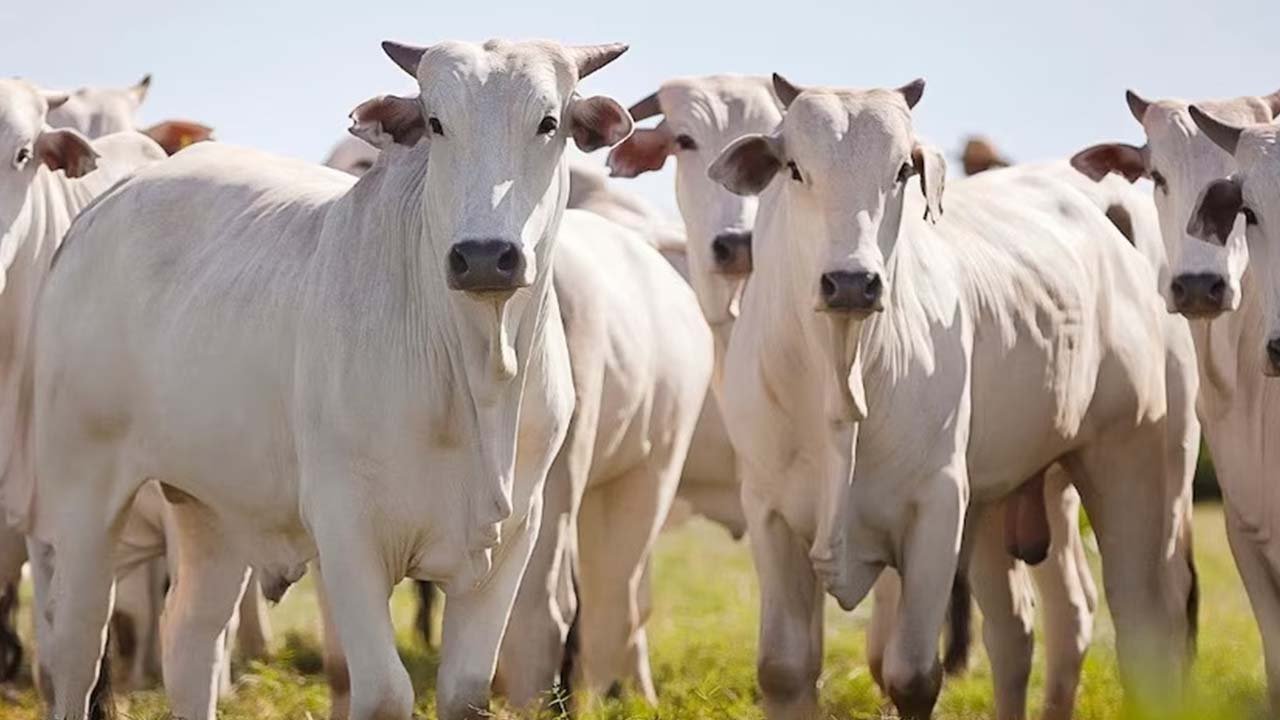
    Under the agreement, Fongrow, a company established under the Green Pakistan Initiative, will import nine breeds of cattle from Brazil, encompassing both local and Brazilian breeds.

    The consignment of cattle from Brazil is slated to arrive at Sialkot International Airport today via air cargo and will subsequently be transported to Peruwal Model Farm in Punjab.

    During an interview, Brazilian Ambassador Olyntho Vieira stressed the significant potential for bilateral trade between Brazil and Pakistan across various sectors.

    He highlighted that investment and technology could enhance livestock productivity, mentioning that red Sindhi cattle were initially transported from Pakistan to Brazil in the 1950s and have been preserved since then.

    The imported cattle comprise breeds such as Nylori, Redus Sindhi, Guzeera, Brahman, Angus, and others.