Category: Business

The most important business news, explained in a young, easy to understand way. News that affects young career professionals.

  • Gold price in Pakistan remains unchanged on first trading day of the week

    Gold price in Pakistan remains unchanged on first trading day of the week

    On the first trading day of the week, gold prices in Pakistan maintained stability while witnessing a slight uptick in the global market.

    According to data provided by the All Pakistan Gems and Jewellers Sarafa Association (APGJSA), the local market reported no change in the price of gold per tola, standing firm at Rs228,200.

    Similarly, the rate for 10 grammes of gold remained unchanged at Rs195,645.

    This follows a notable decline in gold prices observed in the previous session, where rates plummeted by Rs4,200 per tola.

    However, on Monday, the international market witnessed a modest increase in gold prices. With a premium of $20, the global rate of gold rose by $2, settling at $2,187 per ounce, as reported by APGJSA.

    Meanwhile, silver rates in the domestic market remained stable at Rs2,580 per tola, showing no significant fluctuations.

    The consistent performance of precious metals in Pakistan reflects a steadiness in the market amid global economic dynamics.

    The stability in gold prices locally, coupled with the marginal gain in the international market, underscores the cautious sentiment prevailing among investors amidst evolving geopolitical and economic factors.

  • PM Shehbaz transfers ECC chairmanship to Finance Minister Aurangzeb

    PM Shehbaz transfers ECC chairmanship to Finance Minister Aurangzeb

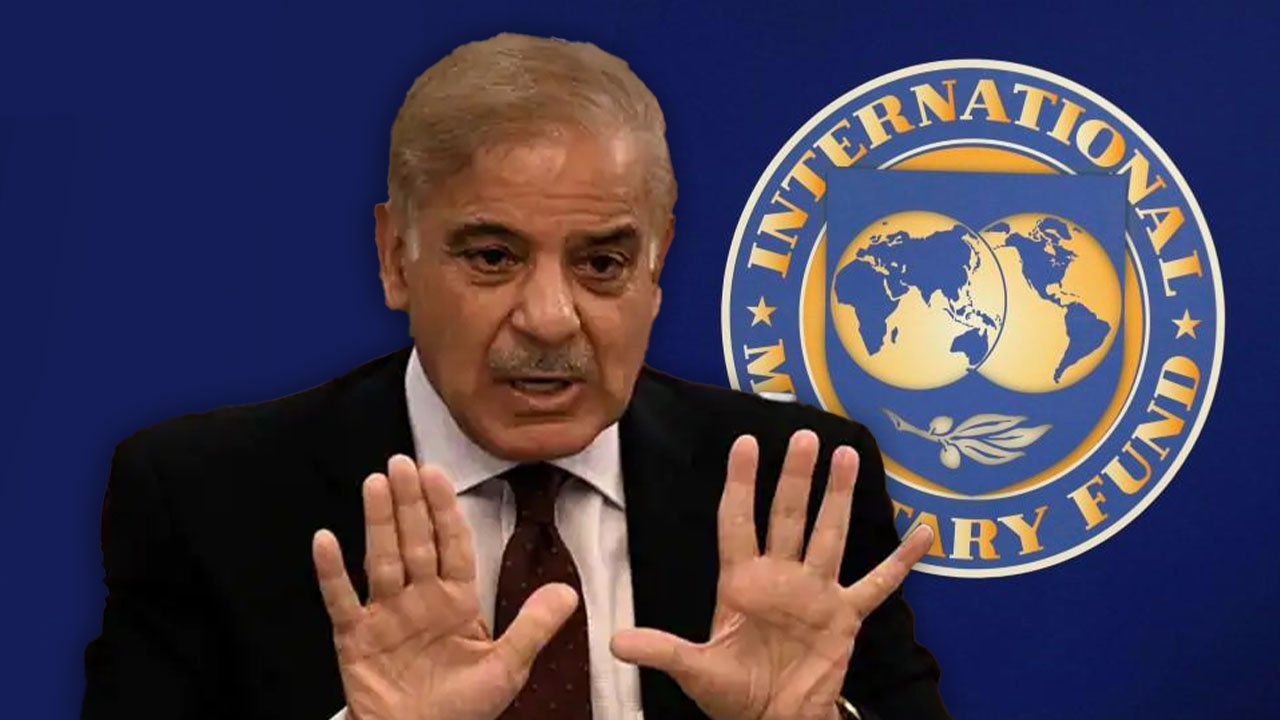
    Prime Minister (PM) Shehbaz Sharif, in a reversal of his earlier decision, has transferred the chairmanship of the Economic Coordination Committee (ECC) to Finance Minister Muhammad Aurangzeb.

    According to a notification, the ECC will now be led by the finance minister, with ministers of economic affairs, planning, commerce, power, and petroleum being integral members of the committee.

    Previously, PM Shehbaz had announced himself as the chair of the ECC when unveiling the composition of seven major committees. This move had drawn criticism for potentially limiting the authority of the new finance minister. 

    Furthermore, the premier had initially chosen to preside over the Cabinet Committee on Energy (CCoE).

    Similarly, the Cabinet Committee on State-Owned Enterprises (CCoSOEs) was formed earlier under the chairmanship of the finance minister. Accordinng to Aaj News, the Minister for Finance will head the CCoSOEs, with ministers of Maritime Affairs, Economic Affairs Division, Science and Technology, and Housing and Works serving as its members.

    In a report by APP, PM Shehbaz emphasised the government’s commitment to implementing tough economic measures to navigate the country out of crisis while ensuring the protection of the underprivileged segments of society. 

    He stressed that the brunt of these measures would primarily be borne by the affluent, with mechanisms in place to safeguard the interests of the poor and vulnerable.

    Speaking at the meeting of the Apex Committee of the Special Investment Facilitation Council (SIFC), the prime minister disclosed that the International Monetary Fund (IMF) had completed the review for the disbursement of the last tranche of US$1.1 billion, expected to be received next month.

  • Pakistanis catch a break as weekly inflation hits 18-week low

    Pakistanis catch a break as weekly inflation hits 18-week low

    Short-term inflation in Pakistan dipped to 29.06 per cent year-on-year by the week ending March 21, stepping down from its prolonged stint above 30 per cent for the past 18 weeks, as per recent official data.

    The pullback in weekly inflation, tracked by the Sensitive Price Index (SPI), was primarily attributed to a drop in the prices of key staples like tomatoes, onions, and potatoes. The SPI noted a 1.13 per cent week-on-week decrease as of March 21, down from 32.89 per cent recorded in the previous week.

    This follows an unbroken 11-week stretch of inflation topping 40 per cent, starting from 29 per cent noted on November 8, 2023. The surge was largely fueled by upticks in gas prices, electricity tariffs, and essential kitchen item costs.

    Weekly inflation peaked at a record 48.35 per cent year-on-year in early May 2023, before cooling off to as low as 24.4 per cent in late August 2023, only to surge past 40 per cent again by the week ending November 16, 2023.

    Among the notable declines in prices on a week-on-week basis were tomatoes (36.73 per cent), onions (19.58 per cent), potatoes (4.02 per cent), garlic (2.87 per cent), pulse mash (1.25 per cent), wheat flour (1.02 per cent), sugar (0.95 per cent), pulse masoor (0.86 per cent), and diesel (0.60 per cent).

    Conversely, significant increases were seen in the prices of LPG (1.49 per cent), shirting (0.74 per cent), beef (0.53 per cent), rice basmati broken (0.48 per cent), mutton (0.42 per cent), mustard oil (0.40 per cent), rice irri 6/9 (0.25 per cent), powdered milk (0.14 per cent), and georgette (0.03 per cent) compared to the previous week.

    On an annual basis, notable price hikes were observed in gas charges for Q1 (570 per cent), chilli powder (86.05 per cent), gents sponge chappal (58.05 per cent), garlic (57.41 per cent), onions (54.65 per cent), gents sandal (53.37 per cent), gur (39.86 per cent), sugar (35.01 per cent), salt powder (33.29 per cent), energy saver (29.83 per cent), and pulse mash (27.31 per cent).

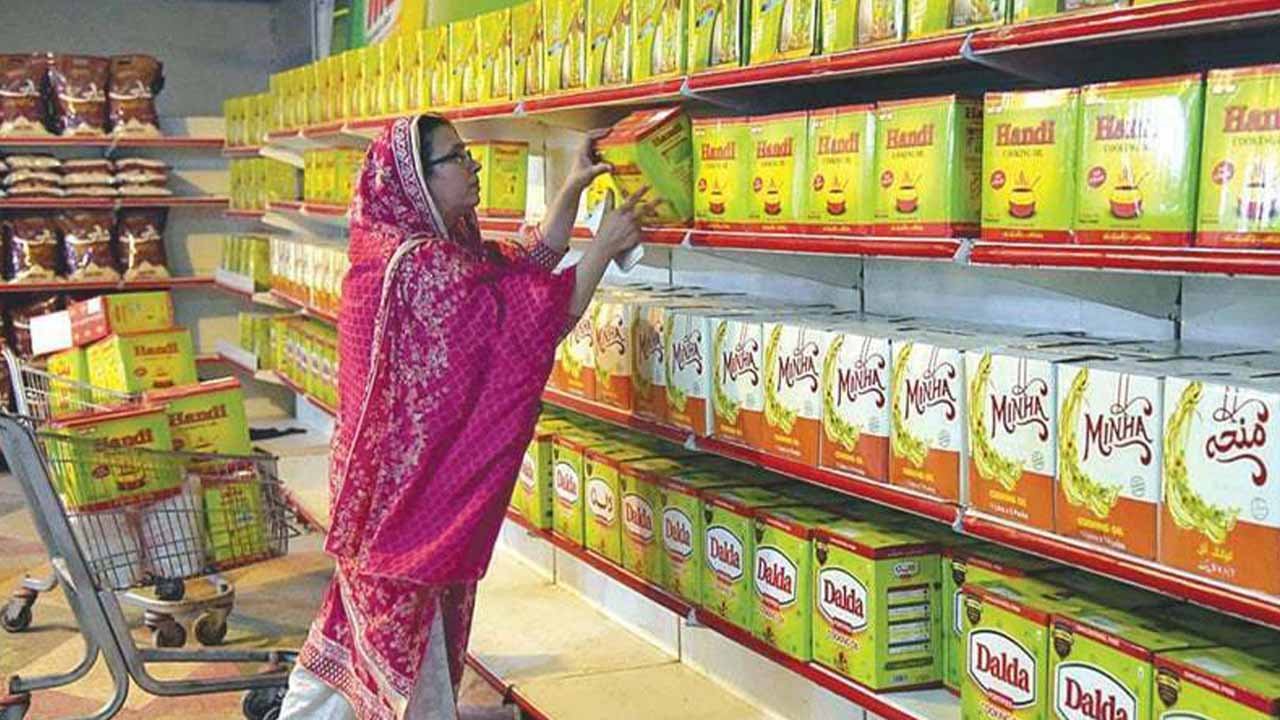
    In contrast, certain items witnessed declines, with cooking oil 5-litre dropping by 21.35 per cent, followed by vegetable ghee 2.5 kg (18.48 per cent), vegetable ghee 1 kg (18.44 per cent), mustard oil (13.90 per cent), bananas (13.52 per cent), diesel (2.47 per cent), and cigarettes (0.06 per cent).

    The short-term inflation, gauged through the SPI, stood at 323.50, compared to 327.21 in the preceding week and 250.66 a year ago. Comprising 51 items collected from 50 markets in 17 cities, the SPI is calculated weekly to monitor the prices of essential commodities and services at shorter intervals. Data indicates that prices of nine items increased, 17 items decreased, and 25 items remained stable compared to the previous week.

  • Pakistan inks $107 million deals with Saudi Fund for hydropower projects

    Pakistan inks $107 million deals with Saudi Fund for hydropower projects

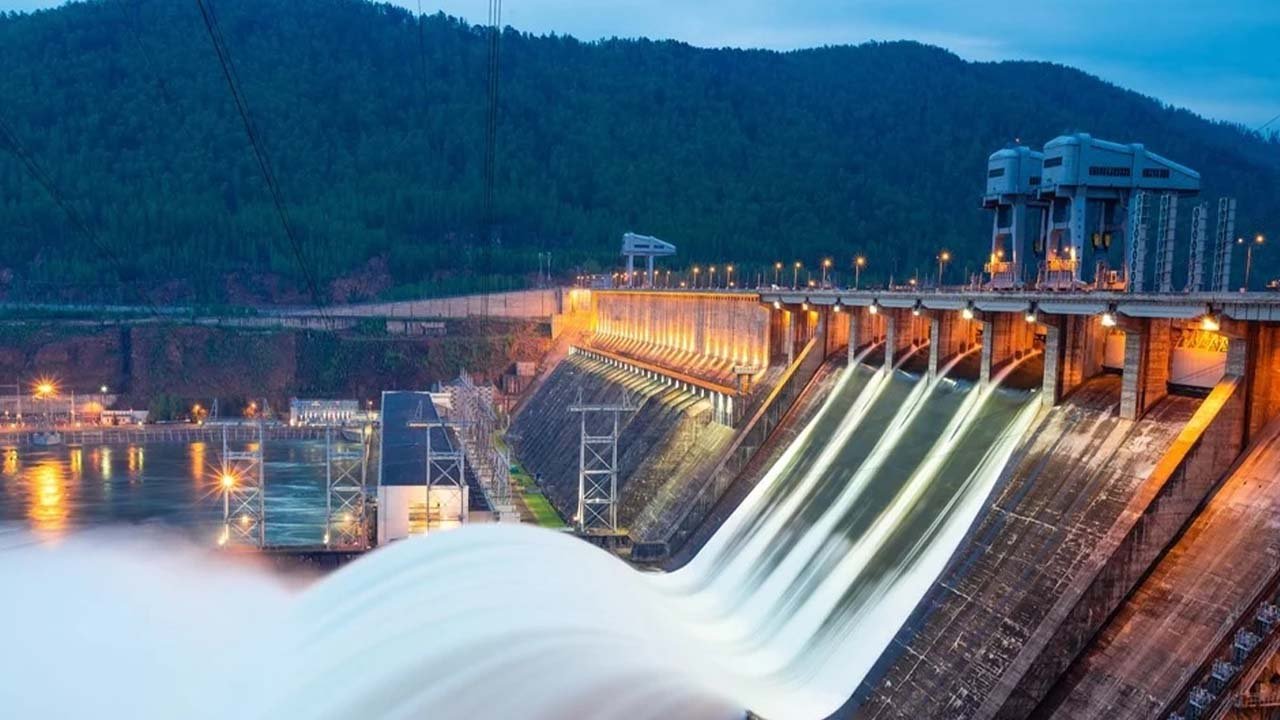
    Pakistan and the Saudi Fund for Development (SFD) have recently finalised significant agreements aimed at bolstering the country’s energy infrastructure.

    In a ceremonial signing event held on Friday, two pivotal loan agreements were formalised.

    The first agreement, valued at $66 million, pertains to the Shounter Hydropower Project, boasting a capacity of 48 MW.

    The second agreement, worth $41 million, is dedicated to the Jagran IV Hydropower Project, with a capacity of 22 MW.

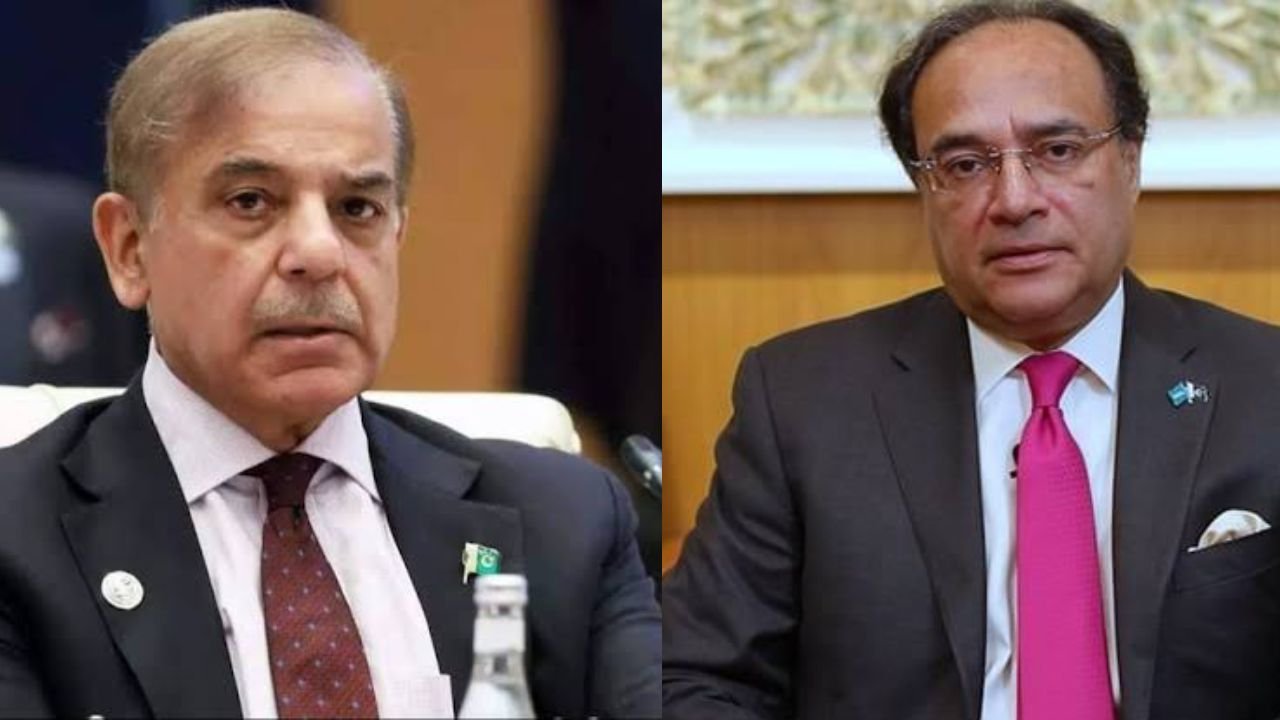
    The signing ceremony, attended by key figures from both parties, including Sultan Bin Abdul Rehman Al Marshad, Chief Executive Officer of SFD, and Ahad Khan Cheema, Minister for Economic Affairs, marks a significant milestone in Pakistan’s pursuit of sustainable energy solutions.

    In a statement issued following the event, Minister Ahad Khan Cheema expressed gratitude towards the SFD delegation and commended their unwavering support in various sectors, including health, energy, infrastructure, and education, particularly amidst recent challenges such as flooding incidents.

    These collaborative efforts are geared towards tapping into Pakistan’s abundant hydropower potential, with the aim of generating an additional 70 MW of electricity to be integrated into the national grid.

    Beyond mere energy production, the projects also seek to address environmental concerns by offering an alternative to deforestation practices.

    By providing electricity as a viable substitute for wood-based energy sources, local communities, predominantly reliant on forest resources, will benefit. This initiative is expected to catalyze economic growth and uplift the socio-economic landscape of Azad Jammu and Kashmir (AJK).

    Minister Ahad Khan Cheema reiterated Pakistan’s appreciation for the pivotal role played by SFD during challenging times and pledged to further strengthen bilateral relations in the future.

    In response, Sultan Bin Abdul Rehman Al Marshad reaffirmed SFD’s steadfast commitment to supporting Pakistan’s development endeavours.

  • World Bank approves $149.7 million financing for key projects in Pakistan

    World Bank approves $149.7 million financing for key projects in Pakistan

    The World Bank’s Board of Executive Directors has greenlit a significant sum of $149.7 million in financing for Pakistan, marking a milestone in bolstering the nation’s development efforts.

    The approval, granted on Friday, will allocate funds to support two vital projects aimed at enhancing the country’s infrastructure and digital landscape.

    According to a press statement released by the international financial institution, a substantial portion of the funding, totaling $78 million, has been earmarked for the Digital Economy Enhancement Project (DEEP).

    This initiative seeks to bolster digitally enabled public services delivery for both citizens and businesses, thereby fostering greater accessibility and efficiency.

    Simultaneously, an allocation of $71.7 million has been designated as second additional financing for the Sindh Barrages Improvement Project. This endeavor aims to fortify resilience against floods while enhancing the reliability, safety, and management of the Sindh barrages, crucial components of Pakistan’s water management infrastructure.

    Najy Benhassine, the World Bank Country Director for Pakistan, emphasised the imperative of fortifying infrastructure in the wake of catastrophic events such as the floods of 2022. He underscored the importance of bolstering barrages and their management to mitigate the impact of such disasters effectively.

    Additionally, Benhassine highlighted the significance of nurturing Pakistan’s burgeoning digital economy. He stressed that fostering connectivity and access to government and financial services is pivotal for economic and social development, particularly for marginalised groups like women and entrepreneurs.

    The Digital Economy Enhancement Project (DEEP) aims to develop robust digital authentication and data-sharing platforms.

    These platforms will enable Pakistan to respond more effectively to shocks, deliver enhanced e-government services, and facilitate regulatory reforms to promote private participation in the sector while strengthening personal data protection and online safety.

    Moreover, the project endeavors to promote financial inclusion, particularly among women, by facilitating access to banking services and credit through smartphone applications. It also seeks to address barriers such as limited mobility and digital literacy, ensuring inclusivity in the digital realm.

    Shan Rehman, Task Team Leader for the project, emphasised the comprehensive nature of the initiative, which adopts a holistic approach to digital transformation. He emphasised the importance of inclusivity and trust in digital platforms to meet the evolving needs of the populace.

    Meanwhile, the second additional financing for the Sindh Barrages Improvement Project (SBIP) aims to complete and commission rehabilitation works for barrages, including Guddu and Sukkur. Additionally, it seeks to enhance the management of three barrages in Sindh, namely Guddu, Sukkur, and Kotri.

    Francois Onimus, Task Team Leader for the SBIP, stressed the critical role of barrages in ensuring the livelihoods and climate-resilience of the Sindh Province. He highlighted the project’s focus on bolstering canal systems fed by these barrages, thereby mitigating the adverse impacts of extreme weather events.

    In essence, the approval of financing for these projects underscores the World Bank’s commitment to supporting Pakistan’s development agenda, spanning both infrastructure and digital innovation, in its journey towards sustainable growth and resilience.

  • Toyota unveils affordable non-hybrid variants of Corolla Cross in Pakistan

    Toyota unveils affordable non-hybrid variants of Corolla Cross in Pakistan

    Indus Motor Company, the manufacturer of Toyota vehicles in Pakistan, has revealed its latest offerings for consumers.

    On Friday, the company announced the introduction of two petrol variants of the Corolla Cross. Bookings for these models are set to commence from March 23, with deliveries tentatively scheduled to begin on April 15.

    The Corolla Cross 1.8X, positioned as the high-end gasoline model, is priced at Rs8.899 million, while its basic counterpart, the 1.8 (Low), comes with a price tag of Rs8.199 million.

    In comparison, the hybrid variants are priced slightly higher, with the mid-level category priced at Rs9,399,000 and the high-end category at Rs9,849,000. It’s important to note that the company has labeled these prices as ‘introductory’ during the launch event.

    Despite this announcement, market experts suggest that the hybrid models of the Corolla Cross may remain more appealing to consumers, especially in light of rising fuel prices.

    However, experts in the auto sector note that the gasoline variants are competitively priced within the range of other compact SUVs such as the Kia Sportage, Hyundai Tucson, and MG-HS, indicating potential competition within this segment.

    The auto industry in Pakistan has witnessed intensified competition, with companies offering various discounts to attract customers.

    Toyota Corolla Cross, Corolla Cross price, Toyota car prices, Toyota cars latest prices,

  • Gold prices reverse previous day’s gains with Rs4,200 per tola drop

    Gold prices reverse previous day’s gains with Rs4,200 per tola drop

    Gold prices experienced a downturn in the domestic market on Friday, aligning with the global trend.

    The price of 24-karat gold dropped by Rs4,200 to reach Rs228,200 per tola, reflecting fluctuations in international gold prices.

    Notably, the previous day saw a significant increase of Rs4,600 per tola in gold prices in Pakistan.

    According to the Karachi Sarafa Association, the price of 24-karat gold per 10 grammes fell to Rs195,645, marking a decrease of Rs3,600.

    Similarly, the price of 22-karat gold also saw a decline, reaching Rs179,341 per 10 grammes.

    In addition to gold, silver prices also saw a decrease. 24-karat silver was sold at Rs2,580 per tola and Rs2,211.93 per 10 grammes, indicating a decrease of Rs20 per tola and Rs17.15 per 10 grammes, respectively.

    Internationally, spot gold prices retreated after reaching a milestone of over $2,200 an ounce for the first time.

    This drop followed the Federal Reserve’s indication of maintaining its trajectory for three interest-rate cuts this year. Spot gold traded near $2,166.81, showing a decrease of $14.65 or 0.68 per cent for the day.

    The correction in gold prices was influenced by the strengthening of the dollar, which rose by 0.8 per cent after hitting a one-week low.

  • Govt kickstarts privatisation process for PIA

    Govt kickstarts privatisation process for PIA

    The government, as confirmed by sources within the Prime Minister’s Office, has formally commenced the privatisation procedure for Pakistan International Airlines Corp (PIA) by issuing a gazette notification.

    This notification delineates the transition of the national airline into a government holding company.

    Notably, PIA has experienced a persistent surge surpassing its previous peak performances. Despite being a loss-making entity, the airline has encountered fluctuations in recent trading sessions.

    Its stock price has escalated by 2.37 times this month alone and an astounding 7.6 times within the current fiscal year.

    This rally can be attributed to the new government’s endeavors aimed at restructuring and privatising the airline.

  • Nationwide crackdown launched against electricity and gas theft

    Nationwide crackdown launched against electricity and gas theft

    Pakistan authorities have issued a directive to the Federal Investigation Agency (FIA) to launch a comprehensive operation targeting electricity and gas theft nationwide.

    Interior Minister Mohsin Naqvi announced the commencement of this initiative via social media platform X on Thursday, stating, “Starting today, the FIA launches a massive crackdown against electricity and gas theft across the nation.”

    Minister Naqvi said that no individual or entity will be exempt from scrutiny. Those found responsible will face legal repercussions.

    Describing the initiative as a proactive measure, the minister highlighted its objective of combating the prevalent theft of essential utilities, thereby ensuring equitable distribution and access for all citizens.

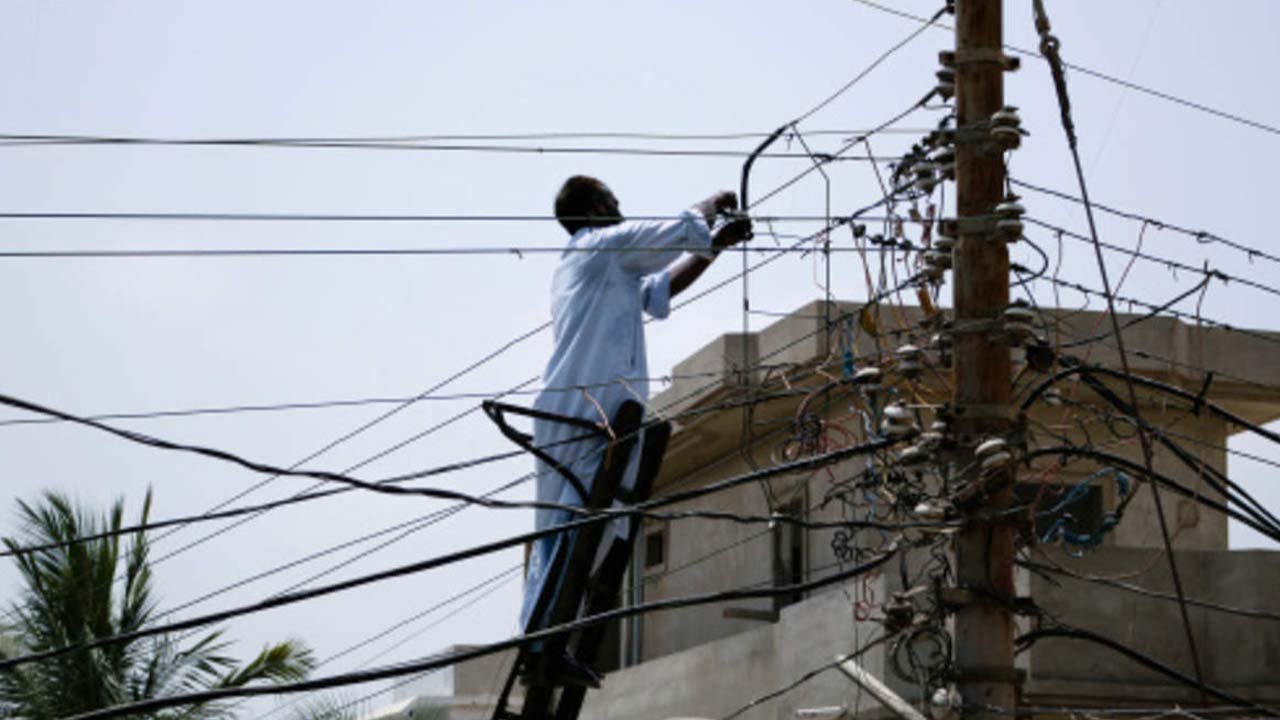
    Electricity theft remains a significant challenge in Pakistan, manifesting through illegal connections, meter tampering, and non-payment of bills.

    Current estimates depict substantial annual losses in revenue, amounting to billions of rupees, due to this illicit activity.

    These losses not only strain the financial resources of energy providers but also contribute to frequent power outages.

    Similarly, gas theft poses a formidable concern, with illegal connections and meter tampering being common methods employed to siphon natural gas unlawfully.

    This illicit practice not only results in revenue losses for gas distribution companies but also poses safety hazards. Unauthorised diversion of gas leads to supply shortages, impacting both domestic and industrial consumers.

    Recognising the urgency of the situation, the interim government initiated a significant crackdown last year to address the escalating issue of power theft and to enforce stringent measures against those involved in such activities.

  • PM Shehbaz foresees three-year IMF programme continuation

    PM Shehbaz foresees three-year IMF programme continuation

    Prime Minister (PM) Shehbaz Sharif has indicated that the new International Monetary Fund (IMF) programme is expected to extend for three years.

    Addressing the session of the Special Investment Facilitation Council’s (SIFC) apex committee, attended by both civil and military leadership on Thursday, the PM mentioned that a new installment of the loan from the IMF is anticipated in a few days. However, he underscored the necessity for another programme.

    He highlighted the unity displayed by the civil-military leadership and elected lawmakers from various political parties in today’s session, emphasising their collective commitment to the country’s development and prosperity.

    Regarding the economic challenges, the Prime Minister stressed the importance of the SIFC in facilitating foreign investments and acknowledged its significant role over the past eight months. He credited Chief of Army Staff (COAS) General Syed Asim Munir for his pivotal role in establishing the SIFC.

    Prime Minister Shehbaz emphasised the imperative of implementing reforms under the IMF programme to attain macroeconomic stability. He noted the shortfall in revenues, highlighting the need to increase them to Rs13 to 14 trillion from the current Rs9 trillion.

    Furthermore, he outlined the government’s plans to digitise the Federal Board of Revenue (FBR) to address issues such as electricity theft, which annually costs the national exchequer Rs400 billion. During the caretaker government’s tenure, measures were taken to save Rs87 billion in electricity expenses.

    PM Shehbaz also highlighted the pressing issue of circular debt in electricity and gas, which has surged to Rs5 trillion.

    He underscored the importance of unity among the federal and provincial governments to address these challenges collectively.

    Shehbaz Sharif urged the expedited privatisation of loss-making state-owned entities, citing Pakistan International Airlines (PIA), burdened with a debt of Rs825 billion, as an example.

    Acknowledging the need for tough decisions, the Prime Minister admitted that subsidies had been disproportionately allocated to the elite segments of society, emphasising the importance of redistributing the financial burden to those capable of bearing it.