Category: Business

The most important business news, explained in a young, easy to understand way. News that affects young career professionals.

  • Gold price increases by Rs500 to Rs227,800 per tola

    Gold price increases by Rs500 to Rs227,800 per tola

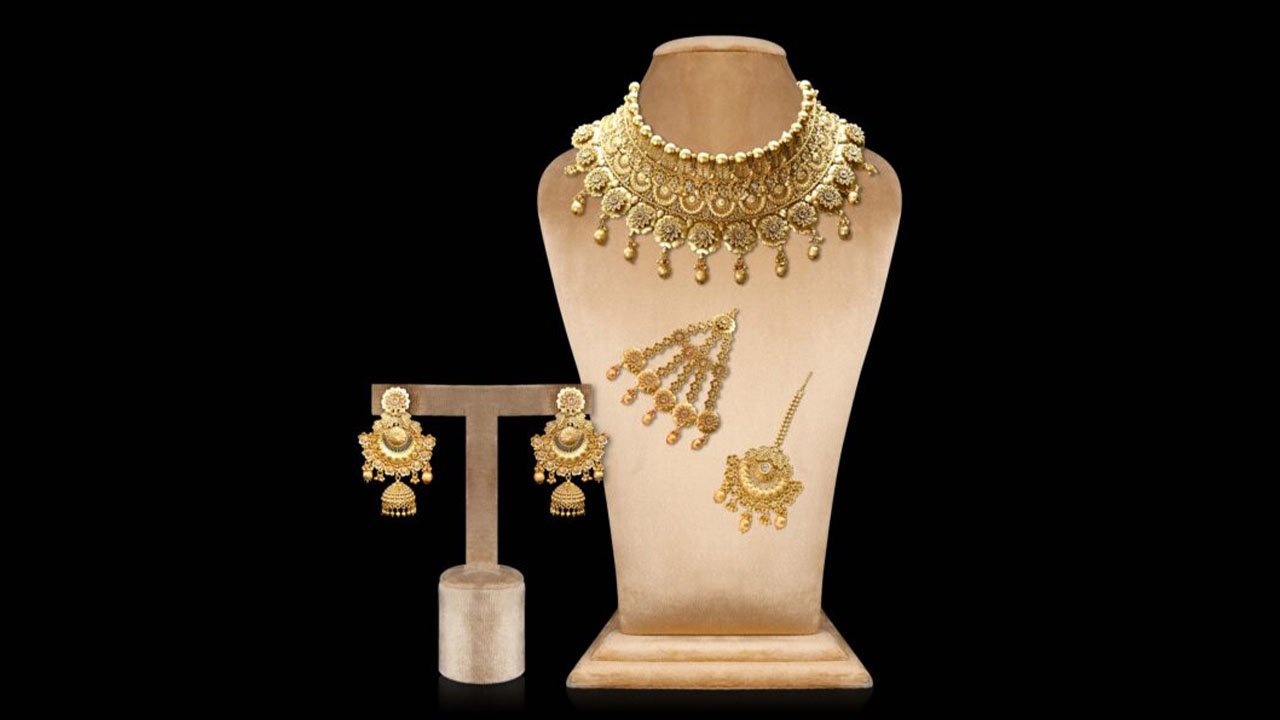
    Gold prices in the domestic market showed a slight uptick on Wednesday. The value of 24-karat gold rose by Rs500 to reach Rs227,800 per tola, according to the Karachi Sarafa Association.

    For smaller quantities, the price of 24-karat gold per 10 grammes climbed to Rs195,302, marking an increase of Rs429. Meanwhile, 22-karat gold saw a similar trend, reaching Rs179,027 per 10 grammes.

    In contrast, silver prices remained stable, with 24-karat silver being traded at Rs2,580 per tola and Rs2,211.93 per 10 grammes.

    Last week, 24-karat gold saw a reversal from its two-week upward trend, registering a loss of Rs2,700 per tola.

    On the global scale, international spot gold hovered around $2,155.8 an ounce, experiencing a marginal decline of 0.08 per cent compared to the previous session.

    Investors are eagerly awaiting the policy decision from the US Federal Reserve later today, with prevailing expectations leaning towards the Fed maintaining its current stance.

  • Final hurdle cleared: Pakistan on verge of securing IMF tranche

    Final hurdle cleared: Pakistan on verge of securing IMF tranche

    Pakistan is on track to receive the final installment of the $3 billion standby arrangement following the country’s officials meeting the economic performance criteria outlined by the International Monetary Fund (IMF), as per reports.

    Reports indicate that the IMF mission in Pakistan has concluded its review and is preparing to announce an agreement with the government for the disbursement of the last installment, totaling $1.1 billion.

    If successful, the agreement will be presented to the IMF executive board in April for their ultimate approval.

    This development follows recent discussions suggesting that negotiations with the global lending institution may be prolonged due to the parties failing to reach a consensus.

    It’s noted that the IMF has urged the government to regulate and tax cryptocurrency and other online trading platforms.

    Additionally, discussions between Pakistan and the IMF have included talks on privatising financially struggling state-owned enterprises, with Pakistan International Airlines being a priority for privatisation.

    Earlier, the government declined the IMF’s proposal to revisit the National Finance Commission (NFC) Award, citing constitutional concerns.

    The IMF had suggested reviewing the NFC Award during the second round of talks, citing a shortage of federal funds.

    Government sources said that any recommendation on the NFC Award that contradicts the constitution will not be endorsed.

    Pakistan managed to avoid a potential sovereign default after the previous coalition government, led by Pakistan Muslim League-Nawaz (PML-N), reached a staff-level agreement with the IMF on a $3 billion SBA.

    Finance Minister Muhammad Aurangzeb expressed Pakistan’s intention to secure a larger and more enduring program with the IMF, aiming to align with the country’s quota. He made these remarks while speaking to reporters in Islamabad on March 13.

  • Pakistan’s currency in circulation surges by Rs252.98 billion

    Pakistan’s currency in circulation surges by Rs252.98 billion

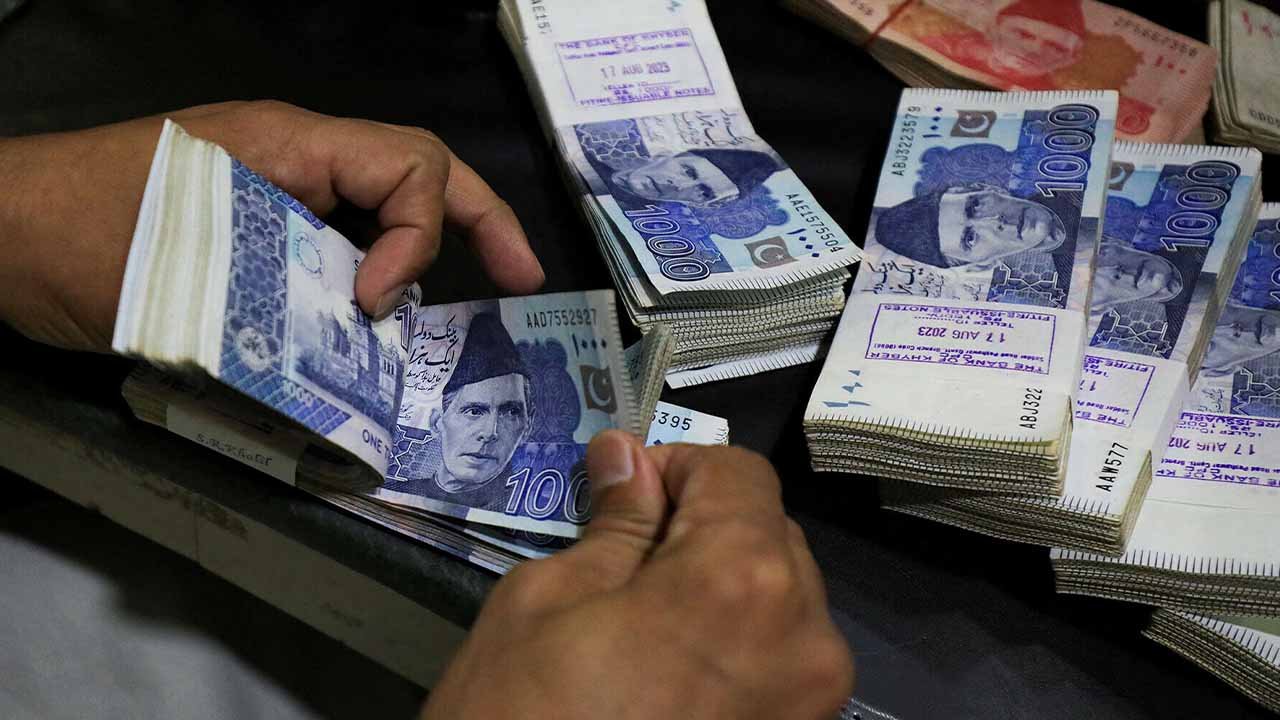
    The State Bank of Pakistan (SBP) has released provisional figures on Monetary Aggregates, revealing notable shifts in the country’s monetary landscape.

    As of March 8, 2024, the currency in circulation has seen a significant weekly increase, climbing by Rs252.98 billion to reach Rs8.66 trillion. This marks a substantial change within a short span.

    In contrast, the overall trend for the current fiscal year indicates a decrease in currency circulation, with a drop of Rs485.71 billion compared to the figure recorded at the end of June 2023, which stood at Rs9.15 trillion.

    Turning to broad money (M2), a key indicator of money supply in Pakistan, there has been a noteworthy decline of Rs206.59 billion week-on-week, bringing the total to Rs32.48 trillion by March 8, 2024.

    However, when juxtaposed with June 2023, M2 has experienced a significant increase, rising by Rs957.18 billion from the previous fiscal year’s end balance of Rs31.52 trillion.

    The ratio of currency in circulation to M2, a crucial metric for understanding liquidity dynamics, stood at 26.67%, indicating a slight uptick compared to the previous week’s 25.73% and a decrease from the June 2023 figure of 29.02%.

    Meanwhile, total deposits held with banks have shown mixed trends. The latest data reveals a weekly decrease of Rs468.69 billion, amounting to Rs23.69 trillion.

    However, on a fiscal year-to-date basis, there has been an overall increase of Rs1.43 trillion.

    It’s important to note that these deposit figures exclude certain categories such as inter-bank deposits, government deposits, and those from foreign entities.

    Currency in circulation encompasses the total value of banknotes and coins held by both the general public and financial institutions.

    In Pakistan, M2 serves as the primary measure of broad money, encompassing various forms of currency and deposits.

    From a liability perspective, M2 comprises currency in circulation, total non-government sector deposits (including resident foreign currency deposits), and other deposits held with the SBP.

    On the asset side, M2 includes the net domestic assets and net foreign assets of the banking system, incorporating both the SBP and scheduled banks.
  • 24-karat gold price increases to Rs227,300 per tola

    24-karat gold price increases to Rs227,300 per tola

    In Tuesday’s trading session, the local bullion market witnessed a modest recovery, as the price of 24-karat gold rose by Rs400 to reach Rs227,300 per tola.

    The Karachi Sarafa Association disclosed that the price of 24-karat gold for 10 grammes climbed to Rs194,873, marking a Rs343 increase.

    Similarly, the price of 22-karat gold saw an uptick, reaching Rs178,634 per 10 grammes.

    Contrarily, silver prices remained stable, with 24-karat silver maintaining its rate at Rs2,580 per tola and Rs2,211.93 per 10 grammes.

    Last week, 24-karat gold concluded its two-week ascent with a setback of Rs2,700 per tola.

    On the global scale, international spot gold hovered around $2,155 per ounce, experiencing a marginal decline of 0.25 per cent compared to the preceding session.

    This dip in the global market is attributed to dampened expectations of a US interest rate reduction following lackluster price data from the previous week.

    Notably, US consumer prices surpassed projections in February, while producer prices hinted at inflationary pressures.

  • Significant increase in mobile phone imports in eight months

    Significant increase in mobile phone imports in eight months

    Imports of mobile phones have recorded a significant year-on-year increase in the first eight months of the current financial year.

    According to statistics released by Pakistan Bureau of Statistics, during the period from July to February 2024, 1.148 billion dollars was spent on the imports of mobile phones, which is 156 per cent more than the 448 million dollars of the same period of the previous financial year.

    According to the data, 161 million dollars was spent on the imports of mobile phones in February, which is 387 per cent more than February of last year.

    Compared to January, there was a decrease of eight per cent in imports of mobile phones in February on a monthly basis — 195 million dollars were spent on the imports of mobile phones in January.

  • SBP maintains policy rate at 22% for sixth consecutive time

    SBP maintains policy rate at 22% for sixth consecutive time

    The Monetary Policy Committee (MPC) of the State Bank of Pakistan (SBP) has opted to maintain the key policy rate at 22 per cent, marking its sixth consecutive decision to uphold the status quo.

    In its statement released on Monday, the MPC affirmed its decision, stating, “At its meeting today, the MPC decided to keep the policy rate unchanged at 22 per cent.”

    While acknowledging a visible decline in inflation as anticipated in the latter half of Fiscal Year 2024 (H2-FY24), the MPC underscored the persistently high level of inflation and the associated risks, despite a notable deceleration in February. This cautious stance is deemed necessary to steer inflation towards the target range of 5–7 per cent by September 2025.

    Against a backdrop of uncertain inflation projections, major central banks worldwide, including those in advanced and emerging economies, have remained conservative in their monetary policy approaches, as highlighted in the MPC statement.

    Emphasising the importance of sustained targeted fiscal consolidation and timely realisation of planned external inflows, the MPC reiterated that its assessment hinges on these factors.

    Furthermore, the latest economic indicators indicate a moderate upturn in economic activity, primarily driven by a rebound in agricultural output. The external current account balance has outperformed expectations, bolstering foreign exchange reserves despite subdued financial inflows. However, inflation expectations among businesses have steadily risen since December, with consumer expectations inching up in March. Additionally, while global commodity prices have generally remained stable, escalating oil prices, attributed partly to ongoing tensions in the Red Sea, present a notable exception.

    Given the uncertainties surrounding the inflation outlook, compounded by potential upward pressure from administered price adjustments or fiscal measures, the MPC deems it prudent to maintain the current monetary policy stance for the time being.

  • IMF urges Pakistan to expand capital gains tax scope to include cryptocurrencies

    IMF urges Pakistan to expand capital gains tax scope to include cryptocurrencies

    The International Monetary Fund (IMF) has advised the Federal Board of Revenue (FBR) to broaden the scope of capital gains tax (CGT) by incorporating cryptocurrencies into the tax regime.

    This recommendation arises amidst ongoing discussions between the Fund and Pakistani authorities regarding the $3 billion stand-by arrangement (SBA).

    The four-day review, which commenced on Thursday, aims to unlock the final tranche of approximately $1.1 billion secured by Islamabad under a last-minute rescue package last summer, thus averting a sovereign debt default.

    During these deliberations, the IMF proposed a reassessment of tax slabs for real estate and listed securities to ensure comprehensive taxation of all gains, irrespective of asset holding periods.

    Moreover, the IMF urged the FBR to mandate property developers to monitor and report all pre-completion property transfers, with penalties for non-compliance. This move aims to bring under the tax umbrella the prevalent practice of trading property plot files within housing schemes.

    These recommendations are anticipated to be incorporated into the forthcoming bailout package under the Extended Fund Facility (EFF), potentially becoming integral to the FY2024–25 budget through the finance bill.

    The IMF’s technical assistance report highlights the challenges faced by Pakistani authorities in assessing and collecting taxes on capital gains from real estate transactions, particularly those occurring before formal property registration.

    To address this issue, the IMF suggests obligating property developers to track and report all pre-completion property transfers, with penalties for non-compliance, thereby shifting tax liabilities to developers if they are not recoverable from the initial transferor.

    Furthermore, the IMF advocates for the expansion of assets subject to capital gains tax to include emerging investment avenues such as cryptocurrencies alongside real estate and listed securities. 

    It also proposes revising tax slabs to ensure equitable taxation of capital gains, irrespective of asset holding durations.

    Overall, these IMF recommendations seek to fortify the taxation framework, ensuring a more inclusive and equitable approach to capital gains taxation in Pakistan.

  • Pakistan expected to sign IMF agreement this week

    Pakistan expected to sign IMF agreement this week

    Pakistan is poised to finalise a staff-level agreement with the International Monetary Fund (IMF) this week.

    The anticipated agreement with the IMF is expected to pave the way for Pakistan to receive the final installment of $1.1 billion under the SBA agreement.

    Additionally, it has been reported that Pakistani officials, in discussions with the IMF, have pledged to implement an increase in electricity tariffs effective July 1. Moreover, consumers will bear periodic fuel adjustments on a monthly, quarterly, and annual basis for cost recovery purposes.

    Highlighting the imperative of safeguarding beneficiaries enrolled in the BISP programme, the IMF delegation emphasised to Pakistani authorities the importance of maintaining stringent monetary policies and stable market exchange rates.

    The ongoing visit of the IMF delegation to Pakistan pertains to the second review under the SBA loan programme.

    In an earlier development, sources revealed that the Pakistani government rebuffed the IMF’s request to revisit the National Finance Commission (NFC) Award. 

    The IMF had urged Islamabad to reconsider the NFC Award allocation with the provinces during the second review talks within the framework of the $3 billion loan programme under the SBA, citing a shortfall in federal funds.

  • Govt keeps petrol price unchanged at Rs279.75 per litre

    Govt keeps petrol price unchanged at Rs279.75 per litre

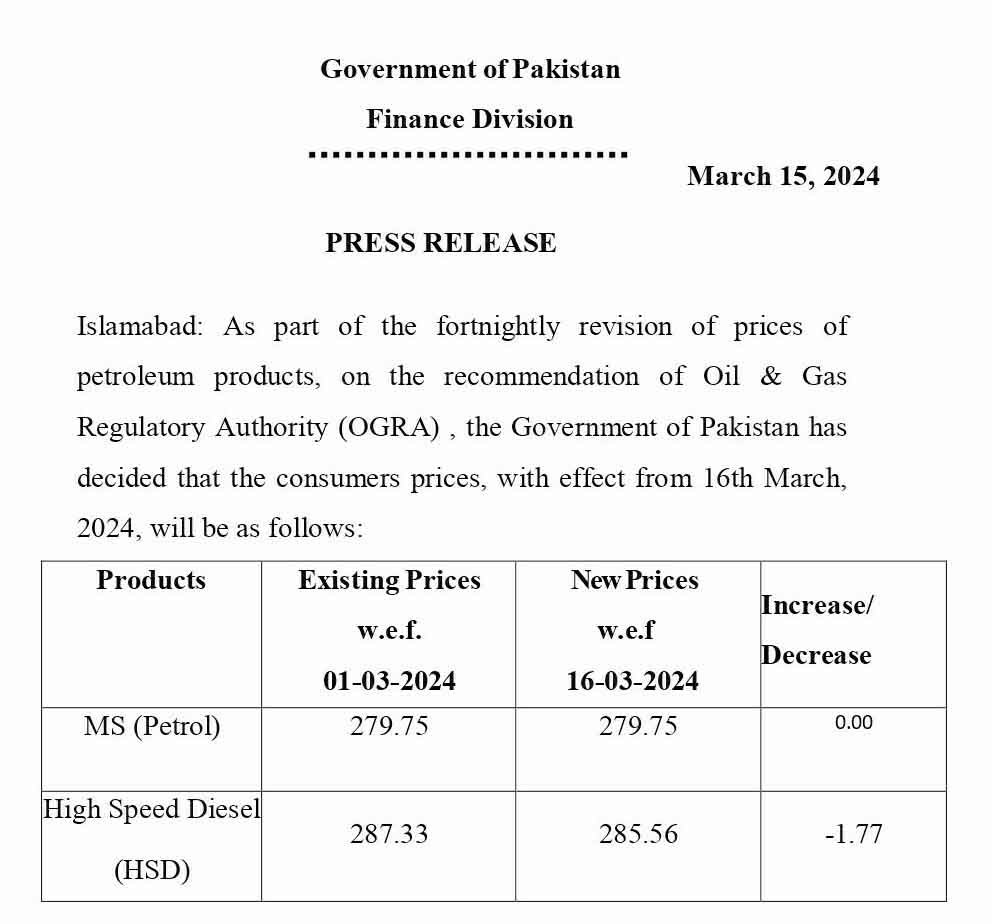
    The newly elected government, in its inaugural fortnightly review following assumption of power, has opted to keep the price of petrol unchanged for the upcoming fortnight at Rs279.75 per litre.

    According to a statement released by the Finance Division, the price of diesel has been revised downwards by Rs1.77 per litre, resulting in a new price of Rs285.56 per litre.

    In the previous review, the interim government at the time maintained the diesel price at its existing level while raising the petrol price by Rs4.13 per litre.

    Petrol price in Pakistan from March 16, 2024
  • Honda City CVT is now only Rs50,000 more expensive than manual variant

    Honda City CVT is now only Rs50,000 more expensive than manual variant

    In a development likely to spark interest among sedan enthusiasts across Pakistan, Honda Atlas Cars Limited (HACL) has announced significant price reductions for its highly sought-after Honda City models.

    Effective March 15, 2024, the automobile manufacturer has implemented noteworthy price cuts on two of its City variants, signalling a strategic move amidst a dynamic market landscape.

    This decision follows a similar initiative by the Indus Motor Company, which recently reduced prices for its Toyota Yaris lineup.

    Under the revised pricing structure, the Honda City MT 1.2L now boasts a new price tag of Rs4.649 million, reflecting a reduction of Rs50,000.

    Meanwhile, the City CVT 1.2L has seen a substantial price drop of Rs140,000, bringing its revised cost to Rs4.689 million.

    Of particular interest is the narrowing price gap between the manual and automatic variants, with a mere Rs50,000 difference observed between the two models.

    This adjustment is anticipated to significantly influence consumer preferences, potentially tilting the scale in favour of the automatic transmission option.

    The decision to revise prices comes in response to the recent imposition of a 25 per cent sales tax on automobiles priced above Rs4 million.

    This tax hike has prompted various automotive giants to recalibrate their pricing strategies to remain competitive in the market.

    Notably, Toyota also initiated price reductions for its Yaris sedan lineup, ranging from Rs73,000 to Rs133,000, in alignment with the prevailing market dynamics.

    However, it’s worth mentioning that while sedan manufacturers have navigated the tax increase by implementing price adjustments, SUV manufacturers producing vehicles below 1400 cc were unable to circumvent the tax hike.

    Advocating for the inclusion of a Rs4 million price cap, these manufacturers have found themselves subject to the augmented sales tax regime, impacting certain Toyota, Honda, and Suzuki models.

    With these strategic manoeuvres, Honda Atlas Cars Limited aims to not only cater to evolving consumer demands but also maintain its competitive edge in the dynamic automotive market of Pakistan.