Category: Business

The most important business news, explained in a young, easy to understand way. News that affects young career professionals.

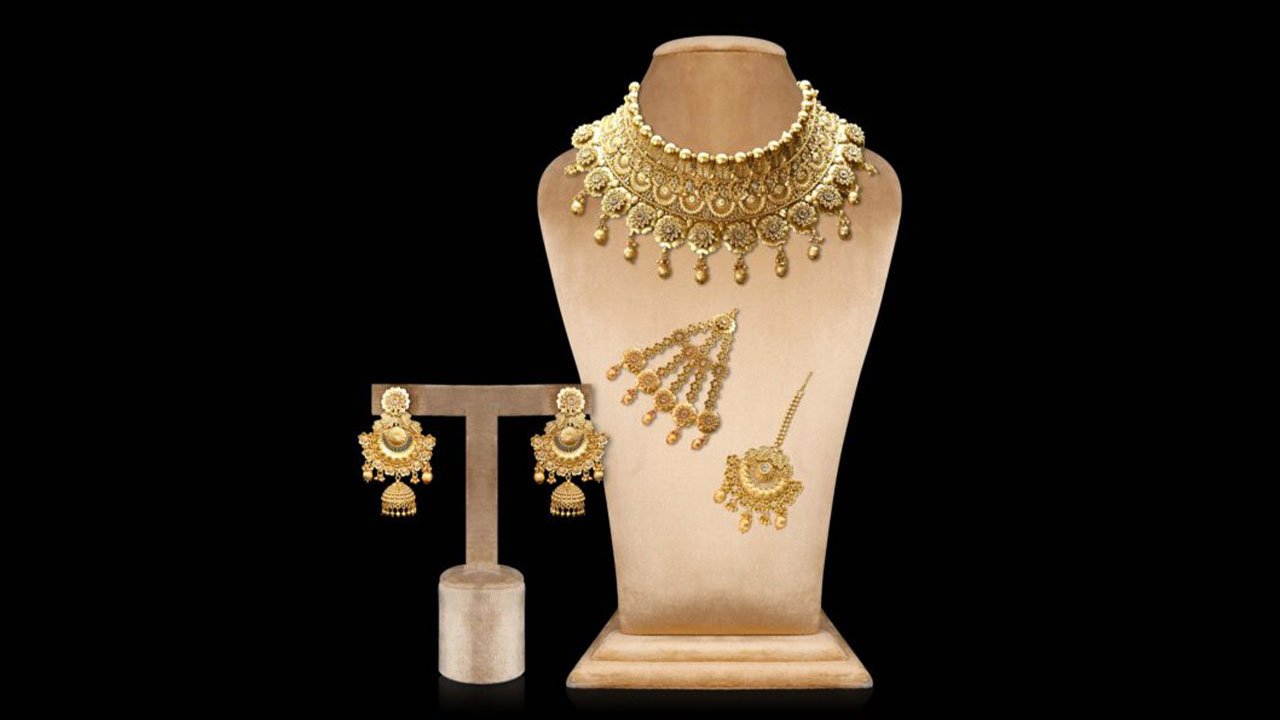
  • Gold prices remain unchanged in Pakistan amid global market stability

    Gold prices remain unchanged in Pakistan amid global market stability

    Gold prices in Pakistan remained steady on Friday, in line with the unchanged trend witnessed in the global market for the precious metal.

    As reported by the All Pakistan Gems and Jewellers Sarafa Association (APGJSA), there were no fluctuations in the local market’s gold prices.

    The price per tola remained firm at Rs228,550, while the rate for 10 grammes stayed constant at Rs195,945.

    This stability followed a minor increase in gold rates noted on Thursday, with a rise of Rs250 per tola reported.

    Similarly, the international gold price held its ground on Friday, standing at $2,188 per ounce with a $20 premium, as verified by APGJSA.

    Silver prices also maintained their stability, remaining unchanged at Rs2,600 per tola.

  • Plastic currency coming soon in Pakistan?

    Plastic currency coming soon in Pakistan?

    Negotiations between Pakistan and the IMF mission for the next instalment of a vital loan will continue to proceed today.

    According to sources quoted by Geo news, IMF officials will be briefed on FBR reforms, tax collection and other issues, as well as more immediate measures to increase tax collection in the current financial year.

    Sources say that State Bank officials will brief the IMF delegation on the plan to issue new plastic notes to prevent fake currency.

    Such currency notes are being used in Far Eastern countries and Switzerland.

    The IMF will also be briefed on reports issued under the United Nations Anti-Corruption Convention.

    The IMF had set a condition for Pakistan to prepare a report from experts on the efficiency of anti-corruption institutions.

    This condition has to be implemented by the Ministry of Interior and Ministry of Law.

    The IMF will also be briefed on improving the efficiency of government institutions and privatisation.

  • IMF mission holds crucial talks with FinMin Aurangzeb on $3 billion SBA

    IMF mission holds crucial talks with FinMin Aurangzeb on $3 billion SBA

    In a pivotal meeting held on Thursday, Pakistan’s Finance Minister, Muhammad Aurangzeb, engaged in discussions regarding structural reforms and the viability of the energy sector with the visiting International Monetary Fund (IMF) mission.

    The mission’s visit is part of the second review process of the $3 billion Stand-By Arrangement (SBA) established between Pakistan and the international lender.

    Key points of deliberation encompassed various facets of Pakistan’s macroeconomic landscape, including fiscal consolidation efforts by the government, structural reforms, energy sector sustainability, and governance of state-owned enterprises (SOEs).

    Expressing a warm reception, the finance minister underscored the government’s steadfast commitment to collaborating with the IMF to drive forward the reform agenda, aimed at fostering economic growth and bolstering stability across Pakistan.

    During the meeting, Nathan Porter, head of the IMF mission, extended congratulations to Muhammad Aurangzeb on his appointment as the finance minister.

    Anticipations are high that the IMF mission’s visit could culminate in a staff-level agreement regarding the second review of the SBA.

    Since its inception in July 2023, Pakistan has received $1.9 billion out of the allocated $3 billion under the nine-month programme.

    Aurangzeb, articulating the government’s stance, outlined intentions to explore the possibility of acquiring a more extensive and prolonged Extended Fund Facility (EFF) within the IMF framework, with the overarching objective of attaining macroeconomic stability.

    Officials from Pakistan, including Finance Minister Muhammad Aurangzeb and Energy Minister Musadik Malik, apprised the IMF team of the concerted efforts undertaken to implement the prescribed reforms, including the adjustment of energy tariffs.

    An official from the Finance Division, speaking on anonymity, disclosed the IMF’s acknowledgment of Pakistan’s strides in meeting quarterly programmeme targets under the SBA.

    Simultaneously, discussions are underway to chart the trajectory of the subsequent programmeme, with deliberations leaning towards a more extensive endeavour valued at approximately $8 billion.

    Minister Malik elaborated on the government’s energy reform agenda, highlighting recent adjustments in electricity and gas prices aligned with the stipulated schedule.

    The recent levy hike on petrol and diesel, coupled with the augmentation of gas tariffs for domestic consumers, underscores Pakistan’s commitment to fulfilling key conditions outlined in the IMF’s final review.

    Economic analysts anticipate a seamless final review process, citing Pakistan’s commendable adherence to the IMF’s performance targets as a harbinger of success.
  • SBP sees surge of over $17 million in forex reserves

    SBP sees surge of over $17 million in forex reserves

    The latest data released by the State Bank of Pakistan (SBP) revealed a notable rise in the country’s foreign exchange reserves. During the week ending March 8, 2024, SBP’s reserves increased by $17.2 million, marking a 0.22 per cent growth, reaching a total of $7.91 billion.

    Additionally, Pakistan’s overall reserves experienced a surge, ascending by $131.3 million, or 1.01 per cent, week-on-week (WoW), to a sum of $13.15 billion. This increase was further complemented by a rise in reserves held by commercial banks, which climbed by $114.1 million, or 2.23 per cent, to reach $5.24 billion.

    In a significant development, the second review of the stand-by arrangement (SBA) with the International Monetary Fund (IMF) is slated to take place from March 14 to 18, 2024. This review holds particular importance as it marks the final assessment under the SBA. Upon reaching a staff-level agreement, the final tranche of $1.1 billion will be disbursed, subject to approval by the Executive Board of the IMF.

    It is noteworthy that in the current fiscal year, Pakistan has witnessed a substantial increase in its total liquid foreign reserves, amounting to $3.99 billion, or 43.57 per cent. Similarly, the ongoing calendar year has seen a rise of $0.48 billion, or 3.77 per cent.

  • Toyota Yaris prices reduced by up to Rs133,000

    Toyota Yaris prices reduced by up to Rs133,000

    Indus Motor Company, the manufacturer of Toyota vehicles in Pakistan, has announced a significant price adjustment for its Yaris sedan range.

    This adjustment, effective from Thursday, reflects a reduction in prices ranging from Rs73,000 to Rs133,000.

    The revised pricing structure for the Yaris lineup is as follows: the 1.3 MT LO, 1.3 CVT LO, and 1.3 MT Hi variants will now be priced at Rs4.326 million, Rs4.616 million, and Rs4.586 million, respectively, representing a reduction of Rs73,000 for each model.

    Additionally, the price of the Yaris CVT Hi has been lowered by Rs133,000 and is now priced at Rs4.766 million.

    According to Business Recorder, this decision comes in response to the recent imposition of a 25 per cent sales tax on vehicles priced above Rs4 million.

    By implementing these price cuts, Indus Motor Company aims to ensure that the Yaris remains within the 18 per cent sales tax bracket.

    Initially, the government’s decision to raise the sales tax was targeted at vehicles with engine sizes of 1,400 cc and above, as well as those priced above Rs4 million.

    However, it later extended to include SUVs below the 1,400cc threshold, prompting manufacturers to advocate for a Rs4 million price cap.

    As a consequence of this tax adjustment, certain models from Toyota, Honda, and Suzuki are now subject to the increased sales tax regime.

  • Gold price in Pakistan increases by Rs250 to Rs228,550 per tola

    Gold price in Pakistan increases by Rs250 to Rs228,550 per tola

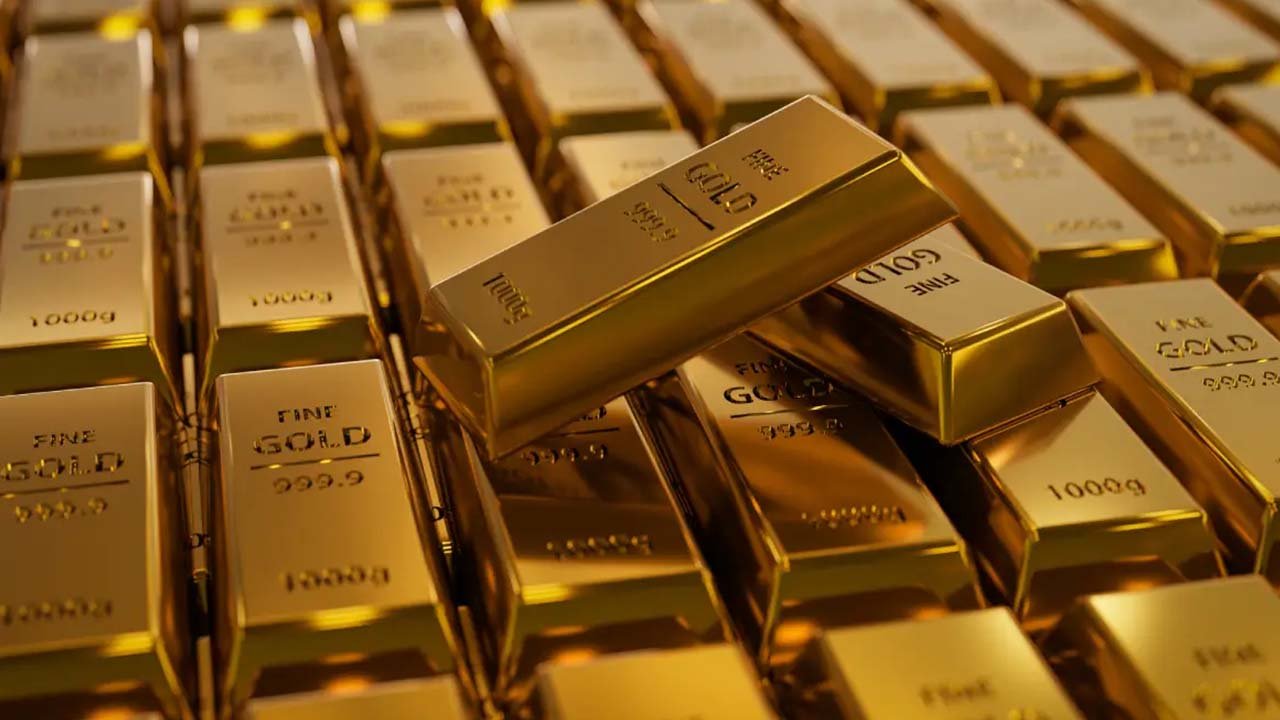
    The local bullion market exhibited stability on Thursday, with 24-karat gold fetching Rs228,550 per tola, marking an increase of Rs250 compared to the previous session.

    This pricing trend persists near its historical highs, fueled by anticipations of US interest rate adjustments, heightened Chinese purchasing activity, and ongoing geopolitical tensions.

    According to the Karachi Sarafa Association, the cost of 10-gramme 24-karat gold rose to Rs195,945 per tola, reflecting a gain of Rs215.

     Similarly, the price of 10-gramme 22-karat gold experienced a marginal uptick, reaching Rs179,616.

    Contrarily, silver rates remained unchanged today, with 24-karat silver trading at Rs2,600 per tola and Rs2,229.08 per 10-gramme.

    Internationally, spot gold hovered around $2,169 per ounce, following a $16.8 or 0.78% increase yesterday.

    JPMorgan Chase & Co. identifies gold as the top preference in commodities markets, projecting a potential price surge to $2,500 per ounce this year.

  • Understanding GSP+ status: What it means for Pakistan’s trade relations

    Understanding GSP+ status: What it means for Pakistan’s trade relations

    The Pakistan Tehreek-e-Insaf (PTI) has vehemently dismissed accusations levelled by Federal Information Minister Attaullah Tarar, labelling them as unfounded and baseless.

    In a statement issued today, the PTI refuted claims made by Tarar, asserting that they are nothing but a concoction of falsehoods and rhetoric aimed at maligning the party’s reputation.

    Earlier, Tarar had accused the PTI of plotting to undermine Pakistan’s Generalised Scheme of Preferences Plus (GSP+) status.

    He alleged that the party’s spokespersons were actively engaged in activities detrimental to the country’s interests under the directives issued from confinement.

    Understanding GSP+ and its significance for Pakistan’s economy

    The GSP+ status, a cornerstone of Pakistan’s trade relations with the European Union (EU), holds significant importance for the nation’s economy.

    Under this scheme, selected developing countries, including Pakistan, receive extensive trade concessions aimed at fostering sustainable development and good governance practices.

    The European Union’s GSP+ Scheme is founded on the effective implementation of 27 United Nations conventions covering various aspects such as human rights, labour rights, climate change, narcotics control, and corruption.

    Once granted GSP+ status, beneficiary countries are subject to rigorous monitoring to ensure compliance with the stipulated conventions and reporting requirements.

    The dialogue on GSP+ compliance involves various stakeholders, including international monitoring bodies, civil society, trade unions, and businesses.

    Regular monitoring visits are conducted by the EU to assess the progress of beneficiary countries in addressing the outlined issues.

    The significance of GSP+ for Pakistan’s economy cannot be overstated, particularly for its textile industry and workforce.

    Over the past decade, Pakistan has witnessed a notable increase in exports to the EU, accompanied by a surge in EU imports, owing to the preferential treatment offered under the GSP+ scheme.

  • Pakistan clears hurdles for IMF review, final agreement expected

    Pakistan clears hurdles for IMF review, final agreement expected

    The newly elected government of Pakistan has indicated its intention to secure a new loan from the International Monetary Fund (IMF).

    In line with this, representatives from the IMF are scheduled to visit Pakistan for the second review of the ongoing Stand-By Arrangement (SBA). The review is set to take place from March 14 to 18 in Islamabad.

    According to a statement released by the finance ministry, Pakistan has successfully met all structural benchmarks, qualitative performance criteria, and indicative targets required for the IMF review.

    This upcoming review marks the final evaluation of the SBA, with a staff-level agreement anticipated upon its completion.

    Once this agreement is reached, the final tranche of $1.1 billion under the SBA will be disbursed, subject to approval from the IMF’s Executive Board.

    Last summer, Islamabad secured a vital rescue package from the IMF, preventing a potential sovereign debt default.

    The successful completion of the final review is expected to unlock approximately $1.1 billion.

    Prime Minister Shehbaz Sharif has instructed his finance team, led by newly appointed Finance Minister Muhammad Aurangzeb, to begin preparations for seeking an Extended Fund Facility (EFF) once the standby arrangement concludes on April 11.

    The IMF has expressed readiness to develop a medium-term programme if Pakistan submits an application for one.

    Notably, the government has not officially disclosed the amount of additional funding it intends to seek through a successor programme from the IMF.

  • Car sales increase in Pakistan despite high prices, economic challenges

    Car sales increase in Pakistan despite high prices, economic challenges

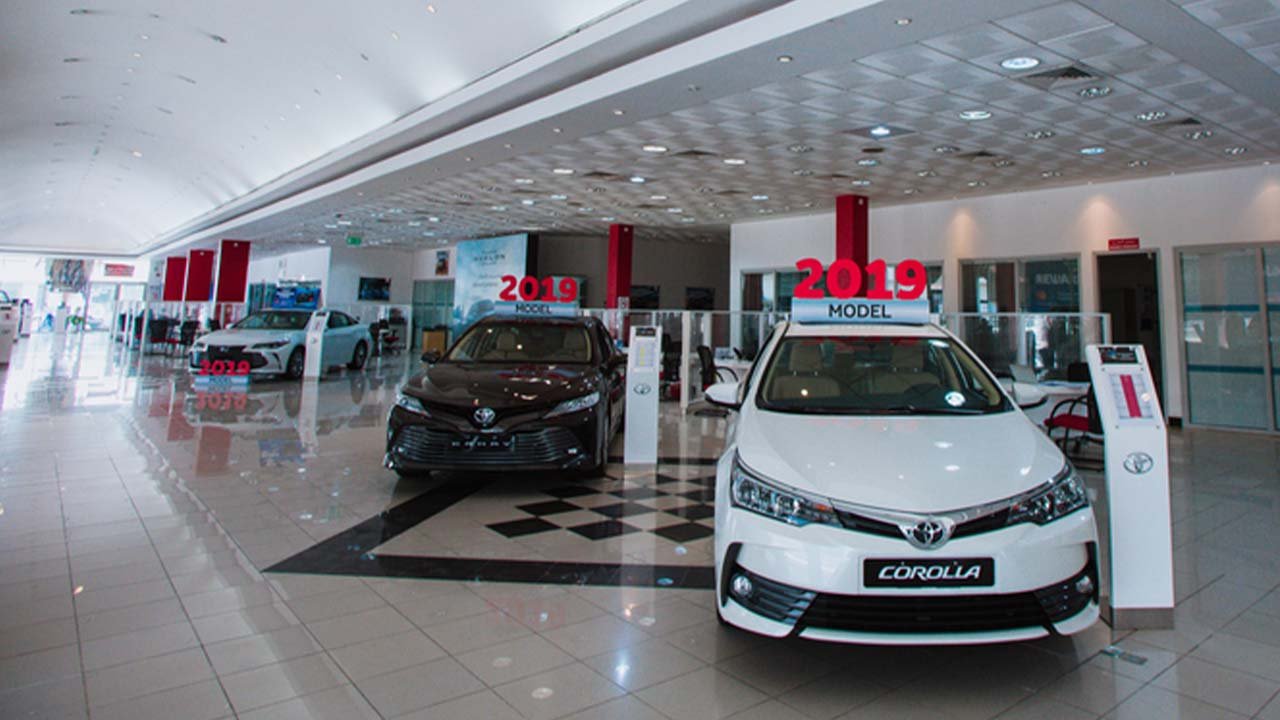
    In a surprising turn of events, the soaring prices of cars in Pakistan have not deterred buyers, as car sales experienced a notable uptick in February 2024.

    According to data released by the Pakistan Automotive Manufacturers Association (PAMA), car sales edged up by 1.94 per cent, reaching 7,953 units, compared to 7,802 units recorded in January 2024.

    This positive momentum follows a robust performance in the preceding month, where car sales hit their highest mark since December 2022.

    Analysts attribute this continued growth to the momentum generated by the new year, which has carried over into February.

    Year-on-year comparisons reveal a substantial increase, with car sales spiking by 2.18 times compared to February 2023, when only 3,642 units were sold.

    However, despite this recent surge, cumulative sales for the first eight months of fiscal year 2024 stand at 46,417 units, marking a 40.93 per cent decline from the same period last year.

    Similarly, the production of passenger cars has witnessed a significant downturn, with 8MFY24 recording 48,402 units, reflecting a 40.84 per cent decrease compared to the previous fiscal year.

    In February alone, production plummeted by 16.77 per cent month-on-month, totaling 8,002 units, down from 9,614 units in January 2023.

    Nonetheless, on a year-on-year basis, production saw a remarkable surge of 69.97 per cent, indicating a shift in manufacturing trends.

    Despite these fluctuations, the automotive landscape faces challenges, notably with Pak Suzuki Motor Company announcing two price hikes within a span of ten days in response to increased sales tax.

    The repercussions of these adjustments on sales are anticipated to unfold in the coming weeks, as the market adapts to the new pricing structure.

  • 24-karat gold price dips slightly by Rs100 per tola

    24-karat gold price dips slightly by Rs100 per tola

    In the domestic bullion market, Tuesday saw a relatively stagnant session, with the price of 24-karat gold slipping by Rs100 to Rs230,100 per tola.

    Notably, this marks the first decline in gold prices in Pakistan following ten consecutive sessions of growth.

    Just last week, the price of 24-karat gold surged by almost Rs10,000 per tola, reaching levels unseen since September 2023.

    However, according to the Karachi Sarafa Association, the price of 10-gramme 24-karat gold dropped to Rs197,274 per tola, reflecting a decrease of Rs86.

    Similarly, the price of 10-gramme 22-karat gold experienced a slight dip, settling at Rs180,834.

    Contrastingly, silver prices remained stable today, with 24-karat silver maintaining its rate at Rs 2,600 per tola and Rs2,229.08 per 10-gramme.

    On the global stage, international spot gold traded near $2,177.14 an ounce, marking a 0.26% decrease from the previous session.

    Investors are closely monitoring Tuesday’s U.S. inflation data, anticipating its impact on monetary policy.